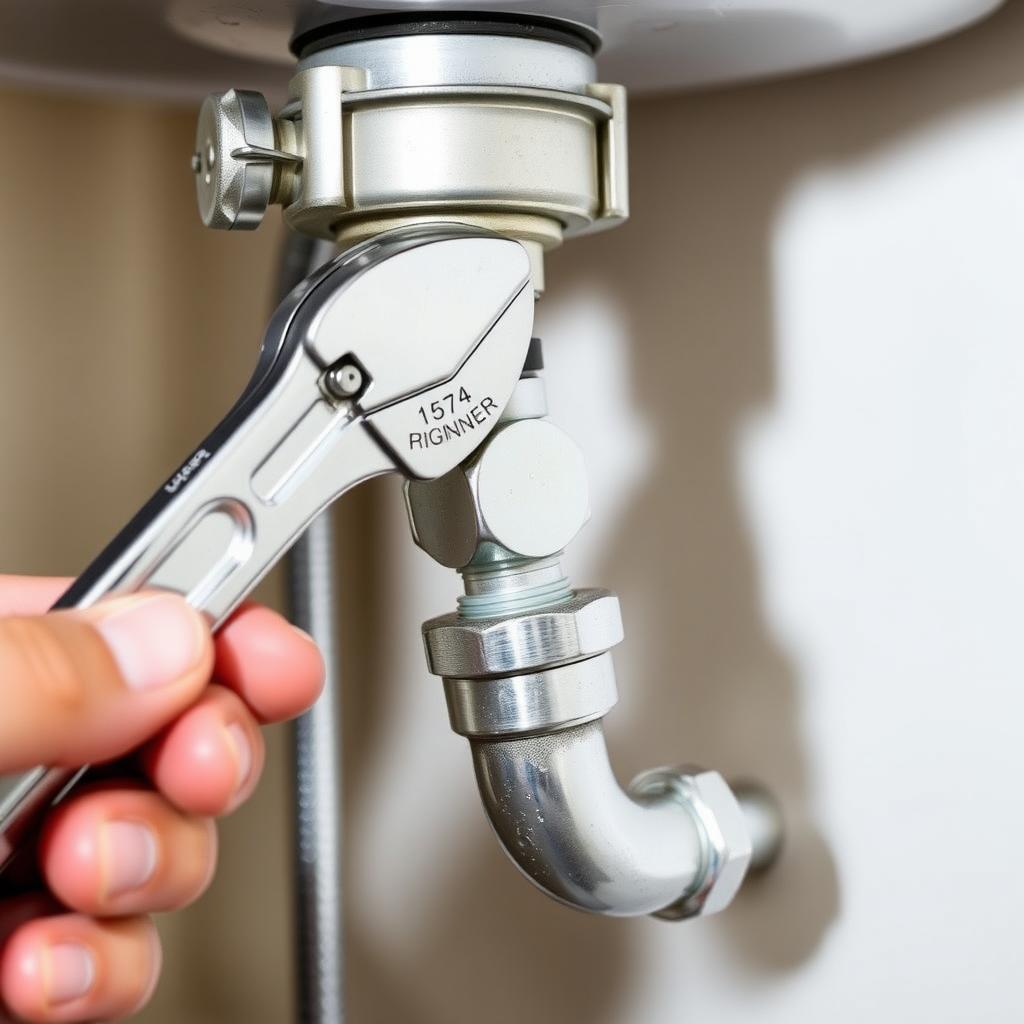
Overview
Power tools like power drills and saws are game-changers for DIY enthusiasts and professionals alike. But without proper care, even the best tools can wear out fast. These power tools maintenance tips will help you keep your equipment running smoothly, saving you time and money while ensuring safety.
Why Power Tools Maintenance Matters
I’ve seen too many folks treat their power tools like indestructible workhorses, only to end up with a broken drill or a dull saw blade. Regular maintenance isn’t just about extending the life of your tools—it’s about safety and performance. A well-maintained power drill, for instance, can make cleaner cuts, work more efficiently, and prevent accidents caused by malfunctions. According to the U.S. Consumer Product Safety Commission, power tool injuries account for thousands of emergency room visits each year. Proper care can reduce those risks.
Maintaining your tools also saves you from costly replacements. A good power tool can last years, even decades, with the right attention. Let’s dive into practical, actionable tips to keep your power tools in top condition.
Clean Your Tools After Every Use
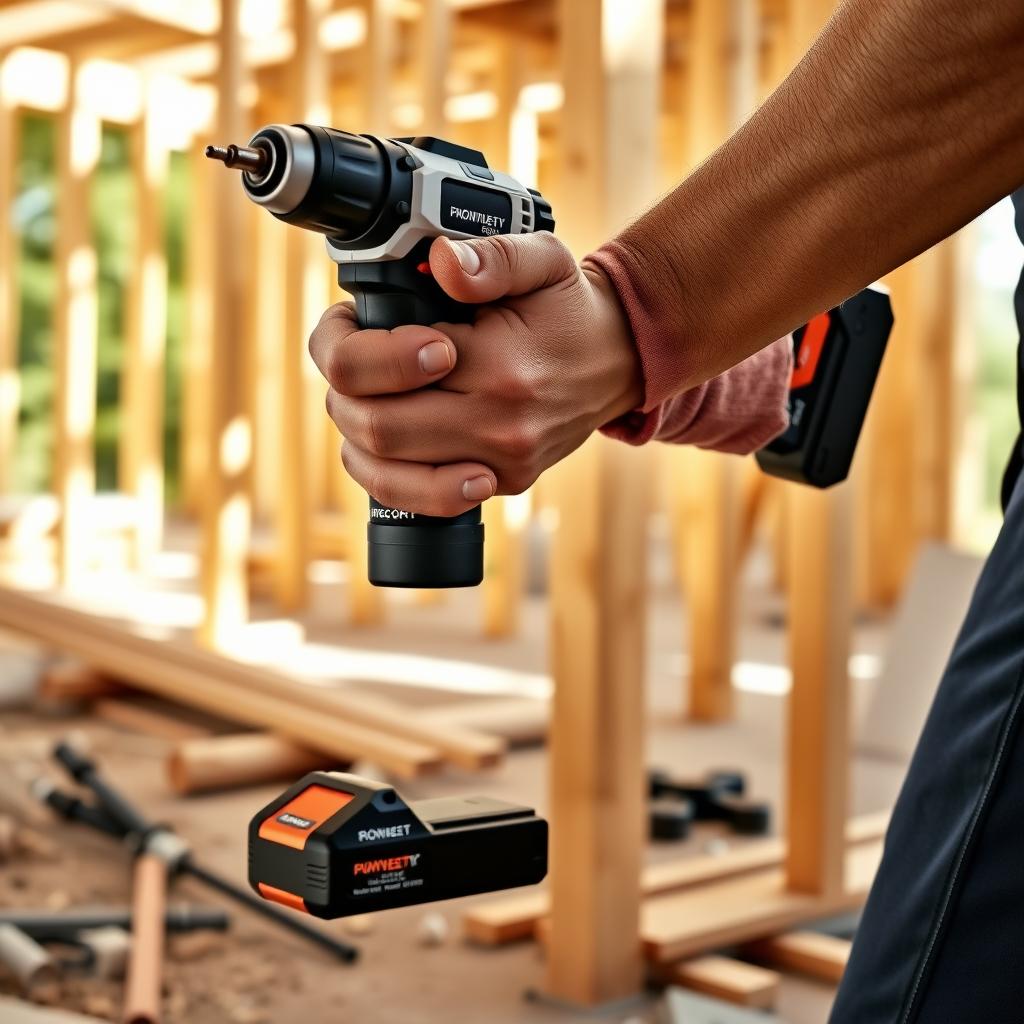
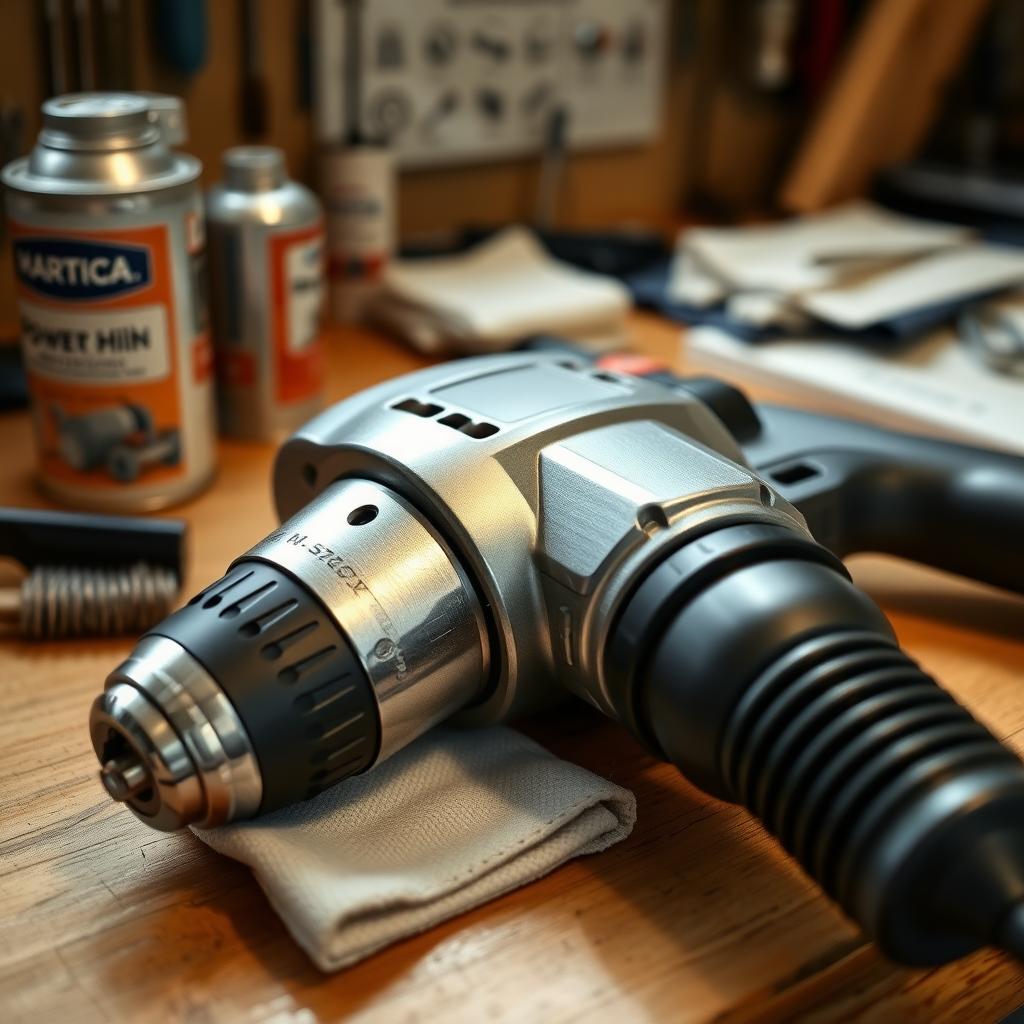
One of the simplest yet most effective power tools maintenance tips is cleaning after each project. Dust, wood shavings, and metal particles can build up in your tools, especially in power drills with their intricate moving parts. I learned this the hard way when sawdust clogged the chuck of my favorite drill, causing it to jam mid-project.
Here’s how to clean your tools properly: - Unplug or remove the battery: Safety first—always disconnect the power source. - Wipe down surfaces: Use a soft, dry cloth to remove dust and debris from the tool’s body. - Brush tight spots: A small paintbrush or toothbrush works wonders for vents and crevices. - Use compressed air: For stubborn dust in hard-to-reach areas, a quick blast of compressed air does the trick. Just don’t overdo it, as too much pressure can push debris deeper. - Avoid water: Unless your tool’s manual says otherwise, steer clear of water or liquid cleaners, as they can damage internal components.
Regular cleaning prevents buildup that can overheat motors or cause parts to seize. It only takes five minutes but can add years to your tool’s life.
Inspect and Lubricate Moving Parts
Power tools have plenty of moving parts, especially power drills with their chucks and gears. Over time, friction can wear these components down. I once neglected to lubricate my drill’s chuck, and it started sticking, making bit changes a nightmare.
To keep things running smoothly: - Check for wear: Look for signs of rust, grime, or stiffness in moving parts like the chuck or trigger. - Apply lubricant: Use a manufacturer-recommended lubricant, like lightweight machine oil, on gears and chucks. Avoid over-lubricating, as excess oil can attract dust. - Test functionality: After lubricating, run the tool briefly to ensure the oil spreads evenly.
Most tool manuals list recommended lubricants. If you’ve lost yours, check the manufacturer’s website. For example, DeWalt and Makita often provide detailed maintenance guides online.
Store Your Tools Properly
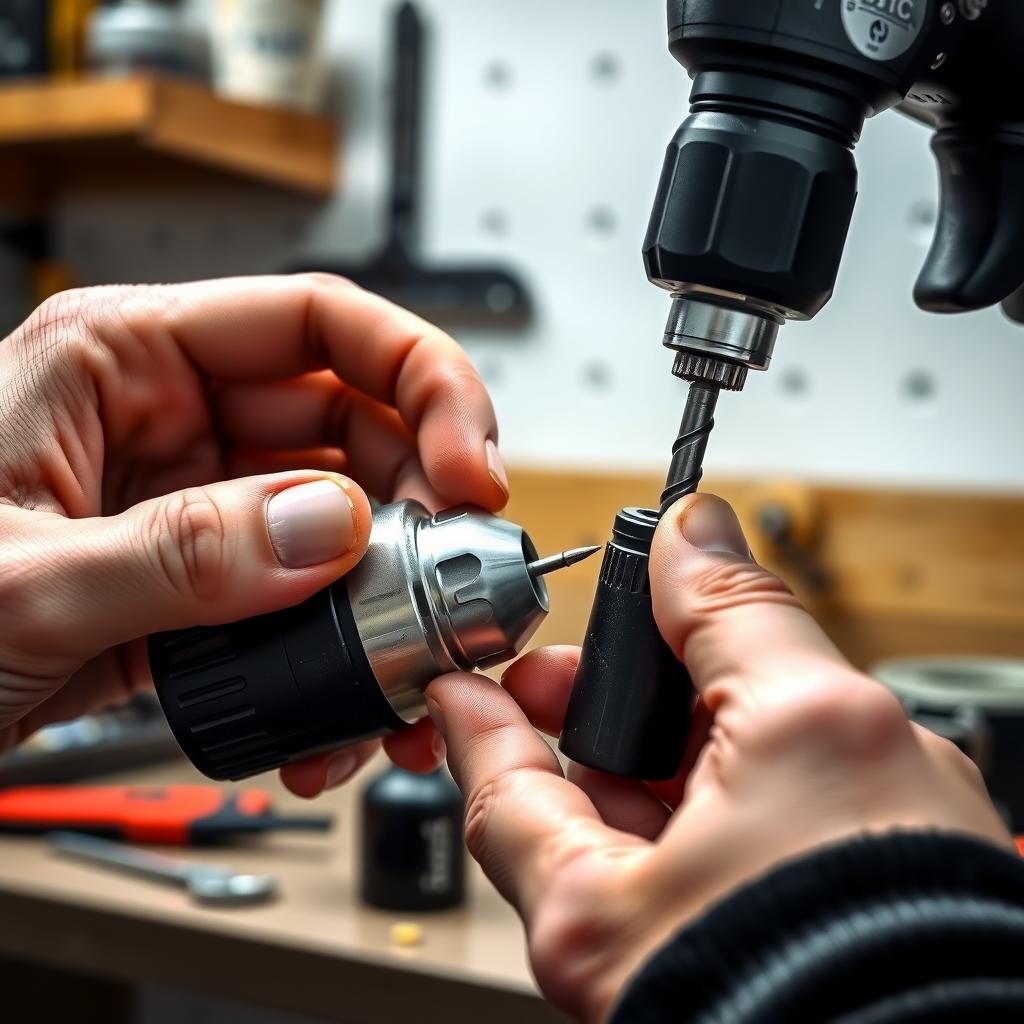
Storage is a big deal when it comes to power tools maintenance. Leaving your power drill in a damp garage or tossing it into a cluttered toolbox invites rust and damage. I made this mistake early on, storing my tools in a shed without climate control. Within a year, rust started forming on my drill bits.
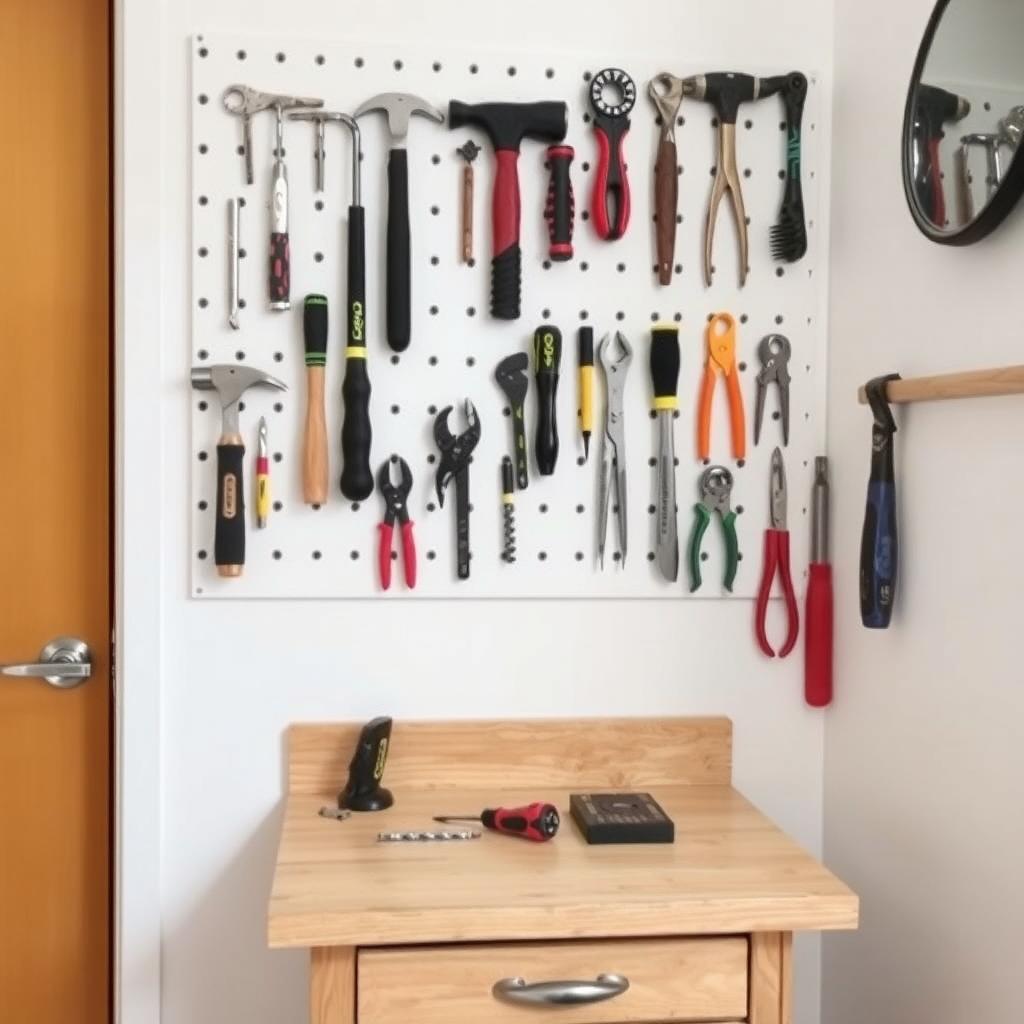
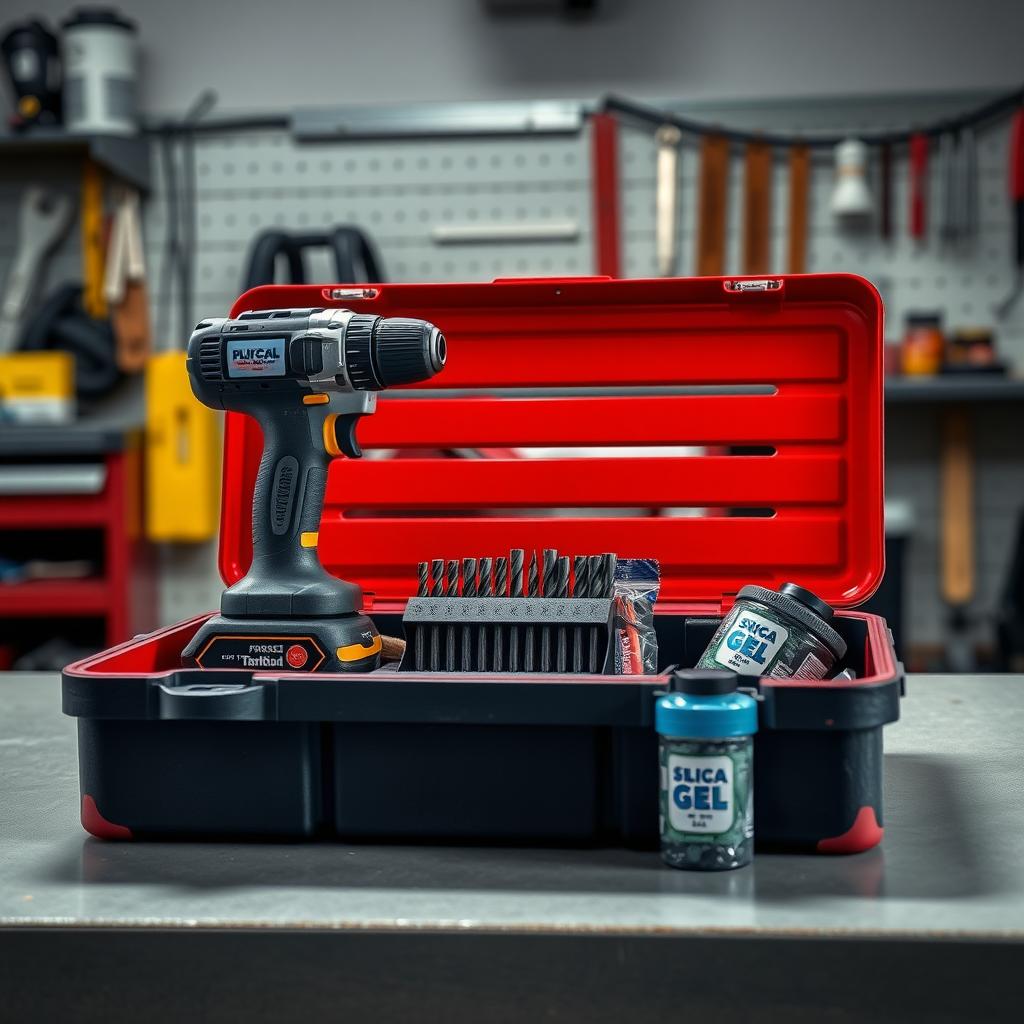
Here’s a quick storage checklist: | Do | Don’t | |--------|-----------| | Store in a dry, cool place | Leave tools in damp or humid areas | | Use a dedicated toolbox or case | Toss tools loosely in a bag | | Include silica gel packets to absorb moisture | Store with batteries inserted (for cordless tools) | | Hang tools on a pegboard for easy access | Stack heavy items on top of tools |
For cordless power drills, remove the battery before storage to prevent corrosion or accidental discharge. A good storage setup not only protects your tools but also makes your workspace more efficient.
Sharpen or Replace Blades and Bits
Dull blades and bits don’t just make your work harder—they can damage your tools by forcing the motor to work overtime. I once tried to power through a project with a dull drill bit, and the extra strain caused my drill to overheat.
Here’s how to handle blades and bits: - Inspect regularly: Check drill bits, saw blades, or sanding discs for dullness or damage. - Sharpen when possible: Use a sharpening stone or file for drill bits, or take blades to a professional sharpener. - Replace when needed: If a bit or blade is too worn, replace it. Quality replacements are worth the investment. - Store separately: Keep bits and blades in protective cases to avoid dulling.
For specific guidance, check resources like Popular Mechanics, which offers detailed guides on sharpening tools (https://www.popularmechanics.com/home/how-to/a3099/how-to-sharpen-drill-bits/).
Check Cords and Batteries
For corded tools, inspect the power cord for frays, cuts, or exposed wires. A damaged cord is a safety hazard and should be replaced immediately. I once had a corded sander with a frayed cord that sparked during use—scary stuff.
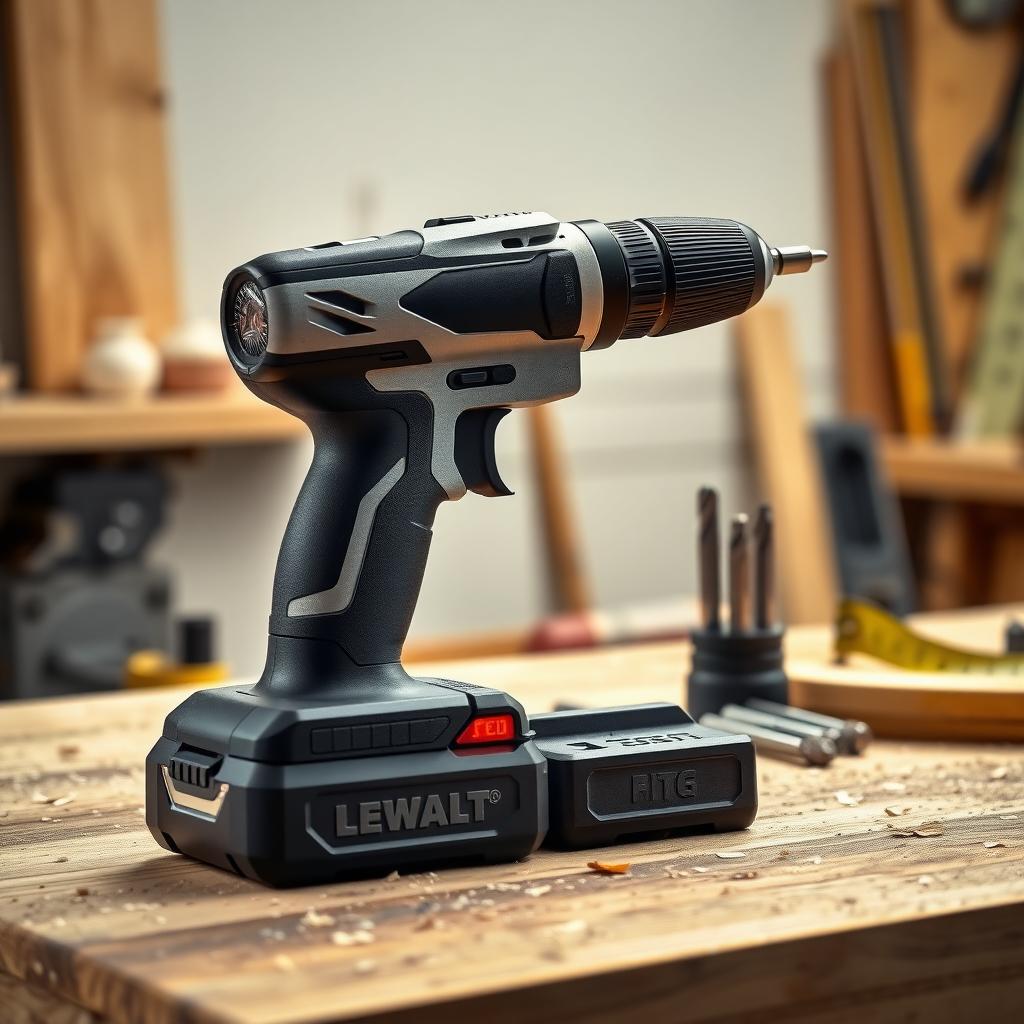
For cordless tools, battery care is key: - Charge properly: Avoid overcharging by removing batteries from the charger once full. - Clean contacts: Wipe battery terminals with a dry cloth to remove dirt or corrosion. - Store correctly: Keep batteries at room temperature, away from extreme heat or cold.
If your battery isn’t holding a charge, it might be time for a replacement. Check your tool’s manual for compatible battery models.
Schedule Regular Maintenance Checks
Set a schedule for routine maintenance—every six months works for most DIYers. During these checks, look for loose screws, worn parts, or unusual noises. For power drills, pay special attention to the chuck and motor housing. I keep a simple calendar reminder to inspect my tools twice a year, and it’s saved me from unexpected breakdowns.
Safety First
Never skip safety when maintaining power tools. Always wear gloves and safety glasses when cleaning or lubricating. If you’re unsure about a repair, consult a professional. The Occupational Safety and Health Administration (OSHA) has great resources on power tool safety (https://www.osha.gov/power-tools).
Summary
Maintaining your power tools doesn’t have to be a chore. By cleaning regularly, lubricating moving parts, storing tools properly, and checking cords or batteries, you can keep your power drills and other tools in top shape. These power tools maintenance tips will save you money, improve performance, and keep you safe. Make maintenance a habit, and your tools will thank you with years of reliable service.
Related power tools maintenance tips:
- Top 10 Safety Tips for Using Power Tools: Expert Advice to Prevent Injuries
- DIY Tool Storage Solutions for Small Spaces: Maximize Your Workshop
- Choosing the Right Paintbrush for Your Project: A Comprehensive Guide
- Innovative Ergonomic Solutions for Home Improvement: Transform Your Work Experience
- Mastering Precision Drilling: The Ultimate Guide to Power Tools
- Understanding Metric vs. SAE Measurements: A Comprehensive Guide for Workman Tools
- How to Choose the Right Construction Level for Your Project
- Mastering Ergonomics in Hand Tool Use: Safety and Comfort for Workers
- Ergonomic Wrenches for Reducing Hand Strain: A Workman’s Guide
- The Impact of Smart Technology on Manual Labor: Revolutionizing Workman Tools in 2024
- Top 10 Workman Tools for Beginners: Your Essential Toolkit Guide
- The Ultimate Guide to Power Tools: Mastering Your DIY Projects