Overview
Smart technology is reshaping manual labor, introducing innovative workman tools in 2024 that boost efficiency and safety. From AI-powered drills to IoT-connected workshop equipment, these advancements streamline tasks but raise concerns about job displacement and skill gaps. This article dives into the transformative effects, benefits, and challenges.
The Rise of Smart Technology in Manual Labor
Manual labor has always been about skill, strength, and precision. Carpenters, electricians, and mechanics have relied on traditional tools for centuries. But in 2024, smart technology is changing the game. Tools are no longer just metal and muscle—they’re embedded with sensors, software, and connectivity. These advancements, often called Industry 4.0, are revolutionizing how work gets done.
Imagine a construction worker using a drill that adjusts its torque automatically based on material density. Or a plumber getting real-time diagnostics from a smart wrench. These aren’t sci-fi fantasies—they’re real, and they’re here. The impact of smart technology on manual labor is profound, affecting everything from productivity to workplace safety.

What Are Innovative Workman Tools in 2024?
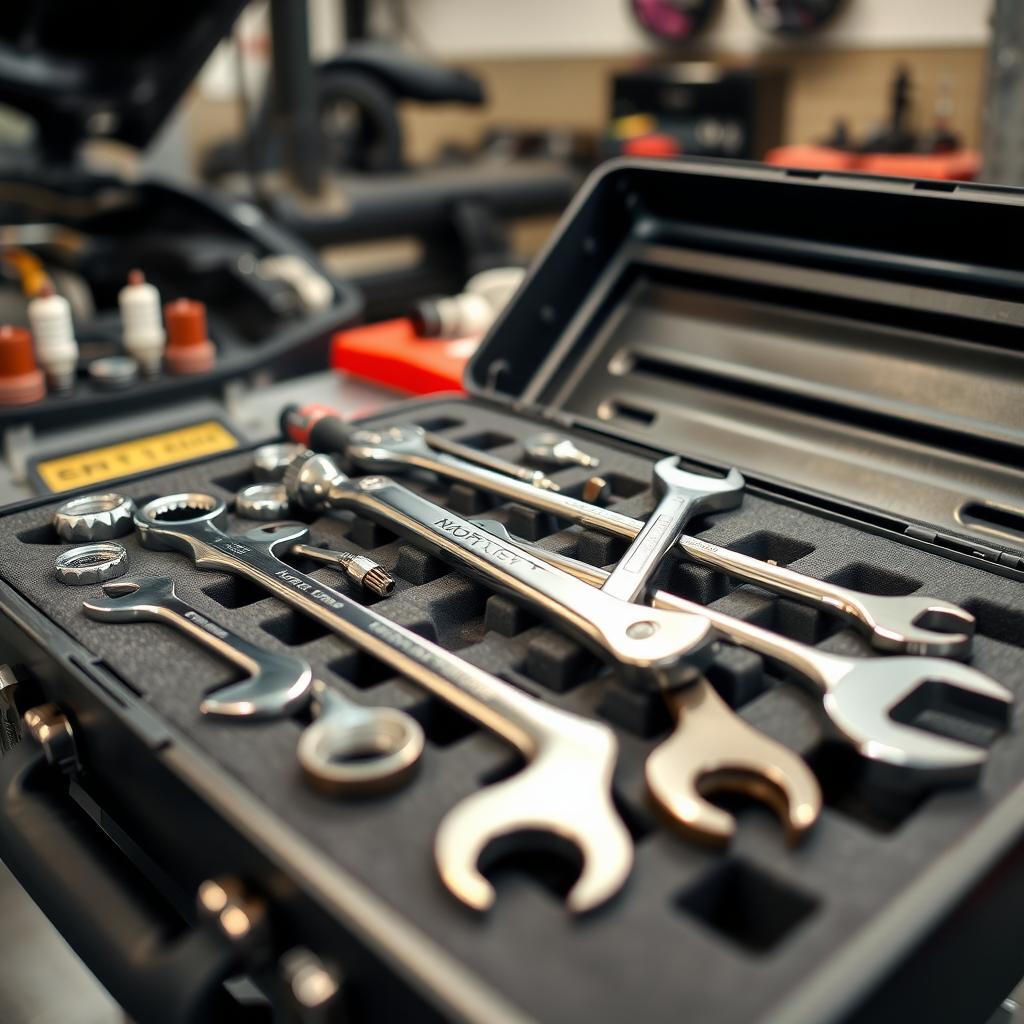
Innovative workman tools in 2024 combine traditional functionality with cutting-edge tech. These tools often feature: - Sensors: Detect material properties or environmental conditions. - Connectivity: Link to smartphones or cloud systems for data sharing. - Automation: Adjust settings for precision and efficiency. - AI Integration: Offer predictive maintenance or task guidance.
For example, Bosch’s connected power tools allow workers to track usage and performance via an app. Similarly, smart hammers with vibration sensors reduce strain injuries by alerting users to improper technique. These tools aren’t just gadgets—they solve real problems.
Examples of Smart Tools
| Tool | Feature | Benefit |
|---|---|---|
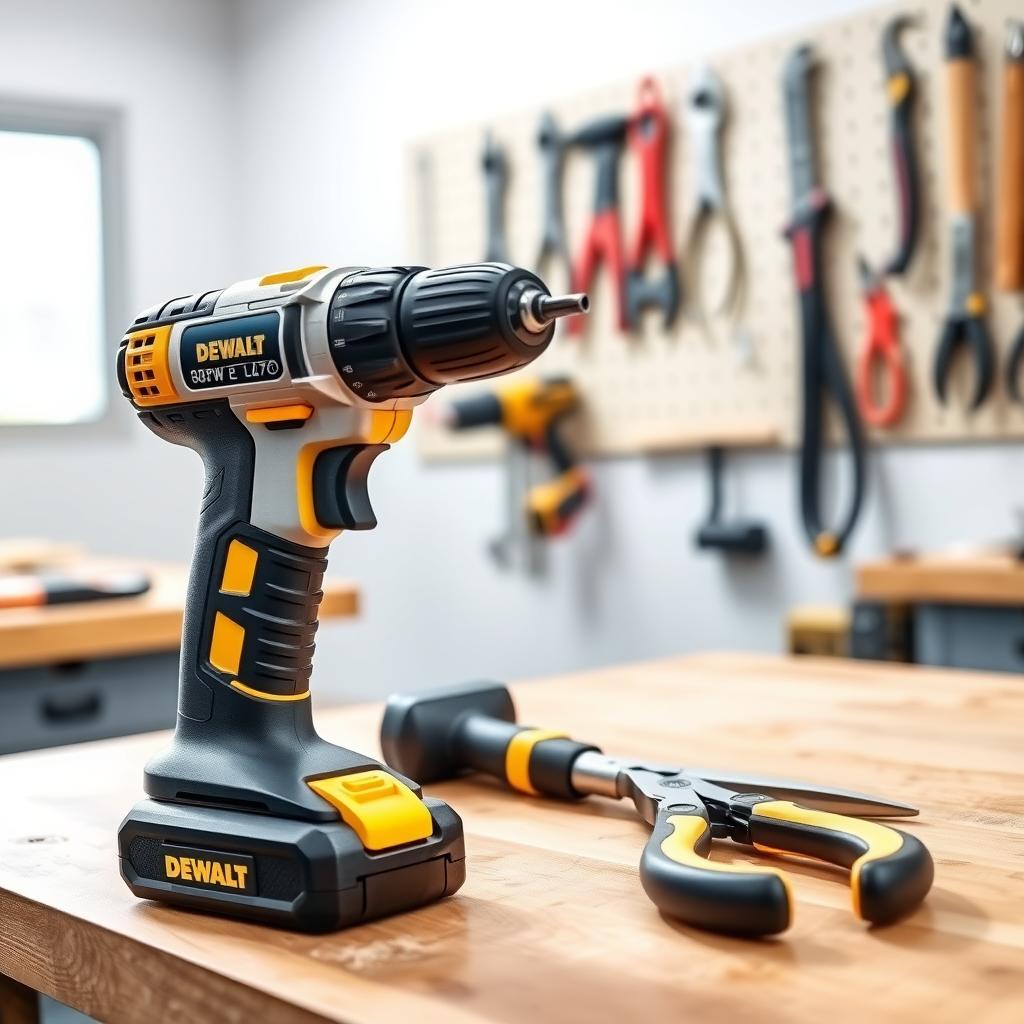
| Smart Drill | Real-time torque adjustment | Prevents over-drilling, saves time |
| IoT Wrench | Diagnostic feedback | Ensures precise fastening |
| AR Safety Glasses | Overlay blueprints | Improves accuracy in complex tasks |
These tools make jobs faster and safer, but they also require workers to adapt to new systems.
Benefits of Smart Technology for Manual Labor
The impact of smart technology on manual labor is largely positive. Here’s how it’s helping workers:
- Increased Efficiency: Smart tools automate repetitive tasks. A study from MIT’s Center for Construction Research found that IoT-enabled tools cut project timelines by up to 20% on large construction sites.
- Enhanced Safety: Sensors in workshop equipment detect hazards like gas leaks or structural weaknesses, reducing accidents. For instance, smart helmets monitor fatigue levels, alerting workers to take breaks.
- Improved Precision: Tools with AI and sensors ensure exact measurements, reducing errors. This is critical in trades like carpentry, where a millimeter can make or break a project.
- Data-Driven Decisions: Connected tools log performance data, helping managers optimize workflows. A mechanic can track tool wear and schedule maintenance before a breakdown.
I’ve seen this firsthand. A friend who runs a small contracting business switched to smart tools last year. His crew finished a roofing job in half the usual time because their drills adjusted automatically to different materials. The client was thrilled, and his team felt less exhausted.
Challenges of Smart Technology in Manual Labor
Despite the benefits, smart technology brings challenges. Workers and businesses face hurdles that can’t be ignored.
Learning Curve
Smart tools require tech literacy. A veteran electrician might struggle to navigate a tablet-linked multimeter. Training programs are essential, but not all employers provide them. According to a U.S. Bureau of Labor Statistics report, 30% of skilled trade workers feel unprepared for tech-driven changes.
Cost Barriers
Innovative workman tools in 2024 aren’t cheap. A single smart drill can cost $300-$500, compared to $50 for a basic model. Small businesses or independent contractors may hesitate to invest, especially in tough economic times.
Job Displacement Fears
Automation sparks worries about job losses. If a smart tool can do a task faster, will employers hire fewer workers? While data from the World Economic Forum suggests automation creates as many jobs as it displaces, the transition can be rocky for older workers or those in rural areas with limited retraining options.
Dependence on Technology
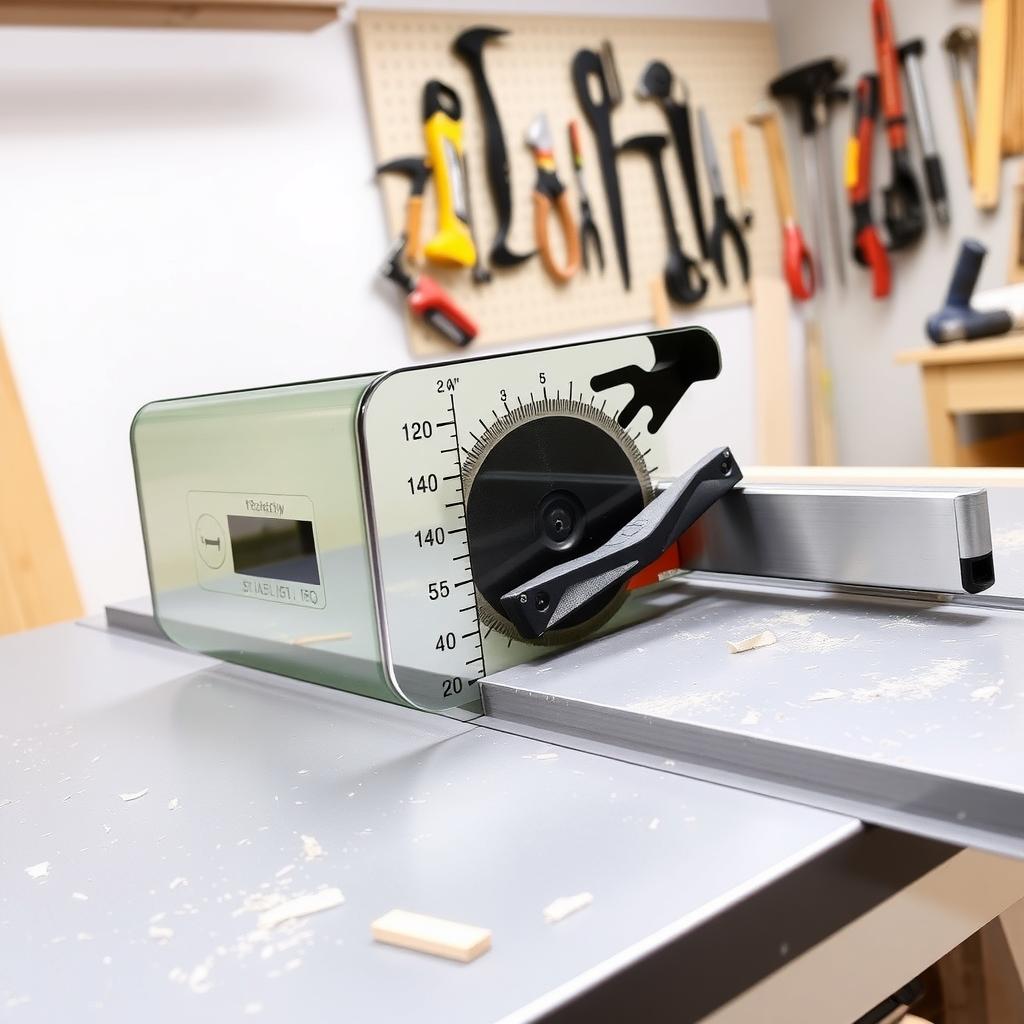
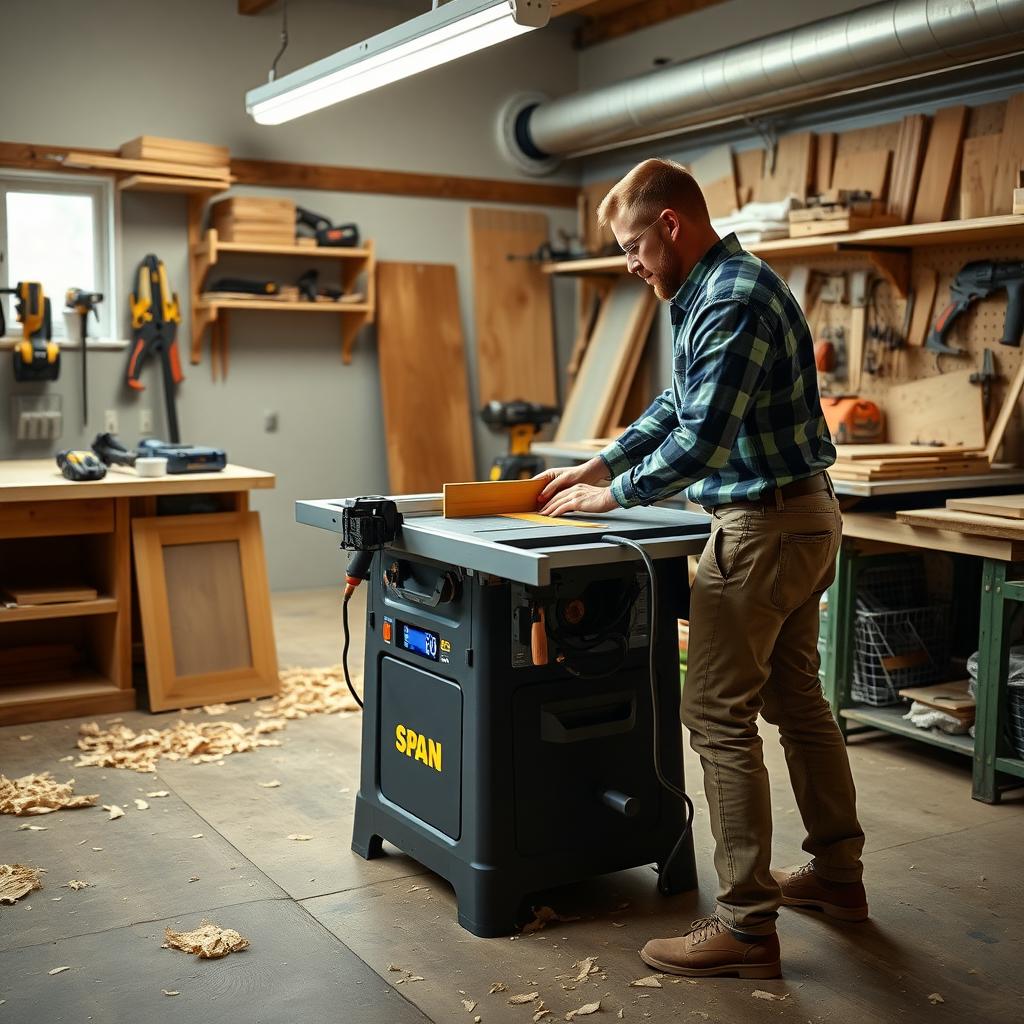
Smart tools rely on batteries, software, and internet connections. A dead battery or a software glitch can halt work. I remember a contractor telling me about a day when their smart saw’s firmware update failed, leaving them stuck for hours. Backup tools are a must.
The Future of Workshop Equipment
Looking ahead, workshop equipment will get even smarter. By 2030, experts predict most tools will have AI assistants that guide workers through complex tasks. Augmented reality (AR) will play a bigger role, with glasses projecting blueprints or repair instructions directly onto surfaces. Stanford University’s research on AR in construction shows it could reduce errors by 40%.
But the human element remains crucial. Smart tools enhance skills, not replace them. A carpenter’s eye for detail or a mechanic’s problem-solving can’t be coded into a device. The challenge is balancing tech adoption with preserving craftsmanship.
Tips for Workers Adapting to Smart Tools
- Start Small: Try one smart tool, like a connected tape measure, to build confidence.
- Seek Training: Look for online courses or employer workshops on tech tools.
- Stay Curious: Follow industry blogs to keep up with new workman tools.
- Budget Wisely: Invest in versatile tools that offer long-term value.
I’ve talked to workers who were skeptical at first but now swear by their smart tools. It’s about taking that first step and staying open to change.

Summary
The impact of smart technology on manual labor is transformative, bringing efficiency, safety, and precision to trades through innovative workman tools in 2024. While challenges like cost and training exist, the benefits outweigh the drawbacks for those who adapt. As workshop equipment evolves, workers must embrace learning to stay competitive. The future of manual labor is bright—powered by tech, but grounded in human skill.
Related The Impact of Smart Technology on Manual Labor:
- How IoT is Revolutionizing Construction Sites
- Top 10 Workman Tools for Beginners: Your Essential Toolkit Guide
- The Ultimate Guide to Power Tools: Mastering Your DIY Projects
- Essential Wrenches for Automotive Repair: Your Toolkit Guide
- How Order Boosts Your Workshop Efficiency: The Ultimate Guide
- How to Choose the Right Paint for Your Project: A Comprehensive Guide
- How Ergonomics is Changing the Construction Industry
- How to Maintain and Store Wrenches for Long-Lasting Performance
- Top 10 Ergonomic Tools Every Workshop Needs for Comfort and Efficiency
- Tips for DIY Plumbing Success: Master Your Home Repairs
- Top Screwdriver Safety Tips You Can’t Ignore
- The Best Tablesaws with User-Friendly Features for Every Workshop