Overview
Starting a DIY project or tackling home repairs can feel overwhelming, especially if you're new to using tools. Having the right workman tools for beginners makes all the difference. This guide highlights the Top 10 Workman Tools for Beginners, explaining their uses and sharing tips on How to Maintain Your Tools for Longevity. Whether you're fixing a leaky faucet or building a shelf, these tools will set you up for success.
Why Every Beginner Needs a Solid Toolkit
When I first started working on home projects, I grabbed whatever tools were lying around—usually a rusty screwdriver or a cheap hammer. Big mistake. Poor-quality tools broke quickly, and I wasted time and money. Investing in the right workman tools for beginners saves frustration and builds confidence. A good toolbox isn’t just about having stuff; it’s about having reliable gear that grows with you.
The tools in this list are versatile, affordable, and essential for most beginner projects. I’ve chosen them based on years of trial and error, ensuring they’re practical for small repairs or bigger builds. Plus, I’ll share maintenance tips to keep your tools in top shape, because a well-cared-for tool lasts a lifetime.
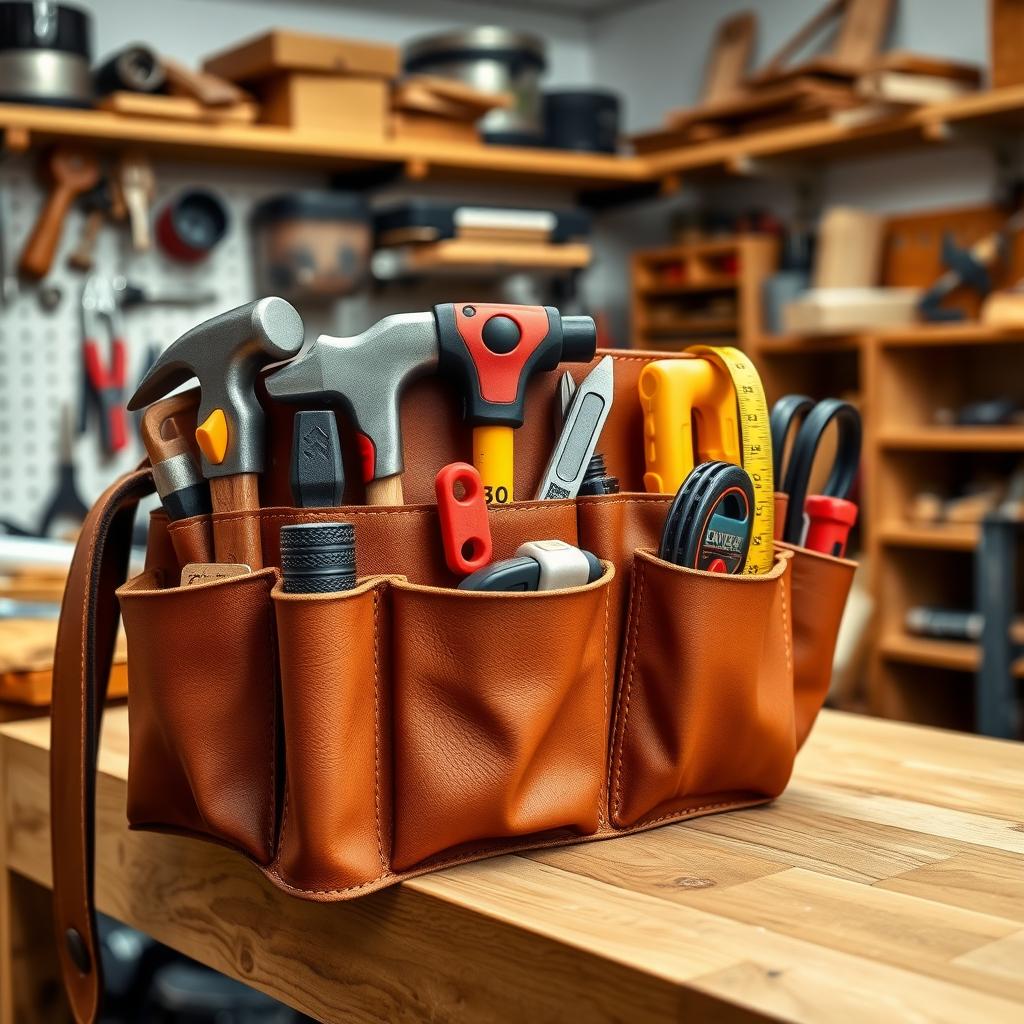
The Top 10 Workman Tools for Beginners
Here’s the list of must-have tools to get you started. Each one is beginner-friendly, widely used, and worth every penny.
1. Claw Hammer
A claw hammer is your go-to for driving nails into wood or prying them out. Look for one with a 16-ounce head and a comfortable grip. I once struggled with a flimsy hammer that bent nails instead of driving them—lesson learned. A solid hammer feels balanced and makes tasks like hanging shelves a breeze.
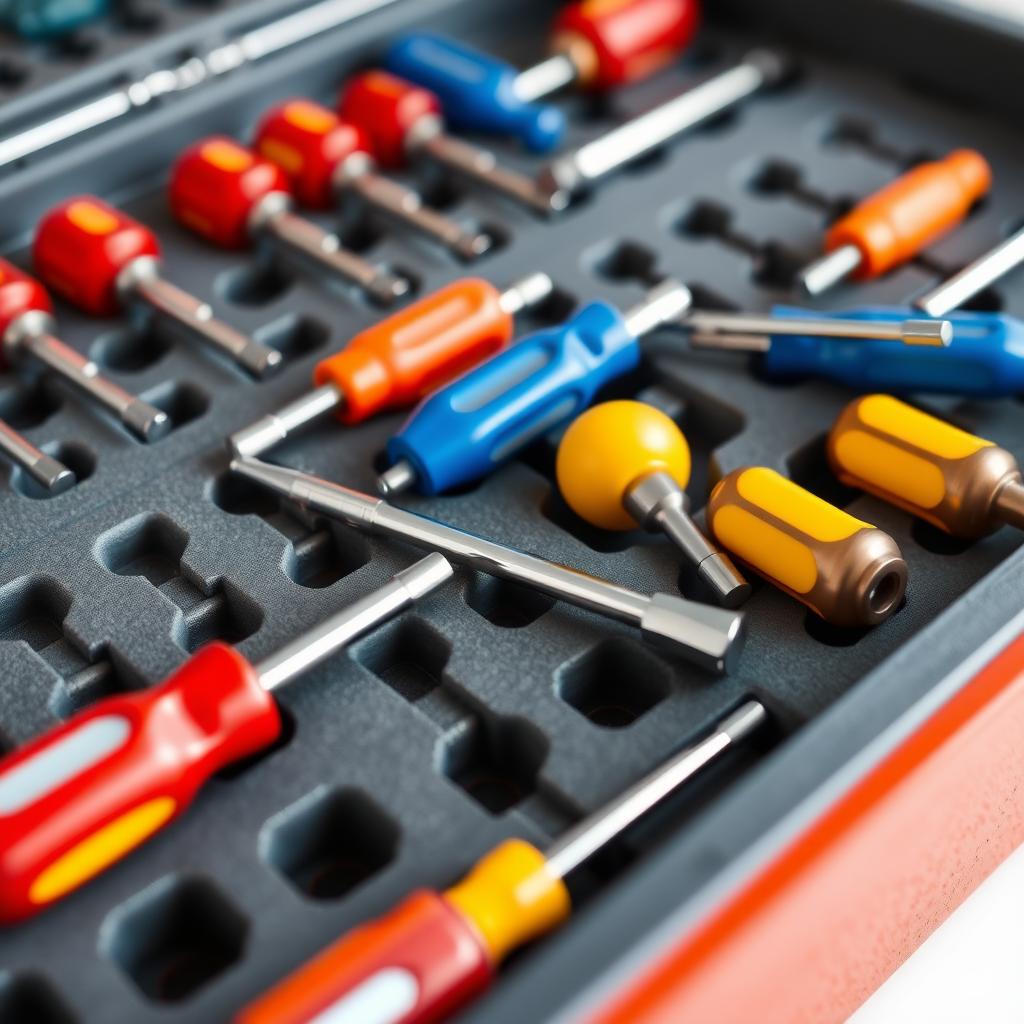
2. Screwdriver Set
You’ll need both flathead and Phillips screwdrivers in various sizes. A set with magnetic tips is a game-changer for holding screws in place. I keep mine in a small organizer to avoid losing them. They’re perfect for assembling furniture or tightening cabinet hinges.
3. Tape Measure
A 25-foot tape measure with a locking mechanism is essential for accurate measurements. I’ve botched projects by eyeballing lengths, so trust me—measure twice, cut once. Look for one with clear markings and a sturdy case to withstand drops.
4. Adjustable Wrench
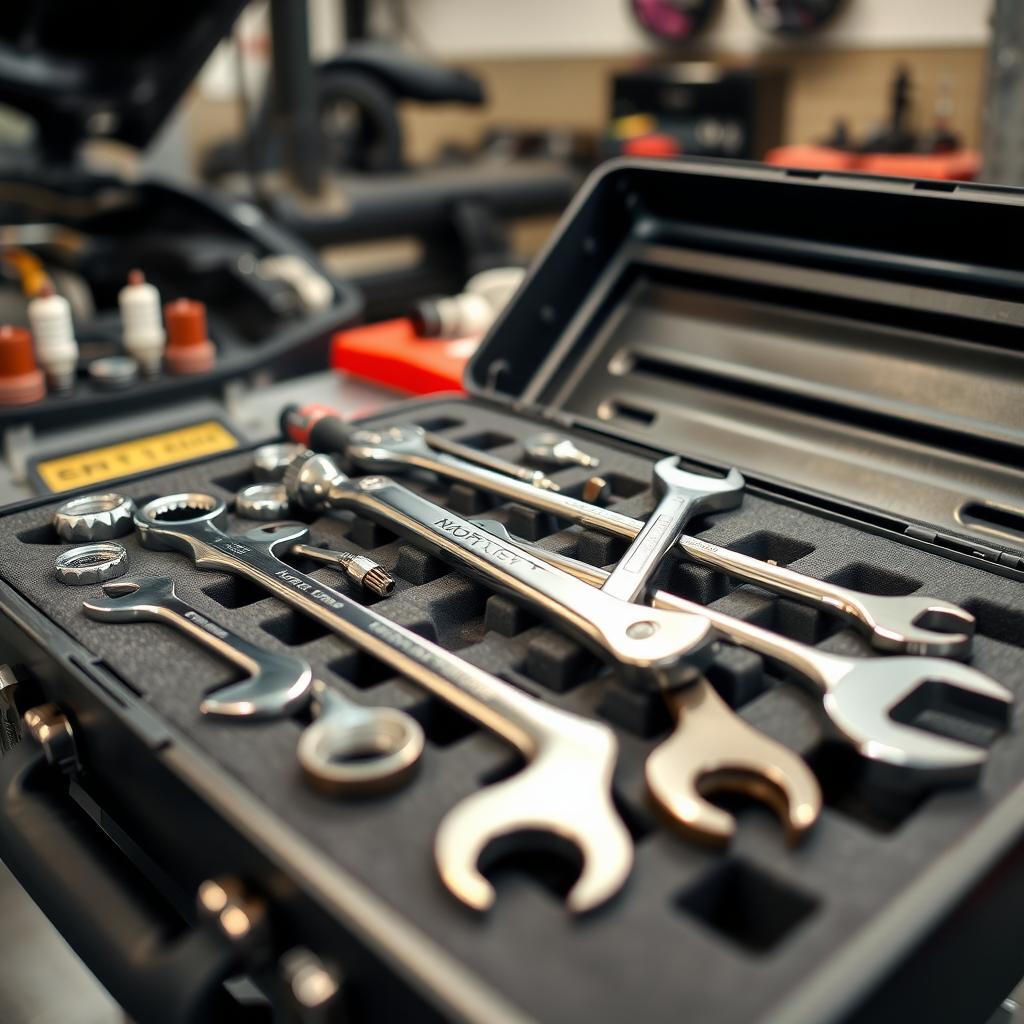
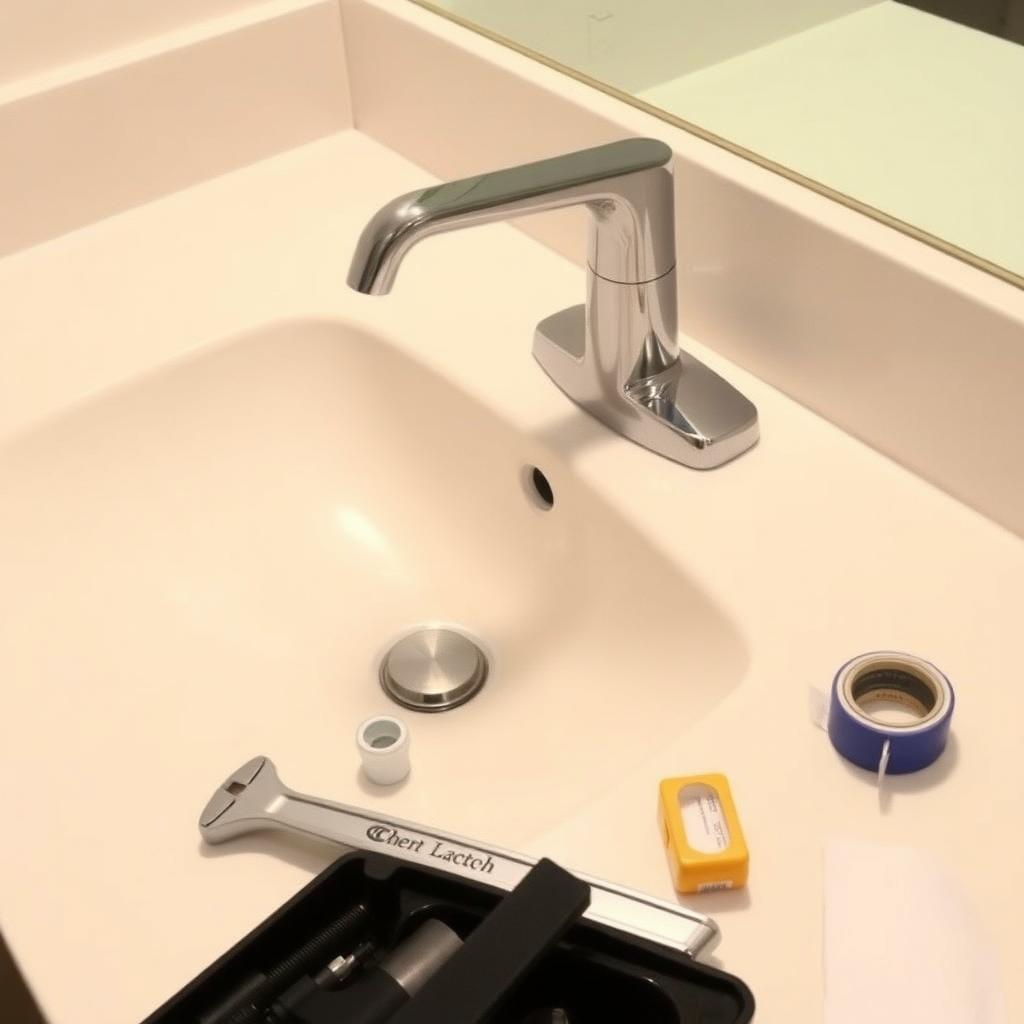
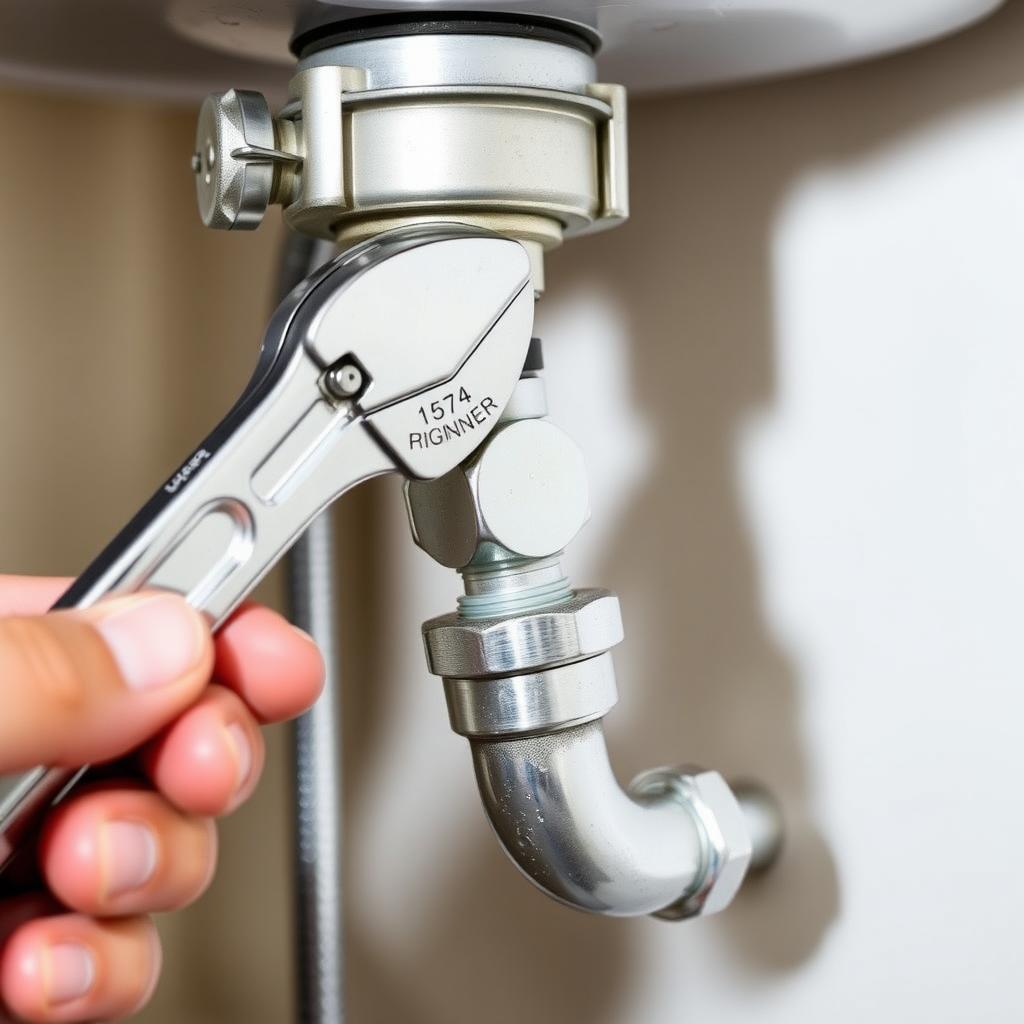
An adjustable wrench handles nuts and bolts of different sizes, making it super versatile. I used mine to fix a leaky pipe under the sink, and it saved the day. Choose one with a smooth adjustment knob for ease of use.
5. Pliers Set
A set with needle-nose, slip-joint, and cutting pliers covers most tasks. Needle-nose pliers are great for precision work, like bending wire, while slip-joint pliers handle gripping tasks. I’ve used cutting pliers to trim old cables cleanly—way better than scissors.
6. Utility Knife
A retractable utility knife is perfect for cutting drywall, opening packages, or trimming materials. I learned the hard way to always retract the blade after use to avoid accidents. Look for one with replaceable blades and a comfortable grip.
7. Level
A 24-inch level ensures your shelves or frames are straight. I once hung a picture frame without one, and it looked like it was sliding off the wall. A bubble level with clear vials is easy to read and works for most projects.
8. Cordless Drill
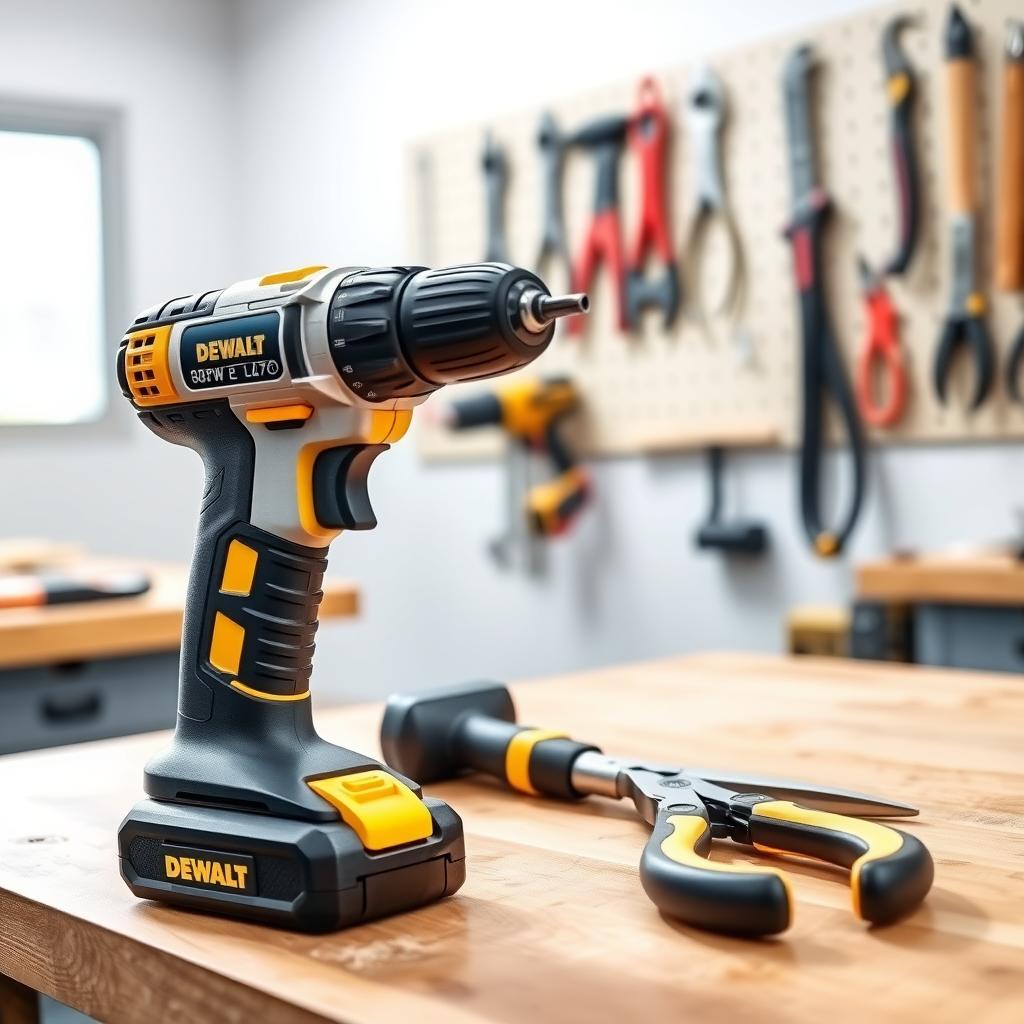
A cordless drill with a set of drill bits and screwdriver bits is a beginner’s best friend. It’s great for drilling holes or driving screws into wood or drywall. My first drill changed how I approached furniture assembly—it’s a time-saver.
9. Safety Gear
Safety glasses and work gloves protect you from flying debris or sharp edges. I skipped gloves once and got a splinter that sidelined me for days. Spend a little on quality gear—it’s worth it.
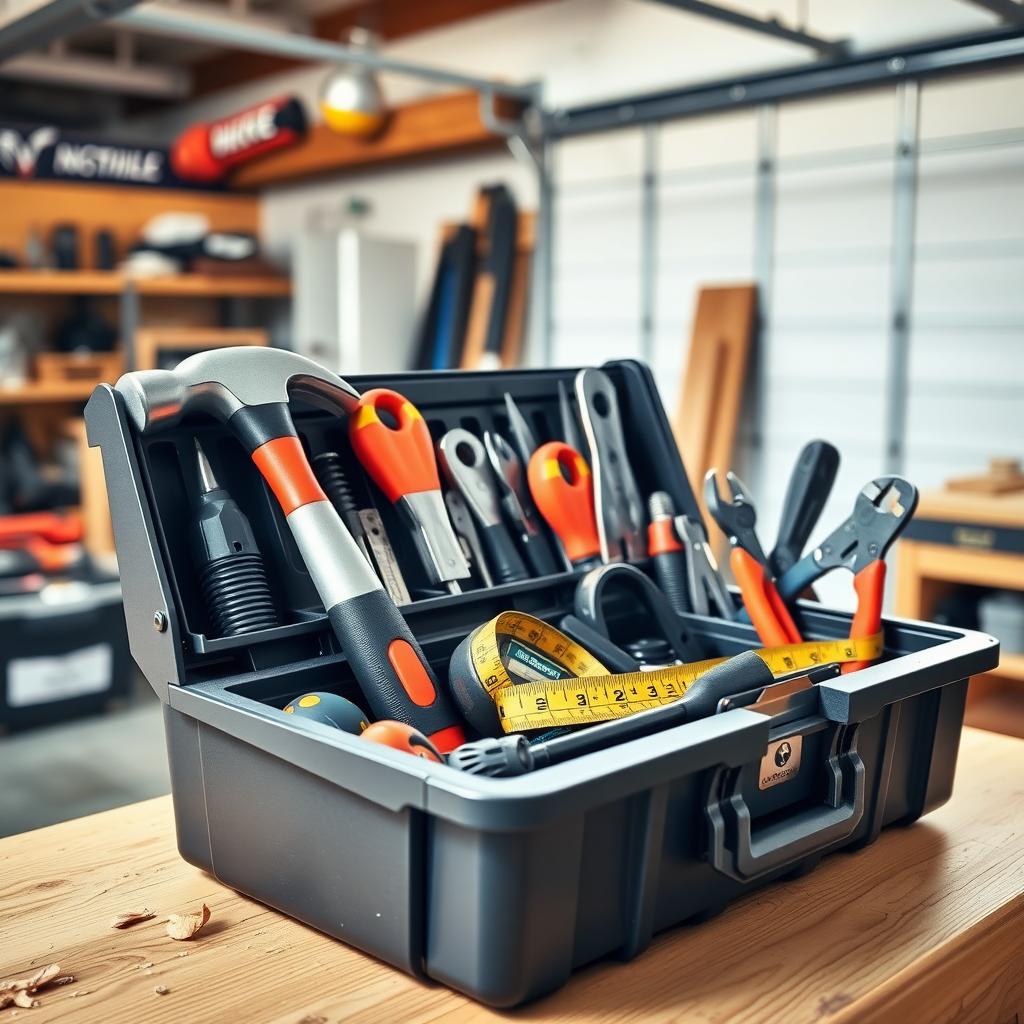
10. Toolbox
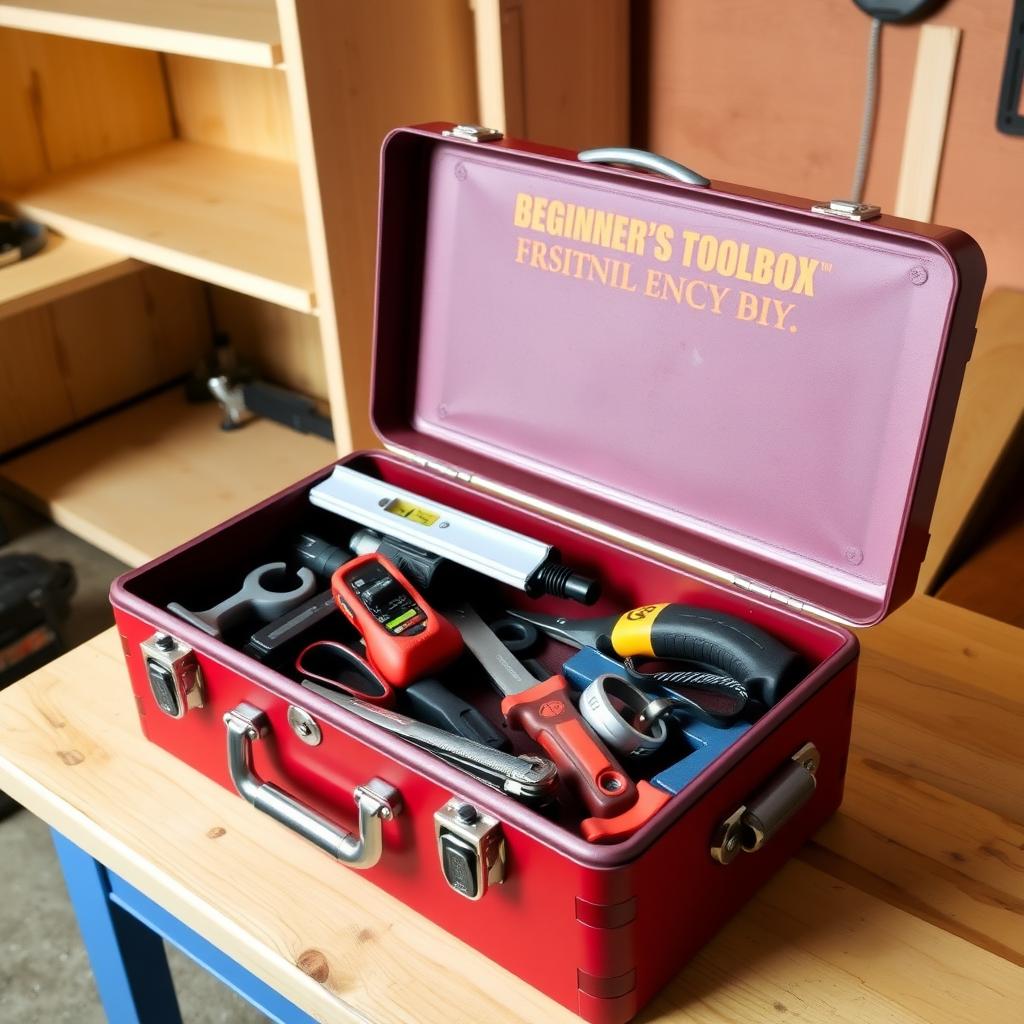
A sturdy toolbox keeps everything organized and portable. I started with a cheap plastic one, but it cracked after a month. Invest in a metal or heavy-duty plastic toolbox with compartments to keep your workman tools for beginners in order.
How to Maintain Your Tools for Longevity
Taking care of your workman tools ensures they last for years. Here’s how I keep mine in great shape:
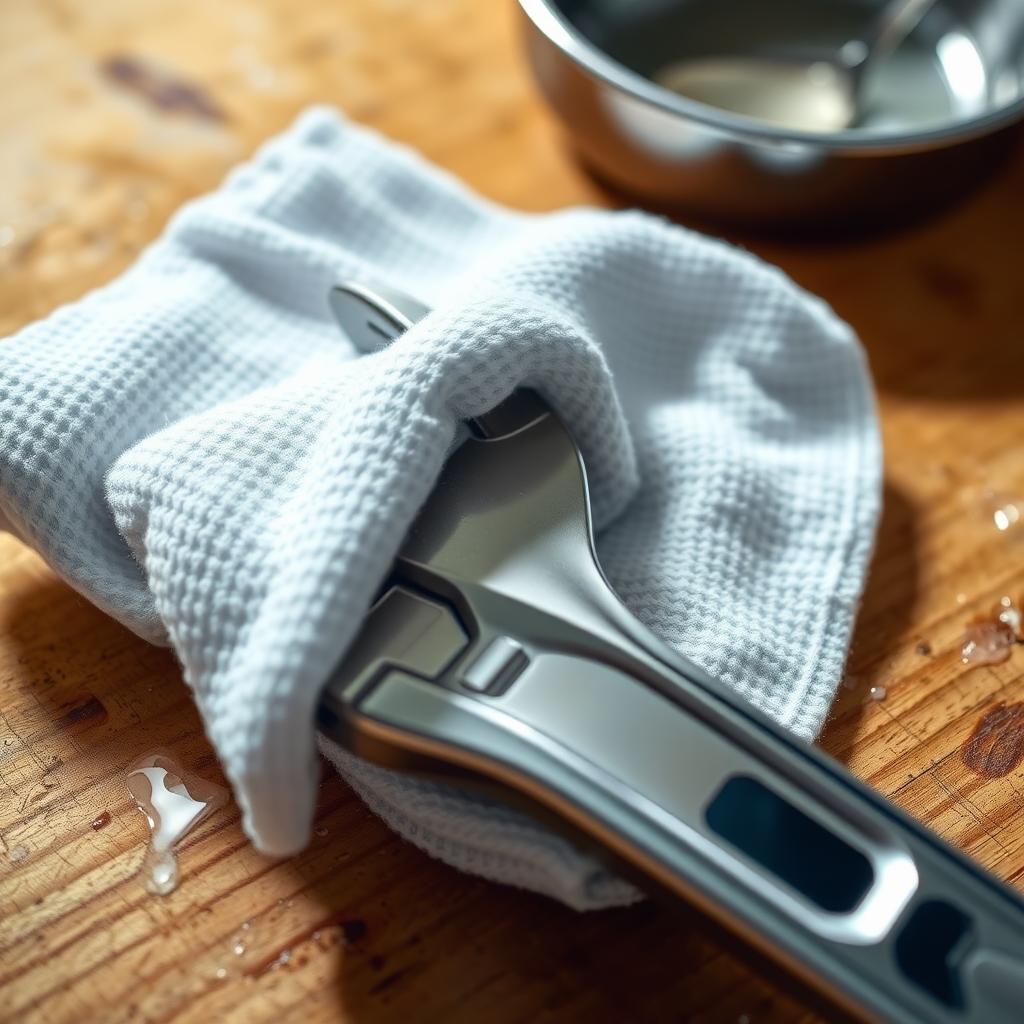
- Clean After Use: Wipe down tools with a dry cloth to remove dust or grease. For metal tools, a little rubbing alcohol works wonders.
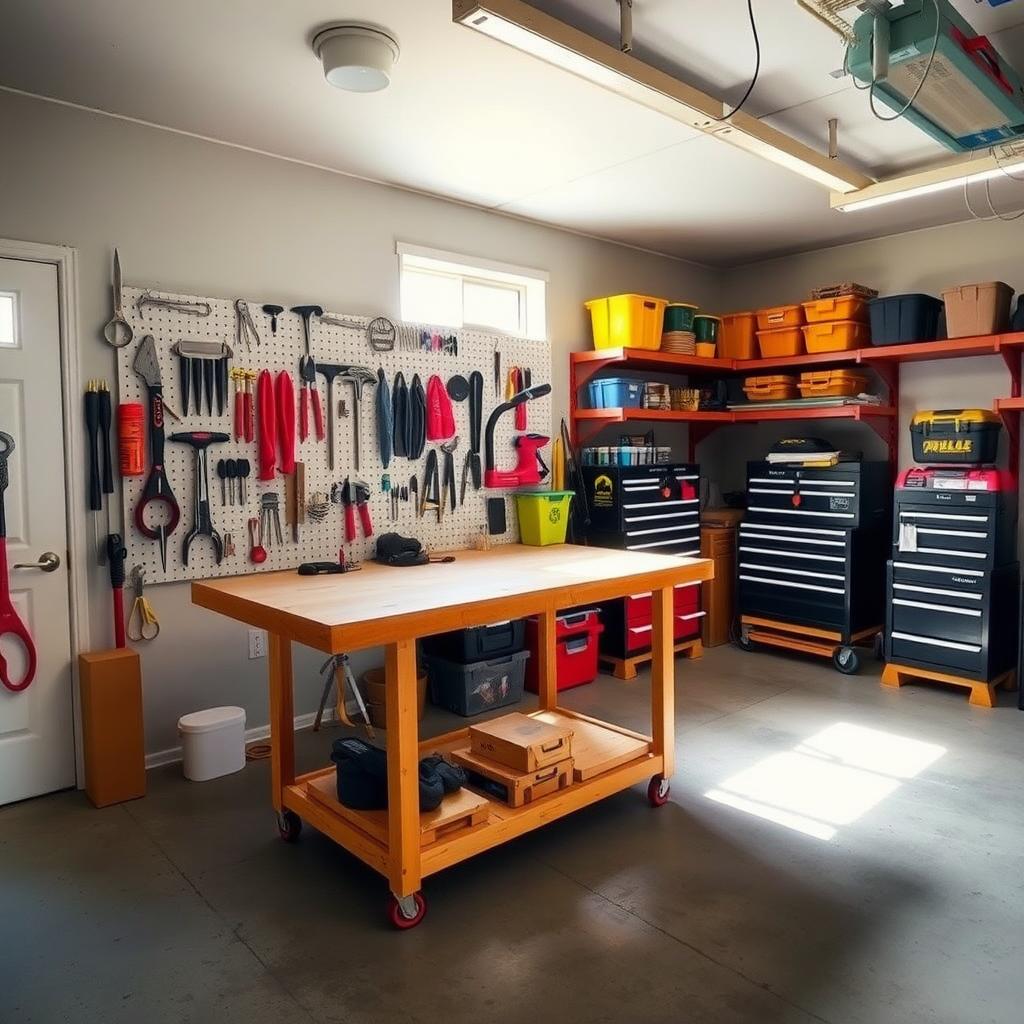
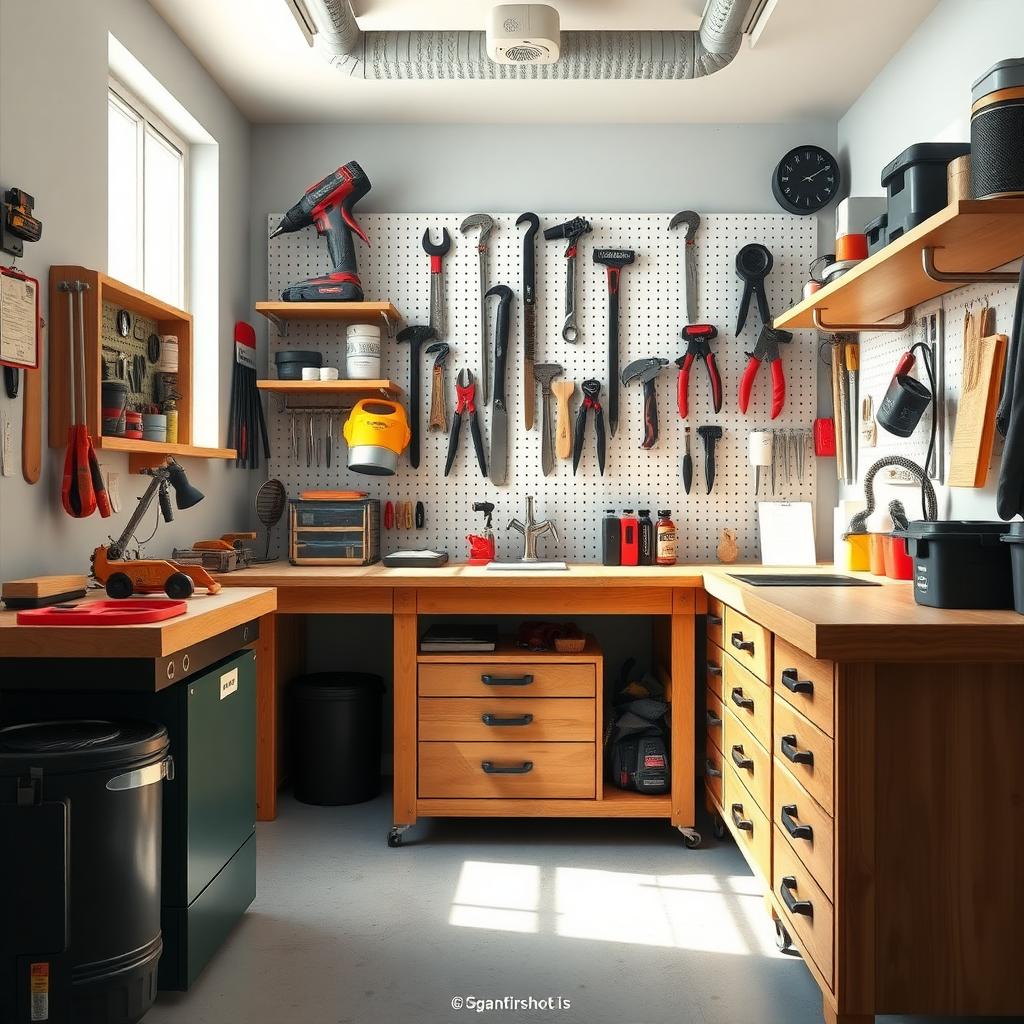
- Store Properly: Keep tools in a toolbox or on a pegboard to avoid rust. I learned this after leaving my hammer in a damp garage—rust is no joke.
- Sharpen Blades: Utility knives and pliers with cutting edges need regular sharpening. A simple sharpening stone does the trick.
- Check for Wear: Inspect handles and grips for cracks. I replaced a worn screwdriver handle before it broke mid-project.
- Oil Moving Parts: For tools like pliers or adjustable wrenches, a drop of machine oil keeps them smooth.
| Tool | Maintenance Tip | Frequency |
|---|---|---|
| Hammer | Check handle for cracks | Monthly |
| Screwdrivers | Clean magnetic tips | After use |
| Tape Measure | Retract fully to avoid bending | After use |
| Drill | Charge battery fully; store dry | Weekly |
For more detailed maintenance tips, check out resources like Popular Mechanics’ tool care guide.
Building Your Skills with Confidence
These tools aren’t just objects—they’re your partners in creating something from scratch. Start with small projects, like building a birdhouse or fixing a loose door hinge. Each success builds your skills. I still remember the pride of assembling my first bookshelf with just a hammer, screwdriver, and level.
Don’t rush to buy every tool out there. Focus on quality over quantity. A good toolbox grows with you as you tackle new projects. If you’re unsure where to start, local hardware stores or online communities like Reddit’s r/DIY can offer great advice.
Summary
The Top 10 Workman Tools for Beginners—hammer, screwdriver set, tape measure, adjustable wrench, pliers, utility knife, level, cordless drill, safety gear, and toolbox—are your foundation for any DIY project. Combine them with proper care, and you’ll have a reliable toolkit for years. Start small, stay safe, and enjoy the process of building your skills.
Related Top 10 Workman Tools for Beginners:
- How to Organize Your Workshop Like a Pro
- The Ultimate Guide to Power Tools: Mastering Your DIY Projects
- Essential Wrenches for Automotive Repair: Your Toolkit Guide
- How Order Boosts Your Workshop Efficiency: The Ultimate Guide
- How to Choose the Right Paint for Your Project: A Comprehensive Guide
- How Ergonomics is Changing the Construction Industry
- How to Maintain and Store Wrenches for Long-Lasting Performance
- Top 10 Ergonomic Tools Every Workshop Needs for Comfort and Efficiency
- Tips for DIY Plumbing Success: Master Your Home Repairs
- Top Screwdriver Safety Tips You Can’t Ignore
- The Best Tablesaws with User-Friendly Features for Every Workshop
- How to Choose the Right Tools for Your Job: A Practical Guide