Overview
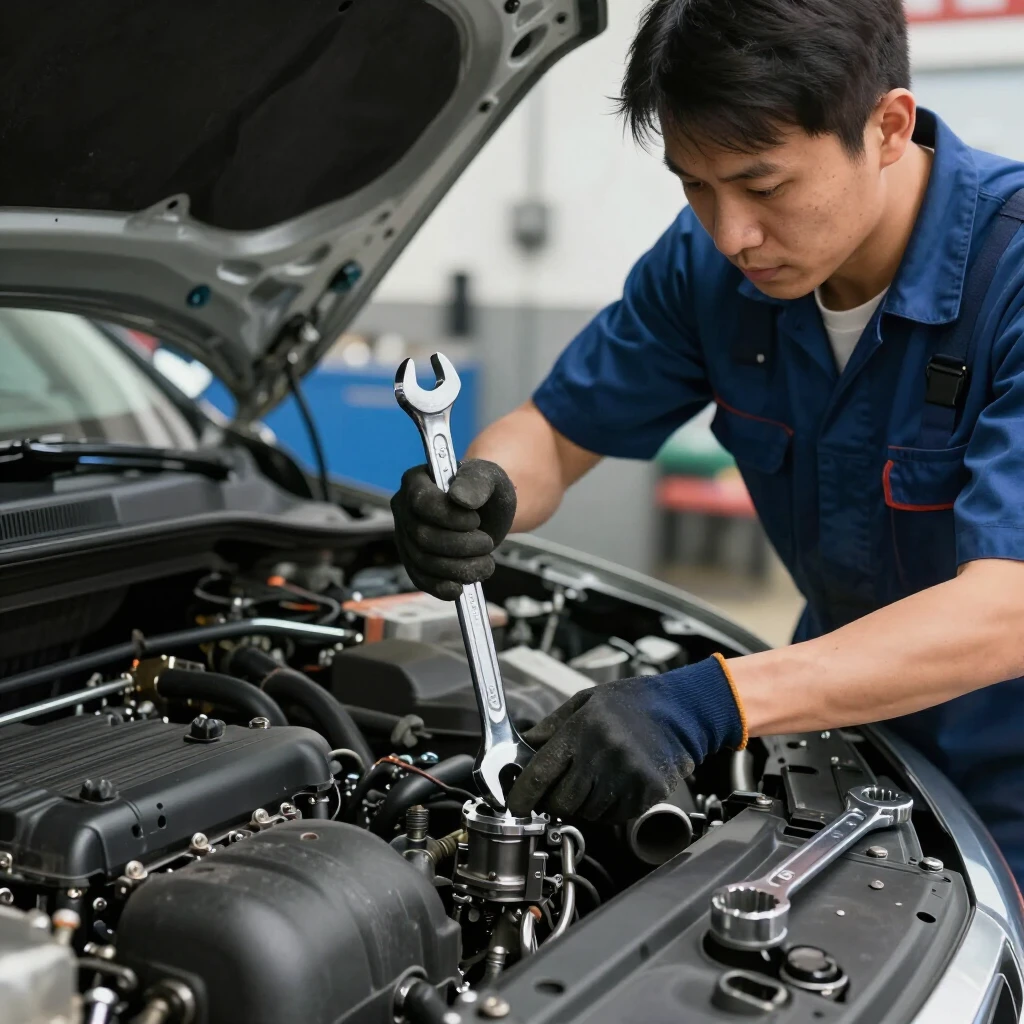
Every automotive repair job starts with the right tools, and wrenches are the backbone of any mechanic’s toolkit. Whether you're a professional fixing cars daily or a DIY enthusiast working on your vehicle, having the essential wrenches for automotive repair can make or break your project. This guide dives into the wrenches you need, why they matter, and how to use them effectively, based on real-world experience and expert advice.
Why Wrenches Are Essential for Automotive Repair
Wrenches are the go-to tools for turning nuts and bolts, a task that dominates automotive work. From loosening rusted bolts on an exhaust system to tightening a new battery terminal, wrenches provide the grip and leverage needed to get the job done. Without the right wrench, you risk stripping bolts, wasting time, or even injuring yourself. Over years of working on cars, I’ve learned that investing in quality wrenches saves frustration and ensures repairs last.
The variety of wrenches available can feel overwhelming, but each type has a specific purpose. Choosing the right one depends on the job, the space you’re working in, and the fastener type. Let’s break down the essential wrenches every mechanic or DIYer should have in their toolbox.
1. Combination Wrenches: The All-Purpose Workhorse
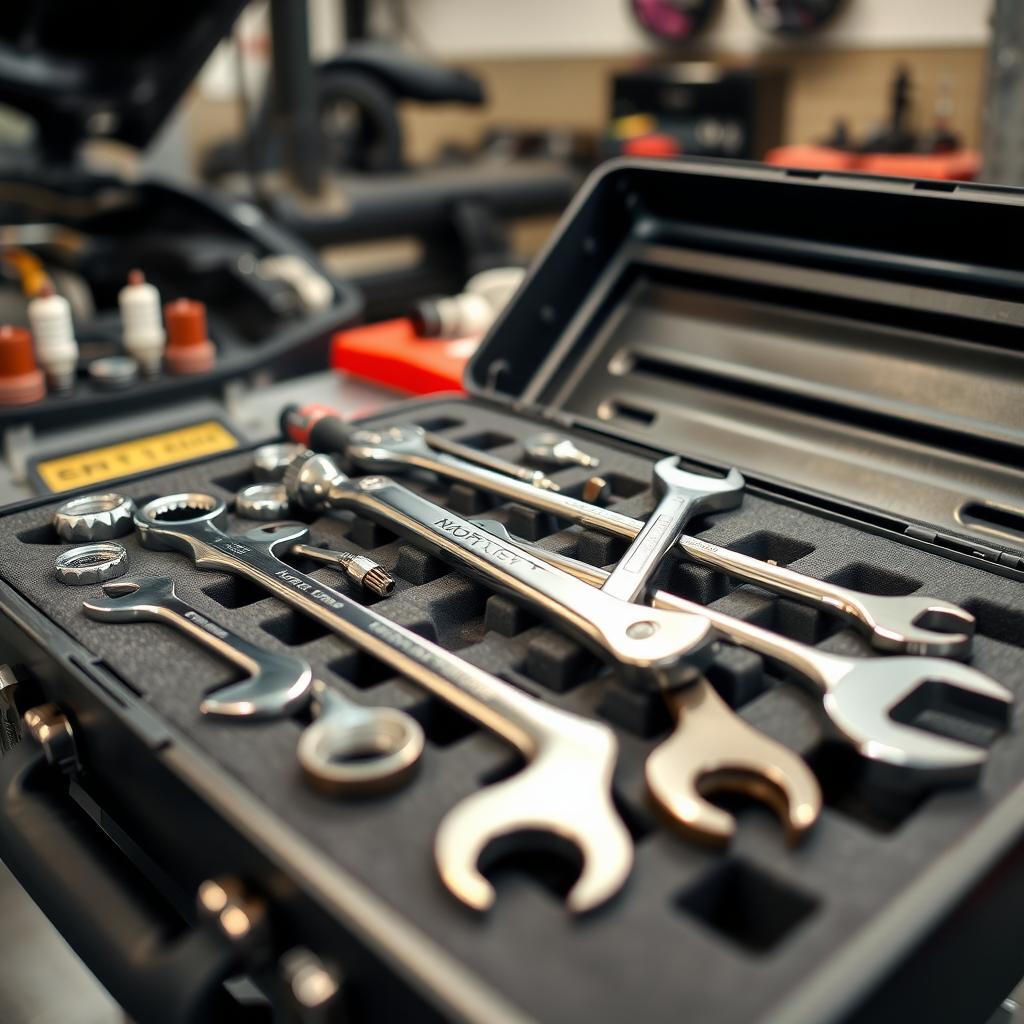
Combination wrenches are a must-have for any automotive repair. One end is open, perfect for quick turns in tight spaces, while the other is a closed box end for a secure grip on stubborn bolts. I’ve used these on everything from brake calipers to suspension components. A good set, like those from GearWrench, covers metric sizes from 8mm to 21mm, which handles most automotive tasks.
Why You Need Them: The dual design offers versatility. The open end is great for speed, while the box end prevents rounding off bolts, especially on older vehicles with rusty fasteners. Pro tip: Always opt for 12-point combination wrenches for general use, but keep a 6-point set for rusted bolts to avoid stripping.
2. Ratcheting Wrenches: Speed Up Your Work
Ratcheting combination wrenches are a game-changer for efficiency. Unlike standard wrenches, the ratcheting mechanism lets you turn a bolt without removing the tool, saving time in repetitive tasks like removing intake manifold bolts. I remember swapping out a fuel pump on a tight engine bay—ratcheting wrenches cut my work time in half.
Why You Need Them: They’re ideal for confined spaces where you can’t swing a wrench fully. Look for a set with a small ratcheting angle (around 5 degrees) for maximum precision, like those recommended by Popular Mechanics.
3. Adjustable Wrench: The Flexible Fixer
An adjustable wrench, often called a crescent wrench, adjusts to fit various bolt sizes, making it a versatile addition to your workman tools. I’ve used one to tackle odd-sized nuts on older vehicles where standard wrenches didn’t fit. However, they’re not a replacement for fixed-size wrenches—overtightening can slip and damage fasteners.
Why You Need It: It’s a backup for when your combination wrench set doesn’t have the right size. Choose a durable model with a smooth jaw adjustment, and always ensure a snug fit to avoid slippage.
4. Torque Wrench: Precision for Safety
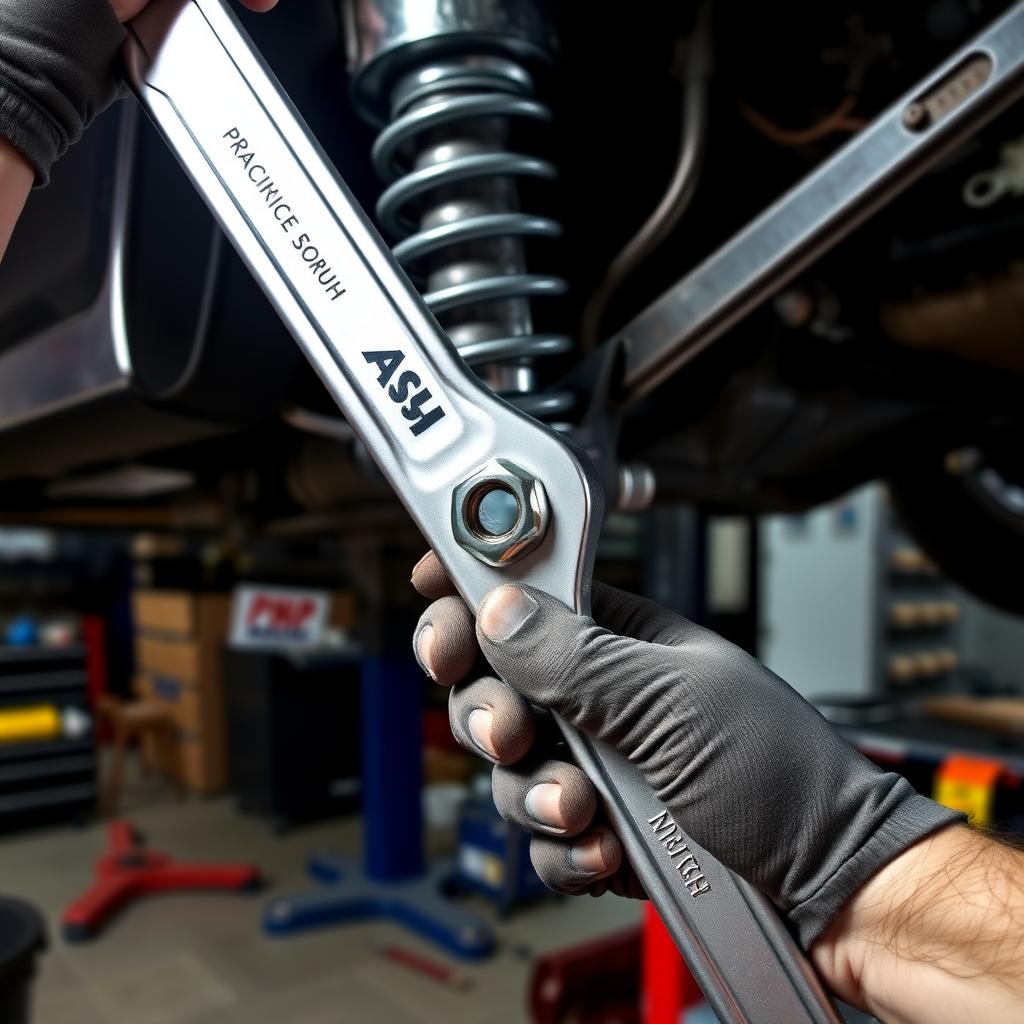
A torque wrench is non-negotiable for jobs requiring specific tightness, like wheel lug nuts or engine head bolts. Overtightening can damage parts, while undertightening can lead to failures—like a loose wheel coming off mid-drive. I learned this the hard way when a poorly torqued oil drain plug caused a leak. A quality torque wrench, like those from Tekton, ensures you hit manufacturer specs every time.
Why You Need It: Precision is critical for safety and durability. For example, ASE (Automotive Service Excellence) emphasizes torque wrenches for engine and suspension work to prevent component failure. Get a click-type torque wrench for accuracy and ease of use.
5. Socket Wrench: Fast and Efficient
Socket wrenches, paired with a ratchet handle, are essential for quickly loosening or tightening bolts. They’re especially useful for wheel changes or engine repairs where speed matters. My go-to is a 3/8-inch drive set with both standard and deep sockets in metric sizes for versatility.
Why You Need It: Sockets provide a secure grip and work faster than combination wrenches in open spaces. Include 6-point sockets for rusted bolts and flex sockets for awkward angles, as suggested by automotive experts at Car and Driver.
6. Specialty Wrenches: For Unique Challenges
Some automotive jobs call for specialized wrenches, like flare nut wrenches for brake lines or oil filter wrenches for maintenance. I once struggled with a seized oil filter until I got a dedicated oil filter wrench—it’s a lifesaver for routine oil changes.
Why You Need Them: These tools handle specific tasks that standard wrenches can’t. Flare nut wrenches, for instance, grip soft metal fittings without damage, crucial for hydraulic systems.
Choosing the Right Wrench Set
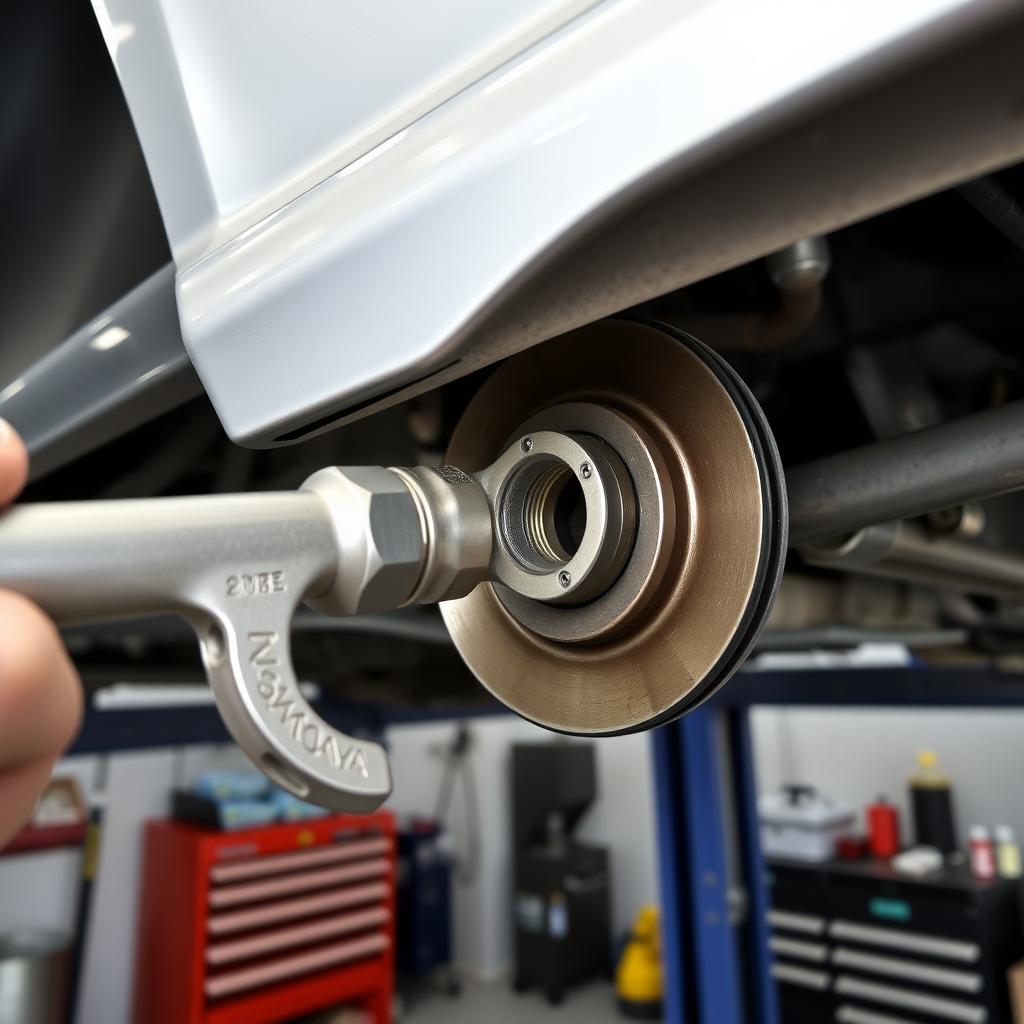
Building a wrench collection can be daunting, but start with quality over quantity. A mid-range set from brands like GearWrench or Tekton offers durability without breaking the bank. Here’s a quick guide to building your set:
| Wrench Type | Recommended Sizes | Best For |
|---|---|---|
| Combination | 8-21mm (metric) | General repairs |
| Ratcheting | 8-19mm | Tight spaces, repetitive tasks |
| Adjustable | 6-12 inches | Odd-sized fasteners |
| Torque | 10-150 ft-lb range | Precision tasks |
| Socket | 1/4, 3/8-inch drive | Fast bolt work |
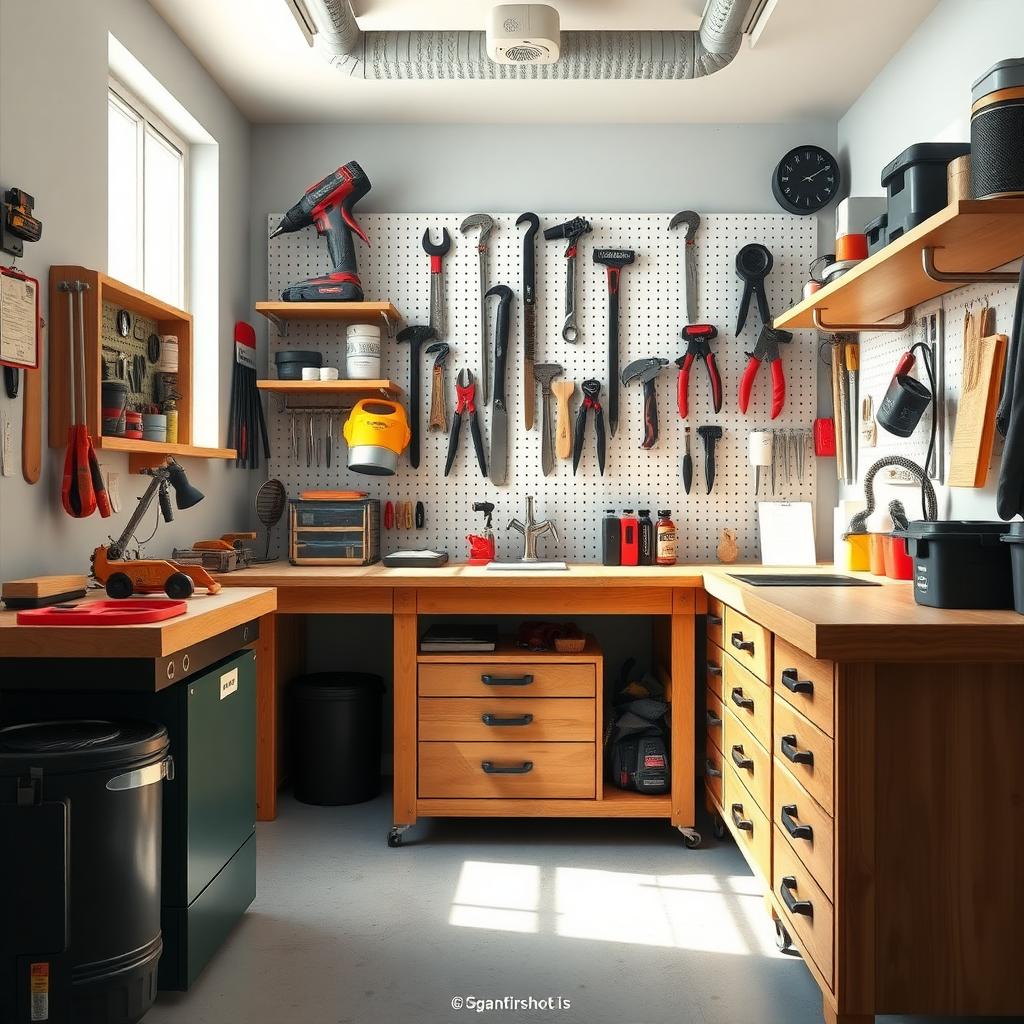
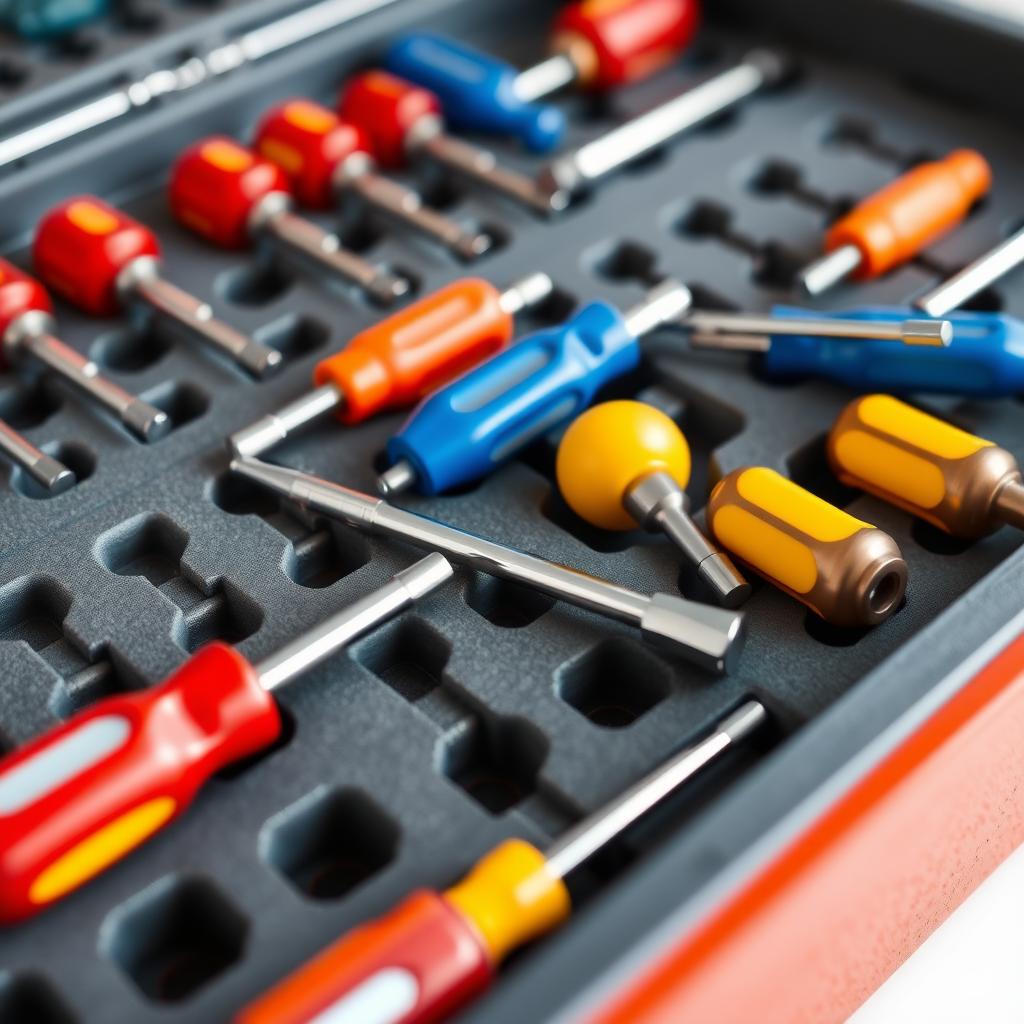
Pro Tip: Store wrenches in a foam-lined toolbox to prevent loss and damage. I’ve misplaced too many tools in a cluttered garage—organization is key!
Maintenance Tips for Your Wrenches
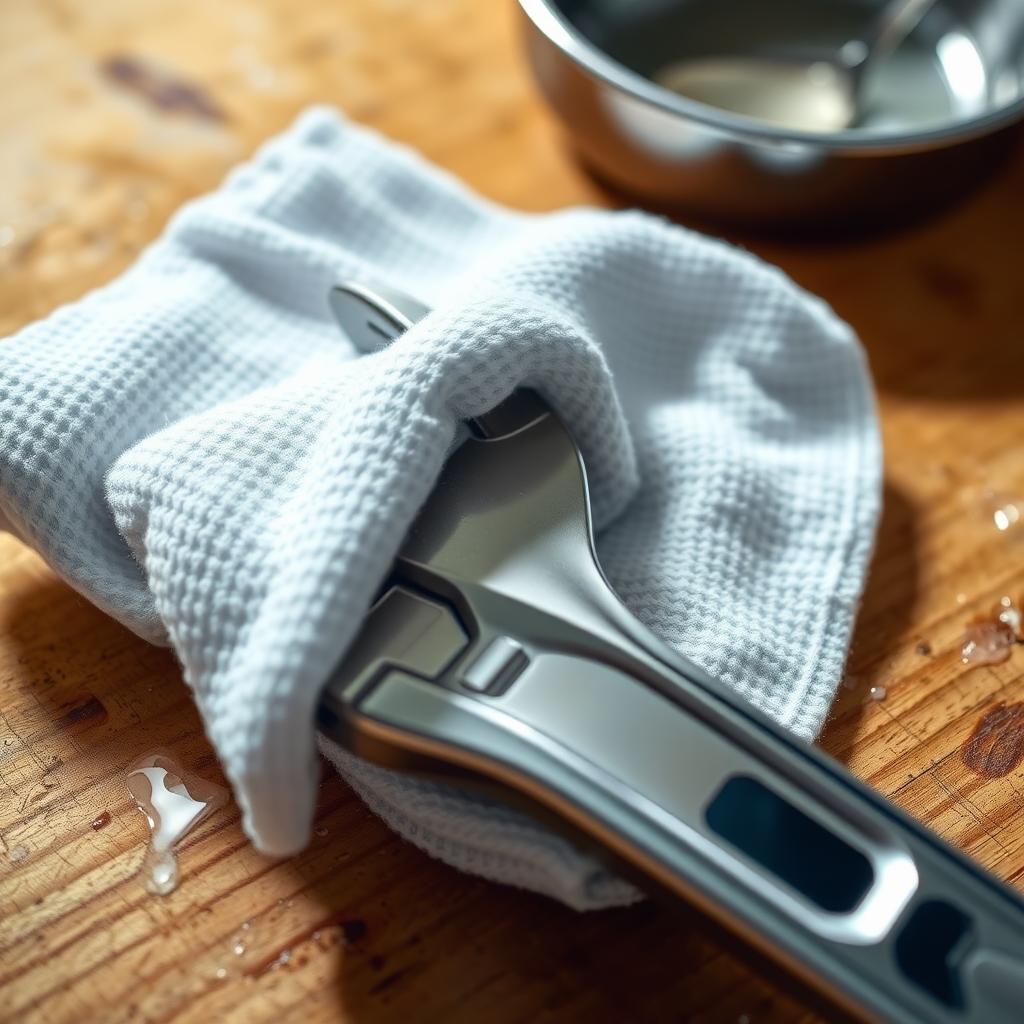
To keep your workman tools in top shape, clean them after every use to remove grease and dirt. A quick wipe with a rag and some WD-40 prevents rust, especially for chrome-plated wrenches. Store them in a dry place, and check adjustable wrenches for smooth jaw movement. Regular maintenance extends tool life and ensures reliable performance.
Common Mistakes to Avoid
- Using the Wrong Wrench: An adjustable wrench isn’t a substitute for a properly sized combination wrench. It can slip and ruin bolts.
- Skipping Torque Specifications: Always check your vehicle’s manual for torque settings to avoid damaging parts.
- Cheap Tools: Low-quality wrenches wear out fast and can fail during critical tasks. Invest in reputable brands for long-term reliability.
Summary
The right wrenches make automotive repair smoother, safer, and more efficient. From versatile combination wrenches to precise torque wrenches, each tool plays a vital role in your garage. By choosing quality tools, maintaining them properly, and using them correctly, you’ll tackle any repair with confidence. Build your collection thoughtfully, and you’ll be ready for any automotive challenge.
Related essential wrenches for automotive repair:
- Best Wrench Sets for Mechanics - Popular Mechanics
- How Order Boosts Your Workshop Efficiency: The Ultimate Guide
- How to Choose the Right Paint for Your Project: A Comprehensive Guide
- How Ergonomics is Changing the Construction Industry
- How to Maintain and Store Wrenches for Long-Lasting Performance
- Top 10 Ergonomic Tools Every Workshop Needs for Comfort and Efficiency
- Tips for DIY Plumbing Success: Master Your Home Repairs
- Top Screwdriver Safety Tips You Can’t Ignore
- The Best Tablesaws with User-Friendly Features for Every Workshop
- How to Choose the Right Tools for Your Job: A Practical Guide
- How to Paint a Room Like a Pro: A Step-by-Step Guide
- The Importance of Quality Tools in Construction: Building a Solid Foundation