Overview
The construction industry is tough on the body. Workers lift heavy materials, operate powerful tools, and spend hours in awkward positions. But things are changing. Ergonomics—the science of designing tools and workplaces to fit the human body—is making construction safer and more efficient. By focusing on how ergonomics is changing the construction industry, we’ll explore how modern tools and practices are reducing injuries and boosting productivity.
Why Ergonomics Matters in Construction
Construction workers face risks every day. Back strains, repetitive motion injuries, and fatigue are common. According to the U.S. Bureau of Labor Statistics, construction workers experience some of the highest rates of musculoskeletal injuries. These injuries lead to lost workdays, higher medical costs, and lower morale. Ergonomics steps in to address these issues by redesigning how work gets done.
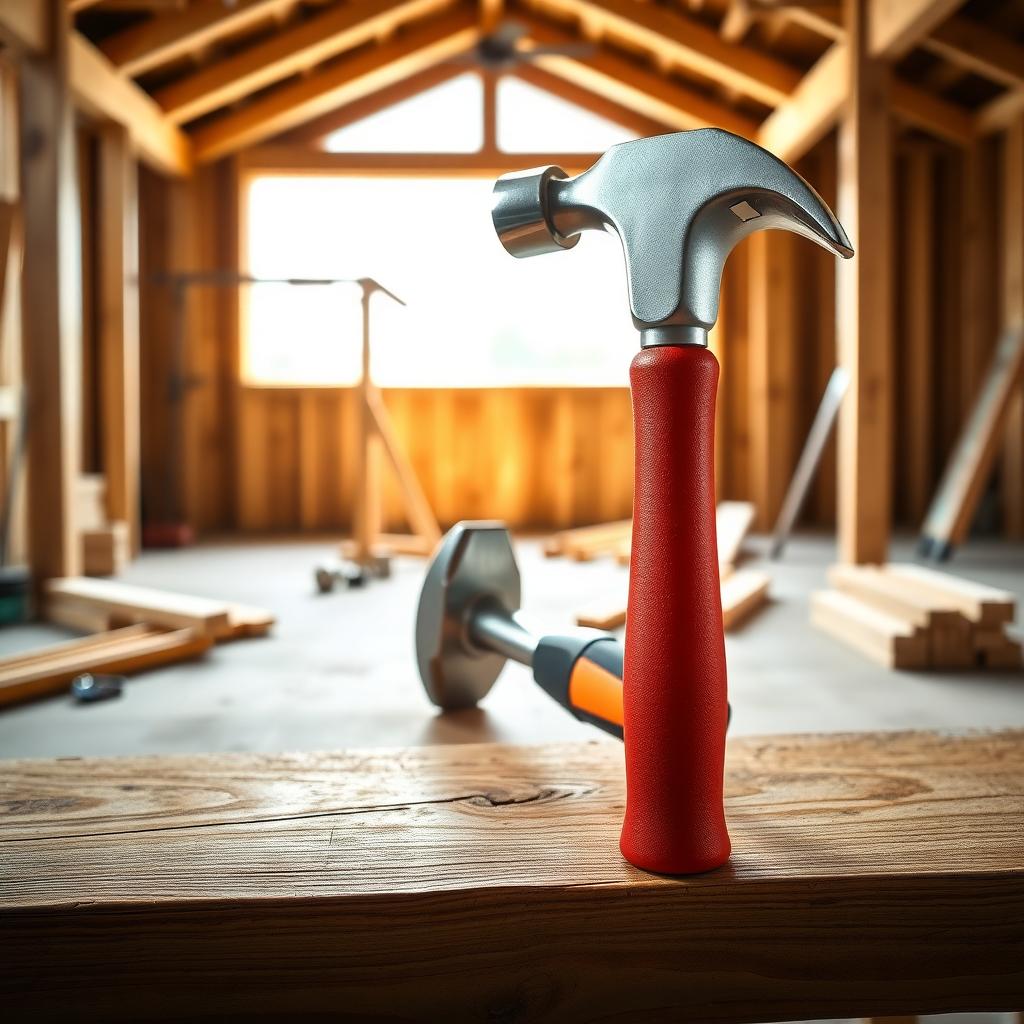
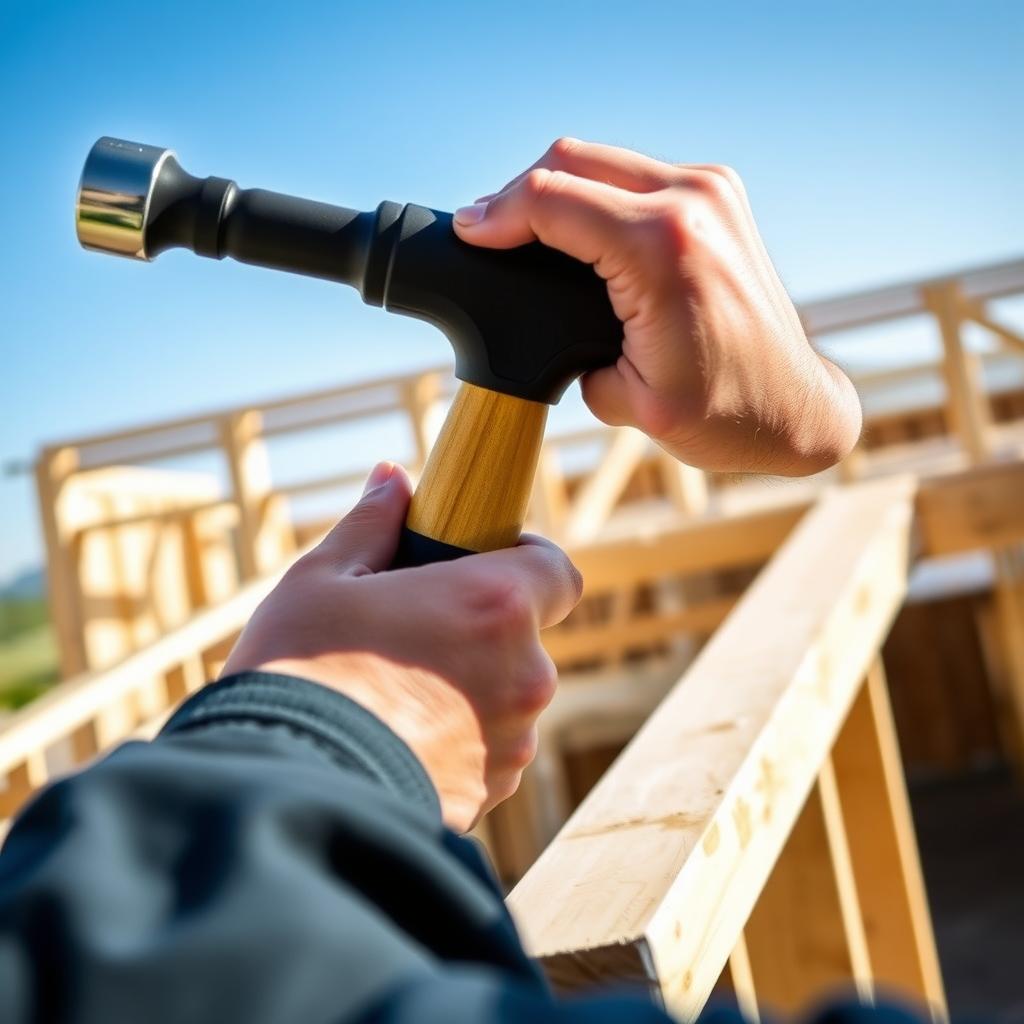
Think about a carpenter swinging a hammer for hours. Without proper design, that hammer can strain their wrist or elbow. Now, imagine a hammer with a cushioned grip and balanced weight. That’s ergonomics at work—small changes that make a big difference.
Ergonomics isn’t just about comfort. It’s about keeping workers healthy and productive. When tools and tasks fit the body’s natural movements, workers can do their jobs longer with less pain. This means fewer sick days and better project timelines. For employers, it’s a win-win: healthier workers and lower costs.
The Rise of Modern Workman Tools with Ergonomic Design
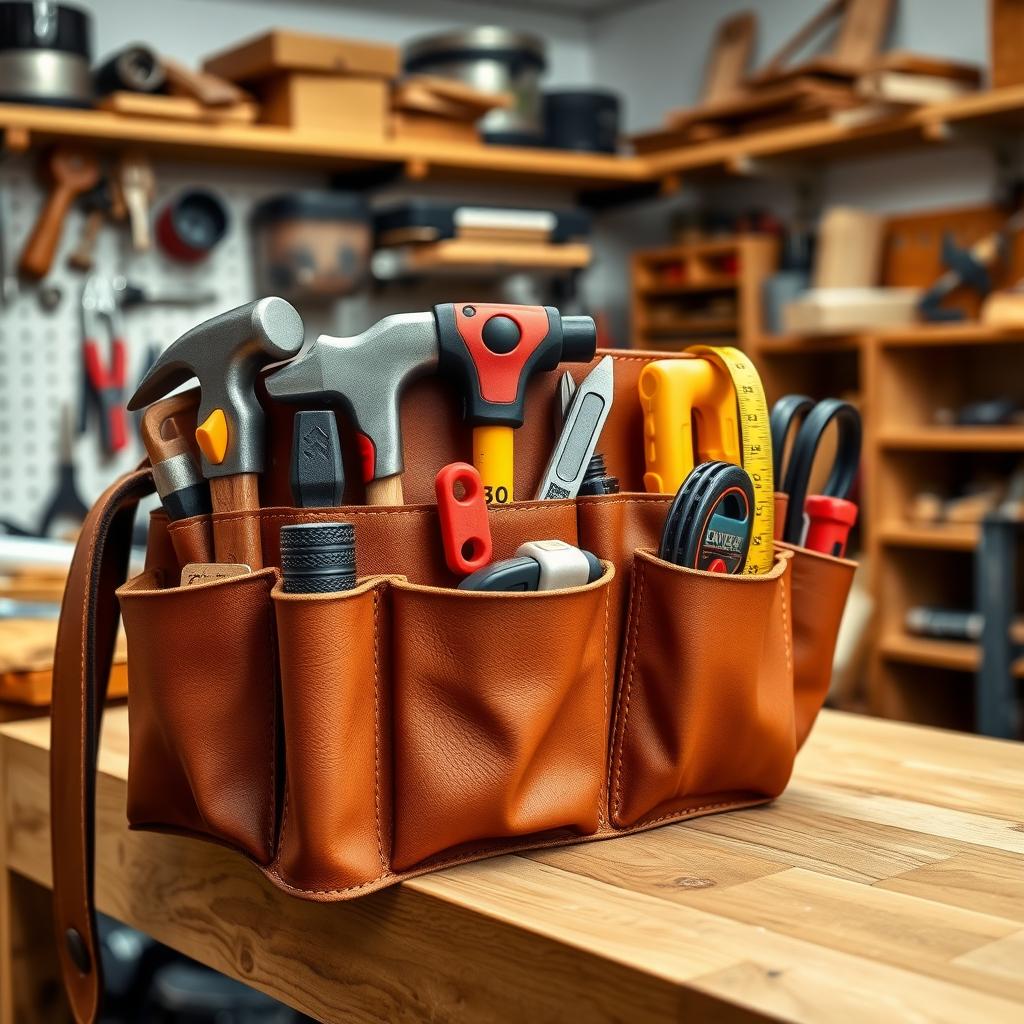
Tools have come a long way. Gone are the days of one-size-fits-all equipment. Today’s modern workman tools with ergonomic design are built with the user in mind. From hammers to power drills, manufacturers are prioritizing comfort and efficiency.
Take cutting tools, for example. Saws and utility knives now feature contoured handles that reduce grip strain. Some even have adjustable angles to minimize awkward wrist positions. These tools aren’t just easier to hold—they help workers cut more precisely with less effort.
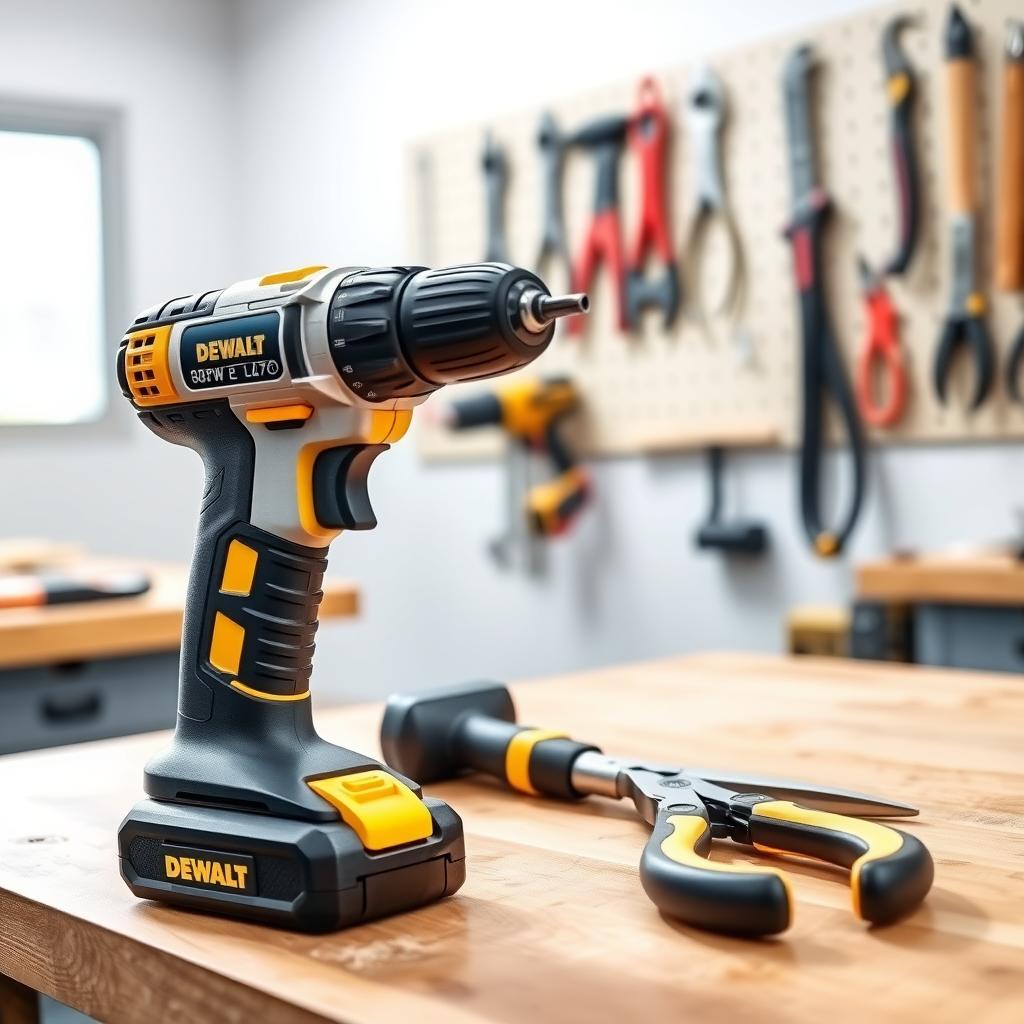
Power tools are also getting an ergonomic makeover. Drills and grinders now come with vibration-dampening technology. This reduces the strain on hands and arms during long shifts. Brands like DeWalt and Milwaukee have invested heavily in ergonomic designs, and workers are noticing the difference. A 2023 study by the National Institute for Occupational Safety and Health (NIOSH) found that ergonomic tools reduced repetitive strain injuries by up to 30% in construction settings.
How Ergonomics Improves Safety and Productivity
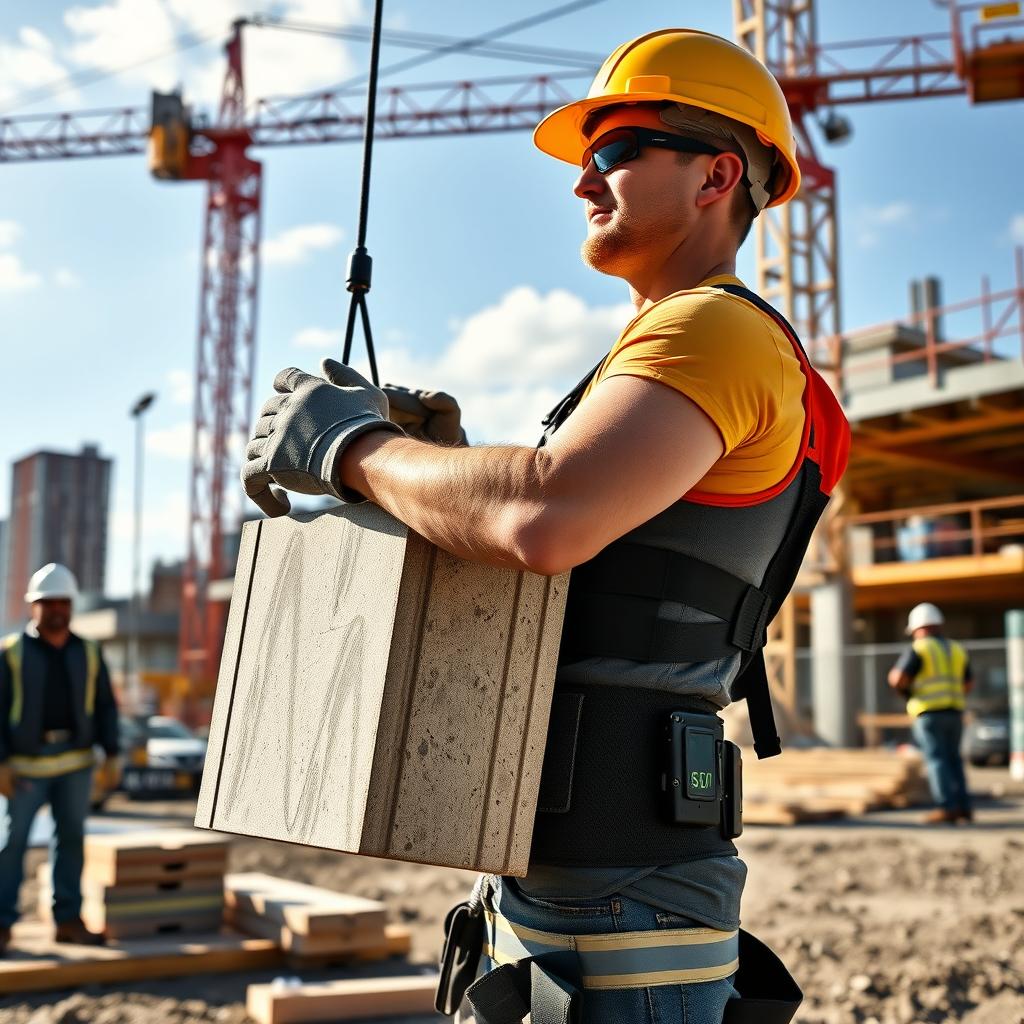
Ergonomics doesn’t stop at tools. It’s changing how construction sites are organized. For example, adjustable scaffolding allows workers to set platforms at the right height, reducing the need to stretch or bend awkwardly. Lifting aids, like exoskeletons, are also gaining traction. These wearable devices support the back and shoulders during heavy lifting, cutting the risk of injury.
Here’s a quick look at how ergonomics boosts safety and productivity:
| Aspect | Ergonomic Solution | Benefit |
|---|---|---|
| Tool Design | Cushioned grips, balanced weight | Reduces hand and wrist strain |
| Workstation Setup | Adjustable scaffolding, lifting aids | Prevents back and shoulder injuries |
| Task Organization | Scheduled breaks, task rotation | Lowers fatigue and boosts focus |
By rethinking these elements, companies are seeing real results. Workers report less pain, and projects stay on schedule.
Personal Insights: A Worker’s Perspective
I spoke with a friend, Mike, who’s been a construction worker for 15 years. He told me how switching to ergonomic tools changed his workday. “I used to go home with aching hands from my old drill,” he said. “Now, with a lighter, vibration-dampened model, I’m not exhausted by noon.” Mike’s story isn’t unique. Workers across the industry are feeling the benefits of workman tools designed with ergonomics in mind.
Mike also mentioned site changes. His crew now uses adjustable workbenches and takes short breaks to stretch. These small tweaks have cut down on the back pain that used to plague him. It’s not just about tools—it’s about creating a workplace that respects the body’s limits.
Practical Tips for Implementing Ergonomics
If you’re a worker or site manager, you don’t need a big budget to embrace ergonomics. Here are some actionable steps:
- Choose Ergonomic Tools: Look for modern workman tools with ergonomic design, like those with padded grips or anti-vibration features. Check reviews from trusted sources like OSHA or NIOSH for recommendations.
- Adjust Workstations: Set up scaffolding and workbenches at comfortable heights. Even a few inches can make a difference.
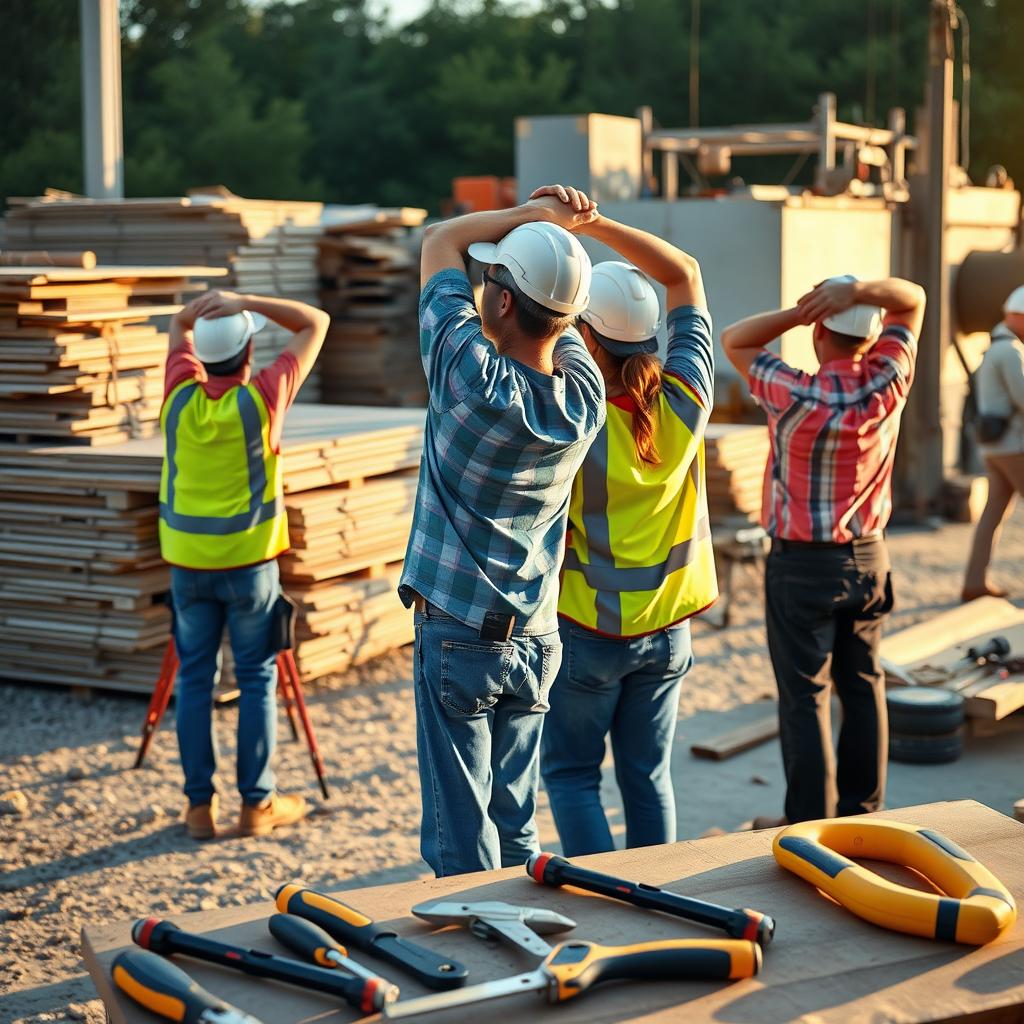
- Train Your Team: Teach workers about proper lifting techniques and the importance of breaks. A quick 5-minute stretch can prevent days of pain.
- Invest in Wearables: Consider exoskeletons or lifting belts for heavy tasks. They’re becoming more affordable and can save money on injury costs.
- Listen to Feedback: Workers know what hurts. Ask them about problem areas and test ergonomic solutions together.
These steps don’t just reduce injuries—they build a culture of care. Workers feel valued, and that boosts morale and retention.
Challenges and Future Trends
Adopting ergonomics isn’t without hurdles. High-quality tools and equipment can be expensive, and small companies may hesitate to invest. Training workers also takes time, and some resist change, preferring familiar methods. But the long-term savings—fewer injuries, less downtime—often outweigh the upfront costs.
Looking ahead, technology is pushing ergonomics further. Smart tools with sensors can alert workers to poor posture or excessive strain. Drones and robots are taking over some heavy tasks, reducing the physical toll on humans. The future of construction is not just about building structures—it’s about building healthier workplaces.
Summary
Ergonomics is reshaping the construction industry by making work safer, more efficient, and less painful. From modern workman tools with ergonomic design to site-wide changes, these innovations are reducing injuries and boosting productivity. By adopting ergonomic practices, companies and workers can build a better future, one project at a time. Start small, listen to workers, and invest in tools that prioritize health.
Related How Ergonomics is Changing the Construction Industry:
- How to Choose Ergonomic Tools for Your Crew
- How to Maintain and Store Wrenches for Long-Lasting Performance
- Top 10 Ergonomic Tools Every Workshop Needs for Comfort and Efficiency
- Tips for DIY Plumbing Success: Master Your Home Repairs
- Top Screwdriver Safety Tips You Can’t Ignore
- The Best Tablesaws with User-Friendly Features for Every Workshop
- How to Choose the Right Tools for Your Job: A Practical Guide
- How to Paint a Room Like a Pro: A Step-by-Step Guide
- The Importance of Quality Tools in Construction: Building a Solid Foundation
- Beginner’s Guide to Car Repair Tools: Your Toolkit Essentials
- The Pomodoro Technique: Boosting Productivity Through Structured Work Sessions
- How to Maintain Your Tools for Longevity: A Comprehensive Guide