Overview
A well-organized workshop can transform your DIY projects from chaotic to seamless. Whether you're a beginner or a seasoned craftsman, knowing how to organize your workshop like a pro saves time, boosts productivity, and protects your tools. This guide shares practical steps, personal insights, and expert tips to create a functional workspace.
Why Workshop Organization Matters
A messy workshop wastes time and energy. I’ve spent hours searching for a misplaced wrench or untangling extension cords. Studies, like one from the University of Minnesota Extension, show that organized workspaces reduce accidents and improve efficiency. A tidy setup lets you focus on creating, not cleaning.
Start by assessing your space. How much room do you have? What tools do you use most? For beginners, prioritizing essential workman tools for beginners ensures you don’t overcrowd your workshop with unnecessary gear. A clean, intentional layout sets the foundation for long-term success.
Step 1: Declutter Your Space
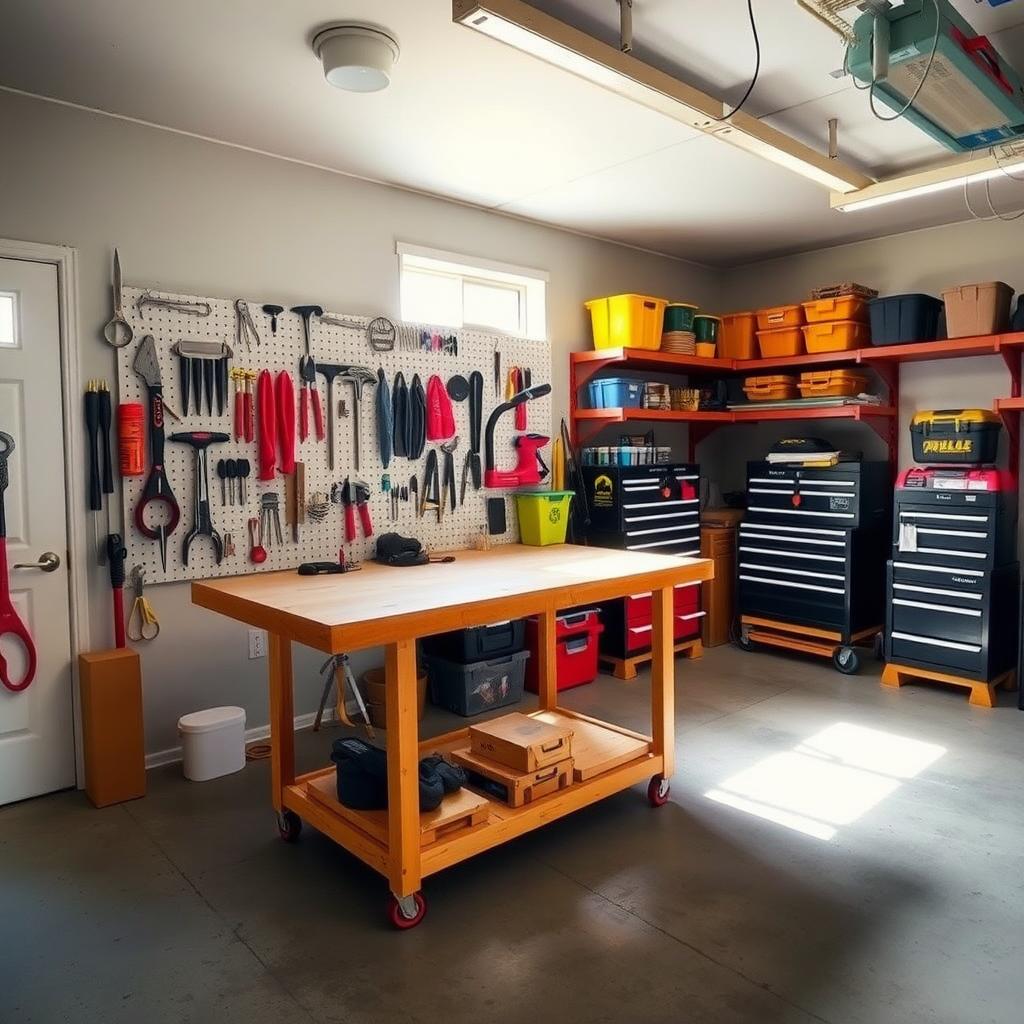
Begin with a clean slate. Empty your workshop and sort items into three piles: keep, donate, or discard. Be ruthless—broken tools or duplicates only create clutter. I once kept a rusty saw blade 'just in case,' only to realize it was slowing me down. Keep only what you use regularly.
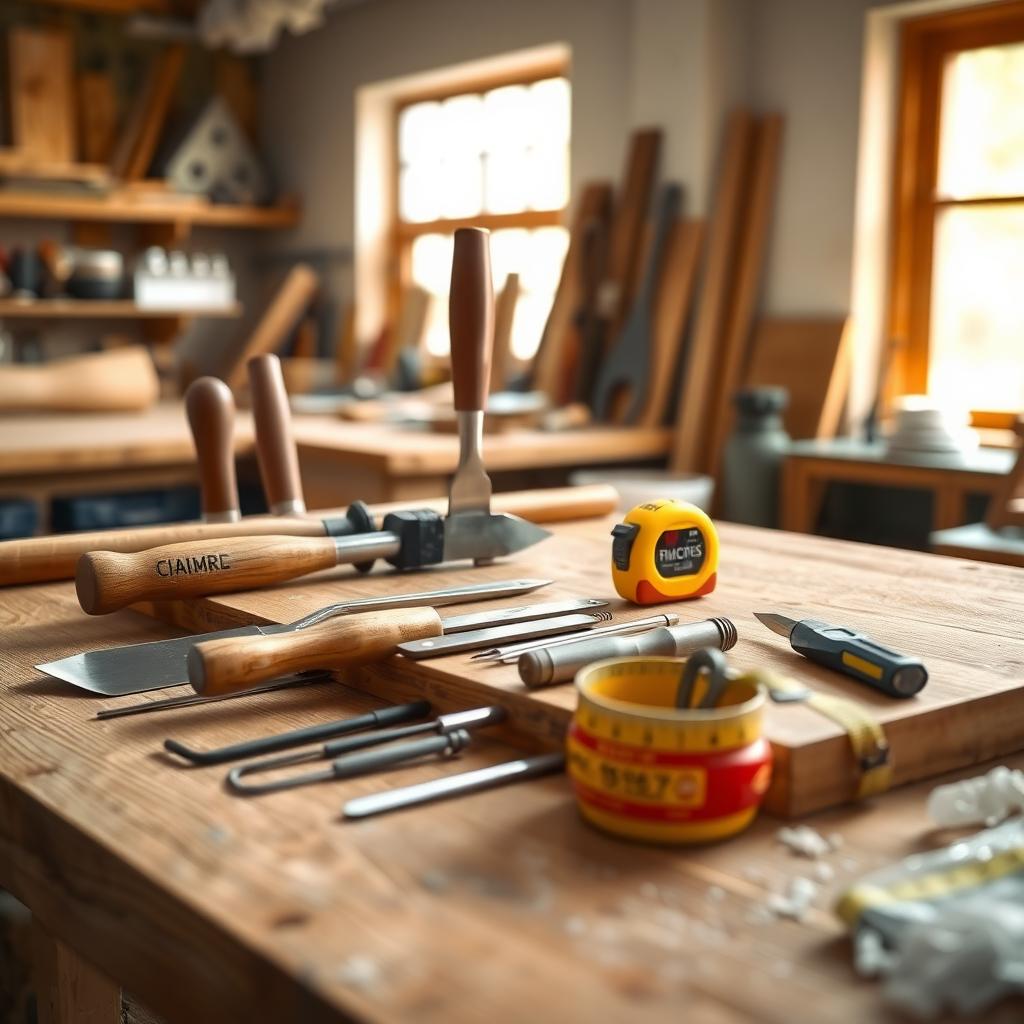
For beginners, focus on versatile tools. The top 10 workman tools for beginners include a hammer, screwdriver set, tape measure, utility knife, pliers, adjustable wrench, level, cordless drill, safety glasses, and a sturdy toolbox. These cover most basic projects without overwhelming your space.
Step 2: Choose the Right Storage Solutions
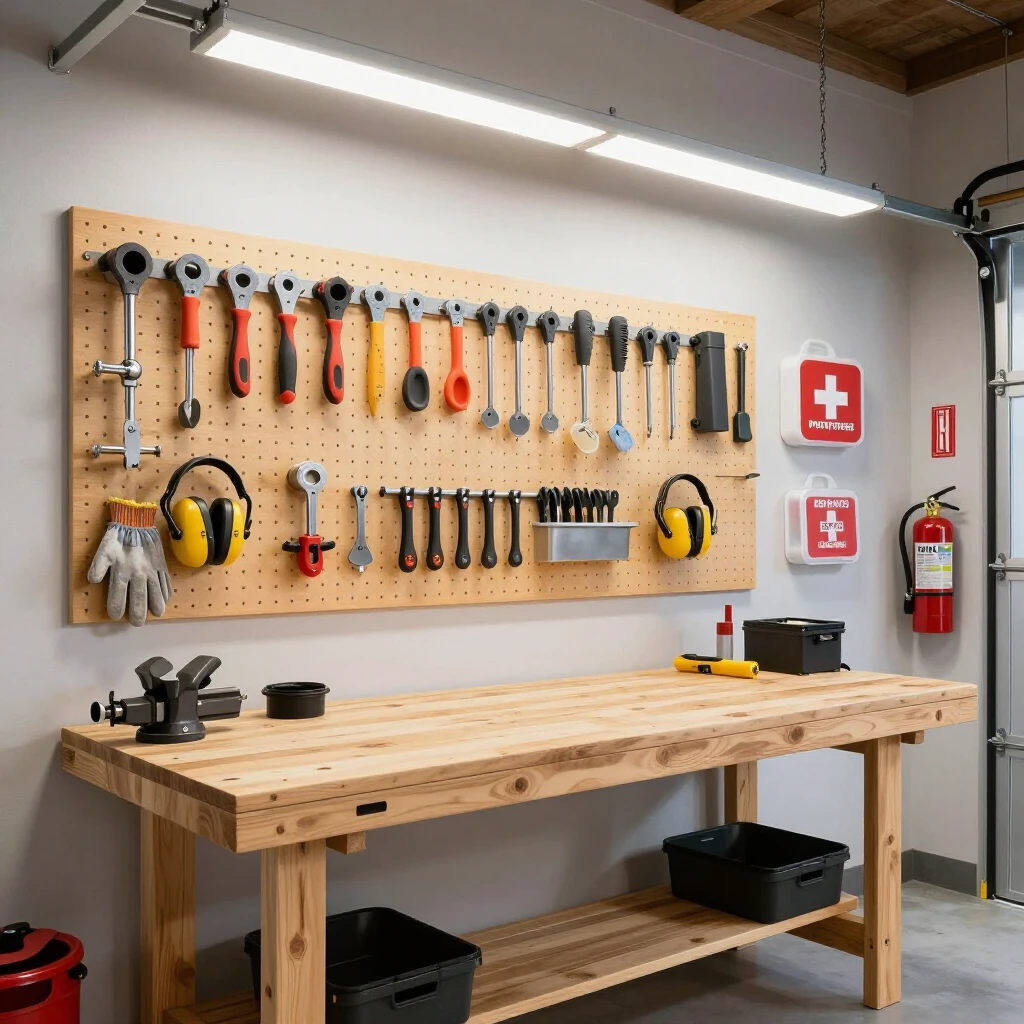
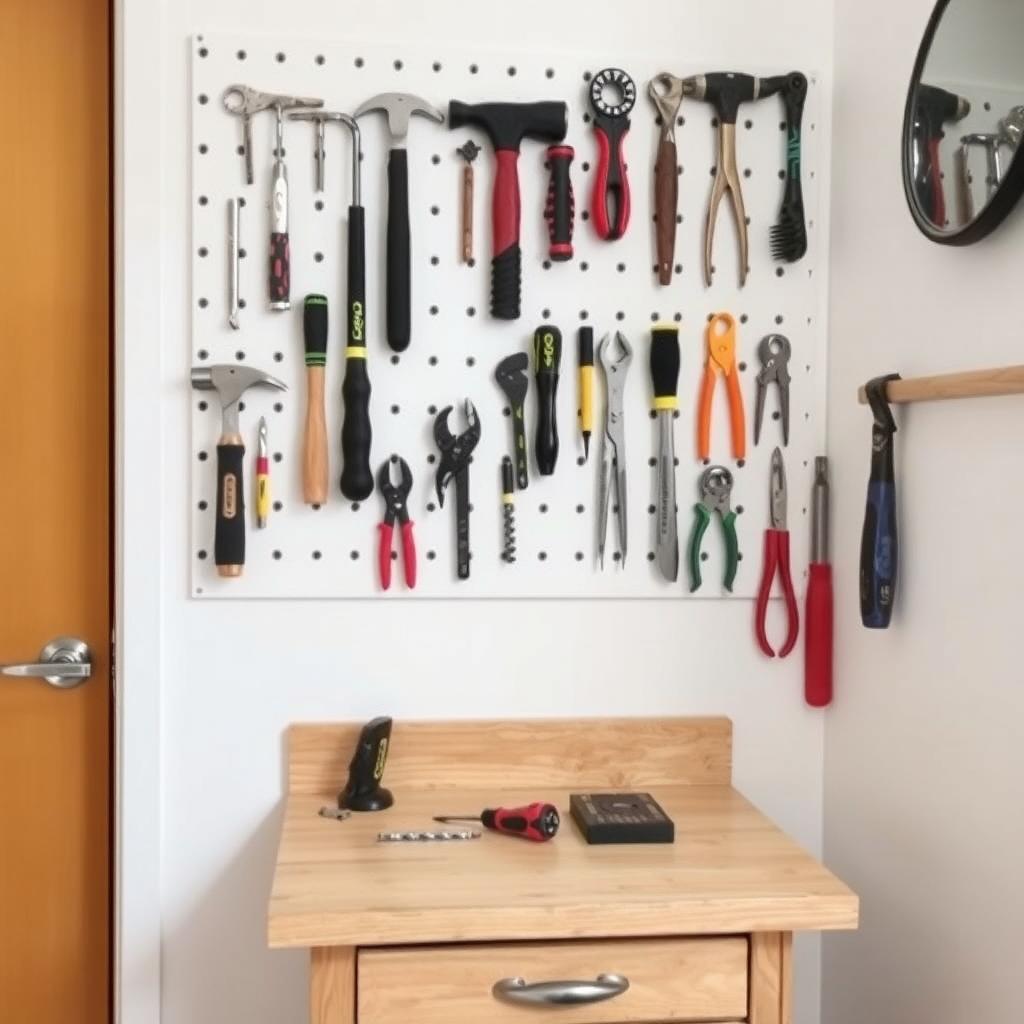
Storage is the backbone of an organized workshop. Toolboxes are a great start, but they’re not one-size-fits-all. I prefer a rolling toolbox for mobility, but wall-mounted pegboards work wonders for smaller spaces. The Occupational Safety and Health Administration (OSHA) emphasizes proper tool storage to prevent injuries, so invest in quality systems.
| Storage Type | Best For | Pros | Cons |
|---|---|---|---|
| Toolbox | Beginners | Portable, secure | Limited space |
| Pegboard | Small workshops | Visible, customizable | Less protection |
| Shelving | Large tools | High capacity | Takes floor space |
| Wall racks | Hand tools | Space-saving | Fixed placement |
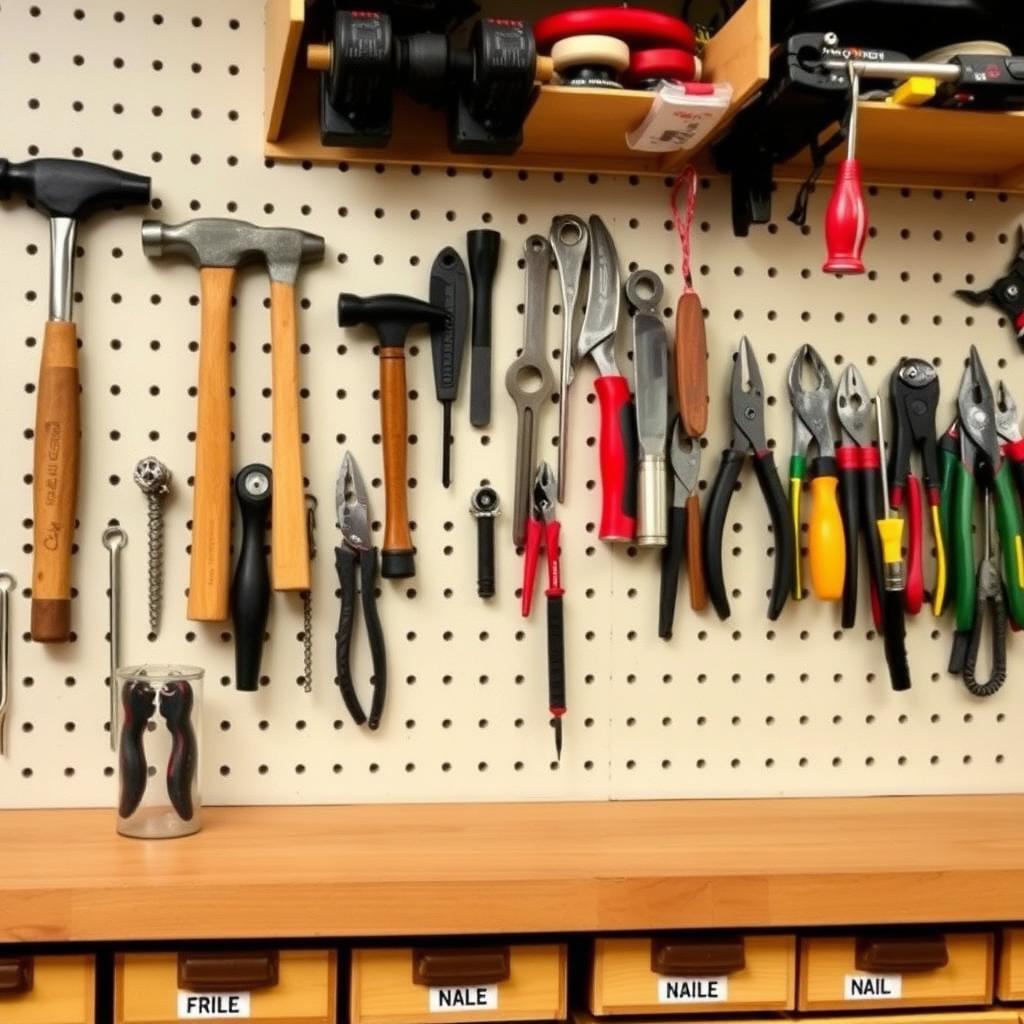
Label everything. I use a label maker for bins and drawers—it’s a game-changer. Clear labels save time when you’re in the middle of a project and need a specific bit or blade.
Step 3: Create a Functional Layout
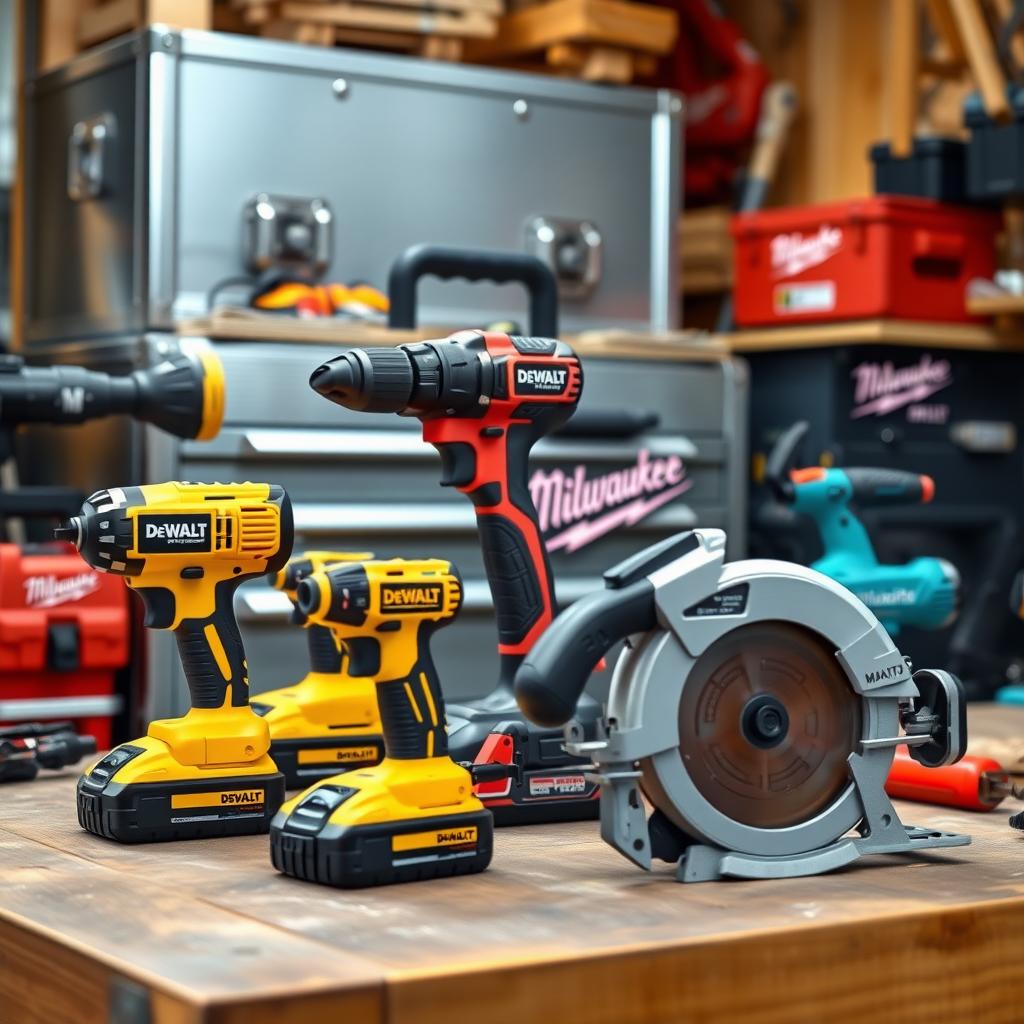
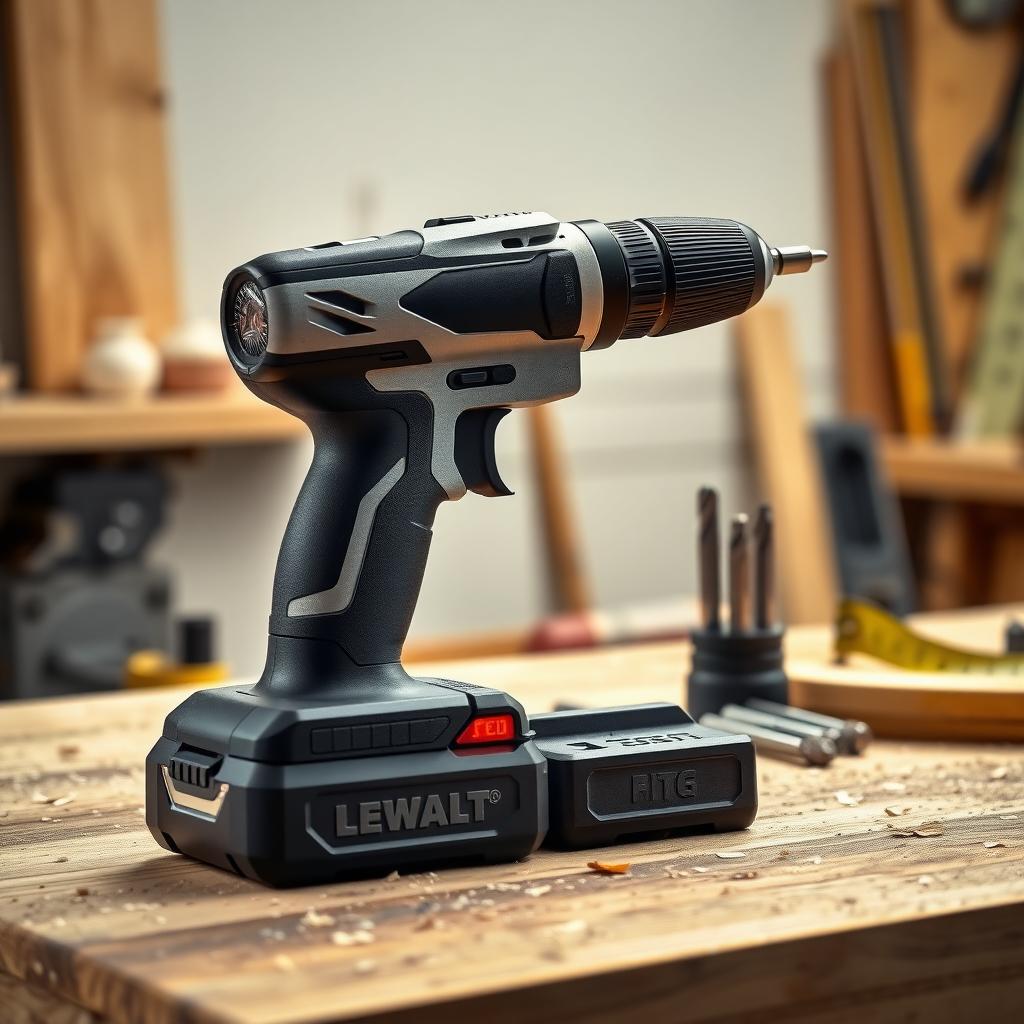
Design your workshop around workflow. Place frequently used tools near your workbench for easy access. I keep my drill and tape measure within arm’s reach, as they’re my go-to tools. Group similar items together—power tools on one shelf, hand tools on another.
Consider zones: a cutting area, a sanding station, and a storage corner. This setup minimizes movement and keeps projects flowing. For larger workshops, a rolling cart can bring tools to you, saving steps. The National Institute for Occupational Safety and Health (NIOSH) recommends ergonomic layouts to reduce strain, so keep heavy tools at waist height.
Step 4: Master Tool Maintenance
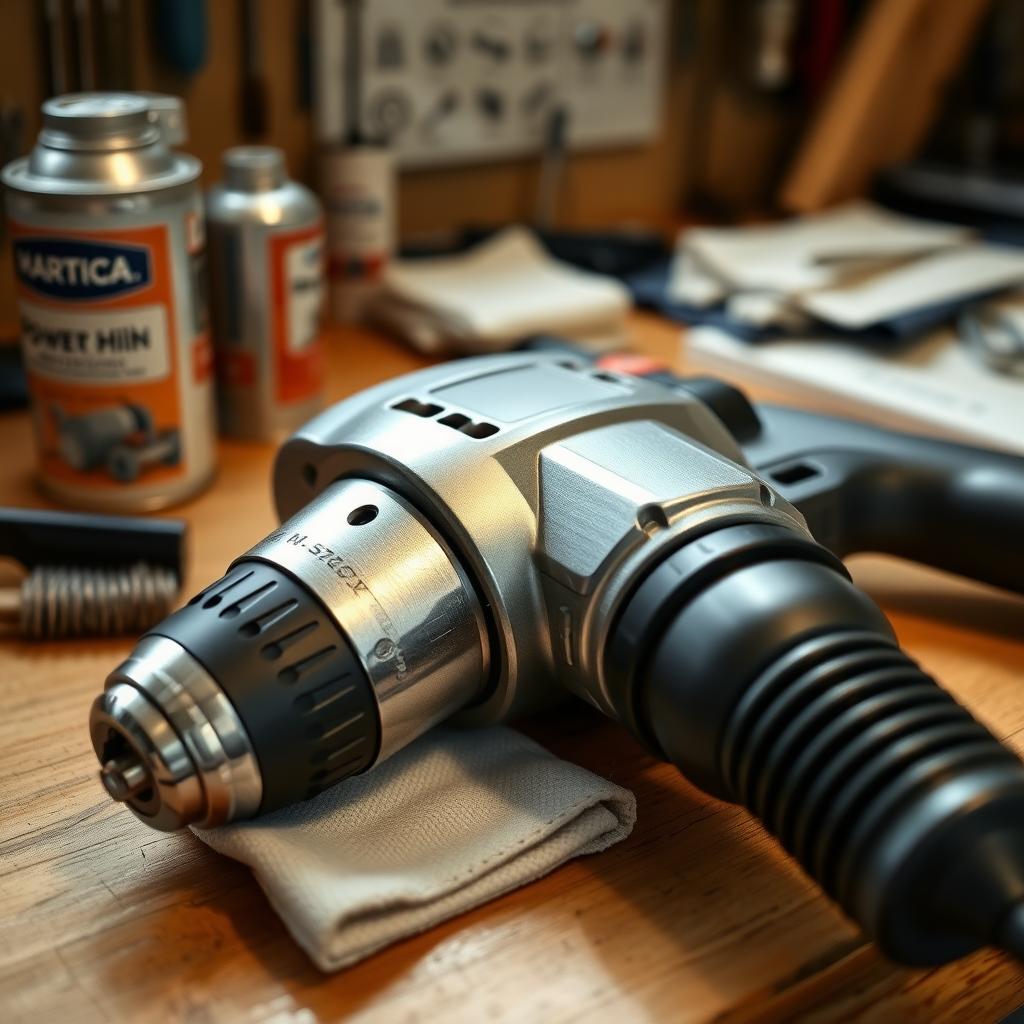
Knowing how to maintain your tools for longevity is crucial. A well-maintained tool lasts years, saving you money. I learned this the hard way when my drill bit dulled because I didn’t clean it properly. Regular maintenance also ensures safety and precision.
Tool Maintenance Tips
- Clean after use: Wipe down tools to remove dust and debris.
- Sharpen blades: Dull tools are dangerous. Use a sharpening stone for chisels and knives.
- Lubricate moving parts: Apply oil to hinges and joints monthly.
- Store properly: Keep tools in dry, secure toolboxes to prevent rust.
- Inspect regularly: Check for wear, like frayed cords on power tools.
The Fine Woodworking magazine suggests creating a maintenance schedule. I set a reminder every three months to inspect my tools, which has extended their lifespan significantly.
Step 5: Optimize for Efficiency
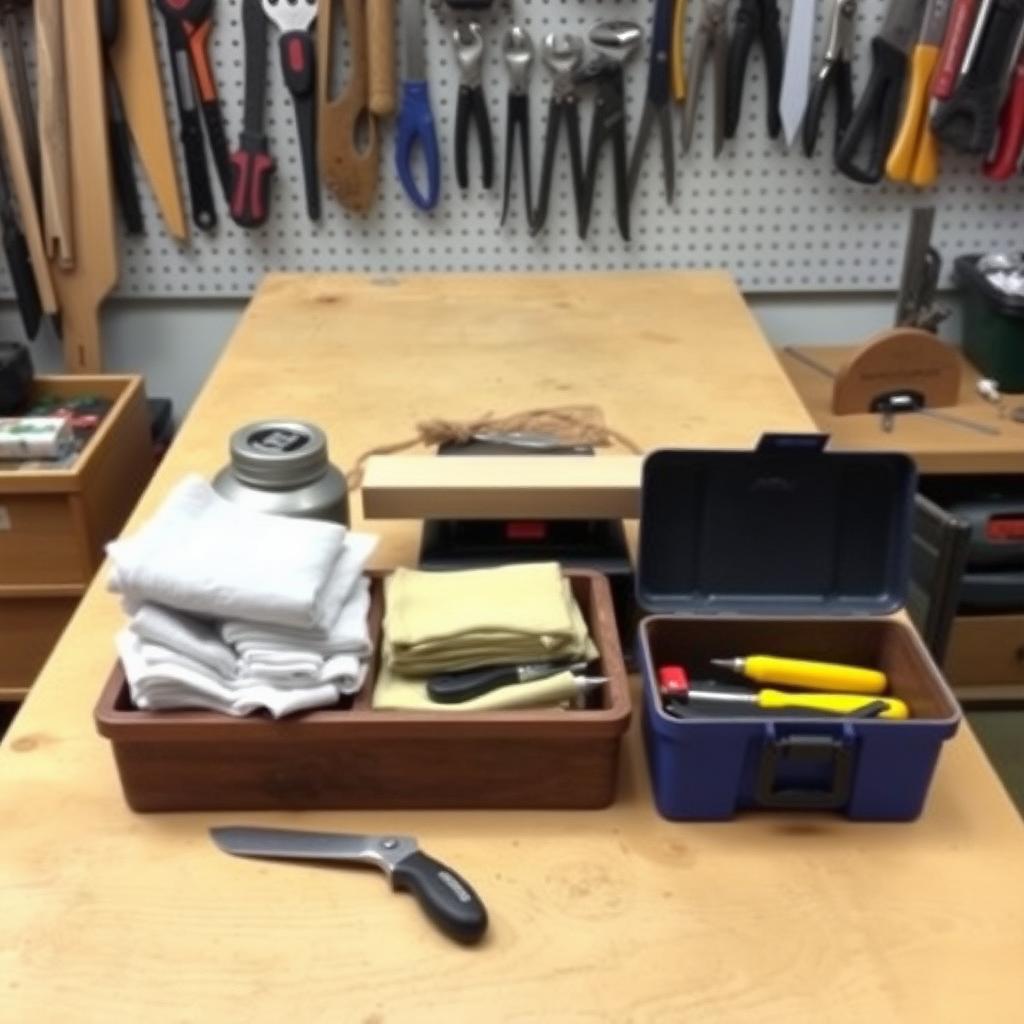
Small tweaks can make a big difference. Install power strips near your workbench to avoid tangled cords. Use magnetic strips for bits and small metal tools. I also keep a whiteboard for project notes—it’s a simple way to stay on track.
For beginners, don’t overcomplicate things. Stick to the top 10 workman tools for beginners and build from there. As you grow, add specialized tools only when needed. This keeps your workshop lean and manageable.
Step 6: Maintain the System
An organized workshop requires upkeep. Spend 10 minutes at the end of each session putting tools back in their place. I used to skip this, thinking I’d clean later, but clutter builds fast. A weekly sweep keeps your space functional.
Involve your family or coworkers if they share the space. Set clear rules, like always returning tools to their designated spots. This prevents chaos and ensures everyone benefits from the system.
Personal Insights
When I started woodworking, my workshop was a corner of my garage with tools scattered everywhere. After a frustrating project where I lost a key screwdriver, I committed to organizing. It took a weekend, but the results were worth it. Now, I can find any tool in seconds, and my projects are more enjoyable. Organizing isn’t just about tidiness—it’s about creating a space that inspires creativity.
Summary
Organizing your workshop like a pro starts with decluttering, choosing smart storage, and creating a functional layout. Prioritize essential workman tools for beginners, maintain them properly, and stick to a routine. With these steps, your workshop will be a productive, safe, and inspiring space for all your projects.
Related How to Organize Your Workshop Like a Pro:
- DIY Workshop Safety Tips for Beginners: Build Safely and Confidently
- Mastering Advanced Hand Tool Techniques for Precision Craftsmanship
- How to Choose the Right Vice for Your Workbench: A Comprehensive Guide
- Power Tools Safety Guidelines: Stay Safe While Using Power Drills and More
- Top Tool Brands Trusted by Professionals: Your Guide to Quality Tools
- Combining Woodworking and Electrical Work: The Ultimate Guide
- Common Power Washer Problems and Solutions: Keep Your Machine Running Smoothly
- Essential Power Tools Maintenance Tips for Long-Lasting Performance
- DIY Tool Storage Solutions for Small Spaces: Maximize Your Workshop
- Choosing the Right Paintbrush for Your Project: A Comprehensive Guide
- Innovative Ergonomic Solutions for Home Improvement: Transform Your Work Experience
- Mastering Precision Drilling: The Ultimate Guide to Power Tools