Overview
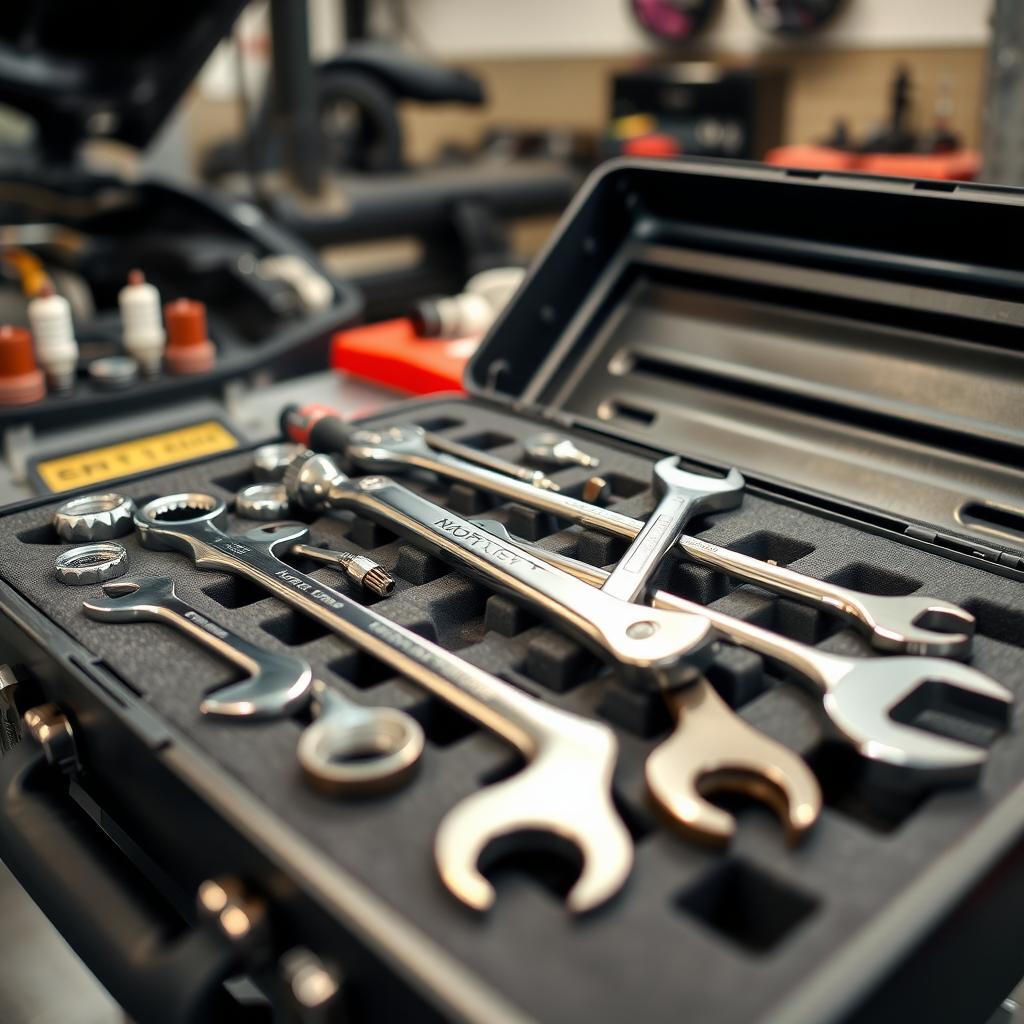
Living in a small apartment or working in a compact garage doesn’t mean you can’t have an efficient workshop. DIY tool storage solutions for small spaces allow you to keep your tools organized, accessible, and in top condition without cluttering your area. This guide shares creative ideas, personal insights, and practical tips to help you build a functional workspace, even in the tightest corners.
Why Tool Storage Matters
A well-organized workshop saves time, reduces frustration, and protects your tools. I’ve spent countless hours searching for a misplaced screwdriver or untangling cords in a cramped space. Proper storage not only keeps your hand tools tidy but also extends their life, saving you money in the long run. For beginners, starting with a smart storage system sets the foundation for efficient projects.
Assessing Your Space and Needs
Before diving into storage solutions, take stock of your tools and space. Measure your available area—whether it’s a corner of a room, a closet, or a small shed. List your tools, focusing on essential workman tools for beginners like hammers, screwdrivers, pliers, and measuring tapes. Prioritize frequently used items for easy access. This step helps you avoid overcomplicating your setup.
Creative DIY Storage Ideas
Wall-Mounted Pegboards
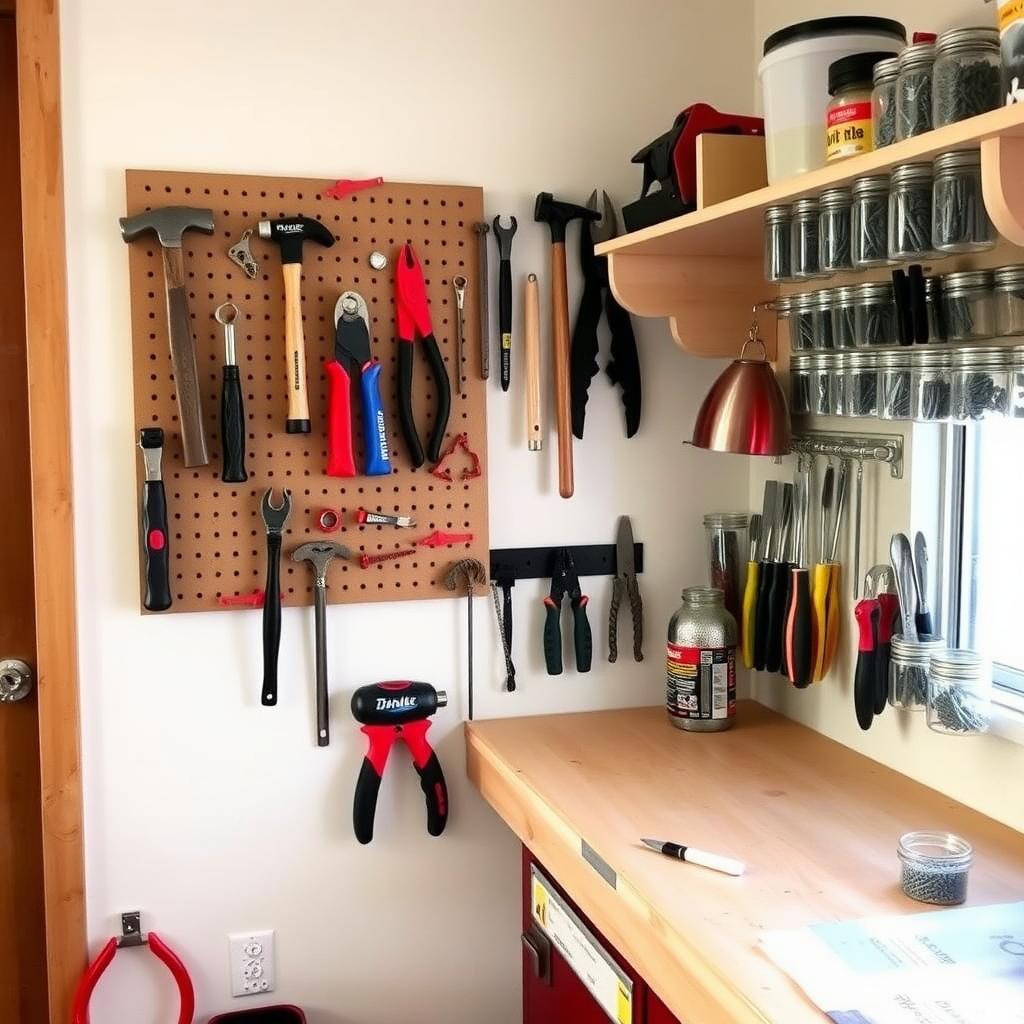
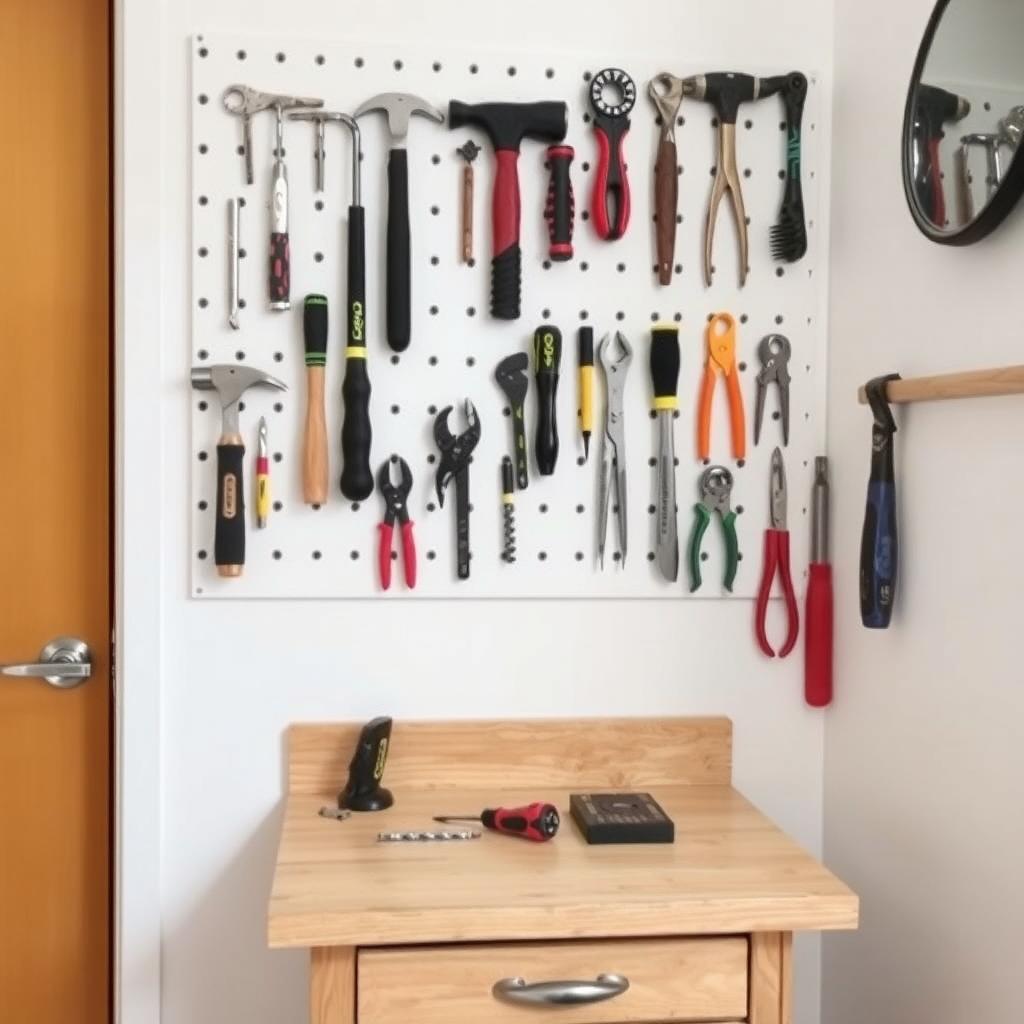
Pegboards are a game-changer for small spaces. They’re affordable, customizable, and use vertical space effectively. I installed a pegboard in my tiny garage corner, and it holds everything from wrenches to paintbrushes. Use hooks, baskets, and shelves to organize hand tools. Paint the pegboard to match your space for a polished look. Pro tip: Group tools by task (e.g., woodworking, plumbing) for quick access.
Magnetic Strips for Metal Tools
Magnetic strips are perfect for ergonomic hand tools for reduced strain, like screwdrivers and chisels. Mount a strip on the wall or under a shelf to keep tools visible and within reach. I added one above my workbench, and it’s a lifesaver for grabbing tools mid-project. Ensure the strip is strong enough to hold heavier items securely.
Stackable Bins and Drawers
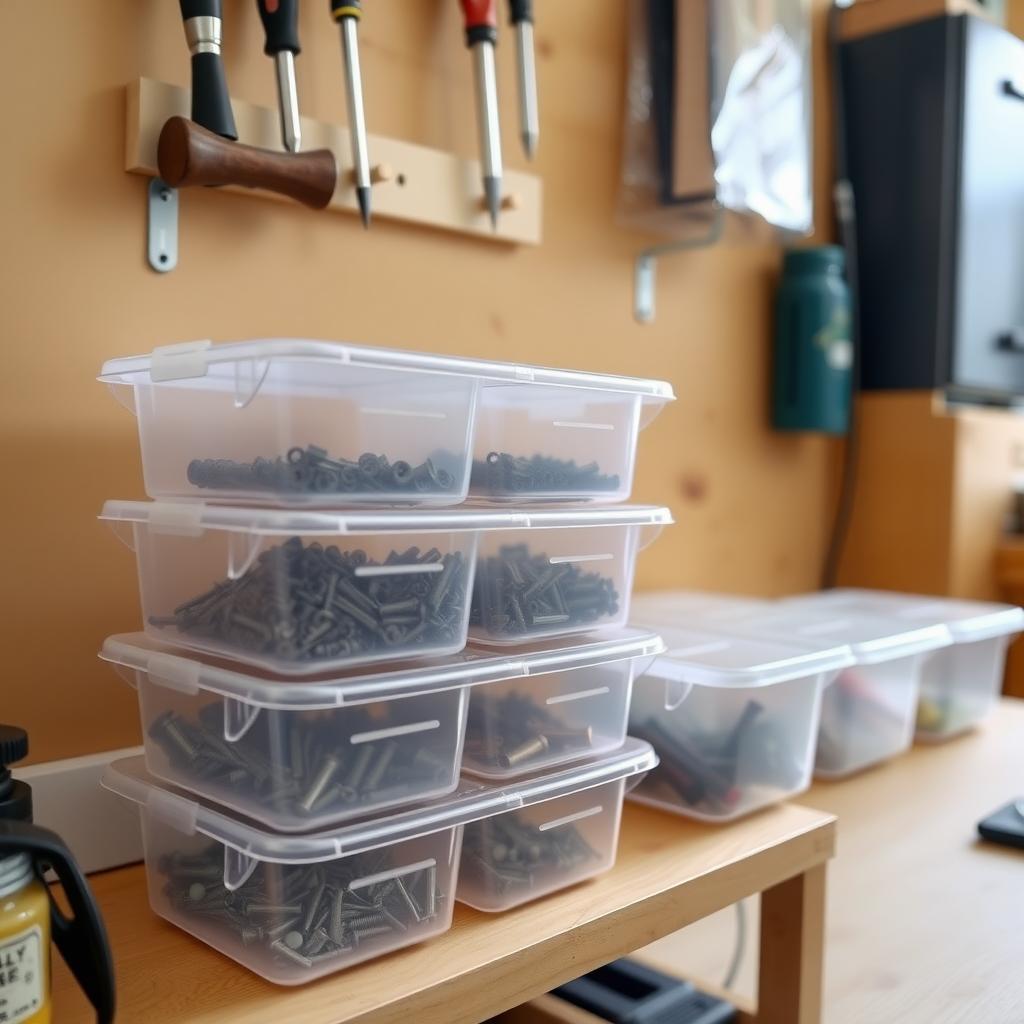
For smaller items like nails, screws, and drill bits, stackable plastic bins or drawers work wonders. Label each one clearly—I use a label maker for a clean look. In my setup, I stack bins on a shelf above my workbench, keeping the floor clear. Opt for transparent bins to see contents at a glance.
Repurposed Furniture
Old furniture can be transformed into storage. I turned an old filing cabinet into a tool chest by adding dividers for hand tools. Kitchen spice racks are great for organizing small bits or blades. Look for sturdy, second-hand pieces at thrift stores to save money. Sand and paint them to match your workshop’s vibe.
Tool Maintenance Tips for Longevity
Proper storage goes hand in hand with maintenance. Here are some tool maintenance tips for longevity to keep your tools in top shape:
- Clean After Use: Wipe down tools with a dry cloth to remove dust or grease. For metal tools, a light coat of oil prevents rust.
- Store in a Dry Place: Moisture is a tool’s worst enemy. Use silica gel packets in drawers or bins to absorb humidity.
- Sharpen Regularly: Keep blades and bits sharp using a whetstone or sharpening tool. Dull tools are harder to use and can cause accidents.
- Inspect for Damage: Check handles and blades for cracks or wear. Replace damaged tools to avoid injury.
I learned the hard way after leaving a screwdriver in a damp toolbox—rust set in within weeks. Now, I store tools in a dry, organized system, and they last years longer.
Choosing Ergonomic Hand Tools
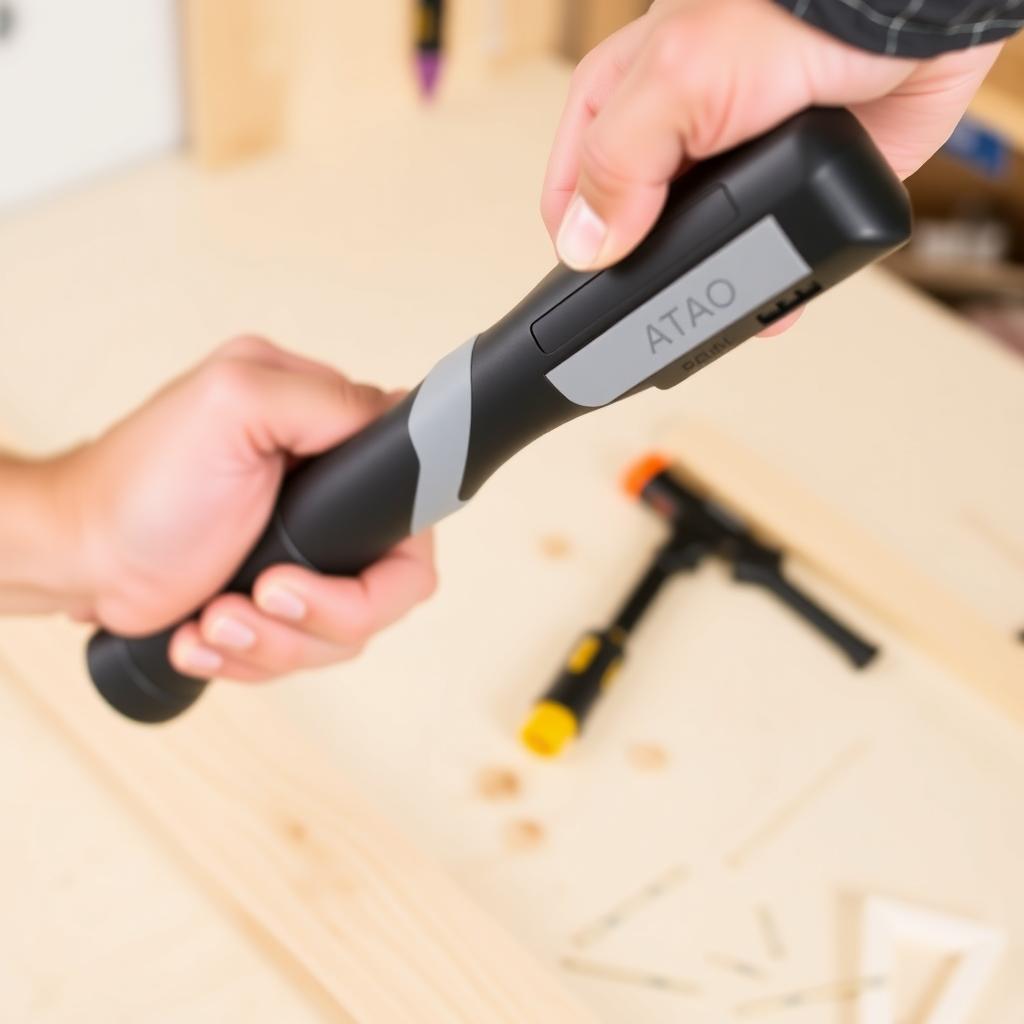
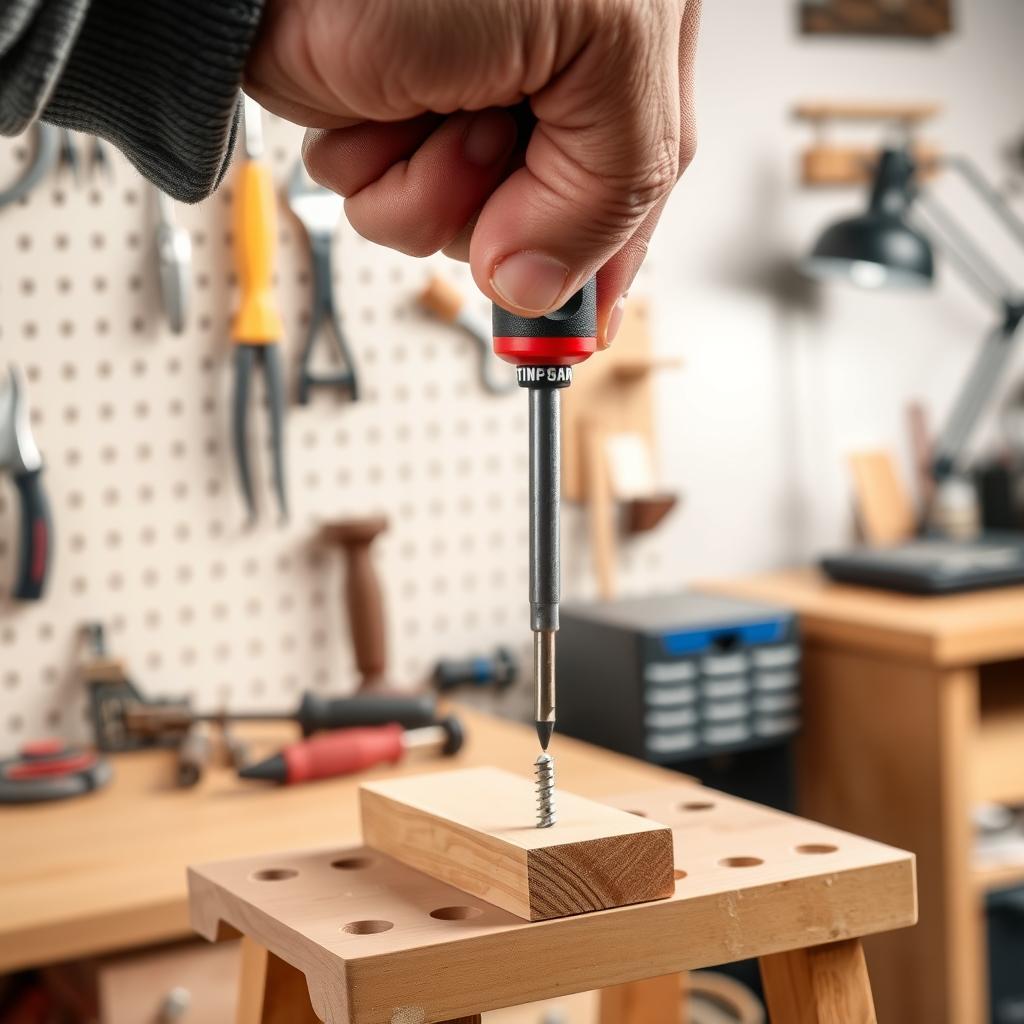
When building your collection, prioritize ergonomic hand tools for reduced strain. Look for tools with cushioned grips, balanced weight, and designs that fit your hand comfortably. For example, I switched to a ratcheting screwdriver with a soft grip, and it’s made long projects much easier on my wrists. Beginners should start with versatile tools like an adjustable wrench, a multi-bit screwdriver, and a claw hammer. These are affordable and cover most basic tasks.
Space-Saving Tips for Beginners
- Go Vertical: Use walls and ceilings for storage. Install shelves or hooks to keep the floor clear.
- Multi-Use Tools: Invest in tools that serve multiple purposes, like a multi-tool or a drill with interchangeable bits, to reduce storage needs.
- Portable Solutions: A foldable workbench or a rolling cart can be tucked away when not in use.
- Declutter Regularly: Donate or sell tools you don’t use. I clear out my workshop yearly, and it keeps my space functional.
Budget-Friendly Materials
You don’t need expensive materials to create DIY tool storage solutions for small spaces. Here’s a quick guide to affordable options:
| Material | Use | Where to Find |
|---|---|---|
| Pegboard | Wall storage for tools | Hardware stores, often under $20 |
| PVC Pipes | Holders for drills or saws | Plumbing section, scraps are cheap |
| Wooden Pallets | Shelves or racks | Free from local businesses |
| Magnetic Strips | Tool organization | Online or hardware stores, ~$10 |
I built a PVC pipe holder for my drills using leftover pipes from a plumbing project—it cost me nothing and works perfectly.
Safety Considerations
Safety is key in a small workshop. Keep heavy tools low to avoid falling hazards. Secure shelves and pegboards to the wall to prevent tipping. Ensure your workspace is well-lit to avoid mishandling tools. I use a clip-on LED light for my workbench, which makes a huge difference in precision and safety.
Summary
Creating DIY tool storage solutions for small spaces is about creativity, planning, and maintenance. By using vertical space, repurposing materials, and choosing ergonomic hand tools, you can build an efficient, safe workshop. Regular maintenance ensures your tools last, while smart organization keeps your space clutter-free. Start small, experiment with solutions, and enjoy a more productive workspace.
Related DIY Tool Storage Solutions for Small Spaces:
- Small Space Organization Hacks for Home Workshops
- Choosing the Right Paintbrush for Your Project: A Comprehensive Guide
- Innovative Ergonomic Solutions for Home Improvement: Transform Your Work Experience
- Mastering Precision Drilling: The Ultimate Guide to Power Tools
- Understanding Metric vs. SAE Measurements: A Comprehensive Guide for Workman Tools
- How to Choose the Right Construction Level for Your Project
- Mastering Ergonomics in Hand Tool Use: Safety and Comfort for Workers
- Ergonomic Wrenches for Reducing Hand Strain: A Workman’s Guide
- The Impact of Smart Technology on Manual Labor: Revolutionizing Workman Tools in 2024
- Top 10 Workman Tools for Beginners: Your Essential Toolkit Guide
- The Ultimate Guide to Power Tools: Mastering Your DIY Projects
- Essential Wrenches for Automotive Repair: Your Toolkit Guide