Overview: Why Precision Drilling Matters
Drilling with precision is the cornerstone of any successful woodworking, metalworking, or construction project. Whether you're installing shelves, crafting furniture, or building a deck, the right power tools for precision drilling can make or break your results. This guide dives deep into the world of power drills, exploring their features, benefits, and how to choose the best one for your needs. With years of hands-on experience, I’ll share practical tips to help you drill with confidence and accuracy.
What Makes a Power Drill Precise?
Precision in drilling comes down to control, power, and design. Power tools for precision drilling are engineered to deliver consistent torque, minimal wobble, and accurate depth control. As someone who’s spent countless hours drilling into everything from soft pine to dense steel, I can tell you that a good power drill feels like an extension of your hand. But what features should you prioritize?
- Variable Speed Control: Allows you to adjust drilling speed for different materials. Slower speeds work for metal, while faster ones suit wood.
- Clutch Settings: These prevent overdriving screws or stripping holes, giving you better control.
- Ergonomic Design: A comfortable grip reduces fatigue, helping you maintain accuracy during long projects.
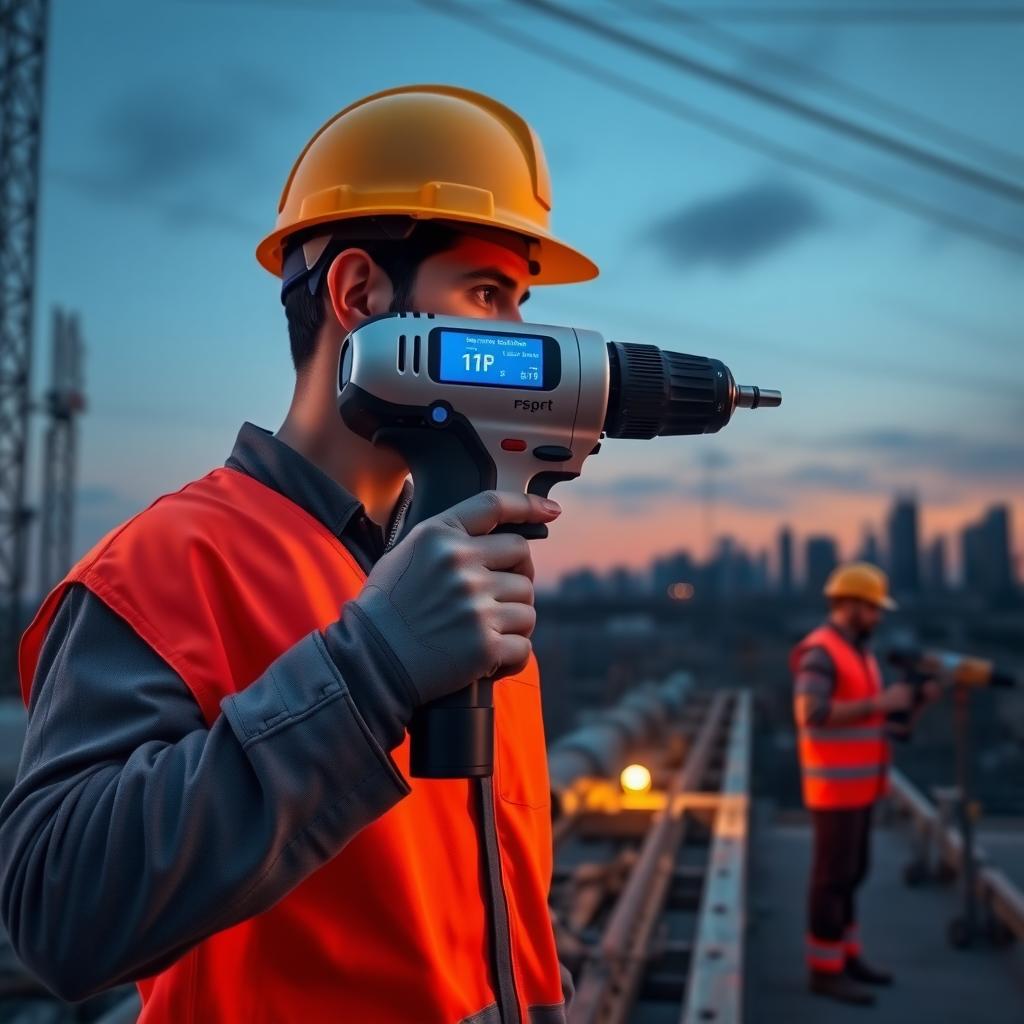
- LED Lights and Laser Guides: Some modern drills come with built-in lights or laser guides to improve visibility and alignment.
Types of Power Drills for Precision Work
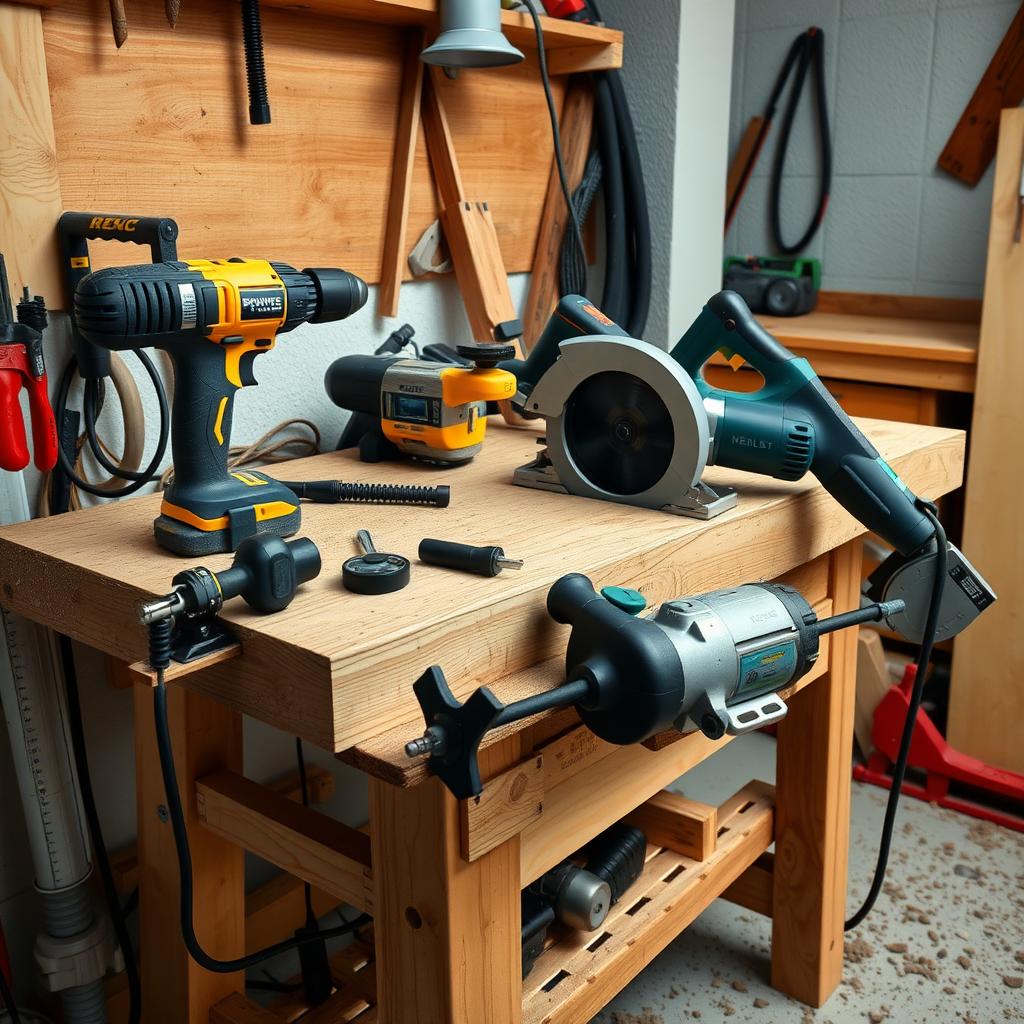
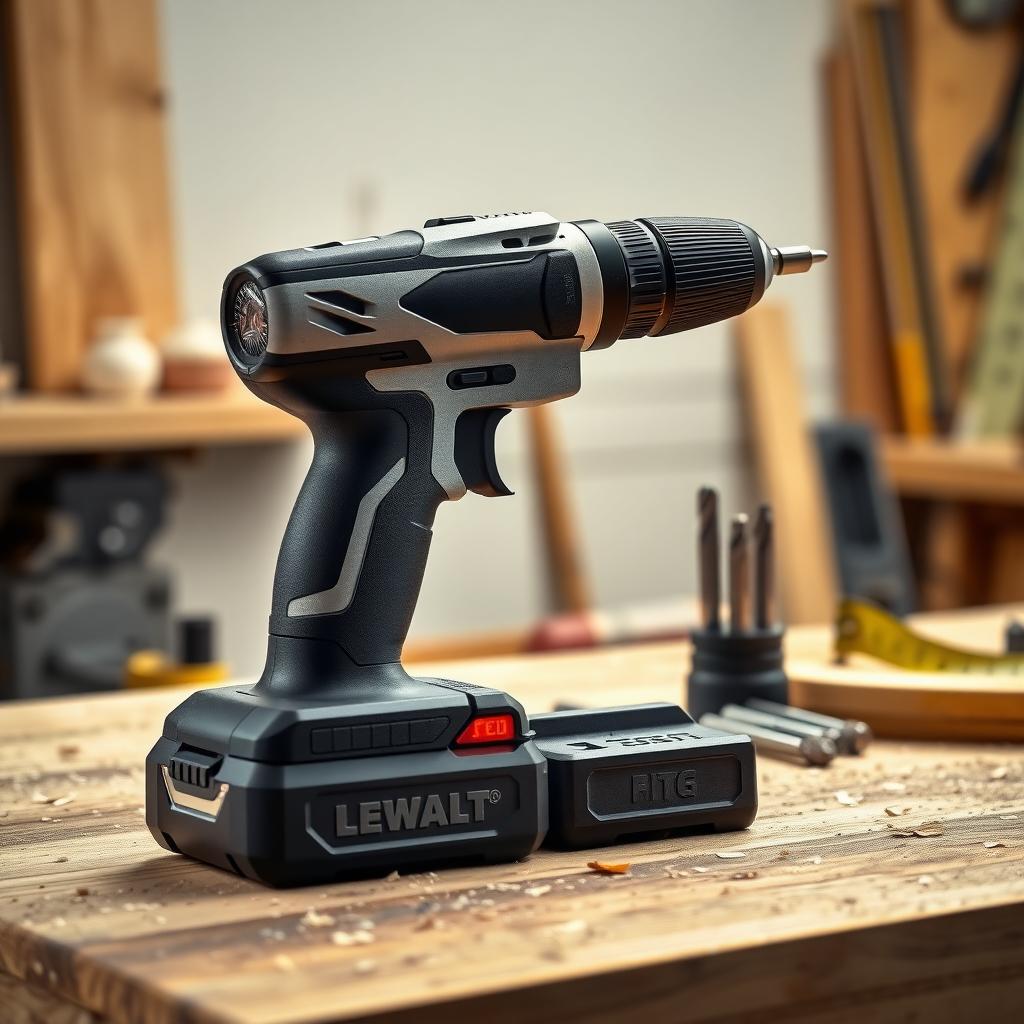
Not all power tools are created equal. Here’s a breakdown of the main types of power drills suited for precision drilling, along with their strengths:
| Drill Type | Best For | Key Features |
|---|---|---|
| Cordless Drill | General DIY, woodworking | Lightweight, portable, battery-powered |
| Corded Drill | Heavy-duty tasks, metalworking | Consistent power, no battery recharge needed |
| Hammer Drill | Masonry, concrete | Combines drilling with hammering action |
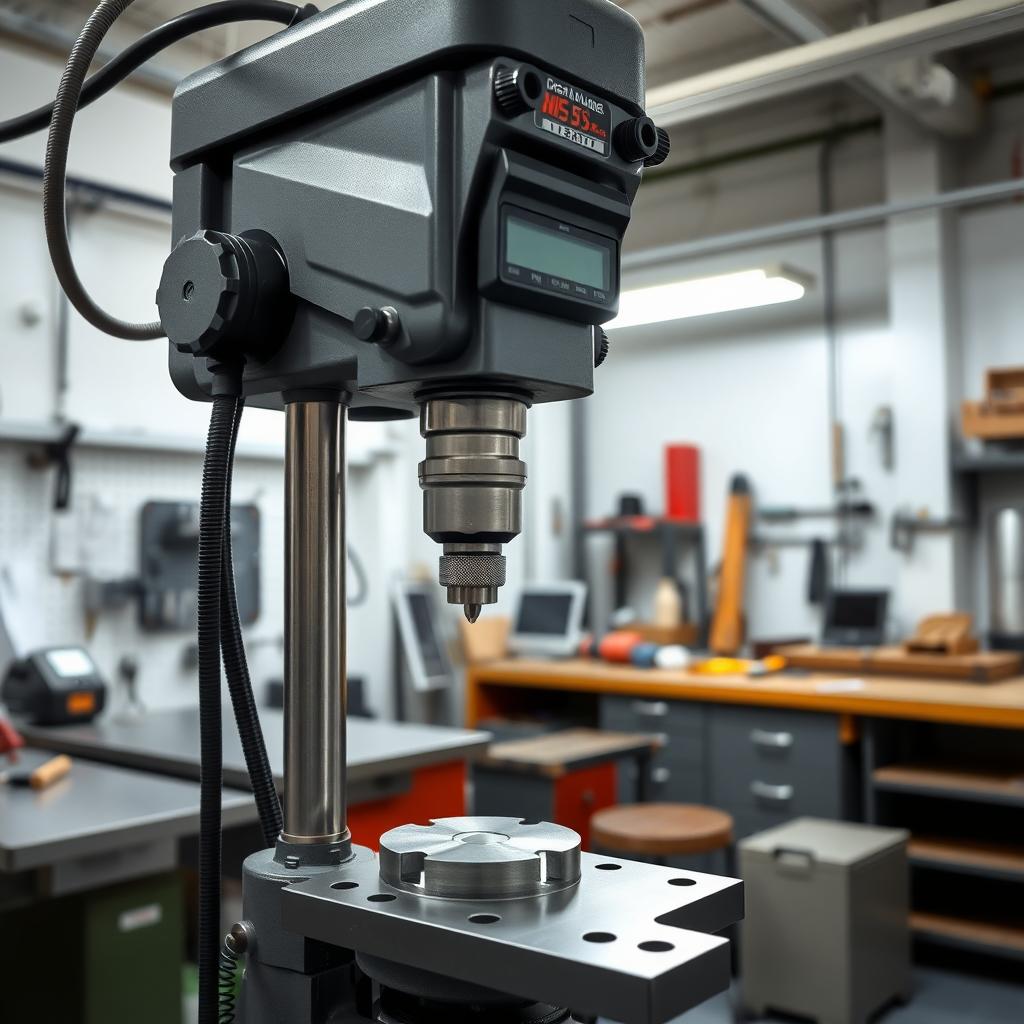
| Drill Press | Ultra-precise woodworking, metalwork | Stationary, adjustable depth control |
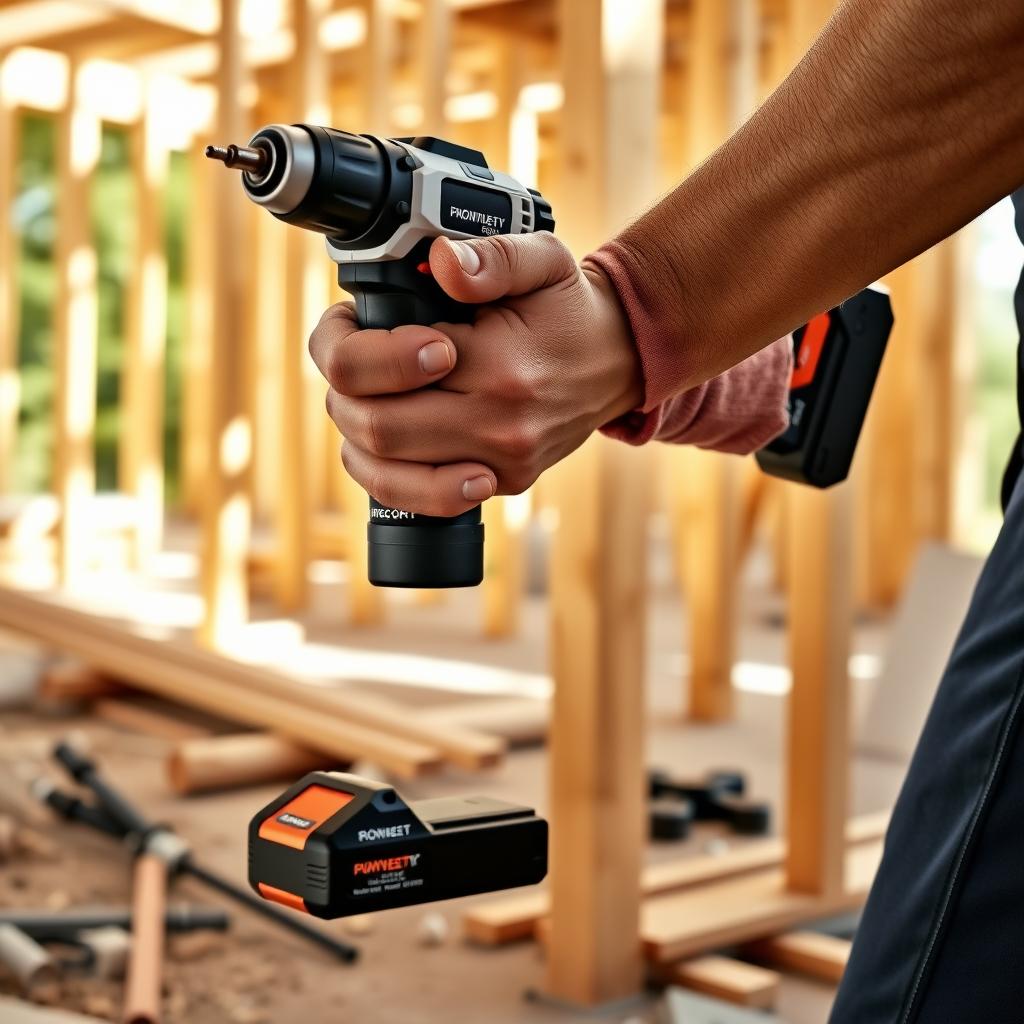
I’ve used cordless drills for most home projects because they’re versatile and easy to maneuver. For instance, when I built a custom bookshelf last summer, my cordless drill’s variable speed let me switch between drilling pilot holes and driving screws without swapping tools. But for tougher jobs, like drilling into concrete for a patio project, a hammer drill was a lifesaver.
Choosing the Right Power Drill
Picking the right power drill depends on your project and skill level. Here are some factors to consider:
- Material: Wood, metal, and masonry require different drill bits and power levels. For example, titanium-coated bits are great for metal, while spade bits work well for wood.
- Power Source: Cordless drills offer mobility but may lack the sustained power of corded models for long tasks.
- Chuck Size: A 1/2-inch chuck is standard for most tasks, but smaller 3/8-inch chucks are lighter and better for precision work.
- Battery Life (for cordless): Look for lithium-ion batteries with at least 18V for consistent performance.
When I started out, I made the mistake of buying a cheap drill with a weak battery. Halfway through a deck project, it died, leaving me frustrated. Investing in a quality cordless drill with a reliable battery made all the difference. If you’re unsure where to start, brands like DeWalt, Makita, and Bosch are known for their precision-focused power tools.
Tips for Precision Drilling
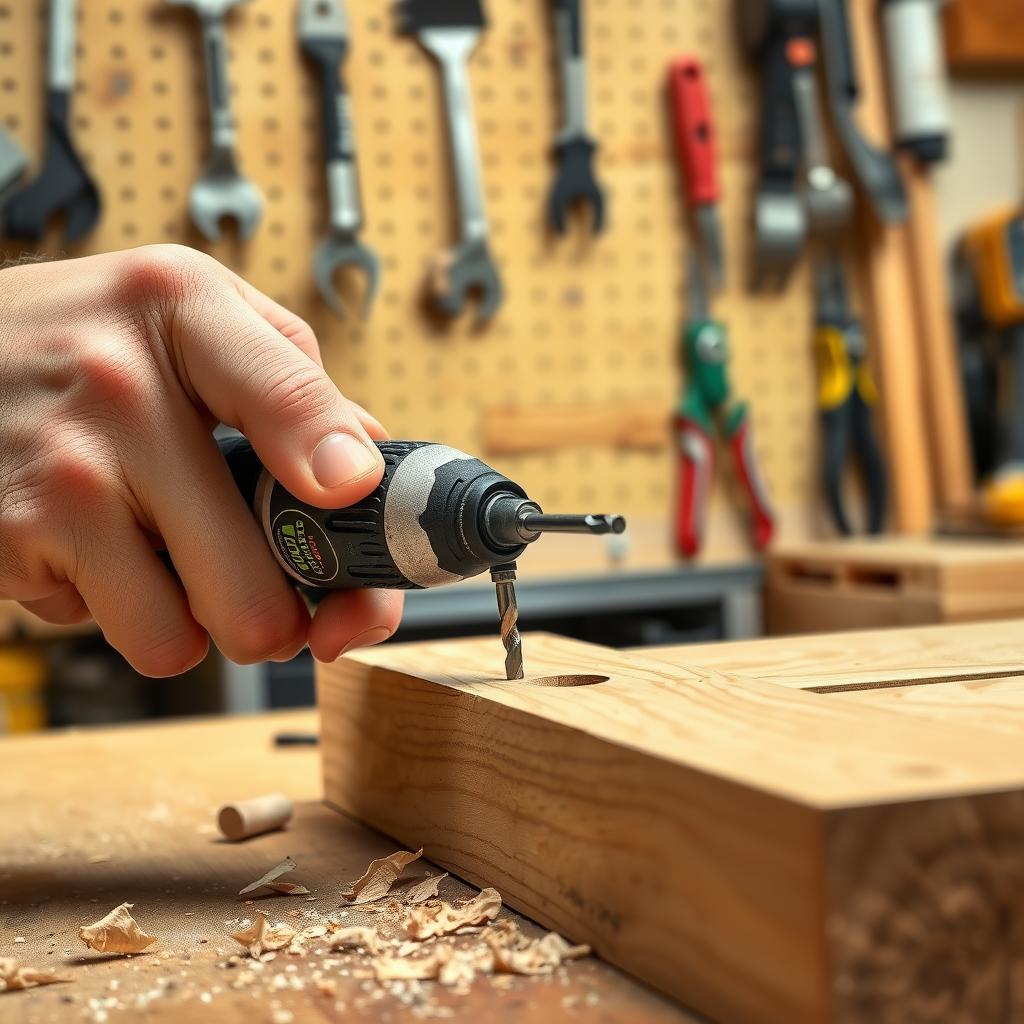
Drilling accurately takes practice, but these tips can help you get it right every time:
- Mark Your Spot: Use a pencil or awl to mark your drilling point. For extra precision, create a small indent with a center punch.
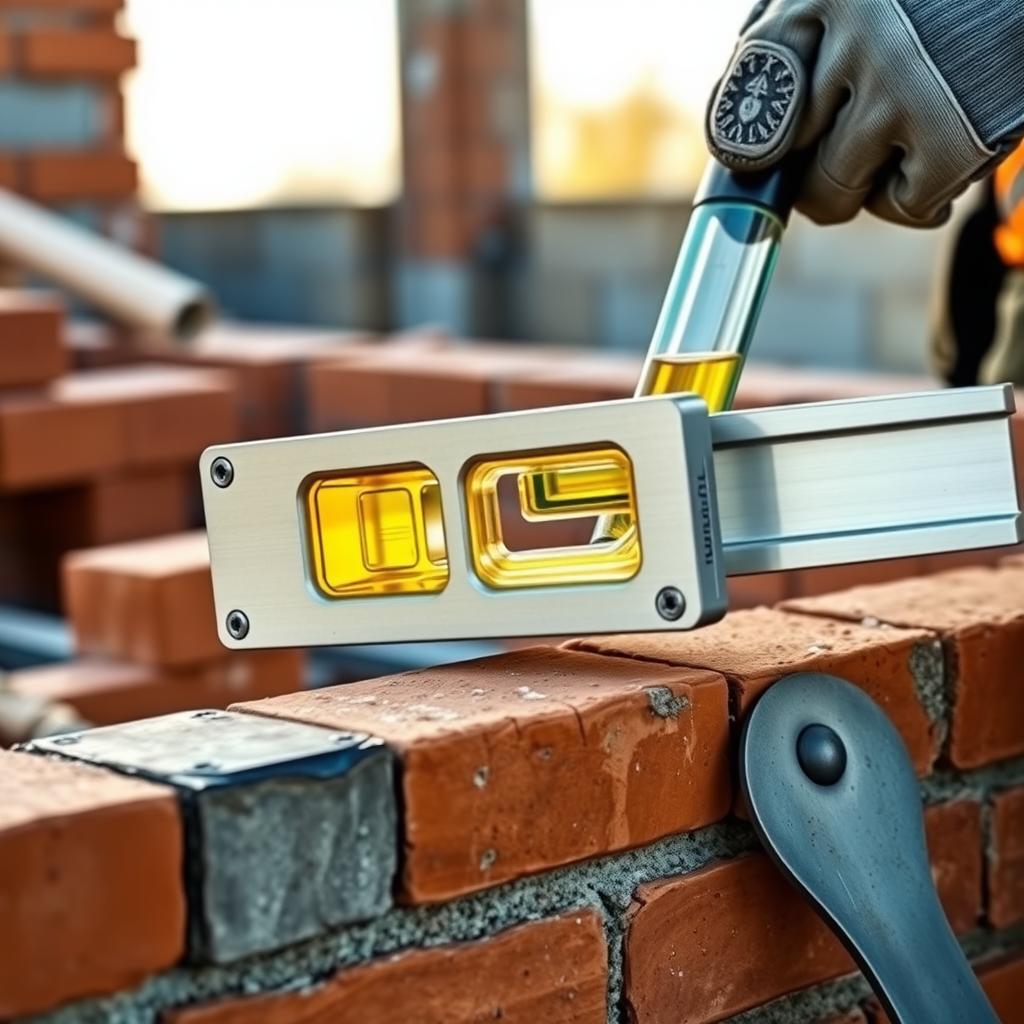
- Use a Level: For projects like shelving, a bubble level ensures your holes are aligned.
- Start Small: Drill a pilot hole with a smaller bit before using a larger one to prevent splintering.
- Control Your Pressure: Let the drill do the work—pushing too hard can cause the bit to wander.
- Clean Your Bits: Built-up debris can reduce accuracy, so clean your bits regularly.
I learned the pilot hole trick the hard way after splitting a piece of cherry wood during a furniture project. Now, I always drill a smaller hole first, especially with hardwoods. For more tips, check out resources like Popular Mechanics for expert drilling advice.
Advanced Features to Look For
Modern power tools for precision drilling come with features that make your work easier and more accurate:
- Brushless Motors: These provide more power and efficiency, reducing wear and tear.
- Smart Technology: Some drills connect to apps for custom torque settings or battery monitoring.
- Magnetic Bit Holders: These keep bits secure, preventing slippage during high-torque tasks.
When I upgraded to a brushless cordless drill, I noticed a huge improvement in battery life and power consistency. It was a game-changer for long projects like installing drywall. If you’re a professional, these features are worth the investment.
Maintaining Your Power Drills
To keep your power tools performing at their best, regular maintenance is key:
- Clean Regularly: Wipe down your drill to remove dust and debris after each use.
- Check the Chuck: Ensure it’s tight and free of debris to maintain bit stability.
- Store Properly: Keep cordless drills in a dry place to protect the battery.
- Sharpen Bits: Dull bits reduce precision, so invest in a drill bit sharpener or replace them as needed.
I once neglected a drill bit that was duller than a butter knife, and it chewed up a piece of walnut instead of drilling cleanly. Lesson learned: sharp bits are non-negotiable for precision work.
Common Mistakes to Avoid
Even experienced users make mistakes. Here are some pitfalls to watch out for:
- Skipping Pilot Holes: This can split wood or misalign holes.
- Using the Wrong Bit: Always match your bit to the material.
- Overheating: Let your drill cool down during heavy use to avoid motor burnout.
- Ignoring Safety: Wear safety glasses and secure loose clothing to prevent accidents.
I’ve had my share of close calls, like when I rushed a job and didn’t secure my workpiece. The wood spun, and the drill nearly slipped out of my hand. Always take your time and prioritize safety.
Summary: Elevate Your Drilling Game
Power tools for precision drilling are essential for any project requiring accuracy and efficiency. By choosing the right drill, mastering techniques like pilot holes, and maintaining your tools, you can achieve professional results. Whether you’re a beginner or a seasoned pro, investing in quality power drills and practicing proper techniques will take your work to the next level. Keep experimenting, stay safe, and happy drilling!
Related power tools for precision drilling:
- Top 10 Power Tool Safety Tips for Safe and Effective Use
- Understanding Metric vs. SAE Measurements: A Comprehensive Guide for Workman Tools
- How to Choose the Right Construction Level for Your Project
- Mastering Ergonomics in Hand Tool Use: Safety and Comfort for Workers
- Ergonomic Wrenches for Reducing Hand Strain: A Workman’s Guide
- The Impact of Smart Technology on Manual Labor: Revolutionizing Workman Tools in 2024
- Top 10 Workman Tools for Beginners: Your Essential Toolkit Guide
- The Ultimate Guide to Power Tools: Mastering Your DIY Projects
- Essential Wrenches for Automotive Repair: Your Toolkit Guide
- How Order Boosts Your Workshop Efficiency: The Ultimate Guide
- How to Choose the Right Paint for Your Project: A Comprehensive Guide
- How Ergonomics is Changing the Construction Industry