Overview
Woodworking is a rewarding hobby that lets you create beautiful, functional pieces with your own hands. For beginners, starting with simple DIY woodworking projects can build skills and confidence. This guide covers easy projects, essential tools, and tips to help you get started, even if you’ve never picked up a saw before.
Why Start with DIY Woodworking Projects for Beginners?
Woodworking might seem intimidating, but it’s accessible to everyone with the right approach. When I first started, I was nervous about using power tools, but simple projects helped me learn the ropes. Beginner projects are designed to be forgiving, letting you practice basic cuts, joints, and finishes without needing a fancy workshop. Plus, they’re fun and practical—you’ll end up with items you can actually use!
The key is to start small. Projects like a wooden cutting board or a simple shelf teach you how to measure, cut, and assemble without overwhelming you. These projects also introduce you to essential power tools for woodworking, like circular saws and power drills, which are game-changers for precision and efficiency.
Top 5 DIY Woodworking Projects for Beginners
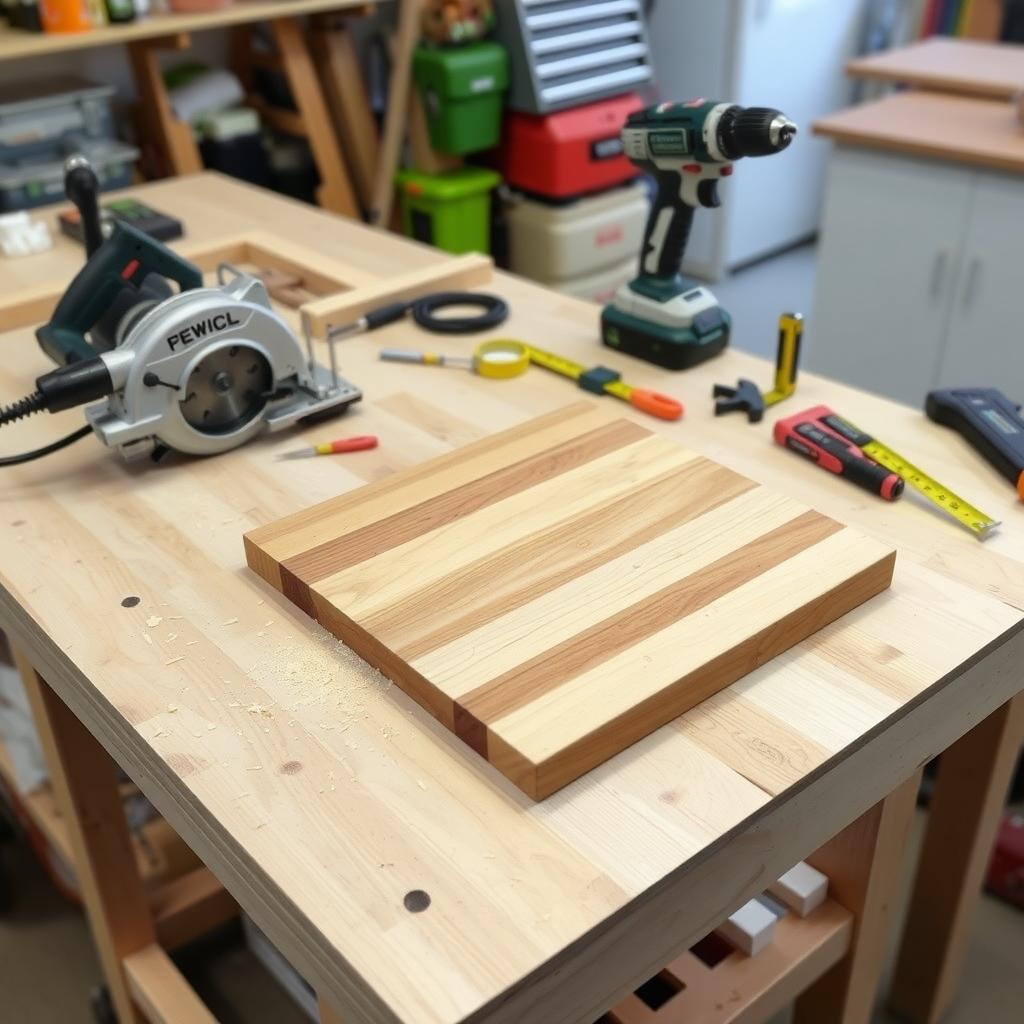
Here are five beginner-friendly projects to get you started. Each one builds foundational skills and requires minimal tools. I’ve chosen these based on my own experience—they’re satisfying to complete and won’t break the bank.
1. Wooden Cutting Board
A cutting board is a perfect first project. You only need a piece of hardwood (like maple or walnut), a saw, sandpaper, and food-safe finish. Cut the wood to size, sand it smooth, and apply mineral oil. It’s a great way to practice straight cuts and finishing techniques.
Tools Needed: Circular saw, power drill (for optional handle holes), sandpaper.
2. Simple Wall Shelf
A floating shelf is a step up in complexity. You’ll cut a board to length, sand it, and mount it with brackets. This project teaches you how to use a level and secure pieces to a wall. I made one for my kitchen, and it’s still holding strong!
Tools Needed: Circular saw, power drill, level.
3. Wooden Coasters
Coasters are quick and forgiving. Cut a 4x4-inch square from a plank, sand the edges, and add a finish. You can experiment with stains or woodburning for a personal touch. These make great gifts, too.
Tools Needed: Circular saw, sandpaper.
4. Step Stool
A small step stool is practical and introduces basic joinery. You’ll need to cut legs and a top, then assemble them with screws or dowels. This was my second project, and it taught me how to make sturdy connections.
Tools Needed: Circular saw, power drill, clamps.
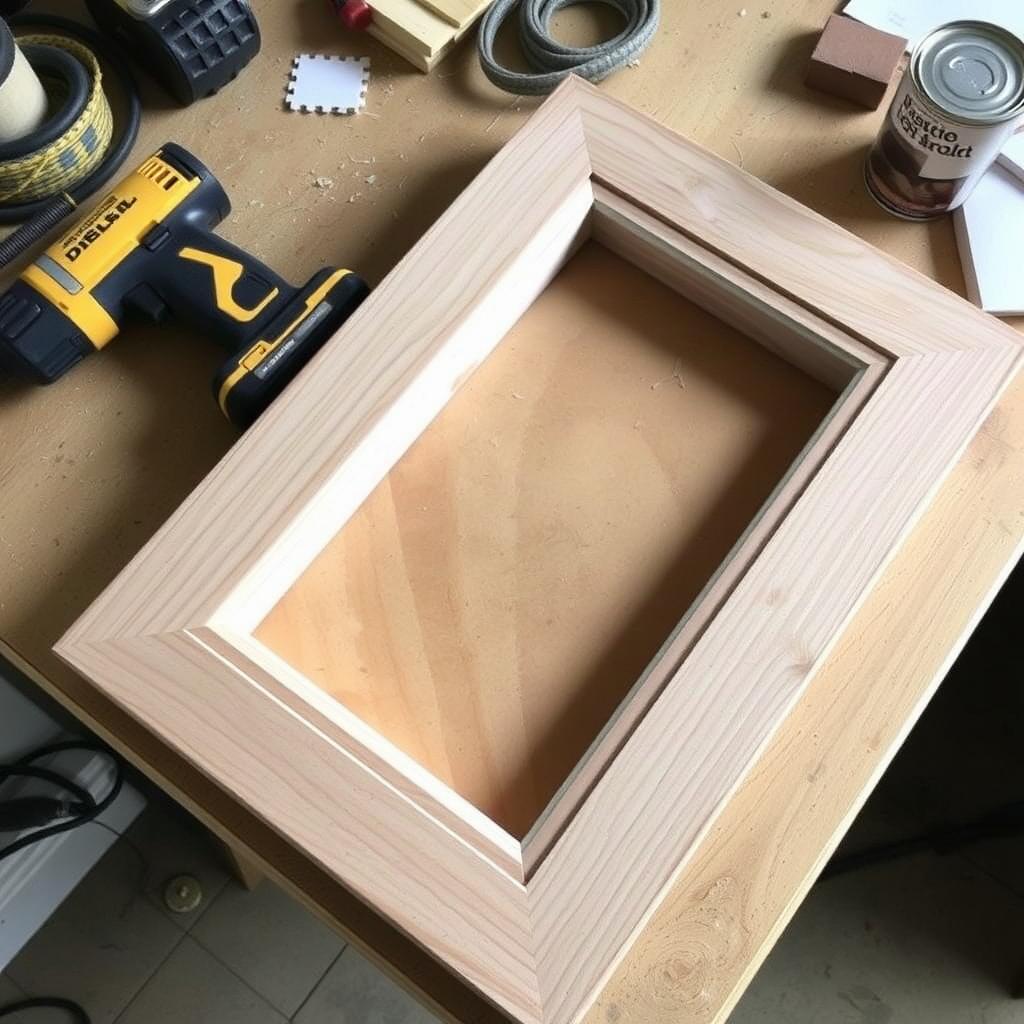
5. Picture Frame
A wooden picture frame lets you practice miter cuts (angled cuts for corners). Use a circular saw with a miter guide or a hand saw, then glue and clamp the pieces. It’s a great way to add a personal touch to your home.
Tools Needed: Circular saw, clamps, sandpaper.
Essential Power Tools for Woodworking
To tackle these projects, you’ll need a few essential power tools for woodworking. Don’t worry—you don’t need a full workshop. Two tools stand out for beginners: the circular saw and the power drill. Let’s break them down.
Comprehensive Guide to Circular Saws for Beginners
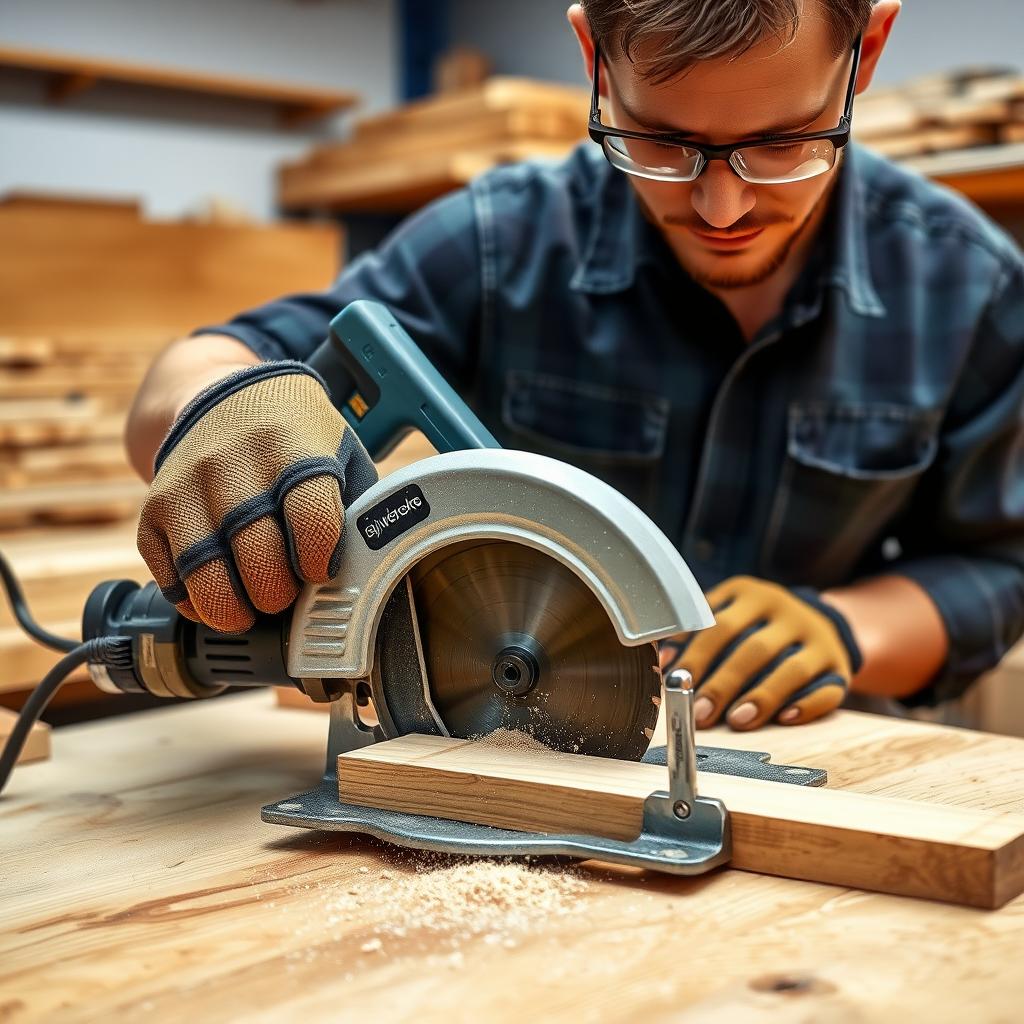
A circular saw is your go-to for straight cuts. It’s versatile, portable, and affordable, making it perfect for DIY woodworking projects for beginners. When I bought my first circular saw, I was amazed at how quickly it cut through boards compared to a hand saw.
Here’s what to know: - Blade Size: A 7-1/4-inch blade is standard for most projects. - Safety: Always wear safety glasses and keep hands clear of the blade. - Tips: Use a straightedge guide for precise cuts. Practice on scrap wood first.
A good circular saw can cost $50-$150. Check out this guide from The Home Depot for more tips.
Power Drills: Your Assembly Ally
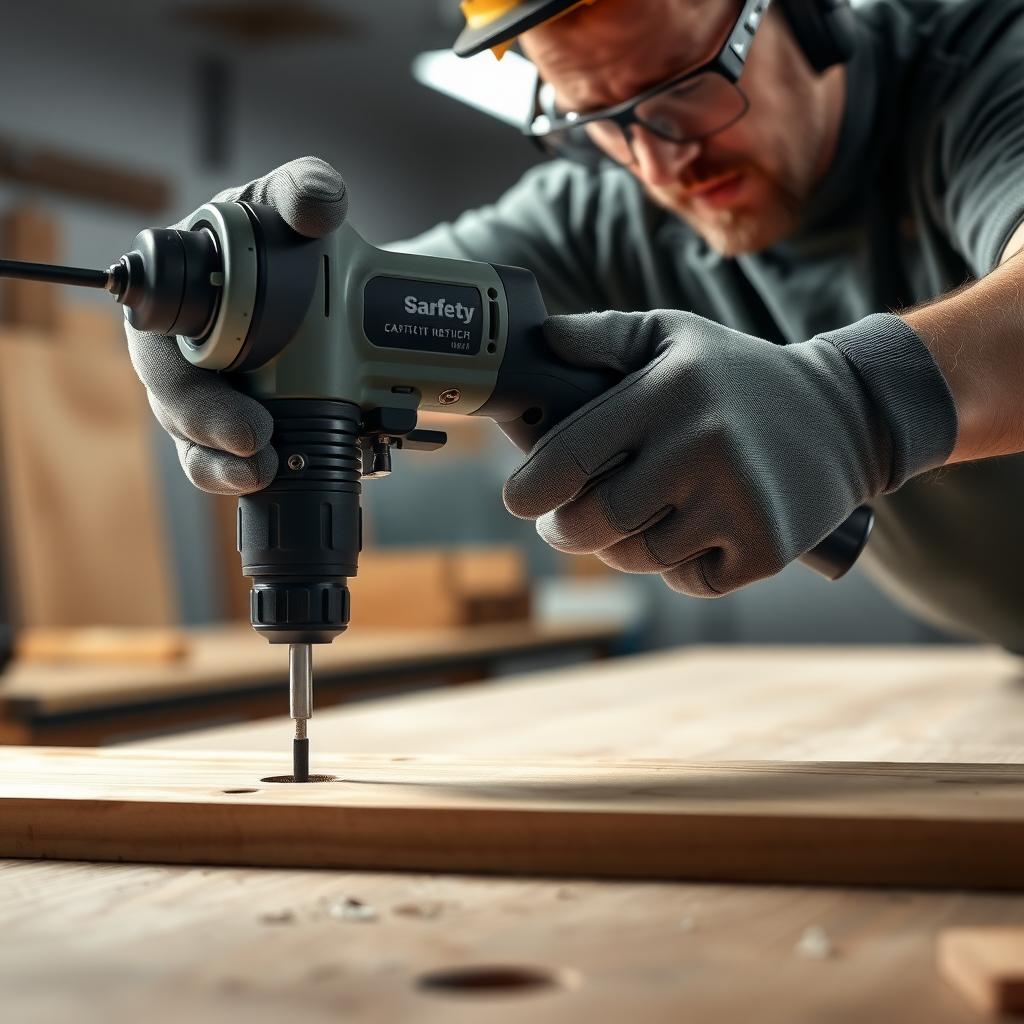
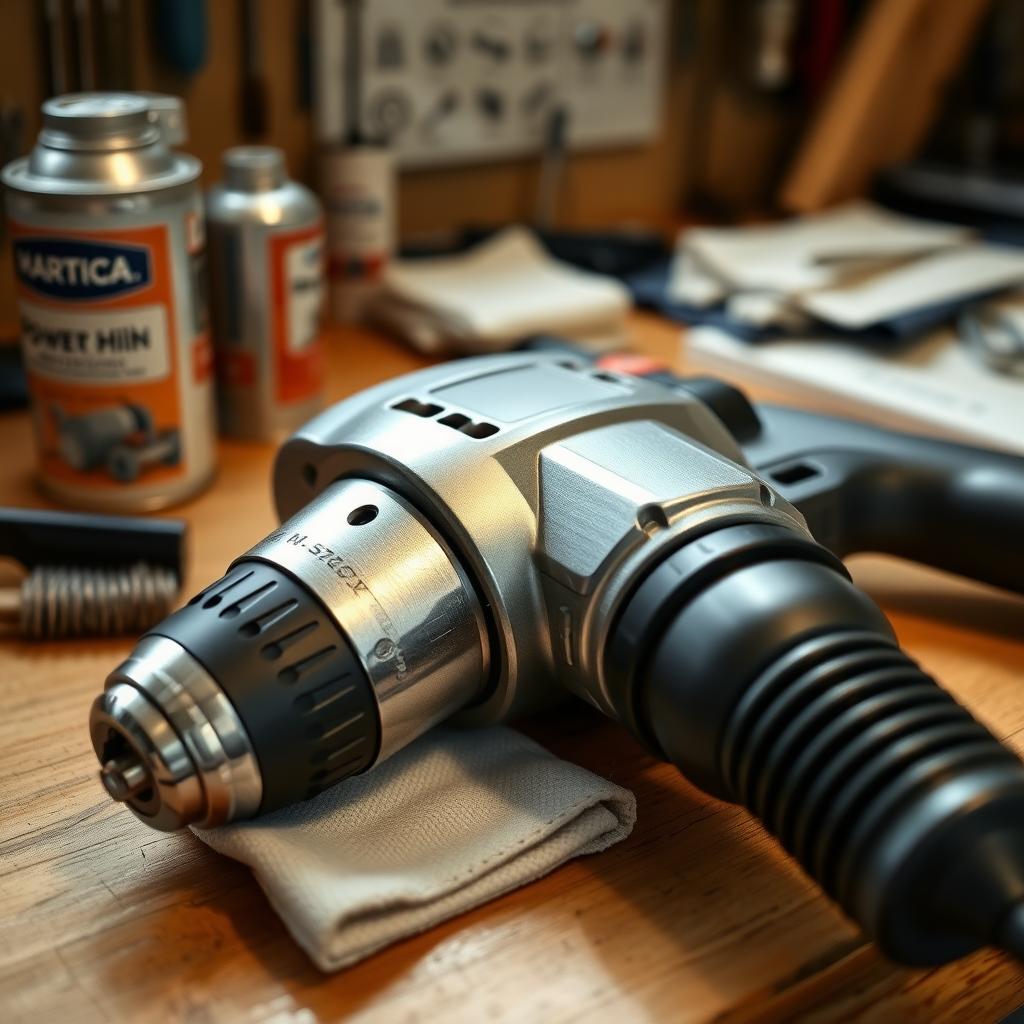
Power drills are essential for drilling holes and driving screws. They’re used in almost every woodworking project for assembling pieces or adding hardware. My cordless drill is my workshop MVP—it’s lightweight and lets me work anywhere.
Key features to look for: - Cordless vs. Corded: Cordless offers mobility; corded is better for heavy-duty tasks. - Chuck Size: A 3/8-inch chuck is versatile for most bits. - Settings: Adjustable speed and torque settings give you control.
Expect to spend $40-$100 on a reliable drill. Practice drilling on scrap wood to get a feel for it.
| Tool | Key Use | Beginner Tip |
|---|---|---|
| Circular Saw | Cutting boards to size | Use a guide for straight cuts |
| Power Drill | Drilling holes, driving screws | Start with low speed |
| Sander | Smoothing surfaces | Sand with the grain |
Tips for Success in Woodworking
Here are some lessons I learned the hard way: - Measure Twice, Cut Once: Double-check measurements to avoid wasting wood. - Start with Softwoods: Pine is affordable and easier to work with than hardwoods. - Invest in Safety Gear: Safety glasses, gloves, and ear protection are non-negotiable. - Practice Patience: Rushing leads to mistakes. Take your time sanding and finishing. - Join a Community: Online forums like Reddit’s r/woodworking are great for advice and inspiration.
Common Mistakes to Avoid
Beginners often make these mistakes, but they’re easy to dodge: 1. Skipping Safety: Always use protective gear and follow tool manuals. 2. Using Dull Blades: A sharp blade cuts cleaner and safer. 3. Overcomplicating Projects: Stick to simple designs until you’re confident. 4. Ignoring Wood Grain: Sand and cut with the grain for better results.
Summary
DIY woodworking projects for beginners are a fantastic way to learn new skills and create useful items. Start with simple projects like cutting boards or shelves, and invest in essential power tools for woodworking like circular saws and power drills. With practice and patience, you’ll be building like a pro in no time. Explore more resources to keep learning and growing as a woodworker.
Related DIY Woodworking Projects for Beginners:
- Top 10 Power Tools for Woodworking Enthusiasts
- Safety Tips for Using Power Tools in Woodworking: Your Essential Guide
- Essential Tools for Every Workman's Toolbox: Must-Haves for Any Project
- How to Organize Your Workshop Like a Pro
- Mastering Advanced Hand Tool Techniques for Precision Craftsmanship
- How to Choose the Right Vice for Your Workbench: A Comprehensive Guide
- Power Tools Safety Guidelines: Stay Safe While Using Power Drills and More
- Top Tool Brands Trusted by Professionals: Your Guide to Quality Tools
- Combining Woodworking and Electrical Work: The Ultimate Guide
- Common Power Washer Problems and Solutions: Keep Your Machine Running Smoothly
- Essential Power Tools Maintenance Tips for Long-Lasting Performance
- DIY Tool Storage Solutions for Small Spaces: Maximize Your Workshop