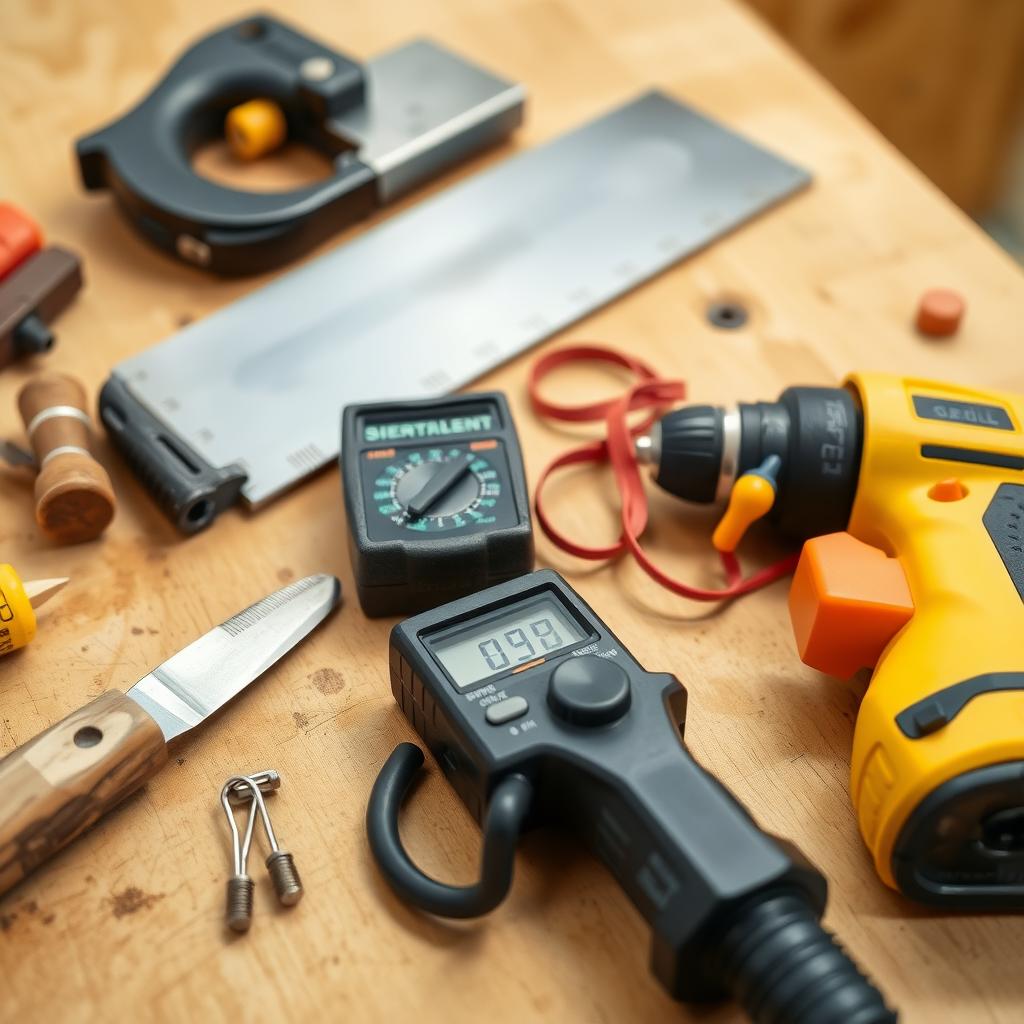
Overview
A cluttered workspace can slow down even the most skilled painter. Organizing your painting tools and workman tools not only saves time but also makes every project more enjoyable. This guide shares practical tool organization tips for painters to keep your workspace tidy and efficient, drawing from real-world experience to help you work smarter.
Why Tool Organization Matters for Painters
As a painter, your tools are your lifeline. Brushes, rollers, drop cloths, and cans of paint need to be within reach but not in the way. A messy setup leads to wasted time searching for tools or cleaning up spills. Organized painters finish jobs faster, reduce stress, and deliver better results. Plus, a tidy workspace impresses clients and shows professionalism.
Think about the last time you couldn’t find your favorite brush mid-project. Frustrating, right? Proper organization eliminates these hiccups. It also extends the life of your tools by preventing damage from improper storage. Let’s dive into actionable tips to transform your workspace.
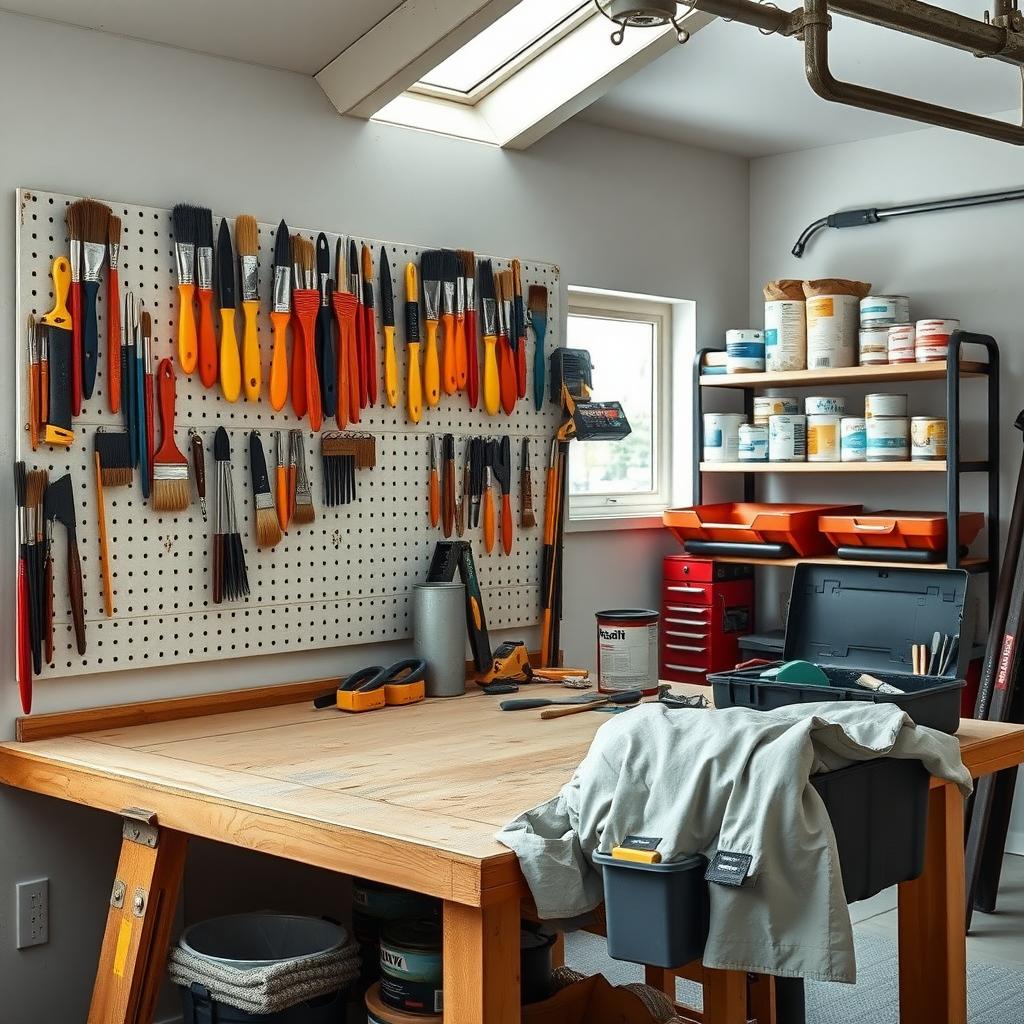
Tip 1: Categorize Your Painting Tools
Start by grouping your tools based on their use. For example, keep brushes together, rollers in one spot, and prep tools like scrapers and tape in another. This simple step makes it easier to find what you need when you need it.
Here’s a basic categorization system:
- Prep Tools: Sandpaper, painter’s tape, putty knives, and scrapers.
- Application Tools: Brushes, rollers, spray guns, and extension poles.
- Cleanup Tools: Rags, solvent containers, and brush cleaners.
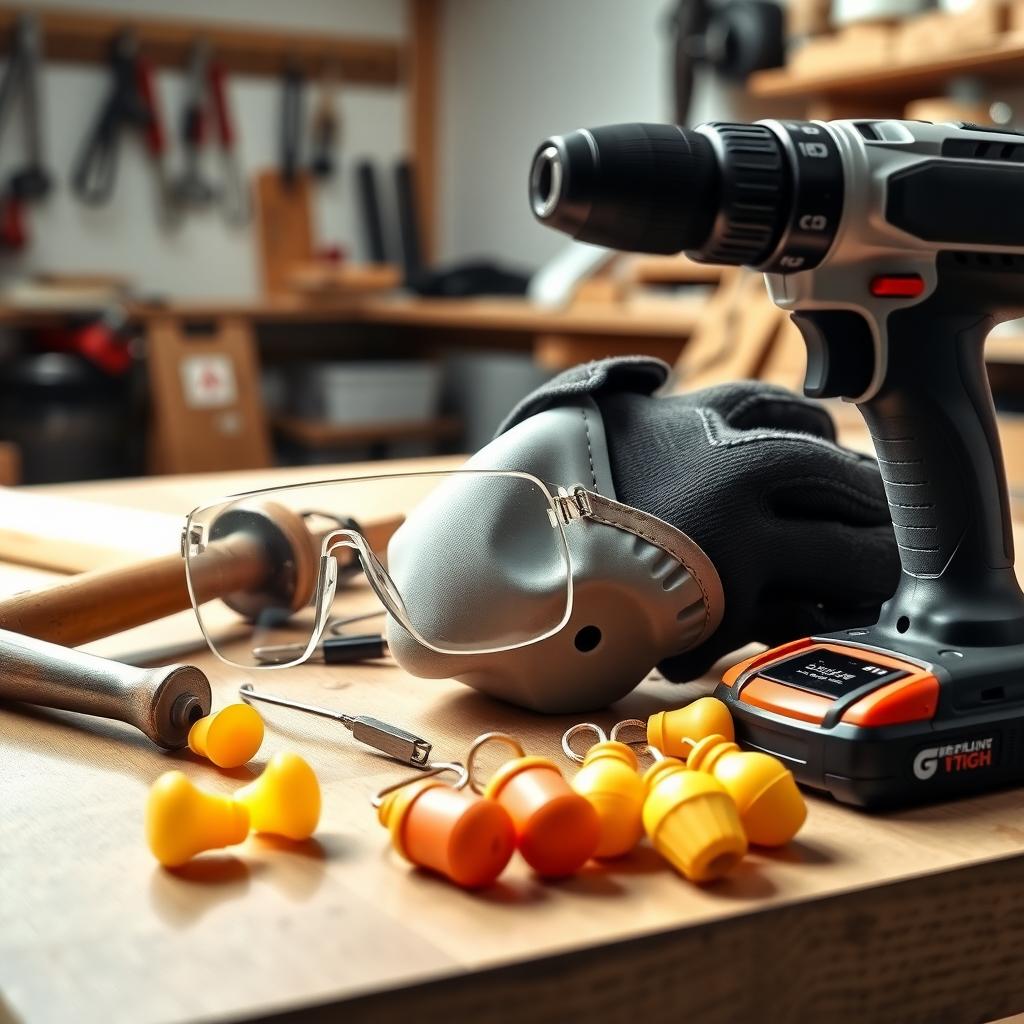
- Safety Gear: Gloves, masks, and goggles.
Once categorized, store each group in a designated spot. Use clear bins or drawers for smaller items and label everything. Labels save time and keep your system consistent, especially if you work with a team.
Tip 2: Invest in Smart Storage Solutions
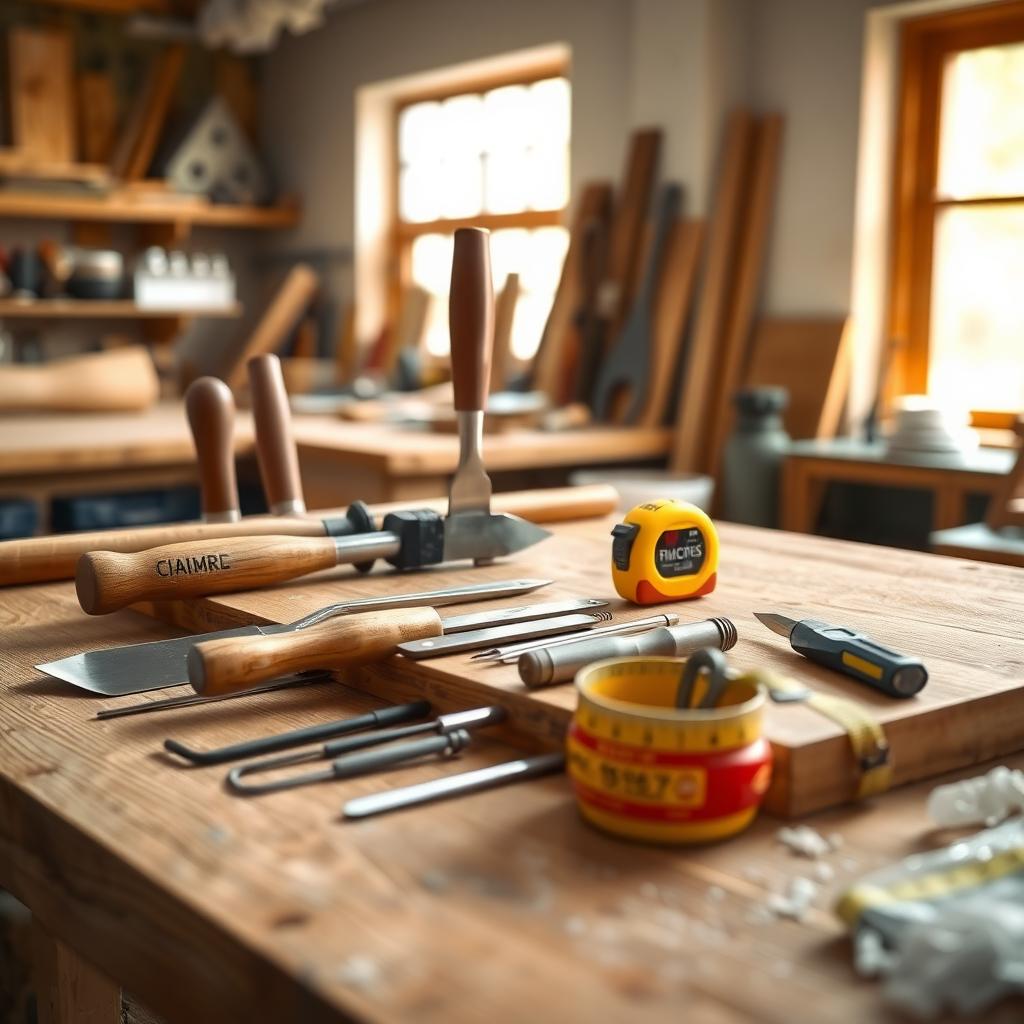
Good storage is the backbone of tool organization. Shelves, pegboards, and toolboxes are game-changers for painters. Here are some ideas that work:
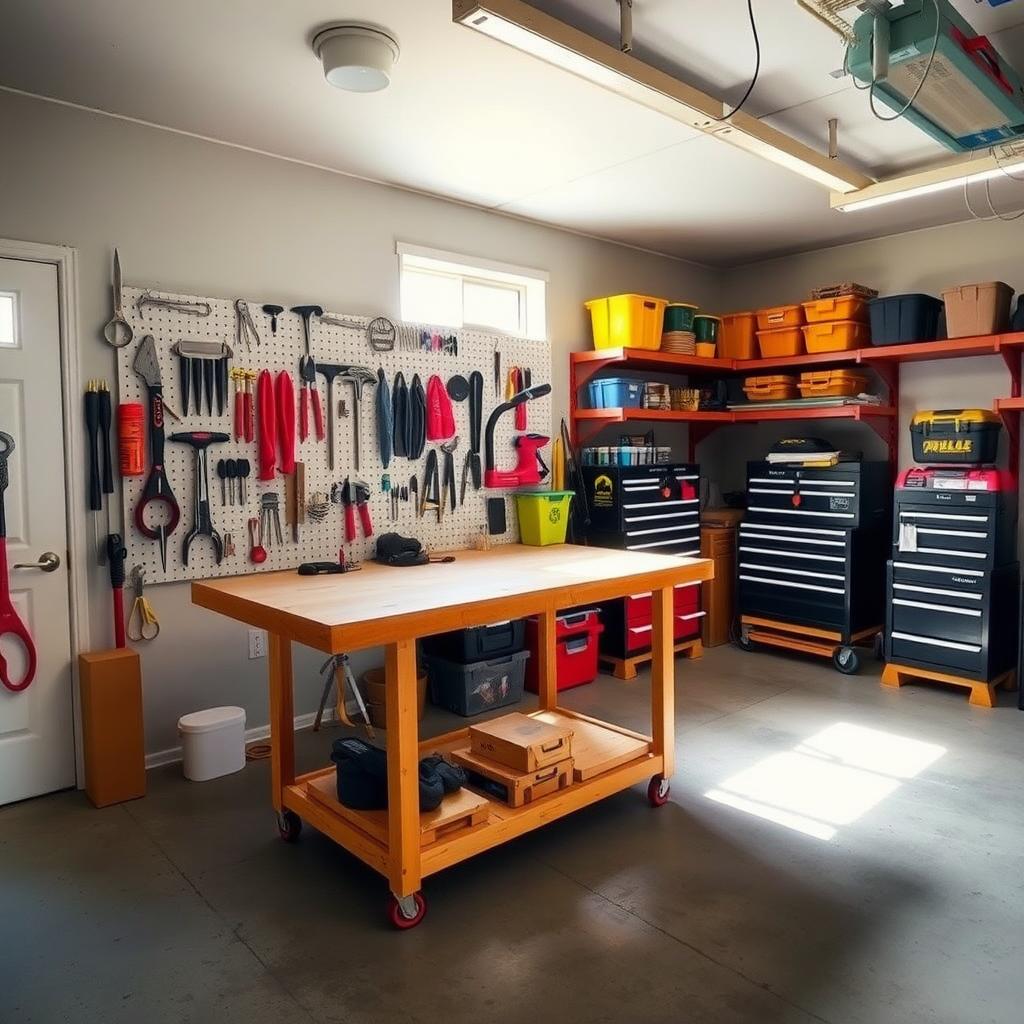
- Pegboards: Hang brushes, rollers, and extension poles for easy access. They’re affordable and customizable.
- Stackable Bins: Use clear plastic bins for small items like tape rolls or stir sticks. Stack them to save space.
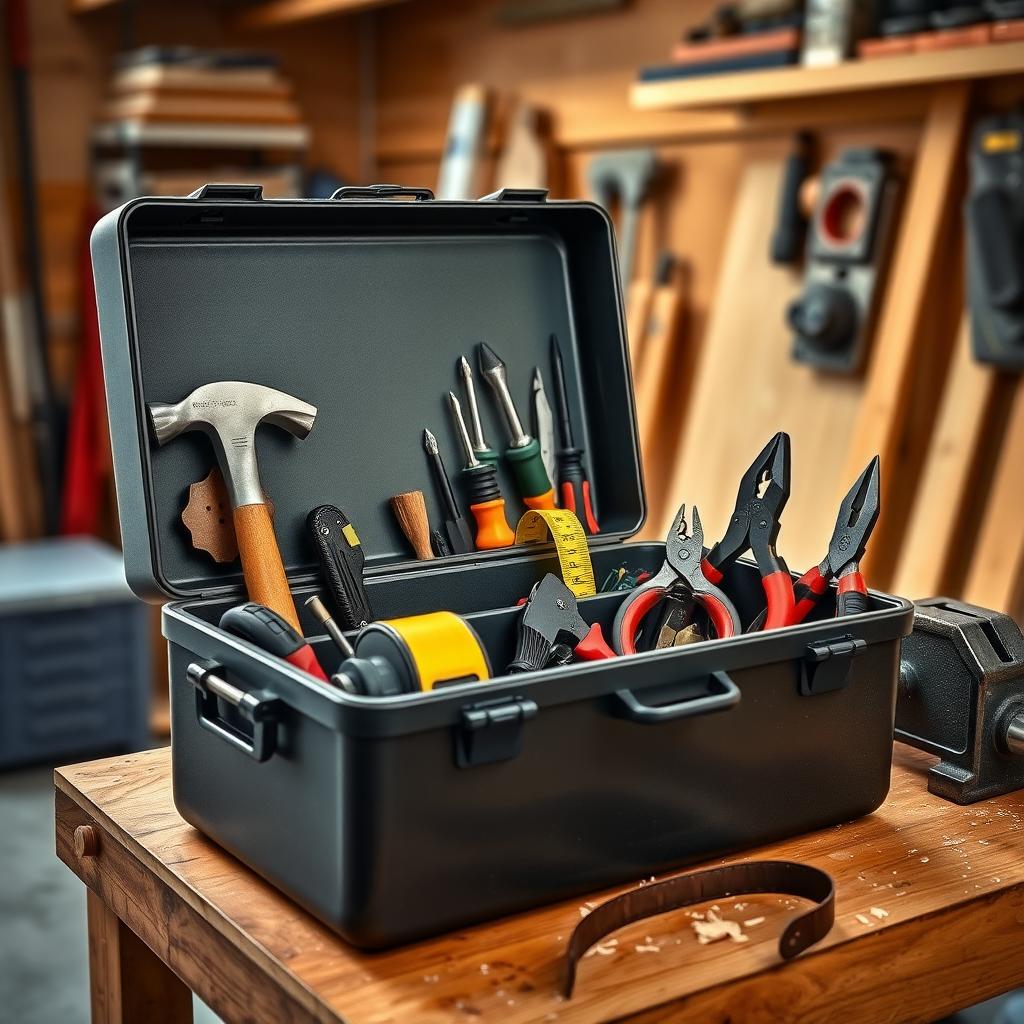
- Toolboxes: A sturdy toolbox with compartments keeps workman tools like hammers or screwdrivers secure.
- Paint Can Racks: Store paint cans upright on racks to prevent spills and make labels visible.
When I started painting, I used old coffee cans for brushes, but they tipped over constantly. Switching to a pegboard was a revelation—everything was visible and within reach. Check out hardware stores or online retailers like The Home Depot for affordable storage options.
Tip 3: Create a Mobile Workstation
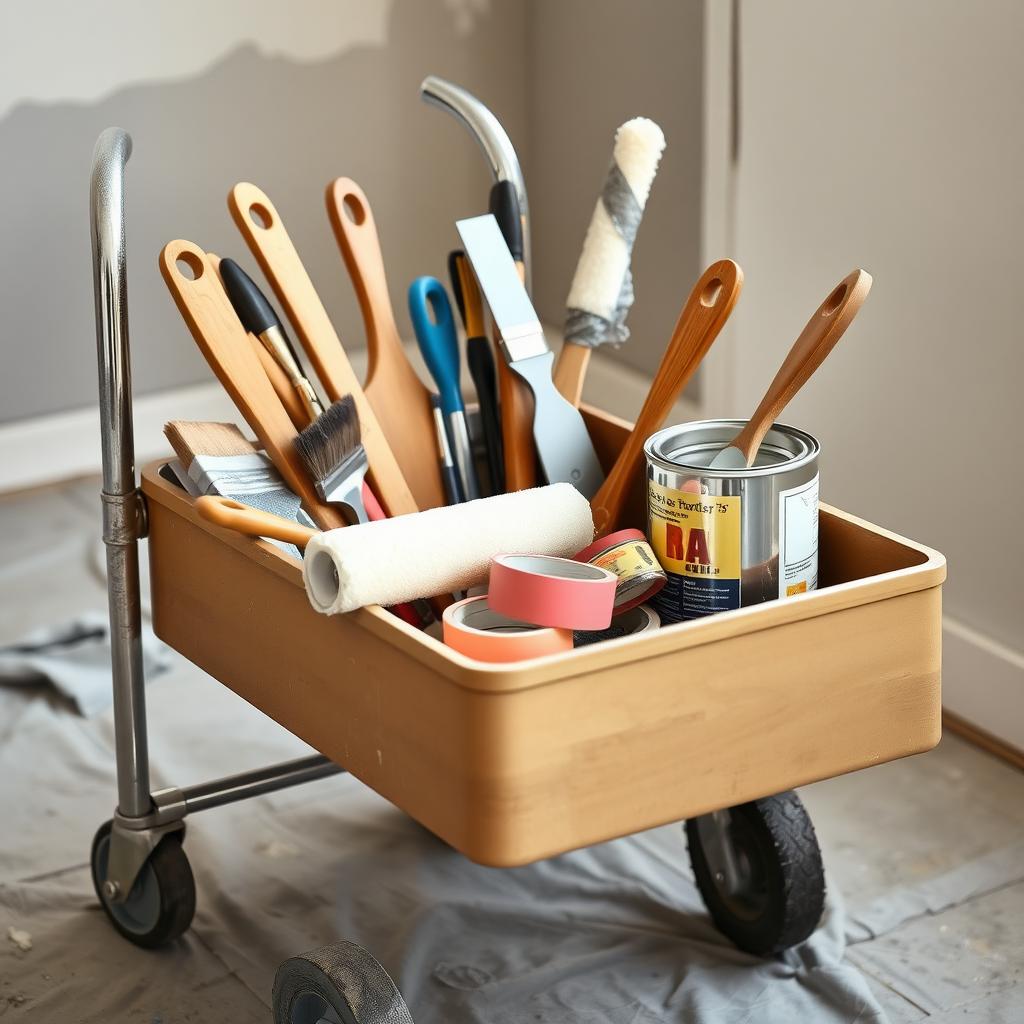
For painters who move between job sites, a mobile workstation is a lifesaver. A rolling cart or a sturdy bucket organizer can hold your most-used tools. Load it with brushes, rollers, tape, and a small paint can for touch-ups. This keeps everything portable and prevents you from lugging heavy toolboxes around.
I once worked on a multi-room project and spent half my time walking back to my tools. A rolling cart cut that time in half. Look for carts with dividers or pockets to keep tools separated. Some even have built-in paint tray holders for extra convenience.
Tip 4: Maintain Your Tools Regularly
Organized tools are only useful if they’re in good condition. Set aside time each month to clean and inspect your painting tools. Wash brushes and rollers thoroughly to prevent dried paint buildup. Check for rust on metal tools like scrapers and store them in a dry place.
Here’s a quick maintenance checklist:
| Tool | Maintenance Task | Frequency |
|---|---|---|
| Brushes | Wash with soap and water | After every use |
| Rollers | Clean and dry completely | After every use |
| Scrapers | Wipe and check for rust | Weekly |
| Paint Cans | Seal tightly, store upright | After every use |
Proper care extends tool life and saves money. A well-maintained brush can last years, while a neglected one might need replacing in months.
Tip 5: Use a Checklist for Job Prep
Before heading to a job, use a checklist to ensure you have all your tools. This prevents the dreaded moment when you realize you forgot your painter’s tape halfway through a project. Your checklist can be as simple as a handwritten note or a digital list on your phone.
Here’s a sample checklist:
- Brushes (various sizes)
- Rollers and covers
- Painter’s tape
- Drop cloths
- Sandpaper
- Paint cans and stir sticks
- Safety gear (gloves, mask)
I keep a laminated checklist in my toolbox. It’s saved me countless trips back to the shop. Apps like Todoist can also help you create digital checklists if you prefer tech solutions.
Tip 6: Optimize Your Workspace Layout
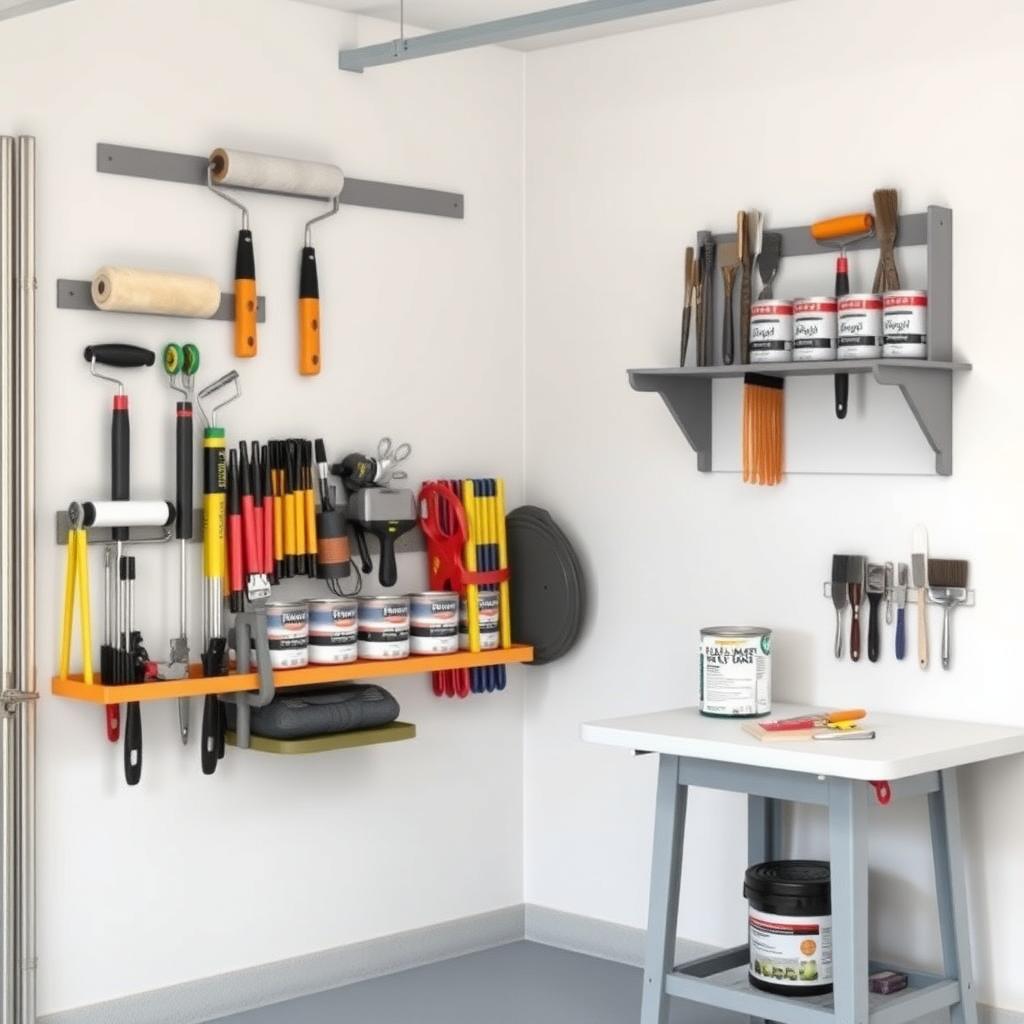
Your workspace layout can make or break your efficiency. Arrange tools based on how often you use them. Keep frequently used items like brushes and tape within arm’s reach, and store less-used tools like specialty rollers further away.
If you work in a garage or shop, dedicate a corner for painting tools. Use wall-mounted racks to save floor space. For job sites, set up a temporary staging area with your mobile cart or drop cloth as the hub. This keeps tools centralized and minimizes clutter.
Tip 7: Go Digital for Inventory Tracking
For painters with a large tool collection, tracking everything manually can be a hassle. Consider using a simple spreadsheet or an app to log your tools and supplies. This is especially helpful for professionals managing multiple job sites.
Include details like tool type, quantity, and condition. Apps like Sortly or Excel can handle this easily. I started tracking my paint cans this way and realized I was overbuying certain colors. It’s a small step that saves money and keeps your inventory lean.
Summary
Effective tool organization transforms how painters work. By categorizing tools, investing in smart storage, maintaining equipment, and using checklists, you can save time, reduce stress, and improve your work quality. Whether you’re a DIY painter or a pro, these tool organization tips for painters will keep your painting tools and workman tools ready for action. Start small, stay consistent, and watch your productivity soar.
Related tool organization tips for painters:
- Top 10 Painting Mistakes to Avoid: A Painter's Guide
- Essential Safety Gear for DIY Projects: Protecting Yourself and Your Tools
- The Role of Technology in Improving Construction Safety
- DIY Woodworking Projects for Beginners: A Comprehensive Guide
- Essential Tools for Every Workman's Toolbox: Must-Haves for Any Project
- How to Organize Your Workshop Like a Pro
- Mastering Advanced Hand Tool Techniques for Precision Craftsmanship
- How to Choose the Right Vice for Your Workbench: A Comprehensive Guide
- Power Tools Safety Guidelines: Stay Safe While Using Power Drills and More
- Top Tool Brands Trusted by Professionals: Your Guide to Quality Tools
- Combining Woodworking and Electrical Work: The Ultimate Guide
- Common Power Washer Problems and Solutions: Keep Your Machine Running Smoothly