Overview
DIY projects are a fantastic way to transform your home, save money, and feel accomplished. But whether you're swinging hammers or using power tools, safety should always come first. The right safety gear protects you from accidents and keeps your tools in great shape. This guide covers the essential safety gear for DIY projects, why tool safety matters, and practical maintenance tips for keeping your tools in top condition.
Why Safety Gear Matters for DIY Enthusiasts
When I started my first DIY project—a simple bookshelf—I underestimated the importance of safety gear. I thought, 'It’s just a hammer and some nails; what could go wrong?' Halfway through, a stray splinter reminded me how quickly things can go south. The importance of tool safety can’t be overstated. According to the Consumer Product Safety Commission, over 400,000 people visit emergency rooms annually due to injuries from hand tools and power equipment. Proper safety gear reduces risks and lets you focus on creating something amazing.
Safety gear isn’t just about avoiding injuries. It also protects your investment in workman tools. Dust, debris, and improper handling can wear down even the best tools. By pairing safety gear with good maintenance habits, you’ll extend the life of your equipment and work more efficiently.
Must-Have Safety Gear for DIY Projects
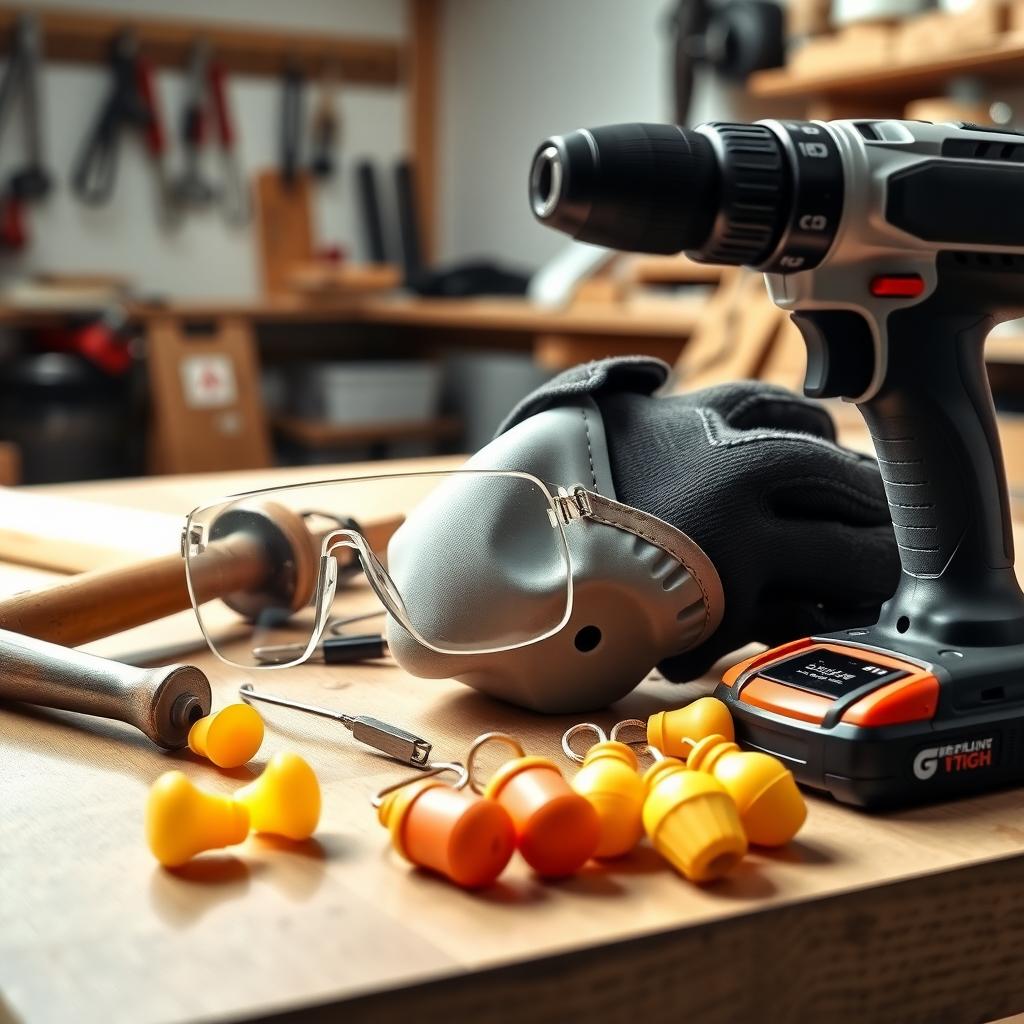
Here’s a rundown of the essential safety gear for DIY projects. Each piece serves a specific purpose, and skipping any of them could put you at risk.
Safety Glasses
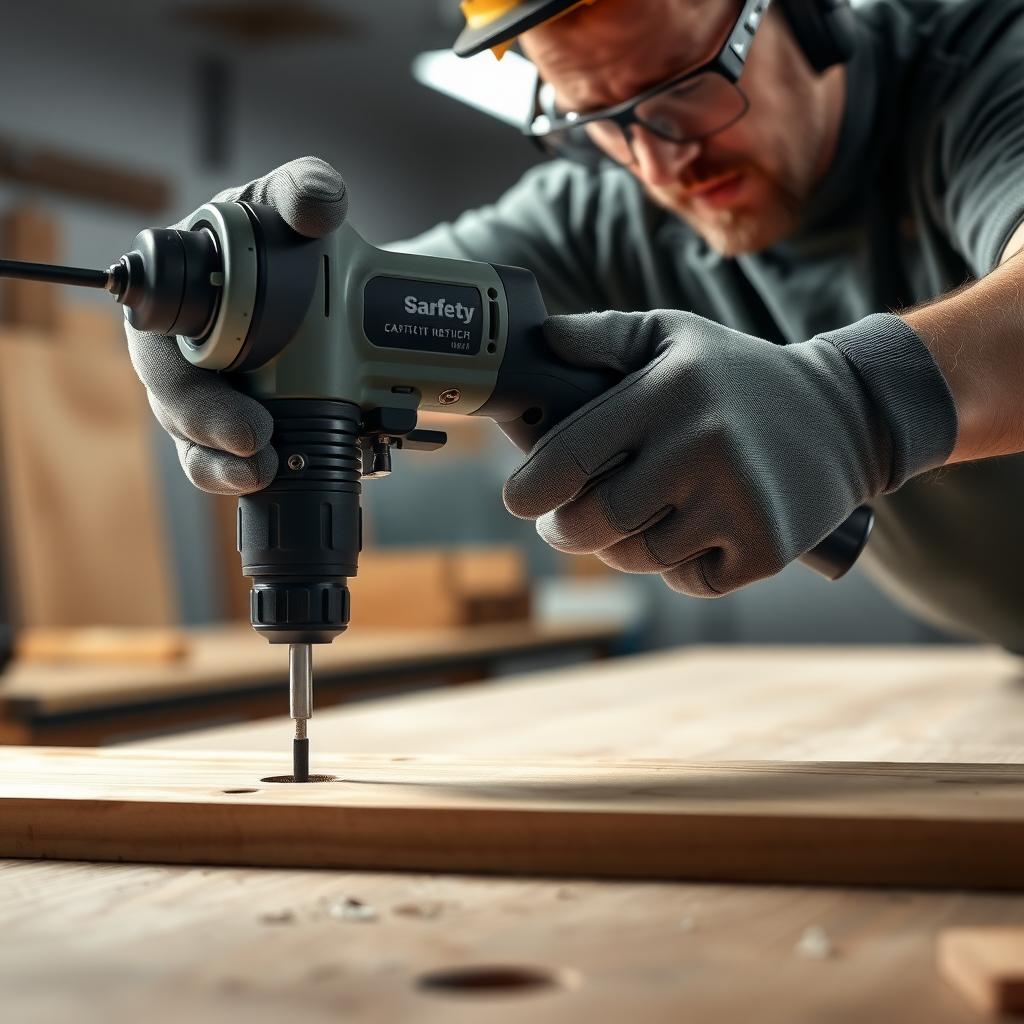
Your eyes are vulnerable to flying debris, sawdust, or even a misfired nail. Safety glasses with impact-resistant lenses are non-negotiable. Look for ANSI Z87.1-certified glasses for maximum protection. I learned this the hard way when a piece of wood chipped off while drilling, narrowly missing my eye.
Work Gloves
Heavy-duty work gloves protect your hands from cuts, blisters, and splinters. Choose gloves that balance protection with dexterity—leather or synthetic materials work well for most tasks. For example, when handling rough lumber or swinging hammers, gloves prevent painful mishaps.
Dust Masks and Respirators
Sawing, sanding, or painting releases particles that can harm your lungs. A simple dust mask works for light sanding, but for heavy-duty tasks like cutting MDF or working with chemicals, a respirator with a P100 filter is better. The Occupational Safety and Health Administration (OSHA) recommends proper respiratory protection for prolonged exposure to hazardous dust.
Ear Protection
Power tools like drills and saws can exceed 100 decibels, which can damage hearing over time. Foam earplugs are affordable and effective for occasional use, while over-ear protectors are ideal for longer projects. I keep a pair of earplugs in my toolbox for quick access.
Steel-Toe Boots
Dropping a hammer or stepping on a nail can ruin your day. Steel-toe boots provide critical protection for your feet. Look for boots with slip-resistant soles to avoid falls on slick surfaces like sawdust-covered floors.
| Safety Gear | Purpose | Recommended Use |
|---|---|---|
| Safety Glasses | Protect eyes from debris | Every project involving cutting or drilling |
| Work Gloves | Prevent cuts and blisters | Handling rough materials or tools |
| Dust Mask | Protect lungs from dust | Sanding, cutting, or painting |
| Ear Protection | Prevent hearing damage | Using loud power tools |
| Steel-Toe Boots | Protect feet from heavy objects | Any project with heavy tools or materials |
The Importance of Tool Safety
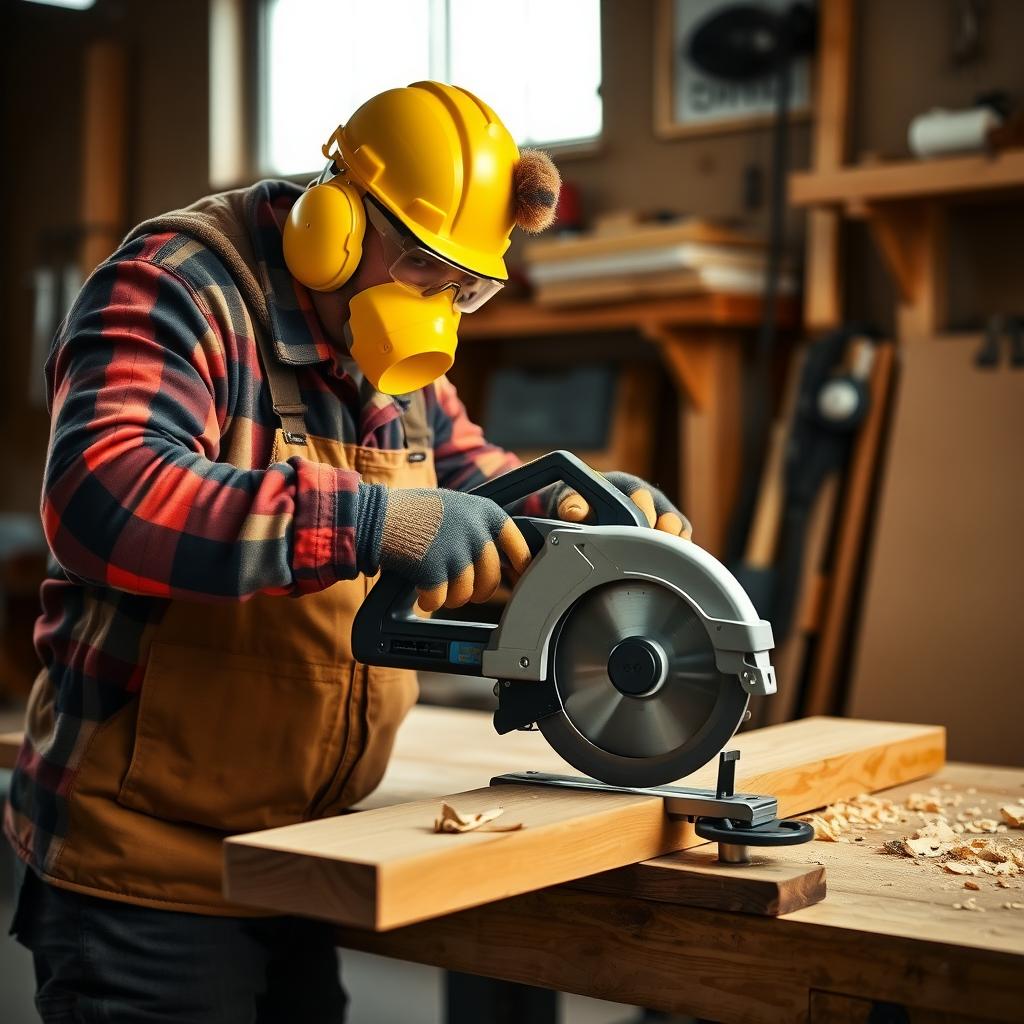
Tool safety goes beyond wearing the right gear. It’s about using tools correctly and maintaining them properly. A dull blade or a poorly maintained hammer can cause accidents. For instance, a loose hammerhead can fly off mid-swing, posing a serious risk. Here are some key tool safety tips:
- Read the Manual: Every tool, from hammers to table saws, comes with instructions. Read them to understand safe operation.
- Inspect Before Use: Check for cracks, loose parts, or worn-out components. A quick inspection can prevent mishaps.
- Use the Right Tool: Don’t use a screwdriver as a chisel or a hammer as a pry bar. Using tools for their intended purpose reduces risks.
- Store Properly: Keep tools in a dry, organized space to prevent rust and damage.
The importance of tool safety hit home for me during a project when my cordless drill’s battery overheated because I ignored the manual’s charging instructions. Luckily, I caught it in time, but it was a wake-up call.
Maintenance Tips for Keeping Your Tools in Top Condition
Well-maintained tools are safer and perform better. Here are practical maintenance tips for keeping your tools in top condition:
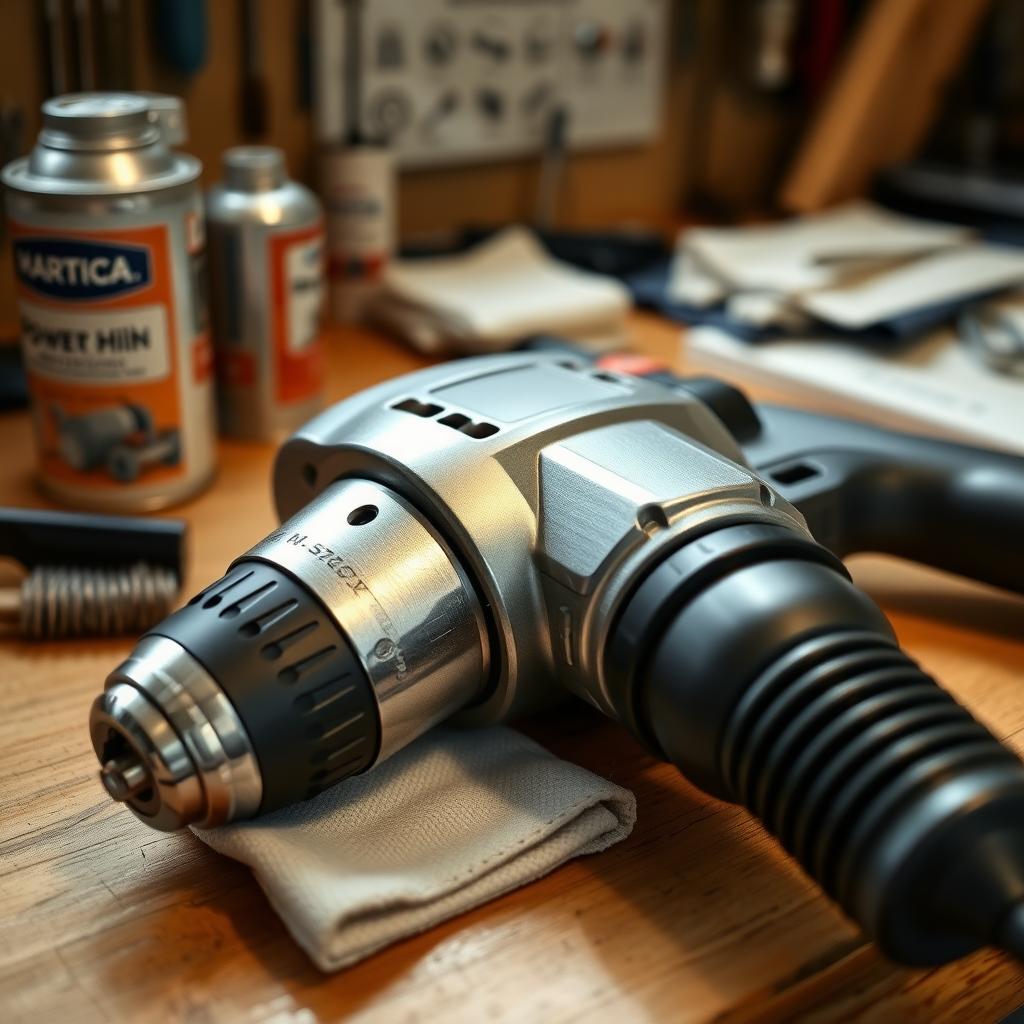
- Clean After Use: Wipe down tools to remove dust, grease, or debris. For example, clean saw blades with a mild solvent to prevent buildup.
- Sharpen Regularly: Dull blades or bits increase the risk of kickback. Use a sharpening stone for chisels and a file for saws.
- Lubricate Moving Parts: Apply machine oil to hinges, joints, or other moving parts on workman tools to keep them smooth.
- Check Cords and Batteries: Inspect power tool cords for fraying and batteries for leaks. Replace damaged components immediately.
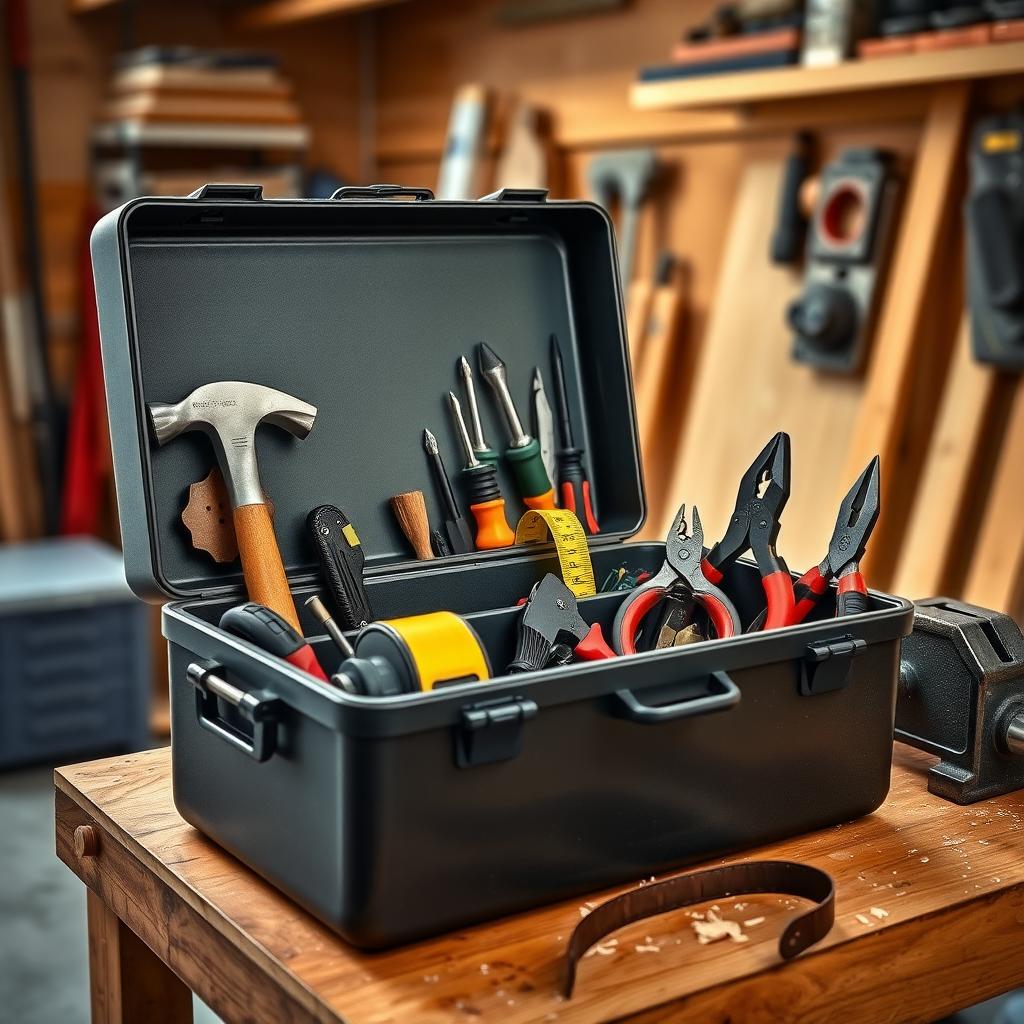
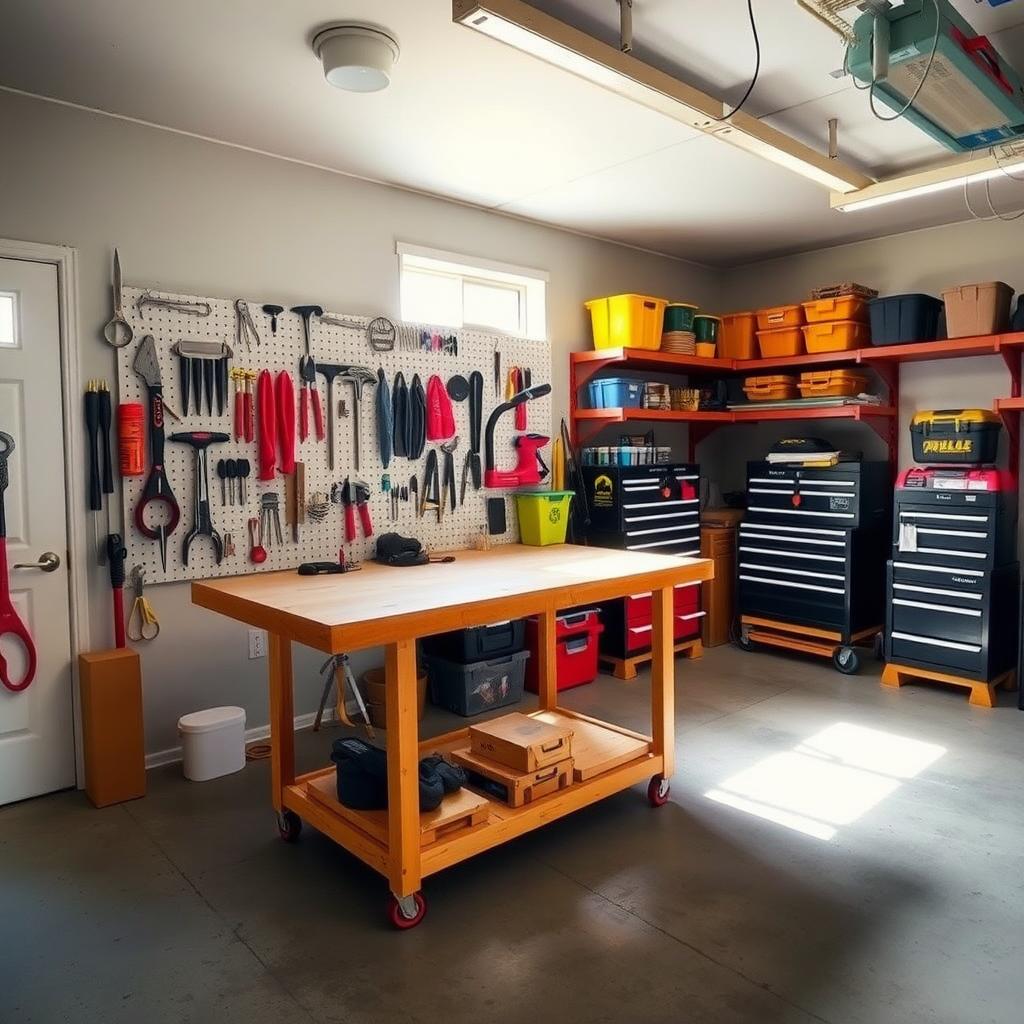
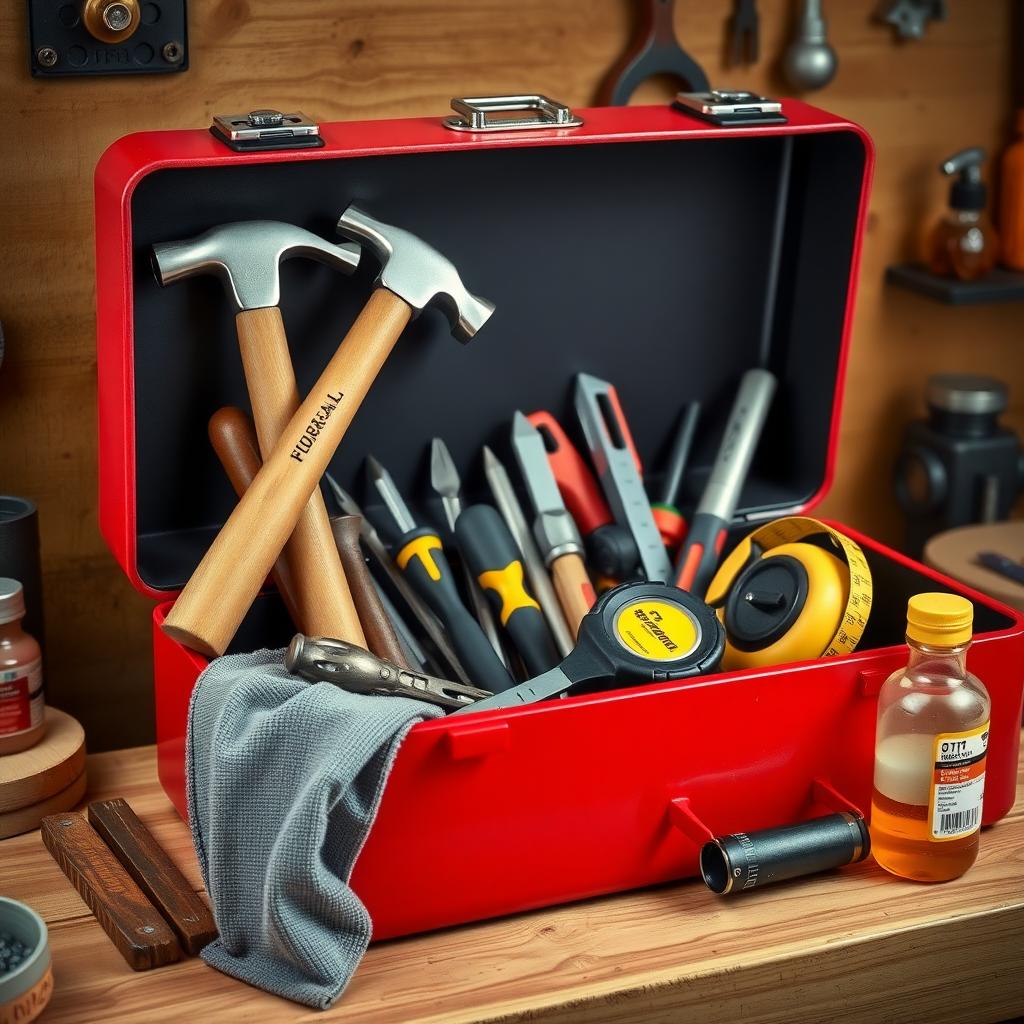
- Store Properly: Use a toolbox or pegboard to keep tools organized and protected from moisture.
I make it a habit to spend 10 minutes cleaning my tools after every project. It’s saved me from replacing expensive equipment and keeps everything running smoothly.
Common DIY Safety Mistakes to Avoid
Even with the right gear, mistakes can happen. Here are some pitfalls to watch out for:
- Skipping Safety Gear: It’s tempting to skip gloves or glasses for quick tasks, but even small jobs can lead to injuries.
- Overreaching: Stretching too far while using a tool can cause loss of balance or control. Use a ladder or step stool instead.
- Ignoring Fatigue: Tiredness reduces focus, increasing accident risks. Take breaks to stay sharp.
- Improper Storage: Leaving tools scattered can lead to trips or damage. Always store them properly.
I once tripped over a hammer I left on the floor, nearly spraining my ankle. Now, I make sure everything goes back in its place after use.
Final Thoughts
DIY projects are rewarding, but safety is the foundation of success. Investing in essential safety gear for DIY projects protects you and your tools, ensuring you can keep creating without setbacks. Pair that with proper tool safety practices and regular maintenance, and you’ll be set for years of productive, injury-free projects. Stay safe, take your time, and enjoy the process of bringing your ideas to life.
Related Essential Safety Gear for DIY Projects:
- Understanding Power Tool Safety Standards for Every DIY Enthusiast
- The Role of Technology in Improving Construction Safety
- DIY Woodworking Projects for Beginners: A Comprehensive Guide
- Essential Tools for Every Workman's Toolbox: Must-Haves for Any Project
- How to Organize Your Workshop Like a Pro
- Mastering Advanced Hand Tool Techniques for Precision Craftsmanship
- How to Choose the Right Vice for Your Workbench: A Comprehensive Guide
- Power Tools Safety Guidelines: Stay Safe While Using Power Drills and More
- Top Tool Brands Trusted by Professionals: Your Guide to Quality Tools
- Combining Woodworking and Electrical Work: The Ultimate Guide
- Common Power Washer Problems and Solutions: Keep Your Machine Running Smoothly
- Essential Power Tools Maintenance Tips for Long-Lasting Performance