A Brief History of Workman Tools
Tools have shaped human history. From the first sharpened stones to the sleek, ergonomic hammers of today, workman tools tell a story of innovation and survival. The Evolution of Workman Tools: From Stone Age to Modern Day is a journey through time, showing how simple implements became the backbone of civilization. Let’s dive into how these tools transformed and why they matter.
Stone Age Beginnings: The Dawn of Tools
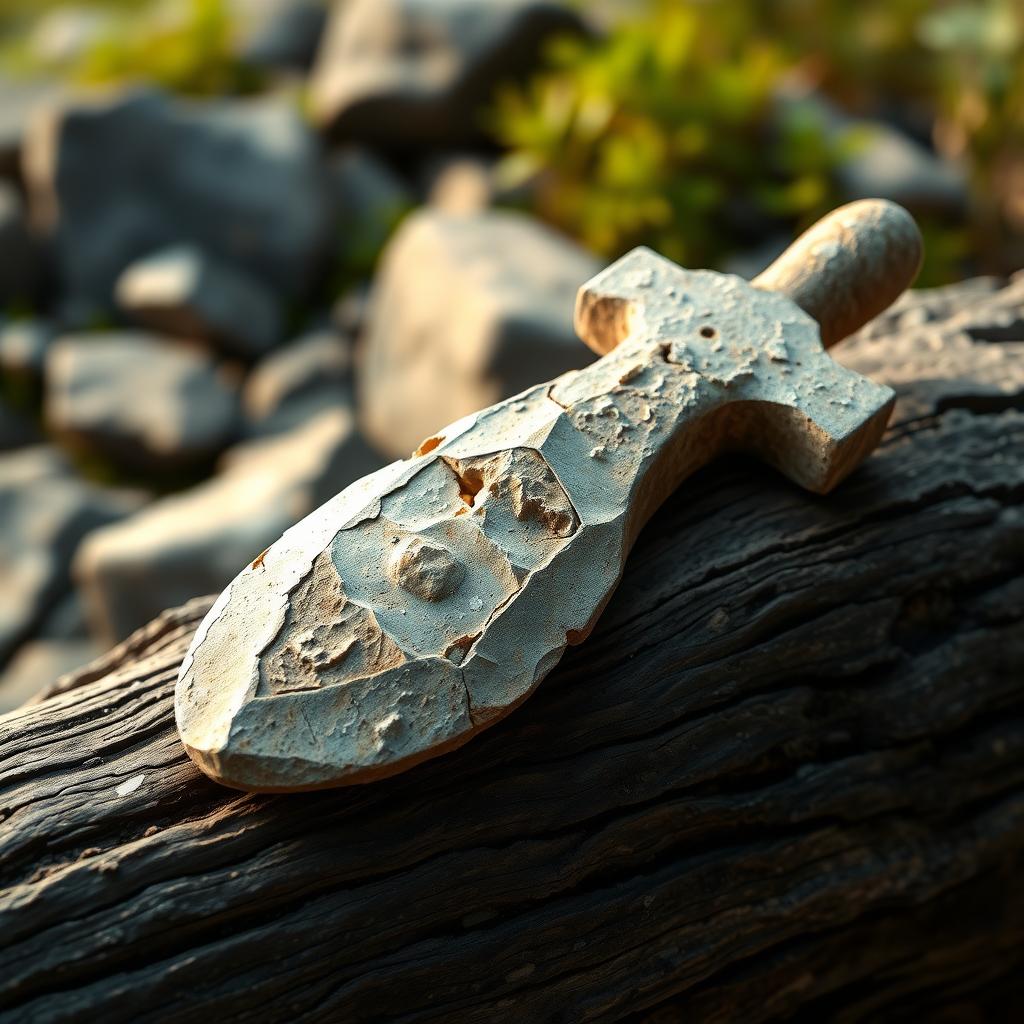
In the Stone Age, our ancestors didn’t have hardware stores. They crafted tools from what nature provided—stones, bones, and wood. A chipped flint could cut meat or scrape hides. These early workman tools were crude but effective. I’ve held a replica of a Stone Age hand axe, and its weight feels surprisingly balanced, like it was made to fit the hand.
Archaeologists estimate that tools like these appeared over 2.5 million years ago. They weren’t just for survival; they sparked creativity. A well-crafted stone could build shelters or carve intricate designs. This ingenuity laid the groundwork for every tool we use today.
The Bronze and Iron Ages: Smelting New Possibilities
Fast forward to the Bronze Age, around 3000 BCE. Humans learned to smelt metals, and tools got a major upgrade. Bronze hammers and chisels were stronger and more precise. I once saw a bronze hammerhead in a museum—its smooth surface and heft screamed durability. By the Iron Age, around 1200 BCE, iron tools were even tougher, shaping everything from plows to weapons.
These metals changed how people worked. Farmers could till harder soil, and builders could carve stone with precision. The shift wasn’t just about materials; it was about scale. Societies grew as tools enabled bigger projects, like temples and aqueducts.
Medieval Craftsmanship: The Rise of Specialized Tools
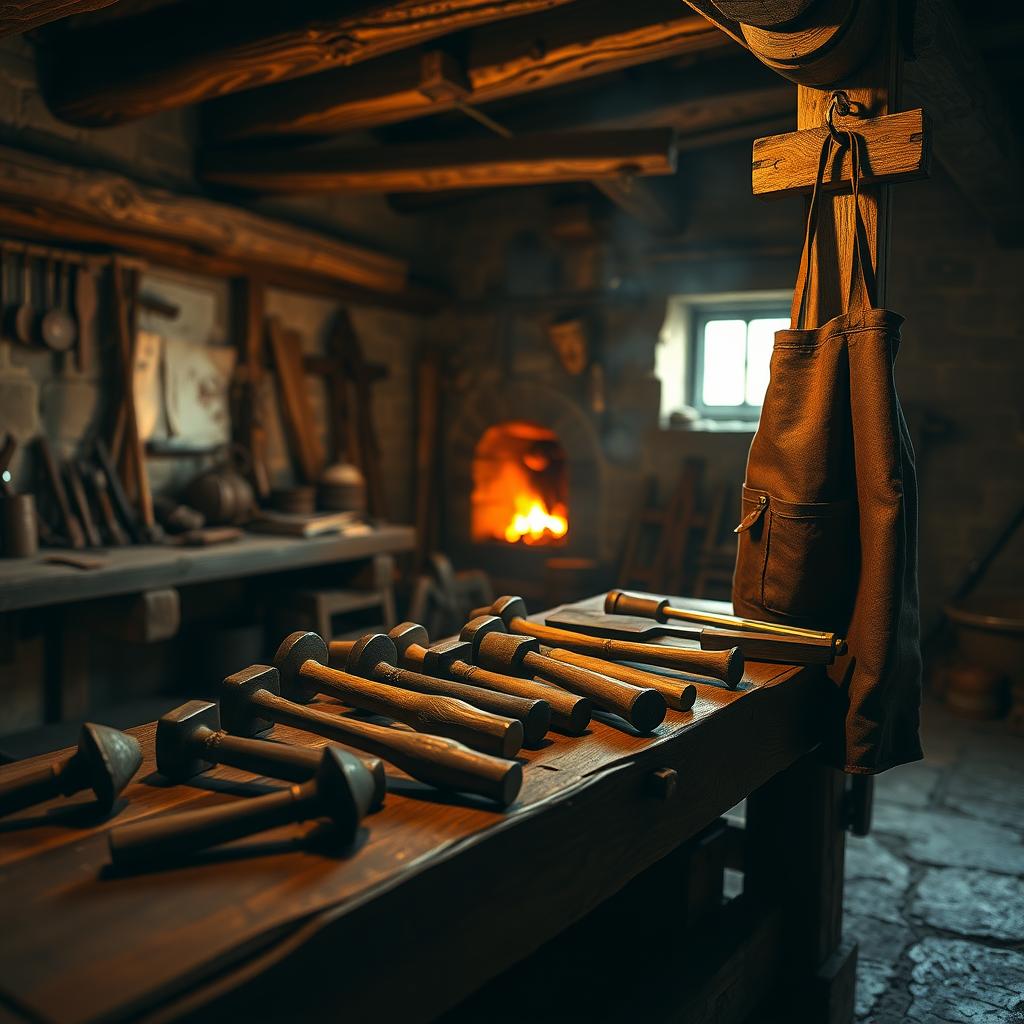
By the medieval era, toolmaking became an art. Blacksmiths crafted hammers tailored for specific tasks—sledgehammers for heavy work, smaller ones for delicate metal shaping. Guilds trained craftsmen to wield these workman tools with skill. I’ve tried hammering nails with a replica medieval claw hammer, and the balance is uncanny compared to modern designs.
This era also saw tools become status symbols. A master carpenter’s toolkit was a badge of expertise. Specialized hammers, like those for coopers or masons, showed how workman tools were adapting to diverse trades.
The Industrial Revolution: Powering Up Tools
The Industrial Revolution, starting in the 18th century, was a game-changer. Steam-powered machines mass-produced tools, making them affordable. Steel replaced iron, creating hammers that were lighter yet stronger. Factories churned out standardized hammers with consistent quality, unlike the hand-forged tools of earlier times.
I’ve used a vintage steel hammer from this era, and its weight distribution feels different—more refined. This period also introduced early ergonomics. Toolmakers began shaping handles to reduce strain, a nod to understanding hammer dynamics and ergonomics that we’ll explore later.
Understanding Hammer Dynamics and Ergonomics
Hammers seem simple, but there’s science behind them. Understanding hammer dynamics and ergonomics means looking at how a hammer’s weight, balance, and grip affect performance. A well-designed hammer delivers force efficiently while reducing user fatigue. Modern hammers often have curved handles or rubber grips to absorb shock.
For example, a 16-ounce claw hammer is ideal for driving nails because its head is balanced to maximize swing force. I’ve swung both cheap and high-end hammers, and the difference is night and day. Quality hammers feel like an extension of your arm, reducing wrist strain. Studies, like those from the National Institute for Occupational Safety, show ergonomic tools cut injury risks by up to 30%.
The 20th Century: Tools for the Masses
By the 20th century, workman tools were everywhere. Power tools, like electric drills, joined hammers in workshops. But hammers didn’t fade away—they evolved. Titanium hammerheads, lighter than steel but just as strong, hit the market. Fiberglass handles reduced vibration, making long hours easier on the hands.
I remember my grandfather’s old toolbox, filled with hammers from the 1950s. Each had a story—worn handles from years of framing houses. These tools weren’t just functional; they were part of a worker’s identity.
Modern Day: Smart Tools and Sustainability
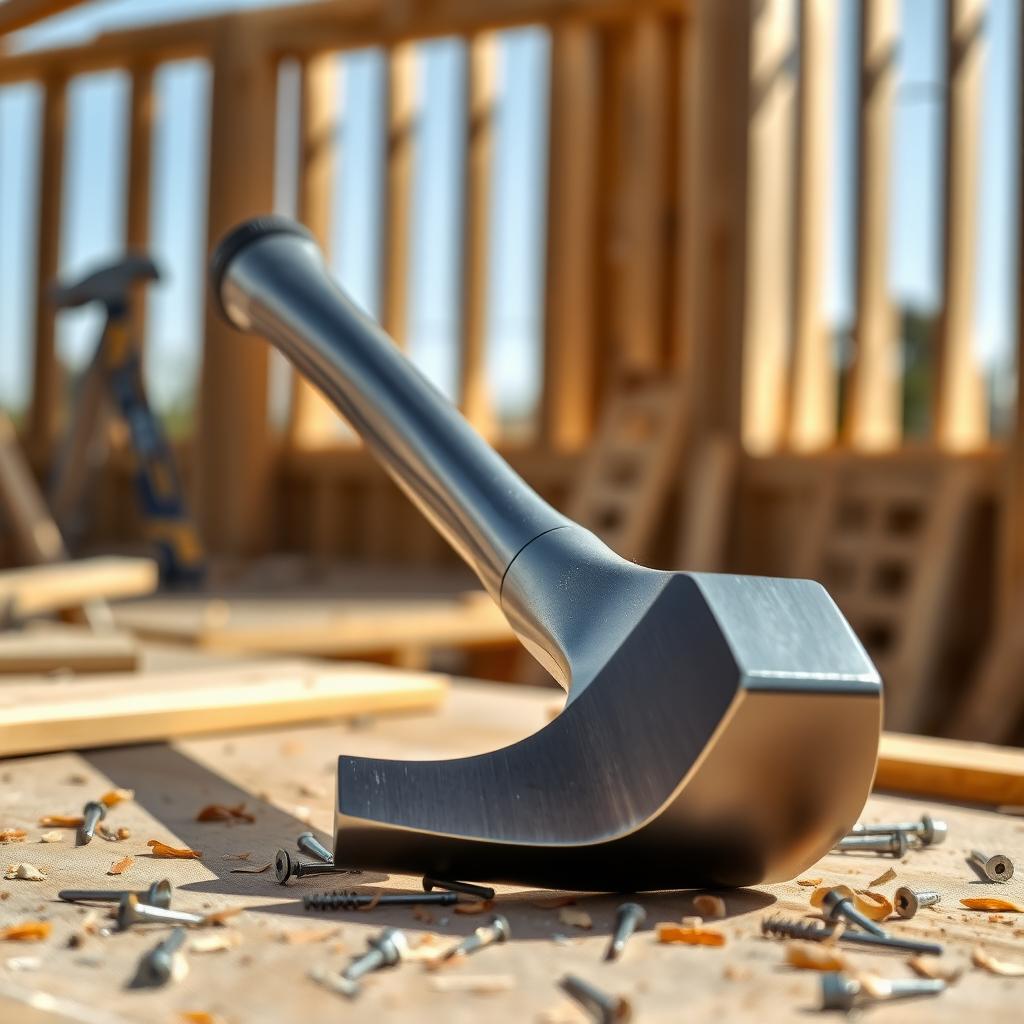
Today’s workman tools blend tradition with technology. Smart hammers with sensors can measure strike force, helping train new carpenters. Sustainable materials, like recycled steel, are gaining traction. I recently tried a hammer with a bamboo handle—light, strong, and eco-friendly.
The Evolution of Workman Tools: From Stone Age to Modern Day shows progress doesn’t erase the past. Hammers still rely on the same principles: weight, balance, and grip. But now, they’re designed with precision, comfort, and even the planet in mind.
Key Milestones in Tool Evolution
Here’s a quick look at how workman tools evolved:
| Era | Key Development | Impact |
|---|---|---|
| Stone Age | Flint hand axes | Enabled hunting and crafting |
| Bronze Age | Metal hammers and chisels | Improved durability and precision |
| Medieval Era | Specialized trade hammers | Supported skilled craftsmanship |
| Industrial Revolution | Steel tools, mass production | Made tools affordable and uniform |
| Modern Day | Ergonomic and smart tools | Enhanced comfort and efficiency |
This table shows how each leap built on the last, turning simple stones into tools that shape our world.
Why Tools Matter Today
Tools aren’t just objects; they’re extensions of human potential. A good hammer can make or break a project. I’ve seen carpenters light up when they find a hammer that feels ‘just right.’ It’s not just about getting the job done—it’s about pride in the work.
The Evolution of Workman Tools: From Stone Age to Modern Day reminds us that tools evolve with us. They reflect our needs, from survival to sustainability. Next time you swing a hammer, think about the millennia of innovation behind it.
Summary
From chipped stones to smart hammers, workman tools have come a long way. Each era brought new materials, designs, and ideas, like understanding hammer dynamics and ergonomics to improve efficiency. These tools didn’t just build structures; they built societies. Their story is one of human ingenuity, and it’s far from over.
Related The Evolution of Workman Tools: From Stone Age to Modern Day:
- Best Ratcheting Wrenches for Fast Repairs: Your Ultimate Guide
- A Guide to Choosing the Right Wrenches for Any Job
- Top 10 Essential Tools for Every Workman’s Toolbox
- How to Care for Your Workman Tools: A Comprehensive Guide
- Table Saws with Advanced Safety Mechanisms: Your Guide to Safer Woodworking
- How to Prep Your Walls for a Perfect Paint Job
- How to Choose the Right Hammer for Any Job
- 10 Essential Power Tools for Every Workshop
- Tool Organization Tips for Painters: Keep Your Workspace Efficient
- Essential Safety Gear for DIY Projects: Protecting Yourself and Your Tools
- The Role of Technology in Improving Construction Safety
- DIY Woodworking Projects for Beginners: A Comprehensive Guide