Overview
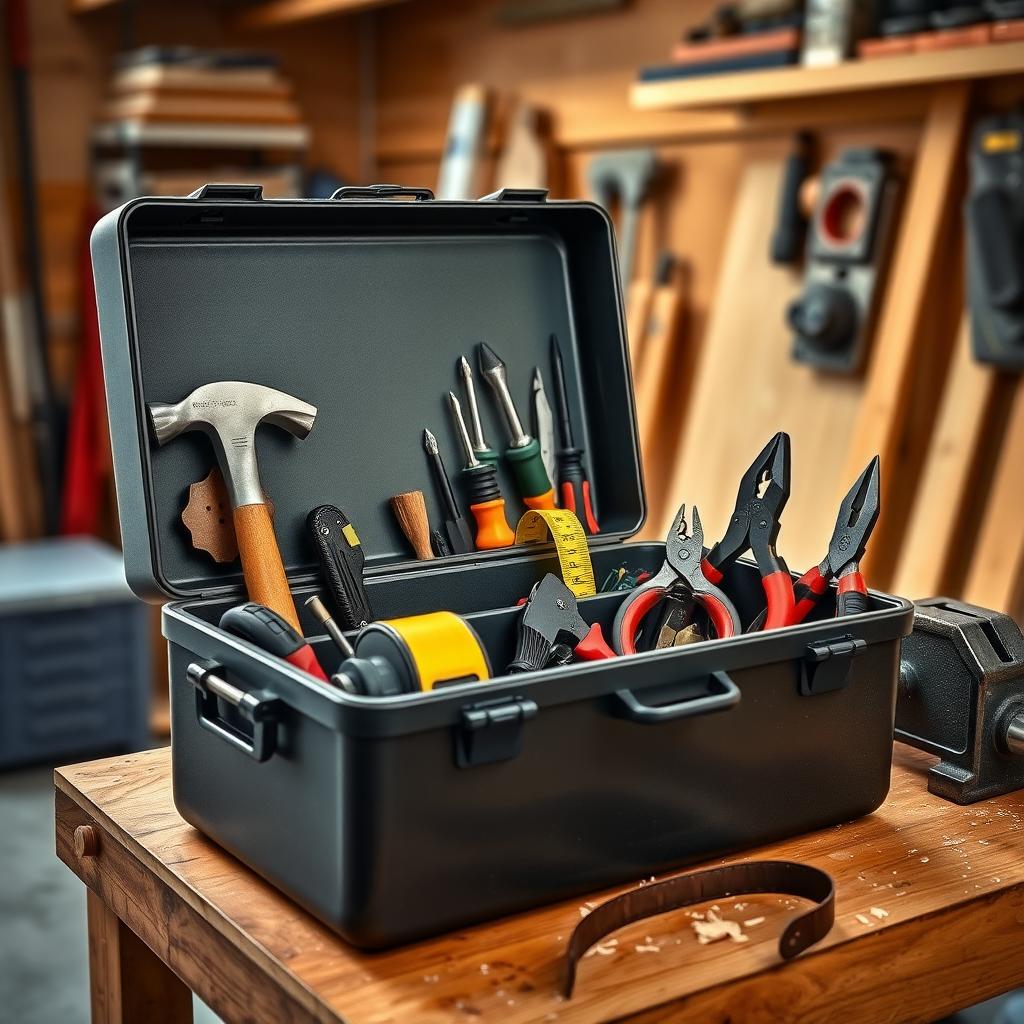
Every workman, whether a seasoned pro or a weekend DIY enthusiast, needs a reliable set of tools. The Top 10 Essential Tools for Every Workman’s Toolbox ensure you’re ready for any project, from simple repairs to complex builds. This guide dives into the must-haves, blending practical advice with safety tips to keep your workbench productive and safe.
Why a Well-Stocked Toolbox Matters
A toolbox is more than a collection of tools—it’s the backbone of any project. Without the right gear, even simple tasks like hanging a shelf or fixing a leaky pipe can turn into a headache. I’ve spent years tinkering in my garage, and I’ve learned that having the essential tools for every workman’s toolbox saves time, money, and frustration. Plus, a solid setup boosts confidence, letting you tackle jobs with precision.
The tools below aren’t just random picks—they’re the ones I’ve used on countless projects, from building furniture to patching drywall. They’re versatile, durable, and worth every penny. Let’s break down the Top 10 Essential Tools for Every Workman’s Toolbox and why they belong on your workbench.
1. Claw Hammer
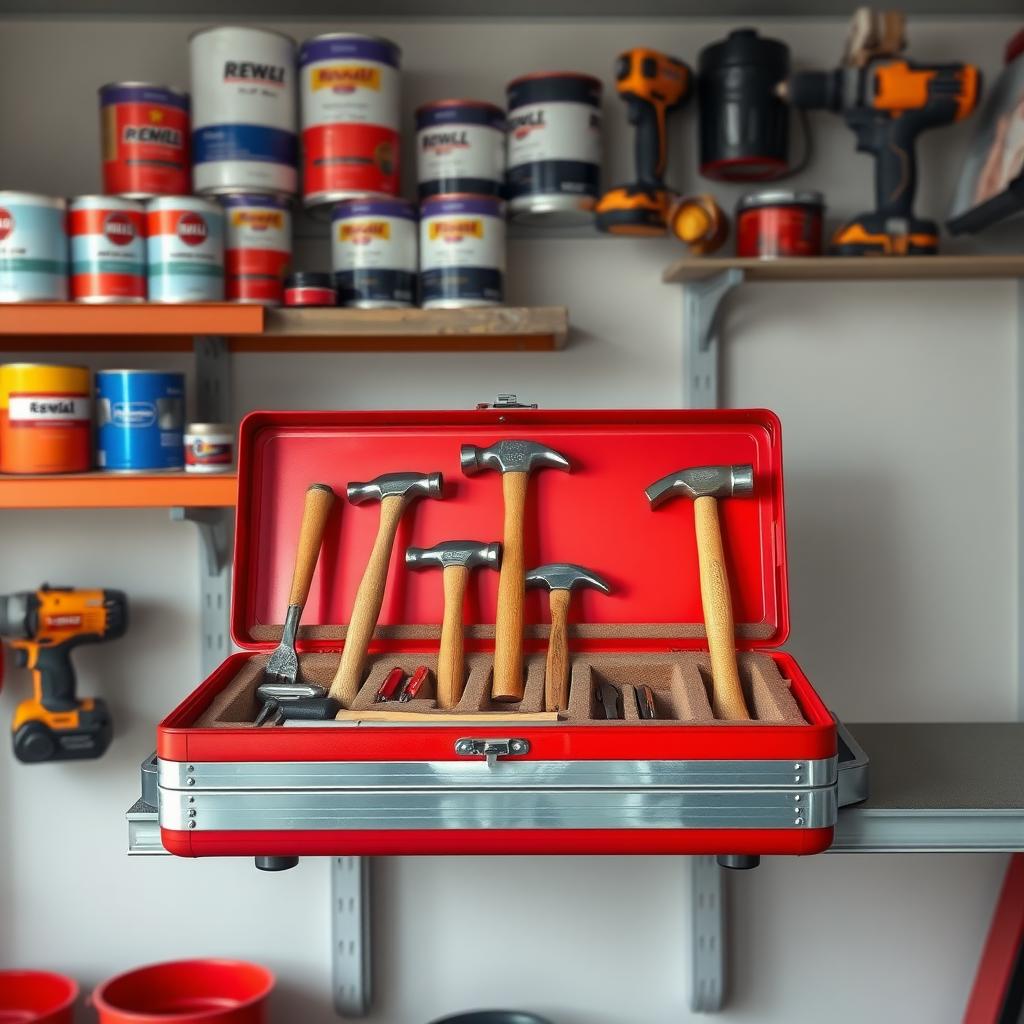
A claw hammer is the workhorse of any toolbox. Its flat, round head drives nails with ease, while the curved, claw-like end pulls them out without breaking a sweat. I’ve used my 16-ounce hammer for everything from framing walls to prying open stuck crates. Look for one with a comfortable grip and a steel or fiberglass handle for durability.
2. Screwdriver Set
No toolbox is complete without a quality screwdriver set. You’ll need both Phillips and flathead drivers in various sizes. I keep a six-piece set on my workbench for assembling furniture, tightening cabinet hinges, and even opening paint cans. Magnetic tips are a game-changer—they hold screws in place, making one-handed work a breeze.
3. Measuring Tape
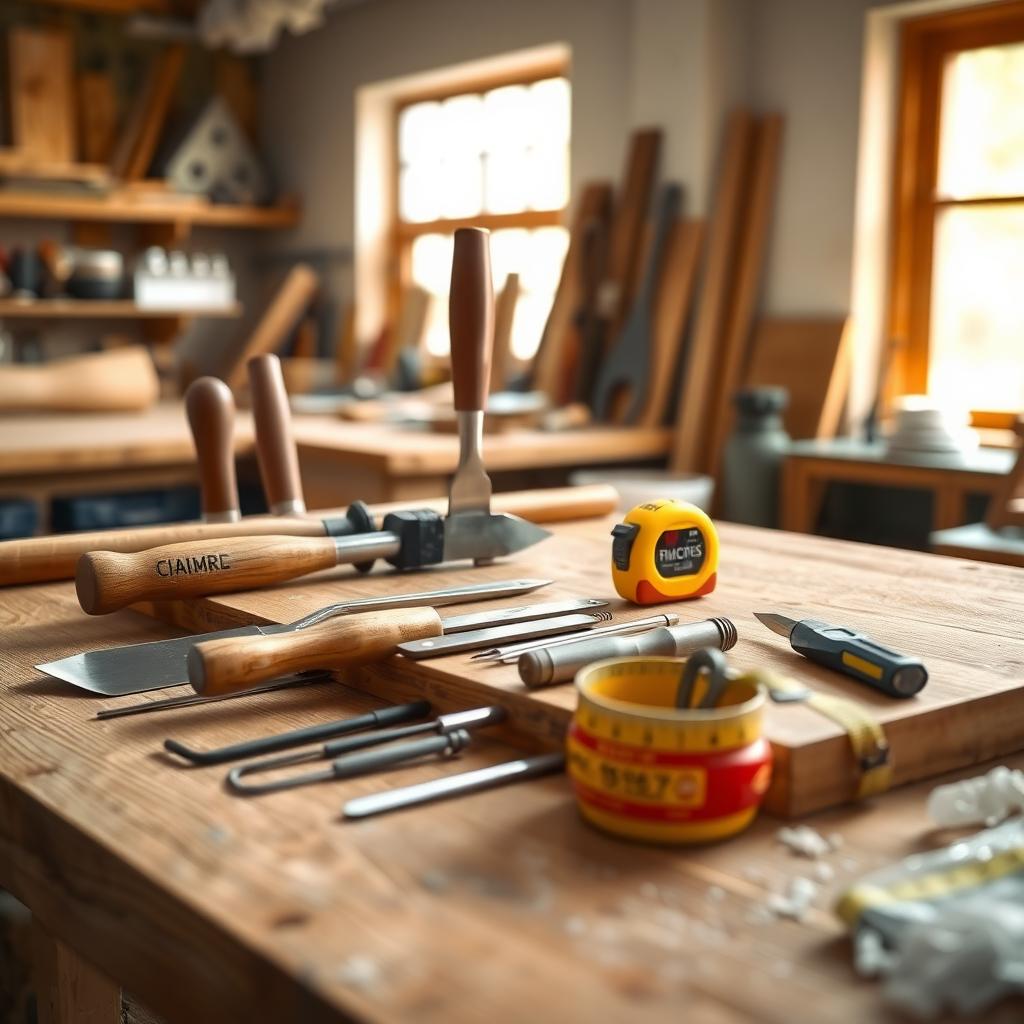
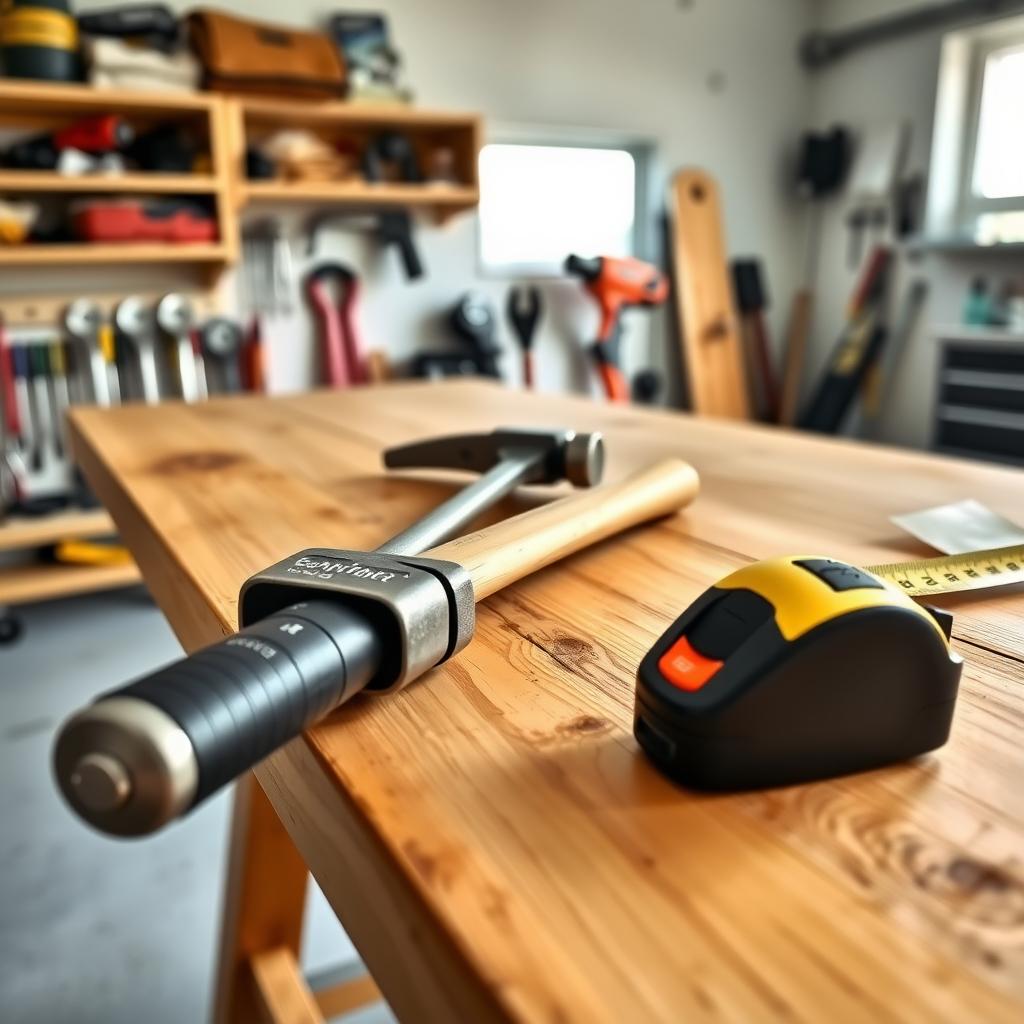
Accuracy is everything in woodworking or home repairs. A 25-foot measuring tape with a locking mechanism is a must. I’ve relied on mine for measuring lumber, marking drywall cuts, and even checking room dimensions for furniture. Choose one with a wide blade—it stays rigid longer, making solo measurements easier.
4. Adjustable Wrench
An adjustable wrench handles nuts and bolts of all sizes, making it a versatile addition to your toolbox. I’ve used mine to tighten plumbing fittings and assemble metal shelving. A 10-inch wrench offers a good balance of power and portability. Keep it clean and lubricated to avoid rust and ensure smooth adjustments.
5. Utility Knife
A sharp utility knife is perfect for cutting drywall, trimming carpet, or opening packages. I always keep extra blades handy since a dull blade is a safety hazard. Look for a retractable model with a comfortable grip. It’s a small tool, but it’s saved me countless times on the job.
6. Level
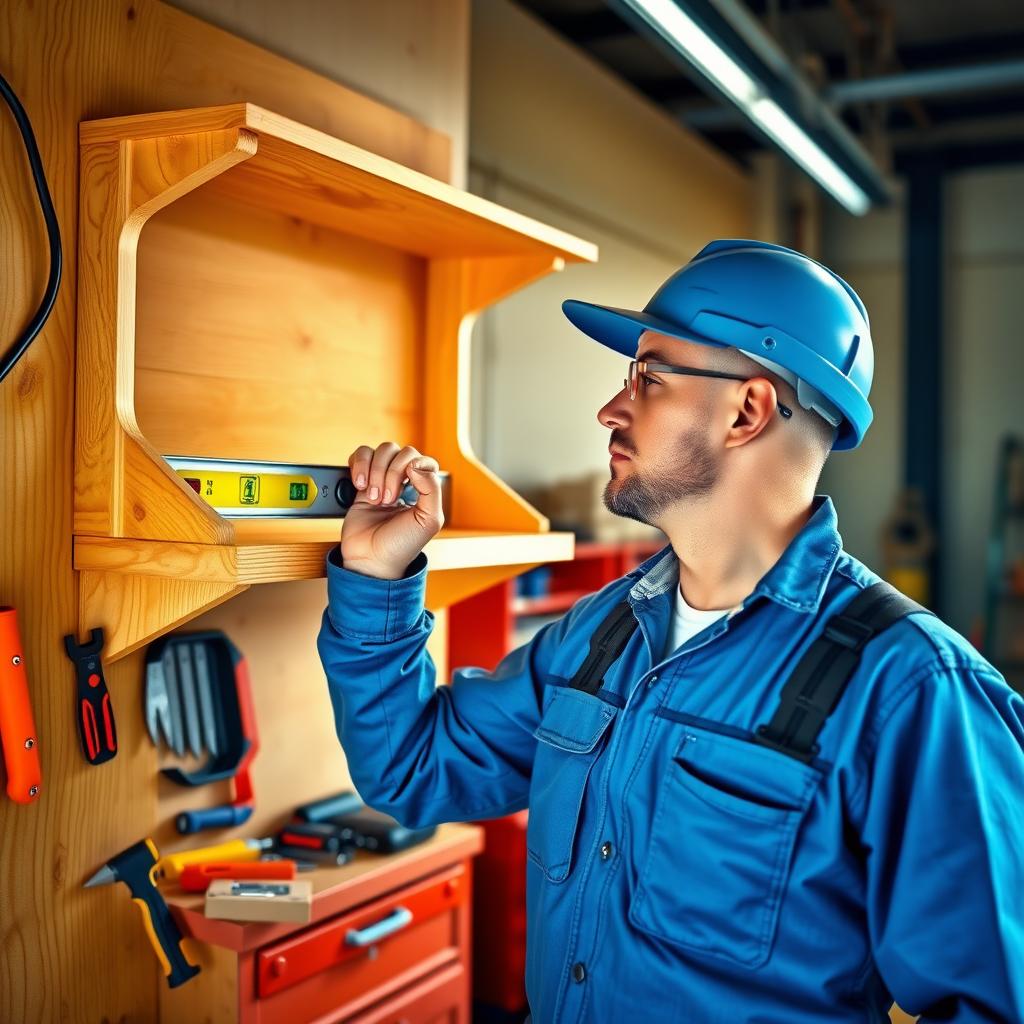
Nothing screams “amateur” like a crooked shelf. A 24-inch spirit level ensures your projects are perfectly aligned. I’ve used mine for everything from installing cabinets to leveling fence posts. Digital levels are great for precision, but a traditional bubble level is reliable and doesn’t need batteries.
7. Pliers Set
A good pliers set—needle-nose, slip-joint, and locking pliers—covers a range of tasks. Needle-nose pliers are great for precision work like bending wire, while slip-joint pliers handle gripping and turning. Locking pliers double as a clamp for holding materials. I’ve used my set for plumbing repairs and pulling stubborn nails.
8. Cordless Drill
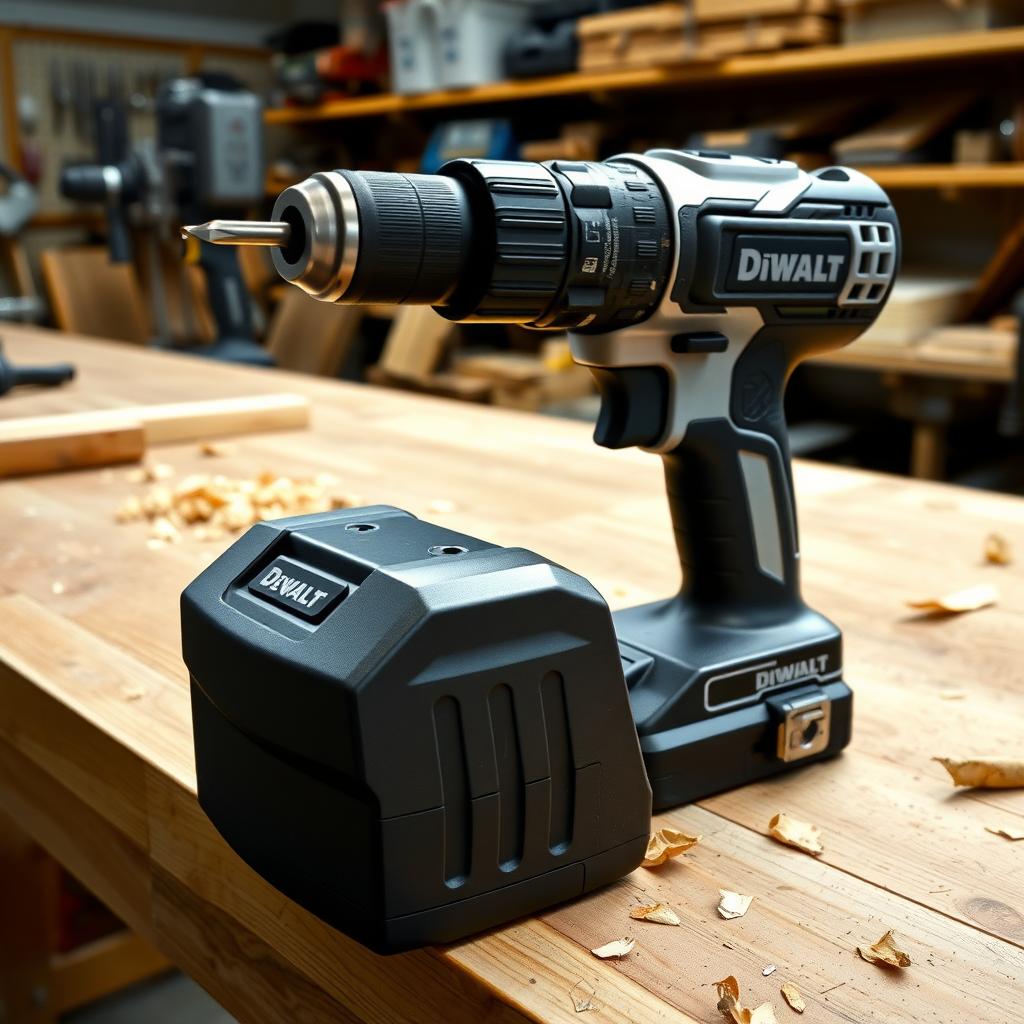
A cordless drill is a game-changer for any workman. With a set of drill bits and screwdriver bits, it handles everything from drilling holes to driving screws. My 18-volt drill has been a lifesaver for building decks and assembling furniture. Invest in a model with a spare battery to avoid downtime.
9. Safety Gear
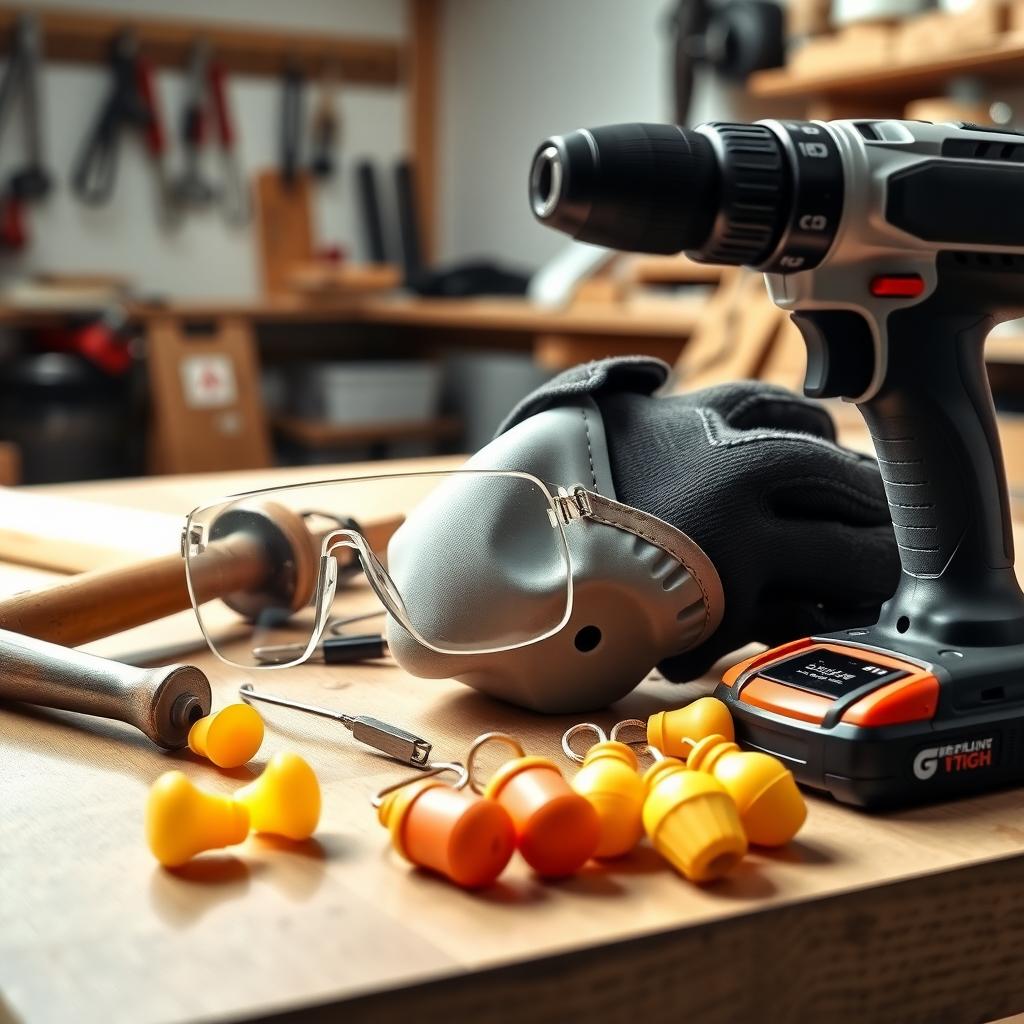
Safety Practices for Workman Tools start with proper gear. Safety glasses protect your eyes from dust and debris, while work gloves shield your hands from cuts and blisters. I never start a project without them. A dust mask is also crucial when sanding or cutting wood to avoid inhaling particles.
10. Tool Organizer
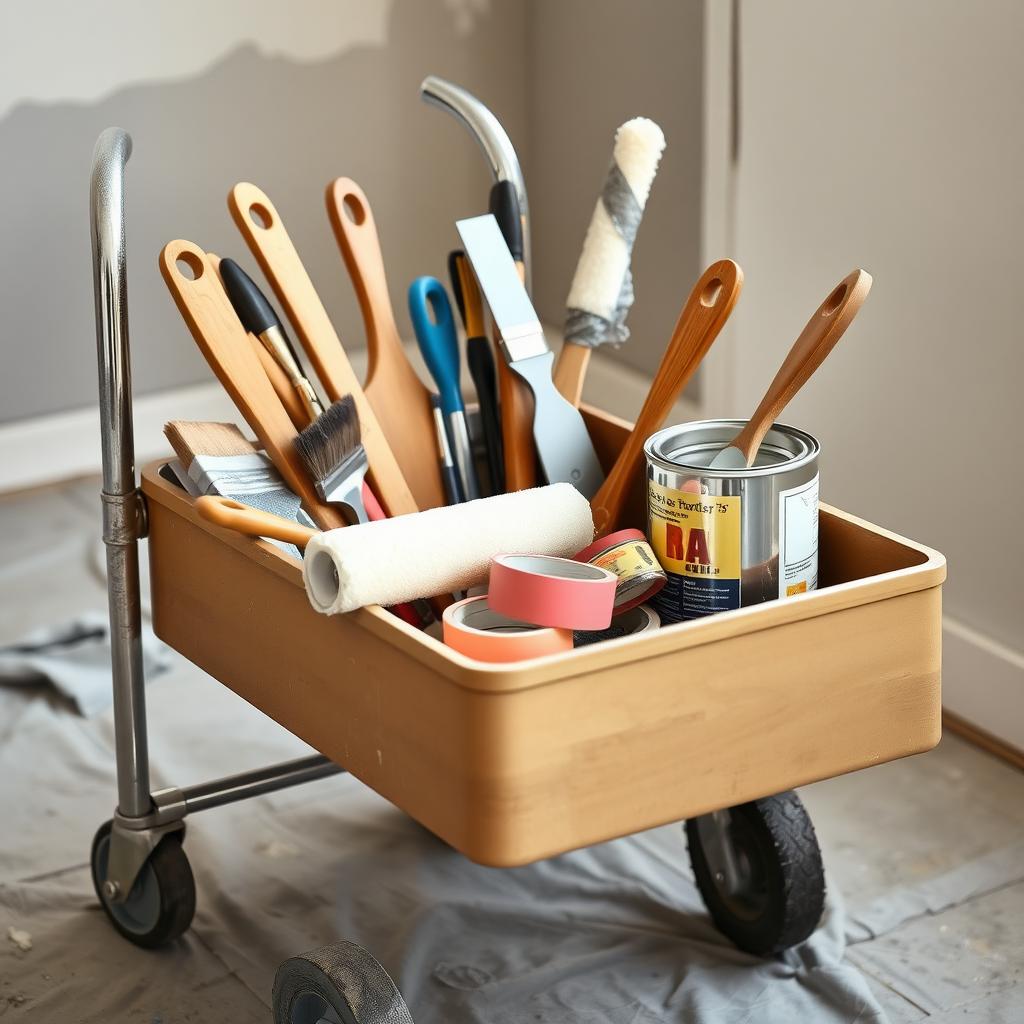
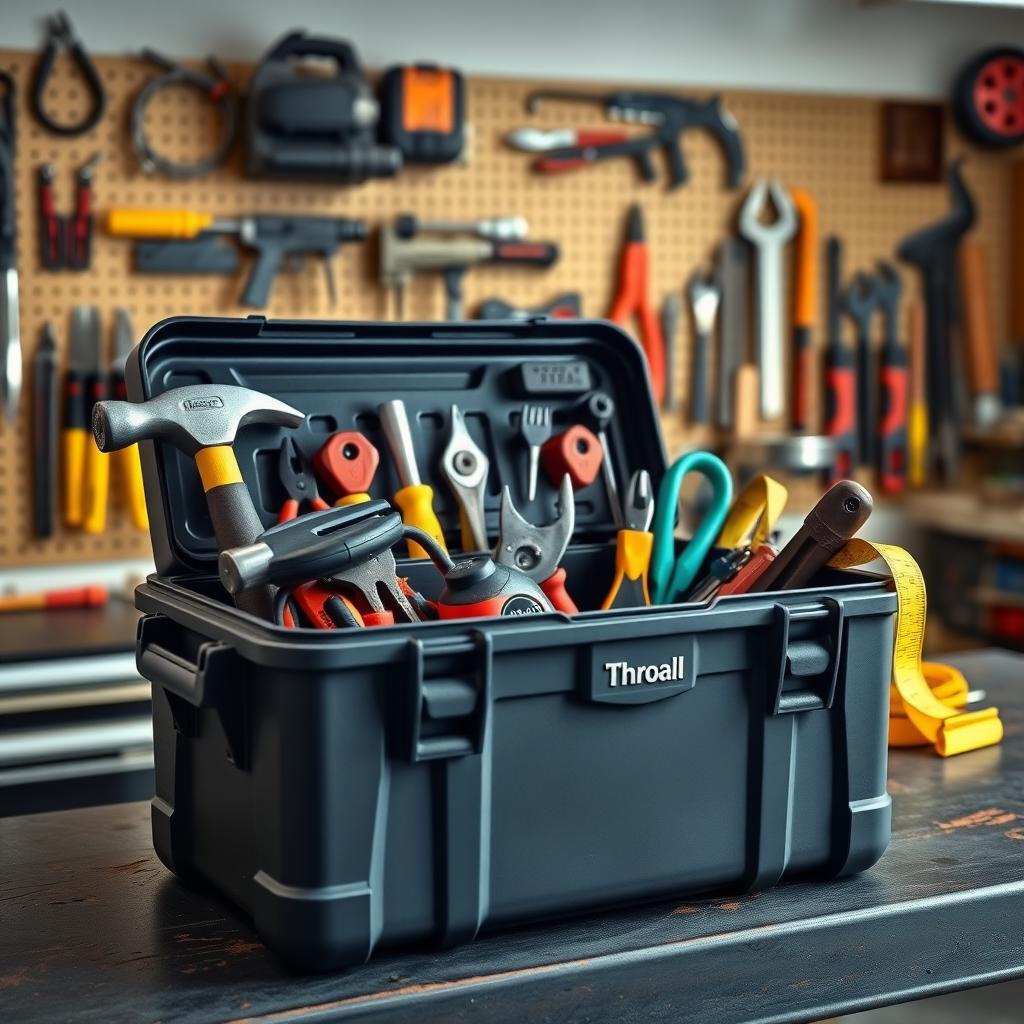
A cluttered workbench kills productivity. A tool organizer, whether a box, bag, or wall-mounted rack, keeps your workman tools accessible and safe. I use a portable toolbox with compartments to keep everything in order. It’s a small investment that makes every job smoother and faster.
Safety Practices for Workman Tools
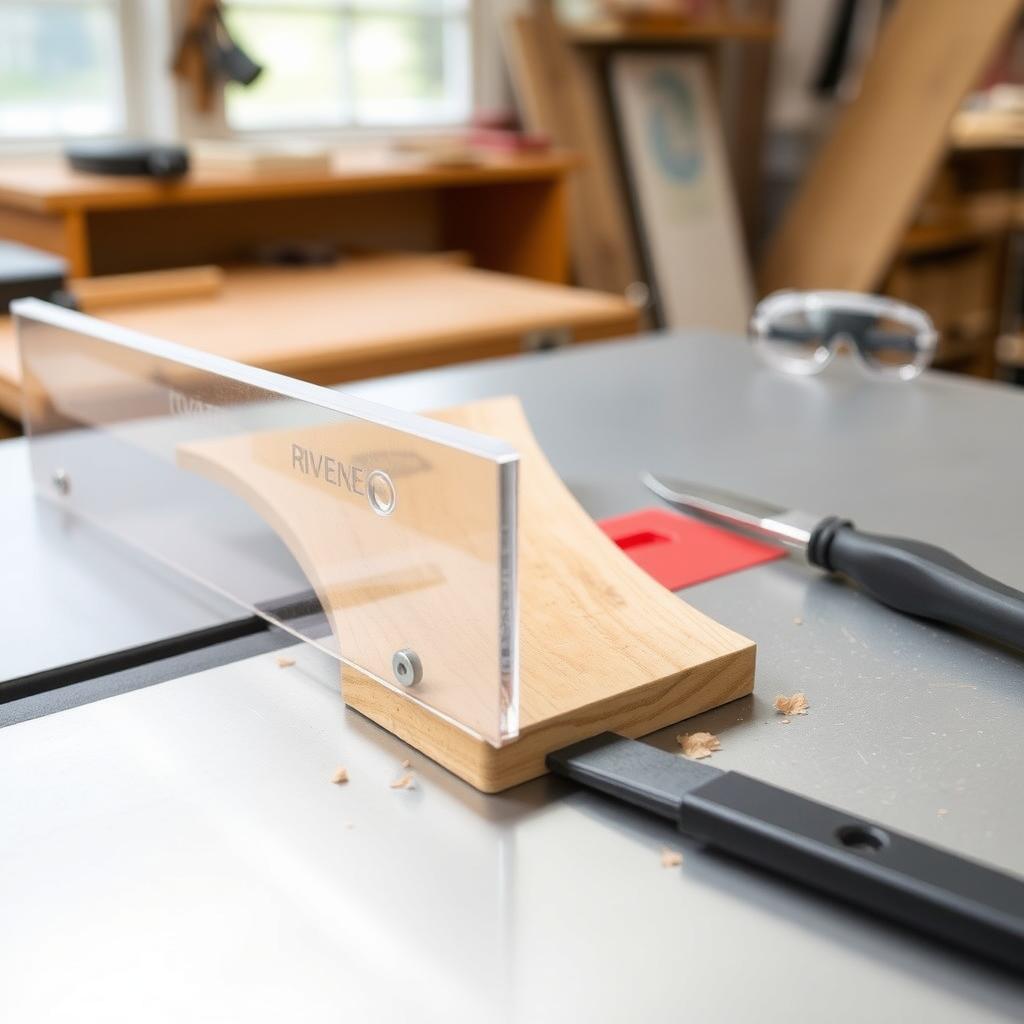
Using workman tools safely is non-negotiable. Always inspect tools for damage before use—cracked handles or dull blades can cause accidents. Store tools in a dry, secure place to prevent rust and wear. When using power tools like a cordless drill, double-check that bits are secure and batteries are charged. Keep your workspace clear of clutter to avoid trips or spills.
I learned this the hard way when I tripped over a stray extension cord while carrying a drill. Now, I always sweep my workbench before starting. Follow manufacturer instructions, and never bypass safety features. For example, OSHA’s guidelines on tool safety ([www.osha.gov]) emphasize proper handling and storage to prevent injuries.
Building the Perfect Workbench Setup
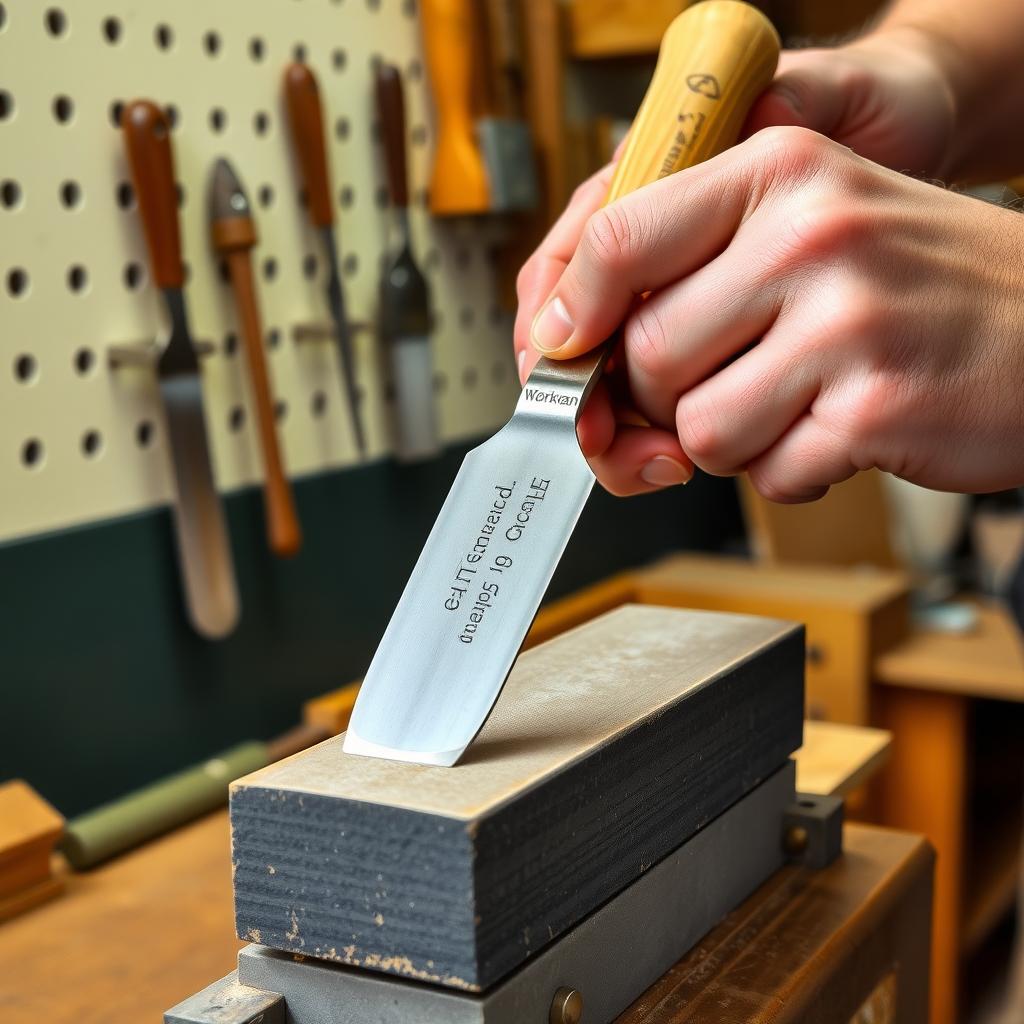
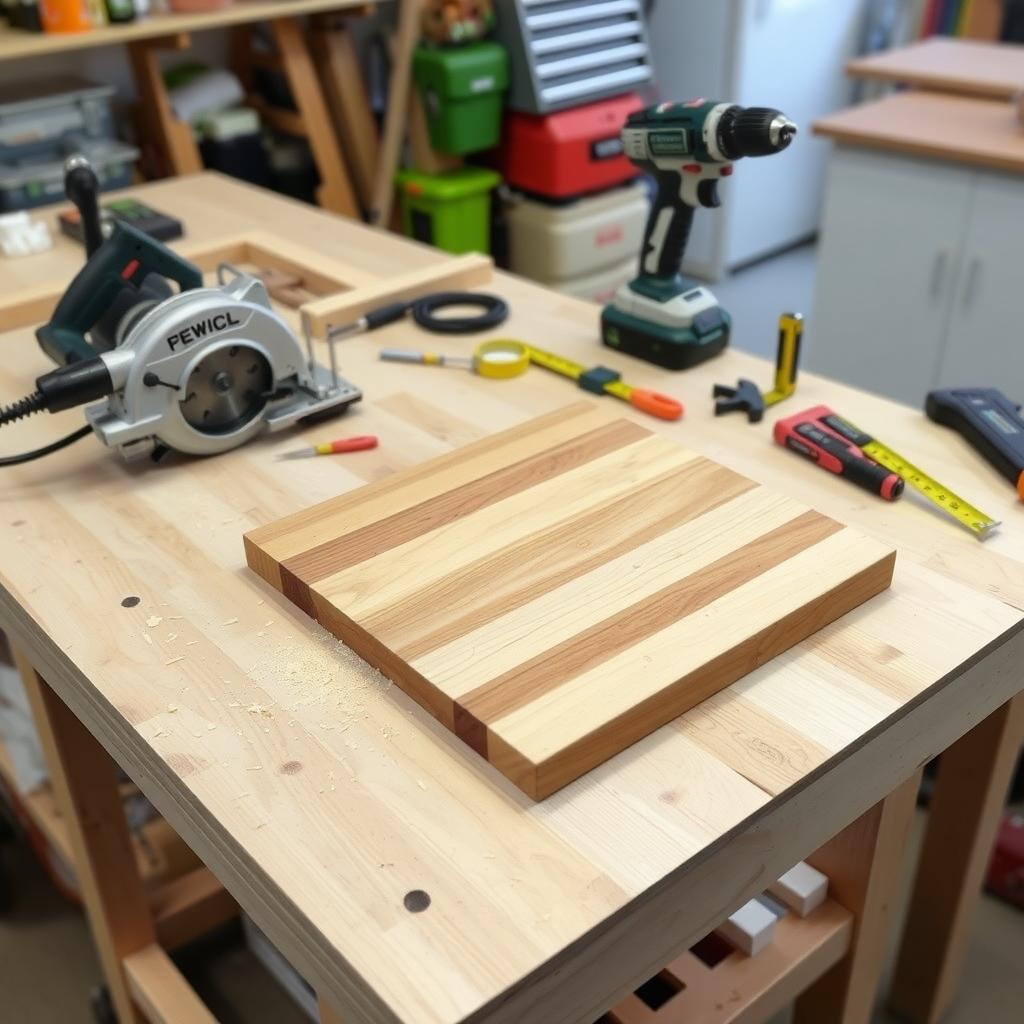
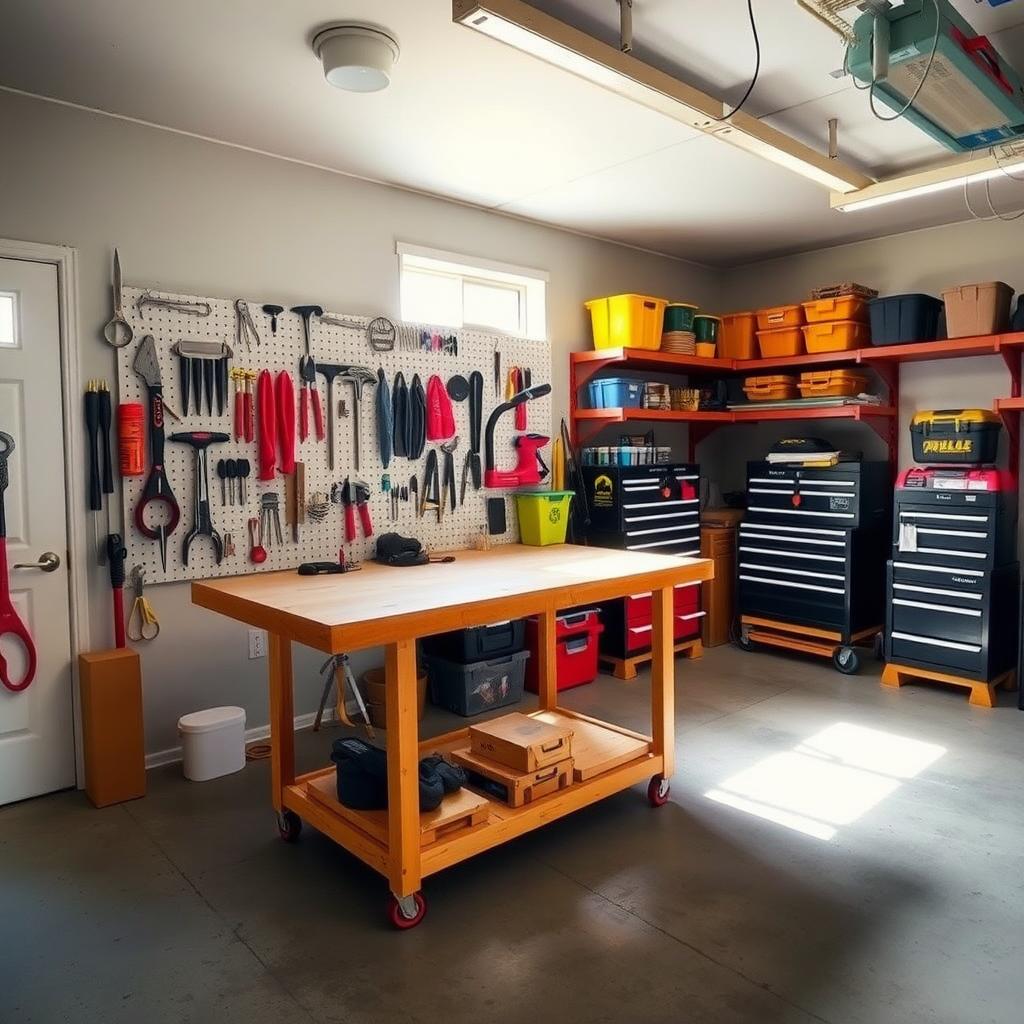
Your workbench is your command center. Keep it sturdy, level, and spacious enough for your projects. I built mine from reclaimed wood, adding a pegboard for hanging tools and a shelf for storage. Pair your essential tools for every workman’s toolbox with a well-organized workbench, and you’ll work faster and smarter. Consider adding a vise for securing materials—it’s a lifesaver for sawing or drilling.
| Tool | Primary Use | Pro Tip |
|---|---|---|
| Claw Hammer | Driving/pulling nails | Use a nail set for flush finishes |
| Screwdriver Set | Fastening screws | Magnetic tips save time |
| Measuring Tape | Measuring dimensions | Lock the blade for solo work |
| Adjustable Wrench | Turning nuts/bolts | Keep jaws clean for grip |
| Utility Knife | Cutting materials | Change blades often |
| Level | Ensuring alignment | Check bubble in two directions |
| Pliers Set | Gripping/turning | Use locking pliers as clamps |
| Cordless Drill | Drilling/driving | Keep a spare battery |
| Safety Gear | Protection | Wear glasses for all tasks |
| Tool Organizer | Storage | Label compartments for speed |
Personal Insights from Years of Work
I’ve made plenty of mistakes, like using a dull utility knife that slipped and nearly cost me a finger. Sharp tools are safer and more efficient. Another lesson? Invest in quality. Cheap tools break fast, costing you more in the long run. My first hammer lasted a month; my current one’s been going strong for a decade. Prioritize ergonomics, too—tools that fit your hand reduce fatigue on long projects.
Summary
The Top 10 Essential Tools for Every Workman’s Toolbox—from hammers to safety gear—form the foundation of any successful project. Pair them with smart Safety Practices for Workman Tools and an organized workbench, and you’re set for anything from quick fixes to major builds. Keep your tools in top shape, stay safe, and enjoy the satisfaction of a job well done.
Related Top 10 Essential Tools for Every Workman’s Toolbox:
- How to Care for Your Workman Tools: A Comprehensive Guide
- Table Saws with Advanced Safety Mechanisms: Your Guide to Safer Woodworking
- How to Prep Your Walls for a Perfect Paint Job
- How to Choose the Right Hammer for Any Job
- 10 Essential Power Tools for Every Workshop
- Tool Organization Tips for Painters: Keep Your Workspace Efficient
- Essential Safety Gear for DIY Projects: Protecting Yourself and Your Tools
- The Role of Technology in Improving Construction Safety
- DIY Woodworking Projects for Beginners: A Comprehensive Guide
- Essential Tools for Every Workman's Toolbox: Must-Haves for Any Project
- How to Organize Your Workshop Like a Pro
- Mastering Advanced Hand Tool Techniques for Precision Craftsmanship