Overview
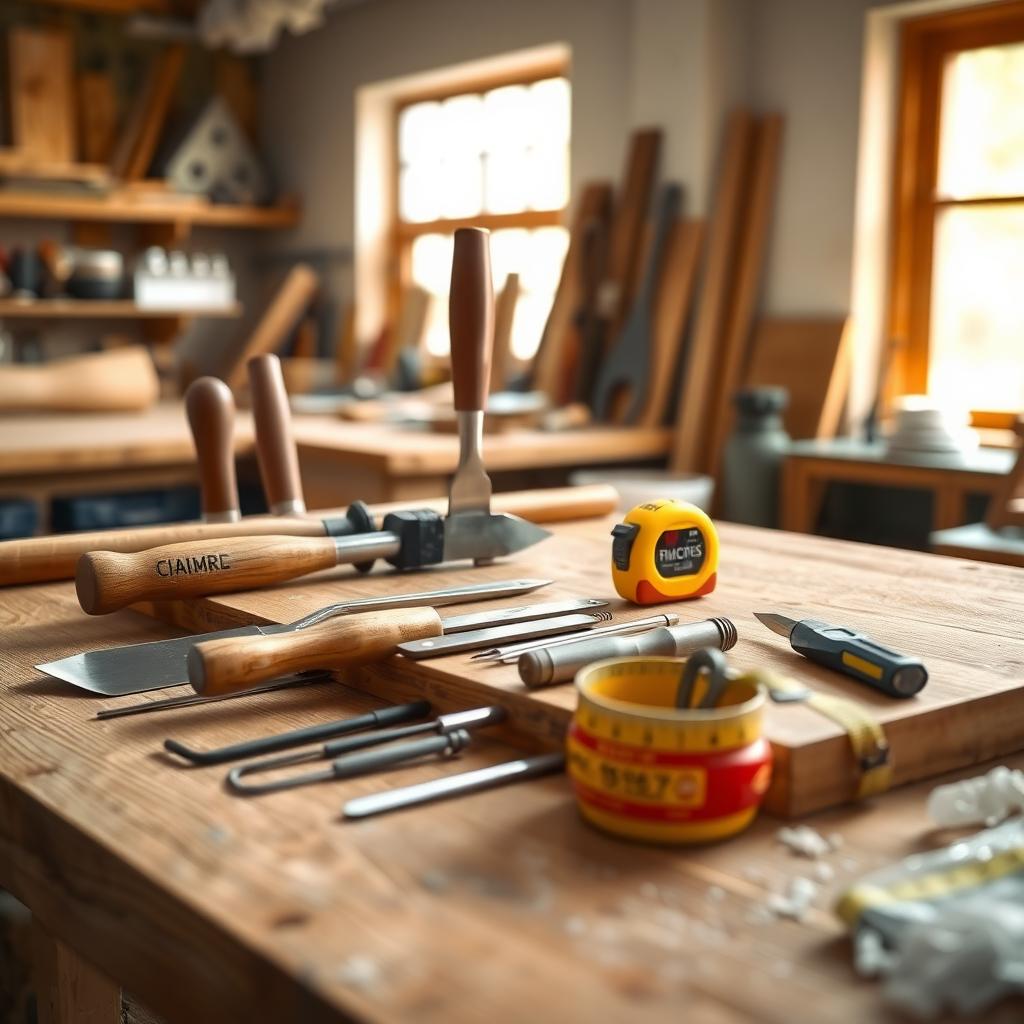
Taking care of your Workman tools is key to keeping them reliable and effective for years. Proper maintenance saves money, boosts efficiency, and ensures safety during DIY projects. This guide shares practical tips to help you protect your investment and master tool care.
Why Tool Maintenance Matters
Your Workman tools are the backbone of any DIY project, from fixing a leaky faucet to building a backyard deck. Neglecting them can lead to rust, dull blades, or broken parts, which can slow you down or even cause injuries. I’ve learned this the hard way—once, I grabbed a rusty wrench for a quick repair, and it slipped, nearly costing me a knuckle. Regular care keeps your tools in top shape and your projects on track.
The Importance of Quality Tools in DIY Projects cannot be overstated. High-quality tools, like those from Workman, are designed for durability, but they still need attention to perform at their best. According to a study by the University of Illinois Extension, well-maintained tools can last decades, saving you from frequent replacements.
Cleaning Your Workman Tools
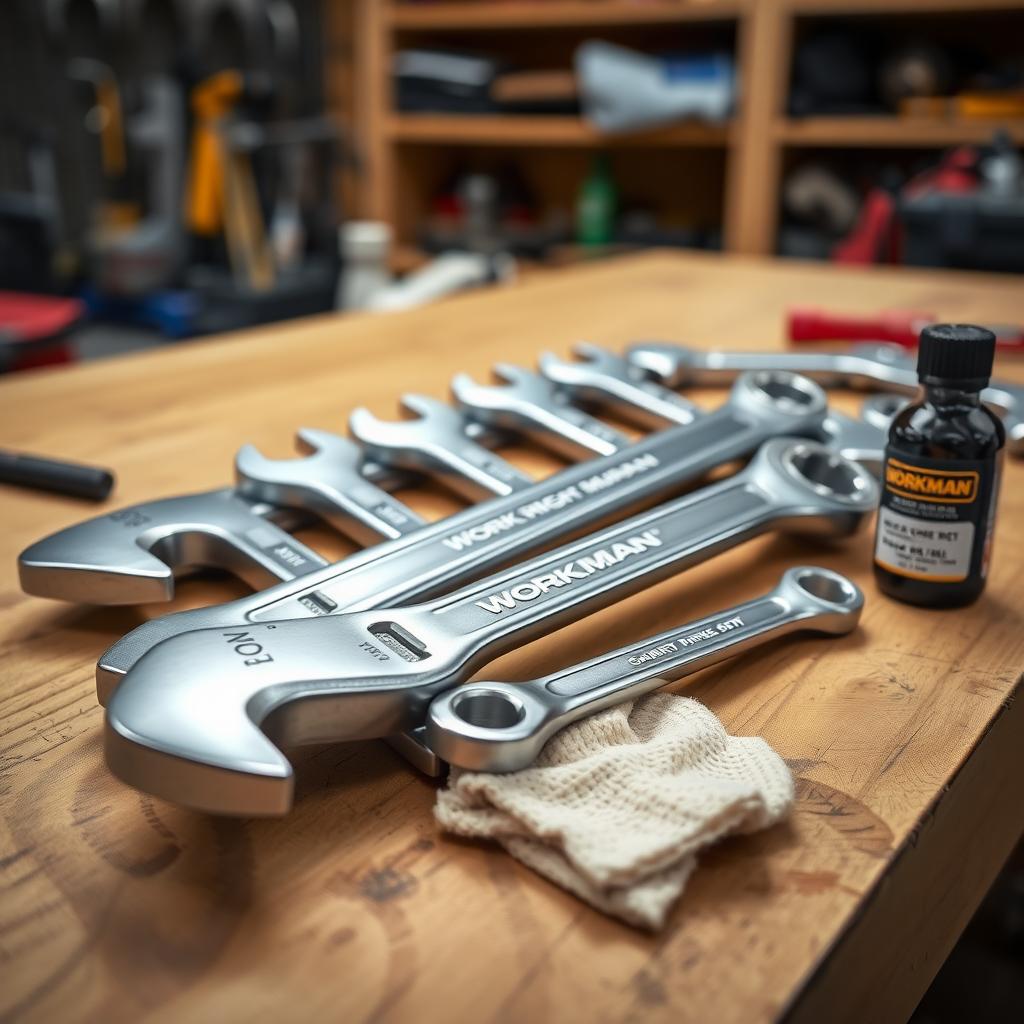
Dirt, grease, and debris are the enemies of any tool. After every project, take a few minutes to clean your tools. For metal tools like wrenches, use a wire brush to remove grime, then wipe them down with a cloth dampened with mineral spirits. For tools with moving parts, like the best ratcheting wrenches for fast repairs, a drop of machine oil on the joints keeps them smooth.
Wooden handles on hammers or chisels need special care. Wipe them with a damp cloth and mild soap, then dry thoroughly to prevent cracking. I once left a hammer outside overnight, and the handle warped—lesson learned. Always store tools in a dry place after cleaning.
Preventing Rust
Rust is a tool’s worst nightmare. To keep your Workman tools rust-free, store them in a dry environment. A simple trick I use is adding silica gel packets to my toolbox to absorb moisture. For extra protection, apply a thin layer of oil to metal surfaces. The U.S. Department of Energy recommends this method for preserving metal equipment in humid climates.
If rust appears, don’t panic. Use fine-grade sandpaper or a wire brush to scrub it off, then apply a rust inhibitor. For stubborn rust, soak the tool in white vinegar for a few hours before scrubbing.
Sharpening and Calibration
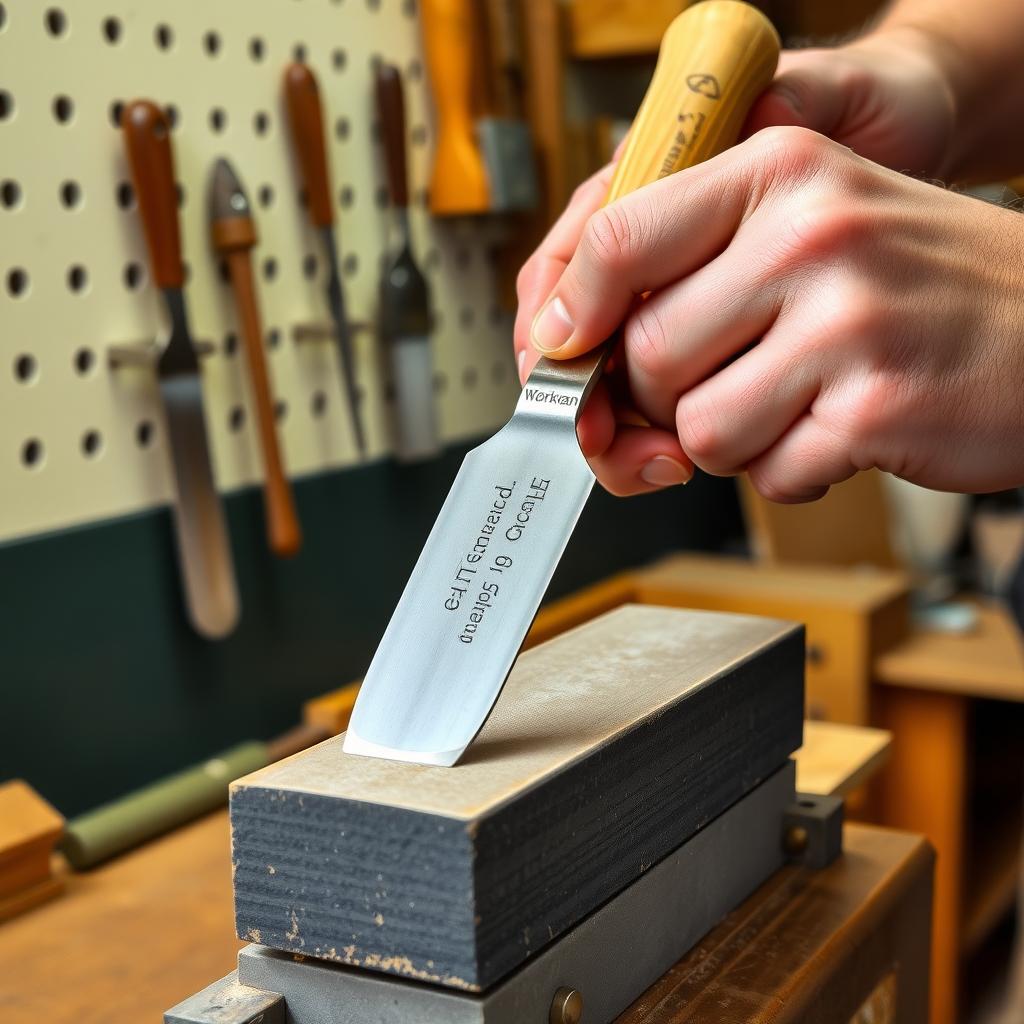
Dull tools are frustrating and unsafe. For cutting tools like chisels or saws, invest in a sharpening stone or file. I sharpen my Workman chisels every few months, and the difference in precision is night and day. Follow the tool’s original bevel angle—usually 25-30 degrees—and use steady, even strokes.
For wrenches, especially ratcheting ones, check for wear in the mechanism. If it skips or feels loose, it might need recalibration or replacement. The best ratcheting wrenches for fast repairs, like Workman’s, often come with lifetime warranties, so check with the manufacturer before tossing them.
Proper Storage Solutions
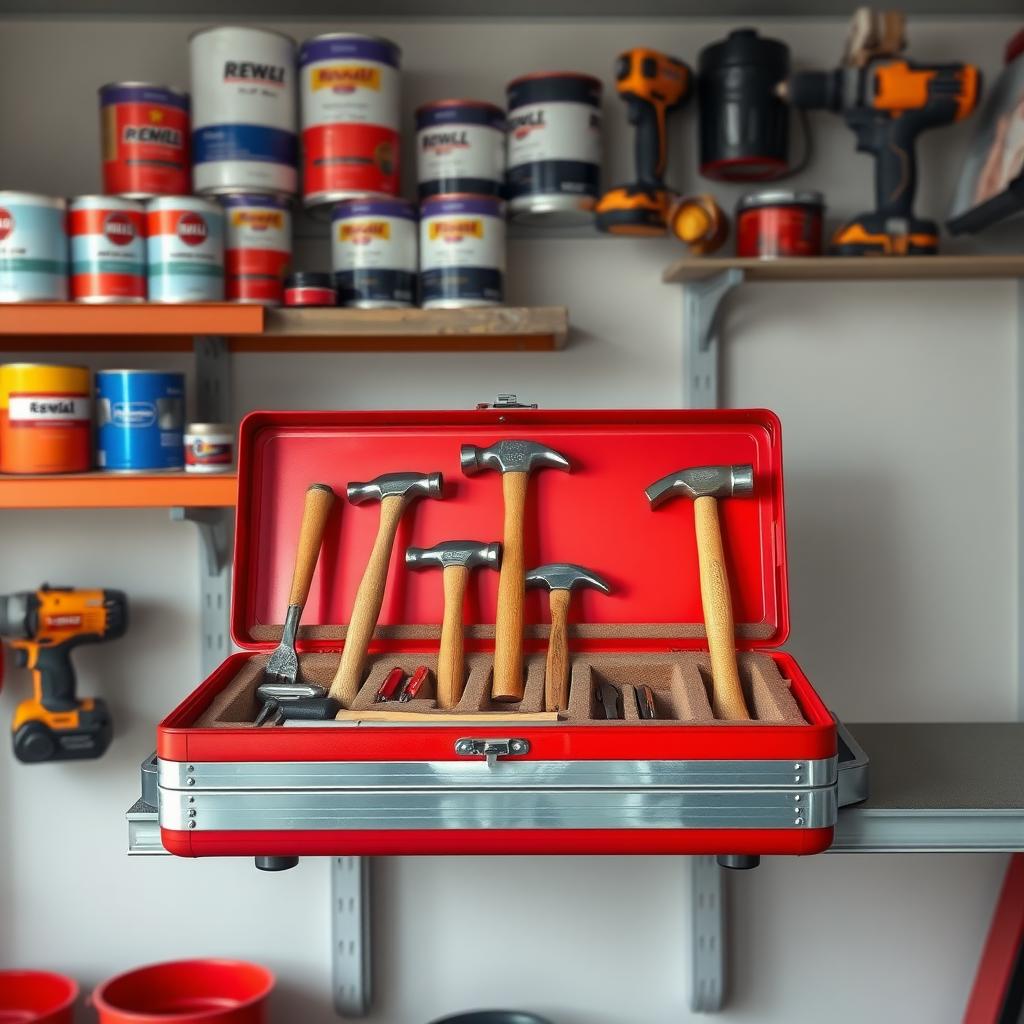
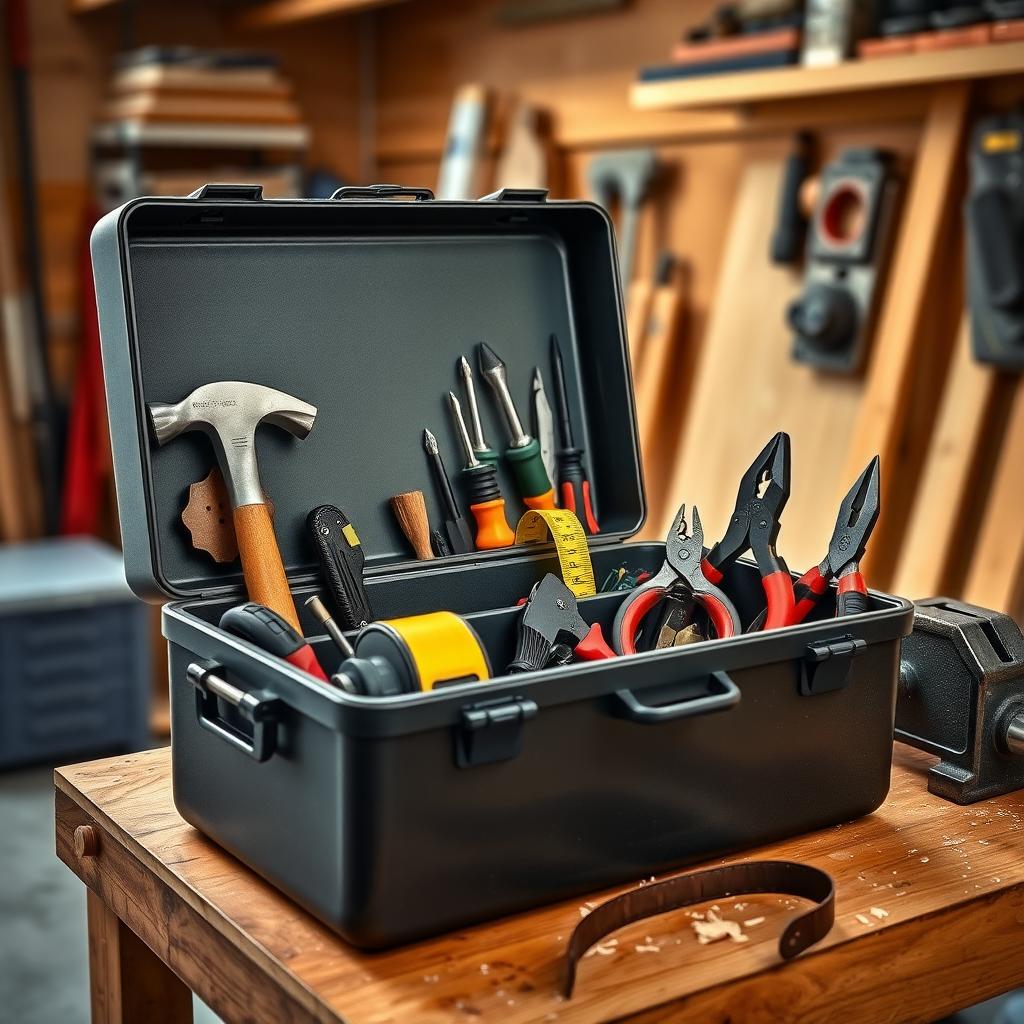
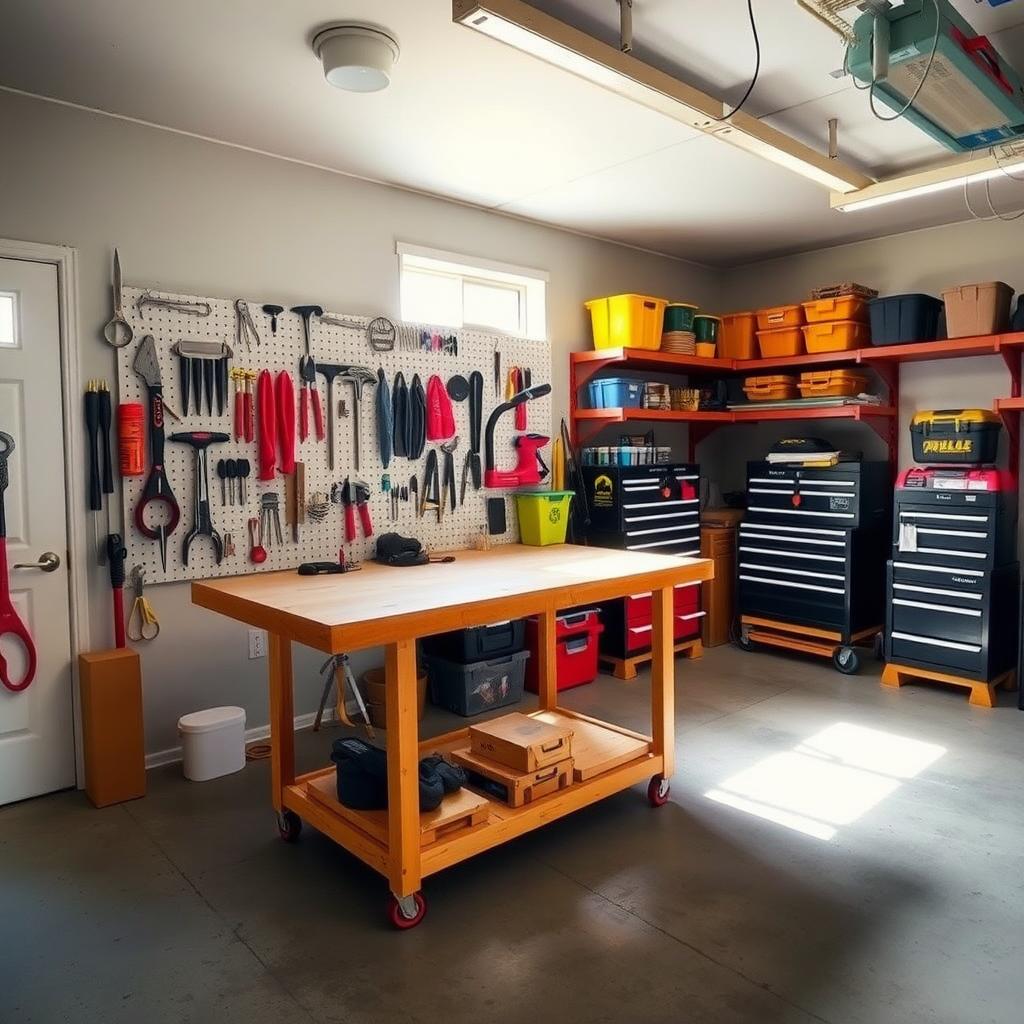
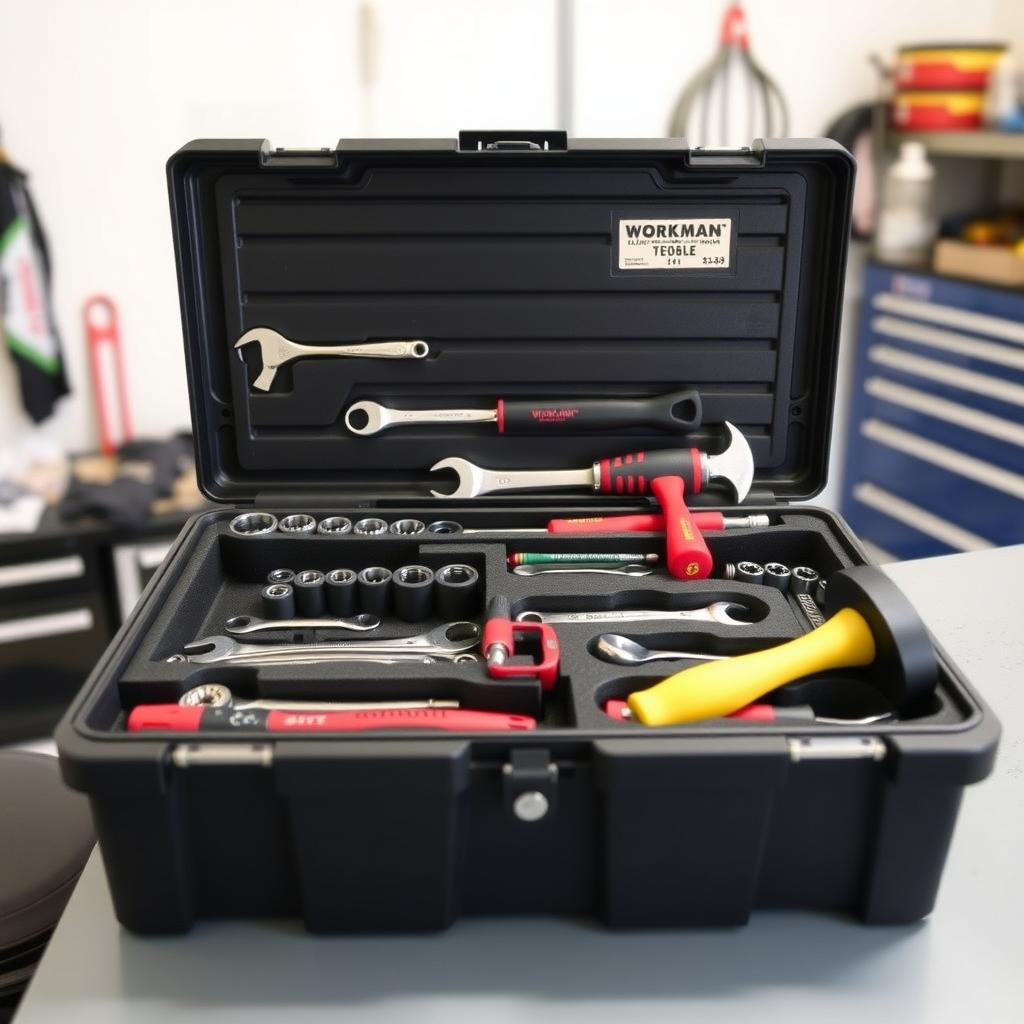
How you store your Workman tools matters as much as how you clean them. A toolbox or wall-mounted rack keeps everything organized and protected. I use a pegboard for my wrenches—it’s easy to see what’s missing and keeps them off damp surfaces. For power tools, store them in their original cases to prevent dust buildup.
Here’s a quick storage checklist: - Keep tools off the floor to avoid moisture. - Use toolboxes with foam inserts for delicate items. - Label drawers for quick access. - Avoid overcrowding to prevent scratches or damage.
Regular Inspections
Make it a habit to inspect your tools before and after use. Look for cracks, loose parts, or signs of wear. For example, I once noticed a hairline crack in a Workman wrench handle during a routine check, which saved me from a potential injury. Replace damaged tools immediately—don’t risk using them.
For power tools, check cords for fraying and blades for dullness. The Occupational Safety and Health Administration (OSHA) emphasizes regular tool inspections to prevent workplace accidents, and the same applies to your home workshop.
Lubrication for Longevity
Lubrication keeps moving parts like ratcheting wrenches and pliers working smoothly. Use a light machine oil or a spray lubricant like WD-40 for metal parts. Apply sparingly—too much oil attracts dirt. I lubricate my Workman ratcheting wrenches every few months, and they still feel as smooth as the day I bought them.
For tools with gears, like drills, follow the manufacturer’s guidelines for greasing. Over-lubricating can cause buildup, so stick to recommended amounts.
Handling Power Tools
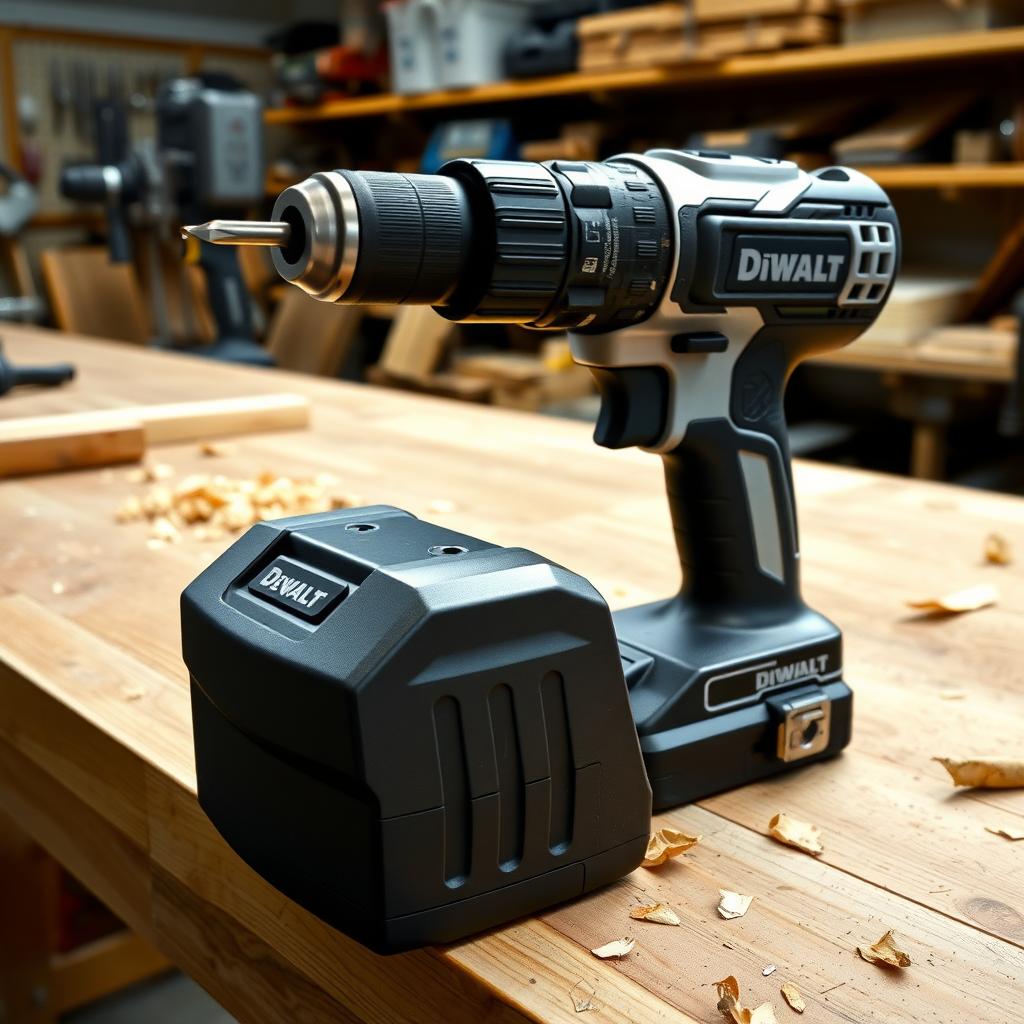
Workman’s power tools, like drills and saws, need extra attention. Always unplug them before cleaning or inspecting. Remove dust from vents with a soft brush or compressed air to prevent overheating. For battery-powered tools, store batteries in a cool, dry place and avoid letting them fully discharge.
I made the mistake of leaving a drill battery in a hot car once, and it lost half its life. Now, I store them indoors at room temperature, and they last much longer.
Teaching Others
If you share your tools with family or friends, teach them how to care for them. Show them how to clean, store, and inspect tools properly. I’ve started a tradition of gifting my kids their own small Workman toolkits, along with a quick lesson on maintenance. It’s a great way to pass on good habits and ensure your tools stay in good hands.
When to Replace Tools
Even with great care, tools wear out. If a wrench no longer grips properly or a blade can’t be sharpened, it’s time to replace it. Workman tools are built to last, but they’re not indestructible. Investing in quality replacements, like the best ratcheting wrenches for fast repairs, ensures your toolkit stays reliable.
Check for warranties—many Workman tools come with lifetime guarantees, which can save you money on replacements.
Summary
Caring for your Workman tools is about more than keeping them shiny—it’s about safety, efficiency, and getting the most out of your investment. Clean them regularly, store them properly, and inspect them often. With these habits, your tools will serve you well for years, making every DIY project smoother and more enjoyable.
Related How to Care for Your Workman Tools:
- Table Saws with Advanced Safety Mechanisms: Your Guide to Safer Woodworking
- How to Prep Your Walls for a Perfect Paint Job
- How to Choose the Right Hammer for Any Job
- 10 Essential Power Tools for Every Workshop
- Tool Organization Tips for Painters: Keep Your Workspace Efficient
- Essential Safety Gear for DIY Projects: Protecting Yourself and Your Tools
- The Role of Technology in Improving Construction Safety
- DIY Woodworking Projects for Beginners: A Comprehensive Guide
- Essential Tools for Every Workman's Toolbox: Must-Haves for Any Project
- How to Organize Your Workshop Like a Pro
- Mastering Advanced Hand Tool Techniques for Precision Craftsmanship
- How to Choose the Right Vice for Your Workbench: A Comprehensive Guide