Overview
Starting your painting journey can feel overwhelming, but with the right techniques and tools, anyone can create beautiful artwork. This guide, Painting Techniques for Beginners: A Step-by-Step Guide, breaks down the process into simple steps. From choosing brushes to mastering strokes and organizing your tools, you’ll gain confidence to paint like a pro.
Why Painting Is for Everyone
Painting is more than splashing colors on a canvas—it’s a way to express yourself. As a beginner, I remember feeling intimidated by blank canvases. But with practice, I learned that painting is about exploration, not perfection. This guide shares techniques I’ve picked up, along with practical tips to make your workspace efficient and inspiring.
Essential Tools for Painting
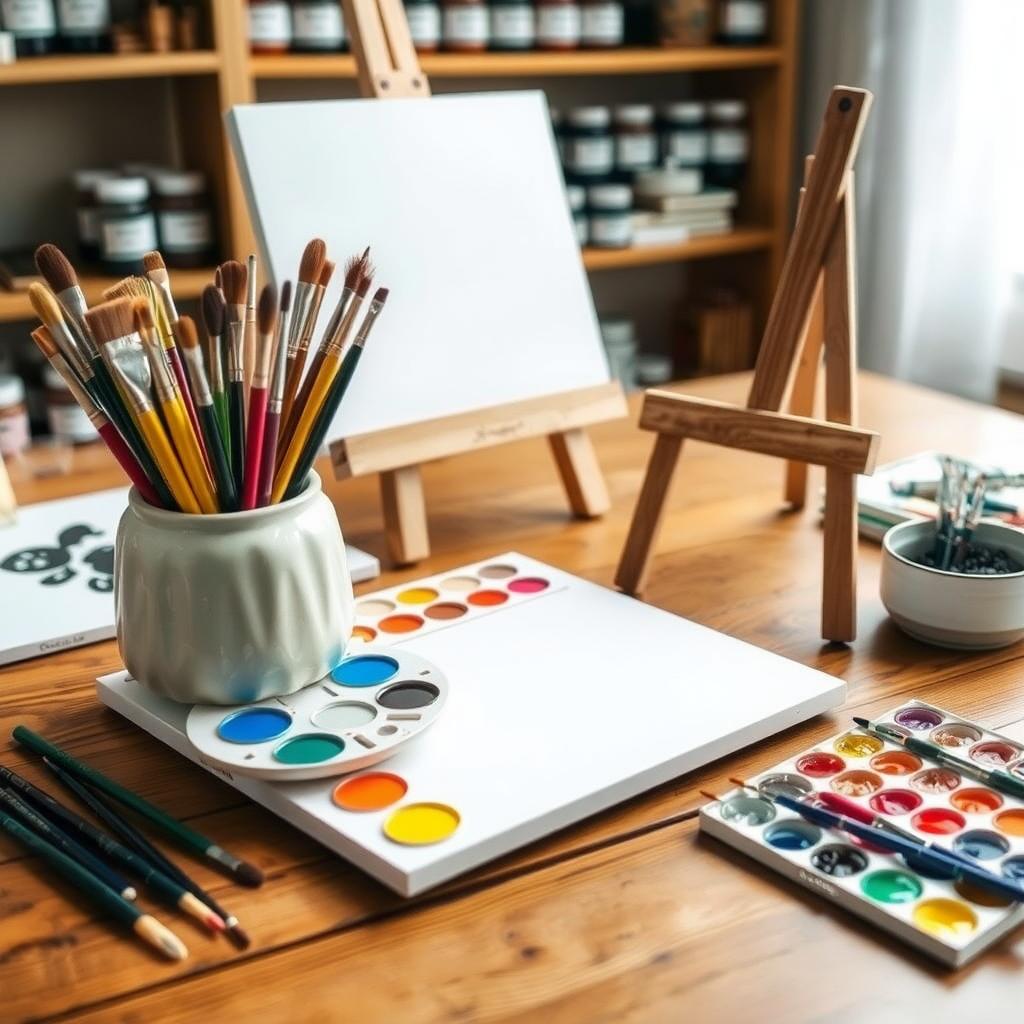
Before diving into Painting Techniques for Beginners: A Step-by-Step Guide, let’s talk tools. Having the right equipment sets you up for success. Here’s what you need:
- Brushes: Round brushes for detail, flat brushes for broad strokes.
- Paints: Acrylics are beginner-friendly due to their quick drying time.
- Canvas or Paper: Pre-stretched canvases or heavy watercolor paper work well.
- Palette: A plastic or wooden palette for mixing colors.
- Easel: Optional but helpful for comfortable painting angles.
Painting Like a Pro: Essential Tools and How to Care for Them starts with quality tools. Cheap brushes shed bristles, ruining your work. Invest in mid-range synthetic brushes—they’re durable and versatile.
Caring for Your Painting Tools
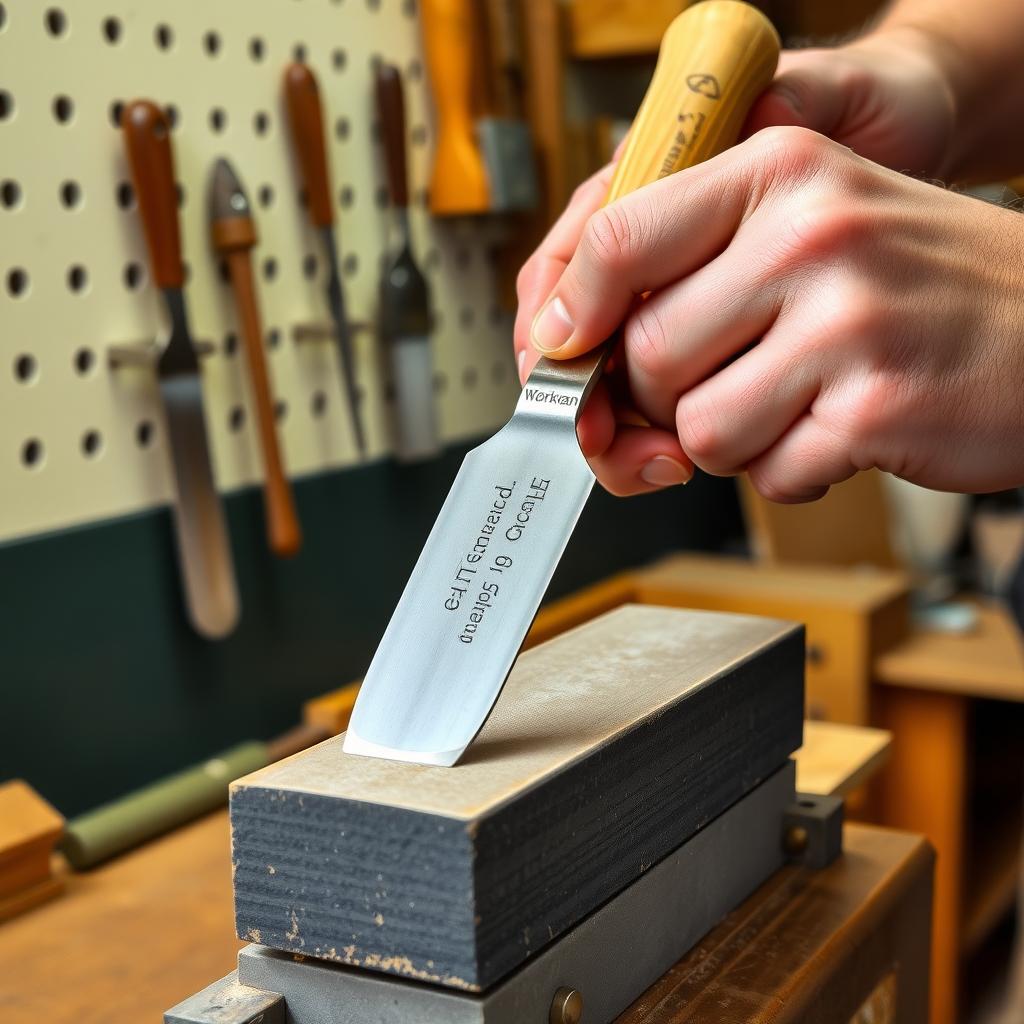
Taking care of your tools is key to painting success. After each session, clean brushes immediately with warm water and mild soap for acrylics, or mineral spirits for oils. Never let paint dry on bristles—it’s a brush killer. Store brushes upright in a jar to protect their shape. For palettes, scrape off excess paint and wipe clean with a damp cloth. Proper care extends tool life and saves money.
Step-by-Step Painting Techniques
Let’s dive into the core of Painting Techniques for Beginners: A Step-by-Step Guide. These techniques are easy to learn and build a strong foundation.
1. Preparing Your Canvas
Start with a primed canvas to create a smooth surface. Apply a thin layer of gesso (a white primer) with a wide brush. Let it dry for 24 hours. This step prevents paint from soaking into the canvas, giving you vibrant colors.
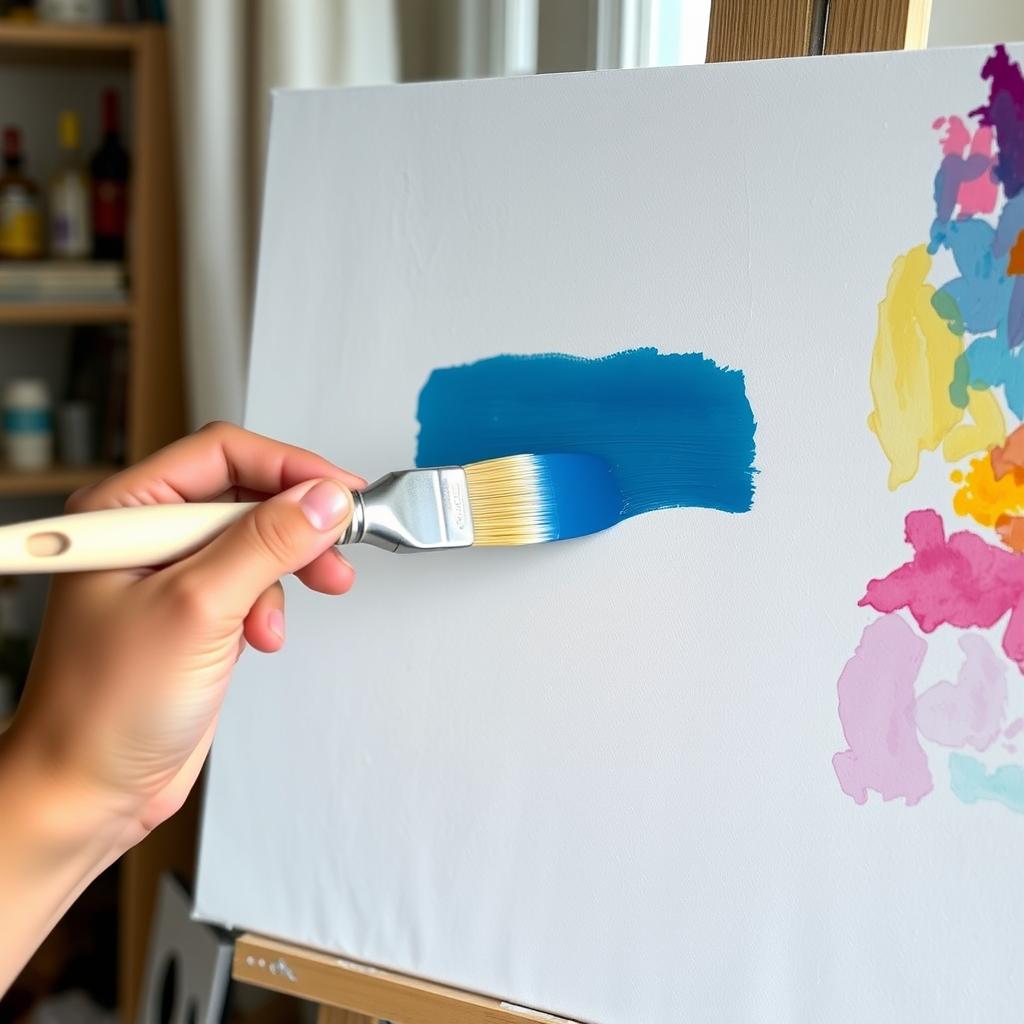
2. Mastering Brush Strokes
Practice these basic strokes: - Flat Wash: Use a wide brush to apply an even layer of diluted paint. - Dry Brush: Dip a dry brush in paint, wipe off excess, and lightly drag for texture. - Blending: Mix two wet colors on the canvas for smooth transitions.
Experiment on scrap paper first. I found blending tricky at first, but practicing on small surfaces helped me get the hang of it.
3. Understanding Color Mixing
Colors bring your painting to life. Learn the color wheel: red, blue, and yellow are primary colors, and mixing them creates secondary colors (orange, green, purple). Keep a mixing chart handy to track combinations. Start with small amounts of paint to avoid waste.
Tool Organization Tips for Painters
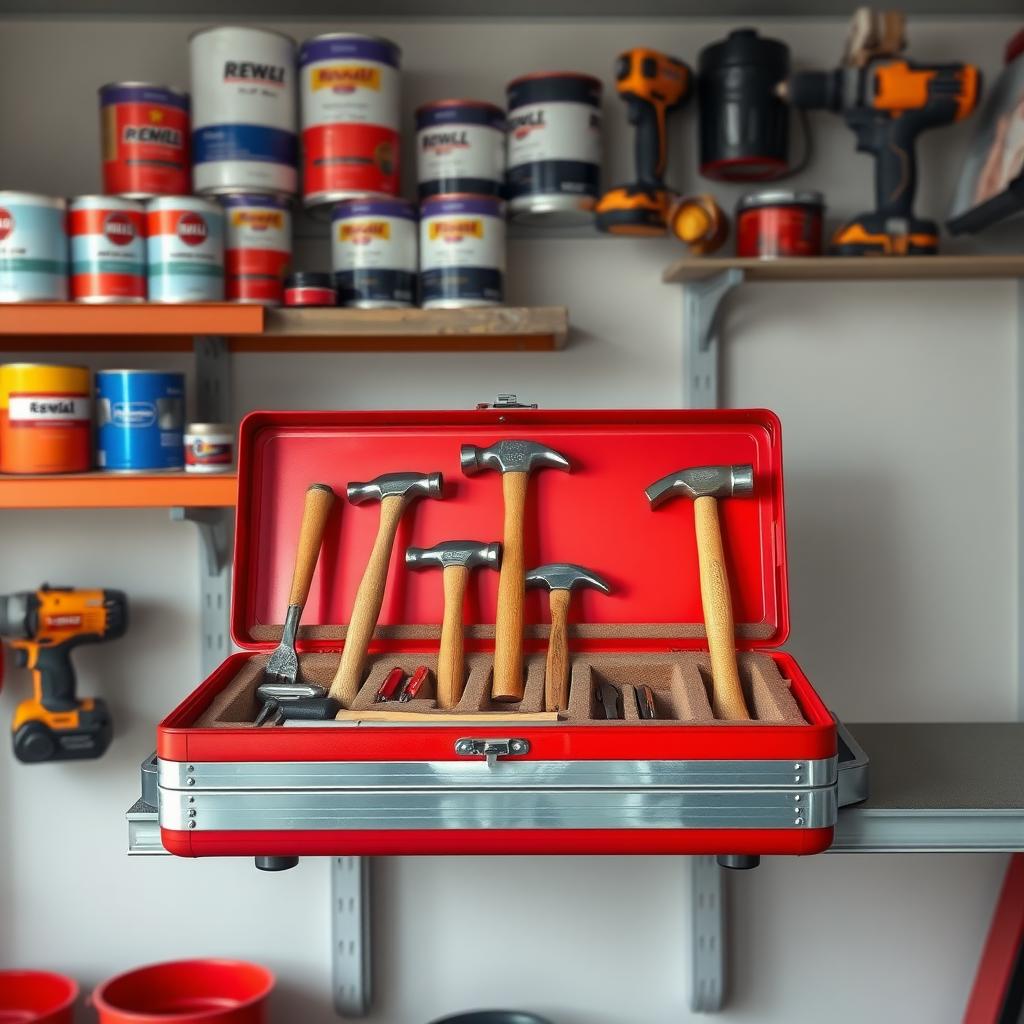
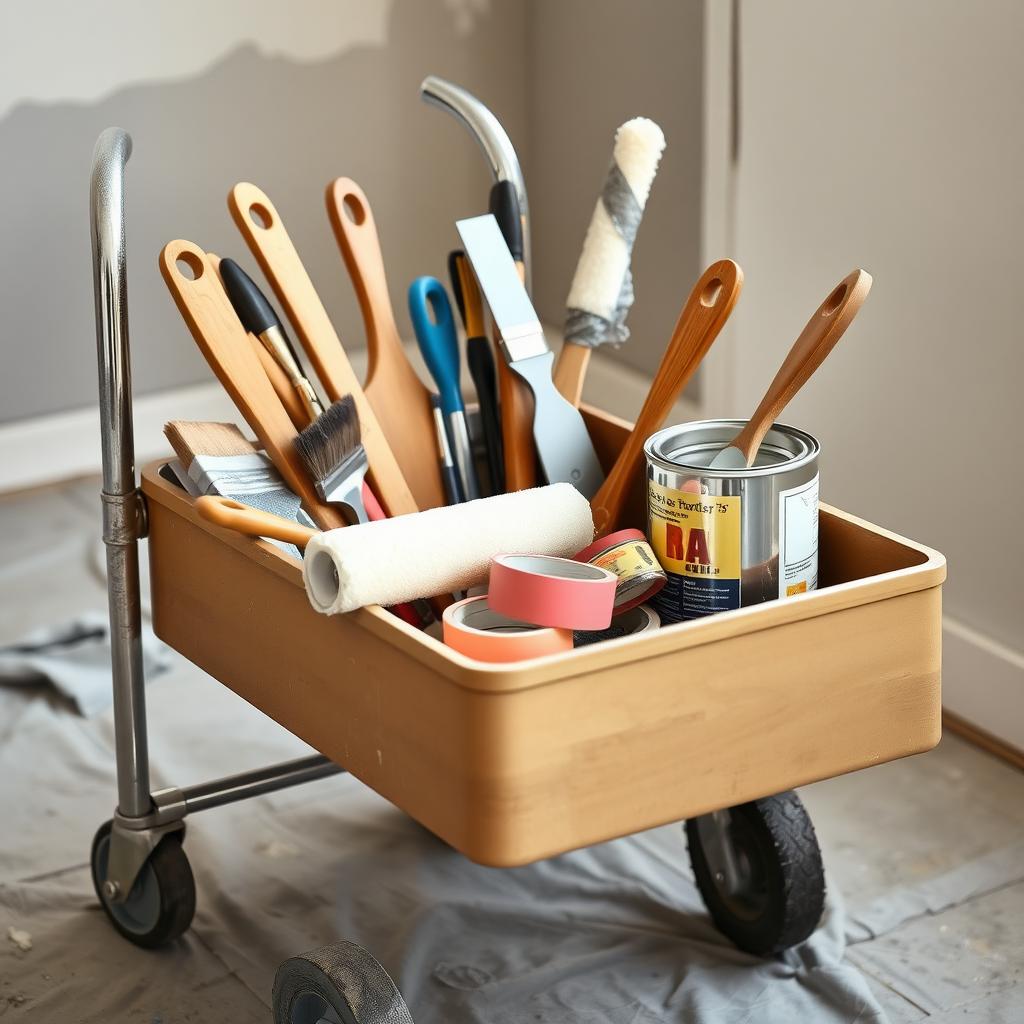
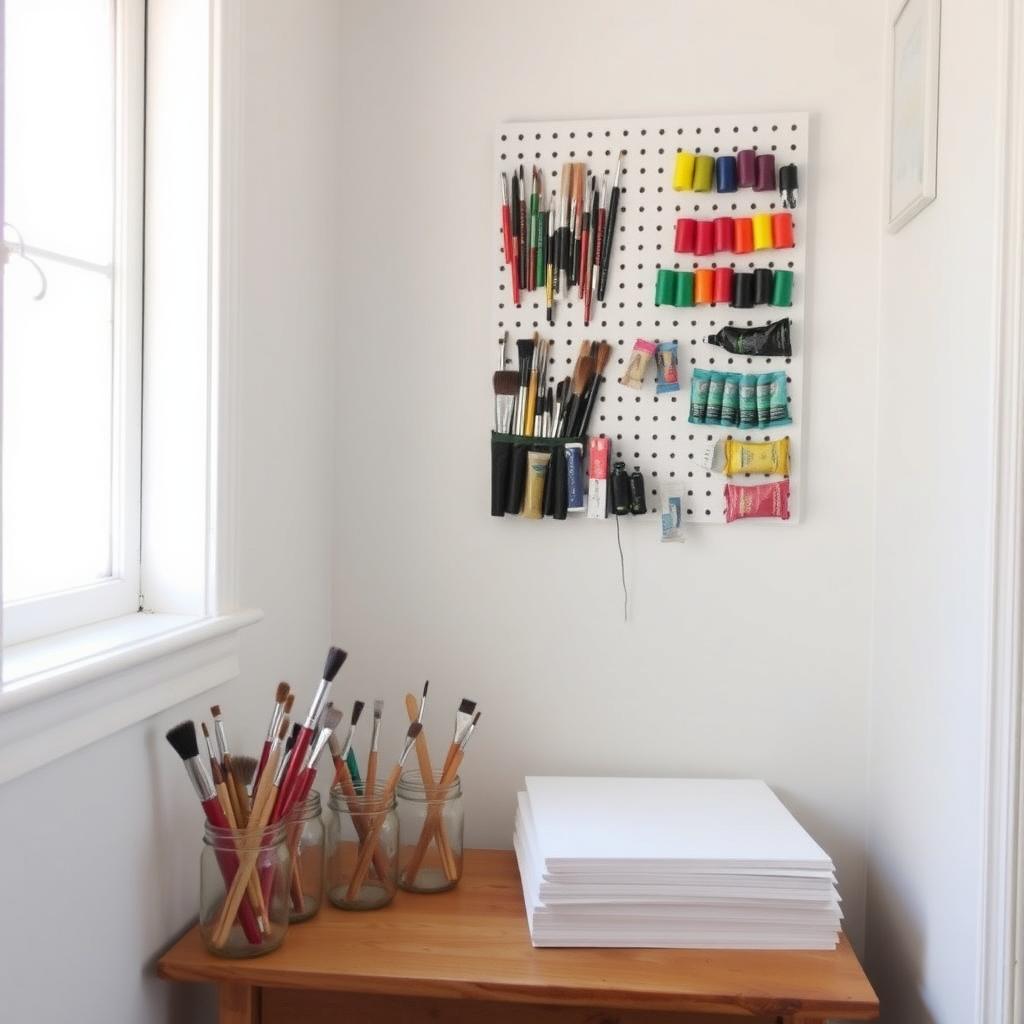
A cluttered workspace kills creativity. Tool Organization Tips for Painters can transform your painting experience. Keep your tools accessible with these ideas:
- Use a Brush Holder: A ceramic mug or a dedicated brush organizer keeps bristles safe.
- Label Paint Tubes: Mark caps with a dot of the color inside for quick identification.
- Store Canvases Vertically: Save space by stacking canvases upright in a rack or box.
I learned this the hard way after knocking over paint tubes mid-session. A tidy space keeps you focused and inspired.
5 DIY Storage Ideas for Small Spaces
If you’re painting in a small apartment, space is precious. Here are 5 DIY Storage Ideas for Small Spaces to keep your tools organized:
| Idea | Description | Materials Needed |
|---|---|---|
| Wall-Mounted Brush Rack | Screw a wooden strip to the wall and attach small hooks for brushes. | Wood strip, hooks, screws |
| Mason Jar Storage | Use jars for brushes and small tools; glue lids to a shelf for easy access. | Mason jars, glue, shelf |
| Pegboard Organizer | Hang a pegboard to hold brushes, palettes, and paint tubes. | Pegboard, hooks, paint |
| Stackable Crates | Stack plastic crates for canvases and supplies; label for easy access. | Plastic crates, labels |
| Under-Table Bins | Slide flat bins under a table for paper and sketchbooks. | Flat storage bins |
These solutions are budget-friendly and easy to set up. I use mason jars in my tiny studio—they’re both practical and stylish.
Common Beginner Mistakes to Avoid
When I started, I made plenty of mistakes. Here are some to watch out for:
- Overloading the Brush: Too much paint leads to globs. Dip just the tip.
- Skipping the Sketch: Lightly sketch your composition first to guide your painting.
- Ignoring Drying Times: Acrylics dry fast, but oils need days. Plan accordingly.
Patience is key. My first painting was a mess because I rushed. Take your time, and you’ll see progress.
Building Confidence Through Practice
Painting is a skill that grows with practice. Set aside 30 minutes a day to experiment with strokes or colors. Join online communities like those on Reddit or YouTube tutorials for inspiration (check out sources like The Art Assignment). Share your work, even if it’s not perfect—it’s how you grow.
Summary
Painting Techniques for Beginners: A Step-by-Step Guide is about starting simple and building skills. From choosing tools to mastering strokes and keeping your workspace organized, these tips make painting approachable. With practice and the right setup, you’ll be painting like a pro in no time. Keep experimenting, stay organized, and enjoy the creative process!
Related Painting Techniques for Beginners: A Step-by-Step Guide:
- The Evolution of Workman Tools: From Stone Age to Modern Day
- Best Ratcheting Wrenches for Fast Repairs: Your Ultimate Guide
- A Guide to Choosing the Right Wrenches for Any Job
- Top 10 Essential Tools for Every Workman’s Toolbox
- How to Care for Your Workman Tools: A Comprehensive Guide
- Table Saws with Advanced Safety Mechanisms: Your Guide to Safer Woodworking
- How to Prep Your Walls for a Perfect Paint Job
- How to Choose the Right Hammer for Any Job
- 10 Essential Power Tools for Every Workshop
- Tool Organization Tips for Painters: Keep Your Workspace Efficient
- Essential Safety Gear for DIY Projects: Protecting Yourself and Your Tools
- The Role of Technology in Improving Construction Safety