Overview
Choosing the right workman tools can make or break a project. Whether you're a seasoned professional or a DIY enthusiast, having reliable hand tools is essential for efficiency and quality. This Comprehensive Guide to Choosing Workman Tools covers everything from selecting durable tools to maintaining them for long-term use. Expect practical tips, personal insights, and actionable advice to help you build a toolkit that lasts.
Why Quality Workman Tools Matter
I’ve learned the hard way that cheap tools often cost more in the long run. A flimsy screwdriver that strips or a dull saw that snags can turn a simple job into a frustrating ordeal. Quality workman tools save time, reduce effort, and deliver better results. They’re an investment in your craft, whether you’re fixing a leaky faucet or building a custom bookshelf.
When choosing tools, prioritize durability, ergonomics, and versatility. A well-made tool feels balanced in your hand and performs reliably under pressure. For example, a sturdy hammer with a comfortable grip can drive nails smoothly without straining your wrist. Quality also means fewer replacements, which is better for your wallet and the environment.
Types of Essential Hand Tools
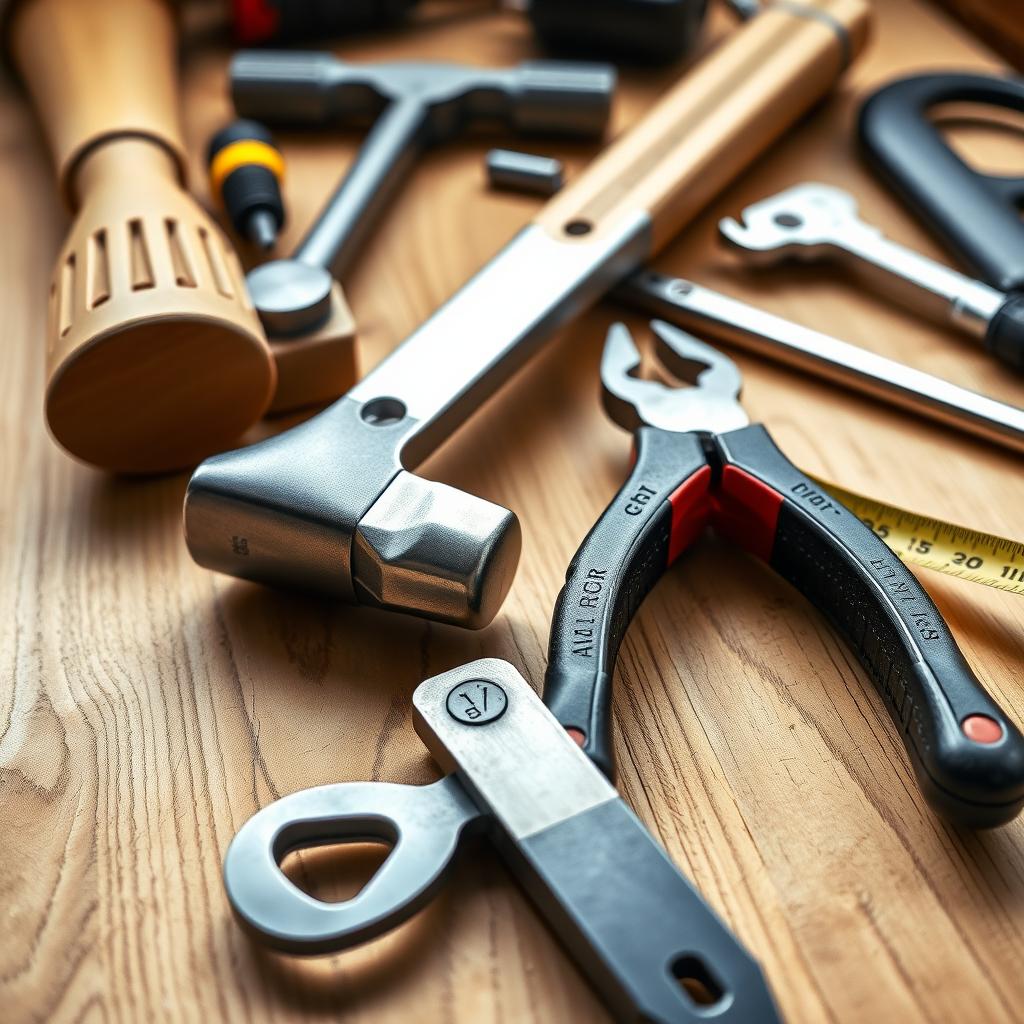
Hand tools are the backbone of any toolkit. Here’s a breakdown of must-have categories and what to look for in each:
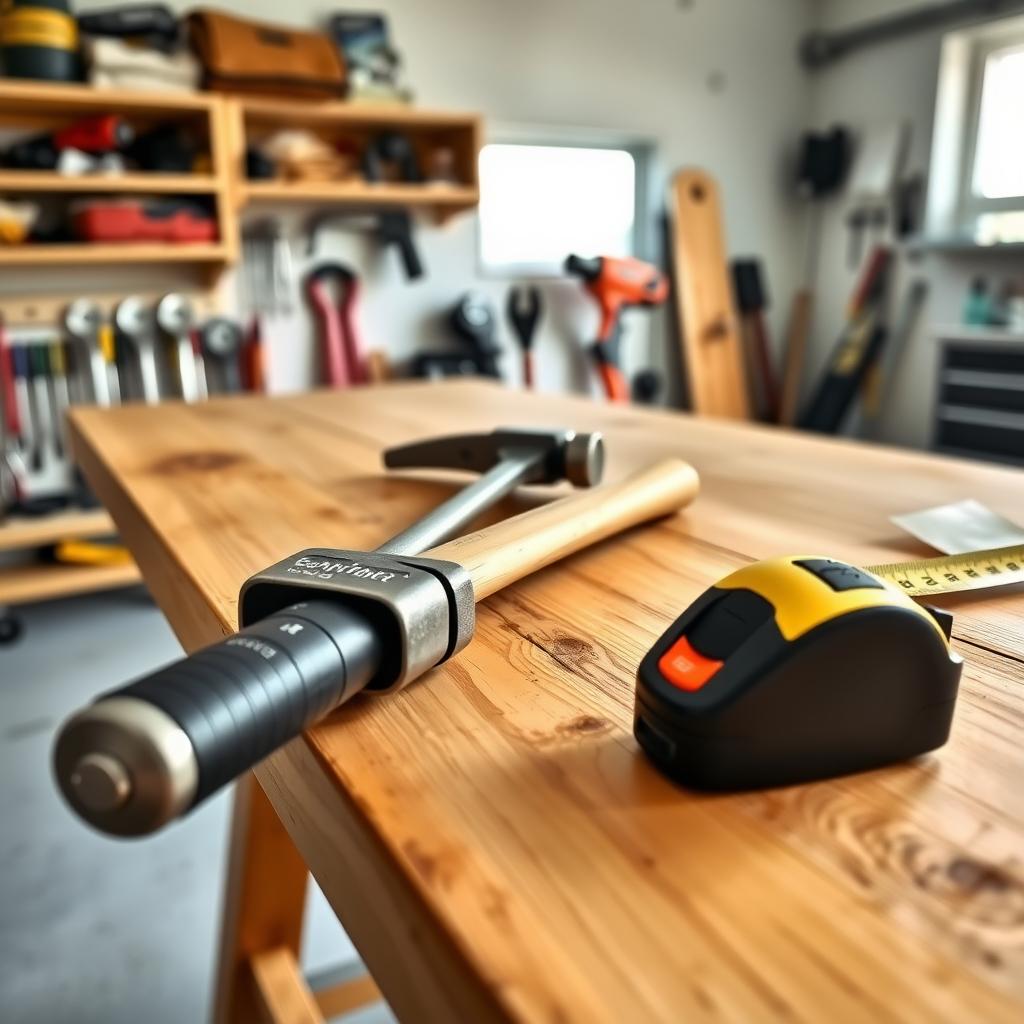
- Hammers: Choose a claw hammer for versatility. A 16-ounce model with a steel or fiberglass handle offers a good balance of weight and durability. Look for a non-slip grip to reduce fatigue.
- Screwdrivers: Invest in a set with multiple tip types (Phillips, flathead, and Torx). Magnetic tips make screw handling easier, and hardened steel ensures longevity.
- Pliers: Needle-nose pliers are great for precision work, while slip-joint pliers handle larger tasks. Ensure the jaws align properly to avoid slippage.
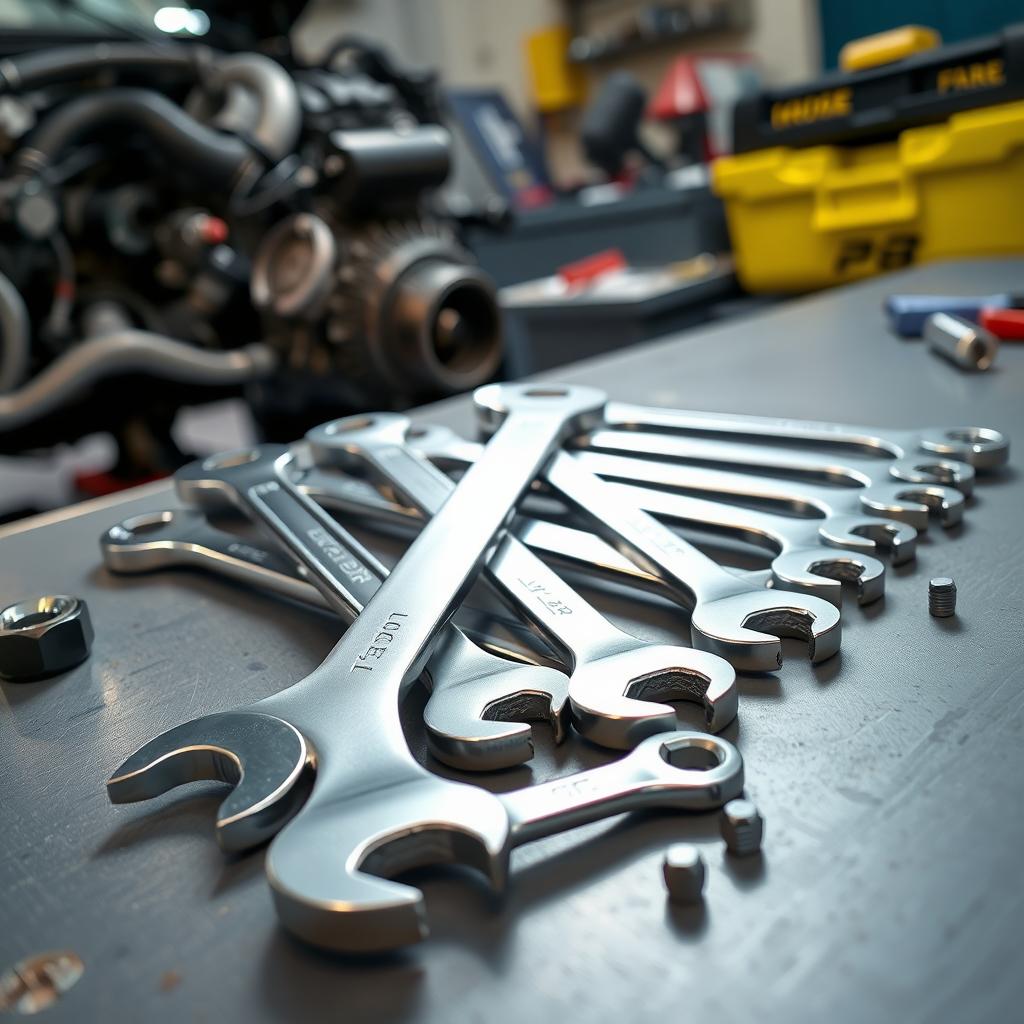
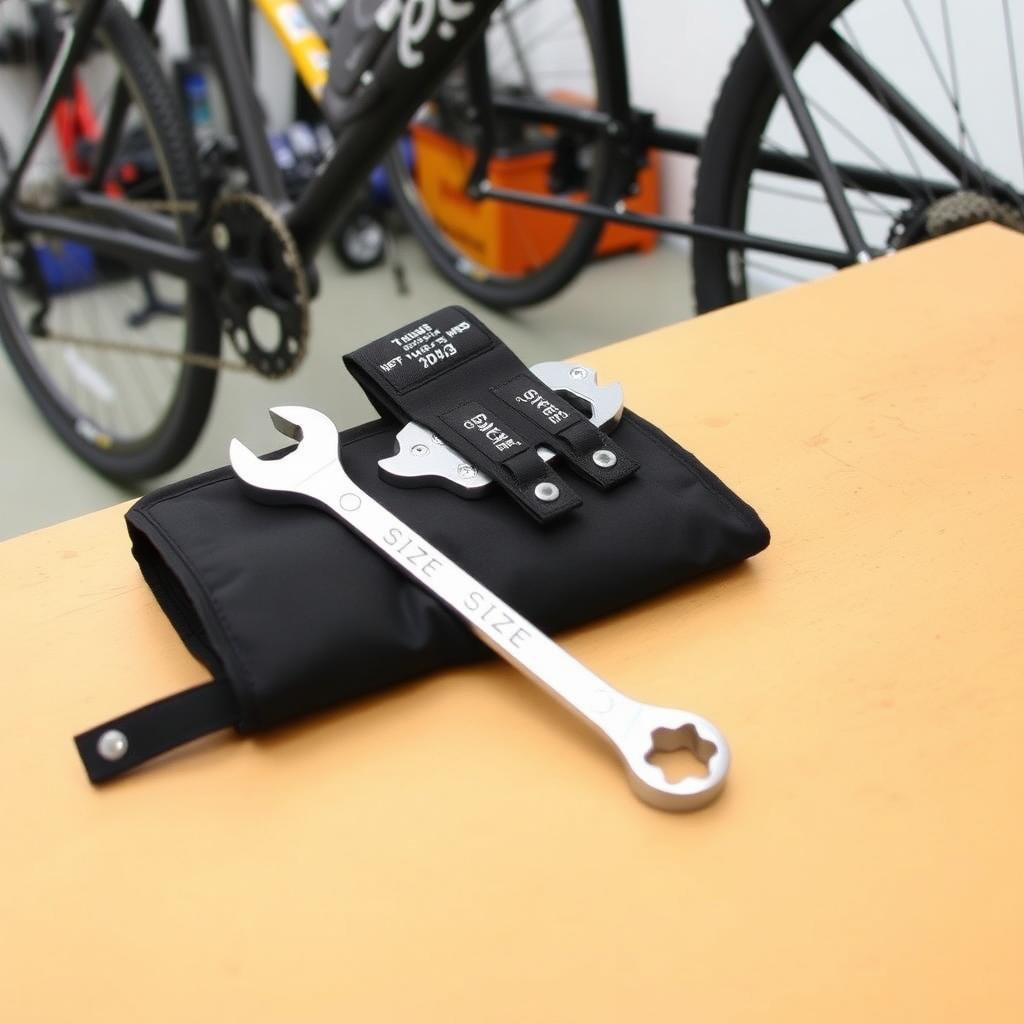
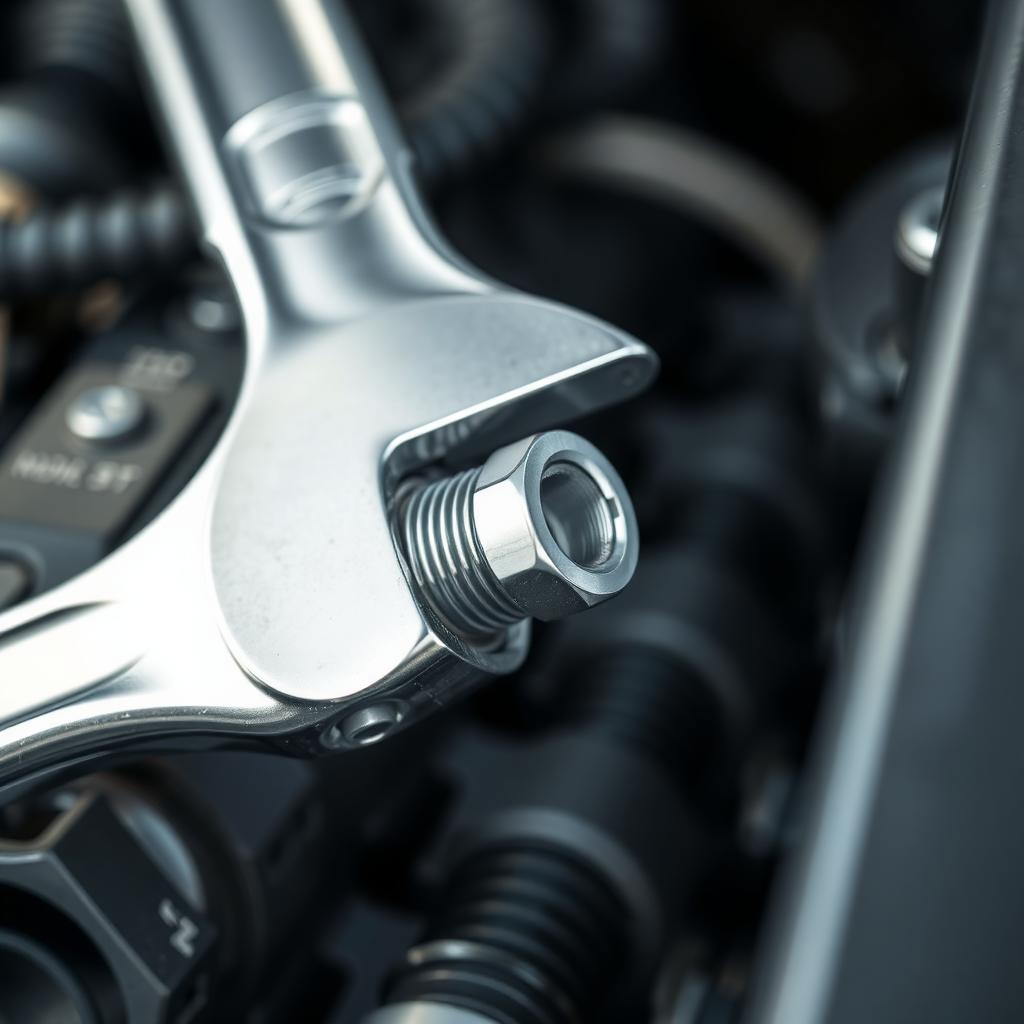
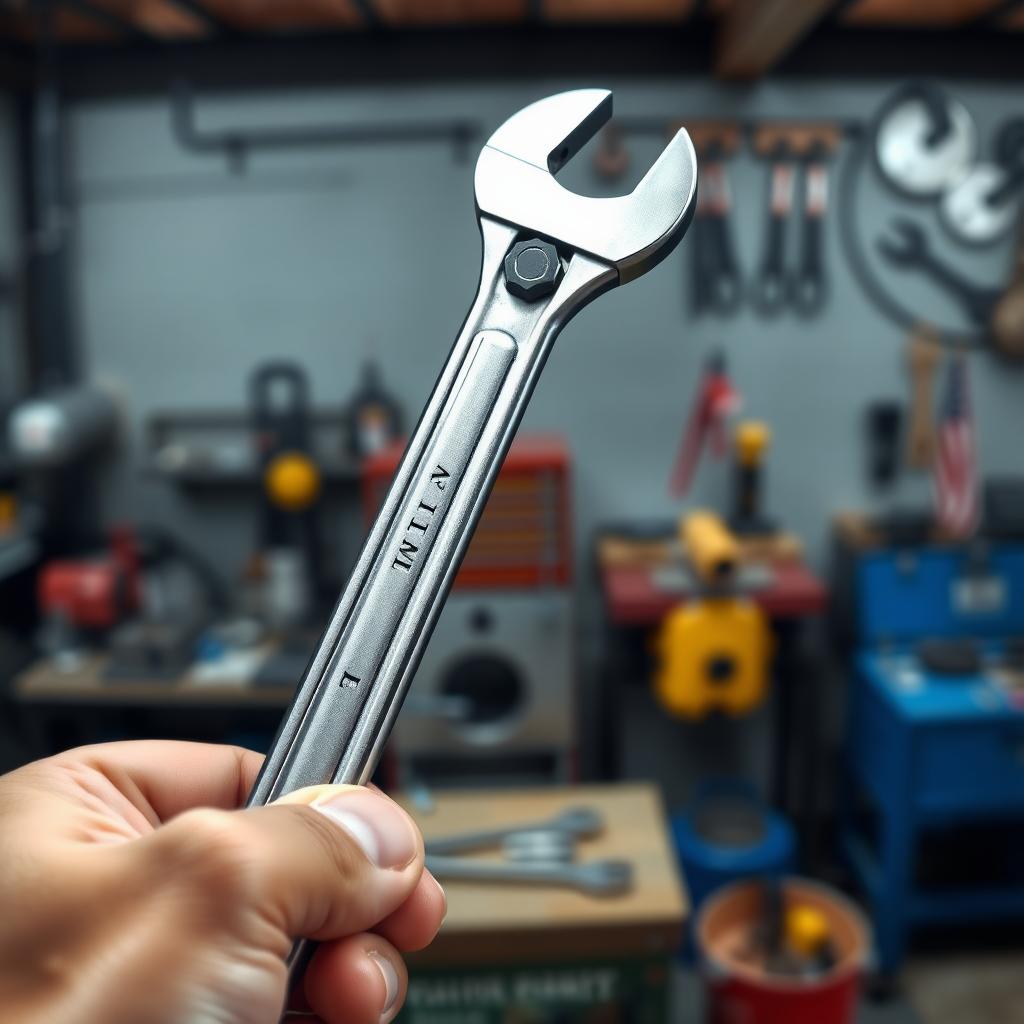
- Wrenches: An adjustable wrench is a must for various bolt sizes. A ratchet wrench set can speed up repetitive tasks.
- Measuring Tools: A 25-foot tape measure with a locking mechanism is ideal for most projects. For precision, consider a combination square.
When I started woodworking, I underestimated the value of a good tape measure. A cheap one kept retracting poorly, throwing off my cuts. Switching to a sturdy, lockable model made all the difference.
How to Choose the Right Workman Tools
Selecting tools isn’t just about brand names—it’s about matching the tool to your needs. Here are key factors to consider:
| Factor | What to Look For |
|---|---|
| Material | Steel or chrome-vanadium for durability; avoid low-grade metals. |
| Ergonomics | Comfortable grips reduce strain during long projects. |
| Brand Reputation | Research brands with a history of reliability (e.g., Stanley, DeWalt). |
| Warranty | Lifetime warranties signal quality and manufacturer confidence. |
| Price vs. Value | Mid-range tools often balance cost and performance for most users. |
I once bought a bargain-bin wrench that bent after one use. Now, I check reviews and test the tool’s weight and balance before buying. Visiting a store to hold the tool in person can reveal more than any online description.
Hand Tools Maintenance Tips
Proper care extends the life of your workman tools. Here are my go-to hand tools maintenance tips to keep them in top shape:
- Clean After Use: Wipe tools with a dry cloth to remove dirt, grease, or sawdust. For stubborn grime, use a mild cleaner like WD-40, but avoid soaking.
- Prevent Rust: Store tools in a dry place. I use silica gel packets in my toolbox to absorb moisture. A thin coat of oil on metal surfaces also helps.
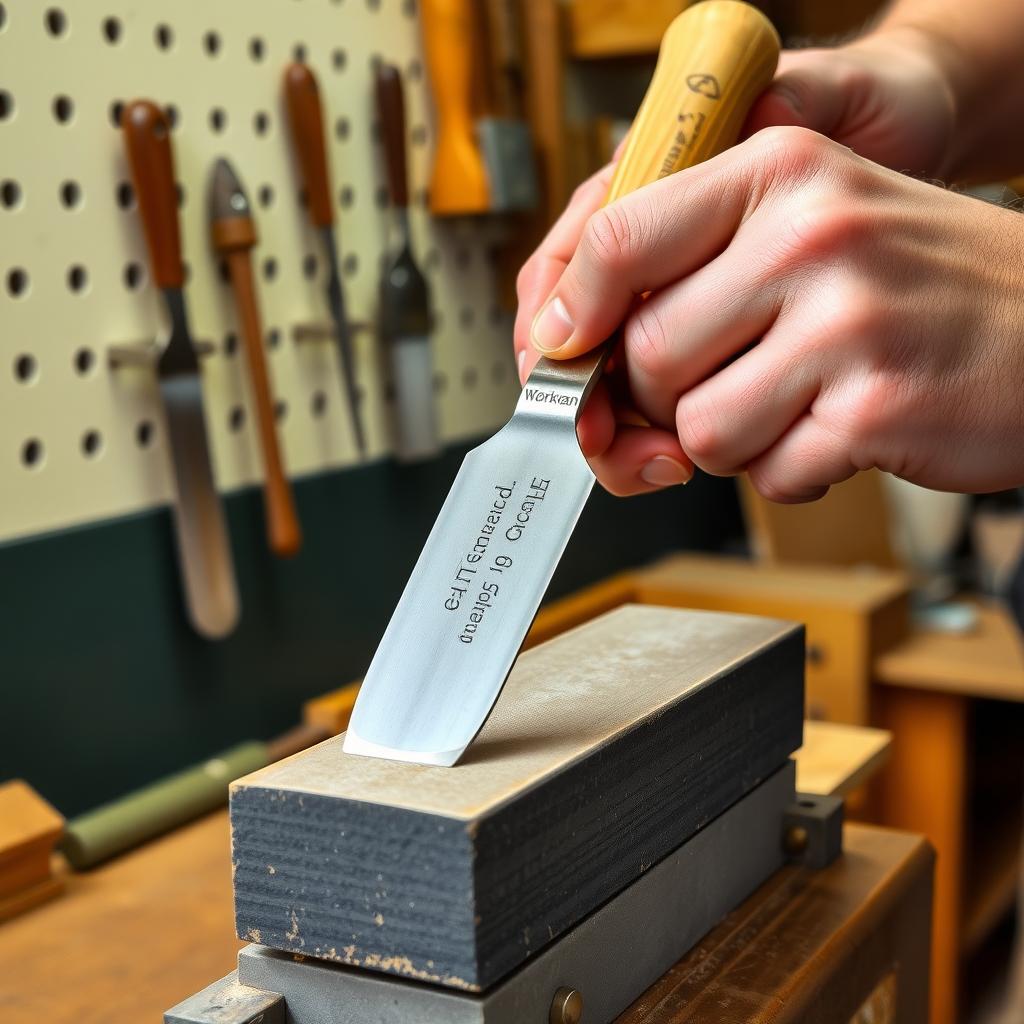
- Sharpen Blades: Dull chisels or utility knives are dangerous and ineffective. Use a sharpening stone or file regularly, keeping a consistent angle.
- Check Alignment: Pliers and wrenches can loosen over time. Tighten pivot points or replace worn parts to maintain precision.
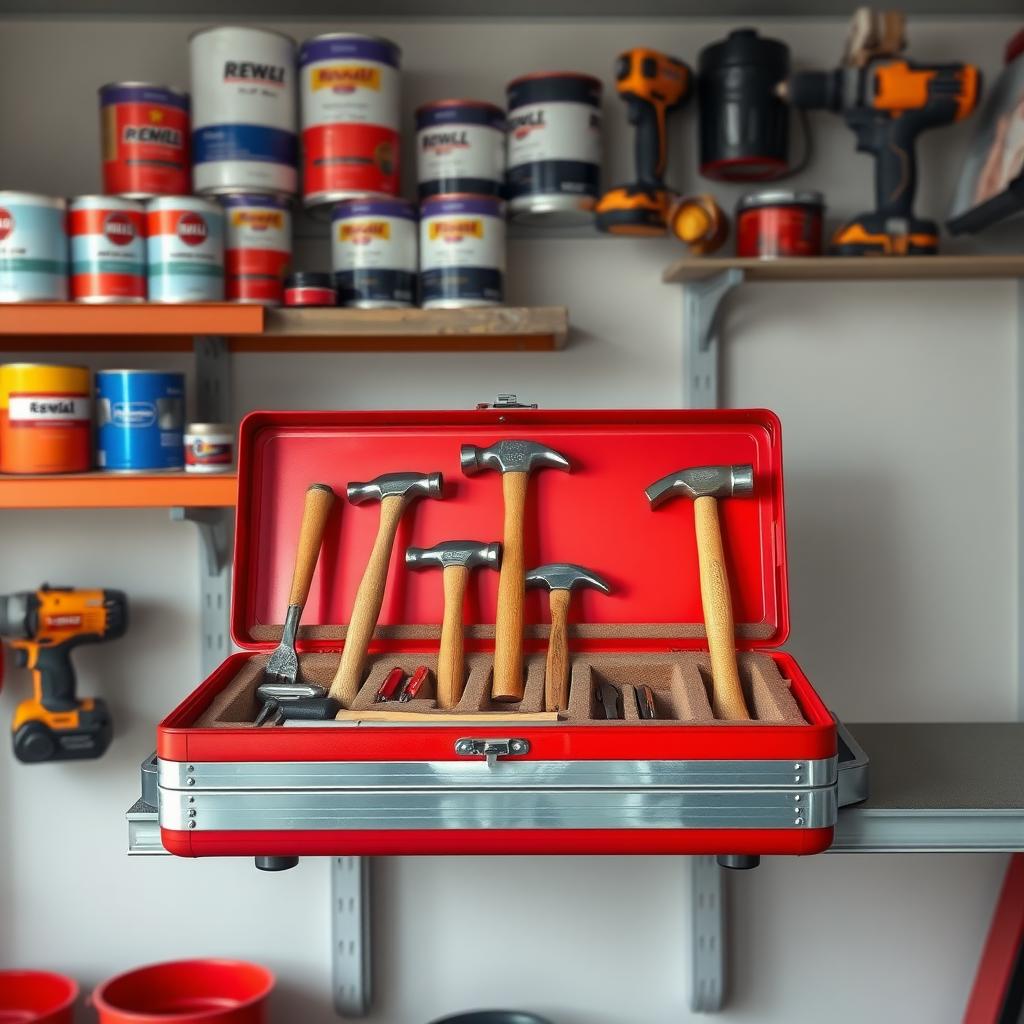
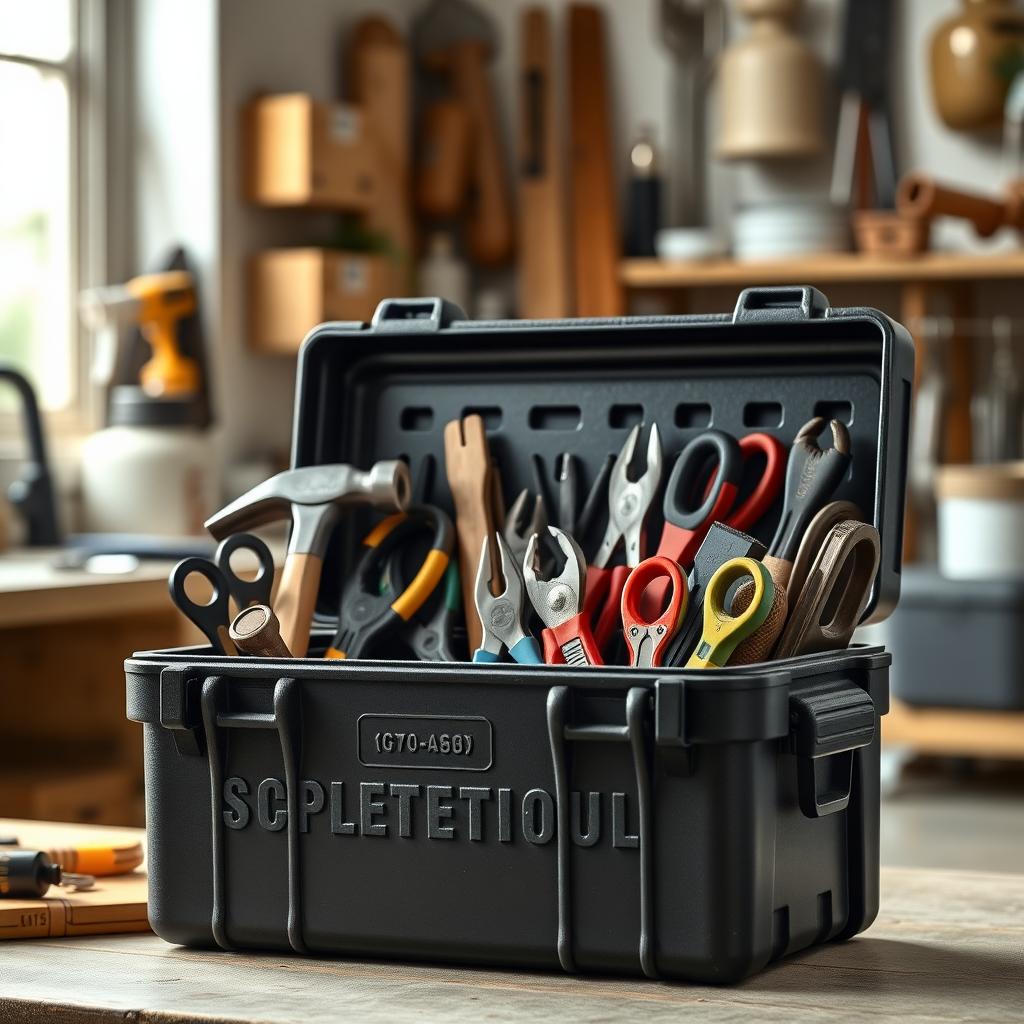
- Organize Properly: A toolbox or pegboard prevents damage from tools banging into each other. I learned this after a hammer dented my favorite screwdriver.
One summer, I left my tools in a damp garage, and rust crept in. Now, I make it a habit to inspect and clean them weekly, especially after outdoor projects. For more detailed maintenance advice, check resources like Popular Mechanics’ tool care guide.
Common Mistakes to Avoid
Even experienced workers make mistakes when choosing or using tools. Here are pitfalls to watch out for:
- Buying Too Cheap: Low-cost tools often break or underperform. Spend a bit more for reliability.
- Ignoring Ergonomics: A poorly designed handle can cause blisters or strain. Test tools for comfort.
- Overlooking Storage: Tools tossed in a pile get damaged. Invest in a toolbox or wall rack.
- Skipping Maintenance: Neglecting cleaning or sharpening reduces tool life and performance.
I once grabbed a discount screwdriver set that felt great in the store but failed mid-project. Now, I prioritize tools with solid reviews and ergonomic designs, even if they cost a bit more.
Where to Buy Workman Tools
You can find quality tools at hardware stores, online retailers, or specialty shops. Here’s a quick guide:
- Local Hardware Stores: Great for hands-on testing. Staff often offer practical advice.
- Online Retailers: Amazon and Home Depot have wide selections and user reviews. Check return policies.
- Specialty Brands: Brands like Klein Tools or Milwaukee cater to professionals and offer premium options.
I prefer browsing local stores to feel the tool’s weight, but online deals often save money. Compare prices and read reviews to avoid duds. For example, The Home Depot’s tool guide is a solid starting point for beginners.
Final Thoughts
Building a reliable toolkit takes time and thought, but it’s worth the effort. By choosing quality workman tools, prioritizing ergonomics, and following hand tools maintenance tips, you’ll set yourself up for success. Start with versatile essentials, maintain them well, and avoid common pitfalls. Your projects—and your hands—will thank you.
This Comprehensive Guide to Choosing Workman Tools is just the beginning. Explore more resources to refine your skills and keep your tools in top condition.
Related Comprehensive Guide to Choosing Workman Tools:
- Guide to Choosing Durable Hand Tools - This Old House
- The Best Wrenches for Mechanics: Top Picks for Durability and Performance
- The Future of Automation Tech: Revolutionizing Industries with Smart Tools
- Painting Techniques for Beginners: A Step-by-Step Guide
- The Evolution of Workman Tools: From Stone Age to Modern Day
- Best Ratcheting Wrenches for Fast Repairs: Your Ultimate Guide
- A Guide to Choosing the Right Wrenches for Any Job
- Top 10 Essential Tools for Every Workman’s Toolbox
- How to Care for Your Workman Tools: A Comprehensive Guide
- Table Saws with Advanced Safety Mechanisms: Your Guide to Safer Woodworking
- How to Prep Your Walls for a Perfect Paint Job
- How to Choose the Right Hammer for Any Job