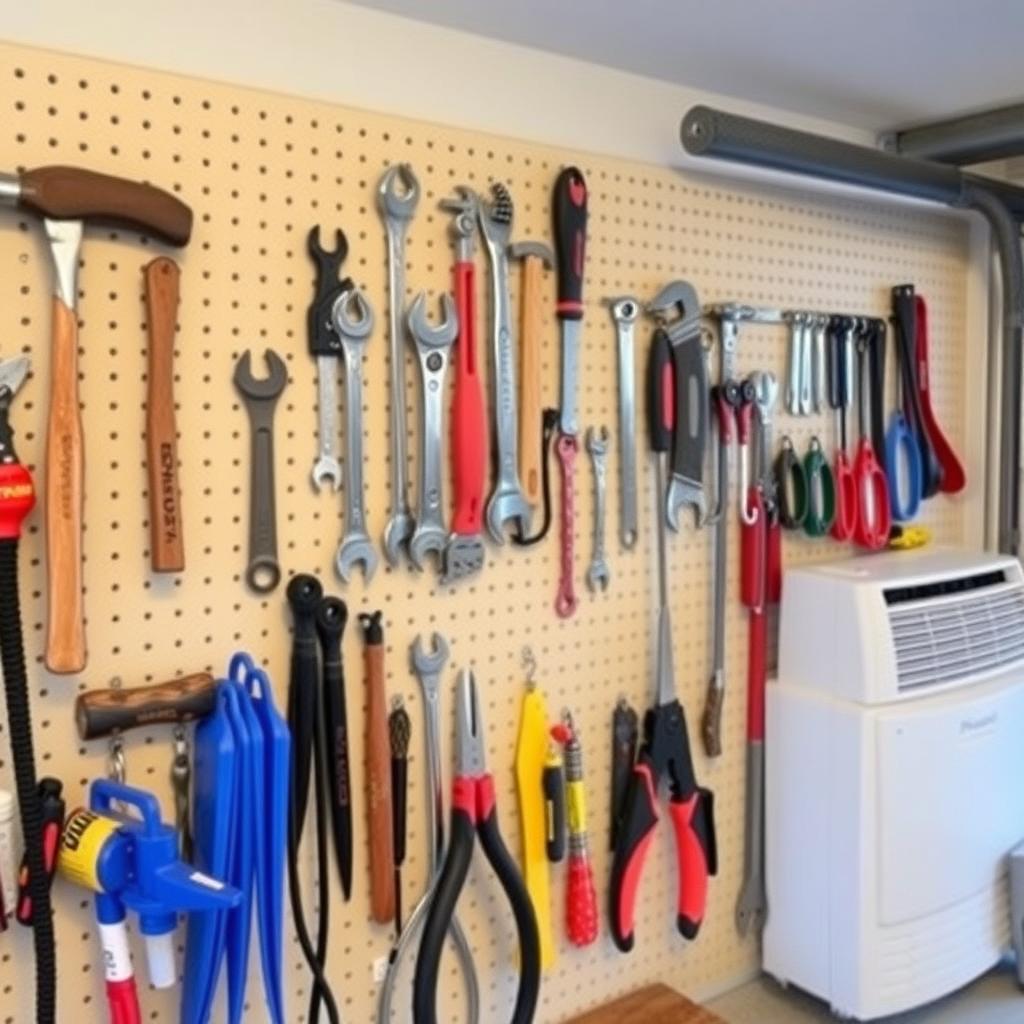
Overview
Starting a journey in electrical work can feel overwhelming, but having the right tools makes all the difference. This guide covers the Essential Electrical Tools Every Beginner Needs, blending practical advice with safety tips and troubleshooting techniques. Whether you're fixing a circuit or wiring a room, these tools will set you up for success.
Why the Right Tools Matter
Electrical work demands precision and safety. The wrong tool can lead to mistakes, damage, or even injury. As a beginner, I remember fumbling with a cheap screwdriver that stripped screws, wasting time and frustrating me. Investing in quality tools early saves headaches and builds confidence. This guide highlights tools that are versatile, reliable, and beginner-friendly, ensuring you’re ready for any task.
Core Tools for Every Beginner
Here’s a breakdown of the must-have tools for electrical work, focusing on functionality and ease of use. These are the tools I wish I had when I started, and they’re perfect for tackling basic repairs or installations.
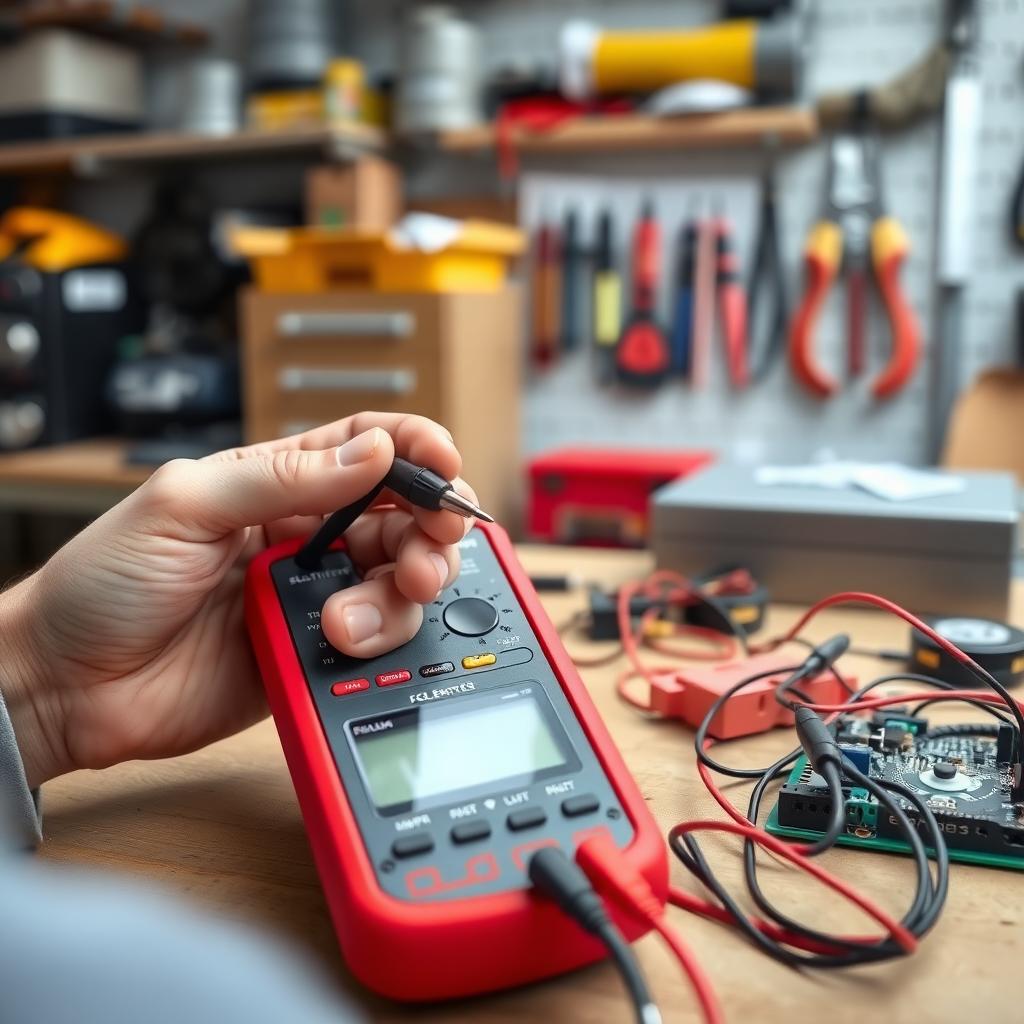
1. Multimeter
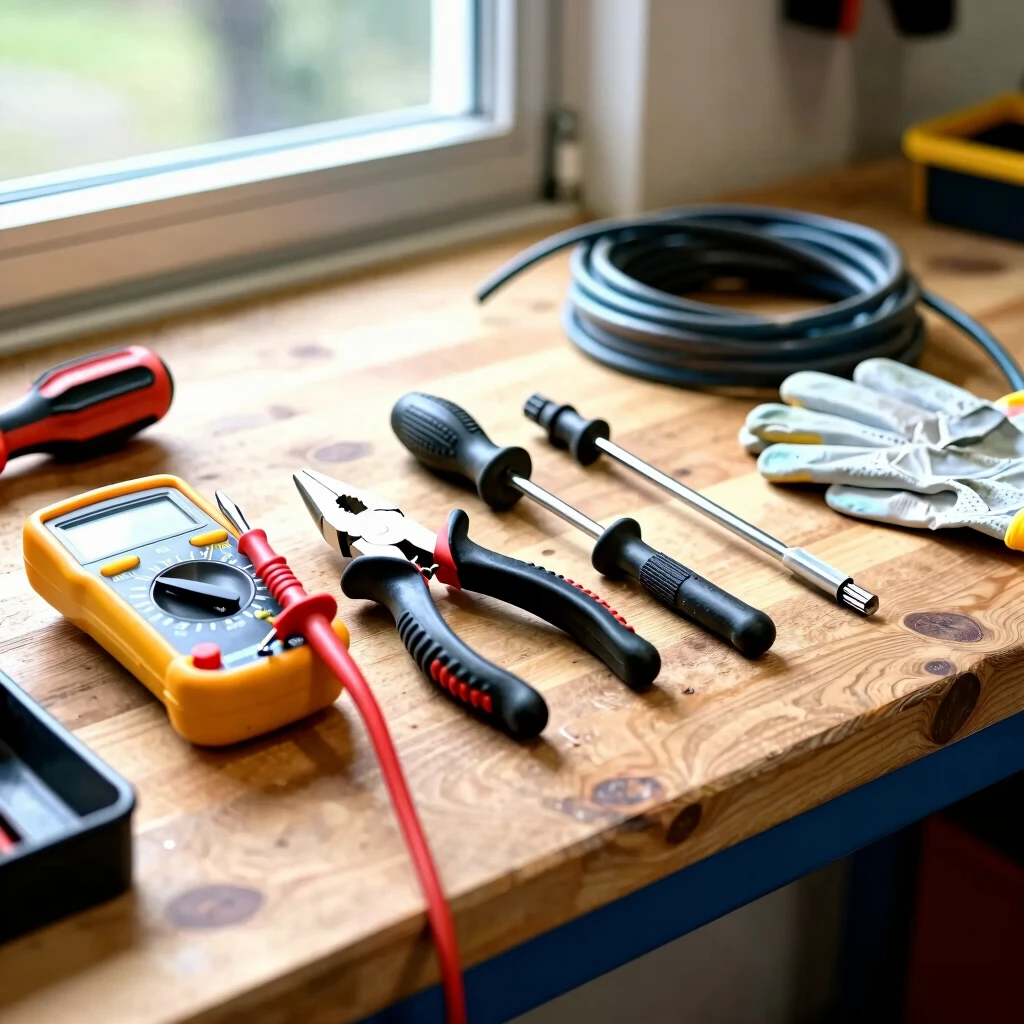
A multimeter is your go-to for electrical tools for troubleshooting and repair. It measures voltage, current, and resistance, helping you diagnose issues like a dead outlet or a faulty circuit. I once used a multimeter to find a hidden short in a wall socket, saving hours of guesswork. Look for a digital model with a clear display for ease of use.
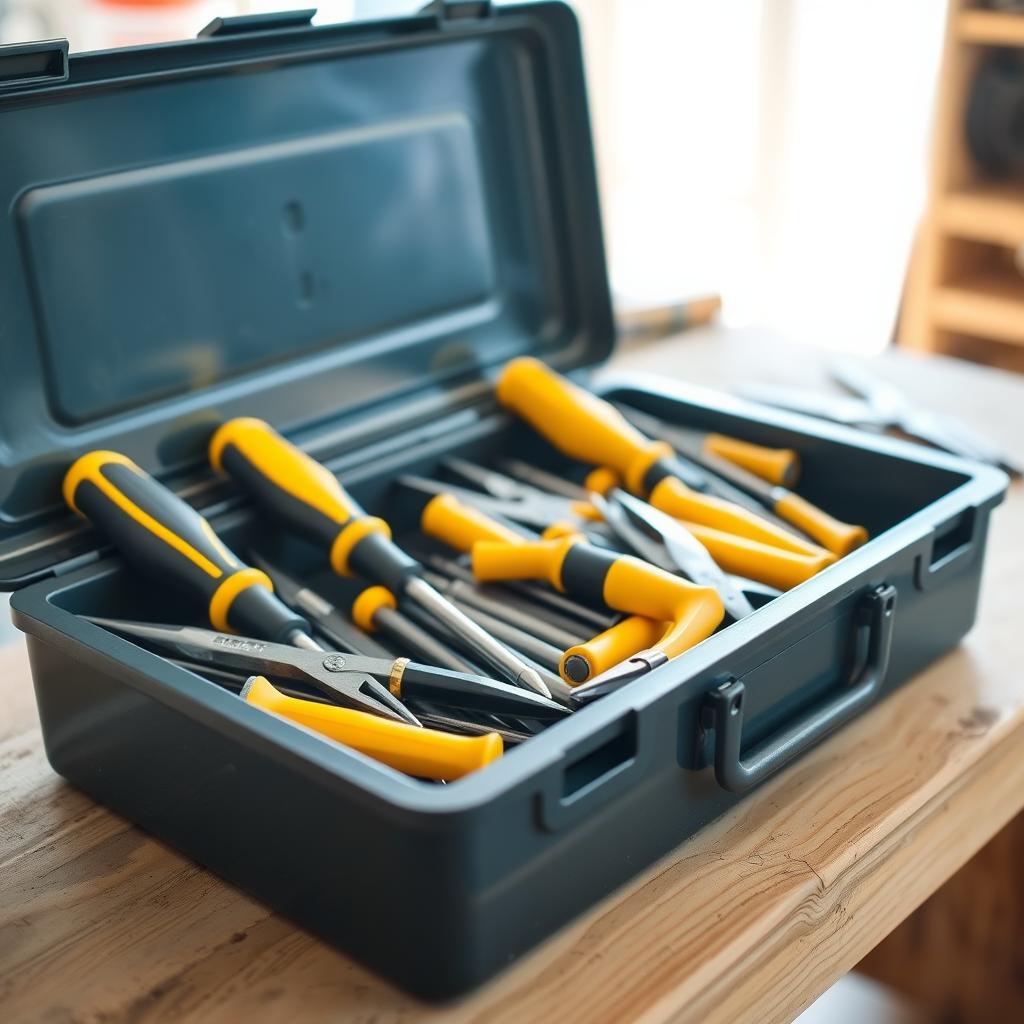
2. Insulated Screwdrivers
Screwdrivers are essential for securing electrical boxes or mounting outlets. Insulated ones protect against accidental shocks. I recommend a set with both Phillips and flathead tips, sized for common electrical screws. My first set lasted years because I chose quality over cheap plastic handles that crack.
3. Wire Strippers
Wire strippers let you remove insulation without damaging the wire. They’re critical for clean connections. I’ve seen beginners struggle with dull strippers that nick wires, causing weak connections. Opt for a pair with adjustable gauges (10-18 AWG is common) to handle most household wiring.
4. Pliers (Needle-Nose and Lineman’s)
Needle-nose pliers are great for precision tasks like bending small wires, while lineman’s pliers handle heavier jobs like twisting thick cables. I keep both in my toolbox because they complement each other. A good grip and insulated handles make all the difference.
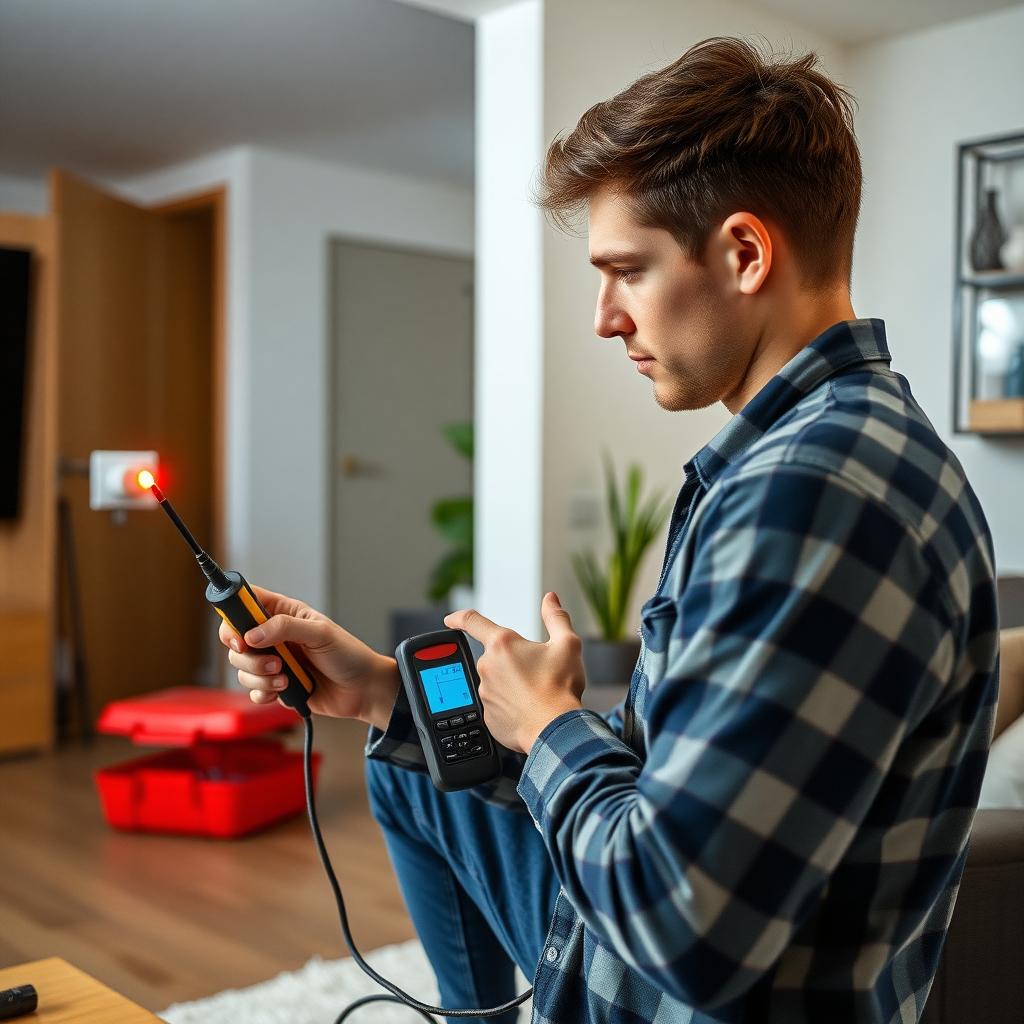
5. Voltage Tester
A non-contact voltage tester is a lifesaver for checking if wires are live before you touch them. It’s simple: point it at a wire, and it beeps or lights up if voltage is present. I’ve avoided shocks thanks to this tool, and it’s a must for Safety Best Practices for Electricians.
6. Electrical Tape and Connectors
Electrical tape insulates exposed wires, and wire connectors (like wire nuts) join wires securely. I always carry a variety of connectors for different wire sizes. Quality tape resists heat and stays put, unlike the cheap stuff that peels off.
Safety Best Practices for Electricians
Safety isn’t just a buzzword—it’s non-negotiable. When I started, I underestimated the risks and nearly shocked myself working on a live circuit. Here are key safety tips: - Always turn off the power: Use a circuit breaker or fuse box to cut power before starting work. - Double-check with a voltage tester: Confirm wires are dead before touching them. - Wear insulated gloves: These add an extra layer of protection. - Keep a fire extinguisher nearby: Electrical fires can happen fast. - Work in a dry environment: Water and electricity don’t mix. For more on electrical safety, check out the Occupational Safety and Health Administration (OSHA) guidelines for practical tips.
Advanced Troubleshooting Techniques for Electricians
Troubleshooting is where beginners become pros. Here are techniques to master: - Start with the obvious: Check for loose connections or tripped breakers before diving deeper. - Use a multimeter systematically: Test voltage at each point in a circuit to pinpoint faults. - Map the circuit: Sketch the wiring layout to understand connections. I once solved a flickering light issue by tracing the circuit back to a loose neutral wire. - Check for overloads: Too many devices on one circuit can cause issues. Use a clamp meter to measure current draw. For detailed troubleshooting steps, the National Fire Protection Association (NFPA) offers excellent resources on electrical diagnostics.
Choosing Quality Over Quantity
When building your toolkit, prioritize quality. Cheap tools wear out fast and can compromise safety. I learned this the hard way when a bargain-bin wire stripper broke mid-job. Brands like Klein Tools or Fluke are trusted for durability. The Institute of Electrical and Electronics Engineers (IEEE) recommends investing in tools that meet industry standards for long-term reliability.
Organizing Your Tools
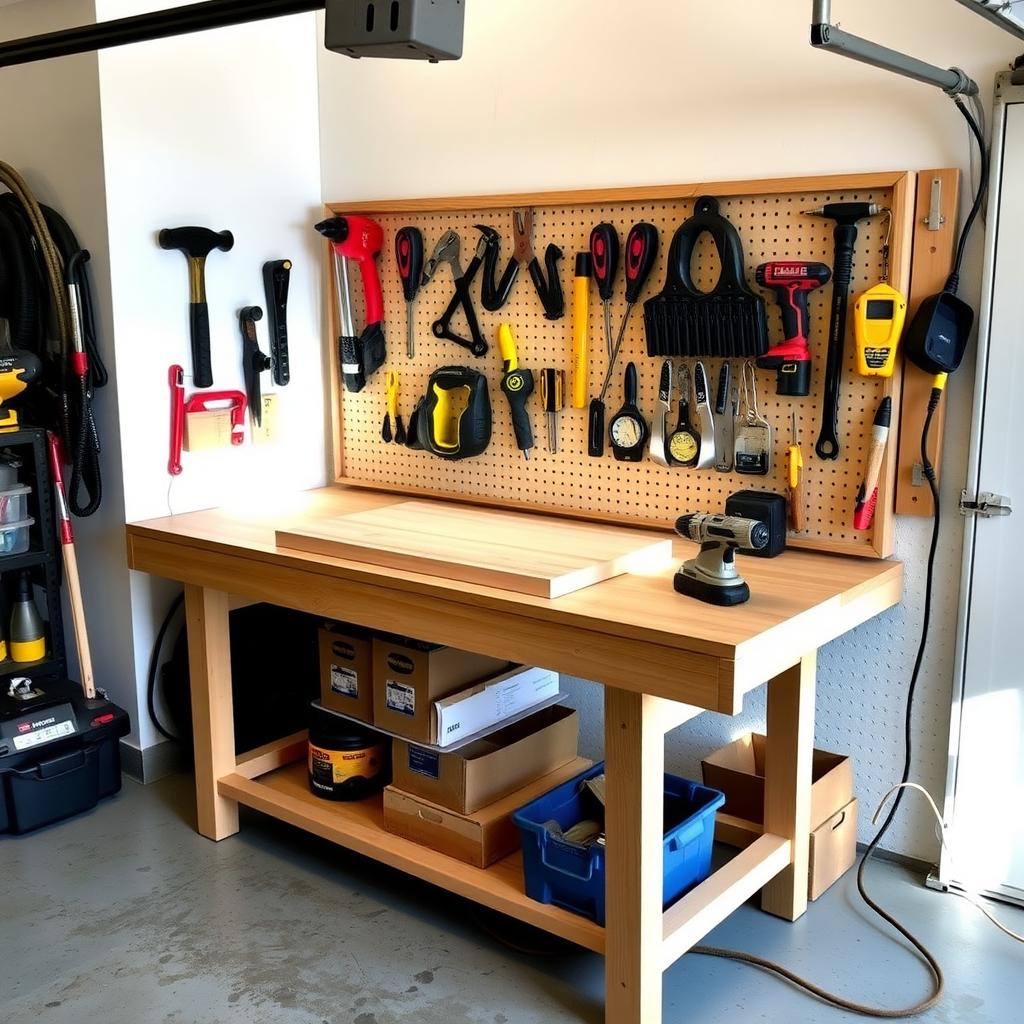
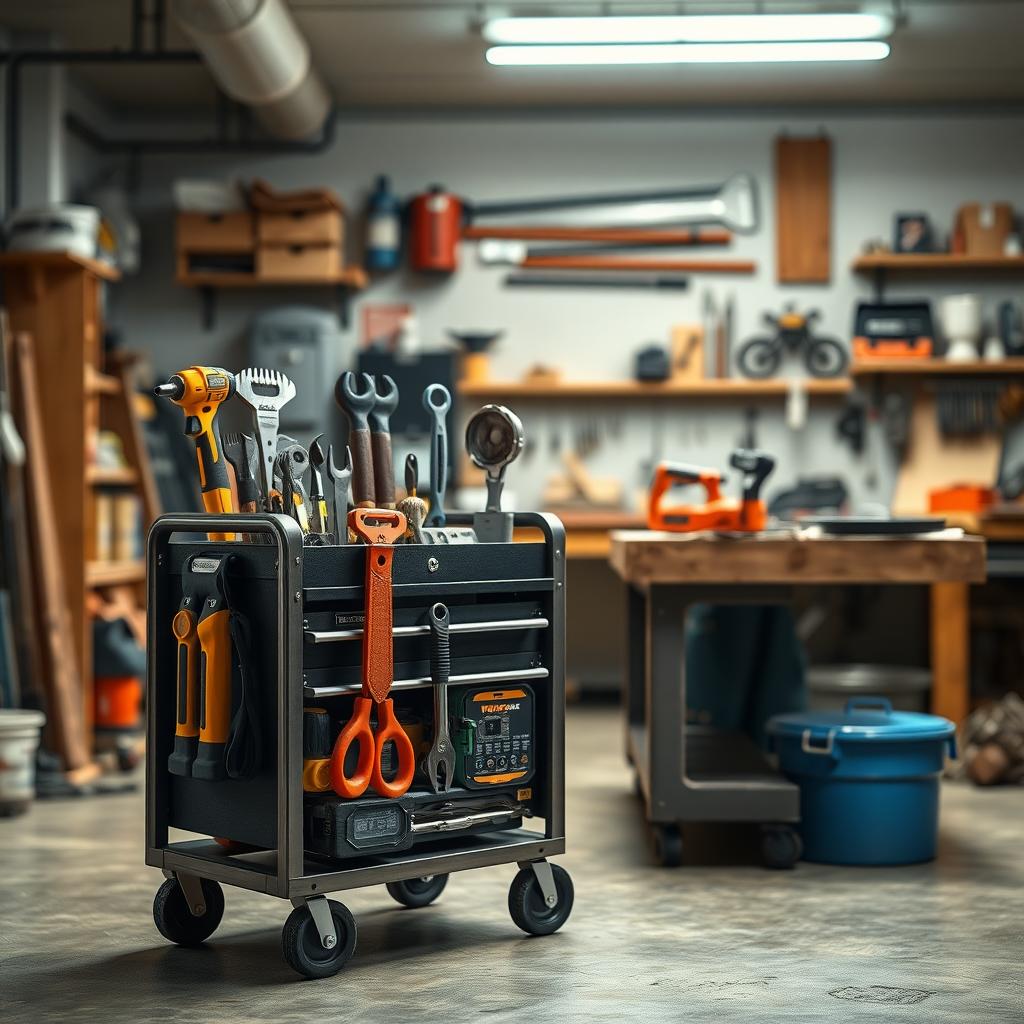
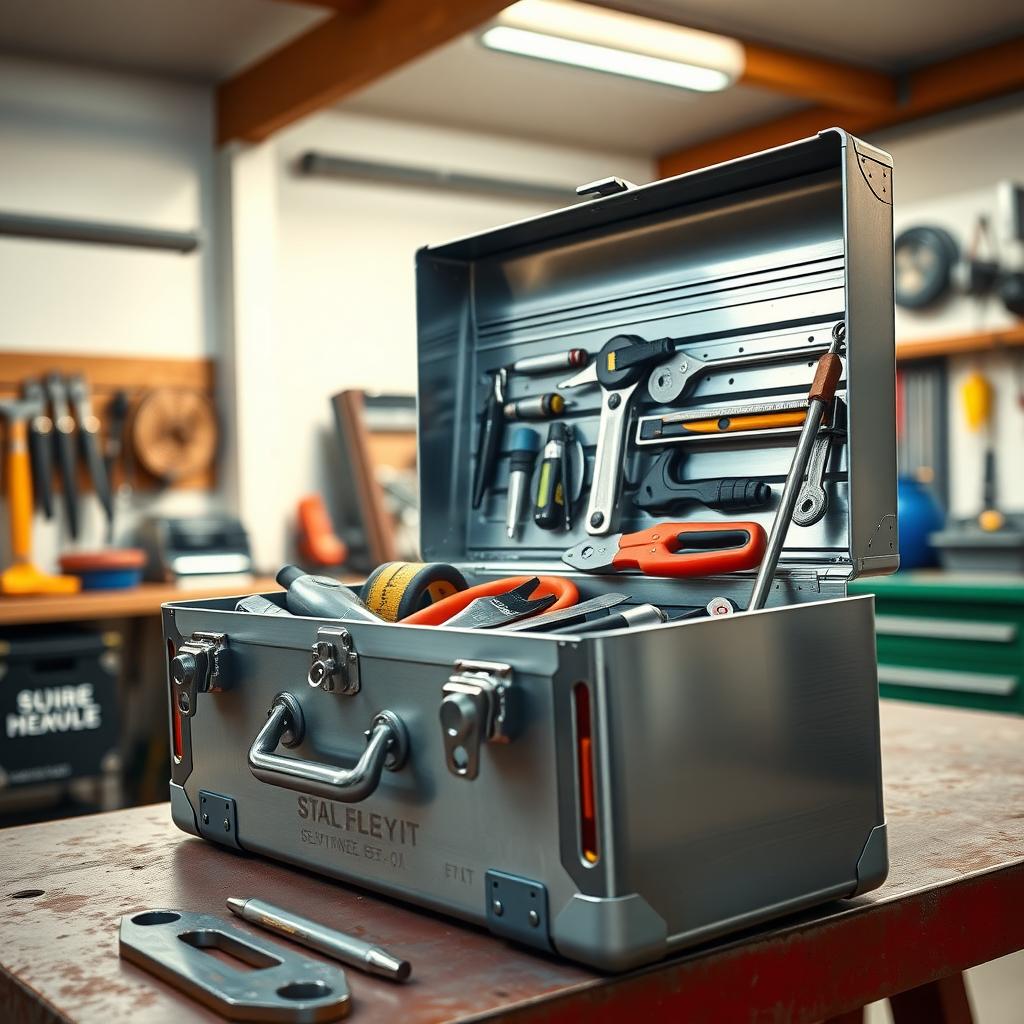
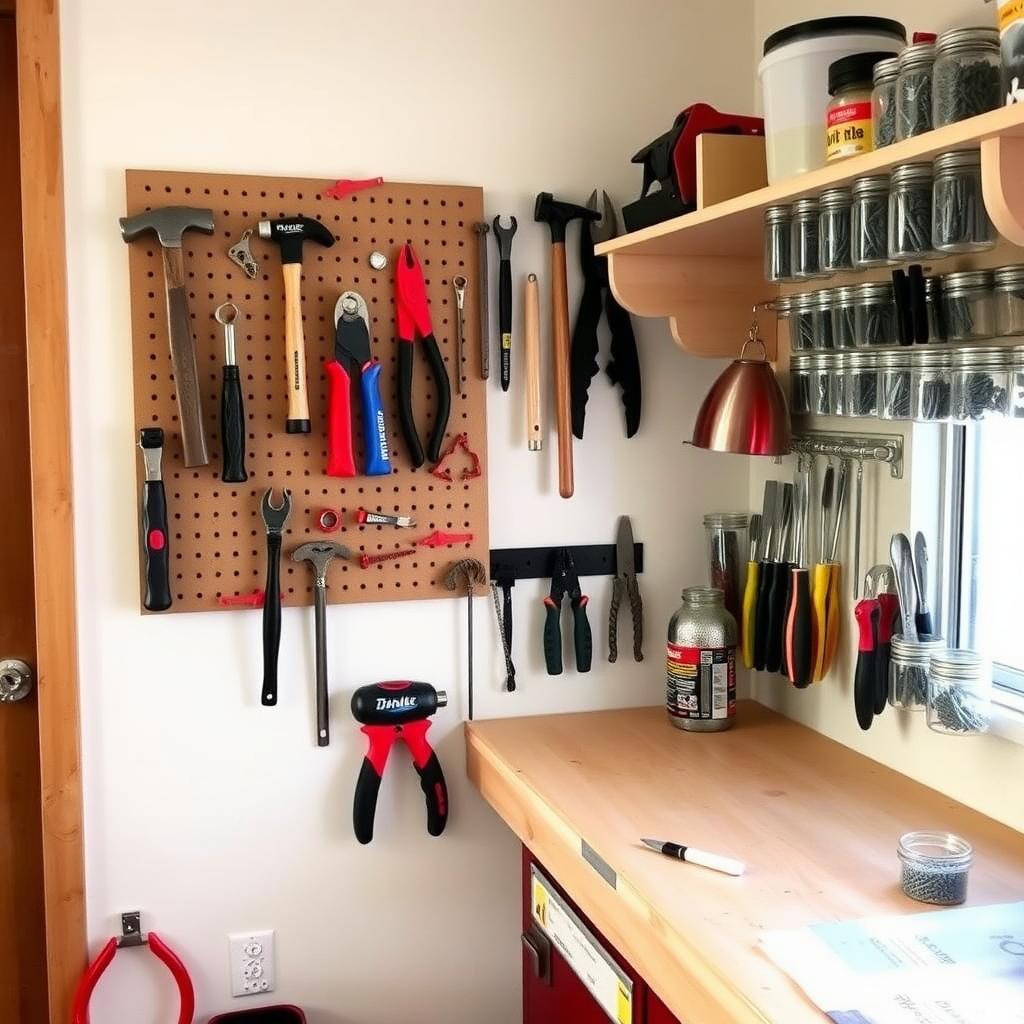
A well-organized toolbox saves time and stress. I use a portable tool bag with compartments to keep everything accessible. Label your tools and store them in a dry place to prevent rust. A simple habit like cleaning tools after use extends their life and keeps them ready for the next job.
Where to Buy and What to Spend
You don’t need to break the bank, but expect to spend $100-$200 for a solid beginner’s kit. Local hardware stores, online retailers like Amazon, or specialized suppliers like Grainger offer reliable options. Compare warranties and read reviews to ensure you’re getting value.
Summary
Building a beginner’s electrical toolkit is about choosing versatile, safe, and durable tools. From multimeters to voltage testers, these essentials empower you to tackle repairs and installations confidently. Pair them with Safety Best Practices for Electricians and Advanced Troubleshooting Techniques for Electricians to grow your skills. Start small, prioritize quality, and always put safety first.
Related Essential Electrical Tools Every Beginner Needs:
- Top 10 Electrical Safety Tips for New Electricians: Essential Gear, Tools, and Best Practices
- The Ultimate Guide to Workman Tools for Everyday Use
- Tips for Organizing Small Workshops Efficiently
- Keeping Your Power Tools in Top Shape: A Comprehensive Guide
- Advanced Tool Maintenance Techniques for Longevity and Performance
- The Best Workman Tools for Professional Builders: A Comprehensive Guide
- Small Space Organization Hacks for Home Workshops
- Setting Up Your Home Office for Productivity: A Complete Guide
- 10 Essential Painting Tools Every Painter Should Have
- The Best Power Tools for Automotive Repair: A Comprehensive Guide
- Top Power Tools for Your Workshop: Must-Haves for Woodworking Enthusiasts
- Hand Tools Maintenance Tips: Keep Your DIY Arsenal in Top Shape