Overview
Running a small workshop can be a rewarding venture, whether you're a hobbyist or a professional craftsman. However, limited space and resources can make efficiency a challenge. By implementing smart organization strategies and investing in high-quality workman tools for professionals, you can maximize productivity and create a workspace that inspires creativity. This guide shares practical tips for organizing small workshops efficiently, drawing from real-world experience to help you transform your space into a functional powerhouse.
Plan Your Workshop Layout
The first step to an efficient workshop is a well-thought-out layout. Small spaces require careful planning to ensure every square foot is used effectively. Start by assessing your needs. What type of work will you be doing? Woodworking, metalworking, or electronics? Each discipline demands specific workshop equipment, so map out your space accordingly.
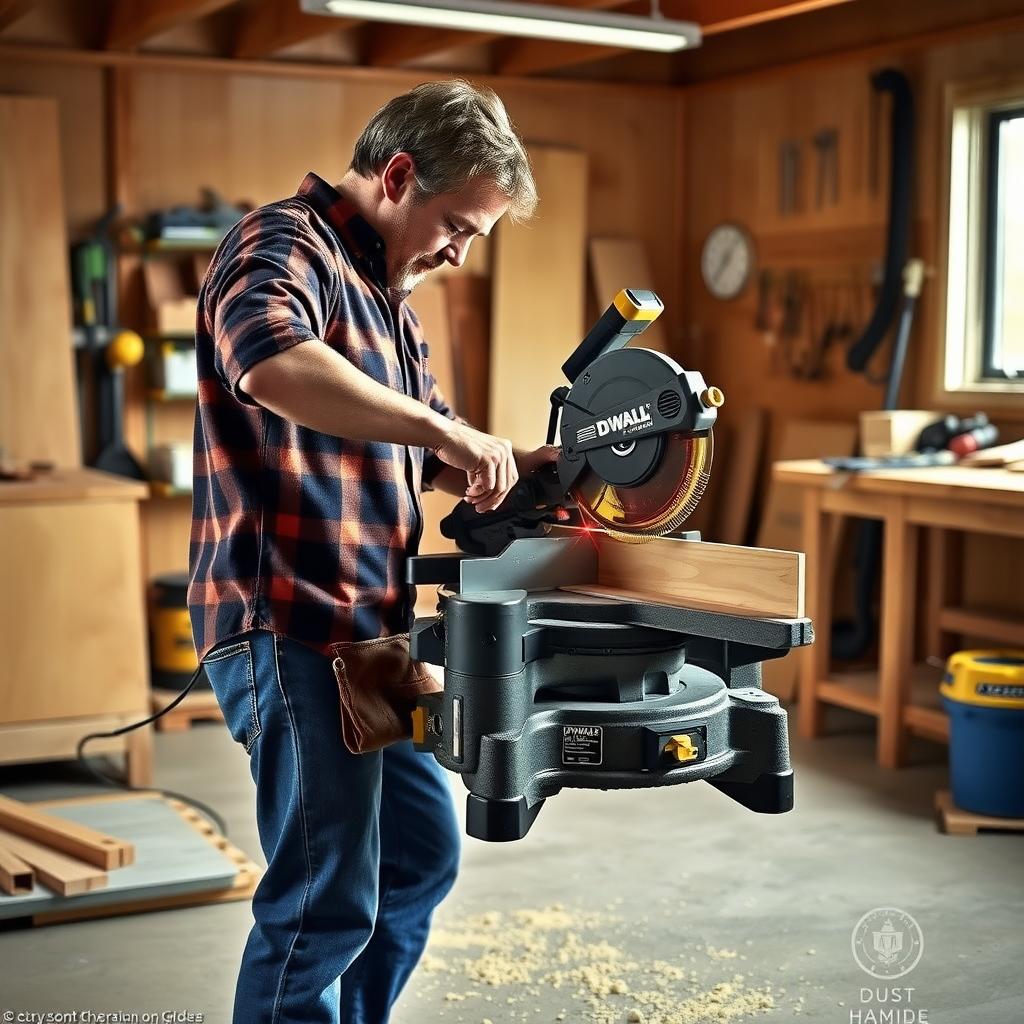
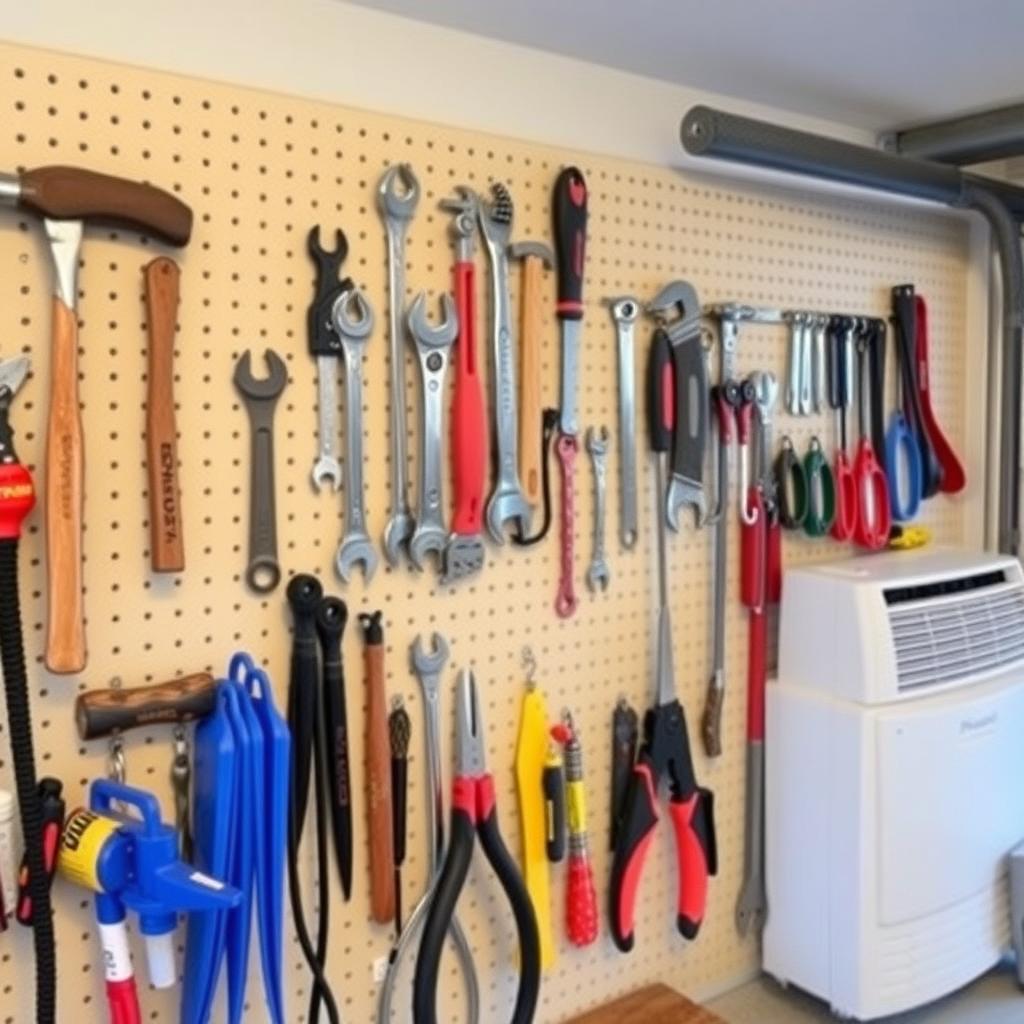
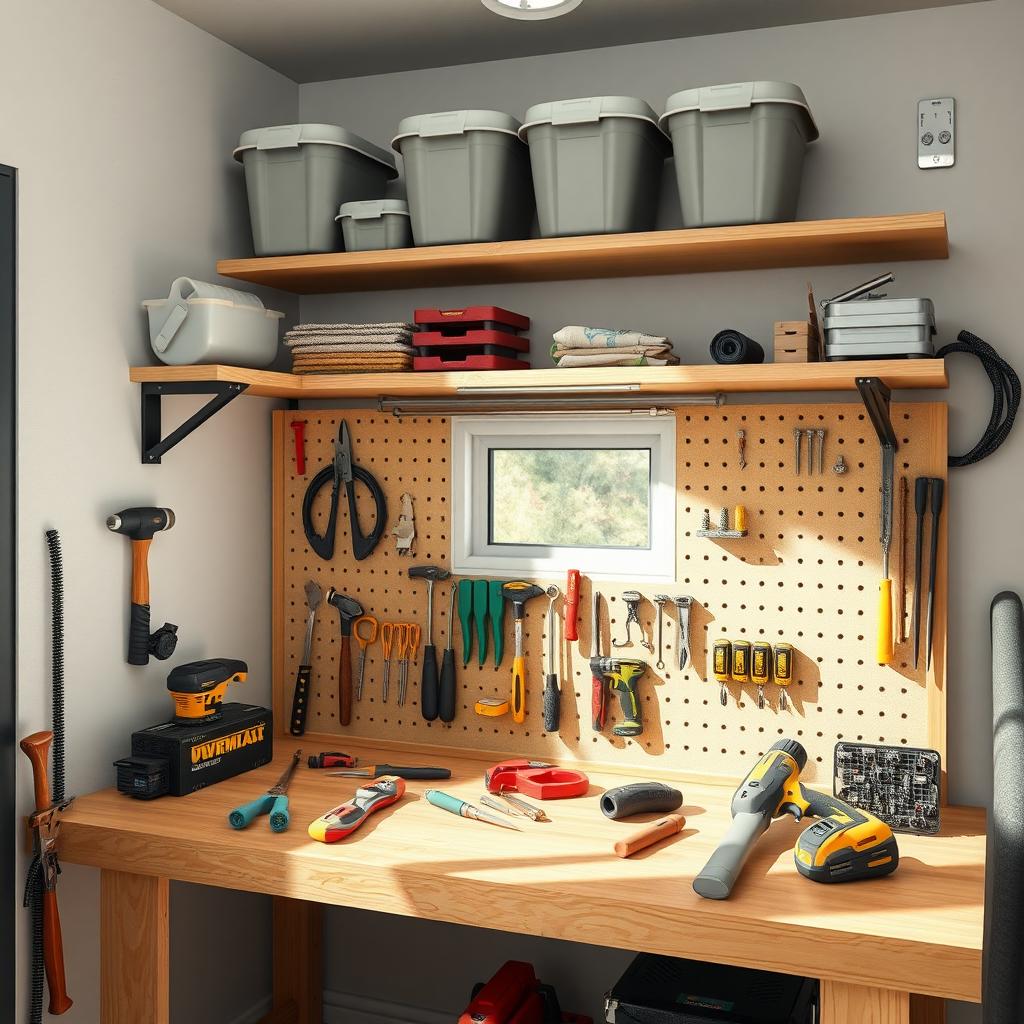
Measure your workshop’s dimensions and sketch a floor plan. Place large equipment, like workbenches or table saws, against walls to free up central space for movement. Consider vertical storage to maximize floor space—wall-mounted shelves and pegboards are lifesavers in tight quarters. A clutter-free layout not only boosts efficiency but also enhances safety by reducing tripping hazards.
Invest in High-Quality Workman Tools
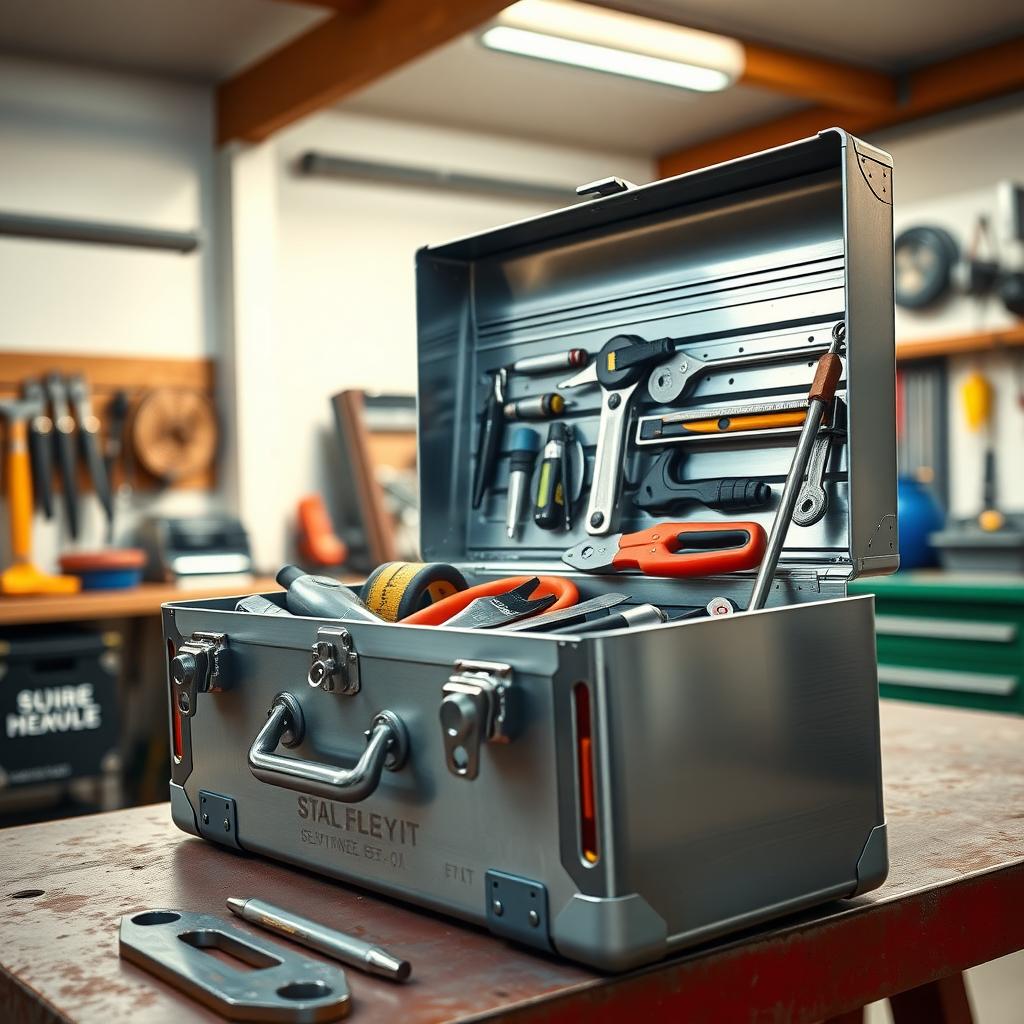
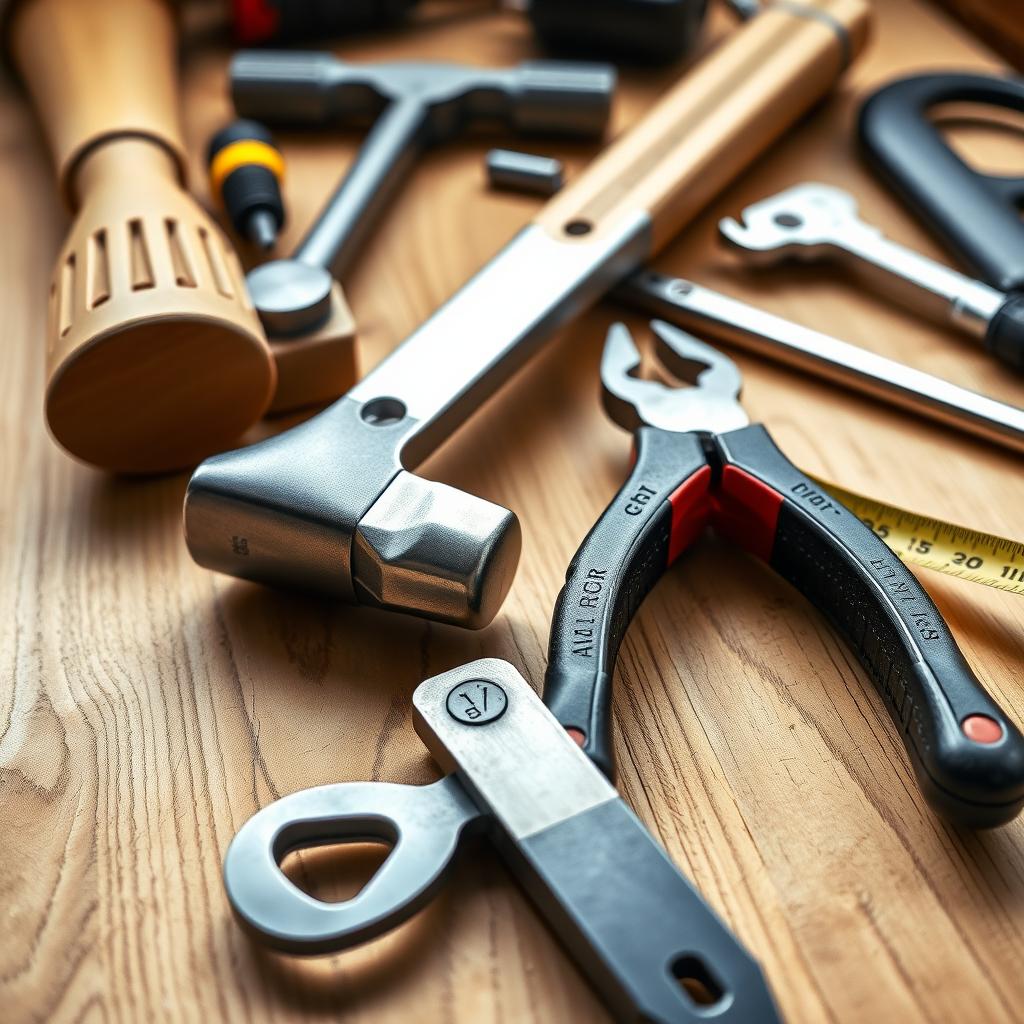
The backbone of any workshop is its tools. High-quality workman tools for professionals can make a significant difference in both efficiency and output quality. While it’s tempting to opt for cheaper options, investing in durable, reliable tools saves time and money in the long run. For example, a high-quality cordless drill can handle tougher materials and last for years, unlike budget models that wear out quickly.
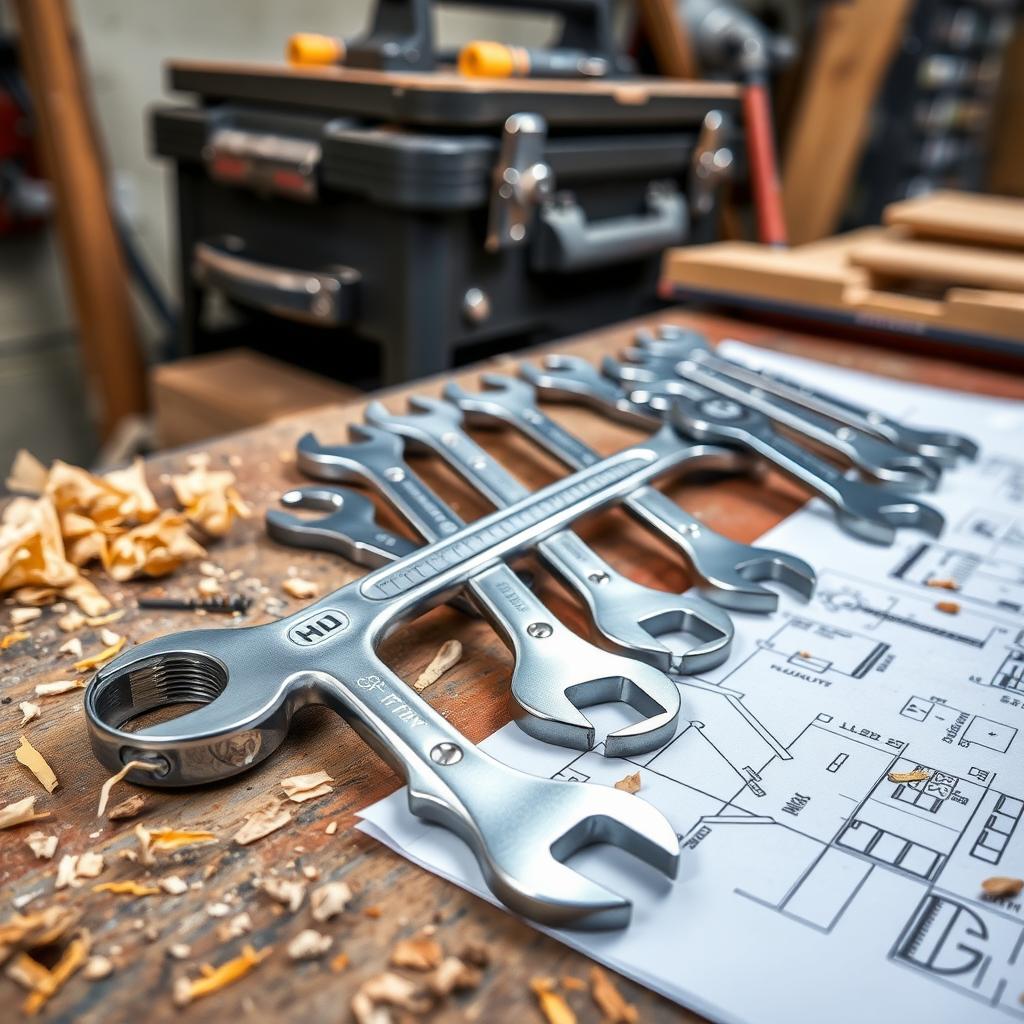
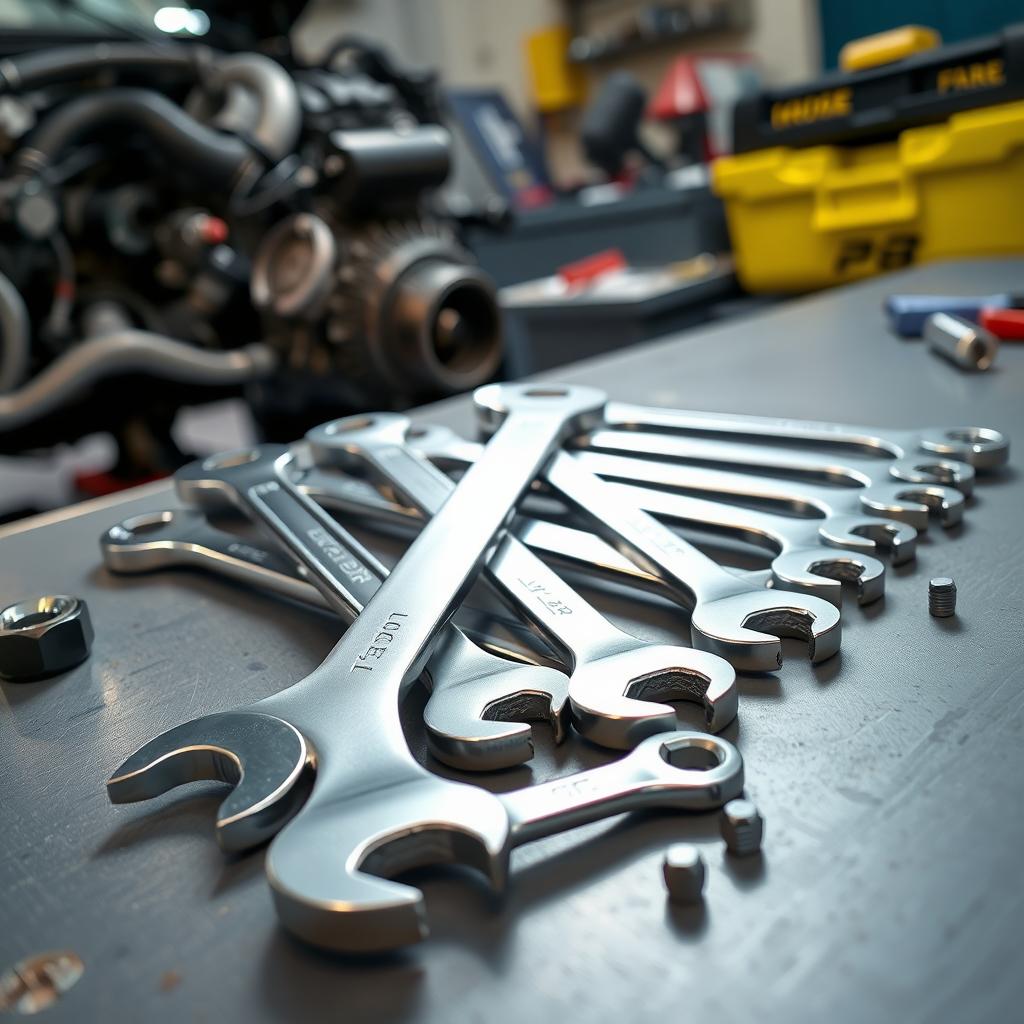
When selecting tools, prioritize versatility. A multi-tool or an adjustable wrench can perform multiple functions, reducing the need for excessive equipment in a small space. According to a study by the National Institute for Occupational Safety and Health, ergonomic tools also reduce strain, improving productivity and comfort during long work sessions. Choose tools with comfortable grips and balanced weight to minimize fatigue.
Optimize Storage Solutions
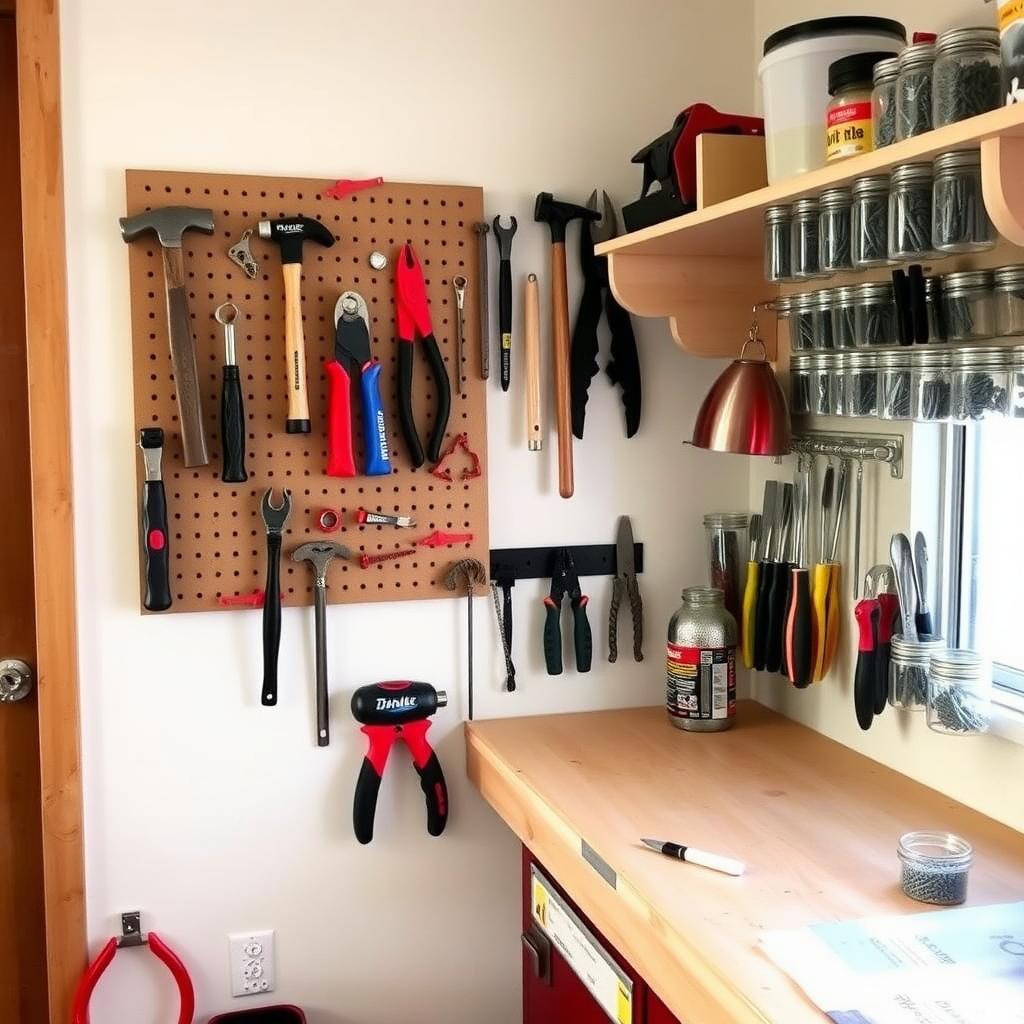
Storage is critical in small workshops. Without proper organization, tools and materials can quickly create chaos. Use stackable bins for small parts like screws, nails, and bolts. Label each bin clearly to save time searching for supplies. Wall-mounted racks are ideal for larger tools, keeping them accessible yet out of the way.
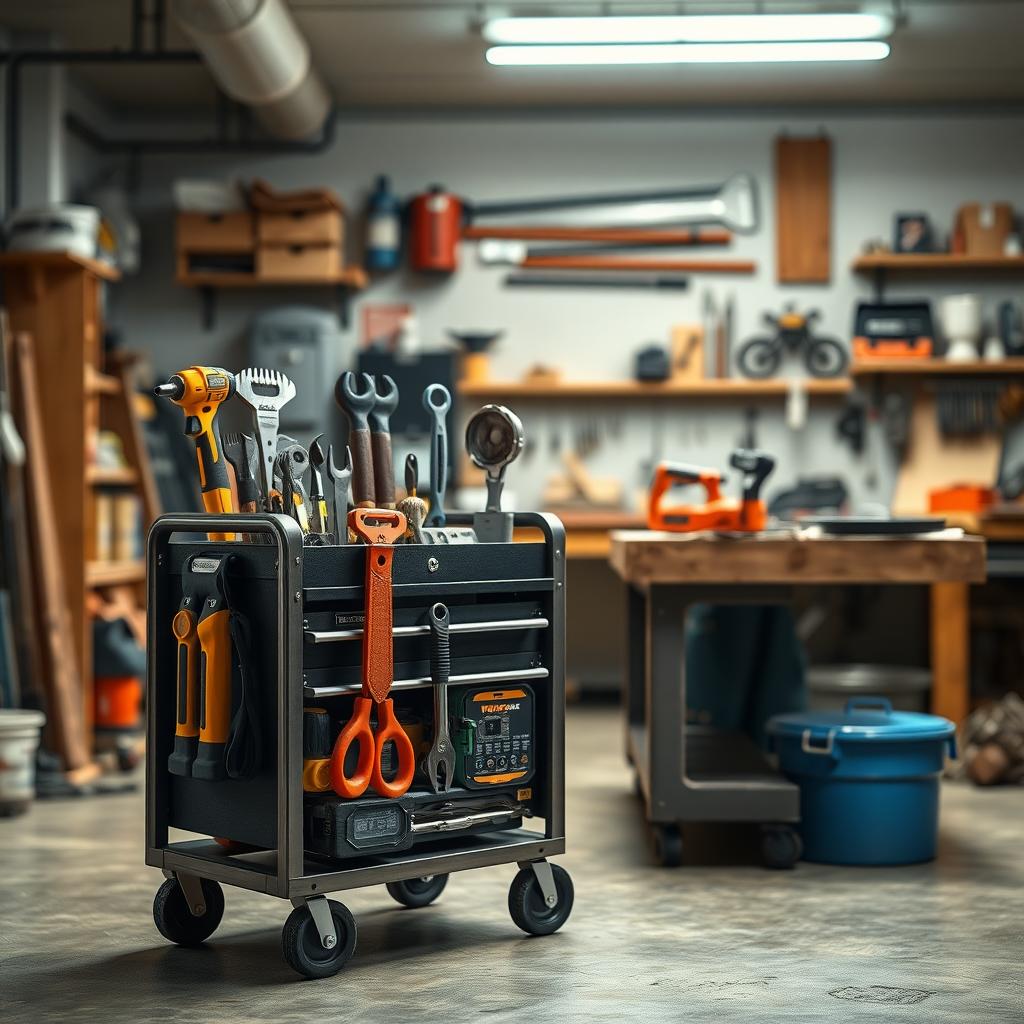
Consider mobile storage options, like rolling carts, for flexibility. These allow you to move tools to where they’re needed and tuck them away when not in use. Pegboards are another versatile solution—customize them to hold frequently used workman tools, ensuring they’re always within reach. A well-organized storage system streamlines workflows and keeps your workspace tidy.
Streamline Your Workflow
Efficiency isn’t just about physical organization—it’s also about how you work. Map out your workflow to minimize unnecessary steps. For example, group related tasks, like cutting and sanding, to reduce the need to switch tools constantly. Keep frequently used workshop equipment close to your primary workspace to avoid wasted movement.
Time management is equally important. Break projects into smaller tasks and set realistic deadlines. A guide from the Small Business Administration emphasizes the importance of task prioritization for small business owners, which applies to workshop management. Use a whiteboard or digital app to track progress and stay focused.
Maintain Your Tools and Equipment
Regular maintenance of workshop equipment ensures longevity and performance. Dull blades or malfunctioning tools can slow you down and compromise safety. Create a maintenance schedule—sharpen blades, oil moving parts, and check cords for wear. For example, a dull saw not only slows cutting but also increases the risk of kickback, as noted in a safety guide by OSHA. Store tools in a dry environment to prevent rust, especially if your workshop is in a garage or basement.
Personal experience has taught me the value of routine checks. Once, a neglected drill bit caused uneven holes, costing me hours of rework. Now, I dedicate one day a month to tool maintenance, which keeps my workflow smooth and frustration-free.
Create a Safe Working Environment
Safety is non-negotiable in any workshop. Small spaces can amplify risks, so prioritize a safe setup. Ensure proper ventilation, especially if working with paints or chemicals. Install a fire extinguisher and keep a first-aid kit nearby. Good lighting is also critical—poor visibility can lead to accidents. Use LED shop lights to illuminate work areas evenly.
Organize cords and cables to prevent tripping. Cable organizers or clips can keep them off the floor. Additionally, always wear appropriate personal protective equipment (PPE), like safety glasses and gloves, when operating tools. A report from the Bureau of Labor Statistics highlights that proper PPE reduces workplace injuries significantly.

Embrace Technology for Efficiency
Modern technology can enhance workshop efficiency. Digital inventory apps help track tools and supplies, reducing the time spent searching for misplaced items. For example, apps like Sortly allow you to catalog your workman tools and set reminders for restocking materials. If your workshop involves design work, software like SketchUp can help plan projects and visualize layouts before starting.
Automation tools, like programmable CNC machines, can also save time for repetitive tasks. While these may require an upfront investment, they’re worth considering for professionals aiming to scale their output. Technology, when used wisely, complements high-quality workman tools for professionals and boosts overall productivity.
Foster a Productive Mindset
Efficiency isn’t just about tools and layout—it’s also about your mindset. Stay disciplined by keeping your workshop clean after each session. A tidy space sets the tone for focused work. Set clear goals for each project and avoid multitasking, which can lead to errors and delays.
I’ve found that starting each day with a quick 10-minute planning session helps me stay on track. Write down your top priorities and tackle them first. This habit, combined with an organized workspace, creates a positive feedback loop that enhances both productivity and satisfaction.
Summary
Organizing a small workshop efficiently requires a blend of smart planning, quality tools, and disciplined habits. By optimizing your layout, investing in high-quality workman tools for professionals, and prioritizing safety, you can create a space that’s both functional and inspiring. Regular maintenance and technology can further streamline your workflow, while a productive mindset keeps you focused. With these tips, your small workshop can become a hub of creativity and efficiency.
Related Tips for Organizing Small Workshops Efficiently:
- Top Apps for Workshop Organization: Boost Efficiency with High-Quality Workman Tools
- Keeping Your Power Tools in Top Shape: A Comprehensive Guide
- Advanced Tool Maintenance Techniques for Longevity and Performance
- The Best Workman Tools for Professional Builders: A Comprehensive Guide
- Small Space Organization Hacks for Home Workshops
- Setting Up Your Home Office for Productivity: A Complete Guide
- 10 Essential Painting Tools Every Painter Should Have
- The Best Power Tools for Automotive Repair: A Comprehensive Guide
- Top Power Tools for Your Workshop: Must-Haves for Woodworking Enthusiasts
- Hand Tools Maintenance Tips: Keep Your DIY Arsenal in Top Shape
- Comprehensive Guide to Choosing Workman Tools
- The Best Wrenches for Mechanics: Top Picks for Durability and Performance