Overview: Why Tool Maintenance Matters
Keeping Your Power Tools in Top Shape is more than just a chore—it’s a game-changer for DIY enthusiasts and professionals alike. Well-maintained tools last longer, perform better, and make your projects safer and more enjoyable. From power drills to saws, this guide shares practical tips to ensure your tools stay in peak condition.
The Importance of Regular Maintenance
Power tools are the backbone of any DIY project, but they take a beating over time. Dust, debris, and wear can slow them down or cause breakdowns. Regular maintenance prevents costly repairs and keeps your tools running smoothly. For example, a well-maintained power drill can bore cleaner holes with less effort, saving you time and frustration.
I learned this the hard way when my favorite drill started jamming mid-project. After neglecting it for months, I realized a little care could’ve saved me from buying a replacement. Since then, I’ve made maintenance a priority, and my tools have never performed better.
Cleaning Your Power Tools: Step-by-Step
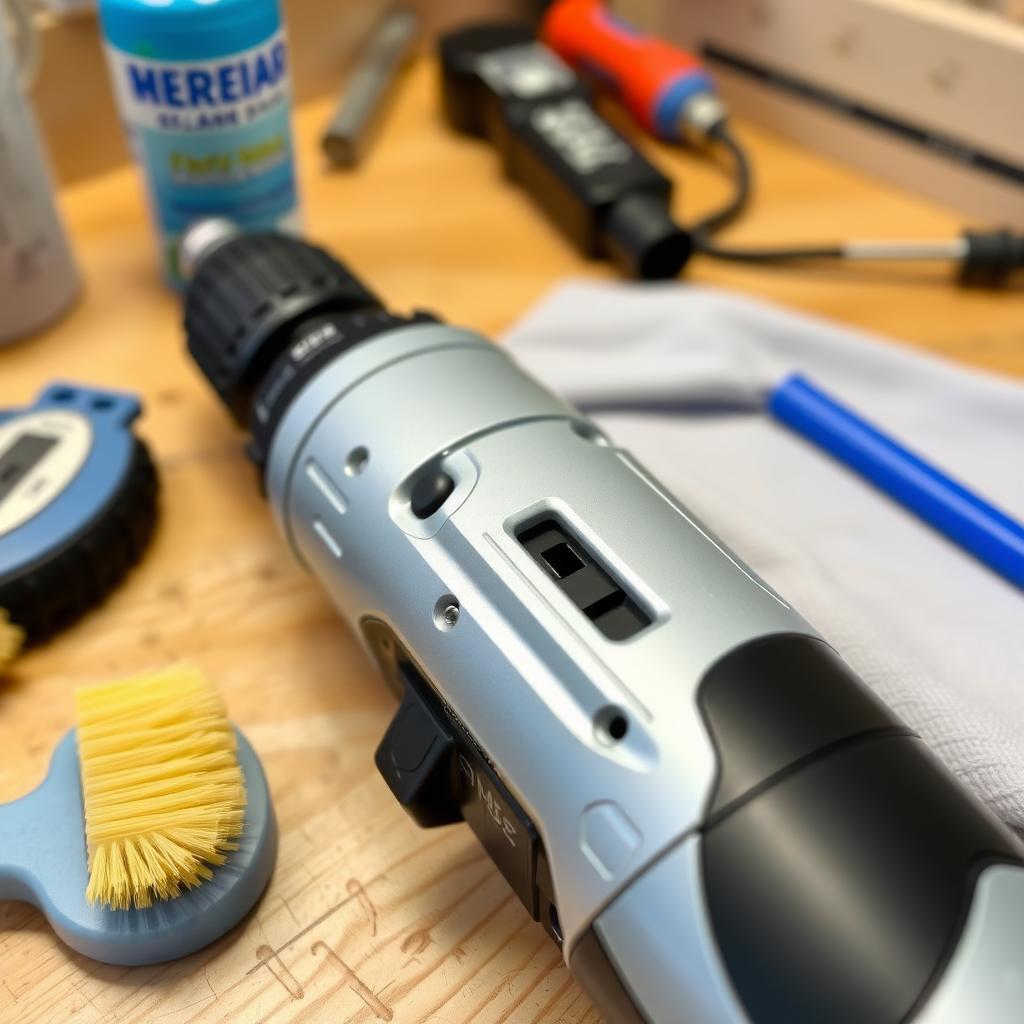
Cleaning is the foundation of tool maintenance. Dust and grime can clog motors and dull blades, reducing efficiency. Here’s how to clean your tools effectively:
- Unplug or remove batteries: Always disconnect power to avoid accidents.
- Wipe down surfaces: Use a damp cloth to remove dirt from the tool’s body. Avoid harsh chemicals that could damage plastic or metal.
- Brush vents and crevices: A soft brush clears dust from air vents, preventing overheating.
- Clean moving parts: For drills, remove the chuck and clean it with a dry cloth to prevent rust.
A study from the University of Michigan’s Engineering Department emphasizes that regular cleaning can extend tool life by up to 30%.
Lubrication: Keep It Smooth
Lubrication reduces friction and wear on moving parts. For power drills, apply a light machine oil to the chuck and gears every few months. I keep a small bottle of oil in my toolbox and make it a habit to lubricate after heavy use. This simple step keeps my drills spinning smoothly and prevents annoying squeaks.
Storage Solutions for Longevity
Proper storage protects your tools from damage. Moisture, extreme temperatures, and poor organization can ruin even the best power tools. Here are some storage tips:
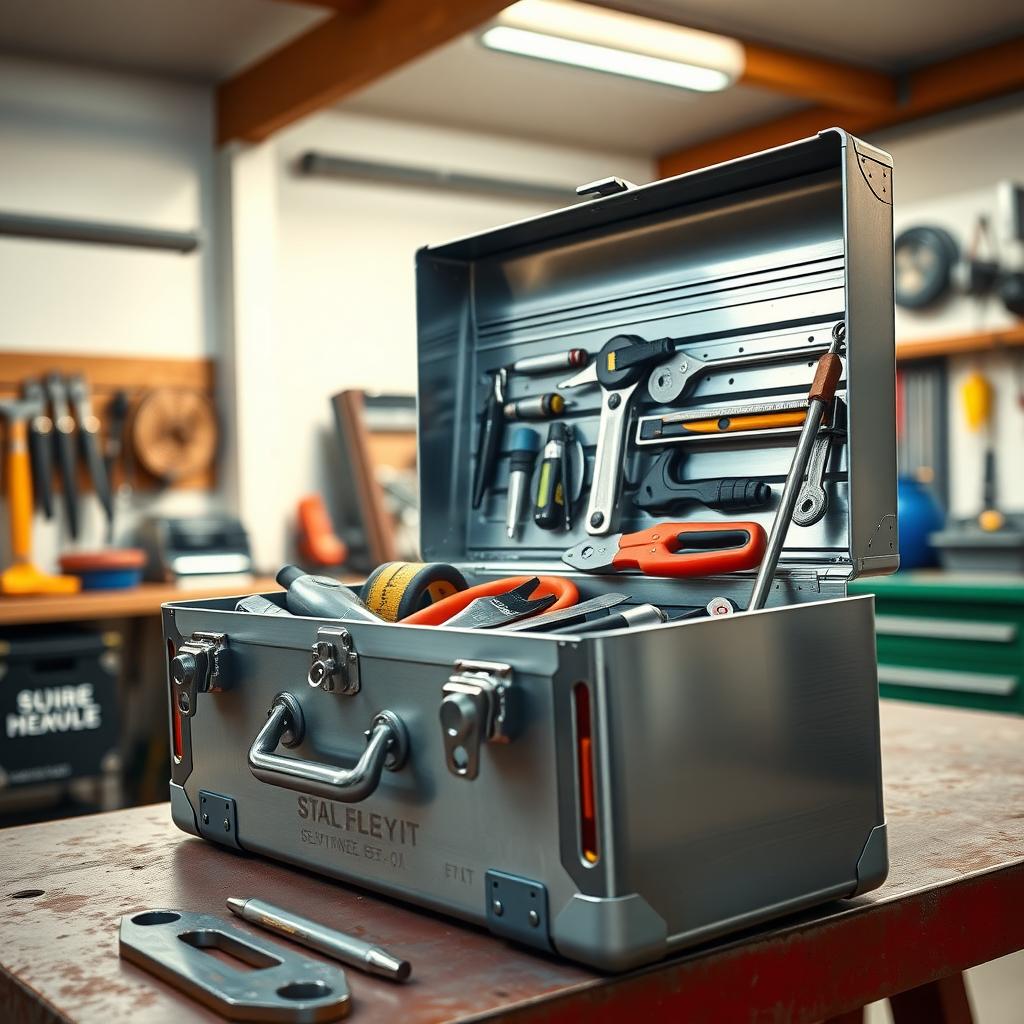
- Use a dry, cool space: Store tools in a toolbox or cabinet to shield them from humidity.
- Organize with cases: Many tools, like ergonomic power drills, come with custom cases for protection.
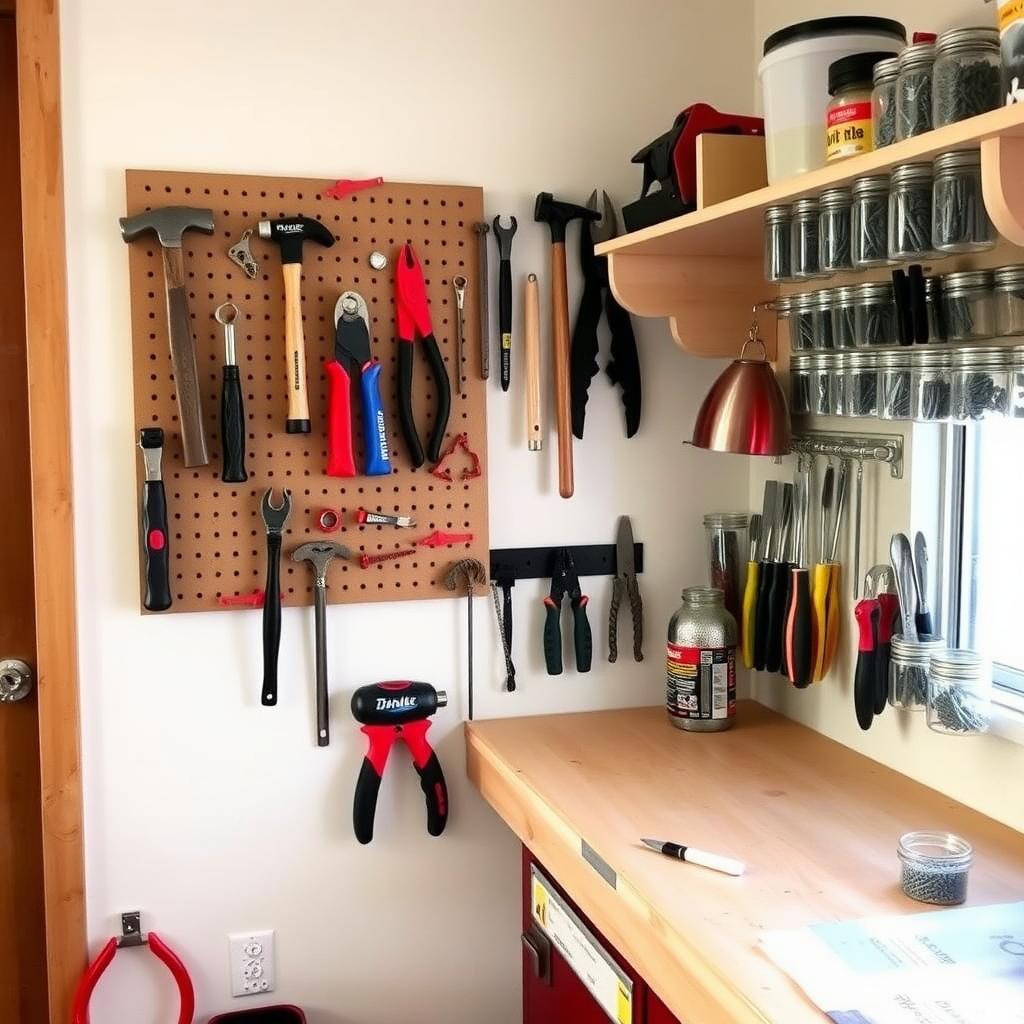
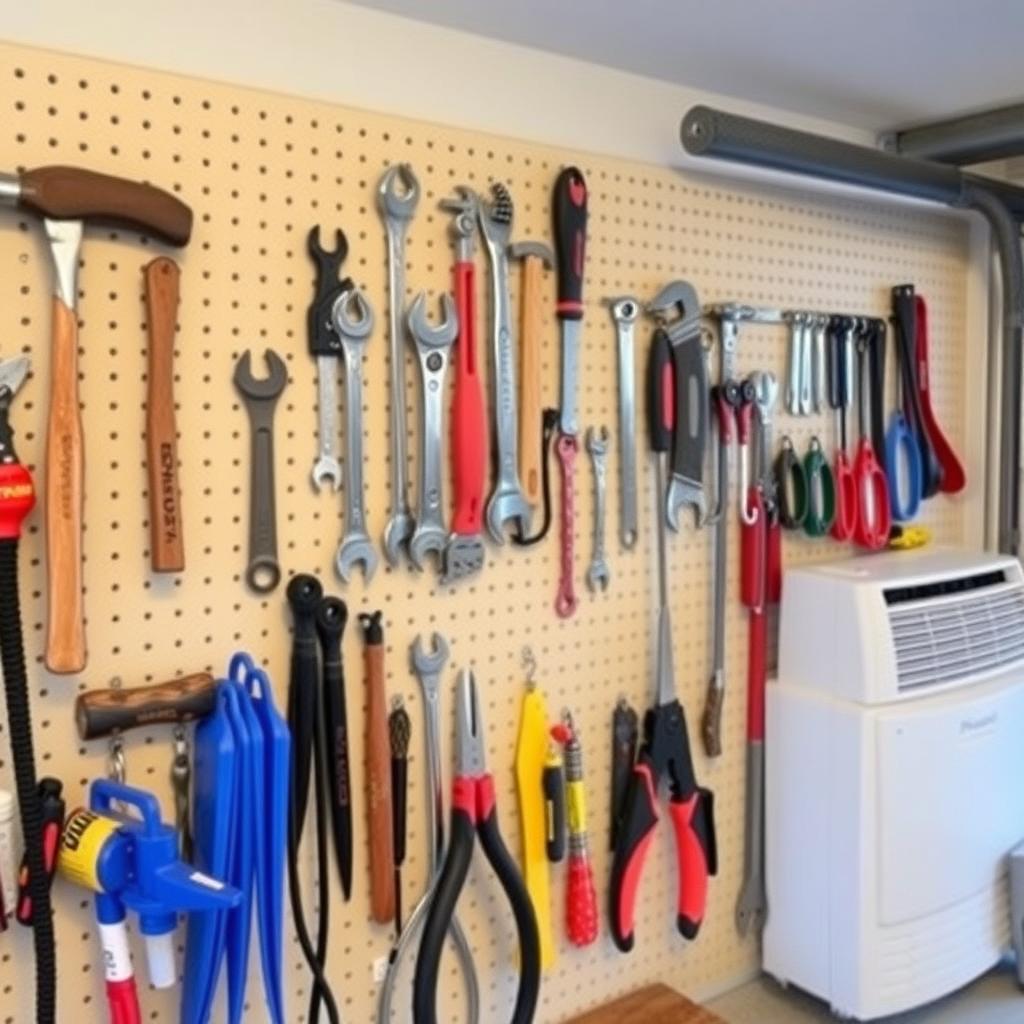
- Hang or shelve: Wall-mounted racks keep tools accessible and prevent clutter.
I store my tools in a garage cabinet, and it’s made a huge difference in keeping them rust-free and ready for action.

Enhancing DIY Projects with Ergonomic Tools
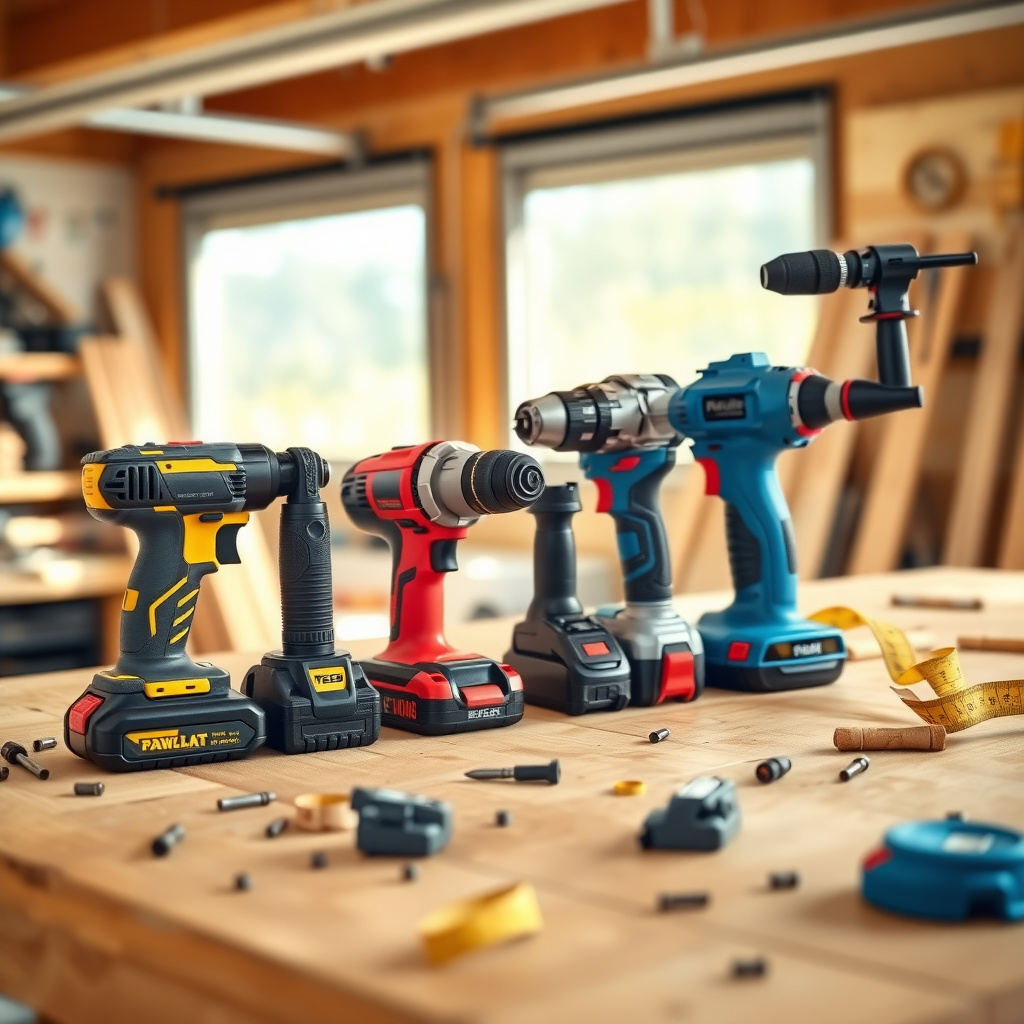
Ergonomic power drills for reduced fatigue are a must for long DIY sessions. These tools are designed to fit comfortably in your hand, with features like soft grips and balanced weight. They reduce strain on your wrists and make drilling easier, especially for repetitive tasks like building furniture or installing shelves.
I recently switched to an ergonomic drill for a deck-building project, and the difference was night and day. My old drill left my hand sore after an hour, but the ergonomic model let me work all day without discomfort. Brands like DeWalt and Bosch offer models with these features, and they’re worth the investment.
Sharpening and Replacing Parts
Dull bits and blades make your tools work harder, which can burn out motors. For power drills, check the bits regularly. If they’re dull, sharpen them with a bench grinder or replace them. The Occupational Safety and Health Administration (OSHA) recommends inspecting tool components before each use to ensure safety and performance.
Battery Care for Cordless Tools
Cordless power tools, like many modern power drills, rely on batteries. To keep them in top shape:
- Charge properly: Avoid overcharging by removing batteries from the charger once full.
- Store correctly: Keep batteries in a cool, dry place, not in the tool itself.
- Cycle batteries: Use and recharge batteries every few months to prevent capacity loss.
I made the mistake of leaving a battery in my drill for months, and it lost half its charge capacity. Now, I store them separately and cycle them regularly.
Safety Checks Before Every Use
Before starting a project, inspect your tools for damage. Check cords for frays, blades for cracks, and triggers for responsiveness. A quick safety check can prevent accidents. The National Safety Council reports that proper tool maintenance reduces workplace injuries by up to 20%.

When to Repair or Replace
Sometimes, tools need more than maintenance. If your drill struggles to hold a charge or makes unusual noises, it might need professional repair. For minor issues, like a worn-out chuck, replacement parts are often available. However, if repair costs approach the price of a new tool, consider upgrading to an ergonomic model for better performance.
My Maintenance Routine
Here’s my go-to routine for Keeping Your Power Tools in Top Shape:
1. Clean tools after every project.
2. Lubricate moving parts monthly.
3. Store tools in a dry, organized space.
4. Inspect bits and blades before use.
5. Cycle batteries every three months.
This routine takes less than 15 minutes per tool and has saved me hundreds in repairs.
Summary: Invest in Your Tools
Keeping Your Power Tools in Top Shape is an investment in your DIY success. Regular cleaning, lubrication, and proper storage extend tool life and enhance performance. Ergonomic power drills for reduced fatigue make projects more comfortable, while safety checks prevent accidents. Follow these tips, and your tools will be ready for any project.
Related Keeping Your Power Tools in Top Shape:
- How to Choose the Best Power Drill for Your DIY Projects
- Advanced Tool Maintenance Techniques for Longevity and Performance
- The Best Workman Tools for Professional Builders: A Comprehensive Guide
- Small Space Organization Hacks for Home Workshops
- Setting Up Your Home Office for Productivity: A Complete Guide
- 10 Essential Painting Tools Every Painter Should Have
- The Best Power Tools for Automotive Repair: A Comprehensive Guide
- Top Power Tools for Your Workshop: Must-Haves for Woodworking Enthusiasts
- Hand Tools Maintenance Tips: Keep Your DIY Arsenal in Top Shape
- Comprehensive Guide to Choosing Workman Tools
- The Best Wrenches for Mechanics: Top Picks for Durability and Performance
- The Future of Automation Tech: Revolutionizing Industries with Smart Tools