Quick Overview
Choosing the right power drill can transform your DIY projects from frustrating to fun. Whether you're hanging shelves or building furniture, the best tool matches your needs for power, comfort, and reliability. In this guide, we'll break down key factors to help you decide—expect actionable advice that saves time and effort. (38 words)
I've spent countless weekends in my garage, turning sketches into sturdy shelves and wobbly ideas into solid builds. But early on, a mismatched drill led to stripped screws and sore wrists. That's when I learned: the best power drill isn't just about torque—it's about fit. Let's dive into how to choose the best power drill for your DIY projects, drawing from those hard-won lessons.
First, assess your projects. Light tasks like assembling flat-pack furniture call for a compact driver. Heavy jobs, such as drilling into masonry, demand more muscle. Ask yourself: What's my most common material—wood, metal, or concrete? How often will I use it? For occasional use, prioritize portability over raw power.
Types of Power Drills
Power drills come in flavors to suit every task. Here's a quick rundown:
| Type | Best For | Pros | Cons |
|---|---|---|---|
| Drill/Driver | General DIY like screwing and light drilling | Versatile, lightweight | Less power for tough materials |
| Hammer Drill | Masonry and concrete | Adds impact for hard surfaces | Heavier, vibrates more |
| Impact Driver | Fastening screws | High torque, less wrist strain | Not ideal for precise drilling |
| Right-Angle Drill | Tight spaces | Fits in corners | Limited power |
Pick based on your workspace—I've swapped a hammer drill for a driver mid-project and never looked back.
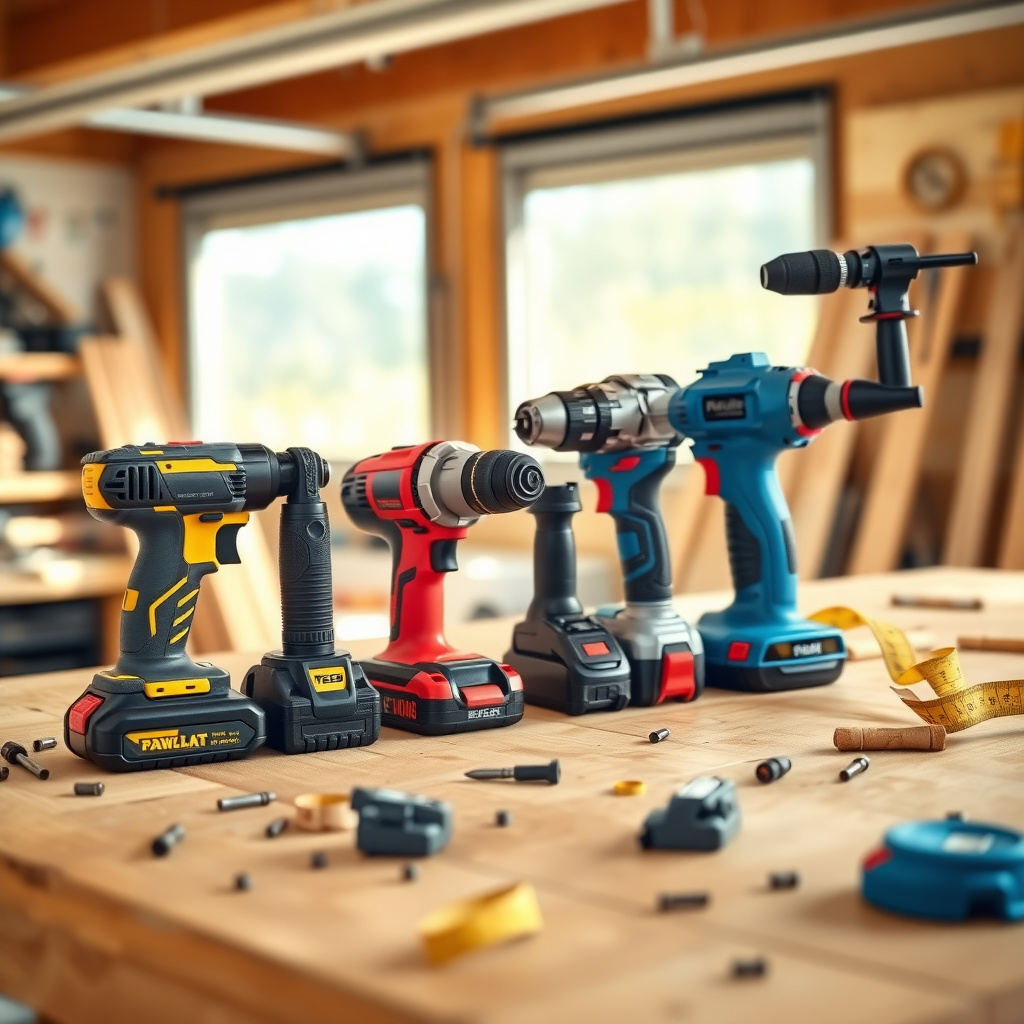
Cordless models dominate for DIY freedom—no cords tangling your feet. But corded ones deliver endless runtime for marathon sessions. I once powered through a deck build with a corded beast; it never quit, unlike my fading battery mid-hole.
Next, zoom in on features. Voltage matters: 12V for small jobs, 18V or 20V for serious work. Look for brushless motors—they run cooler, last longer, and pack more punch per charge. A variable speed trigger lets you ease into delicate spots without snapping bits.
The chuck size—1/4-inch for bits or 1/2-inch for versatility—should match your bits collection. Keyless chucks twist on by hand; they're a game-changer for quick swaps. And don't overlook LED lights; they've saved me from squinting in dim corners more times than I can count.
Prioritizing Ergonomics
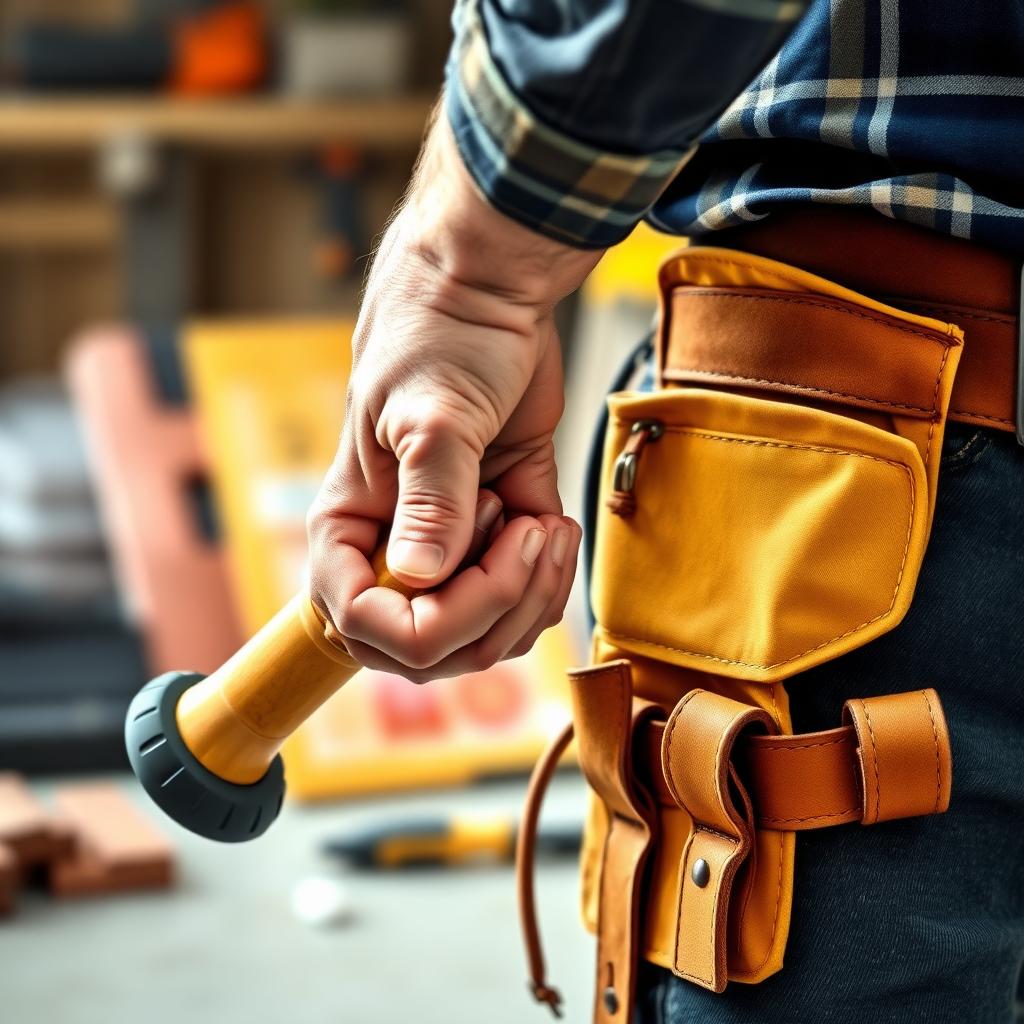
Enhancing DIY projects with ergonomic tools isn't a luxury—it's essential. Ergonomic power drills for reduced fatigue feature padded grips, balanced weight, and pistol-style handles that mimic your natural hand position. After a long day of drilling, these prevent the ache that sidelines you.
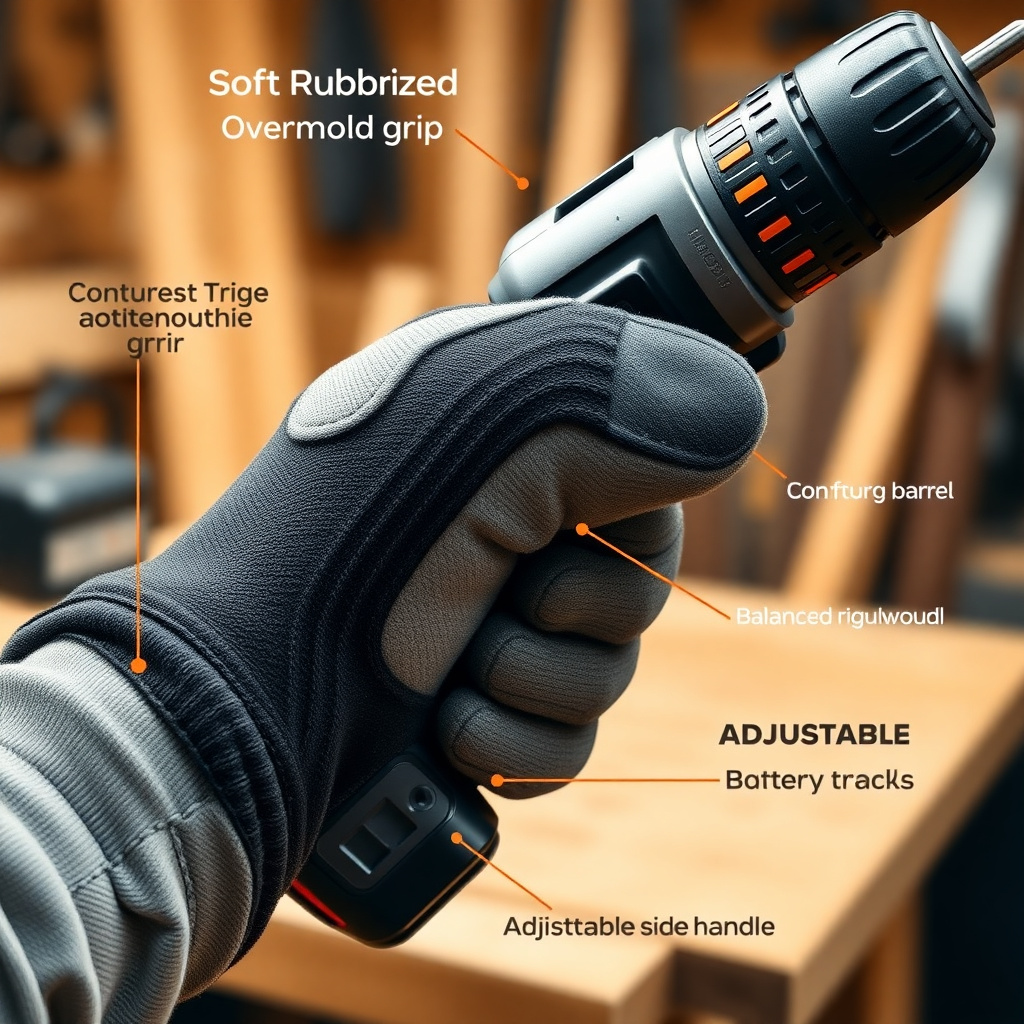
For deeper insights, check UC Davis Safety Services' guide on ergonomic hand tools and grips, which emphasizes tools that fit various hand sizes to minimize strain. Studies show proper ergonomics cut injury risk by up to 30%—vital for weekend warriors like us.
Battery life seals the deal. Lithium-ion packs hold charge better than NiCad, and extras let you swap without pause. Aim for 2-4Ah for balanced runtime and weight. My 5Ah battery hauls through full projects, but it's hefty—balance is key.
Budget? Entry-level drills start at $50, pros at $150+. Brands like DeWalt and Milwaukee shine for durability; Ryobi offers value for casual use. I splurged on a brushless DeWalt after cheap ones failed—worth every penny for smooth operation.
Safety first: Always wear goggles and gloves. Inspect cords or batteries before use. For stats on hazards, see OSHA's comprehensive page on hand and power tools, which outlines common risks and prevention steps. It reinforced my habit of unplugging tools mid-break.
Keeping Your Power Tools in Top Shape
A great drill deserves care. Clean the chuck after dusty jobs—debris gums it up. Store batteries at half-charge in cool spots to extend life. Lubricate moving parts yearly; I've dodged replacements by staying on this routine.
Wipe down the body with a damp cloth, avoiding water near electrics. For hammer drills, check the mode switch for wear. These steps, per University of Hawaii's building maintenance guide on drills and accessories, keep performance sharp and resale value high.
Test in-store: Feel the balance, rev the trigger. Does it hum smoothly or chatter? Online reviews help, but hands-on trumps all. My first buy was sight-unseen—lesson learned.

For tough materials, pair with quality bits—titanium-coated for longevity. A magnetic bit holder catches dropped screws; it's a small add-on with big payoffs. I've fished fewer fasteners from carpet since adopting one.
Eco-tip: Opt for ENERGY STAR-rated models to cut energy use. And recycle old batteries—local hardware stores often handle it. Small choices add up for planet-friendly projects.
Common pitfalls? Overbuying power for light work—it adds unnecessary weight. Or skimping on ergonomics, leading to fatigue. Remember, the goal is enjoyment, not endurance tests.
Personal story: Building my kid's treehouse, a lightweight ergonomic drill let me perch on a ladder without arm pump. It drilled pilot holes effortlessly, turning a sweaty chore into quality time.
Scale up with kits including impacts and saws—they expand your arsenal affordably. Start simple, though; one solid drill covers 80% of needs.
Women and smaller-statured folks, seek compact models—brands now offer scaled-down grips. Inclusivity in tools levels the playing field.
Noise levels vary; quieter brushless motors suit apartments. Measure decibels if sharing walls—peace with neighbors is priceless.
Warranty matters: 3-5 years signals quality. Register yours promptly for coverage.
Wrapping It Up
Selecting the best power drill boils down to matching type, features, and ergonomics to your DIY vibe. Invest wisely, maintain diligently, and watch projects flourish. With the right tool, you're not just building—you're creating with ease and joy. Ready to drill? Your next masterpiece awaits. (42 words)
Related How to Choose the Best Power Drill for Your DIY Projects:
- Best Wrench Sets for Construction Workers: Essential Workman Tools for Every Job Site
- A Guide to Basic DIY Home Repair Tools: Essential Workman Tools Every Homeowner Needs
- Safety Tips for Your Next DIY Adventure
- Workman Tools for Everyday Fixes: Mastering Home Electrical Repairs with Essential Electrical Tools
- Essential Workman Tools for Plumbing: Your Ultimate Guide
- Advanced Techniques for Workshop Organization: Boost Efficiency and Productivity
- Essential Painting Tools for Beginners: Your Guide to Starting Right
- Advanced Electrical Tools for Automation: Revolutionizing Workman Efficiency
- Top Safety Practices for Electrical Projects: A Comprehensive Guide
- DIY Safety: Protecting Yourself While Working on Home Projects
- Understanding the Role of Ergonomics in Construction
- Top 10 Tools Every Workman Should Own for Any Job