Overview
A well-organized workshop is the backbone of productivity for any craftsman or professional. By using advanced techniques for workshop organization, you can save time, reduce stress, and create a space where creativity thrives. This article dives into practical strategies, essential tools, and expert tips to transform your workshop into an efficient, clutter-free environment.
Why Workshop Organization Matters
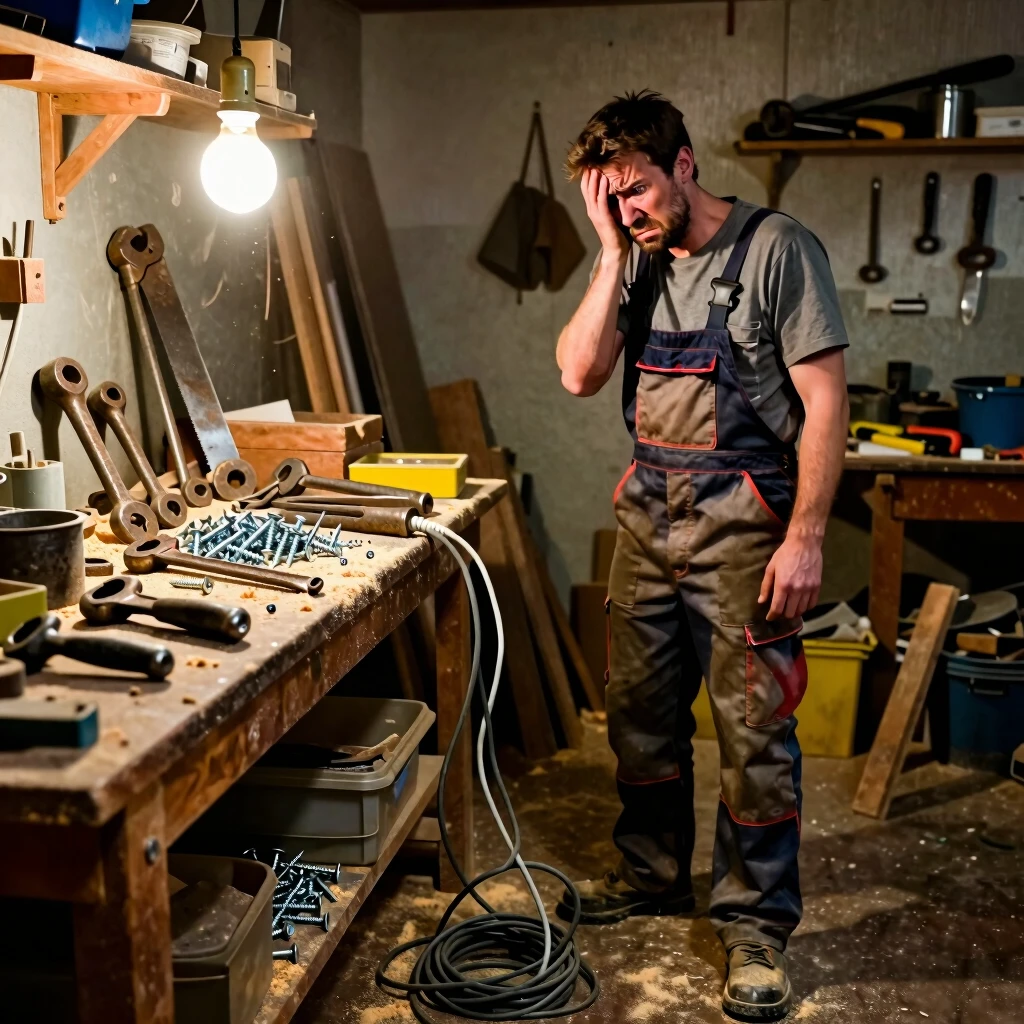
An organized workshop isn’t just about tidiness—it’s about efficiency. A cluttered space wastes time, increases frustration, and can even lead to accidents. When tools and materials are easy to find, you work faster and smarter. My first workshop was a mess: tools scattered, projects delayed because I couldn’t find a single wrench. After implementing advanced organization techniques, I cut my project setup time in half. Let’s explore how you can do the same.
Plan Your Space with Purpose
Before diving into tools or storage, map out your workshop’s layout. Consider your workflow. For example, place frequently used tools near your workbench and store rarely used items further away. Measure your space and sketch a floor plan. I once reorganized my garage workshop by grouping tasks—cutting, sanding, assembly—and it made projects flow smoothly.
Tips for Small Workshops
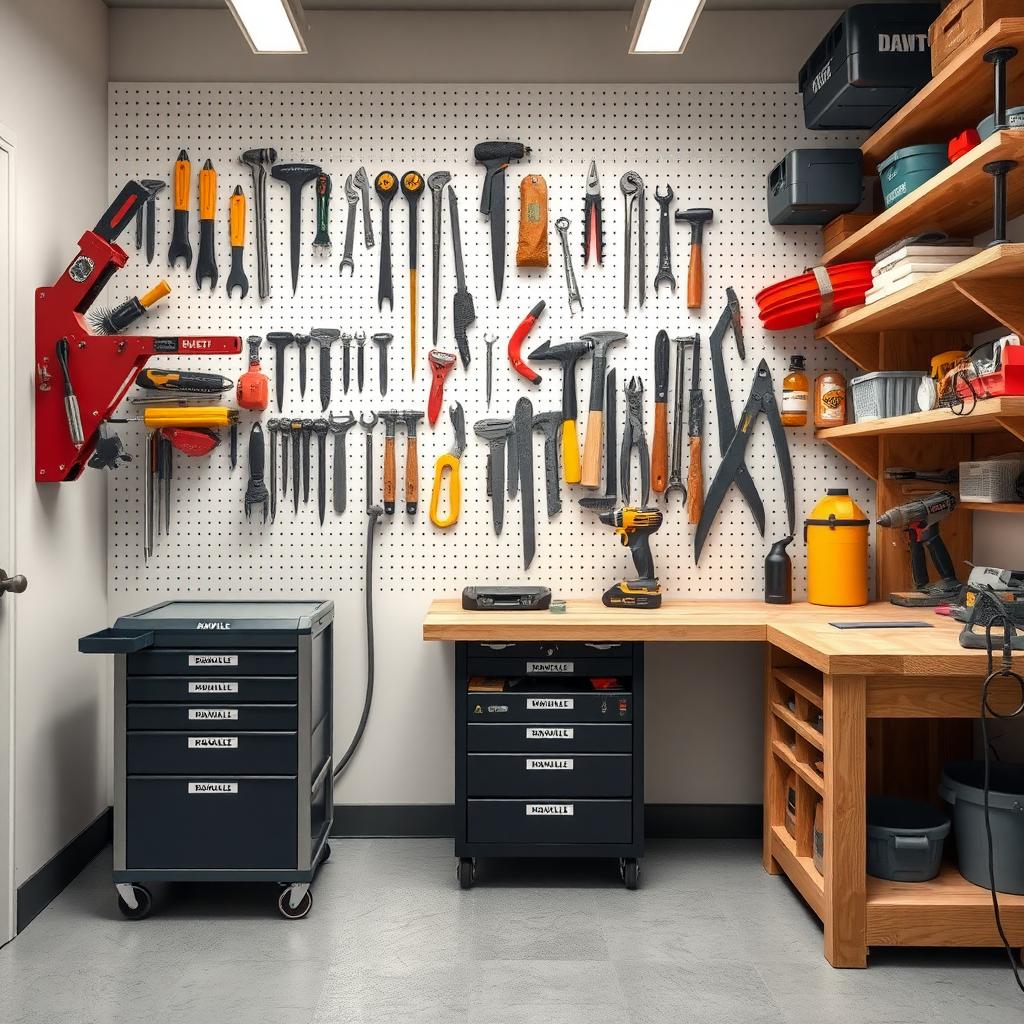
Small workshops can feel cramped, but with the right approach, they’re just as functional. Here are some tips for organizing small workshops efficiently: - Use vertical space: Install wall-mounted shelves or pegboards to free up floor space. - Mobile workstations: Use rolling carts for tools you need to move around. - Multi-purpose furniture: Invest in benches with built-in storage. - Declutter regularly: Keep only what you need for current projects. These small changes can make a big difference in tight spaces.
Top 10 Must-Have Tools for Every Workshop
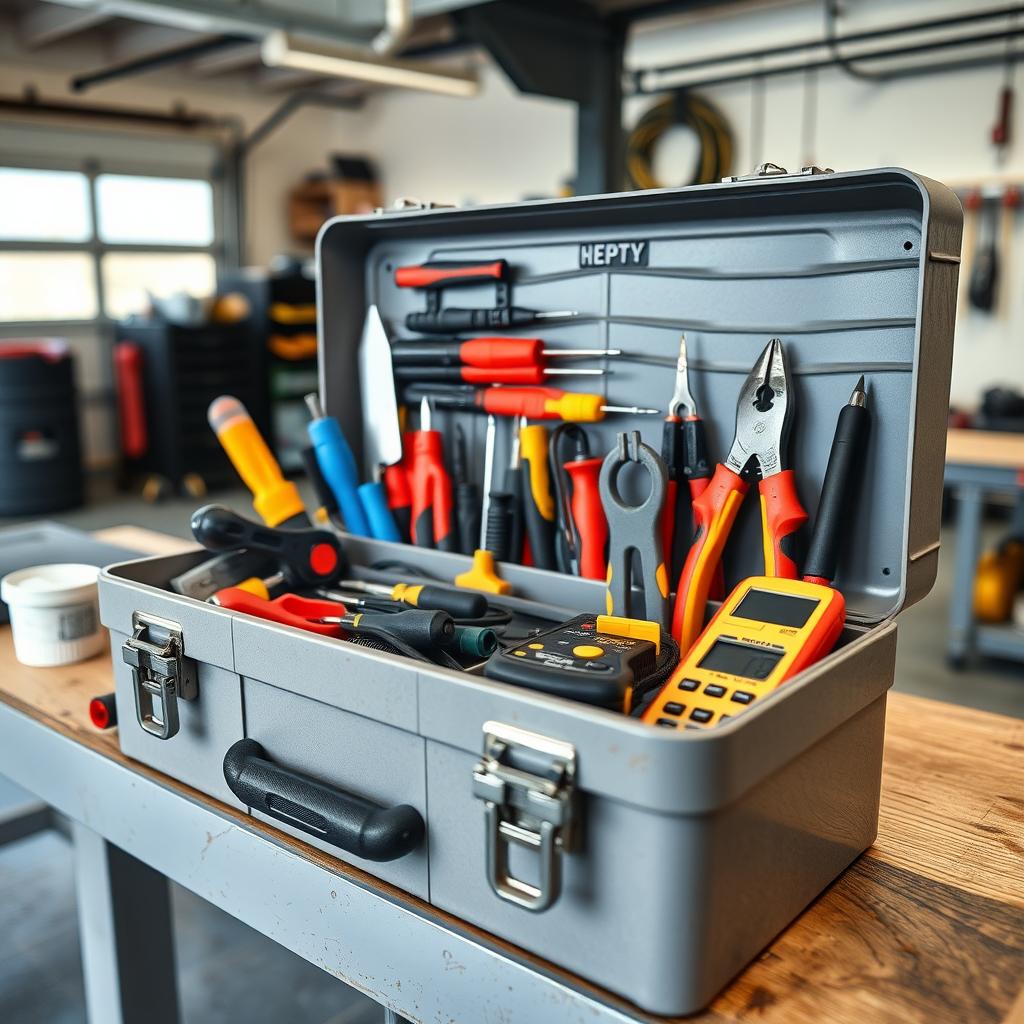
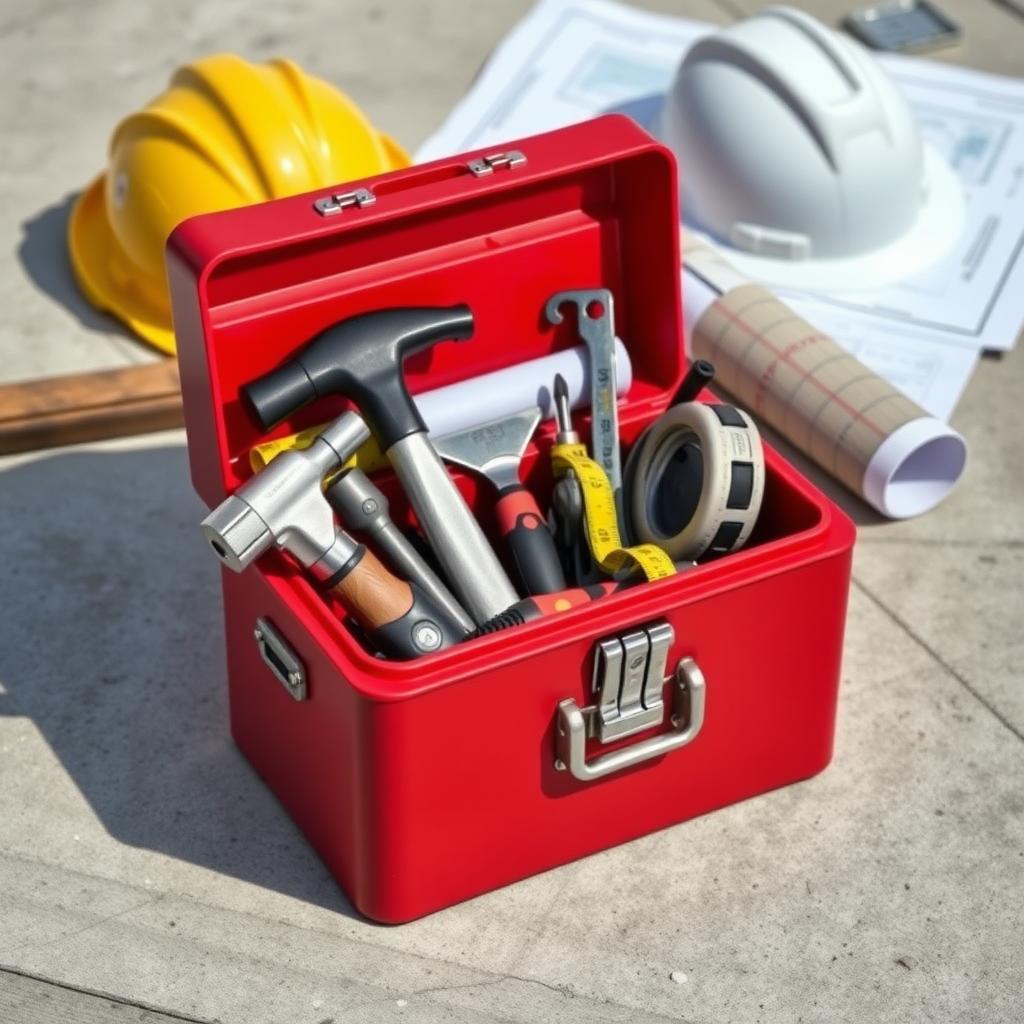
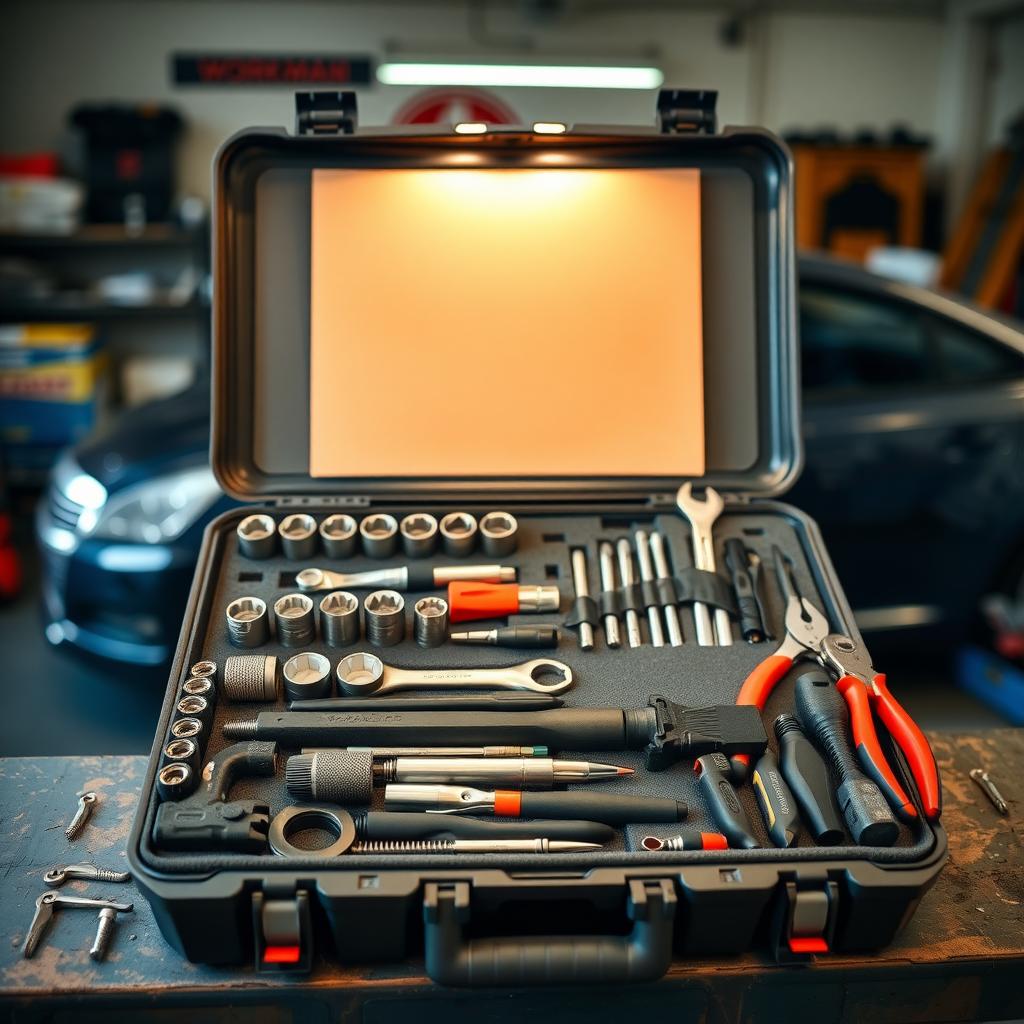
No workshop is complete without reliable tools. Here’s a curated list of the top 10 must-have tools for every workshop, focusing on high-quality workman tools for professionals: 1. Cordless Drill: Versatile for drilling and fastening. 2. Circular Saw: Perfect for precise cuts. 3. Digital Measuring Tape: Ensures accuracy in measurements. 4. Clamping System: Holds projects securely. 5. Shop Vacuum: Keeps your workspace dust-free. 6. LED Work Light: Illuminates detailed tasks. 7. Toolbox with Dividers: Organizes small tools and accessories. 8. Bench Vise: Secures materials for cutting or sanding. 9. Level: Ensures straight lines and balanced projects. 10. Safety Gear: Includes gloves, goggles, and ear protection. Invest in durable, professional-grade tools to ensure longevity and performance.
Storage Solutions for Maximum Efficiency
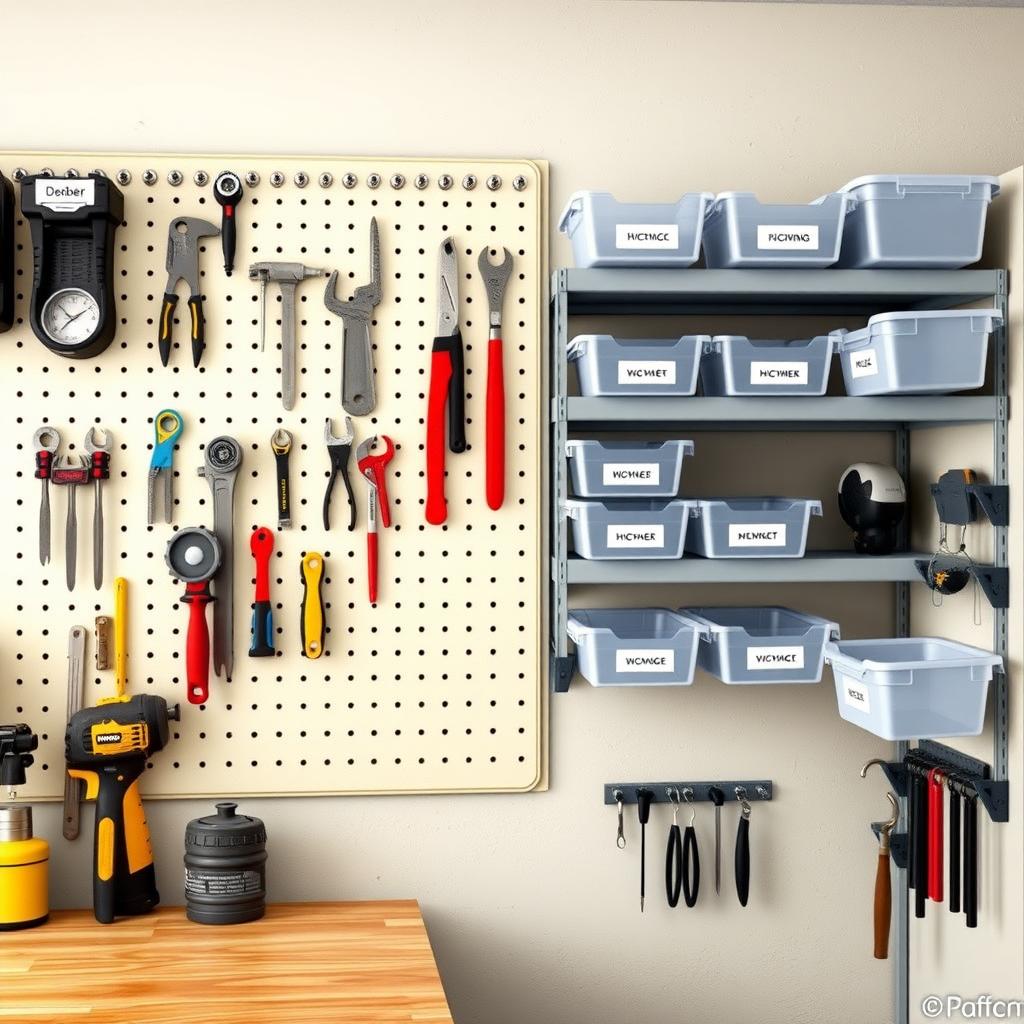
Storage is the heart of workshop organization. Without a system, even the best tools become clutter. Here are advanced storage techniques: - Pegboards: Customize with hooks for easy tool access. - Modular Shelving: Adjusts to fit different project needs. - Clear Bins: Label bins for small parts like screws or nails. - Magnetic Strips: Hold metal tools securely on walls. I’ve found that labeling everything—drawers, bins, shelves—saves time and keeps things consistent.
Streamline Your Workflow
Efficiency comes from a streamlined workflow. Group tools by task type—cutting, fastening, finishing—and keep them in dedicated zones. For example, I keep my sanding tools on a rolling cart near my workbench, so I’m not running across the shop mid-project. Use a whiteboard or digital app to track project steps and tool locations.
Maintenance and Cleaning Habits
A clean workshop is a safe workshop. Schedule weekly cleanups to sweep away dust and reorganize tools. Regularly inspect workshop equipment like saws or drills for wear and tear. I learned this the hard way when a dull blade ruined a project. Sharpen blades, oil moving parts, and store tools properly to extend their life.
Technology in Workshop Organization
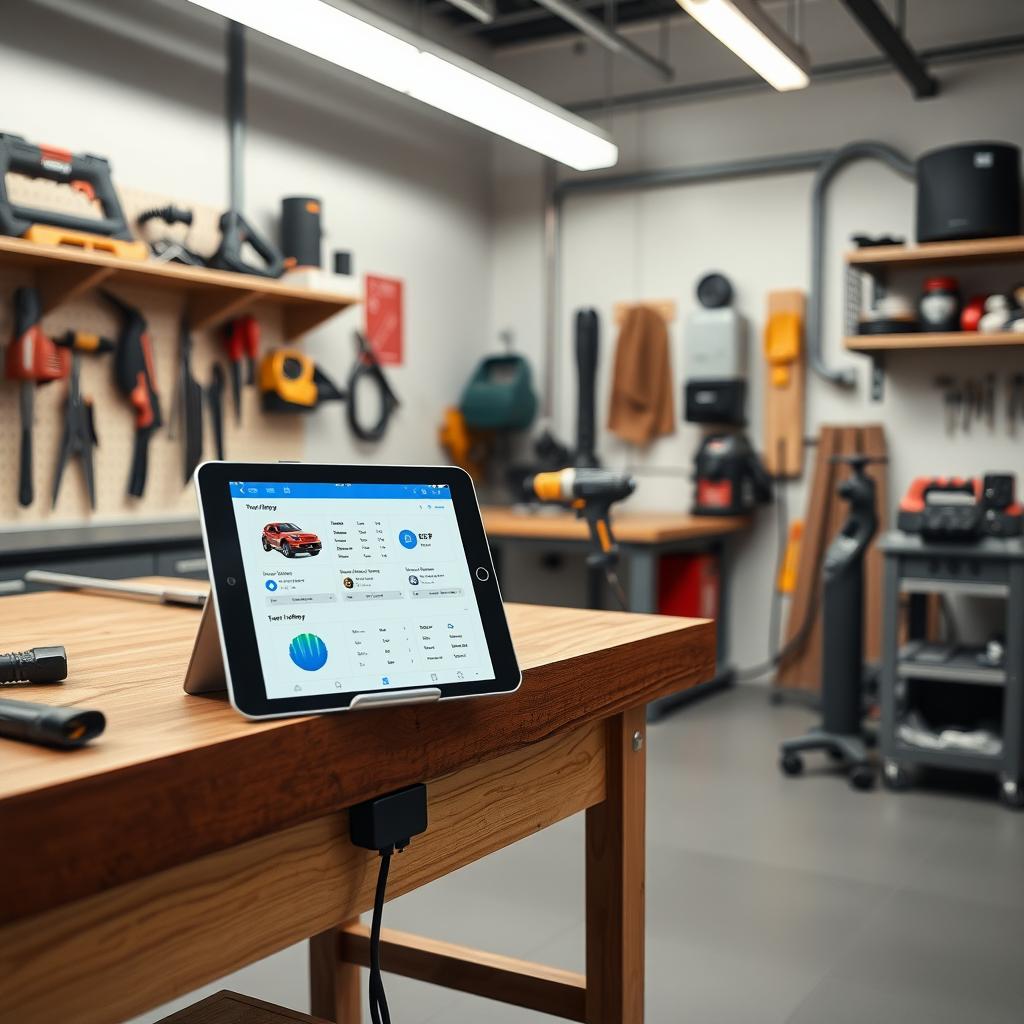
Modern workshops benefit from tech. Apps like Sortly or Trello can track inventory and project progress. Smart power strips let you control multiple tools with one switch. I started using a barcode scanner app to log small parts, and it’s saved me hours searching for misplaced items.
Safety First
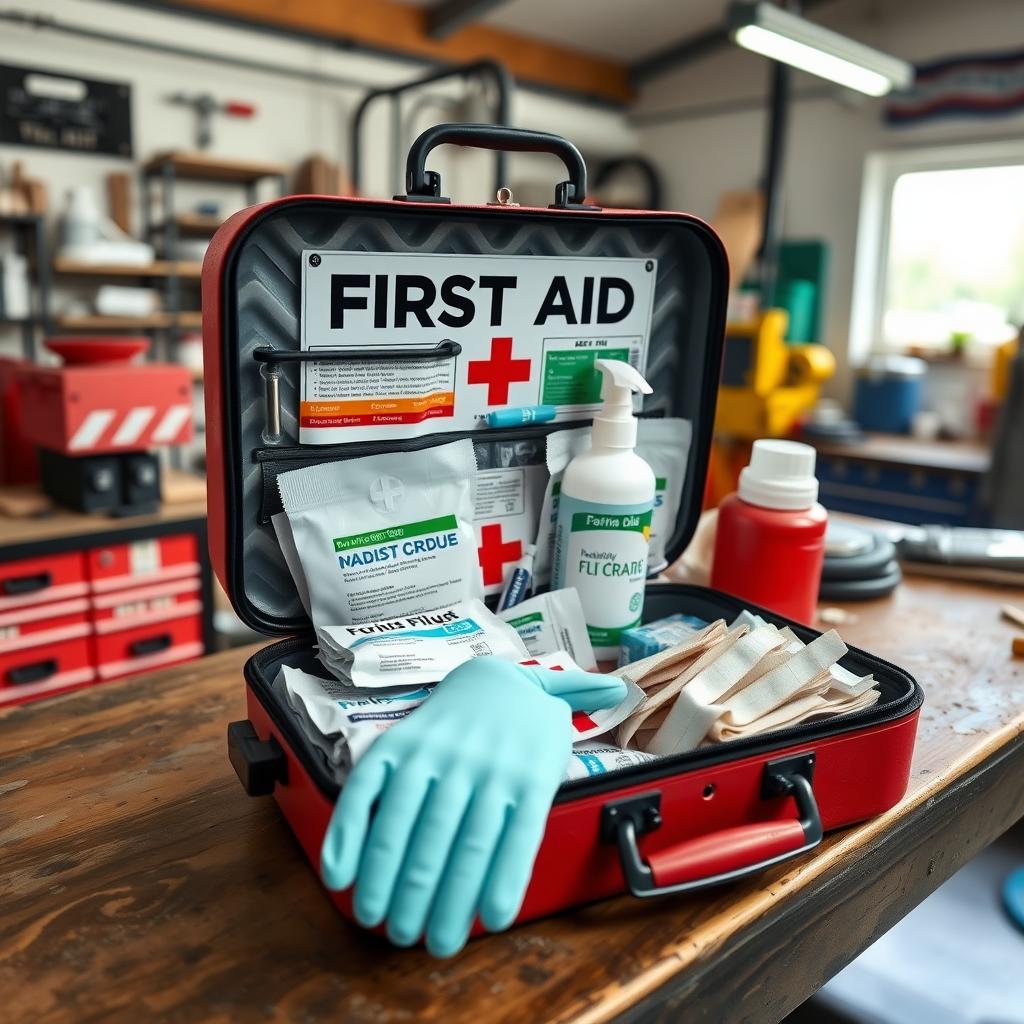
Never overlook safety. Ensure proper lighting to avoid mistakes. Keep a first-aid kit handy and store hazardous materials in locked cabinets. I once tripped over a stray extension cord—now I use cord organizers to keep them off the floor. Safety gear from the top 10 must-have tools list is non-negotiable.
Budget-Friendly Organization Hacks
You don’t need to spend a fortune to organize. Repurpose old furniture, like using a filing cabinet for tool storage. PVC pipes can hold long tools like brooms or dowels. Check out DIY blogs for creative ideas—Family Handyman has great tips for budget-friendly workshop hacks.
Scaling Up for Larger Projects
As your skills grow, so will your projects. Plan for scalability by investing in modular workshop equipment. For example, expandable workbenches or stackable storage units adapt to bigger tasks. I upgraded to a modular system last year, and it’s made handling large woodworking projects much easier.
Common Mistakes to Avoid
Avoid these pitfalls when organizing: - Overbuying tools: Only purchase what you need. - Ignoring ergonomics: Set up workstations at comfortable heights. - Skipping labels: Unlabeled bins lead to chaos. - Neglecting maintenance: Dull tools slow you down. Learning from my own mistakes, I now prioritize quality over quantity in my workshop.
Summary
Mastering advanced techniques for workshop organization transforms your workspace into a hub of productivity. By planning your layout, investing in high-quality workman tools for professionals, and using smart storage solutions, you’ll work smarter, not harder. Start small with tips for organizing small workshops efficiently, and scale up as needed. A tidy, efficient workshop is within reach—get started today!
Related Advanced Techniques for Workshop Organization:
- DIY Workshop Storage Solutions: Transform Chaos into Creative Flow
- Essential Painting Tools for Beginners: Your Guide to Starting Right
- Advanced Electrical Tools for Automation: Revolutionizing Workman Efficiency
- Top Safety Practices for Electrical Projects: A Comprehensive Guide
- DIY Safety: Protecting Yourself While Working on Home Projects
- Understanding the Role of Ergonomics in Construction
- Top 10 Tools Every Workman Should Own for Any Job
- How to Fix Common Plumbing Problems at Home: A DIY Guide
- How to Choose the Best Hand Tools for Home Repairs
- The Ultimate Guide to Workman Tools for Automotive Repairs
- Woodworking 101: Essential Tools for Beginners
- Understanding Construction Site Hazards: A Comprehensive Guide to Staying Safe