Overview: Why Understanding Construction Site Hazards Matters
Construction sites are busy, dynamic places where heavy machinery, tools, and workers come together to build something incredible. But with all that activity comes risk. From falling objects to electrical hazards, understanding construction site hazards is key to keeping everyone safe. This article dives into the most common dangers, offers practical safety tips, and shares ways to train smarter for a safer work environment.
The Reality of Construction Site Hazards
Construction work is rewarding but demanding. Every day, workers face risks that can lead to serious injuries or worse. According to the U.S. Occupational Safety and Health Administration (OSHA), construction accounts for about 20% of workplace fatalities in the U.S. each year. That’s a sobering number. The good news? Most accidents are preventable with the right knowledge and precautions.
I’ve spent years visiting job sites, talking to workers, and seeing firsthand how small oversights can turn dangerous. Whether it’s a loose scaffold or a poorly maintained tool, the risks are real. Let’s break down the most common hazards and how to tackle them.
Common Construction Site Hazards
Here are the top hazards workers face on construction sites, based on data and real-world experience:
- Falls: Falls from heights, like scaffolds or ladders, are the leading cause of construction injuries. OSHA reports that falls account for nearly 40% of construction fatalities.
- Struck-by Objects: Tools, materials, or equipment falling from above can cause severe injuries.
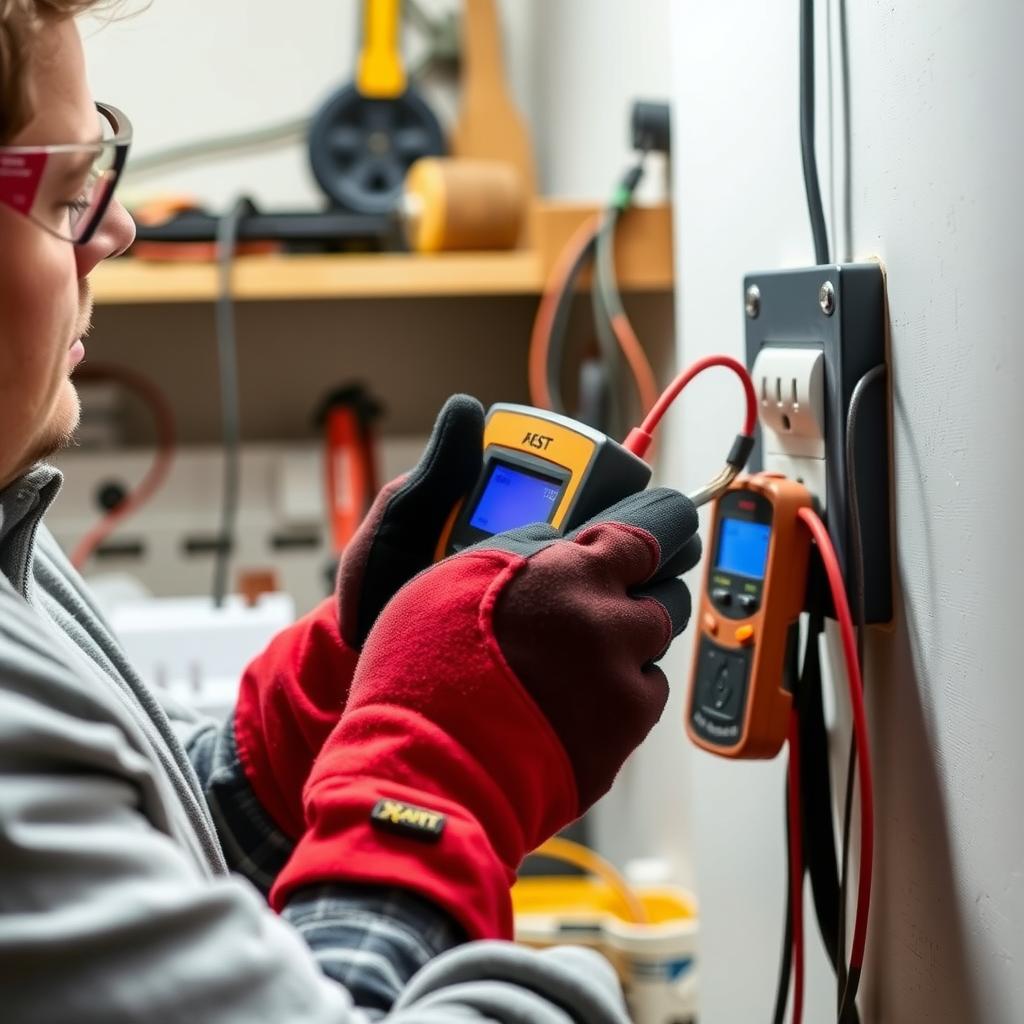
- Electrocution: Exposed wires, faulty equipment, or wet conditions near electrical sources pose serious risks.
- Caught-in/Between: Workers can get trapped in machinery or between collapsing structures.
- Trench Collapses: Excavation sites can cave in without proper shoring or sloping.
Each of these hazards can be mitigated with awareness and action. Let’s explore how.
Essential Safety Tips for Construction Workers
Staying safe on a construction site starts with preparation and vigilance. Here are some actionable tips to reduce risks:
Wear Proper Personal Protective Equipment (PPE)
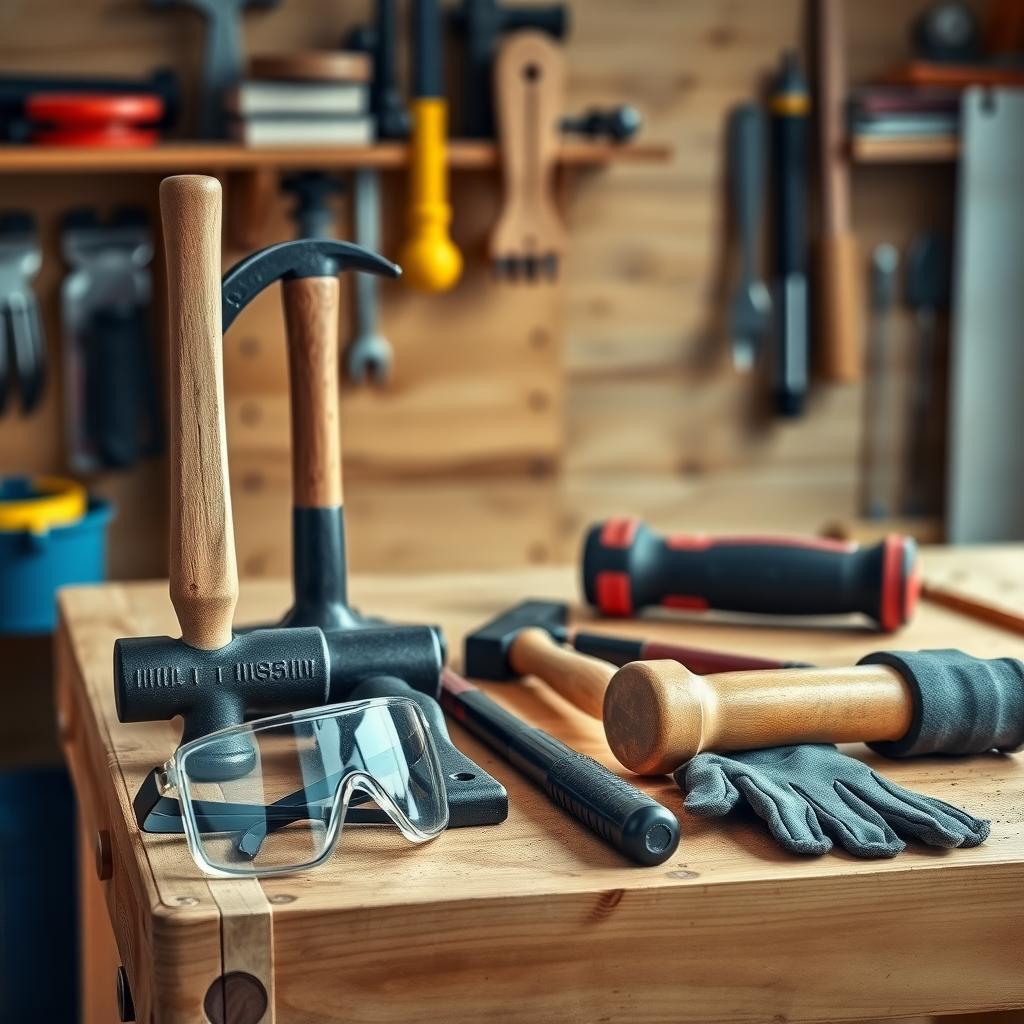
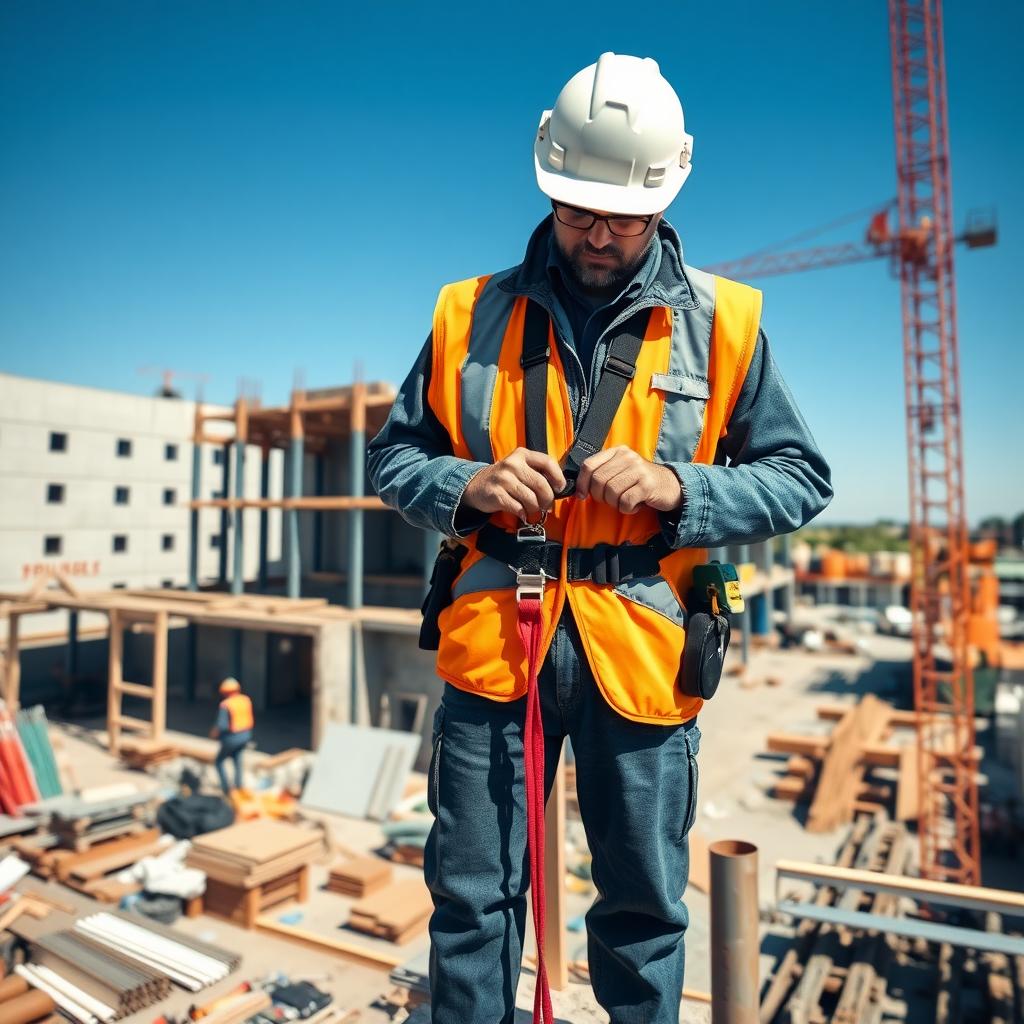
Always wear a hard hat, safety glasses, gloves, and steel-toed boots. High-visibility clothing is a must in busy areas. I once saw a worker avoid a serious head injury because his hard hat took the brunt of a falling tool. PPE isn’t optional—it’s a lifesaver.
Inspect Equipment Regularly
Before starting work, check ladders, scaffolds, and machinery for damage. A wobbly ladder or a frayed harness can spell disaster. Follow maintenance tips for workman tools to keep your gear in top shape.
Stay Alert
Construction sites are chaotic. Stay focused, avoid distractions like phones, and be aware of your surroundings. If you’re working near heavy machinery, make eye contact with operators to ensure they see you.
Follow Safety Protocols
Never bypass safety procedures to save time. Lockout/tagout systems for electrical work and proper shoring for trenches are non-negotiable. Shortcuts lead to accidents.
Communicate Clearly
Use hand signals, radios, or spotters to coordinate with your team. Miscommunication can lead to someone being in the wrong place at the wrong time.
Smart Ways to Train for Construction Safety
Training isn’t just a checkbox—it’s the foundation of a safe workplace. Here are some smart ways to train for construction safety that go beyond boring lectures:
- Hands-On Simulations: Practice using PPE, climbing scaffolds, or handling tools in a controlled environment. I’ve seen workers gain confidence after mock scenarios that mimic real hazards.
- Regular Refresher Courses: Safety standards evolve, and so should your knowledge. Schedule quarterly refreshers to stay updated.
- Use Technology: Virtual reality (VR) training is gaining traction. It lets workers experience hazards like falls or electrical shocks without real-world consequences.
- Peer Learning: Encourage experienced workers to mentor new hires. Stories from the field stick better than textbooks.
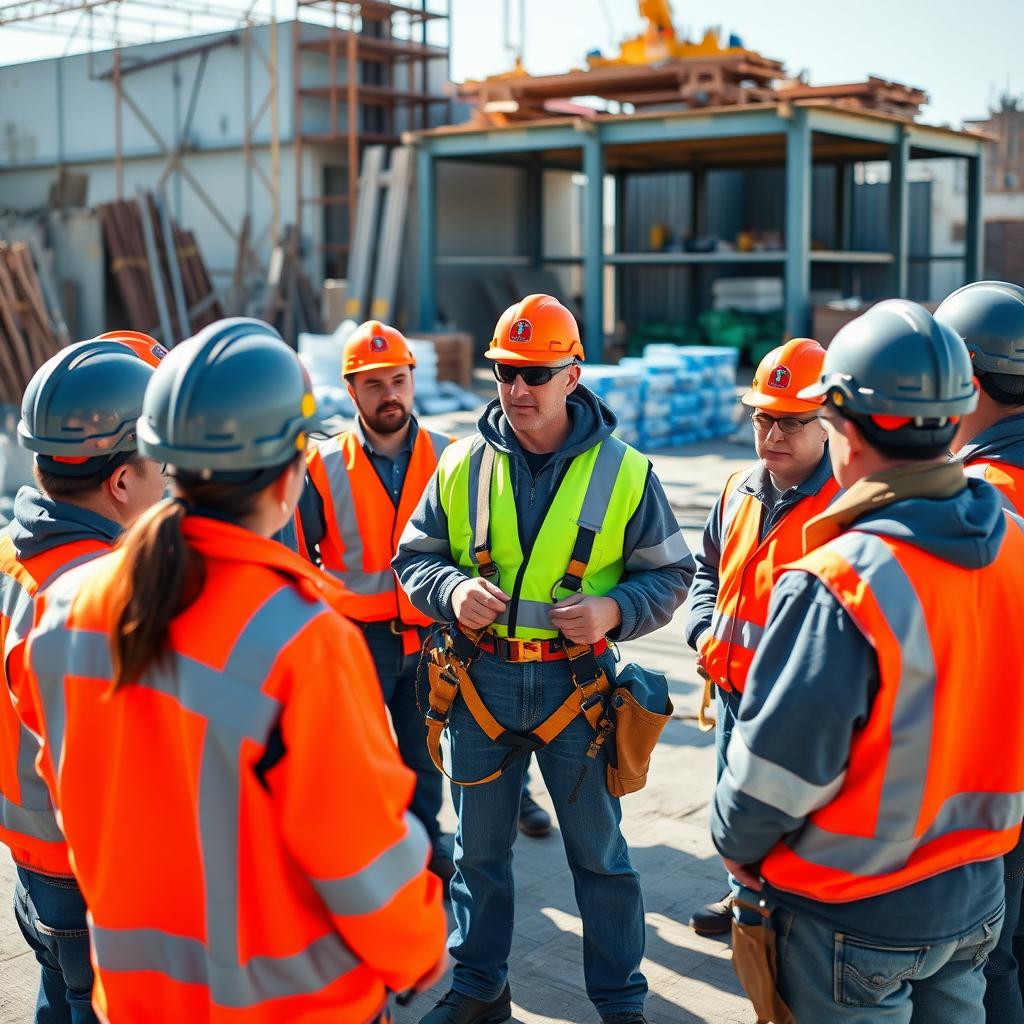
- Toolbox Talks: Start each shift with a 5-minute safety briefing. Discuss specific hazards for that day’s tasks.
For more on creating effective training programs, check out Smart Ways to Train for Construction Safety.
Maintenance Tips for Workman Tools
Tools are a worker’s lifeline, but poorly maintained equipment can become a hazard. Here’s how to keep your tools in top condition:
| Tool Type | Maintenance Tip | Why It Matters |
|---|---|---|
| Power Tools | Clean after use and check cords for fraying | Prevents electrical shocks and malfunctions |
| Ladders | Inspect rungs and locks for wear | Avoids collapses during use |
| Hand Tools | Store in a dry place to prevent rust | Ensures reliability and precision |
| Harnesses | Check for tears or worn stitching | Critical for fall protection |
I learned this the hard way when a drill with a frayed cord sparked during a job. Regular checks take minutes but save lives. For a detailed guide, see maintenance tips for workman tools.
Building a Safety-First Culture
Safety isn’t just about rules—it’s about mindset. A site where everyone prioritizes safety is a site where accidents drop. Encourage workers to speak up about unsafe conditions without fear. Reward proactive behavior, like reporting a loose scaffold or a faulty tool. I’ve seen crews transform when leaders model safety themselves. It’s contagious.
Management plays a big role here. Provide clear safety guidelines, invest in quality PPE, and never rush a job at the expense of safety. Workers notice when safety is valued, and they act accordingly.
Leveraging Resources for Safety
To deepen your understanding of construction site hazards, tap into reliable resources. OSHA’s website (https://www.osha.gov) offers free guides on everything from fall protection to electrical safety. Local safety workshops and trade unions also provide hands-on training. For practical tips tailored to workers, visit https://example.com/worker-safety-tips for a wealth of actionable advice.
Summary: Stay Safe, Stay Smart
Construction sites will always have risks, but understanding construction site hazards empowers workers to stay safe. By wearing PPE, maintaining tools, training smart, and fostering a safety-first culture, you can minimize dangers and focus on the job. Stay vigilant, keep learning, and make safety your priority every day.
Related Understanding Construction Site Hazards:
- How to Choose the Best Tools for Electrical Projects: A Comprehensive Guide
- Screwdriver Safety Tips: How to Use Workman Tools Safely and Effectively
- How to Use a Hammer Safely: A Beginner’s Guide to Mastering This Essential Tool
- Organizing Your Tool Shed Like a Pro: A Step-by-Step Guide
- Woodworking Tools Every DIY Enthusiast Should Own
- Must-Have Hand Tools for Mechanics: Your Essential Guide
- Top Toolkits for Every Handyman: Building Your Essential Collection
- Mastering Joinery with Mortise Chisels: A Woodworker’s Guide
- Safety Tips for Using Hand Tools in the Workshop
- Tool Belts with Ergonomic Designs: Comfort and Efficiency for Workmen
- Mastering Metal Forming: Advanced Hammering Techniques and Tools
- Preventing Hand Injuries at Work: Practical Tips for a Safer Workplace