Overview
Every mechanic, whether a seasoned pro or a weekend DIYer, needs a solid set of hand tools to get the job done. The right tools save time, boost efficiency, and make repairs smoother. This guide dives into the must-have hand tools for mechanics, sharing practical advice and personal insights to help you build a toolkit that lasts.
Why Quality Hand Tools Matter
Hand tools are the backbone of any mechanic’s work. They’re not just equipment; they’re an extension of your skills. A good wrench or screwdriver can mean the difference between a quick fix and a stripped bolt. Investing in quality workman tools ensures durability and precision, saving you from frustration and costly replacements.
I’ve been in garages where cheap tools snapped mid-job, leaving everyone scrambling. Quality tools, like those from trusted brands, hold up under pressure. They’re built to handle the torque and wear of daily use. Plus, they feel better in your hand, making long hours more comfortable.
Essential Hand Tools for Mechanics
Let’s break down the core tools every mechanic needs. These are the workhorses you’ll reach for on almost every job.
1. Wrenches
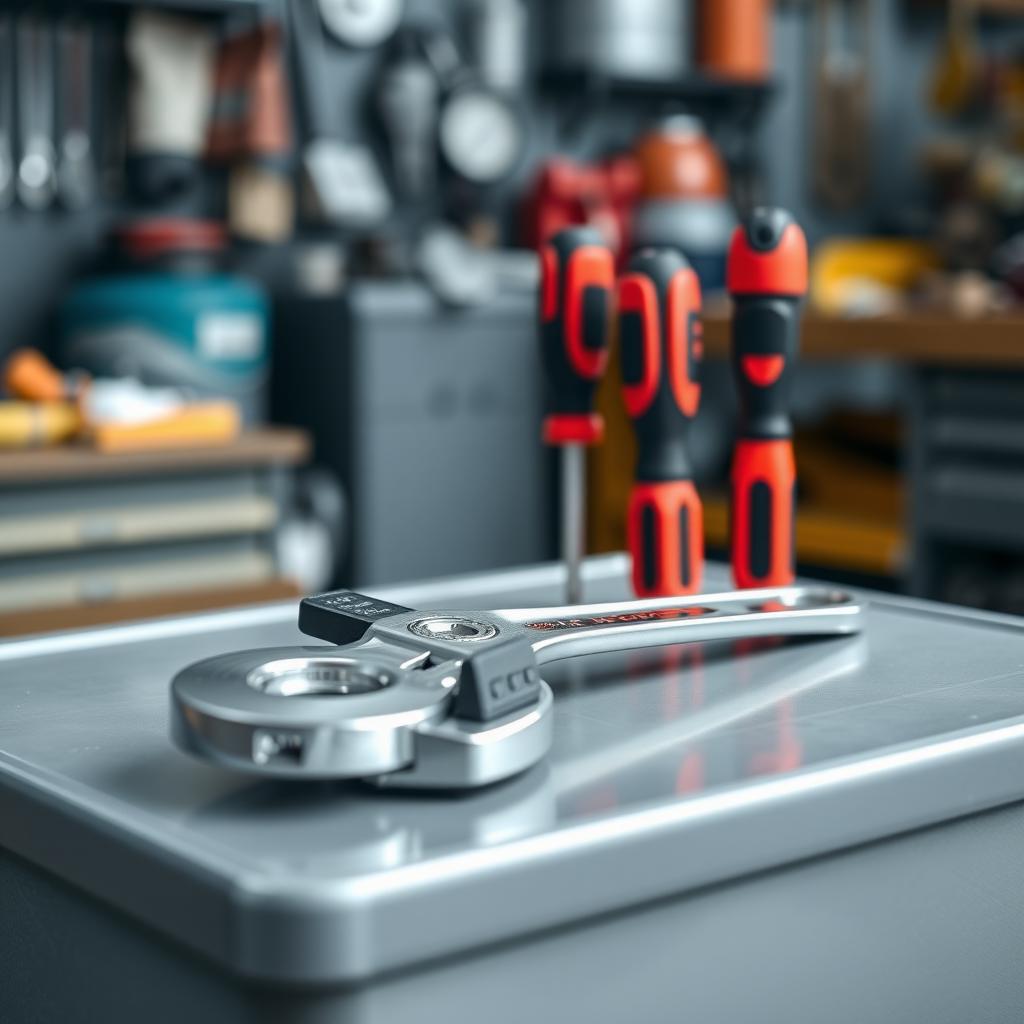
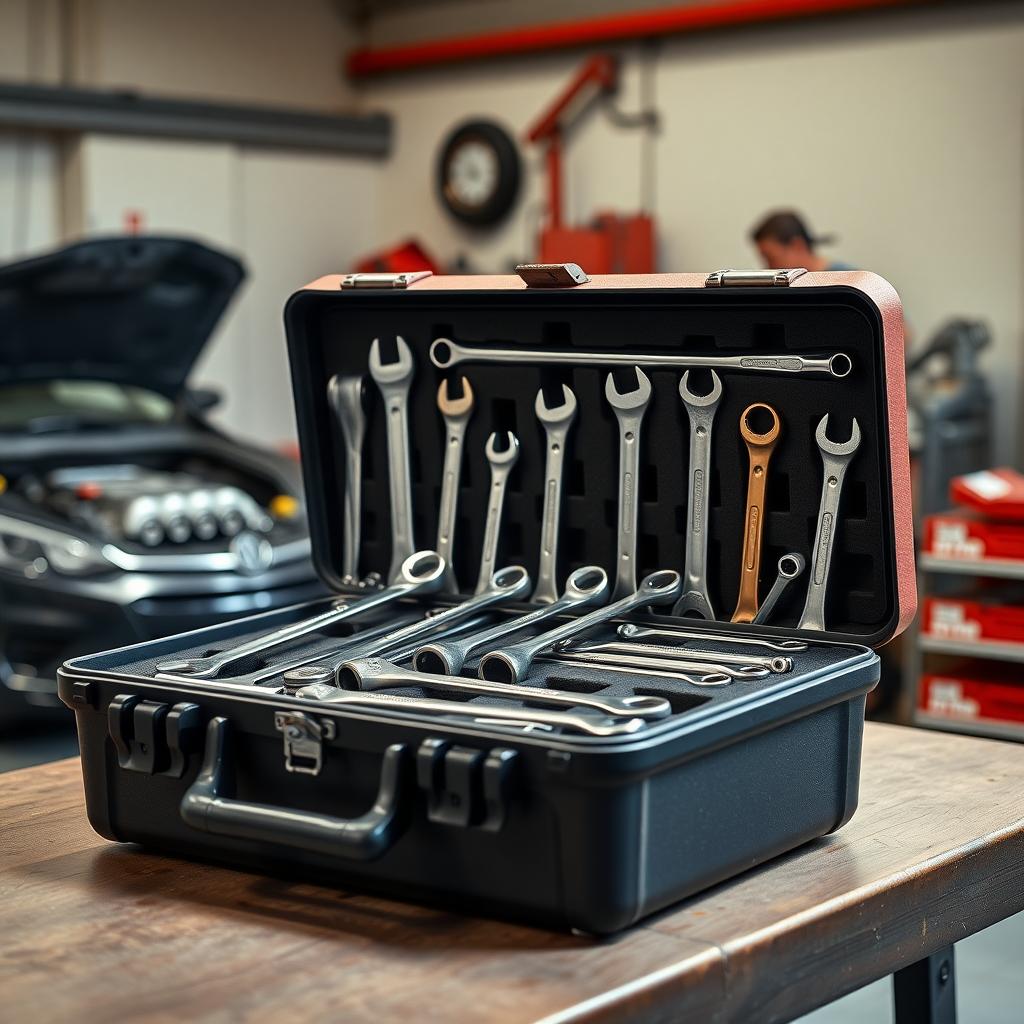
Wrenches are non-negotiable. A good set of combination wrenches, covering both metric and SAE sizes, is critical. Look for sizes from 8mm to 19mm and 5/16” to 1” for versatility. Ratcheting wrenches speed up work on bolts in tight spaces.
I once tackled a stubborn alternator bolt in a cramped engine bay. My ratcheting wrench saved the day, letting me work without removing half the engine. For specialty jobs, consider torque wrenches for precise tightening. The University of Wisconsin’s engineering department emphasizes torque accuracy to prevent over-tightening, which can damage components.
2. Screwdrivers
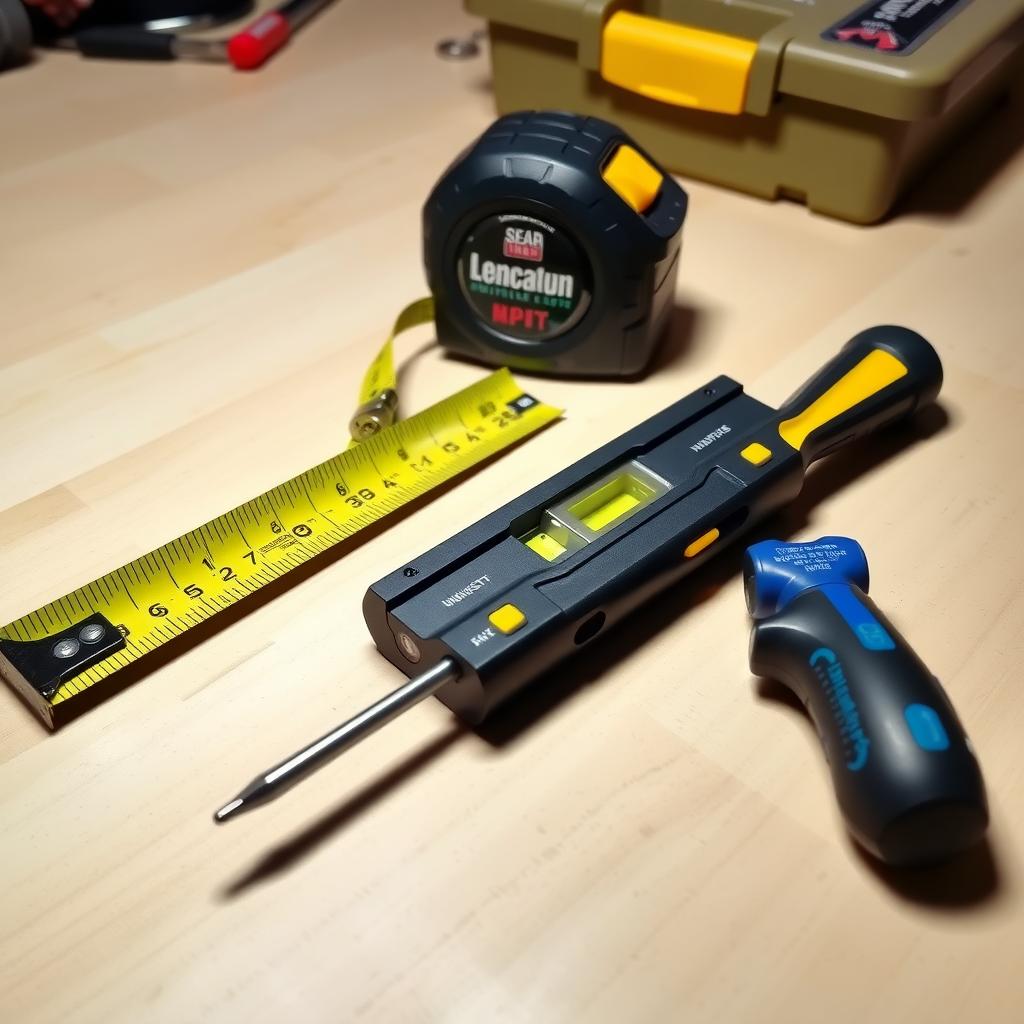
Screwdrivers are another must-have. A set with flathead and Phillips heads in various sizes covers most tasks. Magnetic tips are a lifesaver for holding screws in place. I’ve found that insulated screwdrivers add safety when working near electrical components.
One time, I was removing a dashboard panel, and a cheap screwdriver stripped the screw head. A quality set with hardened tips would’ve saved me hours. Look for ergonomic grips to reduce hand fatigue during long jobs.
3. Pliers
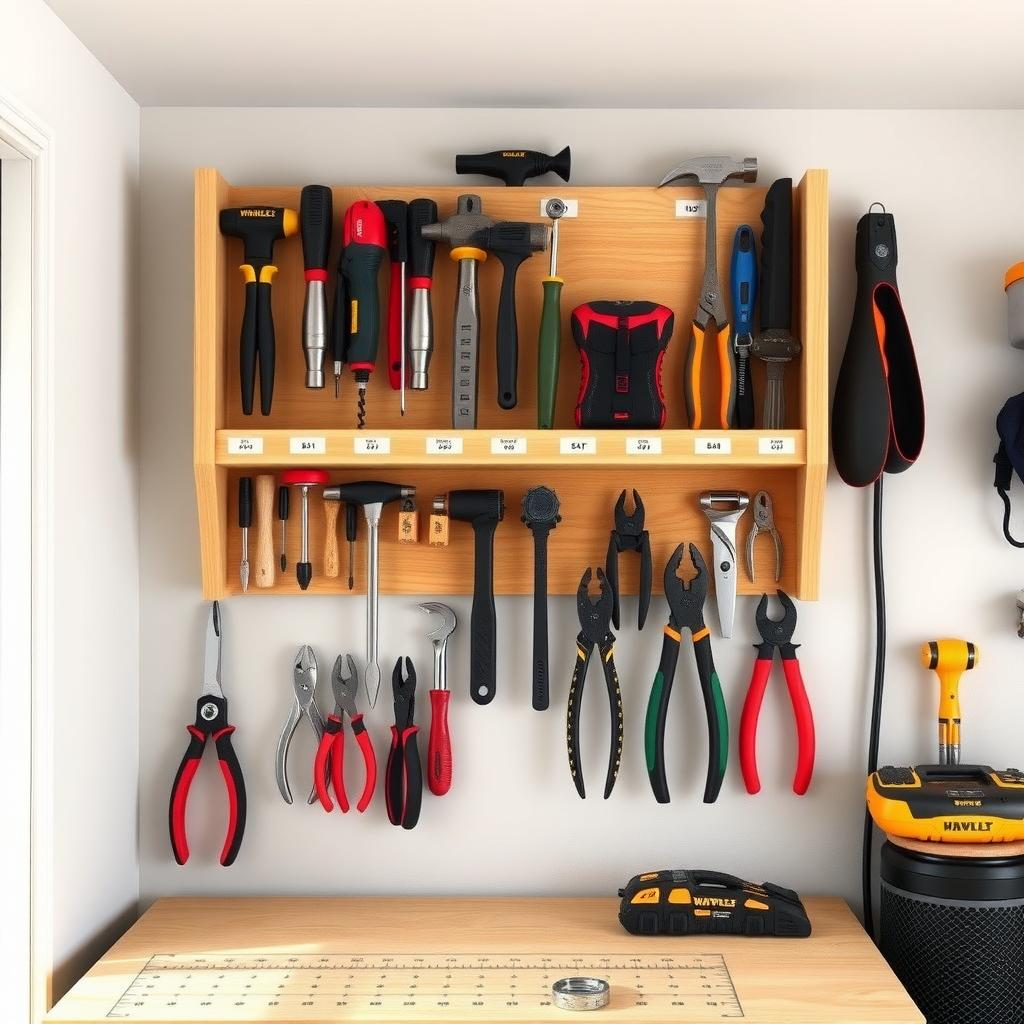
Pliers come in handy for gripping, twisting, and cutting. A good mix includes needle-nose pliers for precision, slip-joint pliers for versatility, and locking pliers (like Vice-Grips) for a firm hold. Diagonal cutters are great for trimming wires cleanly.
I keep needle-nose pliers in my kit for fishing out small parts that fall into engine bays. They’re a game-changer for delicate tasks. OSHA’s safety guidelines recommend using insulated pliers when working near live wires to avoid shocks.
4. Socket Sets
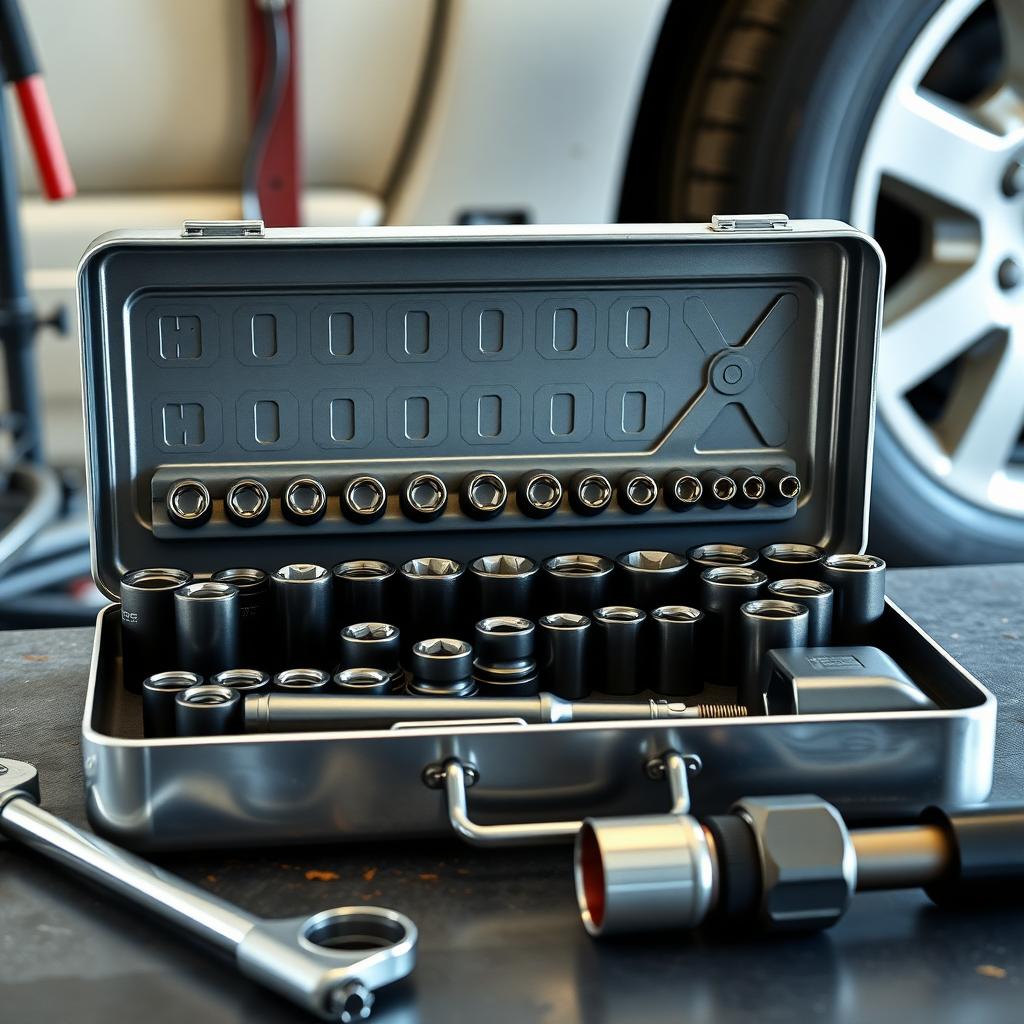
Socket sets are essential for turning nuts and bolts quickly. A 3/8-inch drive set with both metric and SAE sizes (8mm to 19mm and 5/16” to 1”) is ideal for most automotive work. Deep sockets are useful for longer bolts, and a ratchet handle makes the job faster.
I’ve used my socket set on everything from brake jobs to suspension repairs. A universal joint adapter can help you reach awkward angles. Pro tip: organize your sockets in a labeled case to avoid digging through a pile mid-job.
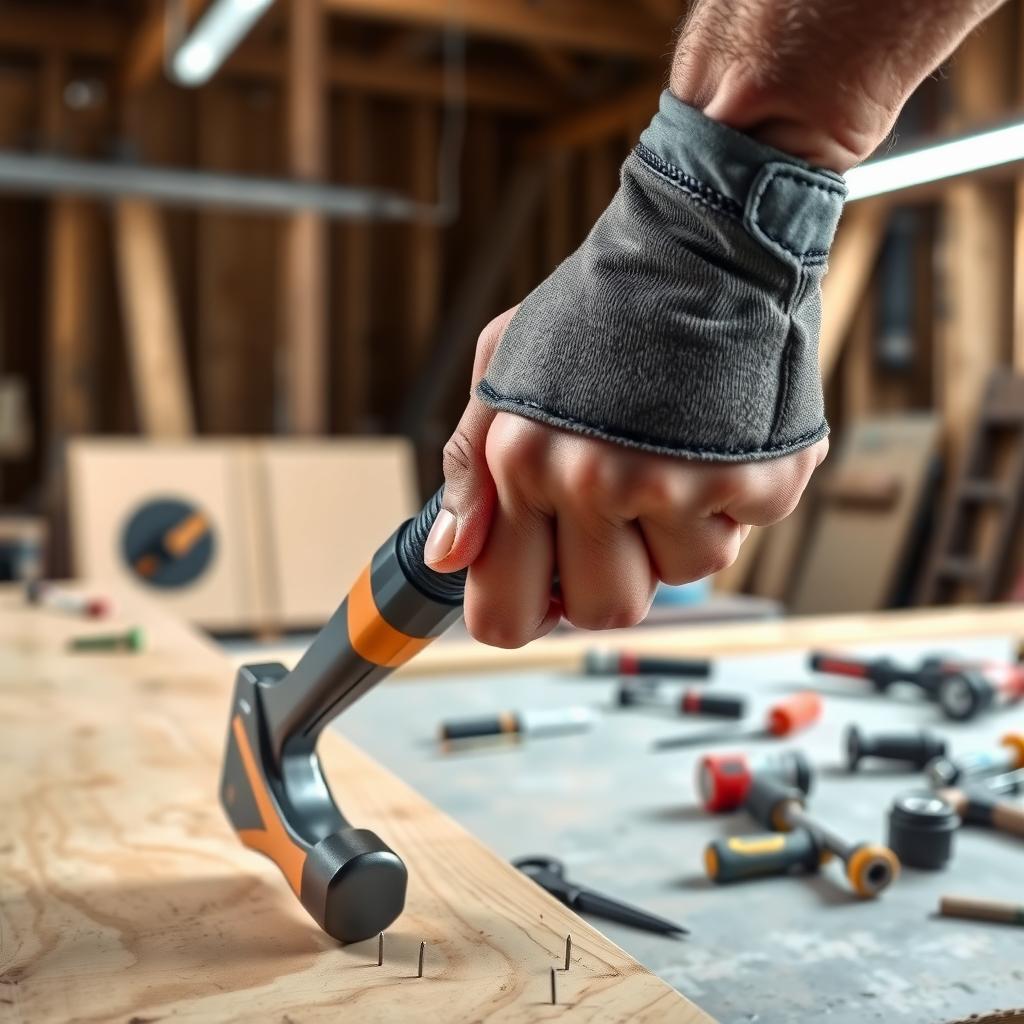
5. Hammers and Mallets
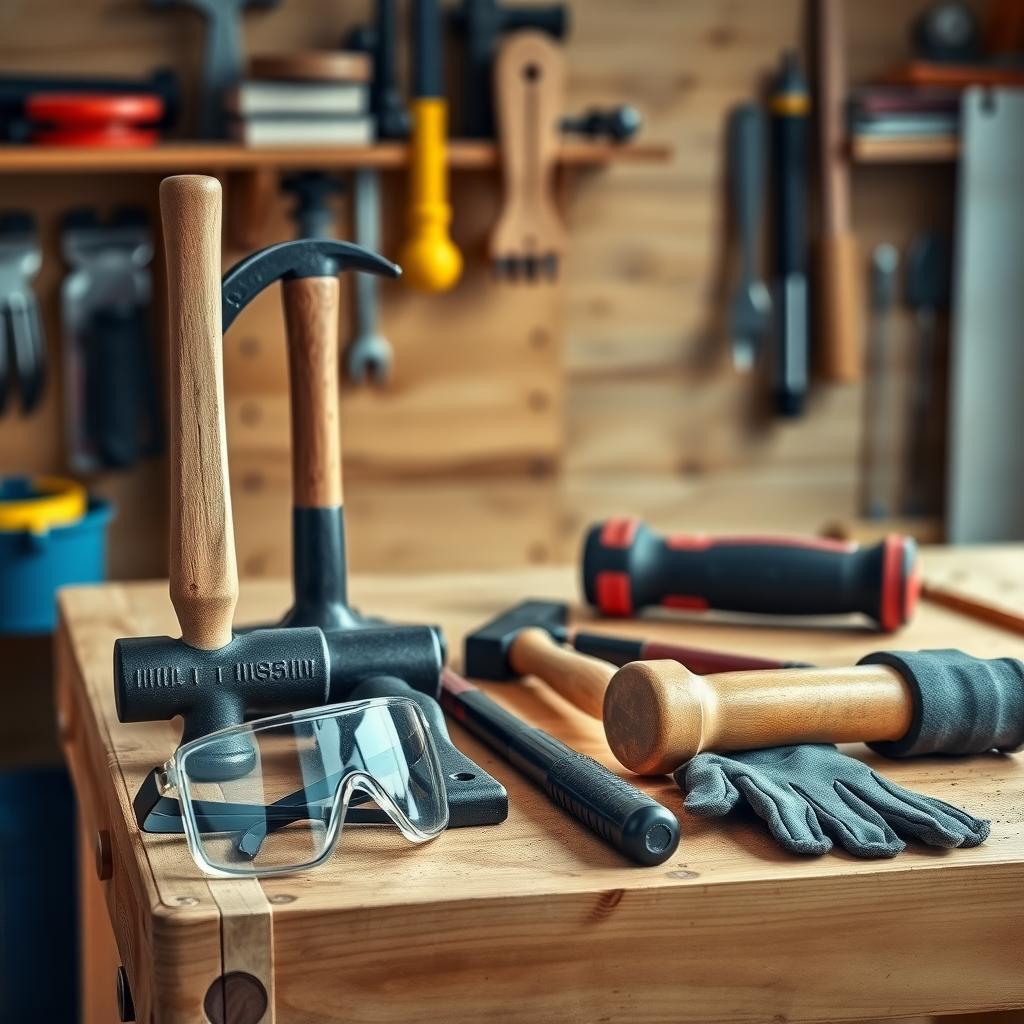
A ball-peen hammer is perfect for tapping chisels or loosening stuck parts. A rubber mallet is great for gentler tasks, like seating hubcaps without damage. I’ve used a dead-blow hammer to free rusted components without denting anything.
Choose hammers with solid, comfortable handles. A cheap hammer’s head can fly off mid-swing—trust me, it’s not fun. Always inspect your tools for wear before use.
6. Pry Bars and Pullers
Pry bars are lifesavers for removing stuck parts, like pulleys or covers. A set of different lengths gives you options. Gear pullers are crucial for removing bearings or pulleys without damaging them.
I once struggled with a seized harmonic balancer until I got a proper puller. It turned a nightmare job into a 20-minute task. MIT’s mechanical engineering resources highlight the importance of using pullers to avoid damaging precision components.
Specialty Tools for Advanced Repairs
Beyond the basics, some specialty tools make tough jobs easier. A multimeter is great for diagnosing electrical issues. I’ve used mine to track down a short in a wiring harness, saving hours of guesswork. Feeler gauges are handy for checking gaps in spark plugs or valves.
For brake jobs, a brake bleeder kit simplifies flushing the system. These tools aren’t used daily but are worth their weight when needed. Invest in them as your skills grow.
Choosing the Right Tools
When picking hand tools, prioritize quality over quantity. Look for tools with lifetime warranties from reputable brands. Chrome-vanadium steel is a good sign of durability. Avoid sets with too many gimmicky extras—you’ll rarely use them.
I learned this the hard way after buying a cheap set that rusted in a year. Spend a bit more upfront, and you’ll save money long-term. Check user reviews on sites like Consumer Reports for unbiased feedback on tool performance.
Tool Maintenance Tips
Taking care of your tools keeps them working like new. Here’s a quick checklist:
| Task | Frequency | Benefit |
|---|---|---|
| Clean tools after use | Daily | Prevents rust and grime buildup |
| Store in a dry toolbox | Always | Protects from moisture damage |
| Inspect for wear | Monthly | Avoids accidents from damaged tools |
| Lubricate moving parts | Yearly | Ensures smooth operation |
I wipe down my tools with a rag and store them in a toolbox with silica gel packs to absorb moisture. It’s a small effort that extends their life significantly.
Building Your Toolkit on a Budget
Starting out, you don’t need to buy everything at once. Begin with a basic set of wrenches, screwdrivers, and pliers. Add sockets and specialty tools as you take on more complex jobs. Look for sales at reputable retailers or consider buying used from trusted sources.
I built my first toolkit over a year, picking up deals at local tool shops. Pawn shops can be goldmines for quality used tools, but inspect them carefully for damage.
Summary
A mechanic’s toolkit is only as good as the hand tools in it. From wrenches to pry bars, the must-have hand tools for mechanics make repairs faster, safer, and more precise. Invest in quality, maintain your tools, and build your collection thoughtfully. With the right workman tools, you’ll tackle any job with confidence.
Related must-have hand tools for mechanics:
- Top Toolkits for Every Handyman: Building Your Essential Collection
- Mastering Joinery with Mortise Chisels: A Woodworker’s Guide
- Safety Tips for Using Hand Tools in the Workshop
- Tool Belts with Ergonomic Designs: Comfort and Efficiency for Workmen
- Mastering Metal Forming: Advanced Hammering Techniques and Tools
- Preventing Hand Injuries at Work: Practical Tips for a Safer Workplace
- Future Trends in Construction Planning: Revolutionizing the Industry
- Must-Have Workman Tools for Every Toolbox: Your Ultimate Guide
- DIY Storage Builds: Make Your Own Tool Racks
- DIY Home Improvement Projects for Beginners: Your Ultimate Guide to Getting Started
- The Ultimate Guide to Hand Tools Storage Solutions
- Master Your Projects: A Complete Guide to Rotary Tool Accessories and Attachments