Overview
A well-stocked toolbox is the backbone of any successful project, whether you're fixing a leaky pipe or building a bookshelf. Having the right must-have workman tools for every toolbox ensures you’re ready for any task. This guide dives into the essential tools, focusing on quality, versatility, and practicality, with insights from years of hands-on experience.
Why a Great Toolbox Matters
Your toolbox is more than a collection of tools—it’s your partner in getting things done. A carefully chosen set of workman tools saves time, reduces frustration, and boosts confidence. I’ve spent countless hours in workshops, learning the hard way which tools are worth their weight. The right tools don’t just make work easier; they make it enjoyable.
From cutting tools to hammers, the best toolbox balances durability with functionality. Let’s explore the essentials that belong in every toolkit, whether you’re a beginner or a pro.
1. Cutting Tools: The Heart of Any Project
No toolbox is complete without reliable cutting tools. These are the workhorses that shape materials and bring projects to life. Here are the must-haves:
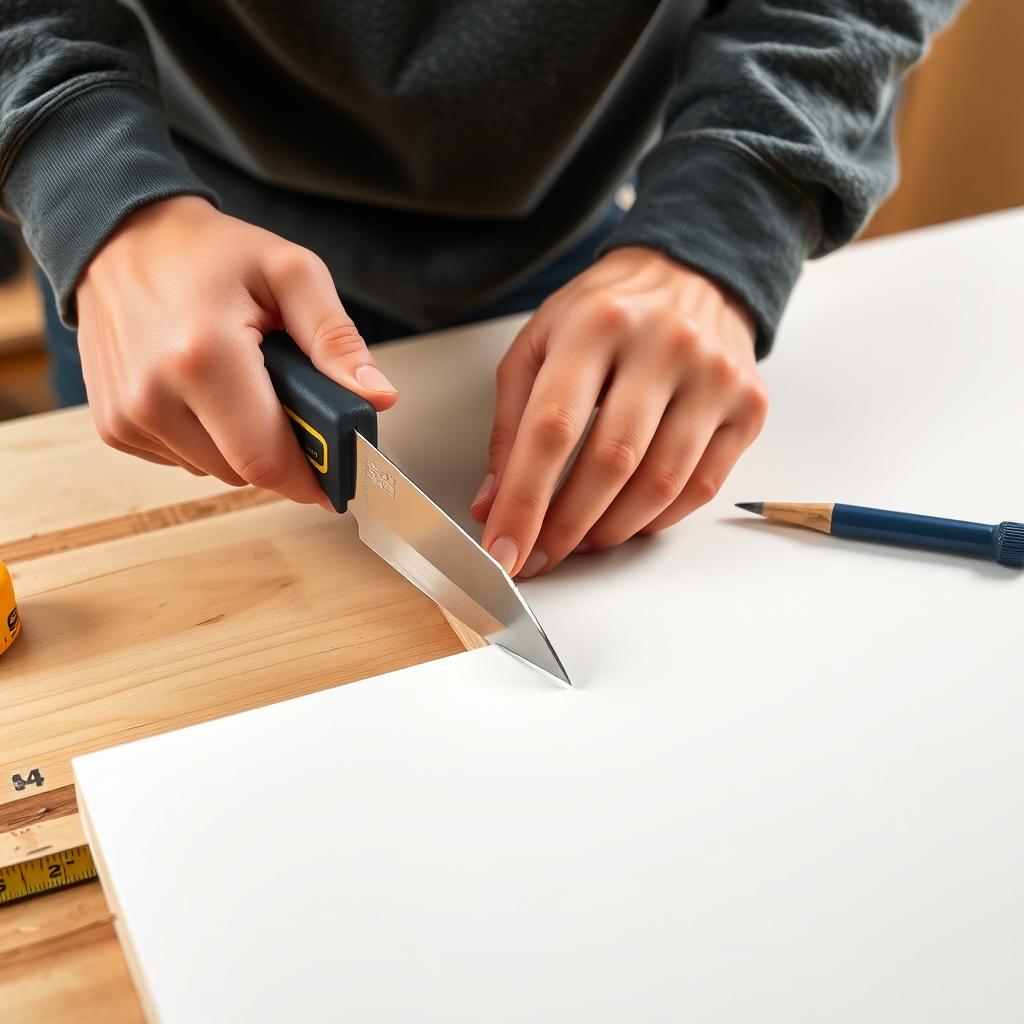
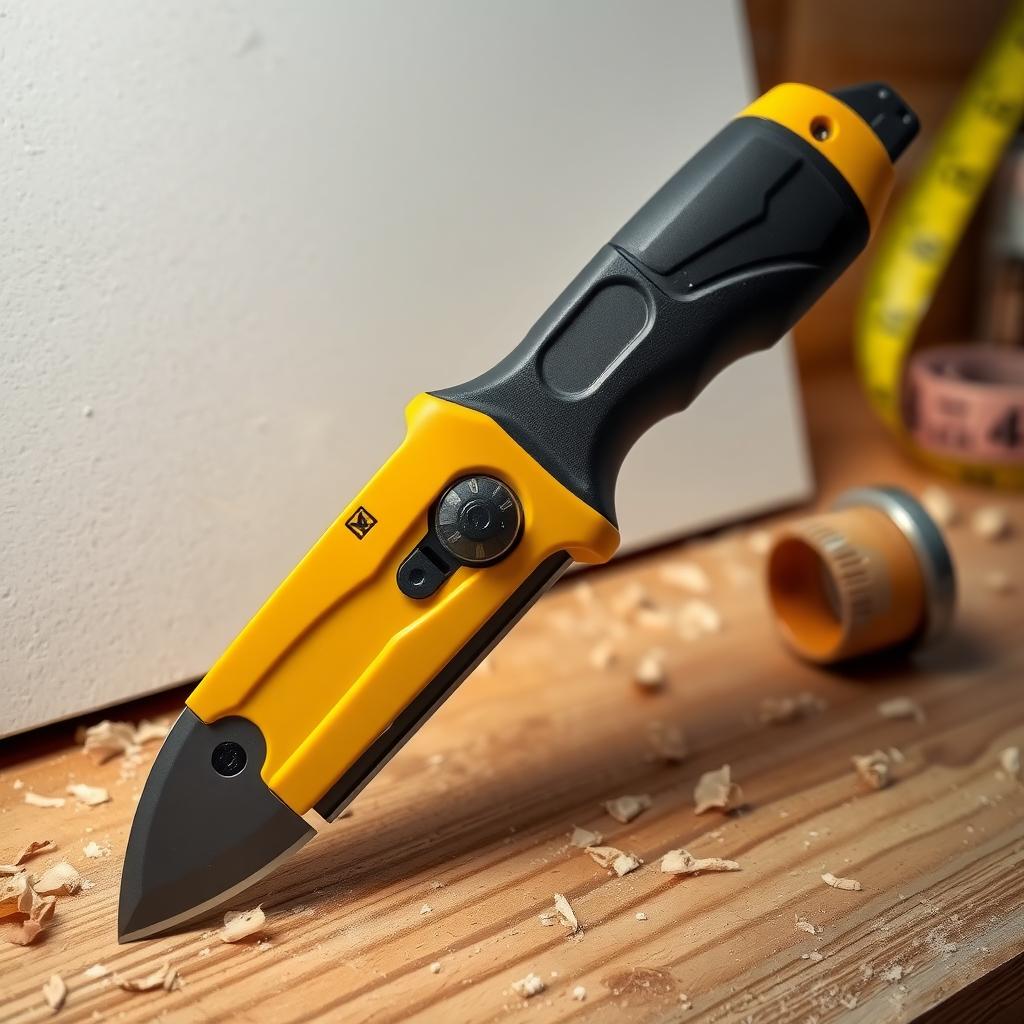
- Utility Knife: A sharp, retractable utility knife is perfect for precision cuts on drywall, rope, or even cardboard. I’ve found that a sturdy knife with replaceable blades lasts longer and handles tougher jobs.
- Hand Saw: For woodworking, a 26-inch crosscut saw offers versatility. It’s ideal for cutting lumber or trimming branches.
- Hacksaw: Great for metal or plastic pipes, a hacksaw with a comfortable grip makes quick work of tough materials.
When choosing cutting tools, prioritize ergonomics and blade quality. A dull blade is a safety hazard, so invest in tools with easy blade replacement. According to OSHA’s guidelines on hand tool safety, sharp, well-maintained tools reduce the risk of accidents.
2. Hammers: Power in Your Hands
A good hammer is non-negotiable. It’s not just for driving nails—hammers are used for demolition, shaping metal, or even light chiseling. My go-to is a 16-ounce claw hammer with a fiberglass handle for durability and shock absorption.
- Claw Hammer: Perfect for nails and prying. Look for a curved claw for better leverage.
- Sledgehammer: For heavy-duty tasks like breaking concrete, a 4-pound sledgehammer is manageable yet powerful.
Pro tip: Always check the handle for cracks before swinging. A loose head can fly off, causing injury. The National Safety Council emphasizes proper tool maintenance to prevent workplace accidents.
3. Screwdrivers and Wrenches: Fastening Essentials
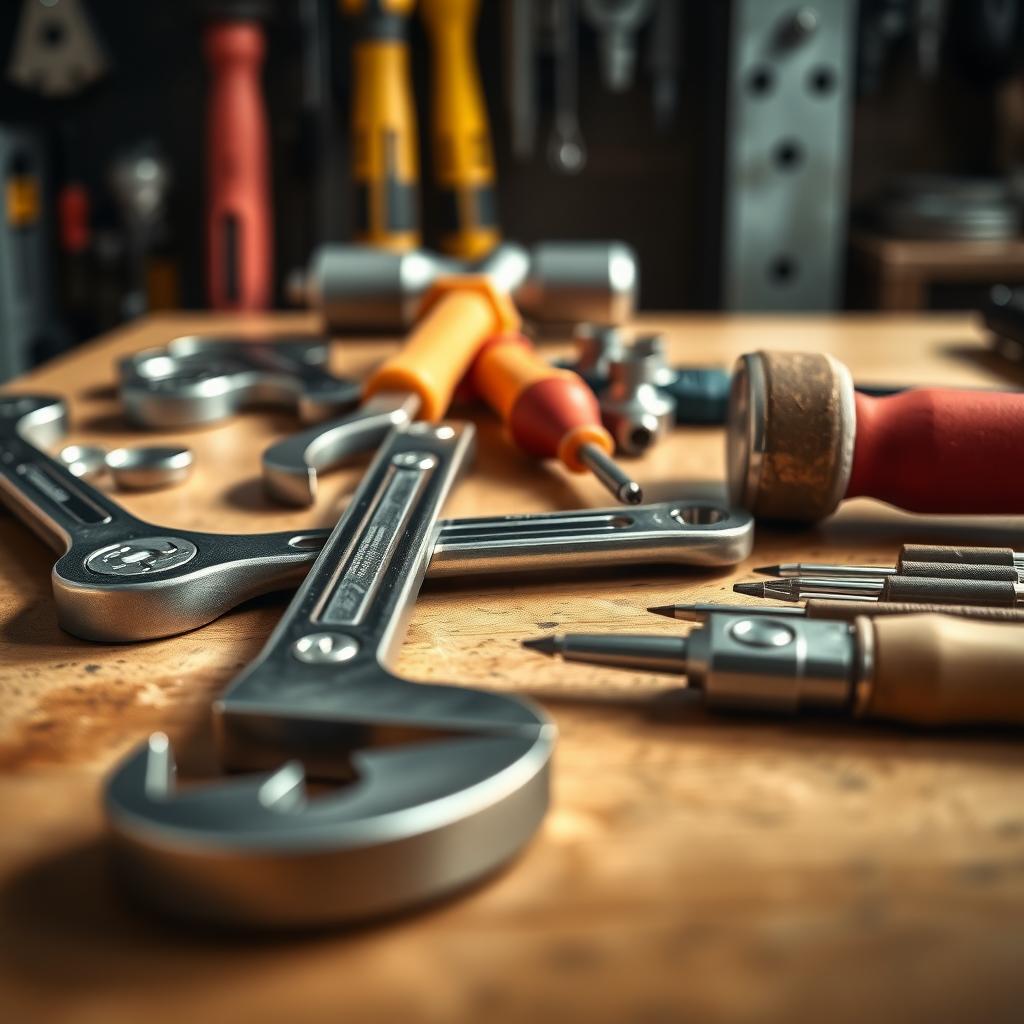
Fastening tools are the glue of any project. A versatile screwdriver set and a few key wrenches cover most tasks.
| Tool | Use | Recommended Size |
|---|---|---|
| Flathead Screwdriver | Basic slotted screws | 1/4-inch tip |
| Phillips Screwdriver | Crosshead screws | #2 tip |
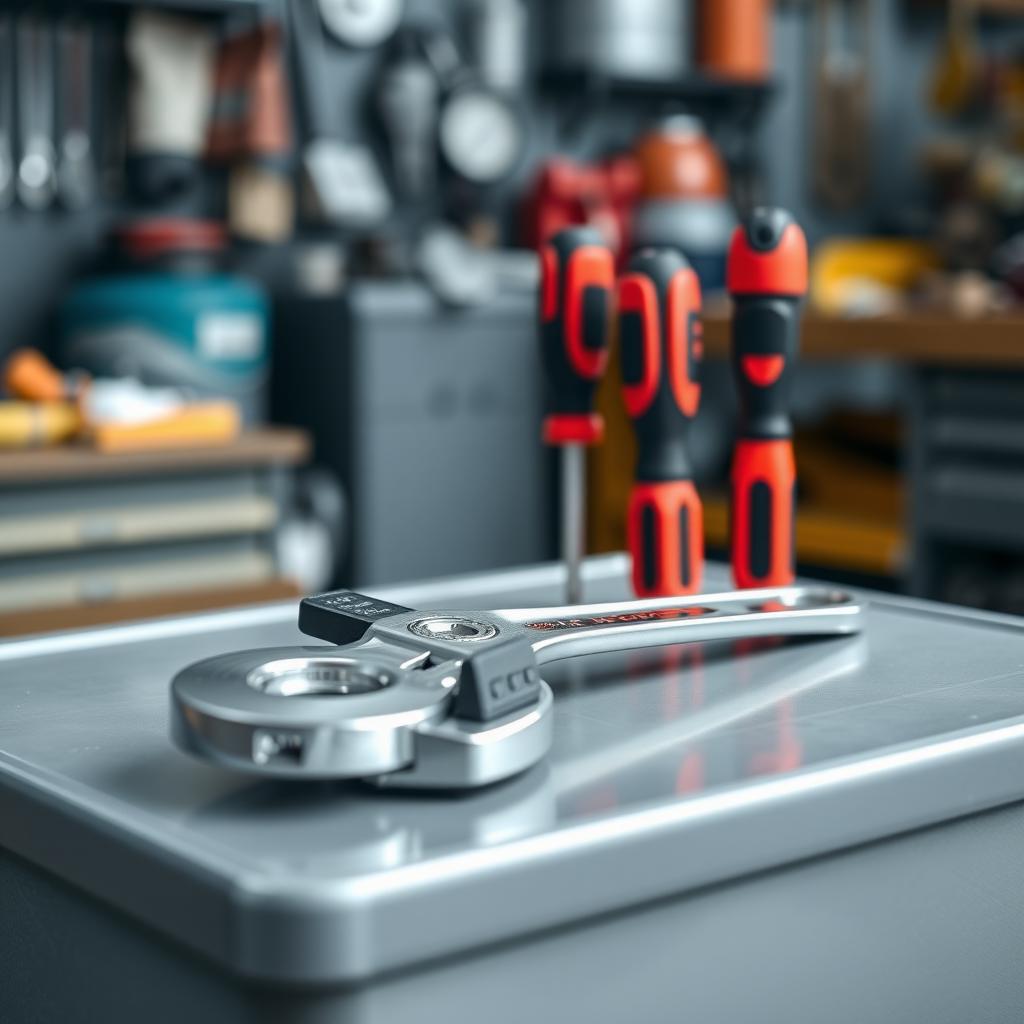
| Adjustable Wrench | Nuts and bolts | 8-inch jaw |
| Allen Wrench Set | Hex screws | 1/16 to 3/8 inch |
I once struggled with a stripped screw until I invested in a quality Phillips screwdriver with a magnetic tip—it’s a game-changer. For wrenches, an adjustable model saves space and handles various bolt sizes.
4. Measuring and Leveling Tools: Precision First
Accuracy separates good work from great work. Measuring and leveling tools ensure your projects are straight and true.
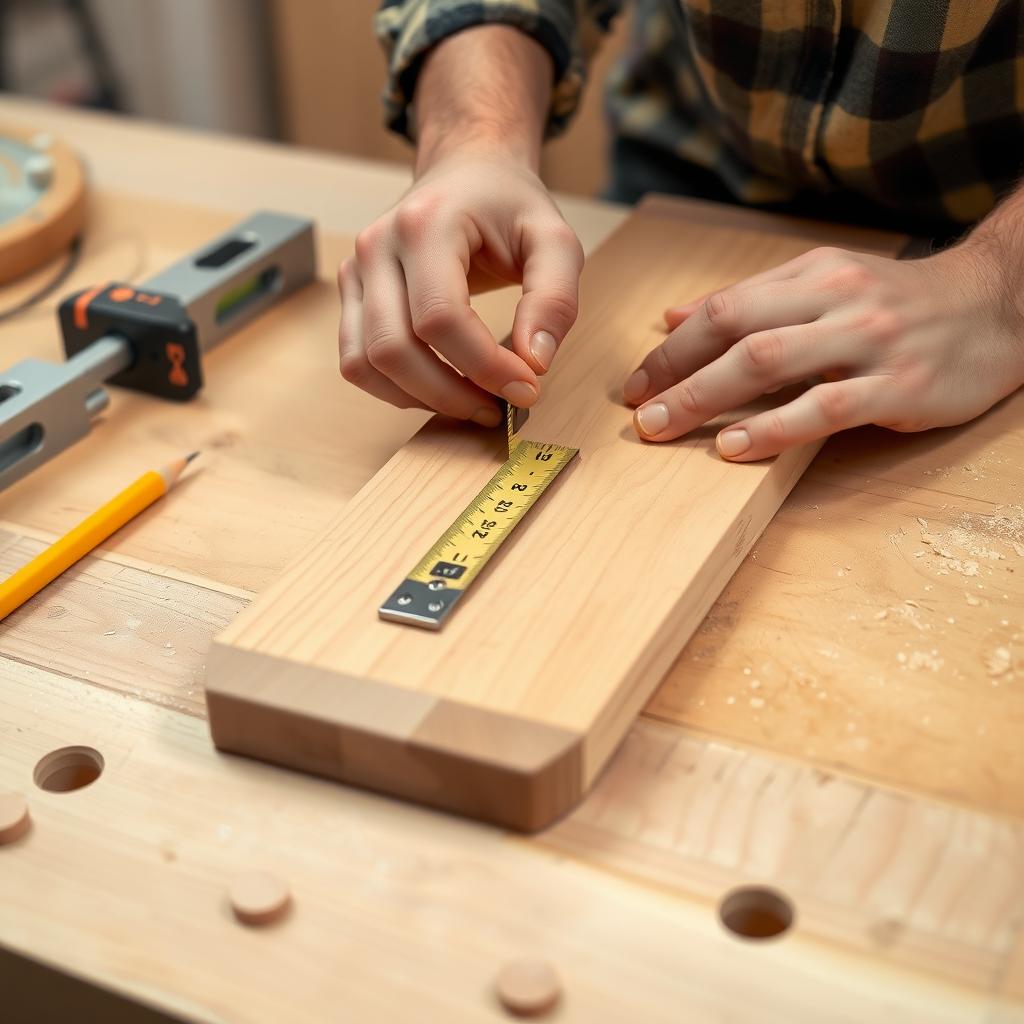
- Tape Measure: A 25-foot tape measure with a locking mechanism is ideal for most jobs. I prefer one with a wide blade for easy reading.
- Level: A 24-inch spirit level checks horizontal and vertical alignment. I’ve used mine for everything from shelves to deck posts.
- Square: A combination square is perfect for marking 90-degree angles or checking cuts.
A study by the National Institute of Standards and Technology highlights the importance of precise measurements in construction to avoid costly errors. Always double-check your measurements—it’s a habit that pays off.
5. Pliers and Clamps: Grip and Hold
Pliers and clamps are your extra hands. They grip, twist, and hold materials securely.
- Needle-Nose Pliers: Great for precision work like bending wire or holding small parts.
- Locking Pliers: These provide a strong grip for stubborn bolts or temporary clamping.
- C-Clamps: Essential for woodworking or metalwork, a 6-inch C-clamp is versatile.
I once fixed a broken chair leg with a C-clamp and some glue—saved me from buying a new one. Choose pliers with insulated handles for electrical work to stay safe.
6. Power Tools: Efficiency Boosters
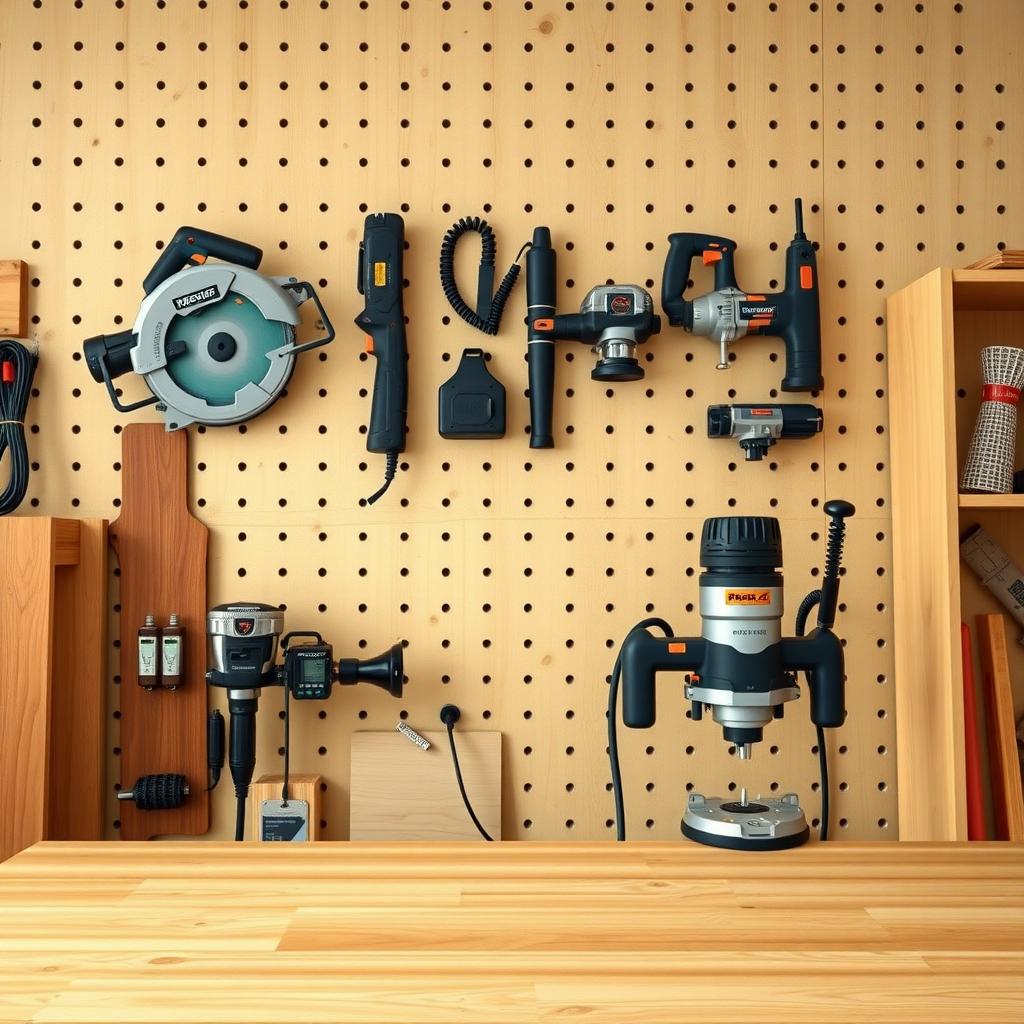
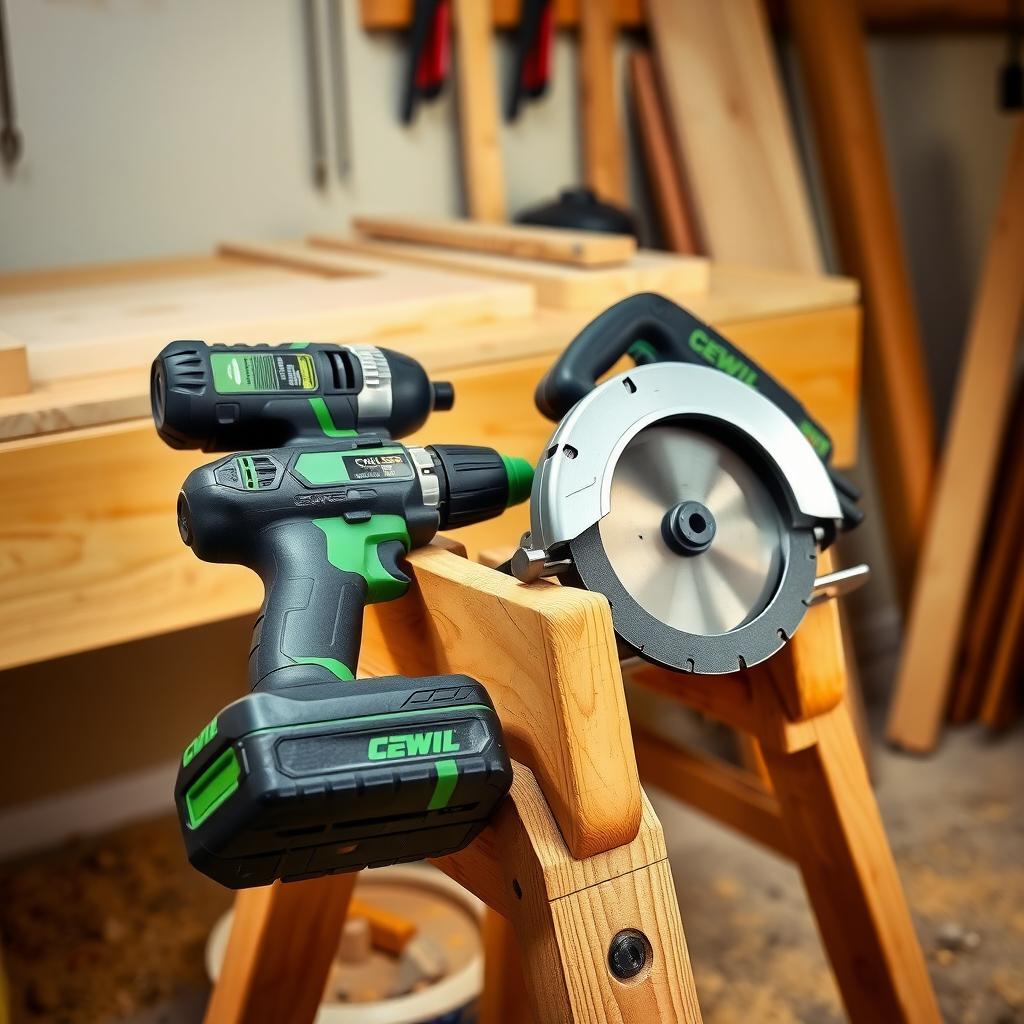
While hand tools are essential, power tools take your toolbox to the next level. A cordless drill and a circular saw are must-have workman tools for every toolbox.
- Cordless Drill: A 20V drill with multiple bits handles drilling and driving screws. I’ve used mine for everything from furniture assembly to installing drywall.
- Circular Saw: A 7-1/4-inch blade is perfect for cutting plywood or framing lumber.
Always follow safety protocols, like wearing goggles. The Consumer Product Safety Commission reports thousands of power tool injuries annually, often due to improper use.
7. Storage and Organization: Keep It Together
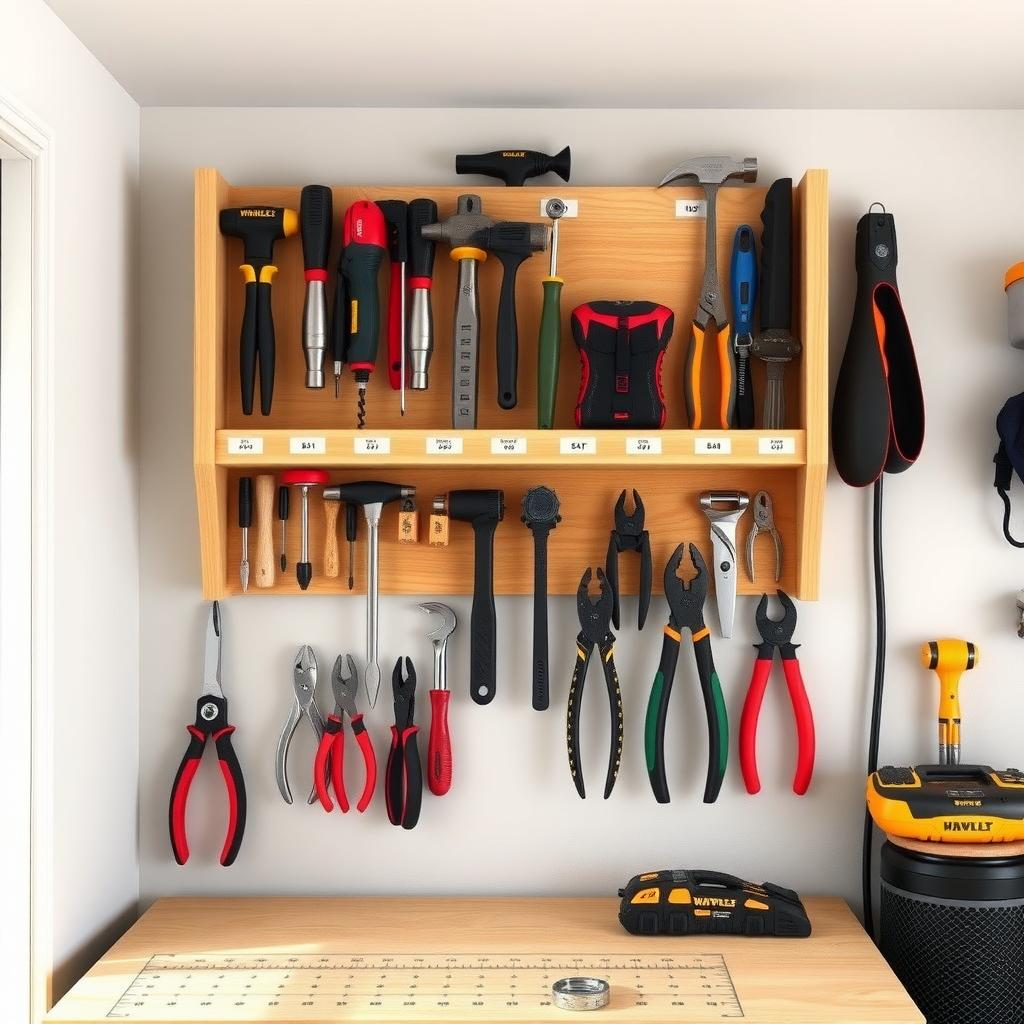
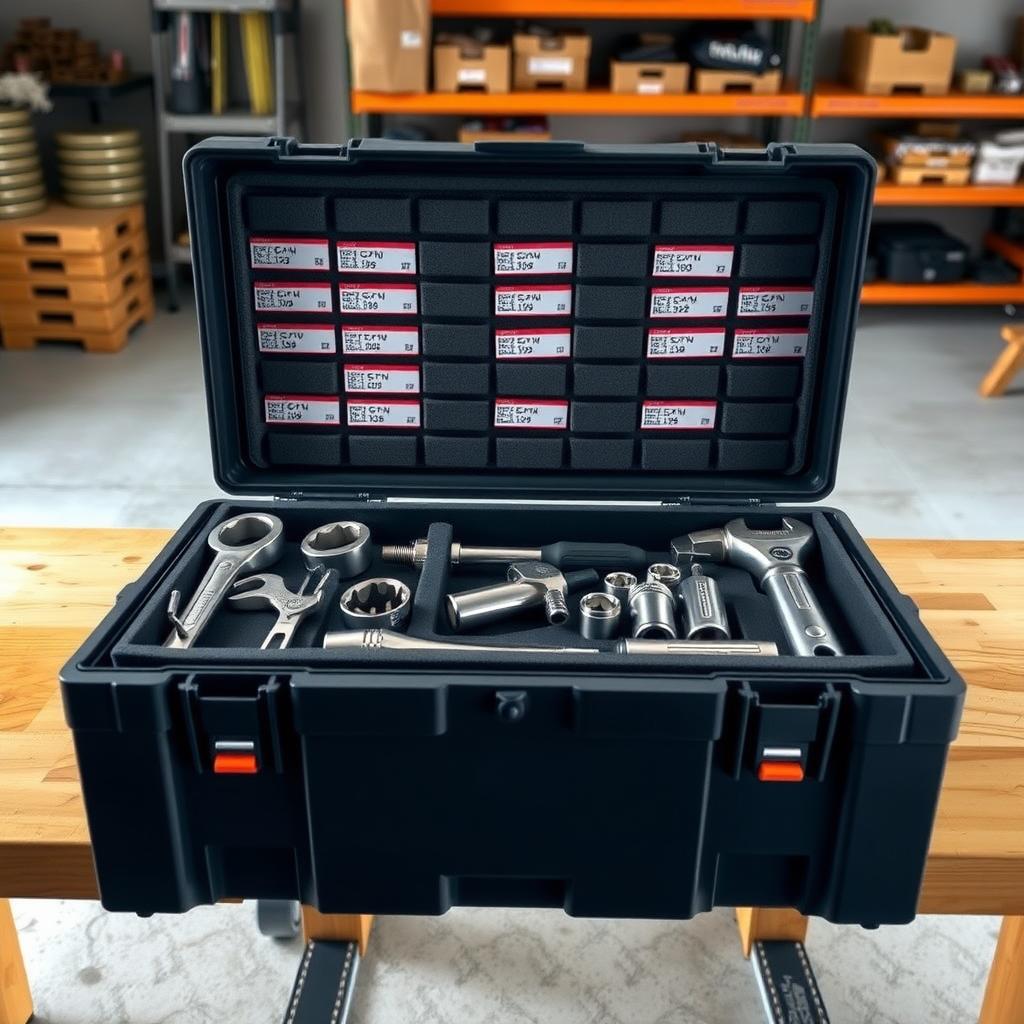
A toolbox isn’t just about tools—it’s about organization. A sturdy toolbox or tool bag keeps everything accessible. I use a compartmentalized toolbox to separate small items like screws and nails from larger tools. Consider a portable tool chest for bigger projects.
Label compartments and check your inventory regularly. A missing tool can halt a project, and I’ve learned that lesson the hard way.
Tips for Building Your Toolbox
- Start Small: Buy quality over quantity. A few reliable tools are better than a box of cheap ones.
- Invest in Durability: Brands like Stanley or DeWalt offer long-lasting tools.
- Maintain Regularly: Clean tools after use and store them dry to prevent rust.
- Safety First: Always use tools as intended and wear protective gear.
These tips come from years of trial and error. A well-maintained toolbox is a lifelong investment.
Summary
Building a toolbox with must-have workman tools for every toolbox is about choosing versatile, high-quality tools that suit your needs. From cutting tools to power drills, each piece plays a role in tackling projects efficiently. Start with the essentials, maintain them well, and enjoy the satisfaction of a job well done.
Related must-have workman tools for every toolbox:
- How to Choose the Best Hand Tools for Home Repairs
- Top Safety Tips for Using Power Tools
- DIY Storage Builds: Make Your Own Tool Racks
- DIY Home Improvement Projects for Beginners: Your Ultimate Guide to Getting Started
- The Ultimate Guide to Hand Tools Storage Solutions
- Master Your Projects: A Complete Guide to Rotary Tool Accessories and Attachments
- DIY Toolbox Organization Ideas: The Ultimate Guide to Toolboxes for Every Need
- Essential Safety Gear for Construction Workers: Stay Protected on the Job
- Best Practices for Work-from-Home Boundaries: Boost Productivity and Balance
- The Ultimate Guide to Power Tools for Woodworking Enthusiasts
- Understanding Power Tool Batteries: Care and Safety
- How to Maintain Your Tools Like a Pro