Overview: Why Safety Gear Matters in Construction
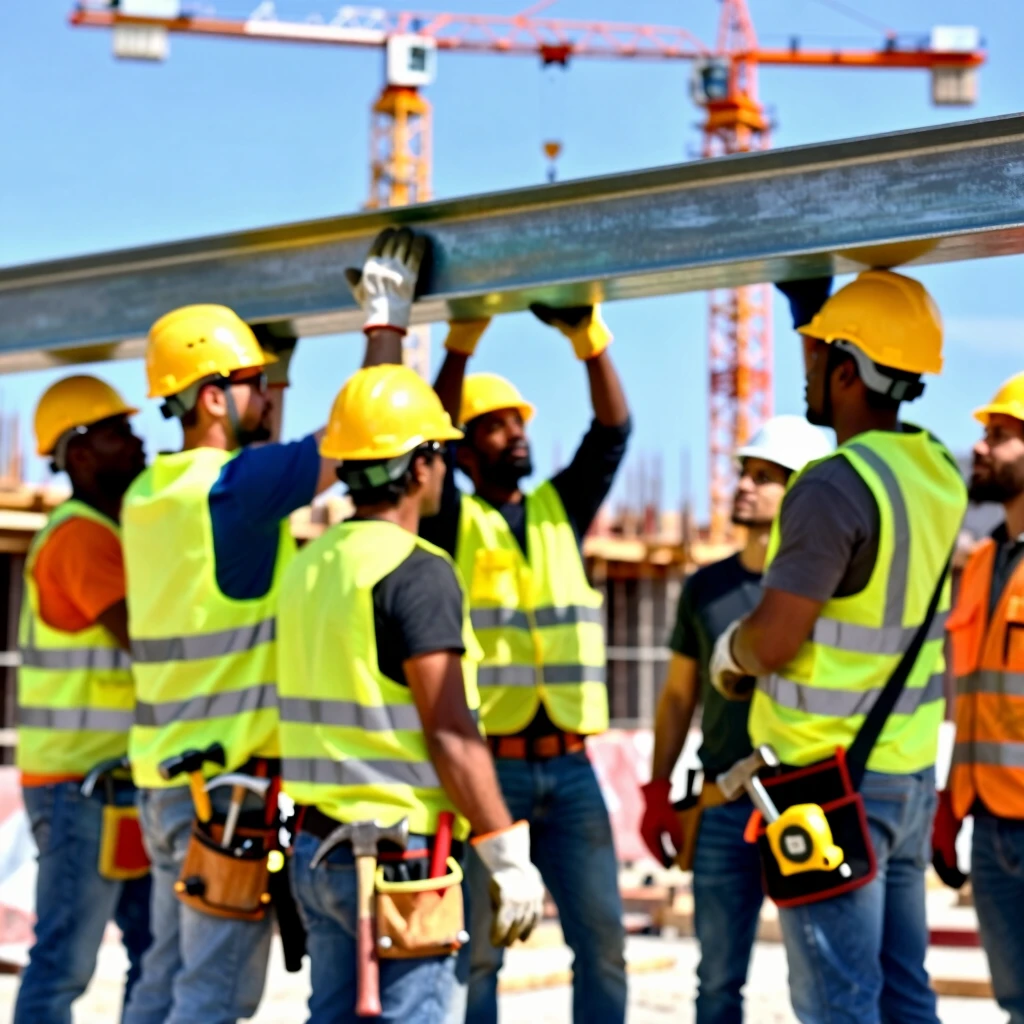
Construction sites are busy, unpredictable places. Heavy machinery, heights, and sharp tools create risks every day. Wearing the right safety gear isn’t just a rule—it’s a lifeline. Essential Safety Gear for Construction Workers protects you from falls, impacts, and other hazards, helping you get home safely.
The Importance of Personal Protective Equipment (PPE)
Every construction worker knows the job comes with risks. A single misstep can lead to serious injury. That’s why Personal Protective Equipment (PPE) is non-negotiable. PPE includes items like hard hats, safety glasses, gloves, and steel-toe boots. These tools shield you from falling objects, debris, and electrical hazards. According to the Occupational Safety and Health Administration (OSHA), proper PPE reduces workplace injuries by up to 60%. But it’s not enough to just wear gear—it has to fit well and suit the job.
Hard Hats: Your First Line of Defense
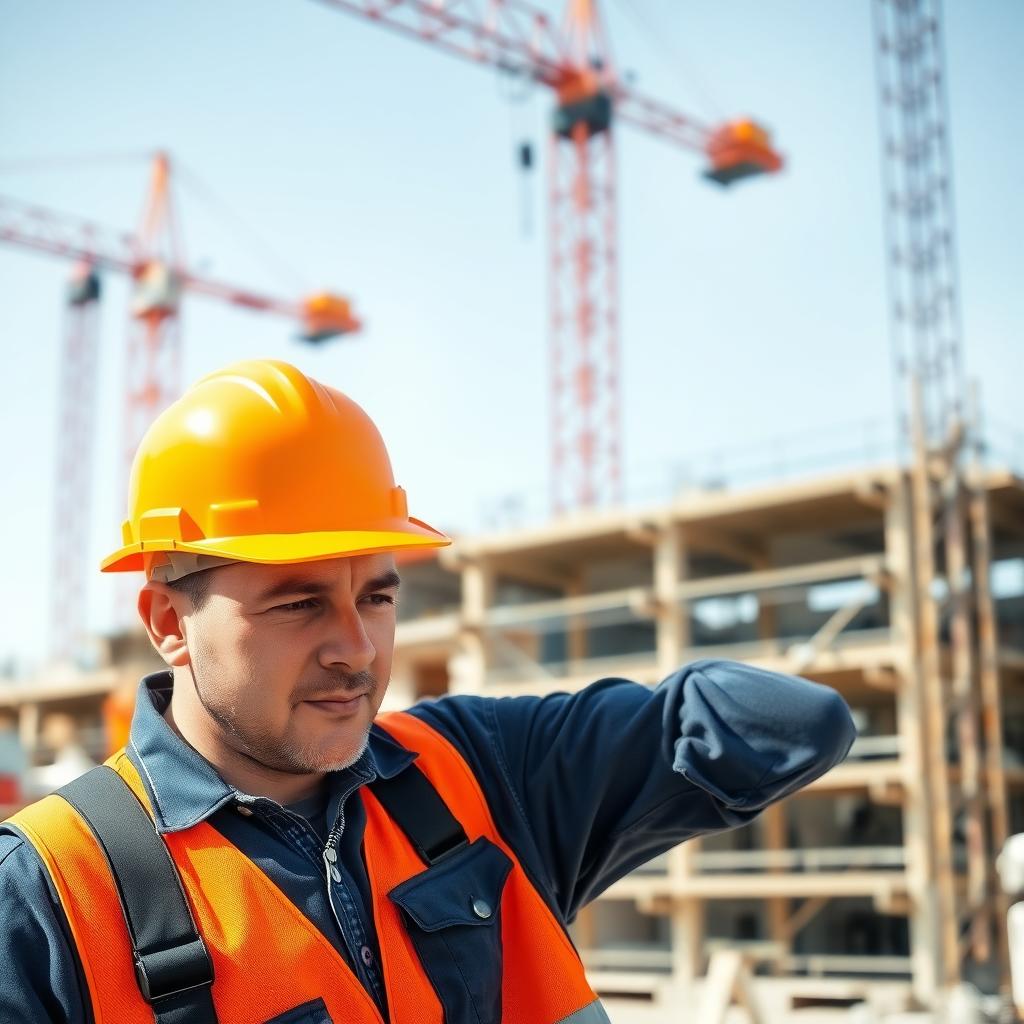
A hard hat is the most recognizable piece of safety gear. It protects your head from falling tools, debris, or low-hanging beams. Choose a hard hat with a sturdy outer shell and a comfortable suspension system inside. Look for models meeting ANSI Z89.1 standards for impact resistance. I’ve seen workers dodge serious injuries because their hard hat took the hit. Replace it immediately if it’s cracked or damaged.
Safety Glasses and Face Shields: Protecting Your Vision
Your eyes are vulnerable to dust, sparks, and flying debris. Safety glasses with impact-resistant lenses are a must. For jobs involving welding or cutting, a face shield adds extra protection. I once worked with a guy who skipped his safety glasses for ‘just a minute’ and ended up with metal shavings in his eye. Don’t take that chance. Look for glasses with ANSI Z87.1 certification and a snug fit to keep dust out.
High-Visibility Clothing: Be Seen, Stay Safe
Construction sites are chaotic, with cranes, forklifts, and workers moving fast. High-visibility clothing—think neon vests or jackets—makes sure you’re seen. Reflective strips are critical for low-light conditions, like early mornings or dusk. Choose breathable, durable fabrics that won’t tear easily. A friend of mine avoided a close call with a backhoe because his bright vest caught the driver’s eye just in time.
How to Choose the Right Safety Gear for Your Job
Not all safety gear fits every job. A roofer needs different protection than an electrician. Start by assessing your site’s hazards. Are you working at heights? You’ll need a fall protection harness. Handling chemicals? Chemical-resistant gloves are key. Check with your employer for site-specific requirements, and don’t skimp on quality. Investing in durable gear saves money and lives in the long run. OSHA’s website (https://www.osha.gov) offers detailed guidelines on PPE selection.
Tool Belts for Construction Workers: Function Meets Safety
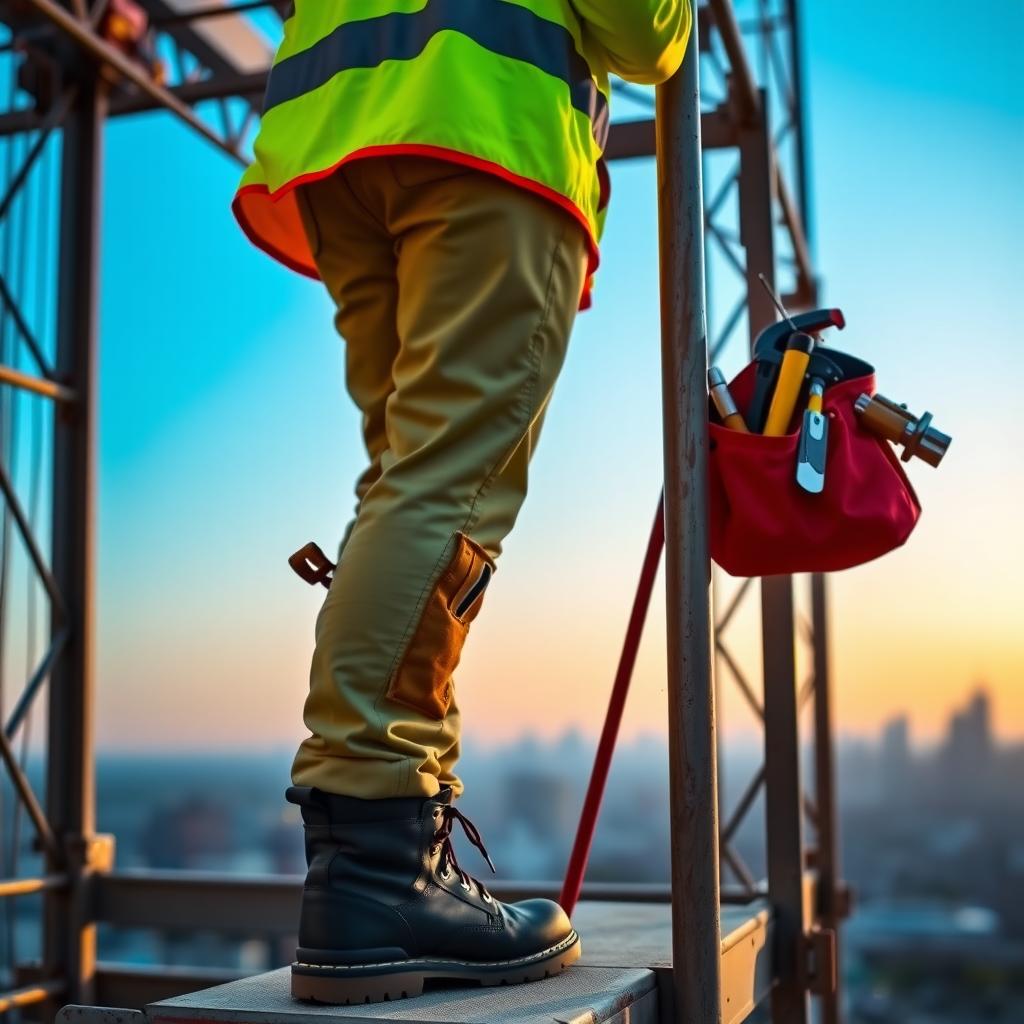
Tool belts are more than just convenient—they’re safety gear, too. A good tool belt keeps your hands free, reducing the risk of dropping tools from heights. Look for tool belts with sturdy pouches, adjustable straps, and padding for comfort. I’ve used tool belts for years, and the best ones distribute weight evenly to prevent back strain. Brands like Occidental Leather and Klein Tools make durable options that last.
Gloves: Grip and Protection
Your hands are your livelihood, so protect them. Gloves shield against cuts, burns, and blisters. Choose gloves based on your tasks—leather for heavy lifting, nitrile for chemical work, or cut-resistant for handling sharp materials. Make sure they fit snugly but allow dexterity. I learned the hard way that loose gloves can get caught in machinery, so always double-check the fit.
Steel-Toe Boots: Foundation of Safety
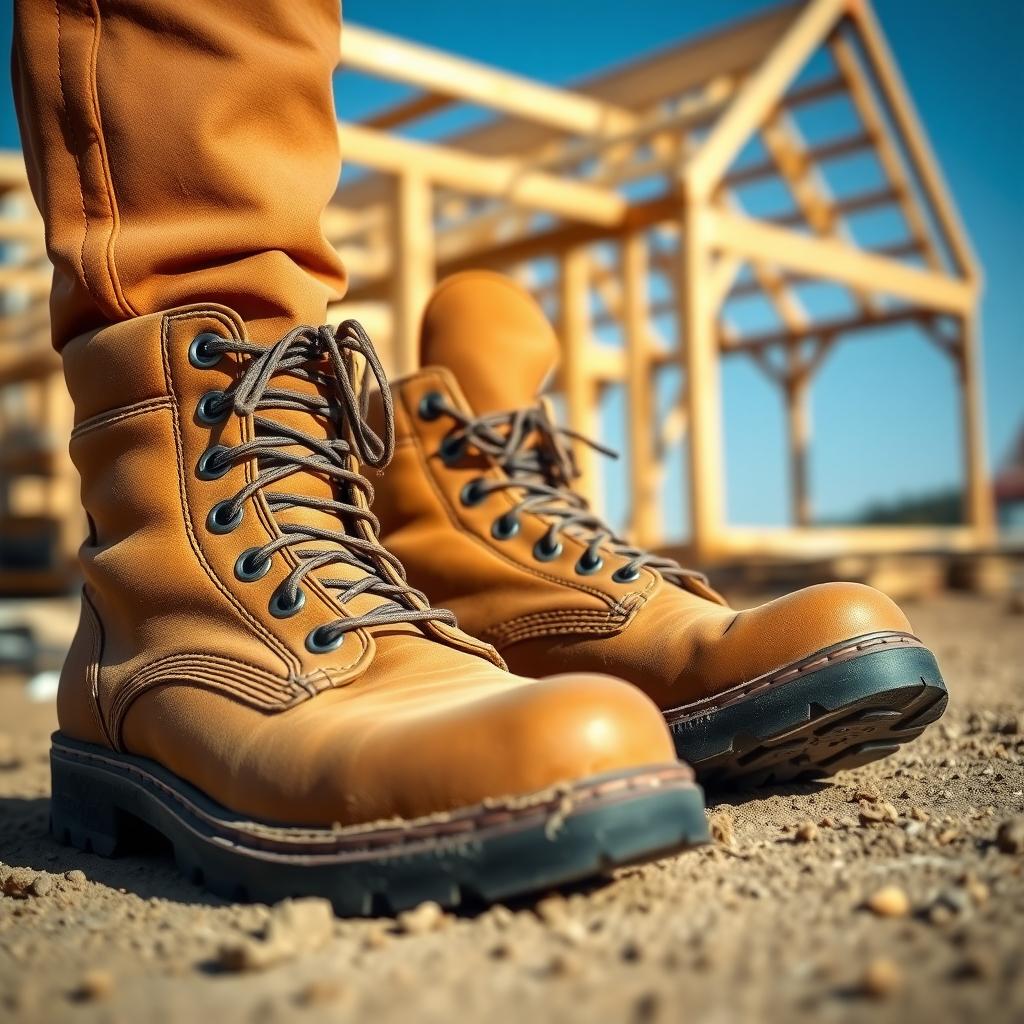
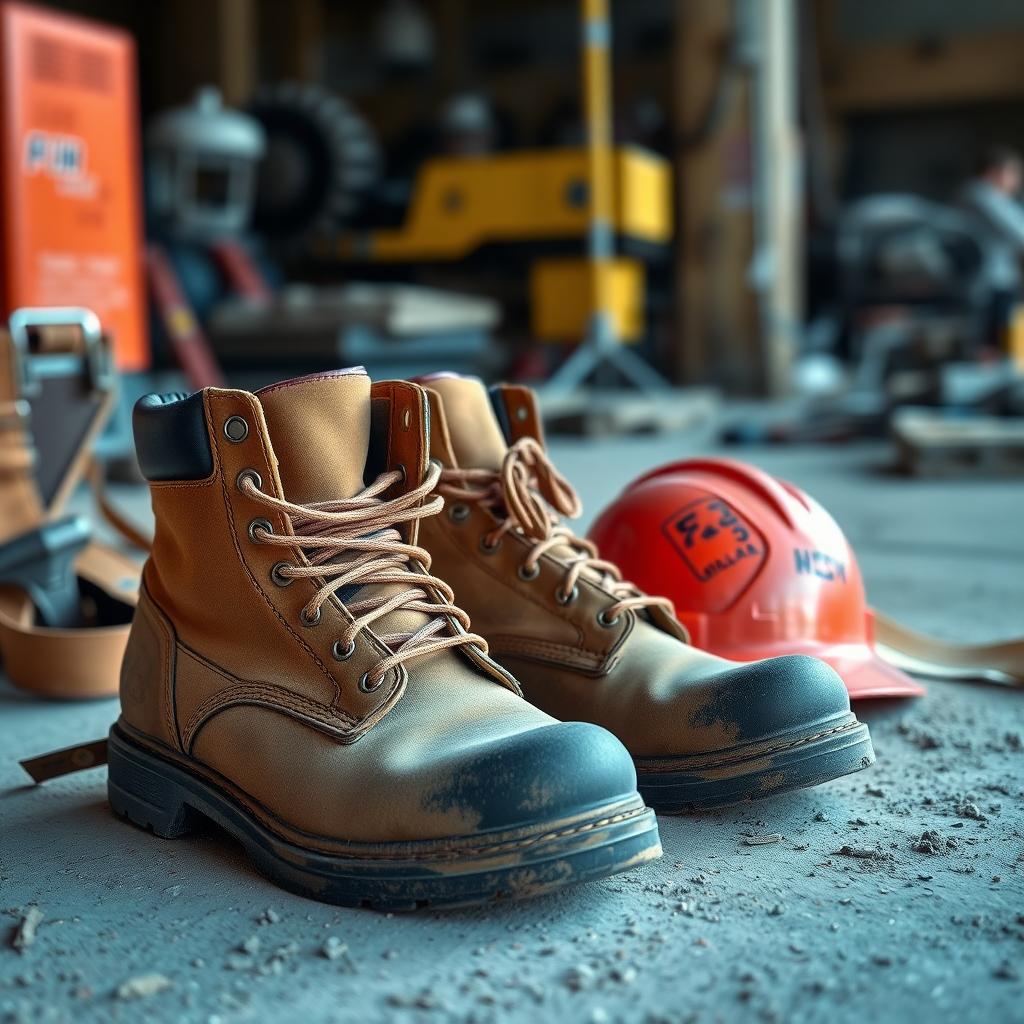
Your feet face constant risks—heavy objects, nails, or slippery surfaces. Steel-toe boots provide a protective barrier. Look for boots with slip-resistant soles and waterproofing for wet sites. Comfort matters, too; you’re on your feet all day. Break them in before a long shift to avoid blisters. I’ve walked miles in my Red Wings, and they’ve saved my toes more than once.
How to Stay Safe on Construction Sites: Essential Tips
Gear alone isn’t enough. Follow these tips to stay safe:
- Inspect Gear Regularly: Check for wear, cracks, or damage before every shift.
- Train on Proper Use: Know how to wear and adjust your PPE correctly.
- Stay Alert: Distractions lead to accidents. Keep your focus on the task.
- Communicate: Use hand signals or radios to coordinate with your team.
- Follow Site Rules: OSHA regulations exist for a reason—stick to them.
These habits, combined with quality gear, create a safer work environment.
Fall Protection: Don’t Skip It
Falls are the leading cause of construction injuries. If you’re working above six feet, a fall protection system is mandatory. This includes harnesses, lanyards, and anchor points. Ensure your harness fits snugly and is inspected before use. I’ve seen workers hesitate to wear harnesses because they’re ‘uncomfortable,’ but a fall isn’t worth the risk. Training on proper use is critical—check OSHA’s fall protection standards for details.
Ear and Respiratory Protection: Often Overlooked
Loud machinery and dust are constant on construction sites. Earplugs or earmuffs protect your hearing from long-term damage. For dusty or chemical-heavy environments, a respirator or dust mask is essential. Fit-test respirators to ensure a tight seal. I’ve worked on sites where the noise was deafening, and earplugs made all the difference.
Maintaining Your Gear: A Safety Must
Safety gear only works if it’s in good condition. Clean your equipment regularly—dirt can weaken materials. Store gear in a dry, cool place to prevent damage. Replace anything that’s worn out. I make it a habit to check my gear every Monday morning. It takes five minutes and gives me peace of mind.
Summary: Prioritize Safety Every Day
Construction work is rewarding but risky. Essential Safety Gear for Construction Workers—like hard hats, safety glasses, tool belts, and steel-toe boots—protects you from harm. Choose gear that fits your job, maintain it well, and follow safety protocols. By prioritizing safety, you ensure you leave the site as healthy as you arrived.
Related Essential Safety Gear for Construction Workers:
- OSHA’s Guide to Personal Protective Equipment: Essential Safety Gear for Construction Workers
- Best Practices for Fall Protection in Construction: Stay Safe at Heights
- Best Practices for Work-from-Home Boundaries: Boost Productivity and Balance
- The Ultimate Guide to Power Tools for Woodworking Enthusiasts
- Understanding Power Tool Batteries: Care and Safety
- How to Maintain Your Tools Like a Pro
- The Importance of Precision in Automotive Maintenance
- Screwdriver Maintenance Tips: Keep Your Workman Tools in Top Shape
- Choosing the Right Work Boots for Construction Work: A Comprehensive Guide
- DIY Workshop Projects to Enhance Productivity: Ultimate Guide
- Beginner’s Guide to Table Saw Safety: Protect Yourself While Mastering Your Craft
- Essential Power Washer Maintenance Tips for Long-Lasting Performance