Overview
Screwdrivers are the unsung heroes of any toolkit, tackling everything from furniture assembly to intricate electronics repair. But without proper care, these workman tools can rust, wear out, or lose their grip, making your projects harder than they need to be. These screwdriver maintenance tips will help you keep your tools in top condition, saving you time and money.
Why Screwdriver Maintenance Matters
Screwdrivers seem simple, but neglect can turn them into frustrating liabilities. A dull or rusted tip can strip screws, damage materials, or even cause injury. I’ve seen it happen—once, while assembling a bookshelf, my old, worn-out screwdriver slipped and gouged the wood. Regular maintenance keeps your screwdrivers sharp, safe, and reliable. Plus, it’s a small effort that extends the life of your workman tools, especially if you rely on them for frequent projects.
According to Purdue University’s Agricultural Safety Program, proper tool maintenance reduces workplace injuries by up to 20%. While their focus is on farm tools, the principle applies to screwdrivers too—clean, well-maintained tools perform better and are safer to use.
Cleaning Your Screwdrivers
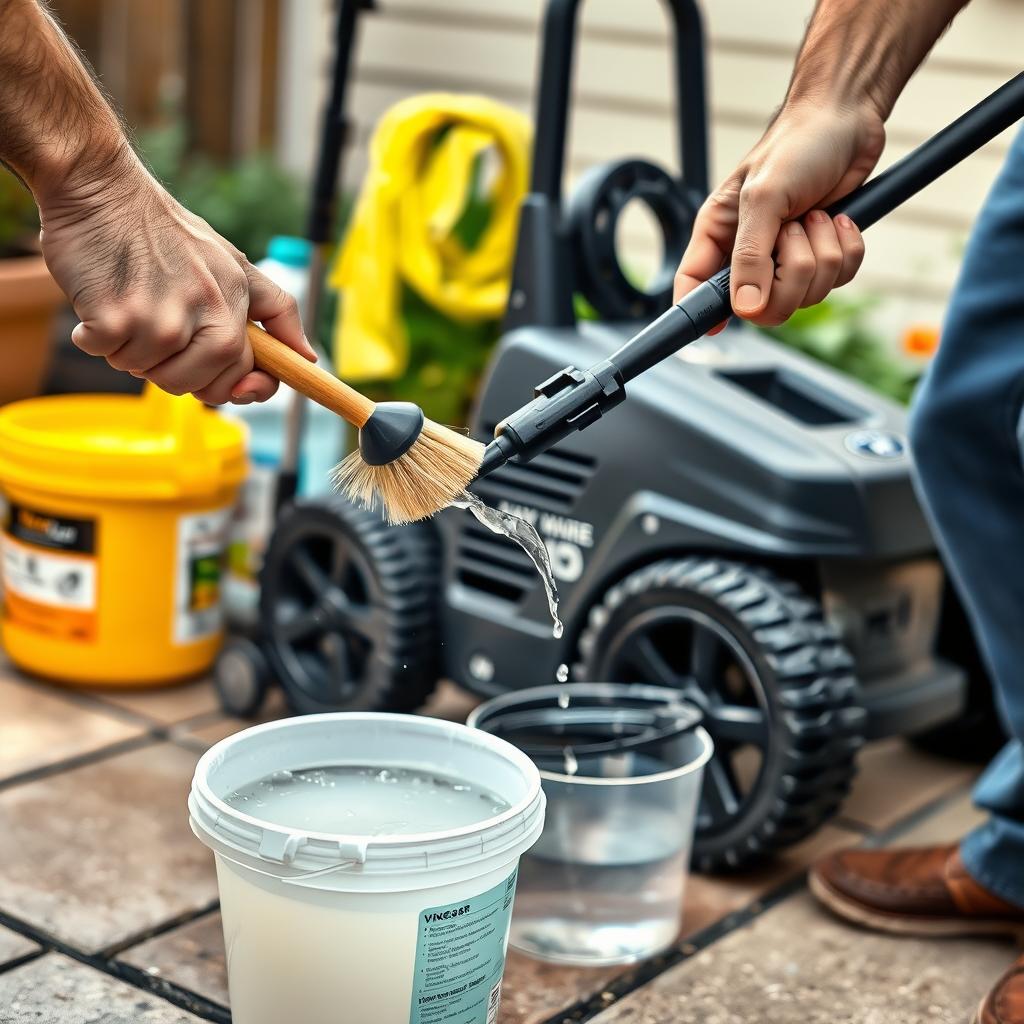
Dirt, grease, and rust are the enemies of any screwdriver. After every project, take a few minutes to clean your tools. Start by wiping the shaft and tip with a damp cloth to remove debris. For stubborn grime, use a mild degreaser or soapy water. Avoid harsh chemicals—they can damage the handle or metal.
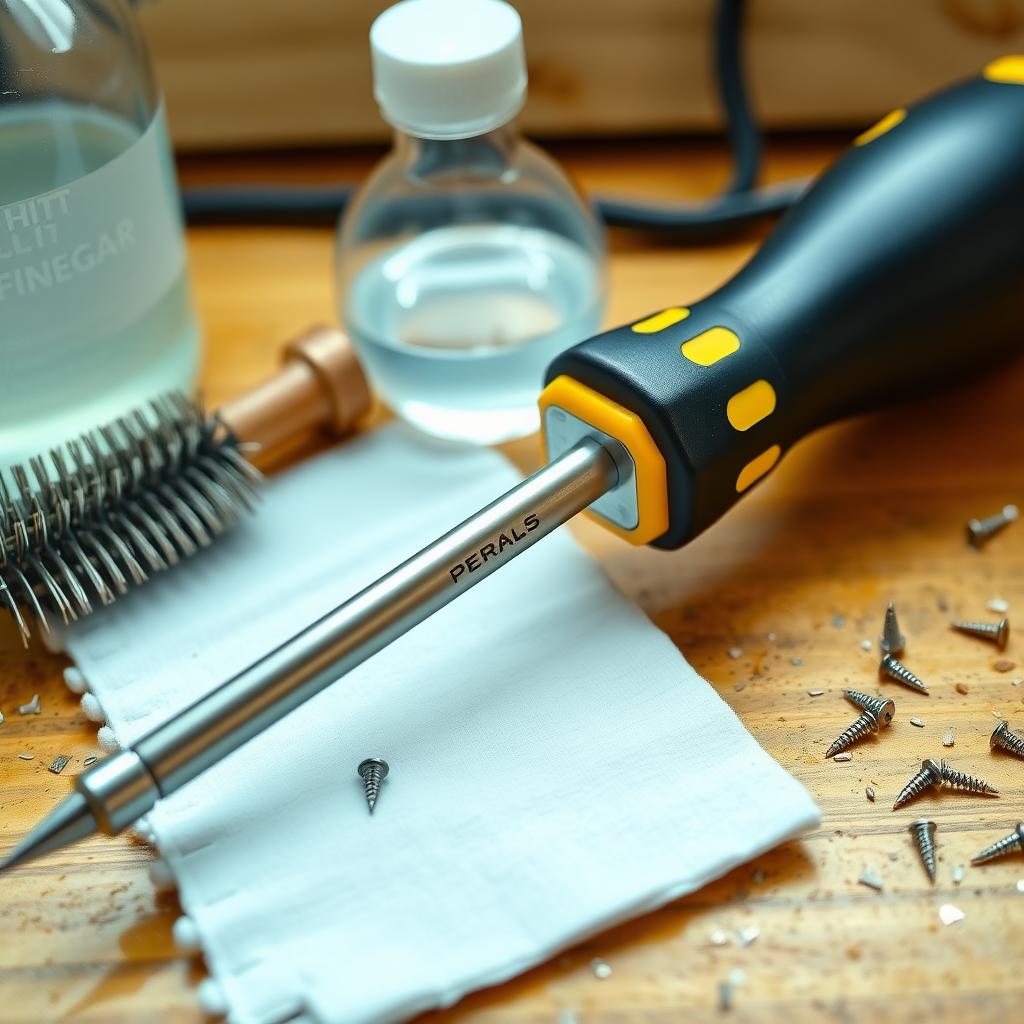
If you spot rust, don’t panic. Soak the tip in white vinegar for 10-15 minutes, then scrub with a wire brush. I’ve revived several old screwdrivers this way, and they worked like new afterward. Dry thoroughly to prevent new rust from forming.
Sharpening Screwdriver Tips
A worn or rounded tip is a recipe for stripped screws. Over time, even high-quality screwdrivers lose their edge, especially if you use them on tough materials like metal. Check your tips regularly for wear—hold them under a light to spot rounded edges or chips.
To sharpen, use a fine metal file or a bench grinder for precision. File the tip evenly, maintaining its original shape (flat for slotted, cross for Phillips). I learned this the hard way after ruining a screw head during a DIY project. A quick sharpening session would’ve saved me a trip to the hardware store. For detailed guidance, MIT’s hobby shop guide on tool sharpening offers excellent tips on maintaining metal tools.
Proper Storage for Longevity
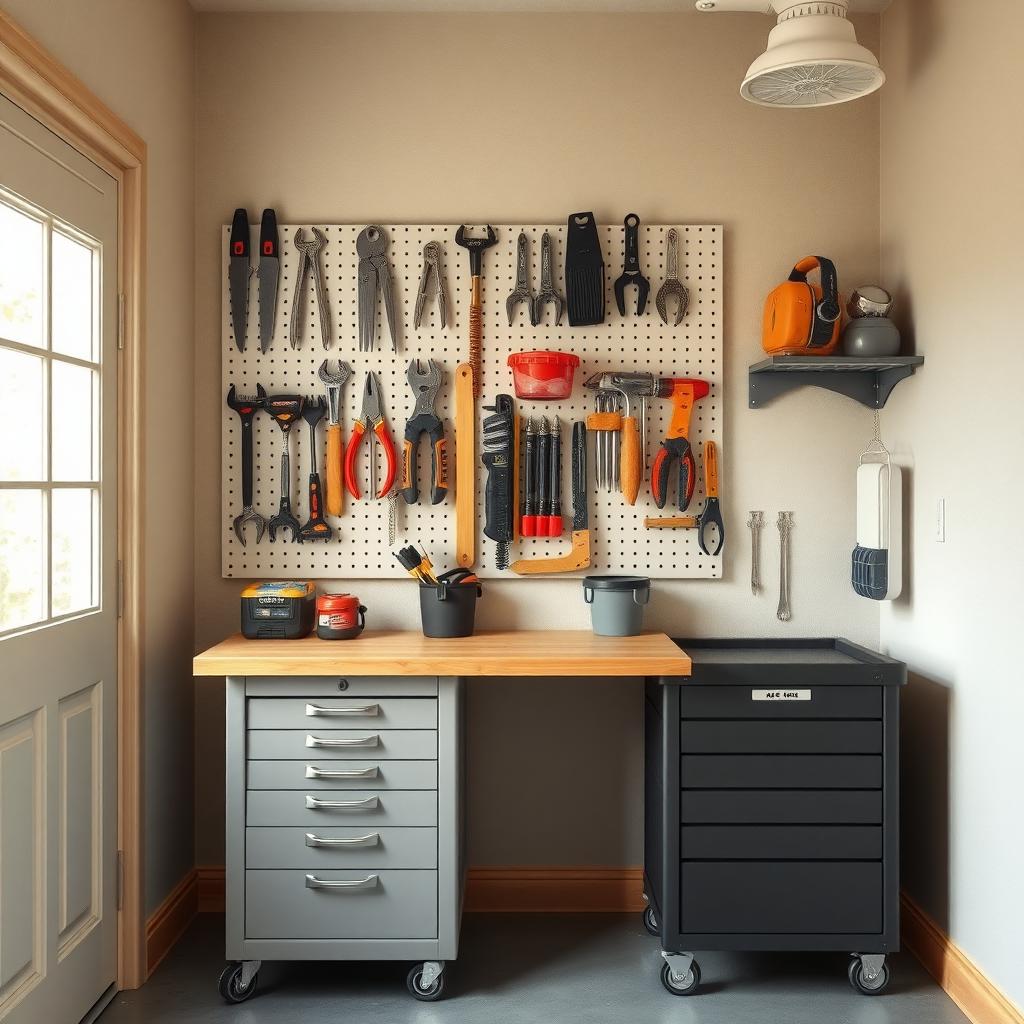
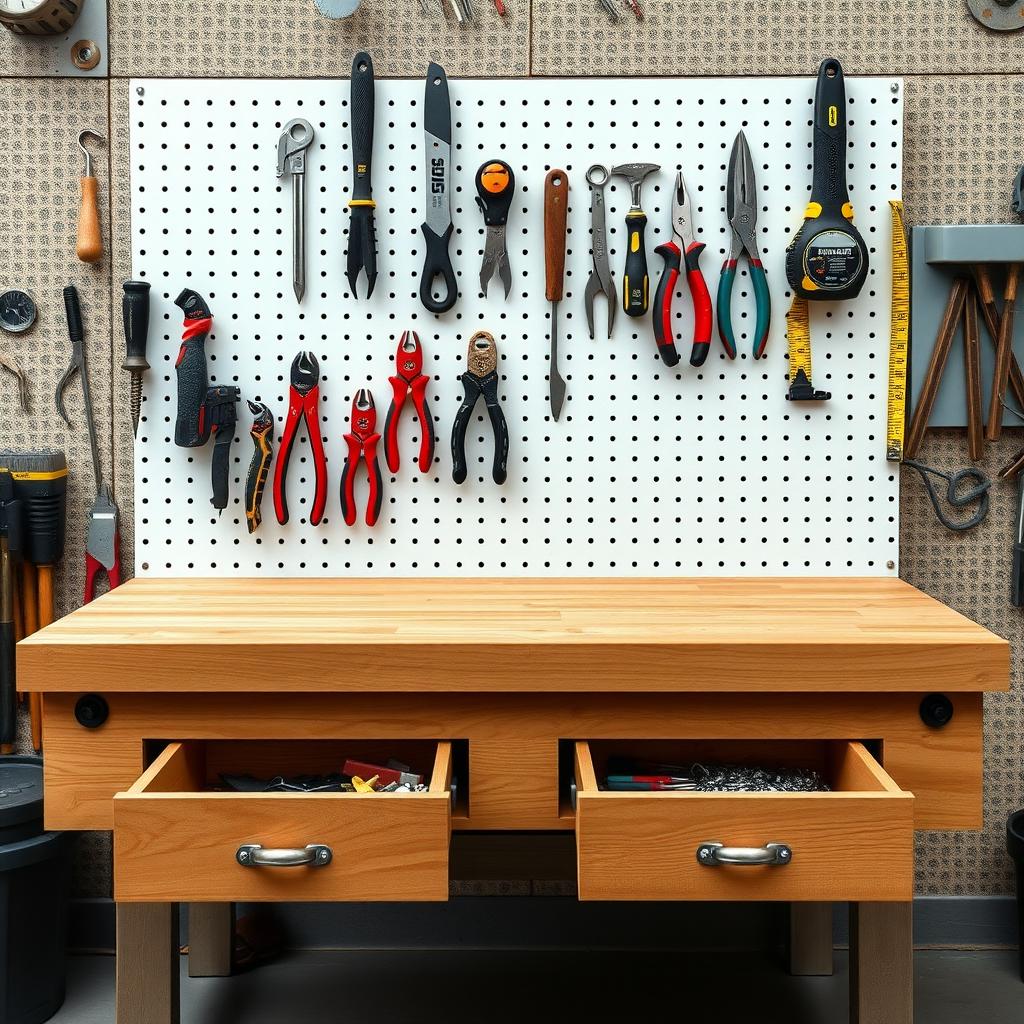
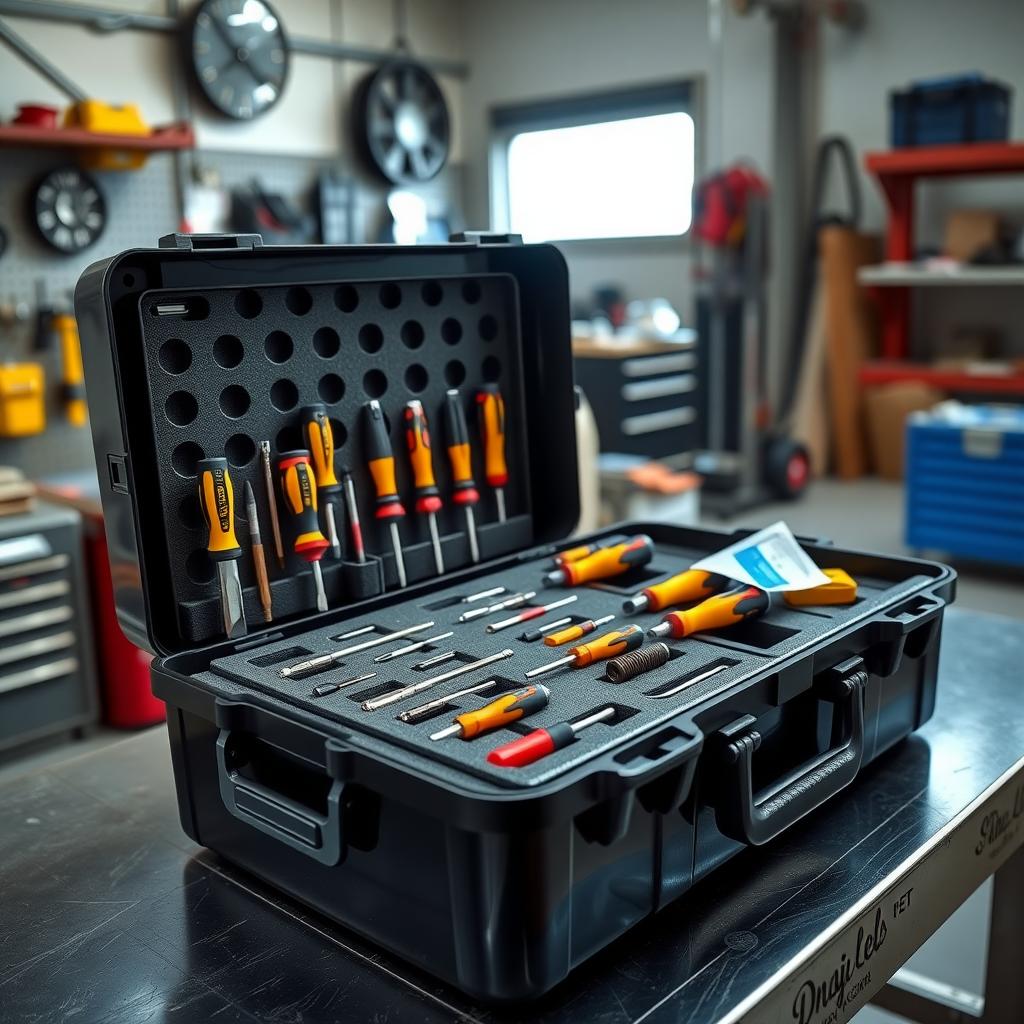
Storage is where many people go wrong. Tossing screwdrivers into a drawer invites scratches, tip damage, and rust. Instead, use a dedicated toolbox with individual slots or a wall-mounted rack. I prefer a foam-lined toolbox—it keeps my workman tools organized and protected. If you’re short on space, a simple canvas tool roll works wonders.
Keep your storage area dry. Moisture is a screwdriver’s worst enemy, especially for carbon steel models. Consider adding silica gel packets to your toolbox to absorb humidity. This small trick has kept my tools rust-free for years, even in a damp garage.
Inspecting and Repairing Handles
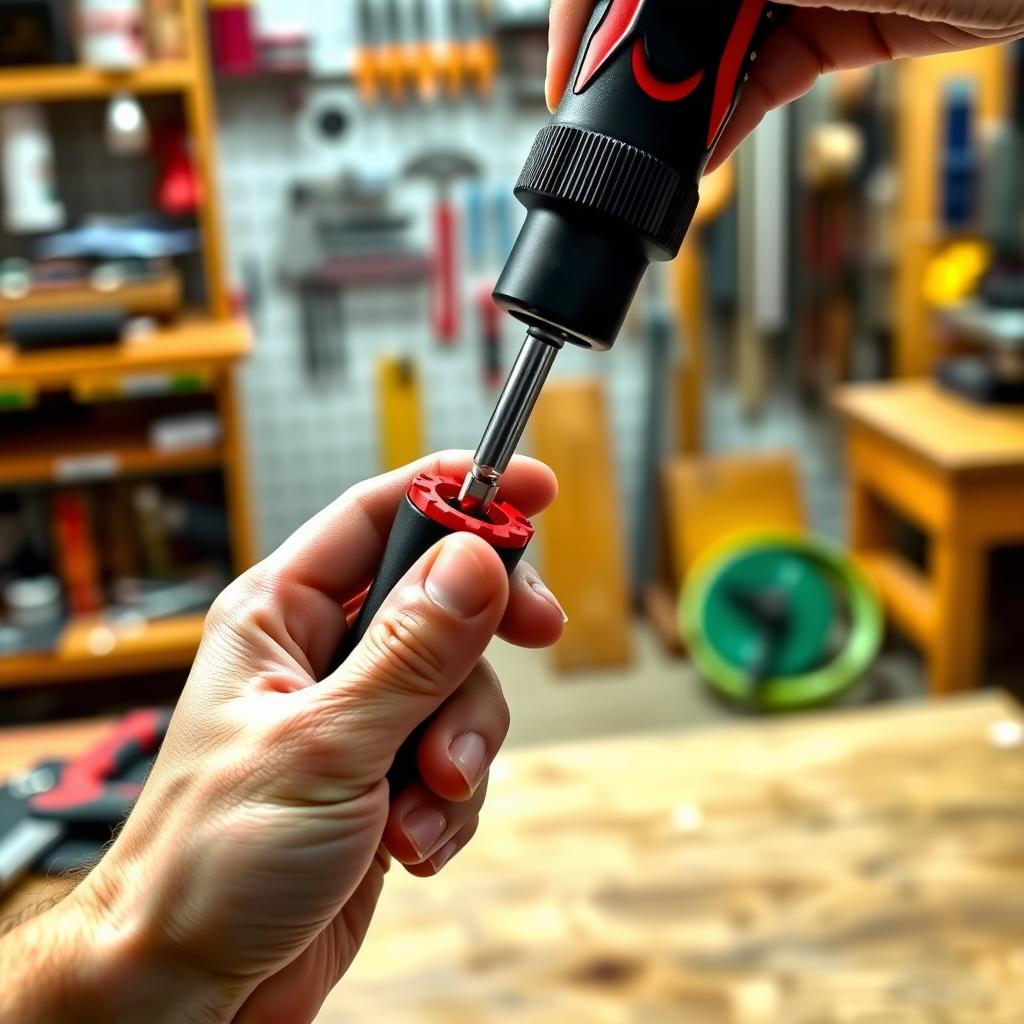
A cracked or loose handle can make a screwdriver unusable. Inspect your tools regularly for wear, especially if they have plastic or rubber grips. Small cracks can worsen with use, so replace damaged handles promptly. Some brands, like Craftsman, offer modular screwdrivers where you can swap out handles without buying a new tool.
If the handle is loose, tighten it with a small wrench if it’s bolted, or use epoxy for glued handles. I once fixed a wobbly handle with a dab of two-part epoxy, and it’s held up for years. For professional advice on tool repair, check OSHA’s hand tool safety guidelines for practical tips on maintaining tool integrity.
Choosing the Right Screwdriver for the Job
Maintenance starts with picking the right tool. Using a Phillips screwdriver on a slotted screw (or vice versa) is a fast track to damaged tips and stripped screws. Invest in a variety of screwdrivers—slotted, Phillips, Torx, and Robertson are the most common. A good set covers 90% of household and professional tasks.
Also, match the tip size to the screw. A #2 Phillips is standard for most home projects, but smaller electronics might need a #0 or #1. Using the wrong size is like trying to hammer a nail with a wrench—it’s messy and damages your tools.
Lubrication for Smooth Performance
A little lubrication goes a long way. For screwdrivers with interchangeable bits or ratcheting mechanisms, apply a drop of light machine oil to moving parts every few months. This prevents sticking and ensures smooth operation. I use a tiny bit of WD-40 on my ratcheting screwdriver, and it’s never jammed, even after heavy use.
Avoid over-oiling, as excess can attract dirt. Wipe off any extra with a clean cloth. For more on tool lubrication, Iowa State University’s extension service has a great guide on maintaining mechanical tools.
Avoiding Common Mistakes
Even seasoned DIYers make mistakes. One big one is using screwdrivers as pry bars or chisels. I’ve been guilty of this, and it’s a surefire way to bend the shaft or chip the tip. Stick to the tool’s purpose—driving screws. If you need to pry or chisel, grab the right workman tools for the job.
Another mistake is ignoring small signs of wear. A slightly rounded tip might still work, but it’s less efficient and risks damaging screws. Address issues early to avoid bigger problems later.
When to Replace Your Screwdriver
No matter how well you maintain your screwdrivers, they won’t last forever. If the tip is too worn to sharpen or the shaft is bent, it’s time for a replacement. High-quality screwdrivers from brands like Klein or Wiha are worth the investment—they’re durable and often come with warranties. I replaced my budget set with a professional-grade one five years ago, and the difference in performance is night and day.
Summary
Maintaining your screwdrivers isn’t just about keeping your workman tools shiny—it’s about ensuring they perform when you need them. Clean regularly, sharpen tips, store properly, and choose the right tool for the job. These screwdriver maintenance tips will save you frustration and extend the life of your toolkit. With a little care, your screwdrivers will be ready for any project, big or small.
Related screwdriver maintenance tips:
- DIY Tool Repair: When to Fix and When to Replace
- Top 10 Workman Tools Every DIYer Needs
- Choosing the Right Work Boots for Construction Work: A Comprehensive Guide
- DIY Workshop Projects to Enhance Productivity: Ultimate Guide
- Beginner’s Guide to Table Saw Safety: Protect Yourself While Mastering Your Craft
- Essential Power Washer Maintenance Tips for Long-Lasting Performance
- Top 10 Power Tool Safety Tips for Safe and Effective Use
- Essential Workman Tools Every DIYer Should Have
- Choosing the Best Cordless Tools for Your Workshop: A Comprehensive Guide
- Features to Look for in a Workbench: Your Guide to Choosing the Perfect Setup
- How to Choose the Right Wrench for Your Project
- Advanced Power Tool Maintenance Techniques: The Ultimate Guide