Overview
Building a workshop that fuels creativity and efficiency starts with choosing the right tools. Cordless tools have revolutionized woodworking, metalworking, and DIY projects by offering freedom from cords and outlets. This guide dives into choosing the best cordless tools for your workshop, sharing insights on must-have tools, advanced features, and practical tips to elevate your craft.
Why Cordless Tools Are a Game-Changer
Cordless tools have changed how we work. No more tripping over cords or hunting for outlets. They’re powered by rechargeable batteries, giving you mobility and flexibility. Whether you’re a hobbyist or a pro, these tools make projects easier, faster, and safer. But with so many options, how do you pick the right ones? Let’s break it down.
When I started woodworking, I relied on corded tools. They worked, but the cords limited my movement, especially in tight spaces. Switching to cordless tools felt like a weight lifted. I could move freely, work outside, or tackle projects in unfinished spaces without worrying about power sources. The key is finding tools that balance power, battery life, and durability.
Must-Have Workman Tools for Every Toolbox
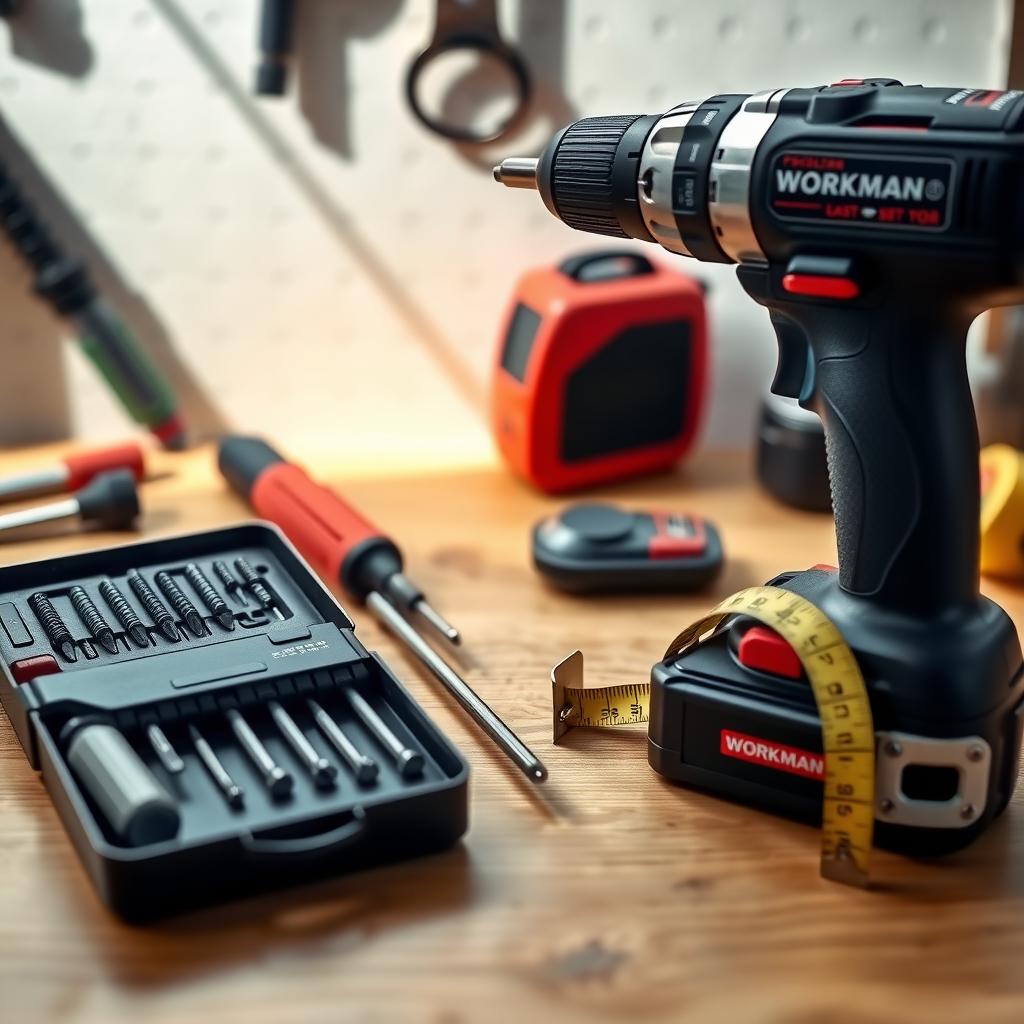
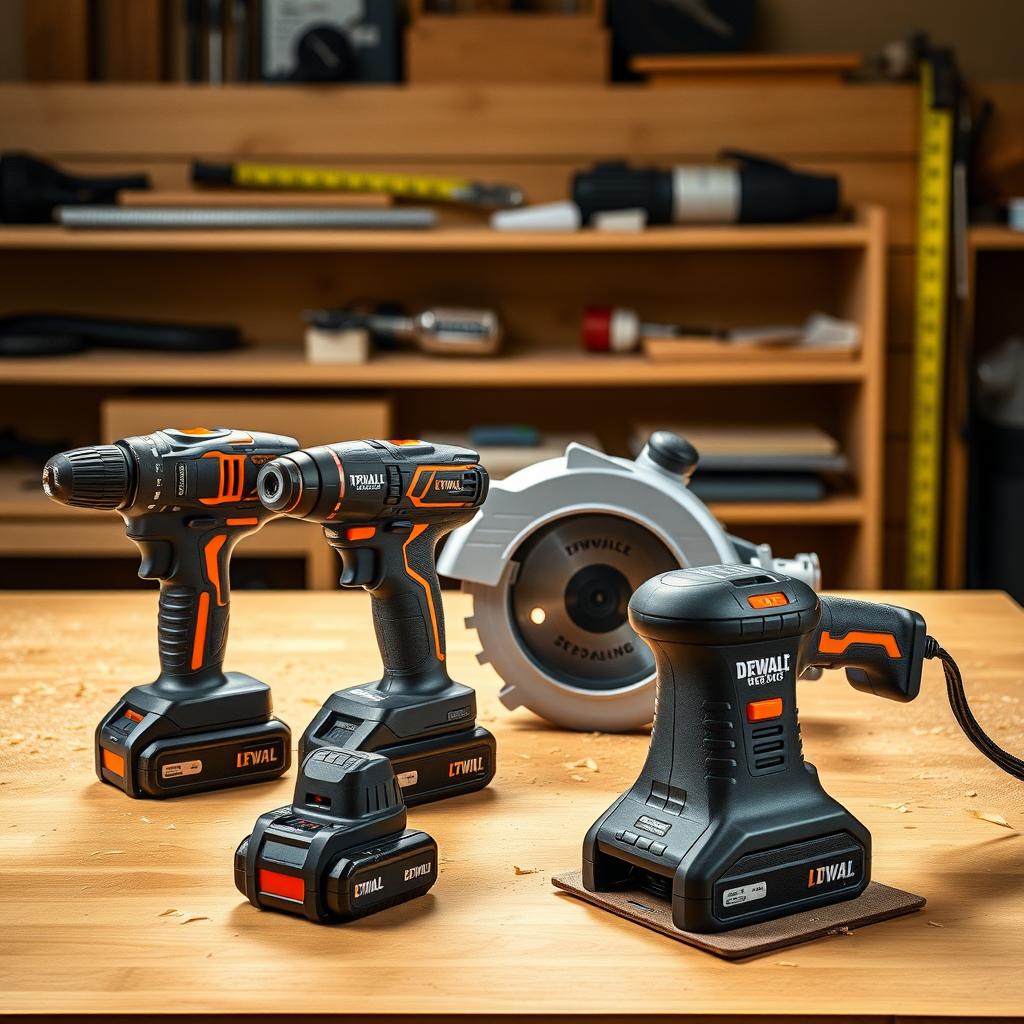
Every workshop needs a core set of must-have workman tools for every toolbox. These are the essentials that handle most tasks. Here’s a rundown of the top cordless tools you should consider:
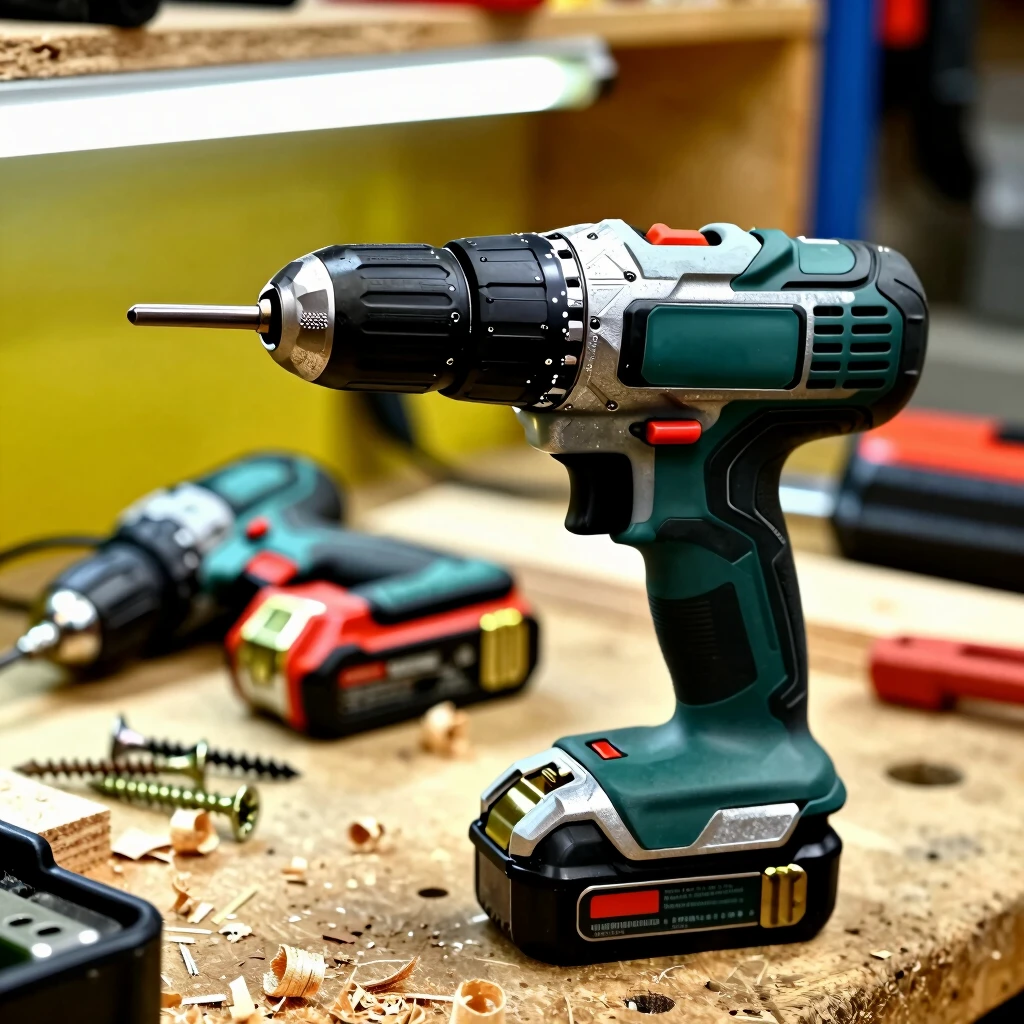
- Cordless Drill/Driver: The heart of any toolbox. Look for one with adjustable torque settings and at least an 18V battery for versatility. I’ve used mine for everything from drilling pilot holes to assembling furniture.
- Cordless Circular Saw: Perfect for cutting wood, plywood, or even metal with the right blade. A 7-1/4-inch blade size is ideal for most projects.
- Cordless Impact Driver: For heavy-duty fastening, this tool delivers more torque than a drill. It’s a lifesaver for driving long screws into dense materials.
- Cordless Jigsaw: Great for curved cuts or intricate designs. Choose one with variable speed control for precision.
- Cordless Sander: A random orbital sander saves time on finishing tasks. Look for models with dust collection to keep your workspace clean.
When picking these tools, stick to one brand’s ecosystem. Most brands, like DeWalt or Milwaukee, use interchangeable batteries. This saves money and ensures compatibility. I learned this the hard way after buying tools from three brands and ending up with a drawer full of chargers.
Advanced Workman Skills: Tools for the Next Level
Once you’ve got the basics, consider tools that push your skills further. Advanced workman skills: tools for the next level involve specialized equipment for precision and efficiency. Here are a few game-changers:
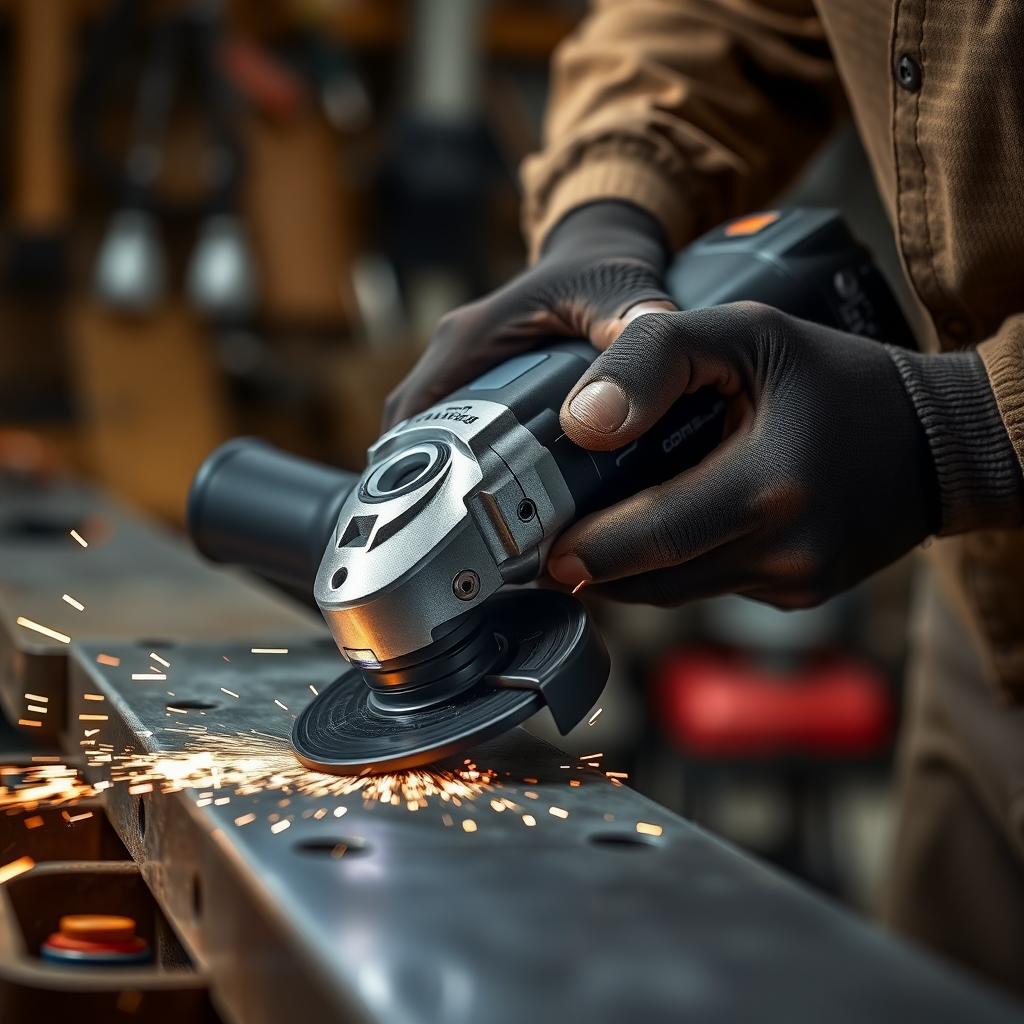
- Cordless Angle Grinder: Ideal for cutting, grinding, and polishing metal or stone. I used one to smooth out welds on a custom metal frame, and it was a breeze.
- Cordless Router: For shaping edges or creating joinery, a router with variable speed and plunge base is a must.
- Cordless Oscillating Multi-Tool: This versatile tool cuts, sands, and scrapes in tight spaces. It’s perfect for trimming door jambs or removing old caulk.
These tools aren’t just about power—they’re about control. For example, my cordless router has an LED light and electronic speed control, which made routing intricate patterns on a tabletop much easier. Investing in these tools opens up new project possibilities.
Focus on Cutting Tools
Cutting tools deserve special attention because they’re the backbone of many projects. Cordless circular saws, jigsaws, and reciprocating saws are popular choices. Here’s how to choose wisely:
| Tool | Best For | Key Features to Look For |
|---|---|---|
| Circular Saw | Straight cuts in wood, plywood, or metal | Brushless motor, 7-1/4-inch blade, laser guide |
| Jigsaw | Curved or intricate cuts | Variable speed, orbital action, tool-free blade change |
| Reciprocating Saw | Demolition, pruning, or rough cuts | High strokes per minute (SPM), anti-vibration handle |
A brushless motor is a big plus for cutting tools. It’s more efficient, runs cooler, and extends battery life. My cordless circular saw with a brushless motor lasts through a full day of cutting 2x4s without needing a recharge. Also, check the blade quality—investing in carbide-tipped blades makes a huge difference in cut quality.
Key Features to Consider
When choosing the best cordless tools for your workshop, focus on these features:
- Battery Life and Voltage: 18V or 20V batteries offer a good balance of power and runtime. Higher voltages (like 60V) are for heavy-duty tasks but drain faster.
- Ergonomics: Tools should feel comfortable in your hand. Look for rubberized grips and balanced weight.
- Brushless Motors: These are more durable and efficient than brushed motors.
- LED Lights and Guides: Built-in lights and laser guides improve accuracy, especially in low-light conditions.
- Warranty and Support: Brands like Makita and Bosch offer solid warranties, which saved me when my drill’s chuck failed after a year.
Don’t overlook battery chargers either. Fast chargers (30-60 minutes) are worth the extra cost if you work on long projects. I also recommend getting a tool kit with multiple batteries so you’re never stuck waiting for a charge.
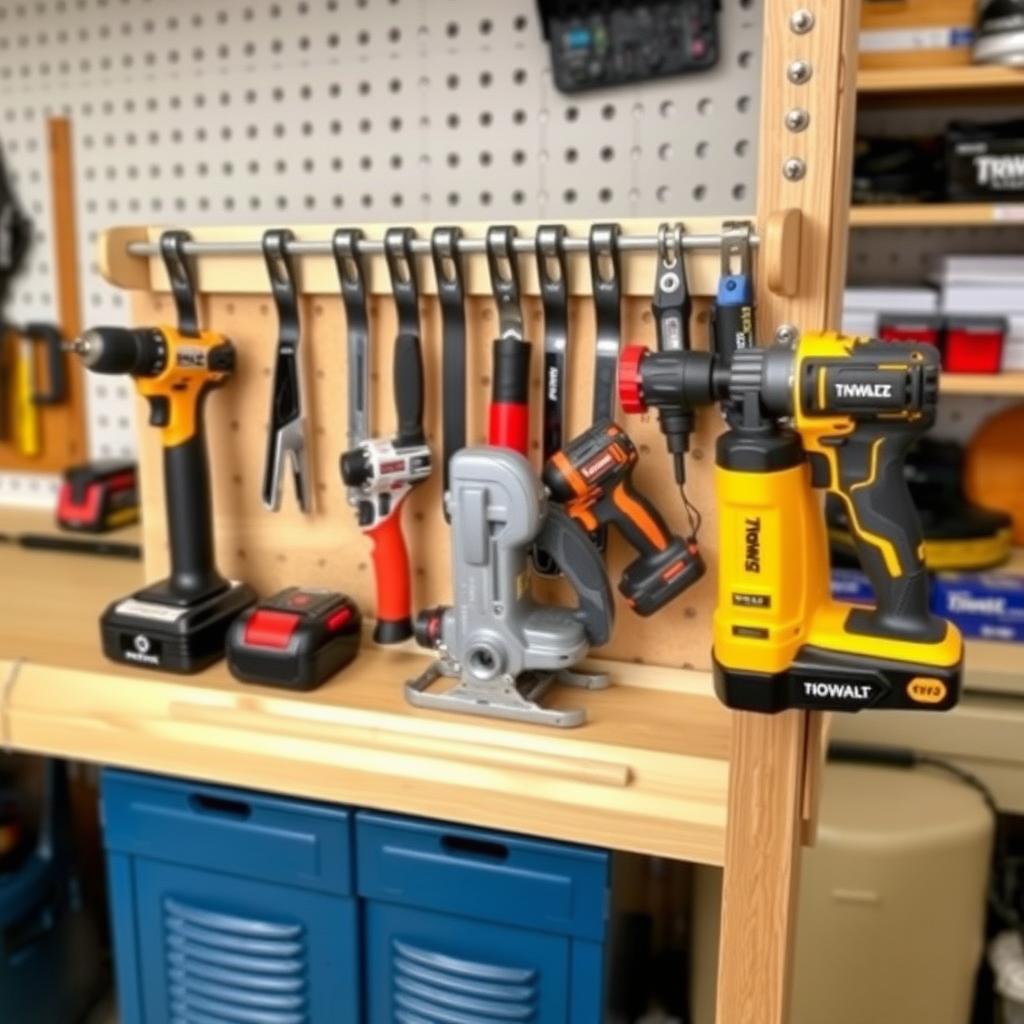
Top Brands to Consider
Not all workman tools are created equal. Based on my experience and research, here are some reliable brands:
- DeWalt: Known for durability and a wide range of tools. Their 20V MAX system is versatile.
- Milwaukee: Popular for brushless motors and long battery life. Their M18 FUEL line is top-notch.
- Makita: Great for ergonomics and precision. Their LXT system is a favorite for woodworkers.
- Bosch: Offers solid warranties and innovative features like Bluetooth connectivity for tool tracking.
I’ve had great results with Milwaukee’s M18 FUEL drill for heavy-duty tasks, but Makita’s jigsaw feels lighter and more precise for detailed work. Check user reviews on sites like Home Depot or ToolGuyd to compare models.
Budget vs. Premium: What’s Worth It?
You don’t need to break the bank, but cheap tools often fail early. Mid-range tools (around $100-$200) from reputable brands offer the best value. For example, I bought a budget cordless drill years ago, and it burned out after a few months of heavy use. Spending a bit more on a DeWalt model has paid off in reliability.
If you’re on a tight budget, look for combo kits. These bundle multiple tools with batteries and a charger at a discount. Black Friday sales or holiday deals are great times to buy. Just avoid no-name brands with poor reviews—they’re rarely worth the savings.
Maintenance Tips for Longevity
To keep your cordless tools in top shape:
- Clean Regularly: Dust and debris can clog motors. Use compressed air or a brush after each use.
- Store Properly: Keep tools and batteries in a dry, cool place to prevent damage.
- Charge Smartly: Don’t overcharge batteries, and avoid letting them fully discharge.
- Inspect Blades and Bits: Dull blades reduce performance and strain motors. Replace them as needed.
Summary
Choosing the best cordless tools for your workshop is about balancing power, versatility, and durability. Start with must-have workman tools like drills and saws, then add specialized cutting tools and advanced equipment as your skills grow. Stick to trusted brands, prioritize brushless motors, and maintain your tools for long-term performance. With the right setup, your workshop will be ready for any project.
Related Choosing the Best Cordless Tools for Your Workshop:
- Must-Have Workman Tools for Beginners: A Starter Guide
- Advanced Workman Skills: Mastering Precision Cutting
- Features to Look for in a Workbench: Your Guide to Choosing the Perfect Setup
- How to Choose the Right Wrench for Your Project
- Advanced Power Tool Maintenance Techniques: The Ultimate Guide
- Workman Tools: A Guide to Maintenance and Care
- Tool Maintenance and Care Tips for Long-Lasting Workman Tools
- Mastering Tool Care: Tips for Longevity
- Advanced Tool Maintenance Techniques for Longevity and Performance
- How to Choose the Right Power Washer for Your Needs
- Types of Hammers for Different Projects: Choosing the Right Tool
- Essential Safety Tips for Electrical Work: A Comprehensive Guide