Overview
Electrical work can be rewarding but comes with serious risks. From minor shocks to life-threatening injuries, the dangers are real. This comprehensive guide to electrical tools and safety practices offers essential tips to keep you safe, whether you're a DIY enthusiast or a seasoned electrician. Let's dive into actionable steps to protect yourself.
Why Safety Matters in Electrical Work
Electricity is powerful and unforgiving. A single mistake can lead to burns, shocks, or even fires. I’ve seen coworkers get complacent, thinking they can skip a step, only to regret it later. According to the U.S. Occupational Safety and Health Administration (OSHA), electrical hazards cause over 300 deaths and 4,000 injuries annually in U.S. workplaces. These stats aren’t just numbers—they’re a reminder to stay vigilant.
The key to safe electrical work is preparation, knowledge, and the right tools. Let’s break down the essential safety tips for electrical work, focusing on practical steps and the proper use of workman tools.
1. Always Turn Off the Power
Before touching any wires, turn off the power at the circuit breaker. Double-check with a voltage tester to confirm the circuit is dead. I once worked on a project where a colleague assumed the power was off—luckily, his voltage tester caught the live wire before disaster struck. Never skip this step, even for small jobs.
2. Use Insulated Tools
Invest in high-quality, insulated electrical tools designed for safety. These tools have rubber or plastic handles to prevent shocks. Brands like Klein and Fluke make reliable workman tools that meet safety standards. Regularly inspect tools for wear or damage—cracked insulation can turn a safe tool into a hazard.
Recommended Electrical Tools
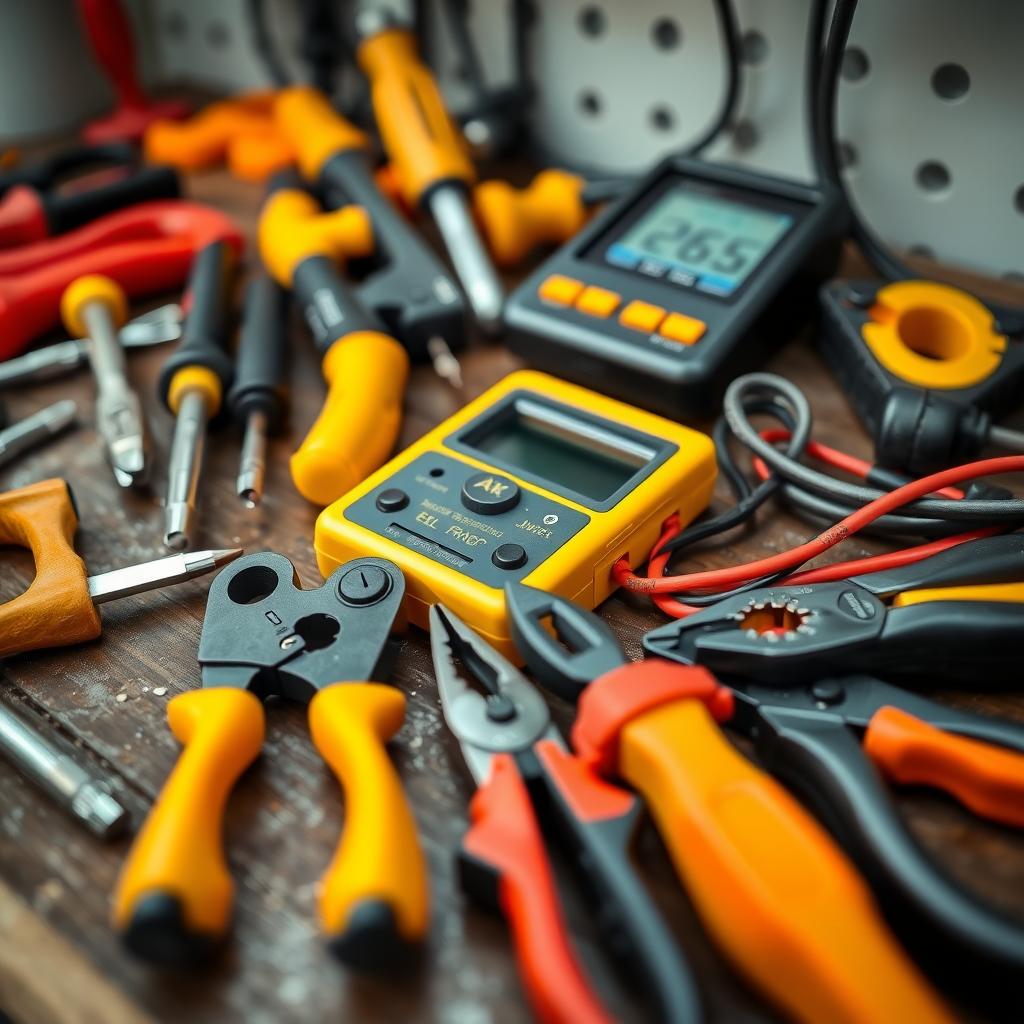
Here’s a quick list of must-have tools for safe electrical work: - Insulated Screwdrivers: For safely handling screws on electrical panels. - Multimeter: Measures voltage, current, and resistance to diagnose issues. - Wire Strippers: Removes insulation without damaging wires. - Non-Contact Voltage Tester: Detects live wires without direct contact. - Pliers: Insulated pliers for cutting and bending wires. Always choose tools certified by standards like those from the National Fire Protection Association (NFPA).
3. Wear Proper Personal Protective Equipment (PPE)
PPE is your last line of defense. At a minimum, wear insulated gloves, safety glasses, and flame-resistant clothing. I’ve felt the heat from an arc flash during a training session—it’s no joke. For high-voltage work, consider a full arc-rated suit. The Electrical Safety Foundation International (ESFI) recommends PPE tailored to the job’s risk level.

4. Understand Your Workspace
A cluttered or wet workspace invites trouble. Keep your area dry, organized, and free of flammable materials. I once saw a spark ignite a pile of sawdust on a job site—thankfully, we caught it in time. Check for overhead power lines or hidden wiring before starting, especially in older buildings.
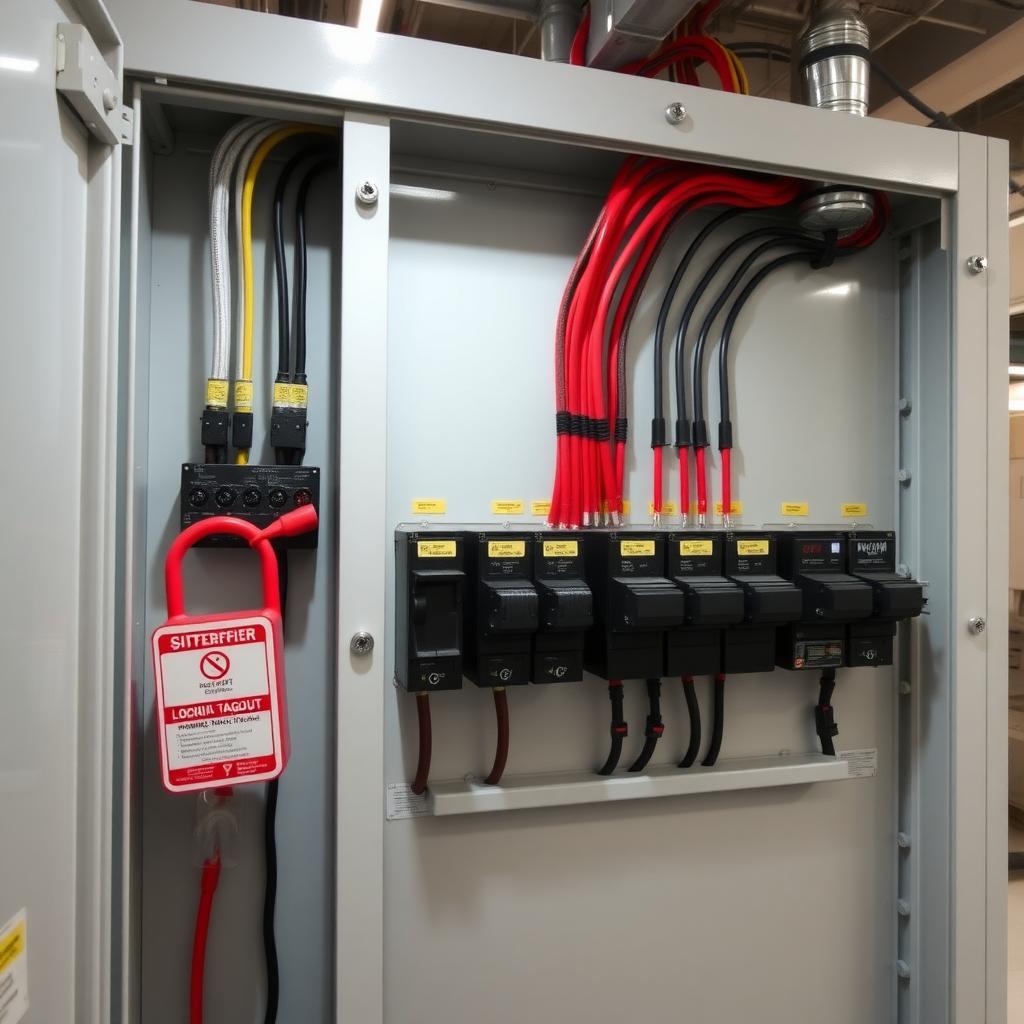
5. Follow Lockout/Tagout Procedures
Lockout/tagout (LOTO) ensures no one accidentally restores power while you’re working. Lock the breaker and tag it with a warning. I’ve worked on sites where LOTO saved lives because it stopped someone from flipping a switch. OSHA’s lockout/tagout guidelines provide clear steps for implementation.
6. Know Your Limits
Electrical work isn’t a guessing game. If you’re unsure about a task—like rewiring a panel—call a licensed electrician. I tried tackling a complex job early in my career and ended up with a fried circuit. Save your pride and avoid costly mistakes by knowing when to step back.
7. Stay Updated on Codes and Standards
Electrical codes, like those from the NFPA’s National Electrical Code (NEC), exist for a reason. They outline safe practices for wiring, grounding, and more. I make it a habit to review updates annually—codes evolve, and so should your knowledge. Check resources like the NFPA’s NEC page for the latest guidelines.
8. Avoid Overloading Circuits
Overloading circuits is a common cause of fires. Use a multimeter to check the load before adding devices. I’ve seen homeowners plug too many appliances into one outlet, causing breakers to trip repeatedly. Follow NEC guidelines for load calculations to stay safe.
9. Handle Wires with Care
Treat every wire as if it’s live. Use proper techniques for stripping, splicing, and connecting wires. I’ve seen frayed wires cause shorts because someone rushed the job. Take your time, and always use wire nuts or connectors to secure connections.
10. Plan for Emergencies
Have a fire extinguisher rated for electrical fires (Class E) nearby. Know where the nearest exit is and keep a first-aid kit handy. I once worked with a team that drilled emergency protocols monthly—it built confidence and preparedness. ESFI offers emergency response tips for electrical incidents.
Common Mistakes to Avoid
Here’s a quick table of mistakes I’ve seen (and sometimes made) and how to avoid them:
| Mistake | Consequence | How to Avoid |
|---|---|---|
| Skipping voltage checks | Electric shock | Always use a voltage tester |
| Using damaged tools | Increased risk of injury | Inspect tools before use |
| Ignoring PPE | Burns or eye damage | Wear appropriate PPE |
| Overloading outlets | Fire hazard | Calculate loads properly |
| Rushing complex tasks | Faulty wiring | Consult a professional |
Final Thoughts
Electrical work demands respect for the risks involved. By following these essential safety tips for electrical work, you can protect yourself and others. Use quality electrical tools, stay informed, and never cut corners. Safety isn’t just a checklist—it’s a mindset that saves lives.
Related Essential Safety Tips for Electrical Work:
- ESFI Electrical Safety Resources: Essential Safety Tips for Electrical Work
- Ergonomic Tips for Woodworkers: Crafting Comfortably and Safely
- The Beginner's Guide to Essential Tools for Your First DIY Project
- Comprehensive Guide to Electrical Tools: Must-Haves for Every Workman
- Essential Workman Tools for Home Renovations: Your Ultimate Guide
- Ergonomics Beyond Tools: A Workshop Guide for Comfort and Efficiency
- The Ultimate Guide to Workman Tools for Automotive Repair
- Revolutionizing Home Painting: How AI-Powered Tools Boost Efficiency
- Decluttering Your Life: Tips for a More Organized Home and Mind
- How to Organize Your Toolbox Like a Pro
- Essential Workman Tools for Every DIY Enthusiast
- Essential Screwdrivers for Mechanics: Your Guide to the Best Workman Tools