Overview
A well-organized toolbox saves time, reduces frustration, and boosts efficiency, whether you're tackling automotive repairs or home projects. This guide shares expert tips on How to Organize Your Toolbox Like a Pro, including selecting the right workman tools and choosing the perfect socket set for your needs.
Why Toolbox Organization Matters
Imagine reaching for a wrench during a critical repair only to find a jumbled mess. A disorganized toolbox wastes time and can lead to lost or damaged tools. Organizing your toolboxes creates a system where every tool has a place, making your work smoother and more enjoyable.
I’ve spent years tinkering with cars and home repairs, and I’ve learned that a tidy toolbox is a game-changer. It’s not just about neatness—it’s about creating a workflow that lets you focus on the job, not hunting for tools.
Step 1: Assess Your Tools
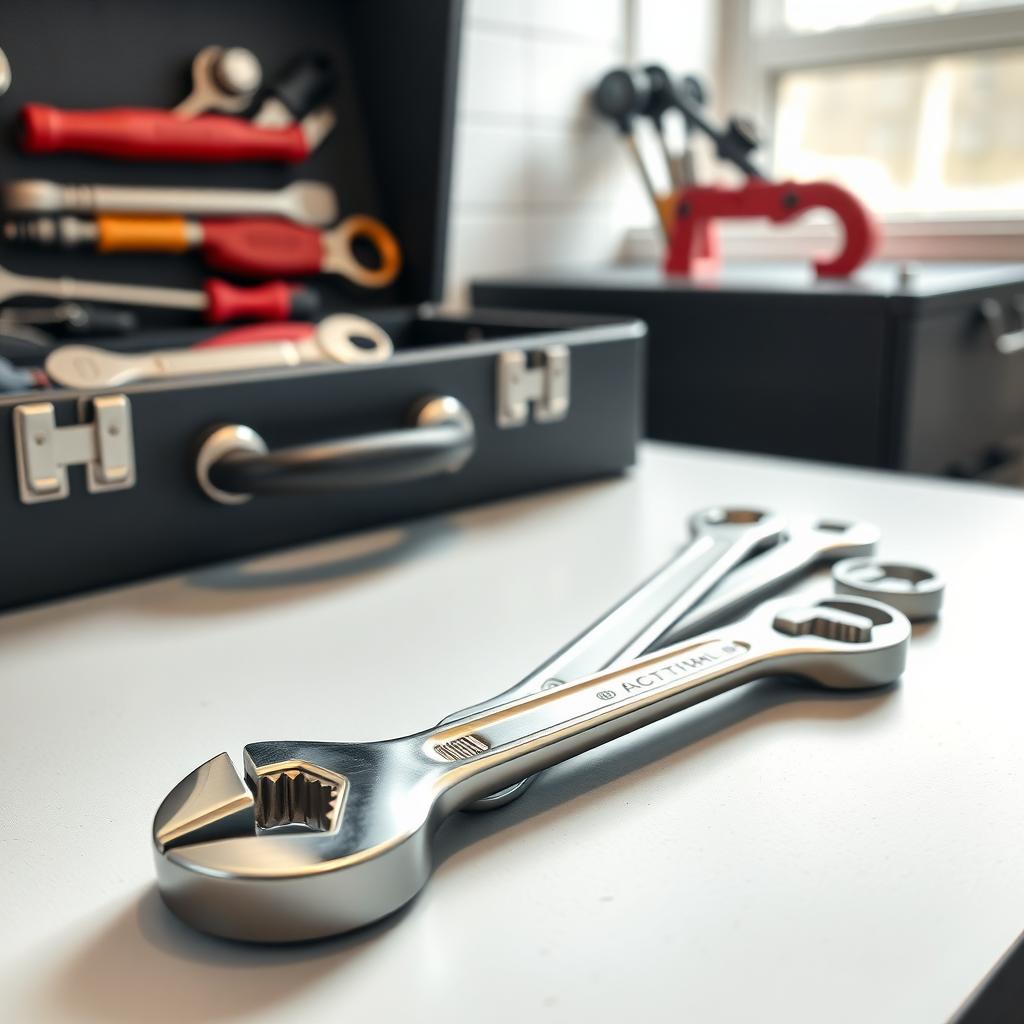
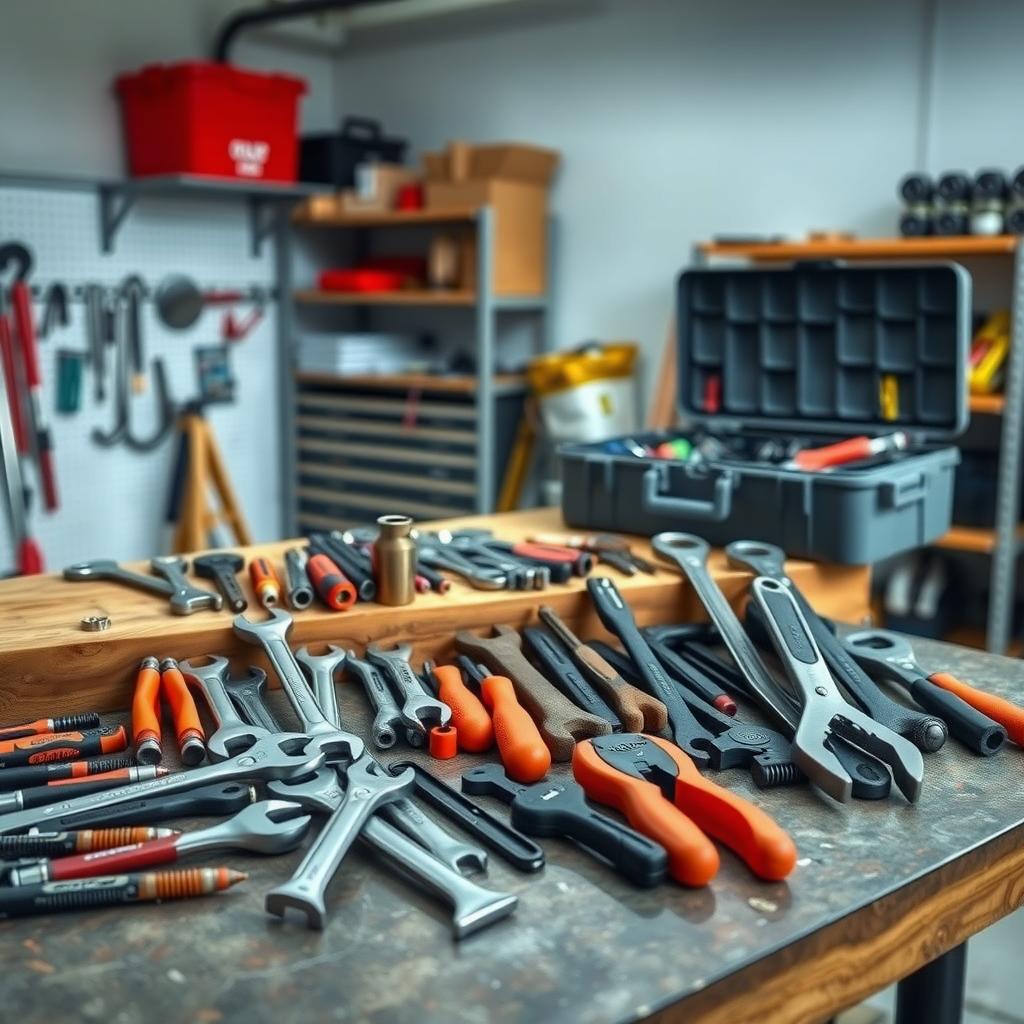
Start by emptying your toolbox. Lay out all your workman tools on a clean surface. This helps you see what you have, identify duplicates, and spot damaged items. For automotive repairs, you’ll likely have wrenches, screwdrivers, pliers, and socket sets.
Ask yourself: - Which tools do I use most often? - Are there tools I rarely need? - Do I have duplicates or outdated items?
Sort tools into categories: hand tools, power tools, and specialty items like workman tools for automotive repairs. Discard or donate anything broken or unnecessary.
Step 2: Choose the Right Toolbox
Not all toolboxes are created equal. The right toolbox depends on your needs, workspace, and tool collection. Here are some options:
| Toolbox Type | Best For | Pros | Cons |
|---|---|---|---|
| Portable Toolbox | Small collections, mobile repairs | Lightweight, easy to carry | Limited space |
| Rolling Cabinet | Large collections, garage use | Ample storage, durable | Bulky, less portable |
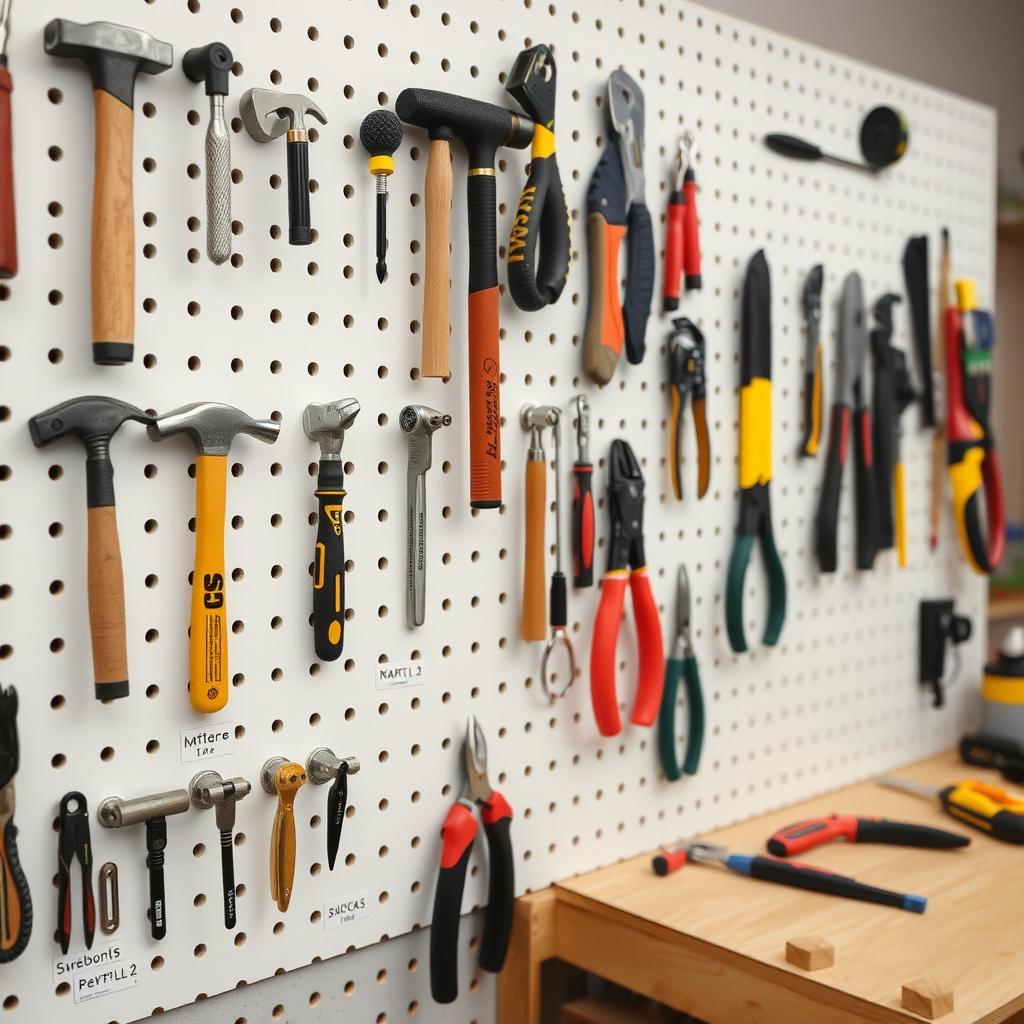
| Wall-Mounted Rack | Small spaces, frequent access | Saves floor space | Limited capacity |
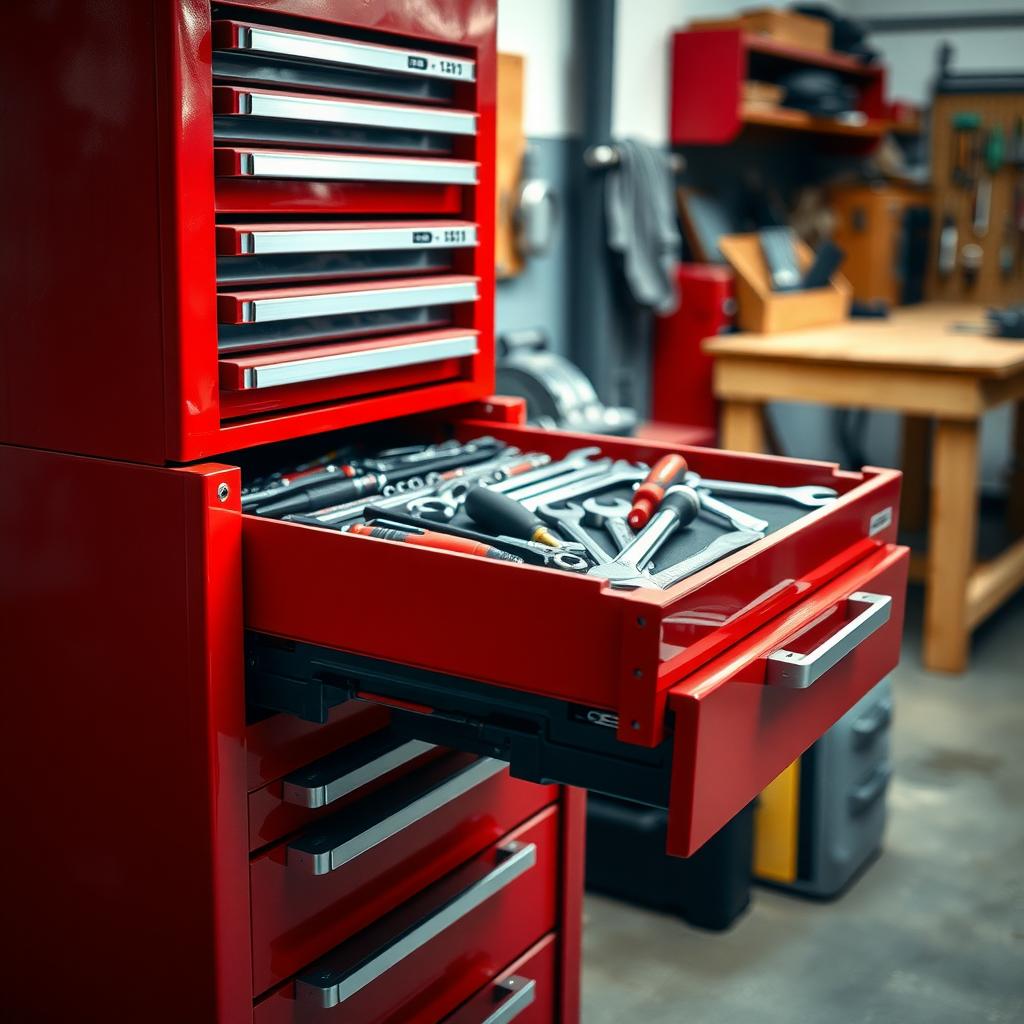
For automotive work, I prefer a rolling cabinet with drawers for heavy workman tools like socket sets and impact drivers. It keeps everything accessible but organized.
Step 3: How to Choose the Right Socket Set
A socket set is a cornerstone of workman tools for automotive repairs. Choosing the right one can make or break your efficiency. Here’s how to pick the perfect set:
- Size Range: Ensure the set covers common sizes (e.g., 8mm to 19mm for metric, 1/4” to 1” for SAE). A versatile set saves time.
- Drive Size: Most automotive tasks use 3/8” or 1/2” drives. Smaller 1/4” drives are great for precision work.
- Material: Chrome vanadium steel is durable and resists rust.
- Depth: Include both standard and deep sockets for flexibility.
I once struggled with a cheap socket set that kept slipping. Investing in a high-quality set from a reputable brand like Craftsman or Snap-on was worth every penny. Check out Craftsman’s guide on socket sets for more details.
Step 4: Organize Tools by Frequency of Use
Place frequently used tools in easy-to-reach spots. For example, I keep my go-to wrenches and screwdrivers in the top drawer of my toolbox. Less-used tools, like specialty workman tools for automotive repairs, go in lower drawers or separate cases.
Use this system: - Top Drawers: Everyday tools (screwdrivers, pliers, ratchets) - Middle Drawers: Socket sets, wrenches - Bottom Drawers: Power tools, specialty items
This setup minimizes digging and keeps your workflow smooth.
Step 5: Use Organizers and Dividers
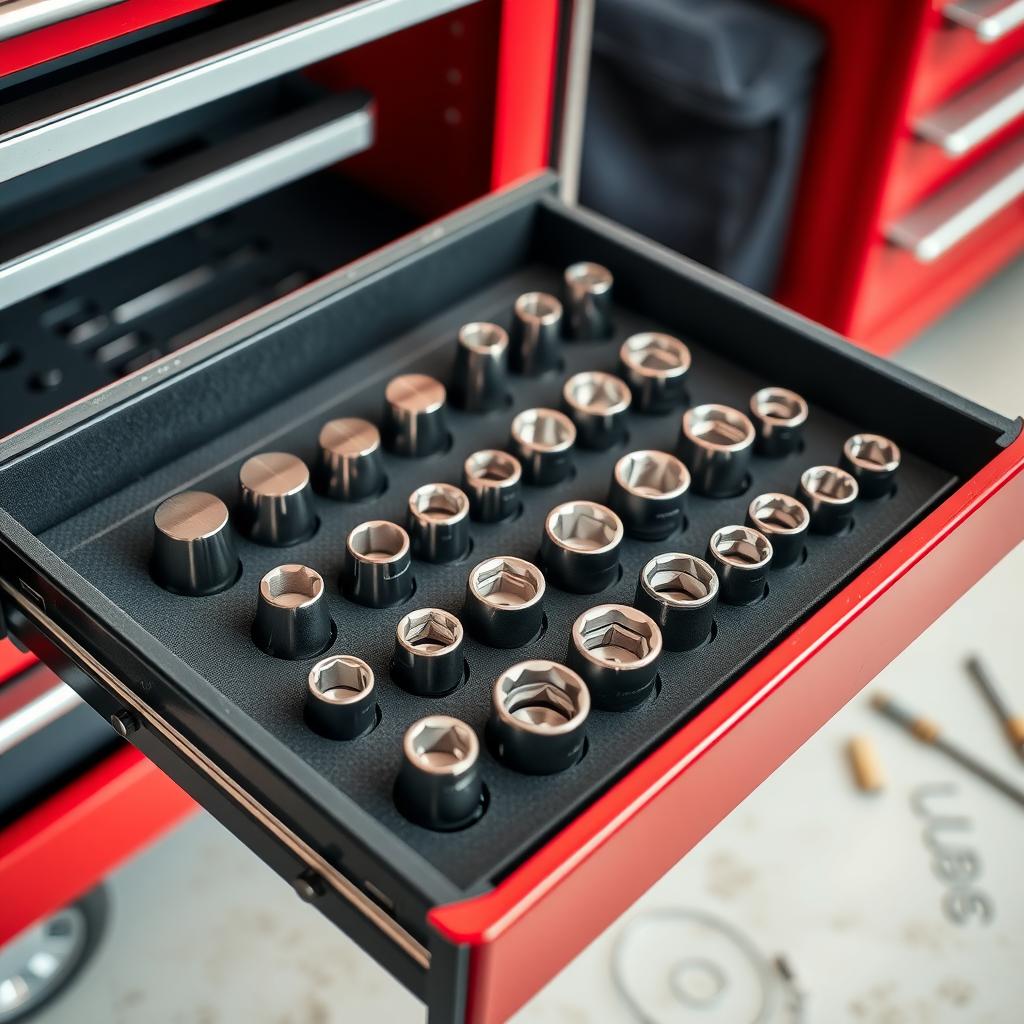
Foam inserts, dividers, and trays are your best friends for toolbox organization. They prevent tools from sliding around and make it easy to spot missing items. For toolboxes with deep drawers, foam inserts are ideal for socket sets and wrenches.
I cut custom foam inserts for my socket set using a utility knife and a foam sheet from a hardware store. It took an hour but saved countless minutes searching for the right socket. Magnetic strips also work well for screwdrivers and small metal tools.
Step 6: Label Everything
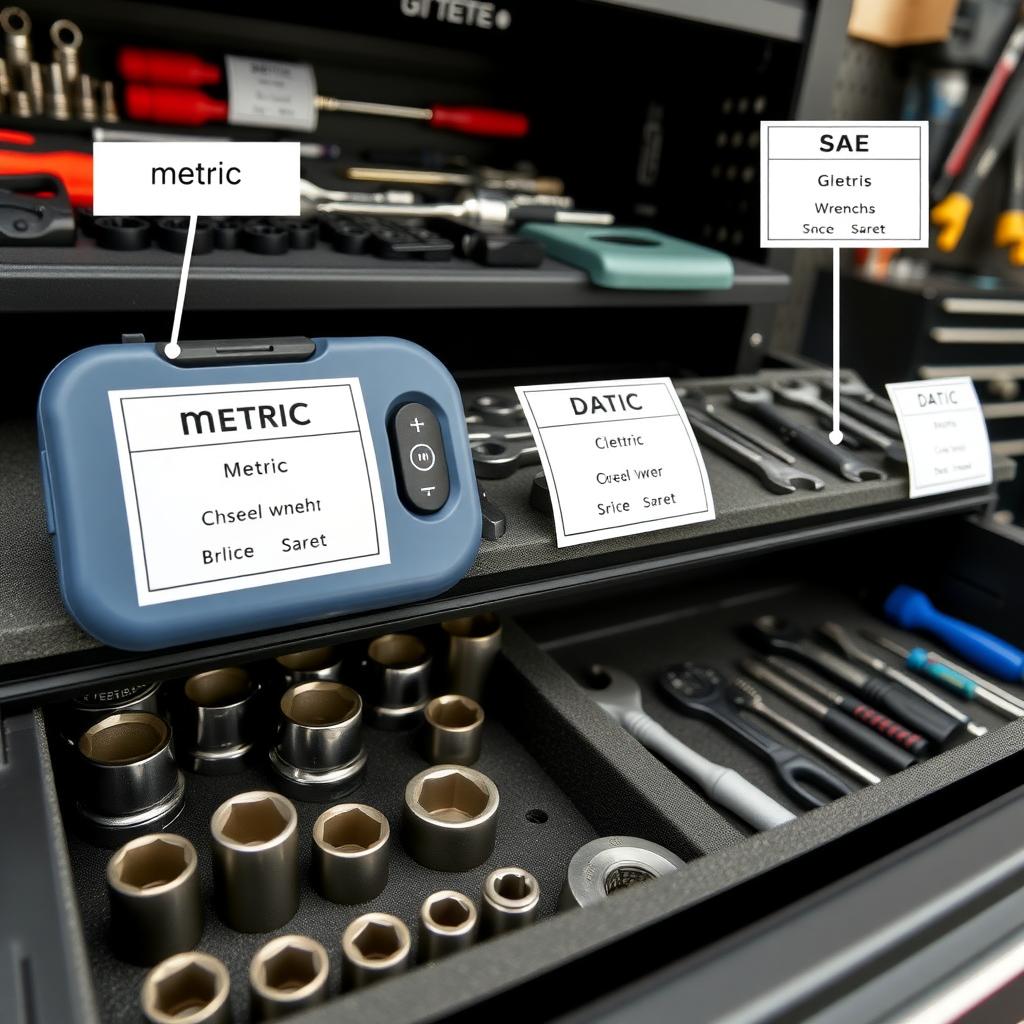
Labels are a pro move. They help you find tools fast and ensure everything goes back to its place. Use a label maker or durable tape to mark drawers and trays. For example, label one drawer “Metric Sockets” and another “SAE Wrenches.”
I once mixed up my metric and SAE sockets during a rushed repair. Labeling fixed that problem for good. It’s a small step that makes a big difference.
Step 7: Maintain Your System
A toolbox only stays organized if you maintain it. After every project, return tools to their designated spots. Clean tools before storing them to prevent rust, especially for workman tools for automotive repairs exposed to grease or oil.
Set aside 10 minutes monthly to inspect your toolbox. Check for damaged tools, reorganize if needed, and update your setup as your tool collection grows.
Bonus Tips for Pro-Level Organization
- Color-Code: Use colored tape to mark tools for specific tasks (e.g., red for automotive, blue for plumbing).
- Inventory List: Keep a list of tools inside your toolbox lid for quick reference.
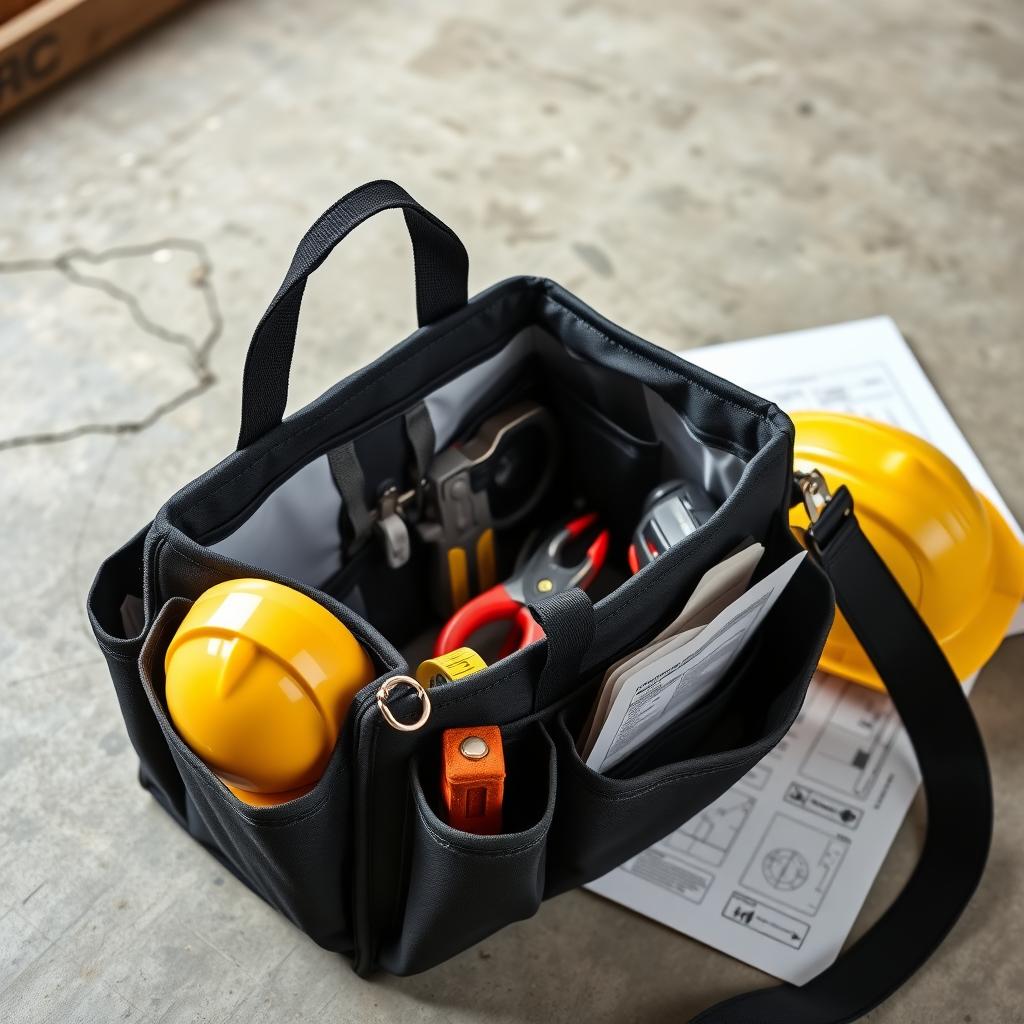
- Portable Kits: Create small kits for common tasks, like a grab-and-go bag for oil changes.
These tricks have saved me time on countless projects, from quick fixes to full engine rebuilds.
Summary
Organizing your toolbox like a pro is about creating a system that works for you. By assessing your tools, choosing the right toolboxes, and using organizers, you’ll save time and stress. Follow these steps, and your workman tools will always be ready for action. For more tool tips, check out the recommended readings below.
Related How to Organize Your Toolbox Like a Pro:
- Essential Workman Tools for Every DIY Enthusiast
- Essential Screwdrivers for Mechanics: Your Guide to the Best Workman Tools
- Troubleshooting Electrical Problems Made Easy: A Comprehensive Guide
- How to Choose the Best Toolbox for Your Needs
- The Evolution of Woodworking Tools: A Historical Overview
- The Ultimate Guide to Choosing Tool Sets for Automotive Repairs
- Tool Maintenance 101: Keep Your Gear in Top Shape
- Mastering the Art of Hammering: Techniques for Precision and Power
- Choosing the Right Workman Tools: A Comprehensive Guide
- Advanced Workman Tools for Professionals: Elevate Your Craft
- Organizing Your Workshop for Maximum Efficiency: A Practical Guide
- Hammer Basics: Types and Uses Explained