Overview
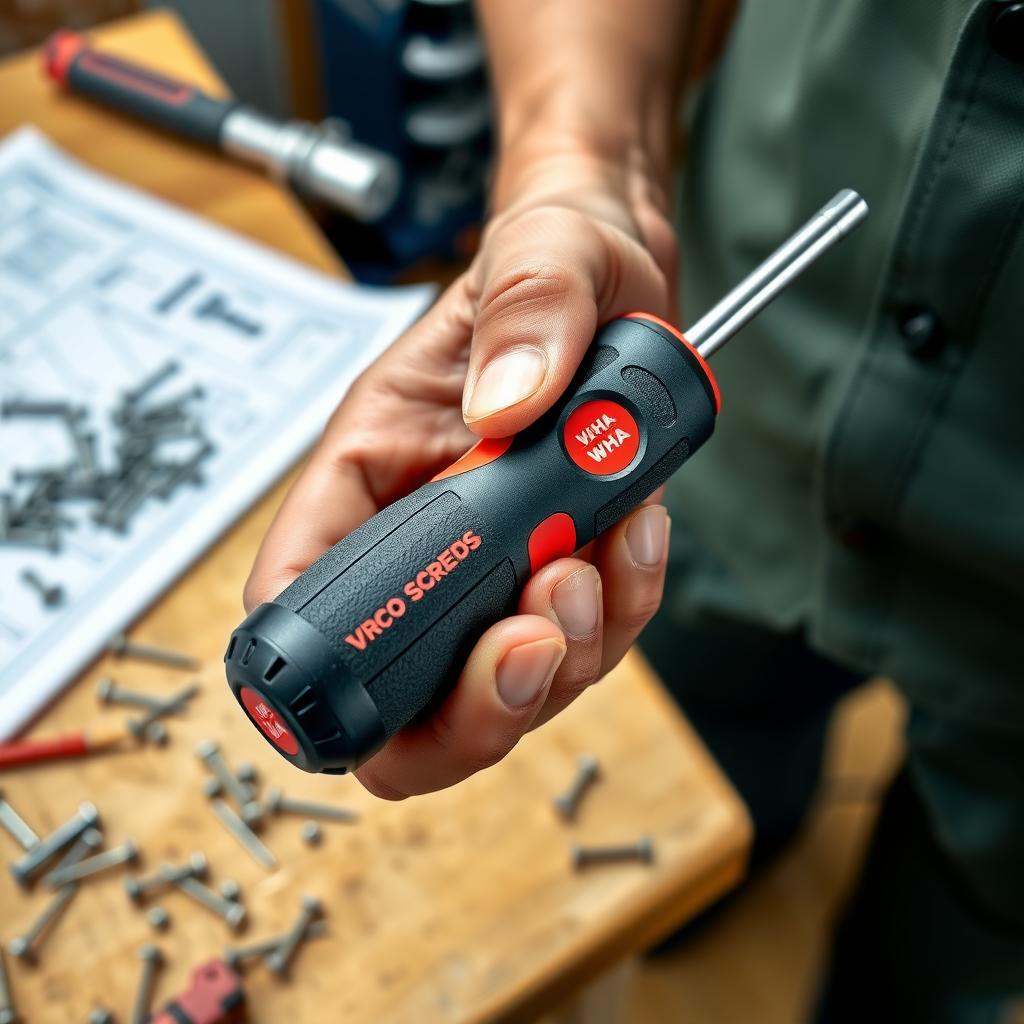
A cluttered workshop can sap your energy and slow your progress. Organizing Your Workshop for Maximum Efficiency is about creating a space that works for you—streamlined, functional, and inspiring. This guide shares practical steps, personal insights, and expert tips to help you build a workspace that fuels productivity and creativity.
Why Workshop Organization Matters
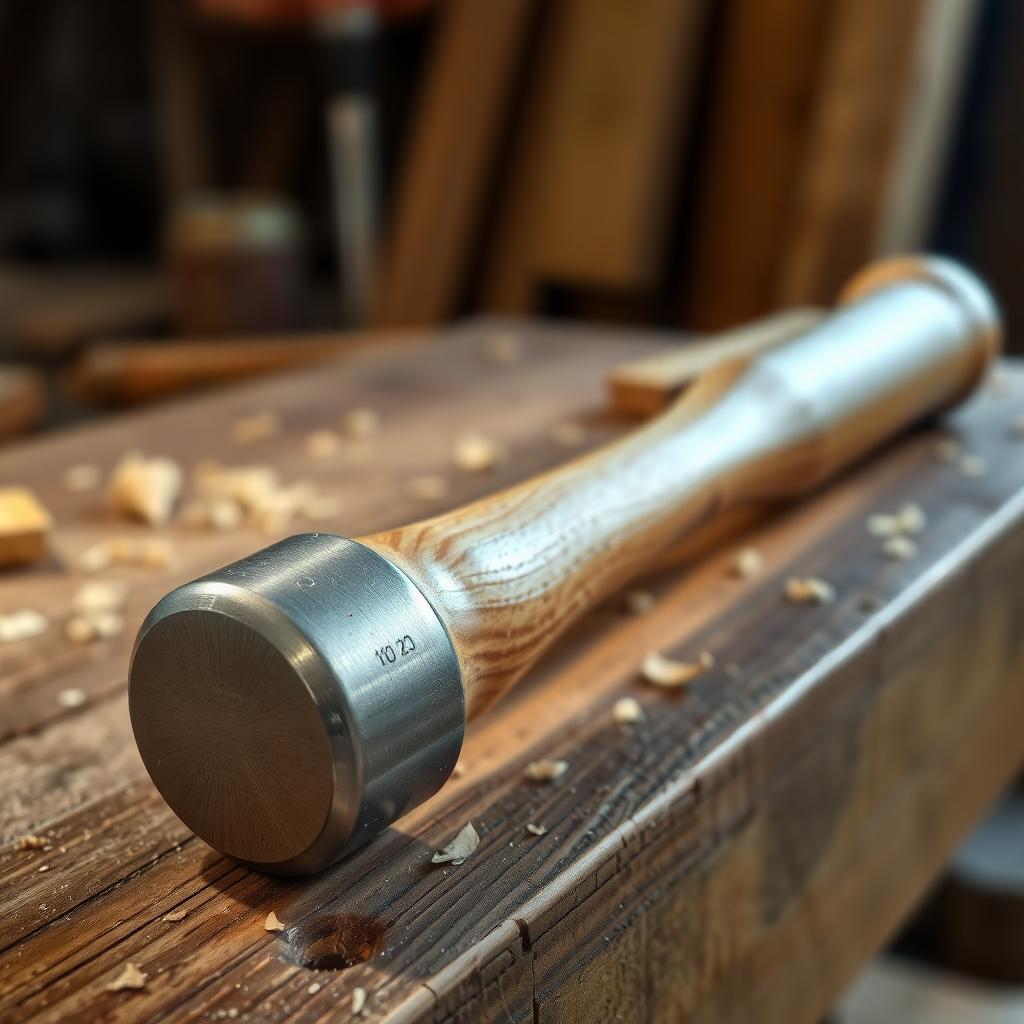
A well-organized workshop isn’t just about aesthetics; it’s about saving time and reducing frustration. When tools are easy to find and your workspace is clear, you can focus on the task at hand. Studies show that a tidy workspace can boost productivity by up to 20% by minimizing distractions and improving workflow. My own experience as a hobbyist woodworker taught me this the hard way—digging through piles of tools for a misplaced chisel is a creativity killer.
Start by assessing your current setup. Walk through your workshop and note what’s working and what isn’t. Are tools scattered? Is your workbench buried under scraps? Identifying pain points is the first step to fixing them.
Choosing the Right Workbench
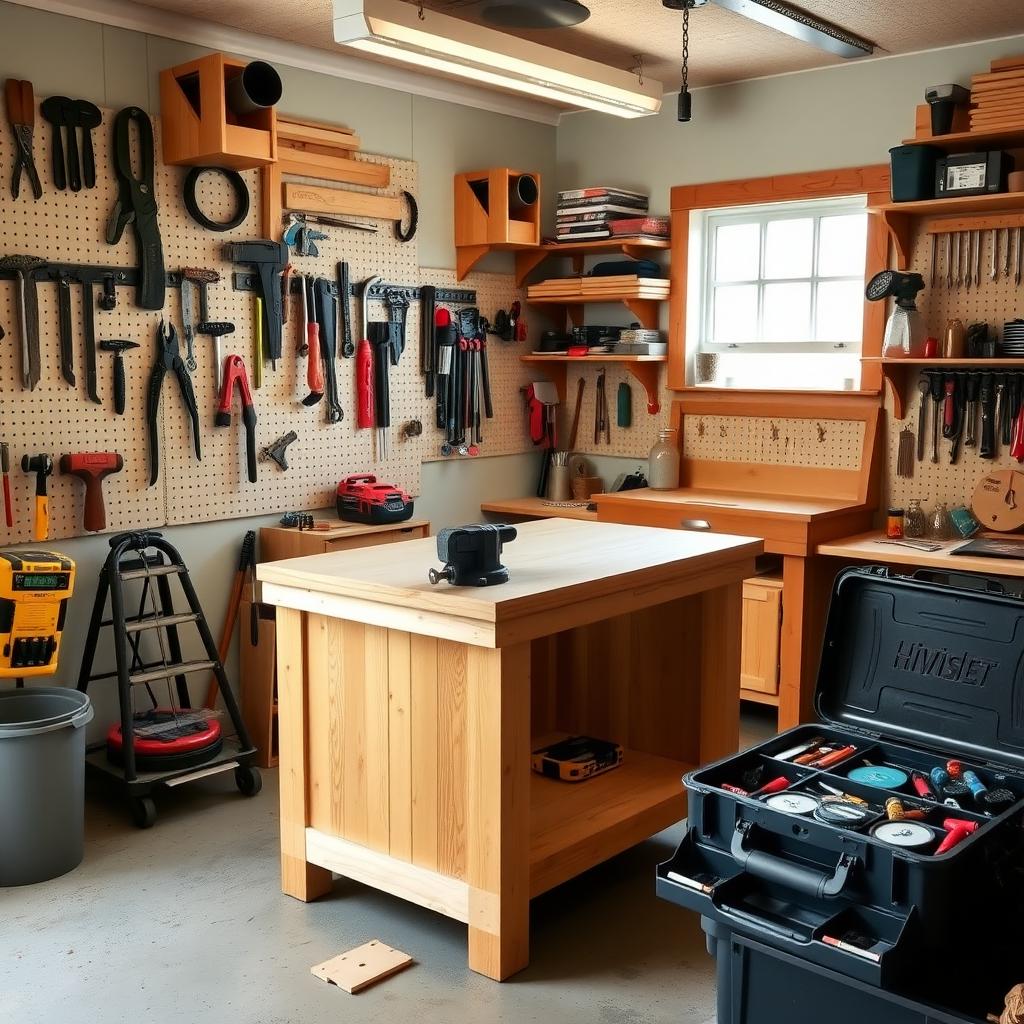
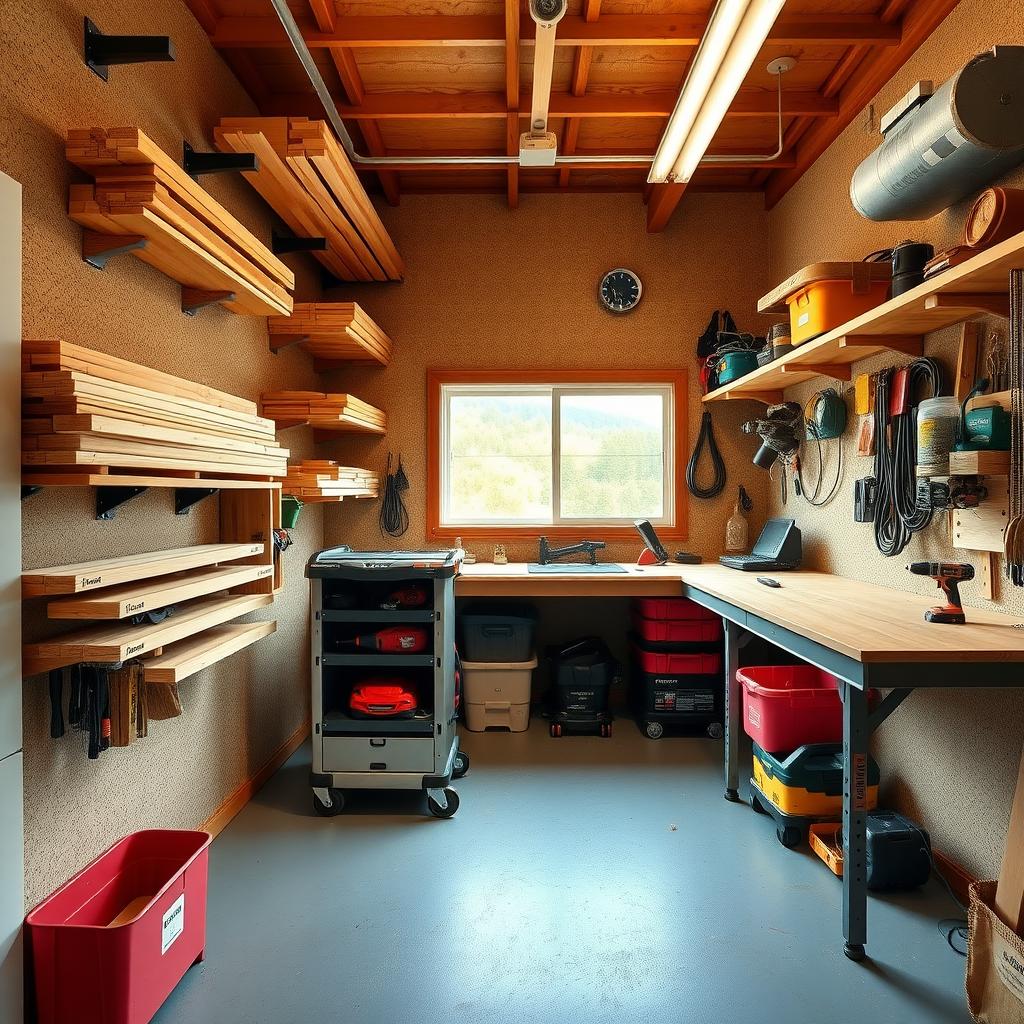
The workbench is the heart of any workshop, and selecting one with the right features to look for in a workbench can make or break your efficiency. A good workbench should be sturdy, versatile, and tailored to your needs. According to a guide from the University of Wisconsin’s woodworking resources, a workbench should have a flat, durable surface, ideally made of hardwood, and a stable base to handle heavy projects. Look for features like built-in storage, adjustable height, and a vice for securing materials.
I once used a flimsy folding table as a workbench, and it wobbled under the weight of a simple project. Switching to a solid workbench with a built-in vice transformed my workflow. If you’re in the market, explore options at essential tools for your workshop to find workbenches that suit your space and budget.
Key Features to Look for in a Workbench
Here’s a quick checklist to guide your workbench selection: - Sturdiness: A heavy-duty frame to withstand hammering and heavy loads. - Surface: Smooth, flat, and made of hardwood or steel for durability. - Storage: Drawers or shelves to keep tools within reach. - Versatility: Adjustable height or modular design for flexibility. - Clamping Options: Built-in vices or dog holes for securing workpieces.
Organizing Your Tools
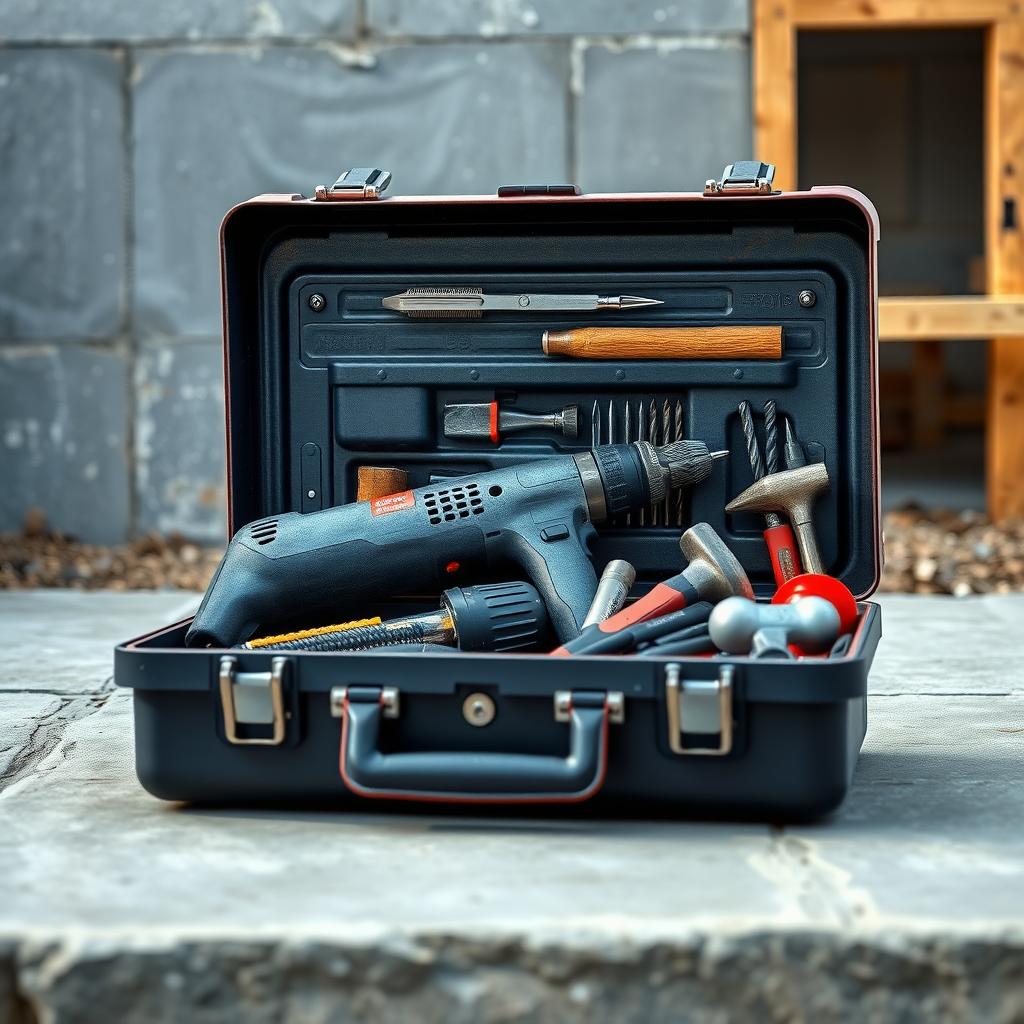
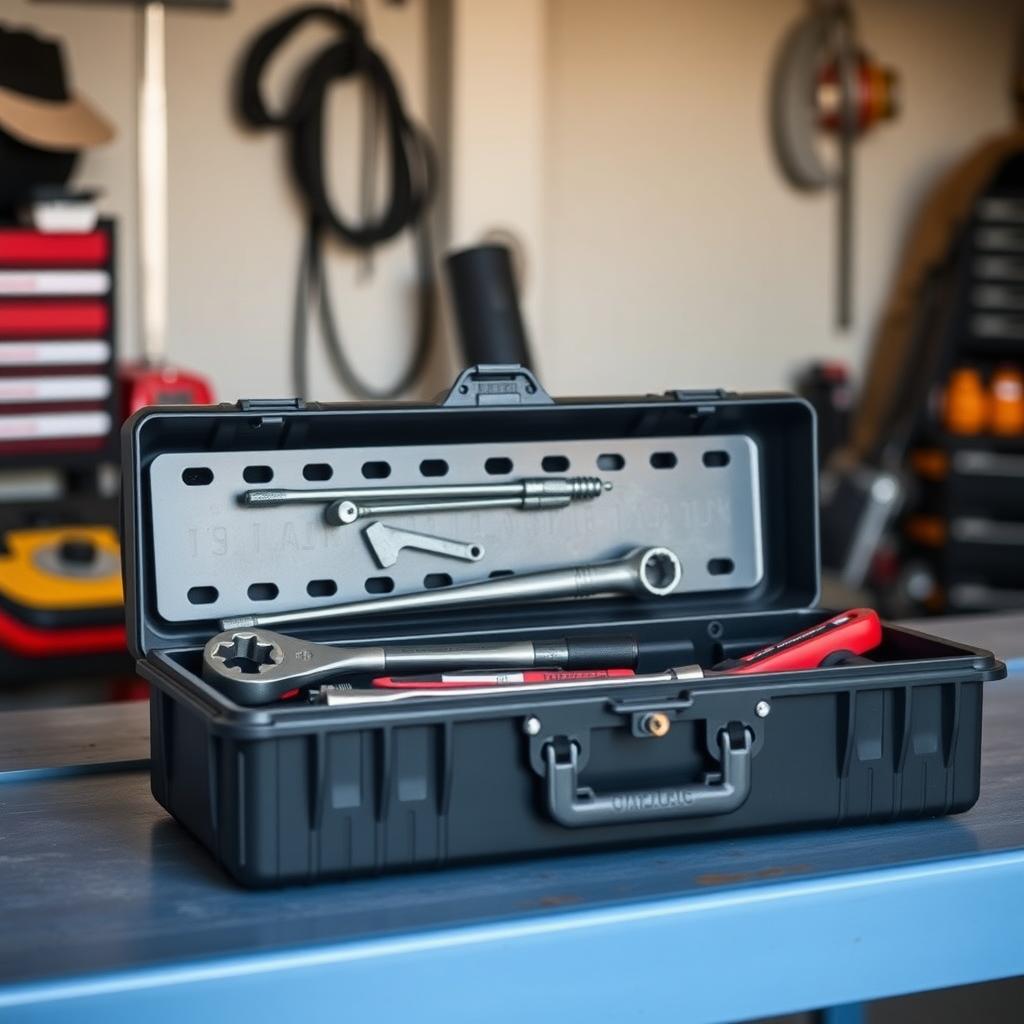
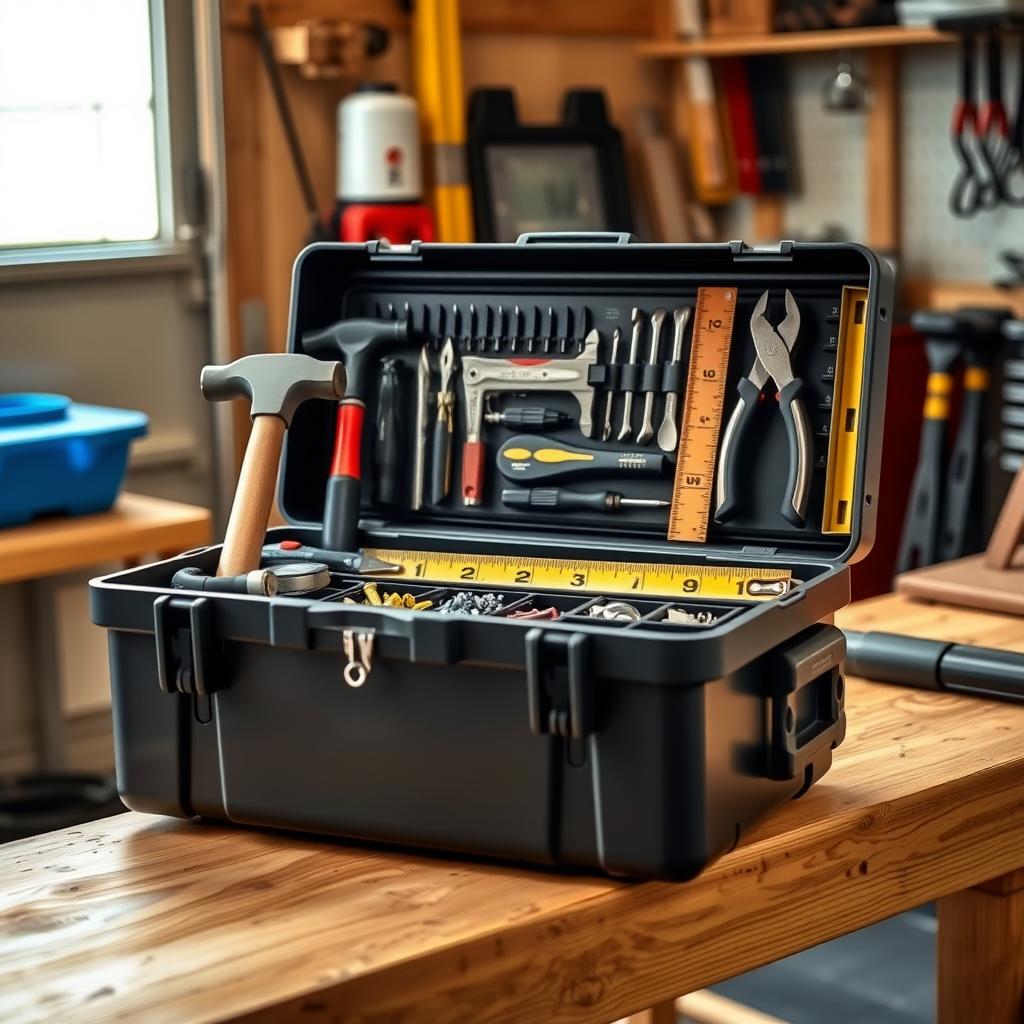
A chaotic tool collection is a recipe for wasted time. Workman tools—from hammers to drills—deserve a dedicated home. Start by sorting tools into categories: hand tools, power tools, and accessories. Then, assign storage based on frequency of use. Tools you grab daily, like screwdrivers or measuring tapes, should be within arm’s reach, while specialty tools can live in drawers or on higher shelves.
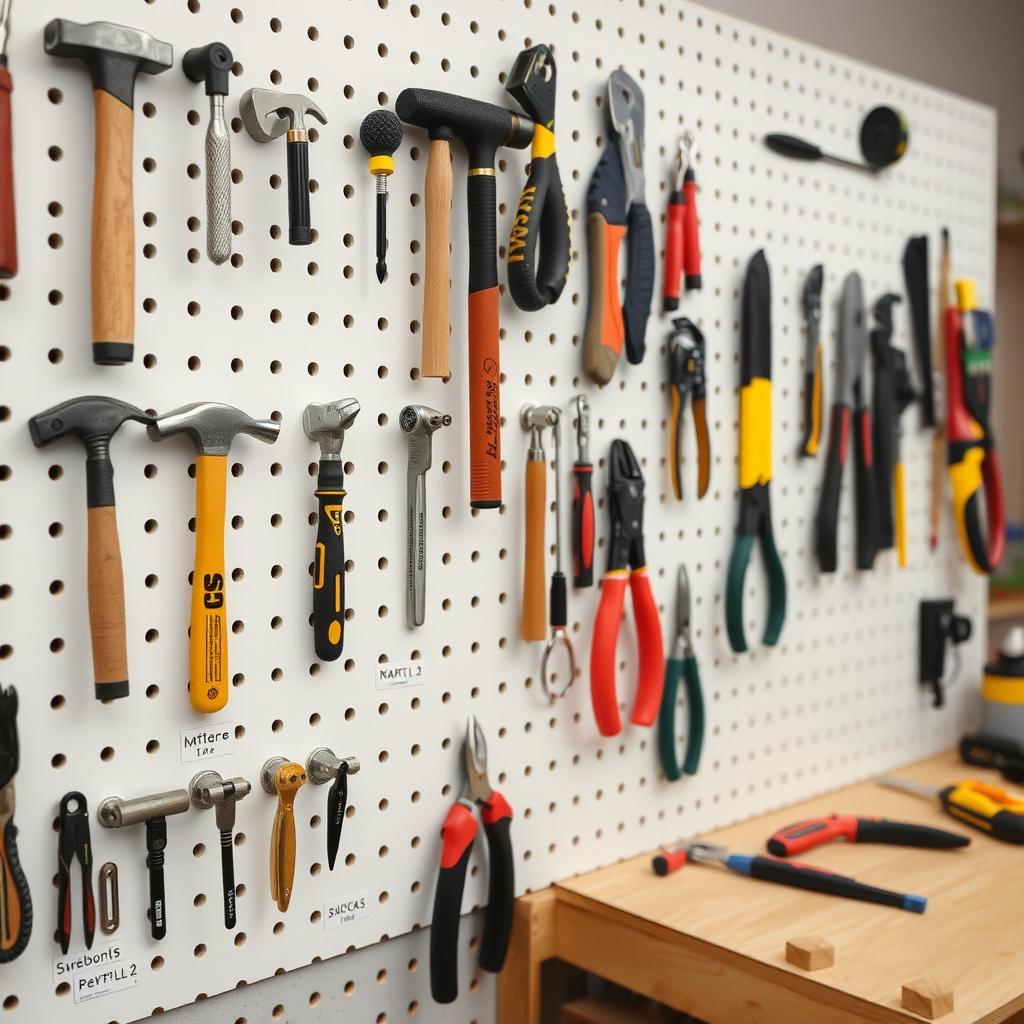
Pegboards are a game-changer for tool organization. They’re affordable, customizable, and let you see everything at a glance. In my workshop, I mounted a pegboard above my workbench and hung my most-used tools in a logical order—saws on one side, chisels on the other. This simple setup saves me at least 10 minutes per project.
Streamlining Your Workflow
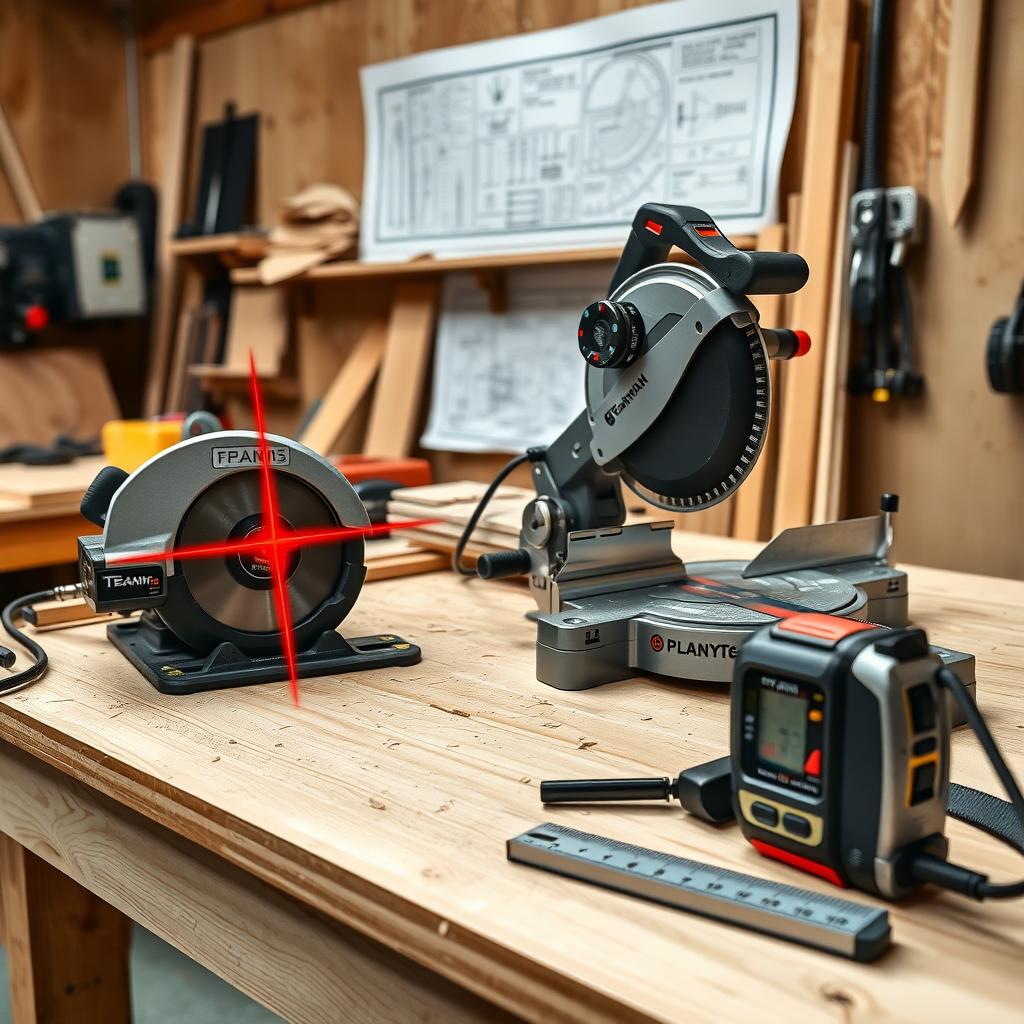
Efficiency isn’t just about storage—it’s about how you move through your space. Think about your workflow as a production line. Arrange your workshop to minimize steps between tasks. For example, keep your cutting tools near your workbench and your finishing supplies near a well-ventilated area. A study from the Occupational Safety and Health Administration (OSHA) emphasizes that ergonomic layouts reduce physical strain and improve task efficiency.
I used to store my sandpaper across the room from my workbench, forcing me to walk back and forth during projects. Relocating it to a drawer under the bench cut down on wasted steps. Map out your typical project process and position tools and materials to follow that flow.
Storage Solutions for Small Workshops
If your workshop is tight on space, vertical storage is your best friend. Wall-mounted racks, magnetic strips, and stackable bins can maximize every inch. A guide from the National Institute for Occupational Safety and Health (NIOSH) recommends using vertical storage to keep floors clear, reducing trip hazards and creating a safer workspace.
In my small garage workshop, I installed a ceiling rack for lumber and a rolling cart for power tools. These additions doubled my usable space without cluttering the floor. For inspiration, check out storage solutions at essential tools for your workshop.
Maintaining Your Organized Workshop
An organized workshop requires upkeep. Set aside 10 minutes at the end of each session to return tools to their places and clear debris. Once a month, do a deeper clean—sweep floors, check tool conditions, and reorganize as needed. This habit keeps chaos at bay and ensures your setup stays efficient.
I learned this lesson after letting my workshop slide into disarray during a busy month. A quick cleanup routine now keeps everything in check, and I’ve even started labeling storage bins for extra clarity.
Personalizing Your Space
Your workshop should reflect how you work. If you’re a woodworker, prioritize carving tools and a sturdy bench. If you’re into electronics, dedicate space for soldering stations and small components. Personal touches, like a comfortable stool or good lighting, also make a difference. I added a small radio to my workshop, and a bit of music keeps me energized during long projects.
Experiment with layouts until you find what feels right. Move things around, test new storage ideas, and adapt as your projects evolve. The goal is a space that feels intuitive and inspiring.
Summary
Organizing Your Workshop for Maximum Efficiency is about creating a space that supports your work and sparks creativity. Choose a workbench with the right features, organize tools logically, streamline your workflow, and maintain order with regular upkeep. With these steps, your workshop will become a hub of productivity and satisfaction.
Related Organizing Your Workshop for Maximum Efficiency:
- Hammer Basics: Types and Uses Explained
- How to Choose the Right Drill for Your Projects: A Comprehensive Guide
- Understanding Hammer Dynamics and Ergonomics: A Comprehensive Guide
- How to Check Your Car’s Oil Like a Pro
- Advanced Workman Skills: Tools for the Next Level
- Maintaining Your Wrench Set for Longevity: A Comprehensive Guide
- Power Tools for Beginners: Your Ultimate Guide to Getting Started
- DIY Home Repair Projects for Beginners: Your Ultimate Guide
- Essential Tools Every DIYer Should Own for a Well-Equipped Workshop
- Top 10 Ergonomic Tools Every Tradesperson Should Have
- How to Use a Hammer Safely: A Comprehensive Guide for Beginners and Pros
- 10 Tips for Choosing the Right Paint for Your Next Art Project