Overview
Starting your journey with DIY Home Repair Projects for Beginners can feel overwhelming, but it’s also exciting! With the right tools and a bit of guidance, you can fix leaky faucets, patch walls, or even refresh a room. This guide shares practical projects, tips, and insights to help you build confidence and save money.
Why Start with DIY Home Repairs?
Taking on home repairs yourself is empowering. Not only do you save on labor costs, but you also gain skills that last a lifetime. When I first moved into my home, a dripping faucet drove me nuts. Hiring a plumber felt like overkill, so I grabbed a wrench and fixed it myself. That small win sparked my love for DIY. According to This Old House, basic repairs like this can save homeowners hundreds annually. Ready to dive in? Let’s start with the basics.
Organizing Your Toolbox: Tips and Tricks
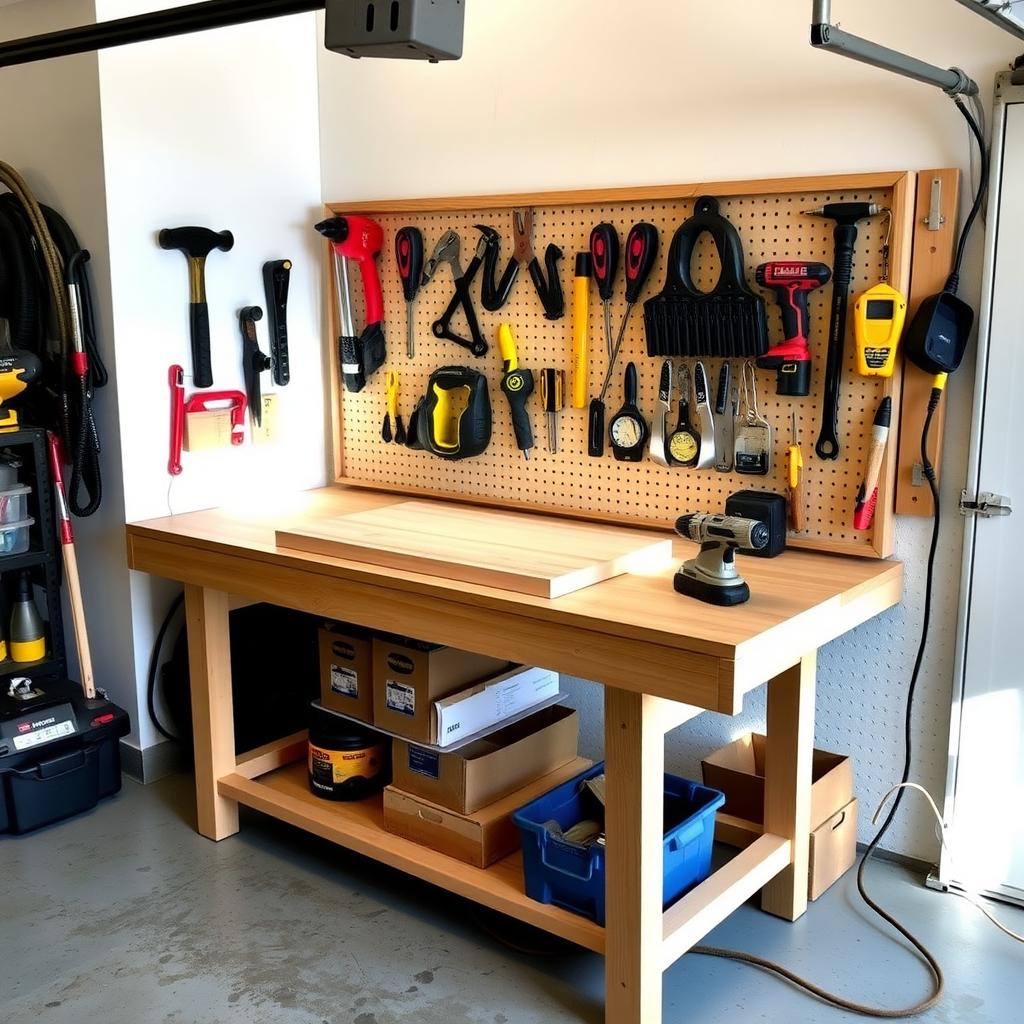
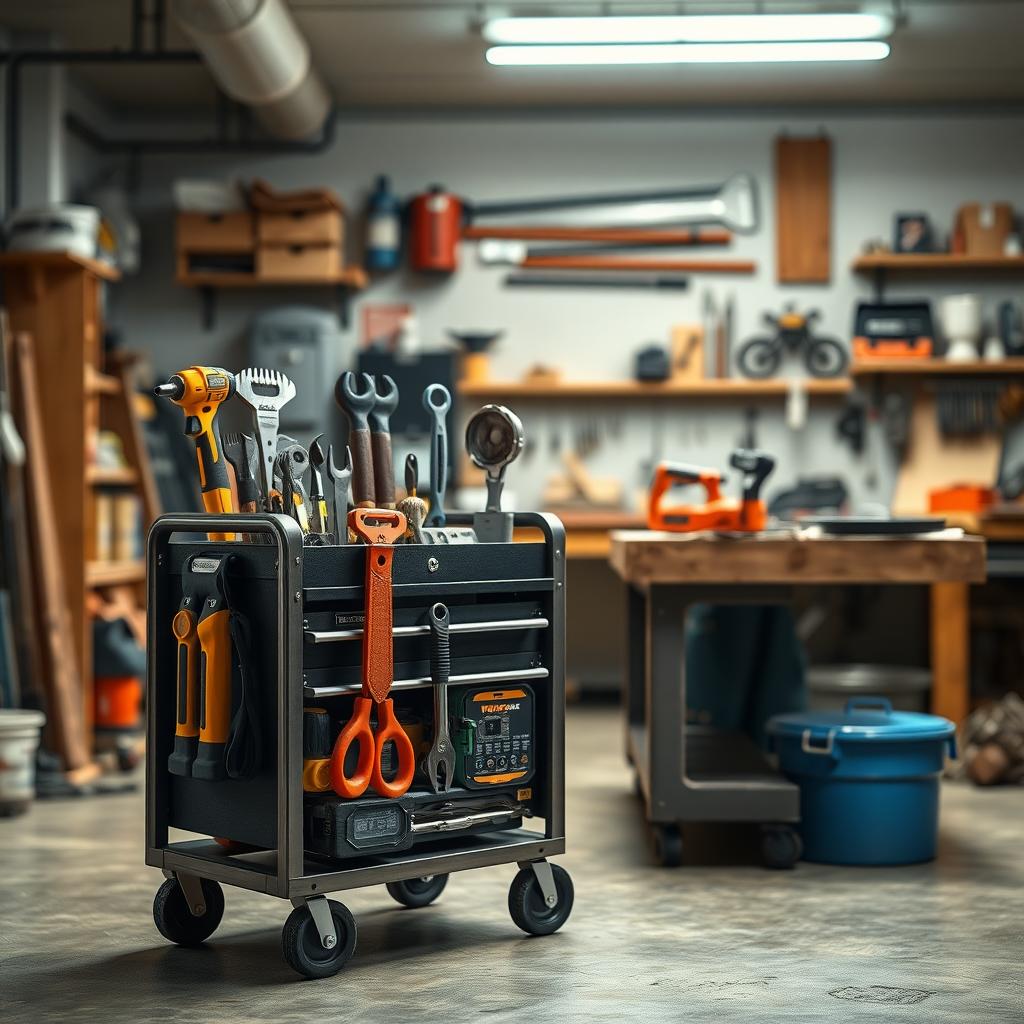
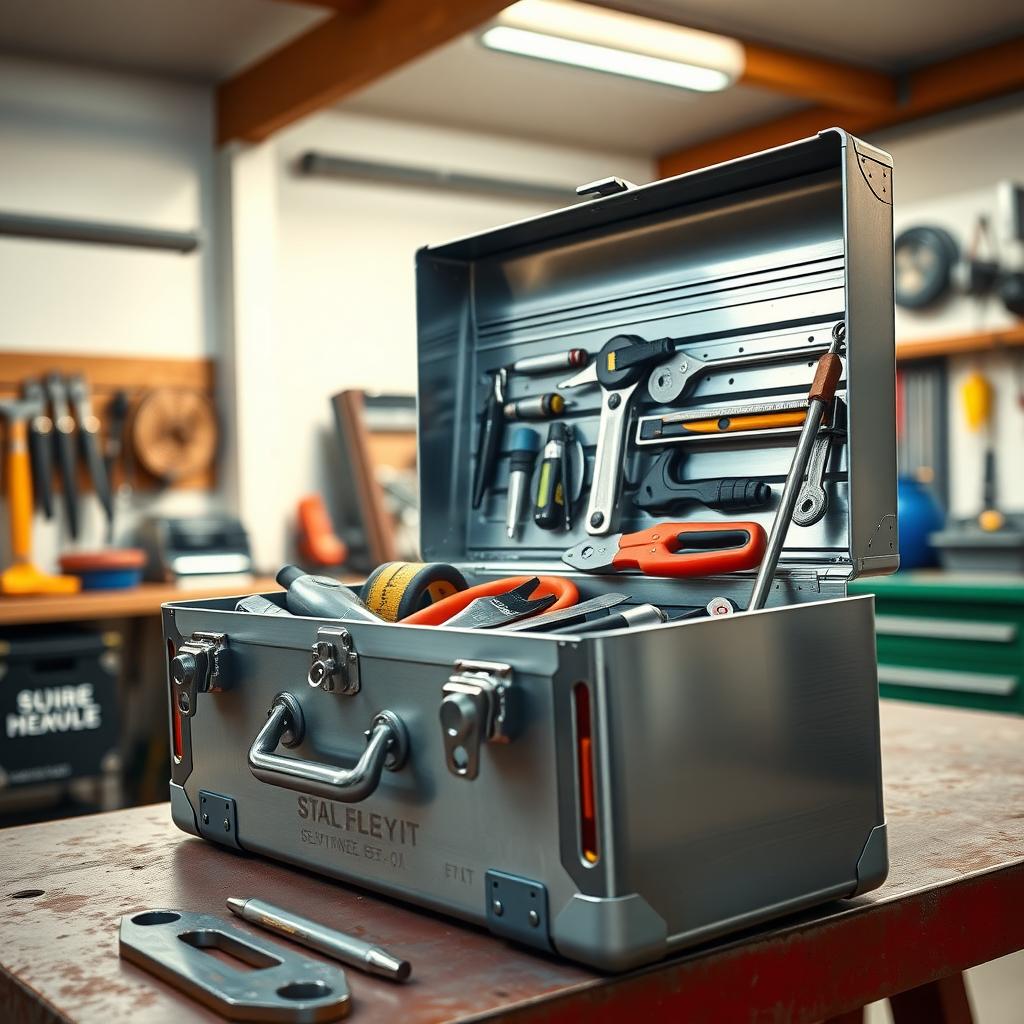
Before tackling any project, you need a solid toolbox. A cluttered or incomplete toolbox can derail your efforts. Here’s how to set yourself up for success:
- Start Small: You don’t need every tool under the sun. Focus on versatile, essential tools for every handyman.
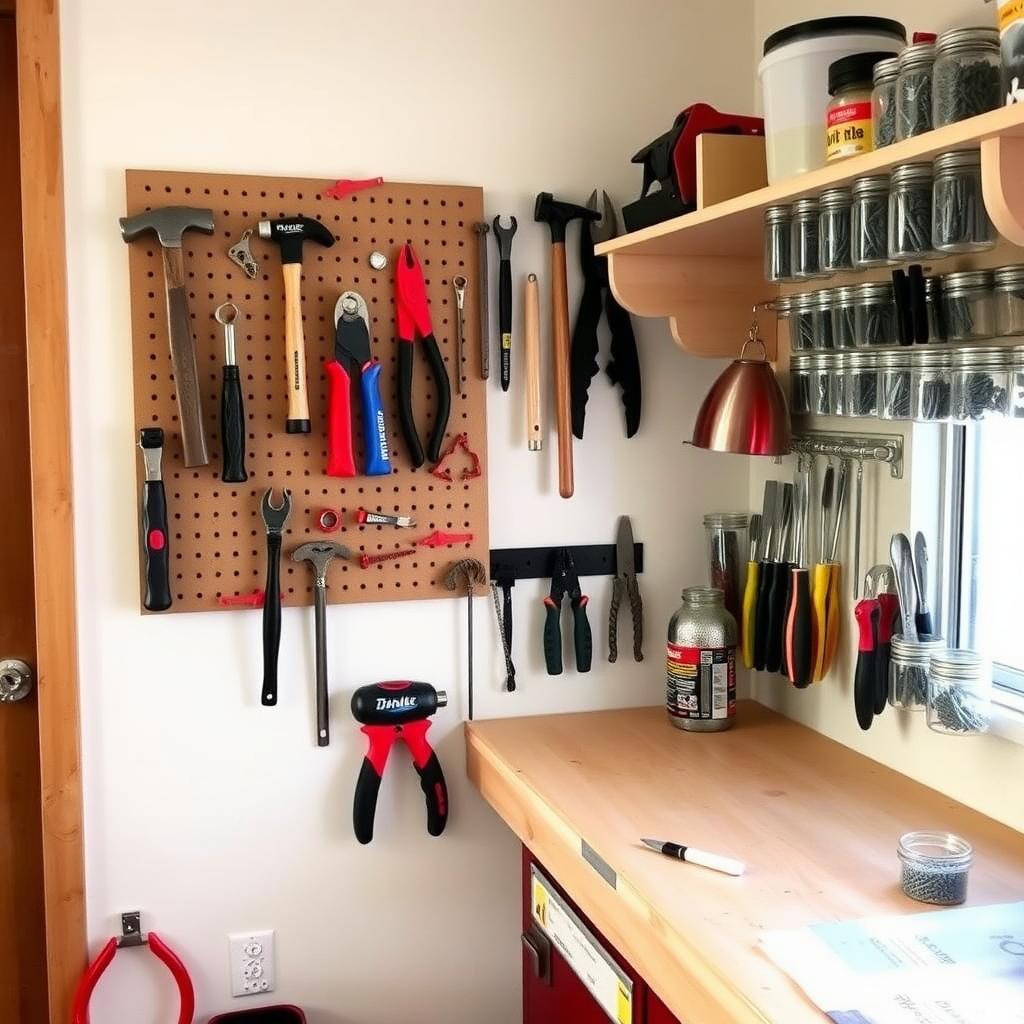
- Use a Toolbox Organizer: Keep screws, nails, and bits in labeled compartments.
- Prioritize Quality: Cheap tools break easily. Invest in durable brands.
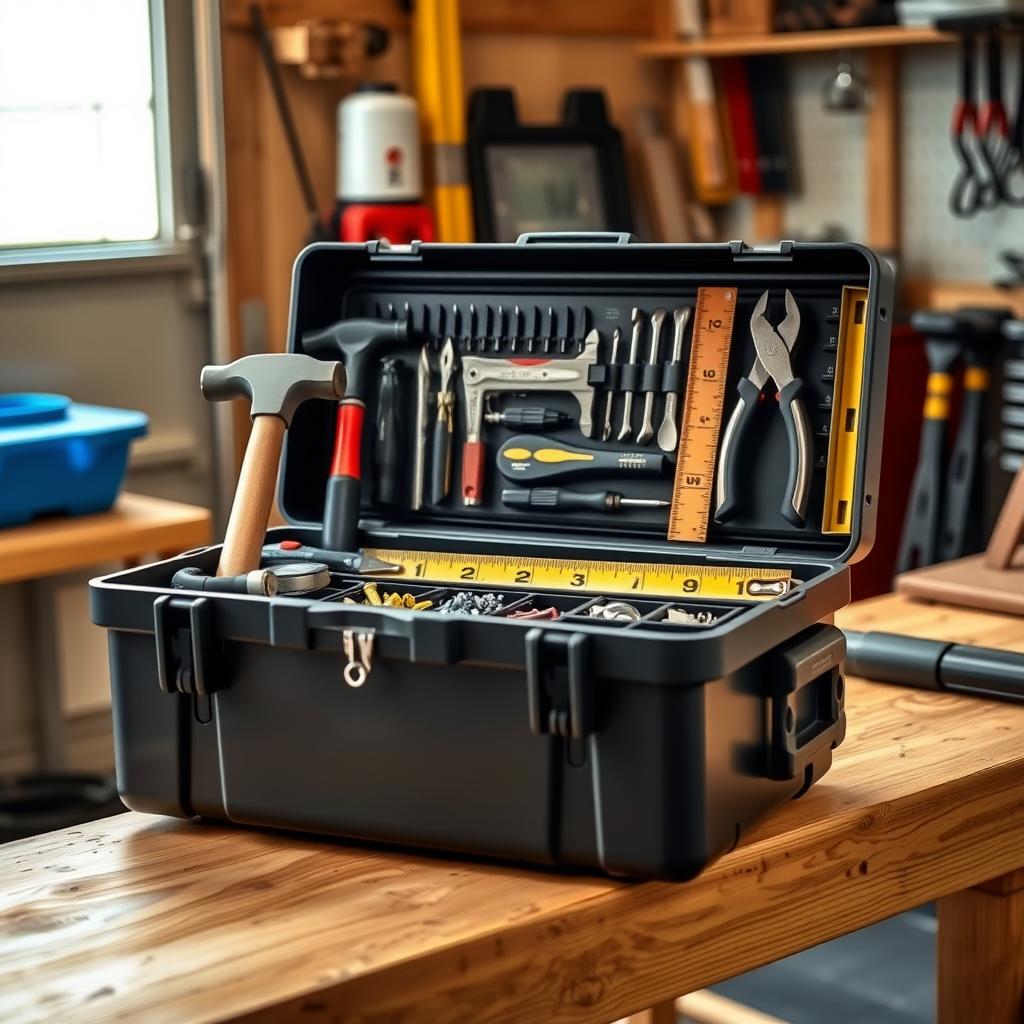
My first toolbox was a mess—screws mixed with nails, no organization. I wasted time searching for the right tool. Now, I use a simple plastic organizer with clear dividers. It’s a game-changer.
Essential Tools for Every Handyman
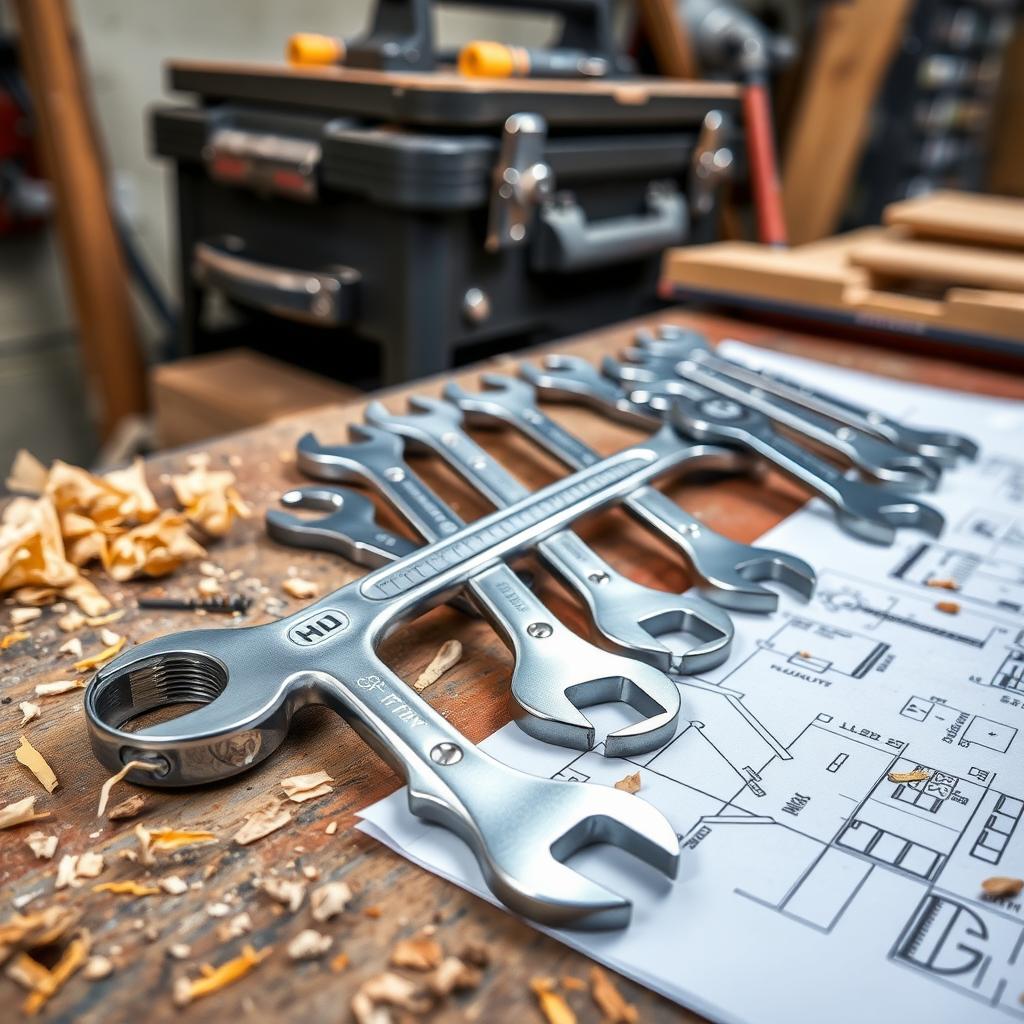
You don’t need a massive collection, but some tools are non-negotiable. Here’s a beginner-friendly list:
| Tool | Use | Why You Need It |
|---|---|---|
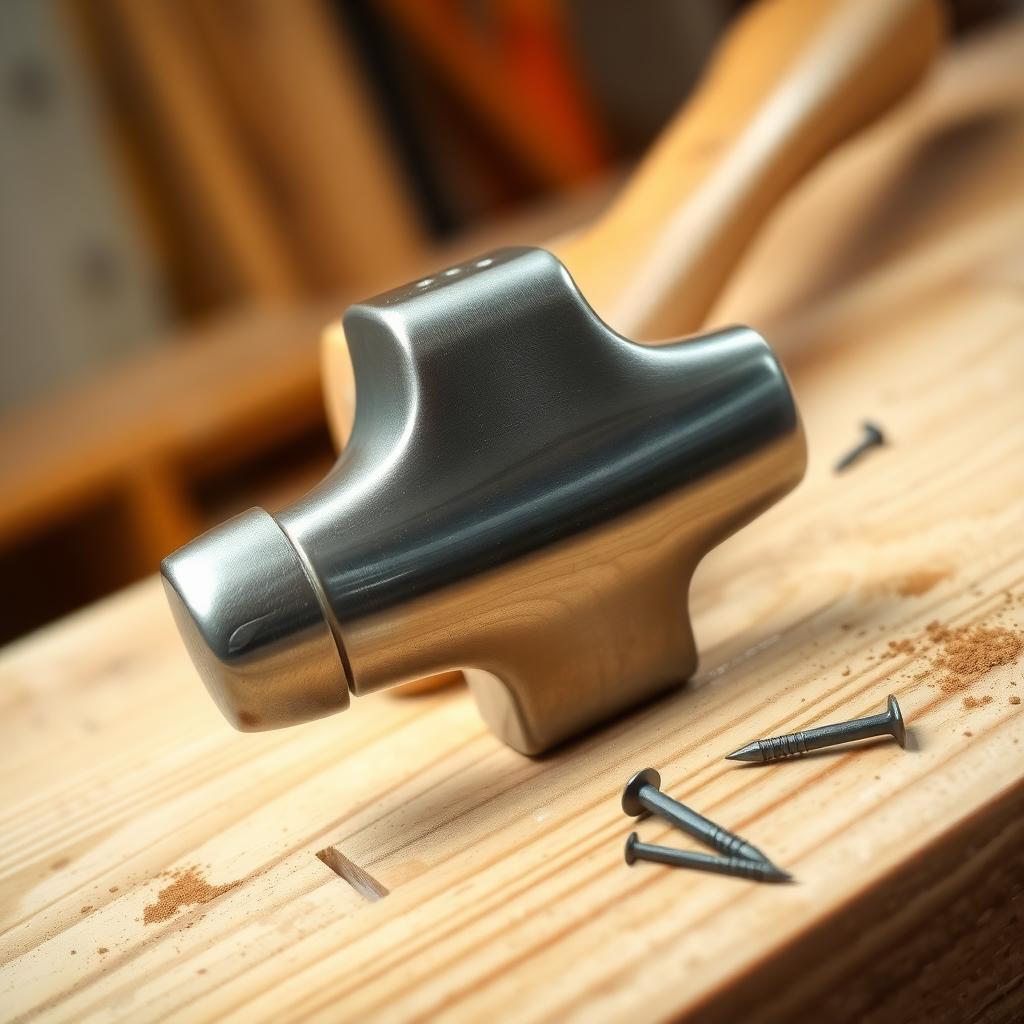
| Hammer | Driving nails, light demolition | Versatile for hanging pictures or breaking apart old fixtures. |
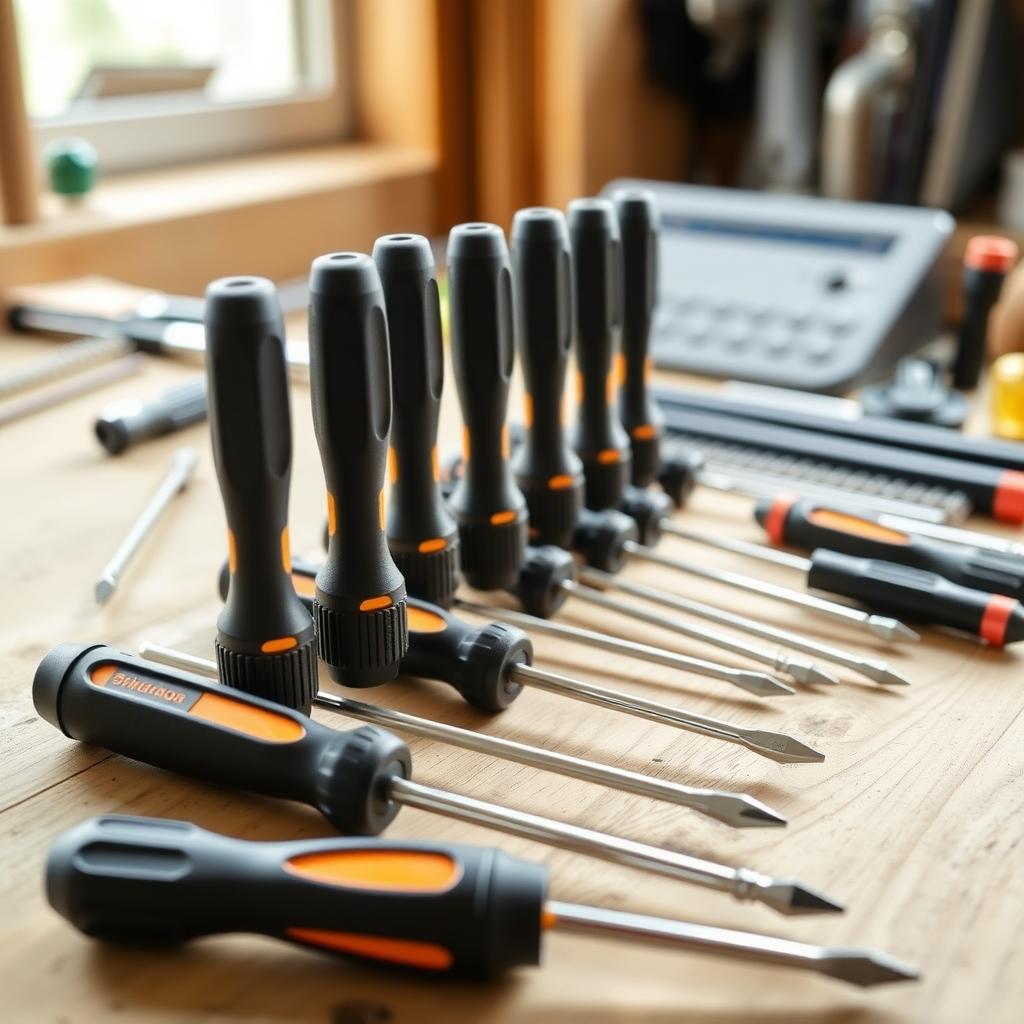
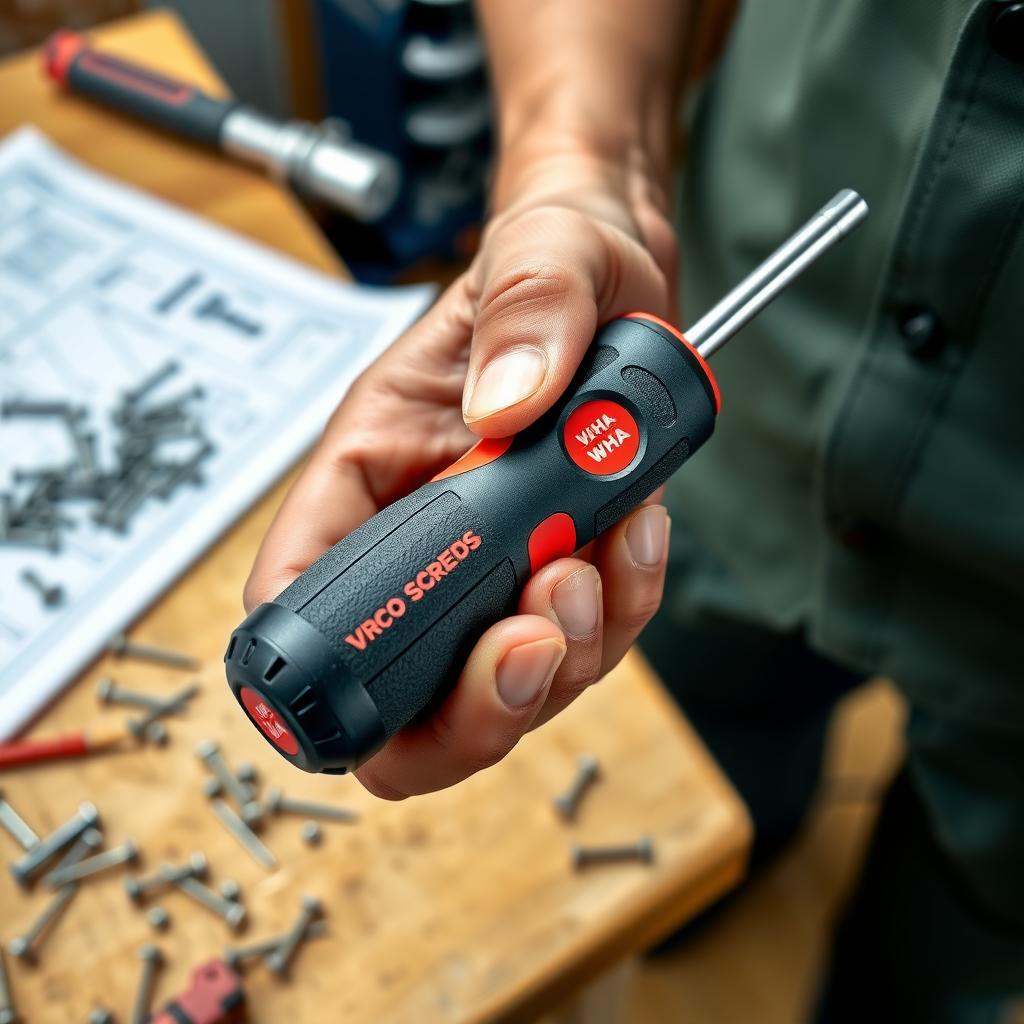
| Screwdriver Set | Tightening screws | Get both flathead and Phillips for furniture or appliance fixes. |
| Tape Measure | Measuring spaces | Precision is key for cutting or fitting materials. |
| Pliers | Gripping, twisting | Perfect for plumbing or electrical tasks. |
| Utility Knife | Cutting drywall, carpet | Clean cuts save time and effort. |
A study from Purdue University’s Construction Management Program emphasizes that quality tools improve efficiency and safety. My go-to is a claw hammer—it’s great for both driving nails and prying them out.
Beginner-Friendly DIY Projects
Ready to get your hands dirty? These projects are perfect for beginners and require minimal tools.
1. Patching Drywall Holes
Drywall holes from door handles or accidents are common. Grab a putty knife, spackling compound, and sandpaper. Spread the compound over the hole, let it dry, sand it smooth, and paint. My first patch job wasn’t perfect, but it saved me from staring at a dent in my living room wall.
2. Fixing a Leaky Faucet
A dripping faucet wastes water and money. Most leaks come from worn-out washers or O-rings. Turn off the water supply, disassemble the faucet, replace the faulty part, and reassemble. Check EPA’s WaterSense program for tips on water-saving fixes.
3. Painting a Room
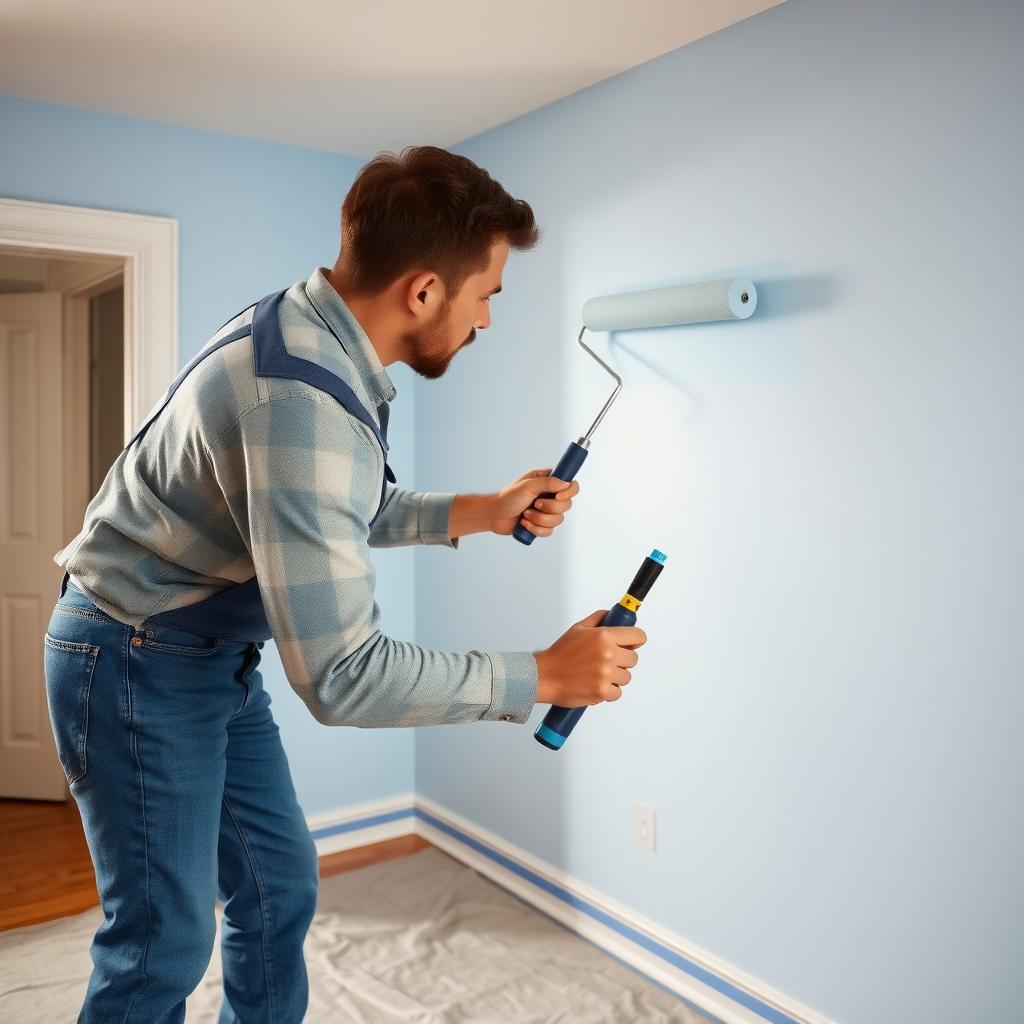
Painting transforms a space. Use painter’s tape for clean edges, a roller for large areas, and a brush for corners. I painted my bedroom in a weekend, and the fresh color made it feel brand new.

Tips for Success in DIY Repairs
- Plan Ahead: Measure twice, cut once. Sketch out your project to avoid mistakes.
- Watch Tutorials: YouTube is a goldmine for visual guides. I learned to fix my faucet from a 5-minute video.
- Start Small: Don’t gut your kitchen on day one. Build confidence with simple tasks.
- Safety First: Wear gloves, goggles, and sturdy shoes. A friend of mine skipped goggles and got sawdust in his eye—not fun.
The U.S. Consumer Product Safety Commission reports that improper tool use causes thousands of injuries yearly. Always read tool manuals and double-check safety settings.
Common Mistakes to Avoid
Beginners often trip over the same hurdles. Here’s what to watch out for:
- Skipping Prep Work: Cleaning surfaces before painting or patching ensures better results.
- Using Wrong Tools: A flathead screwdriver won’t work on a Phillips screw. Match the tool to the task.
- Ignoring Instructions: Kits like faucet repair sets come with guides. Follow them.
I once painted a wall without priming it first. The paint peeled within months. Lesson learned: prep work matters.
Building Confidence as a DIYer
Every project teaches you something new. My first few repairs were messy, but each one made me better. Start with small fixes, like tightening loose cabinet handles, and work your way up. Soon, you’ll be tackling bigger projects like installing shelves or repairing squeaky floors. The key is patience and practice.
If you’re stuck, check out resources like Family Handyman, which offers beginner-friendly guides. Their step-by-step approach helped me install a new light fixture without electrocuting myself.
Summary
DIY Home Repair Projects for Beginners are a fantastic way to save money and build skills. Start with a well-organized toolbox, invest in essential tools for every handyman like hammers and screwdrivers, and tackle simple projects like patching drywall or fixing faucets. With practice, you’ll turn your home into a masterpiece. Check out the recommended readings below for more inspiration!
Related DIY Home Repair Projects for Beginners:
- Essential Tools Every DIYer Should Own for a Well-Equipped Workshop
- Top 10 Ergonomic Tools Every Tradesperson Should Have
- How to Use a Hammer Safely: A Comprehensive Guide for Beginners and Pros
- 10 Tips for Choosing the Right Paint for Your Next Art Project
- Top 10 Must-Have Construction Tools for Every Workman
- Essential Electrical Tools Every Beginner Needs: A Comprehensive Guide
- The Ultimate Guide to Workman Tools for Everyday Use
- Tips for Organizing Small Workshops Efficiently
- Keeping Your Power Tools in Top Shape: A Comprehensive Guide
- Advanced Tool Maintenance Techniques for Longevity and Performance
- The Best Workman Tools for Professional Builders: A Comprehensive Guide
- Small Space Organization Hacks for Home Workshops