Overview
Hammers are essential workman tools, but using them incorrectly can lead to injuries or damaged projects. This guide on how to use a hammer safely offers practical tips, personal insights, and expert advice to ensure you wield this tool with confidence and care, whether you're a beginner or a seasoned pro.
Why Hammer Safety Matters
Hammers might seem simple, but they’re responsible for thousands of injuries each year. From smashed fingers to eye injuries, the risks are real. I’ve been using hammers for over a decade on home projects and learned the hard way that preparation and technique matter. According to the U.S. Consumer Product Safety Commission, hammer-related injuries account for a significant portion of tool-related emergency room visits. Proper safety practices can prevent these mishaps and make your work smoother.
Let’s dive into how to use a hammer safely, starting with selecting the right tool for the job.
Choosing the Right Hammer
Not all hammers are created equal. Picking the right one depends on your task. Here’s a quick breakdown of common types:
| Hammer Type | Best For | Weight Range |
|---|---|---|
| Claw Hammer | Driving nails, prying | 16-20 oz |
| Sledgehammer | Heavy demolition | 2-20 lbs |
| Ball Peen | Metalwork | 8-32 oz |
| Framing Hammer | Heavy-duty carpentry | 20-32 oz |
For most home projects, a 16-ounce claw hammer is versatile and easy to handle. I once tried using a lightweight tack hammer for framing—big mistake. The nails bent, and my wrist ached for days. Match the hammer’s weight and design to your task to avoid strain or inefficiency.
Inspecting Your Hammer Before Use
Before swinging, check your hammer. A loose or cracked handle can fly off mid-swing, and a worn head can slip, causing injury. Run your hand along the handle to feel for splinters or cracks. Ensure the head is securely attached—give it a gentle tug. I’ve seen a coworker ignore a wobbly head, only for it to detach and dent a wall. A quick inspection takes seconds and saves trouble.
Proper Grip and Stance
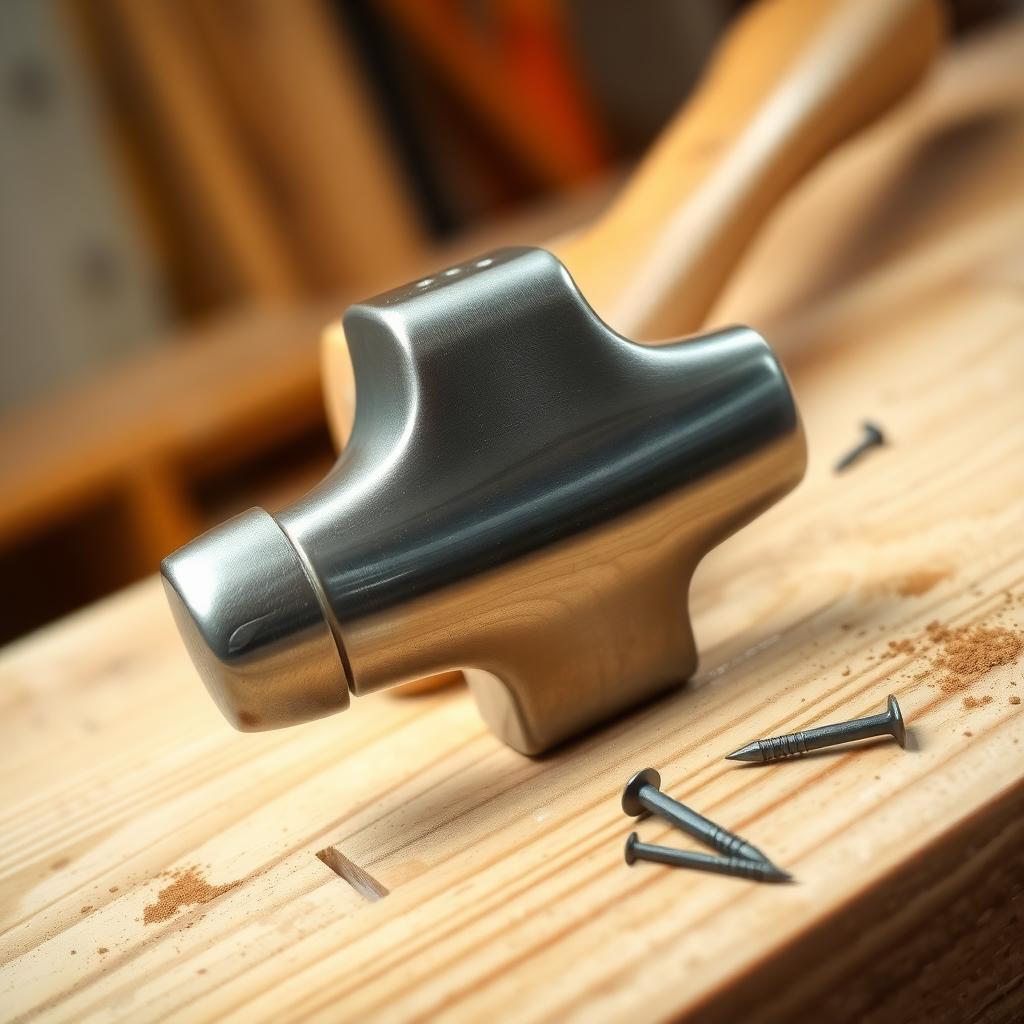
How you hold a hammer affects control and power. Grip the handle near the end, not the middle, to maximize swing force. Your hand should be firm but relaxed—clenching too tightly tires you out. Stand with your feet shoulder-width apart for balance. I learned this after missing a nail and hitting my thumb because I was off-balance. Keep your body squared to the workpiece to maintain accuracy.
Mastering the Swing
Swinging a hammer is about rhythm, not brute force. Hold the hammer at a slight angle, aim for the nail’s center, and let the tool’s weight do the work. Start with light taps to set the nail, then use smooth, controlled swings. Overpowering the swing often leads to bent nails or missed hits. Practice on scrap wood to build confidence. My first few swings as a teenager were wild, but with practice, I found a steady rhythm that made driving nails effortless.
Safety Gear: Non-Negotiable
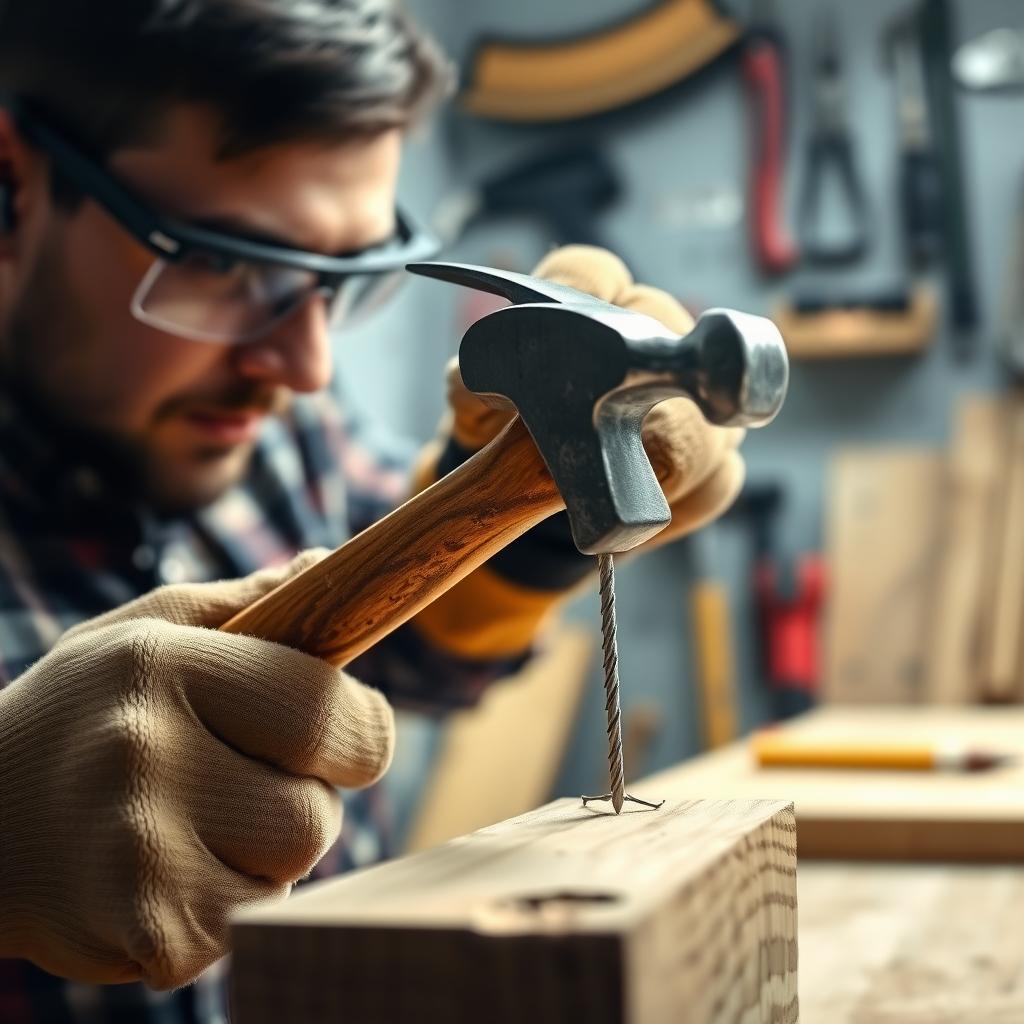
Protective gear is a must. Wear safety glasses to shield your eyes from flying debris—nail fragments can be unpredictable. Gloves can improve grip and protect your hands from blisters or stray strikes. I once skipped gloves during a long project and ended up with painful calluses. If you’re working in a noisy environment, ear protection is also smart, especially with heavy hammers like sledgehammers.
Avoiding Common Mistakes
Here are some pitfalls to watch out for:
- Hitting at an Angle: This bends nails or causes them to pop out. Aim straight.
- Using a Damaged Hammer: A chipped head or loose handle increases risks.
- Overstriking: Too much force can damage the material or your hand.
- Ignoring Your Surroundings: Clear your workspace to avoid tripping or hitting nearby objects.
I once bent a nail because I rushed and didn’t align my swing. Taking a moment to focus would’ve saved me time and frustration.
Working with Different Materials
Hammers behave differently depending on the material. For wood, a standard claw hammer works well, but use lighter taps to avoid splitting. For metal or masonry, a ball peen or mason’s hammer is better suited. When I tried driving a nail into hardwood with too much force, the wood split, ruining the piece. Test your swing on a scrap piece first to gauge the material’s resistance.
Prying and Removing Nails
Claw hammers are great for removing nails, but technique matters. Slide the claw under the nail head, then gently rock the hammer back to pull the nail out. Use a block of wood under the hammer for leverage to avoid damaging the surface. I’ve marred a few boards by rushing this step—patience is key.
Maintaining Your Hammer
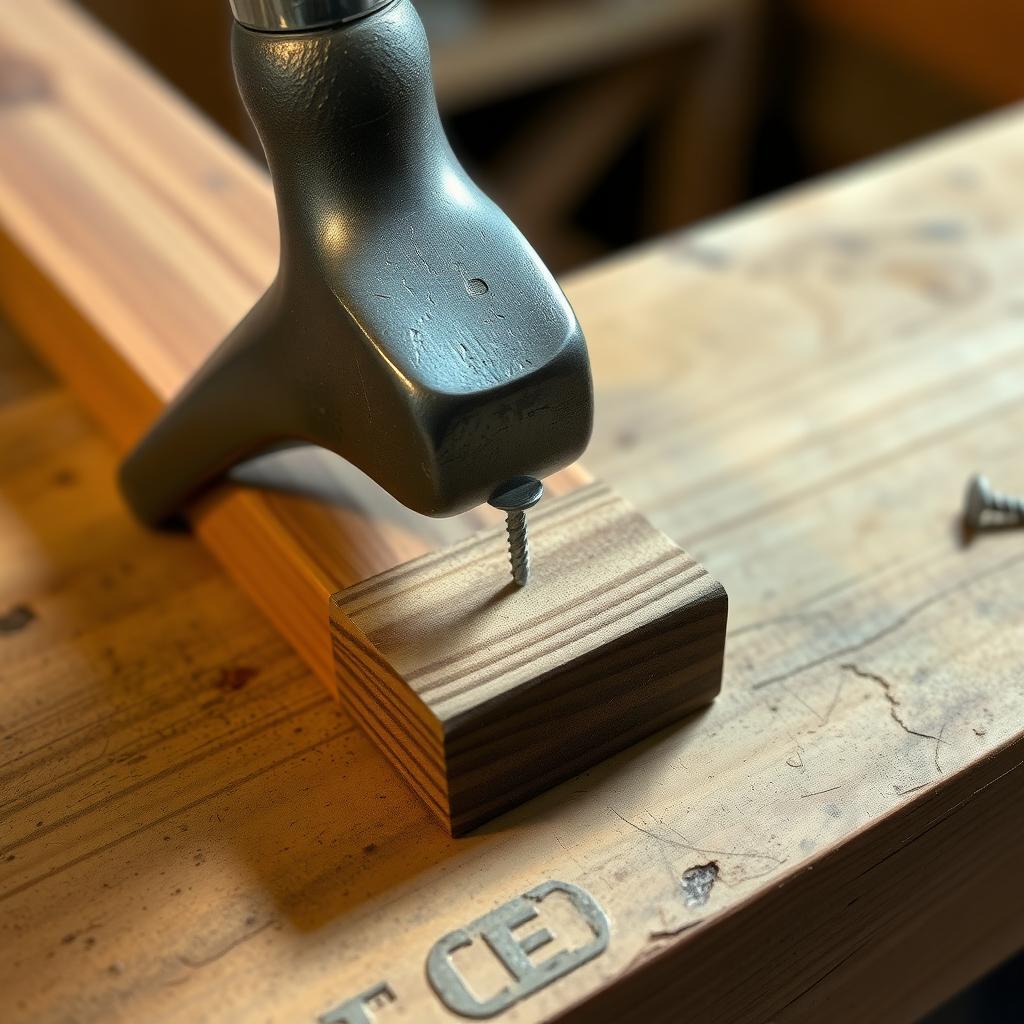
A well-maintained hammer lasts longer and performs better. Clean the head after use to remove debris or rust. Store it in a dry place to prevent handle damage. If the handle is wooden, occasionally rub it with linseed oil to keep it smooth. I’ve extended the life of my favorite hammer by simply wiping it down after each use.
When to Upgrade or Replace
Hammers don’t last forever. Replace yours if the handle is cracked, the head is loose, or the striking surface is chipped. Investing in quality workman tools pays off. I upgraded to a forged steel hammer after years of using a cheap one, and the difference in balance and durability was night and day.
Final Thoughts
Learning how to use a hammer safely takes practice, but it’s worth the effort. By choosing the right hammer, inspecting it before use, wearing safety gear, and mastering your technique, you’ll work more efficiently and avoid injuries. Whether you’re building furniture or tackling a demolition job, these tips will help you handle hammers like a pro. Keep practicing, stay mindful, and enjoy the satisfaction of a job well done.
Related how to use a hammer safely:
- 10 Tips for Choosing the Right Paint for Your Next Art Project
- Top 10 Must-Have Construction Tools for Every Workman
- Essential Electrical Tools Every Beginner Needs: A Comprehensive Guide
- The Ultimate Guide to Workman Tools for Everyday Use
- Tips for Organizing Small Workshops Efficiently
- Keeping Your Power Tools in Top Shape: A Comprehensive Guide
- Advanced Tool Maintenance Techniques for Longevity and Performance
- The Best Workman Tools for Professional Builders: A Comprehensive Guide
- Small Space Organization Hacks for Home Workshops
- Setting Up Your Home Office for Productivity: A Complete Guide
- 10 Essential Painting Tools Every Painter Should Have
- The Best Power Tools for Automotive Repair: A Comprehensive Guide