Overview
Choosing the right paint can make or break your artwork. Whether you're a beginner or a seasoned artist, the paint you select impacts color vibrancy, texture, and durability. This guide shares 10 Tips for Choosing the Right Paint to help you create with confidence and achieve professional results.
1. Know Your Paint Types
Paints come in various forms, each with unique properties. Acrylics dry quickly and are versatile for many surfaces. Oils offer rich colors but take longer to dry. Watercolors provide transparency, ideal for delicate effects. Understanding these differences helps you pick the right one for your project. For example, I once struggled with watercolors bleeding on rough paper until I switched to acrylics for sharper lines.
Researching paint types is key. According to The University of Oxford's Art Department, oil paints are favored for their blendability, while acrylics suit fast-paced projects. Choose based on your style and timeline.
2. Consider Your Surface
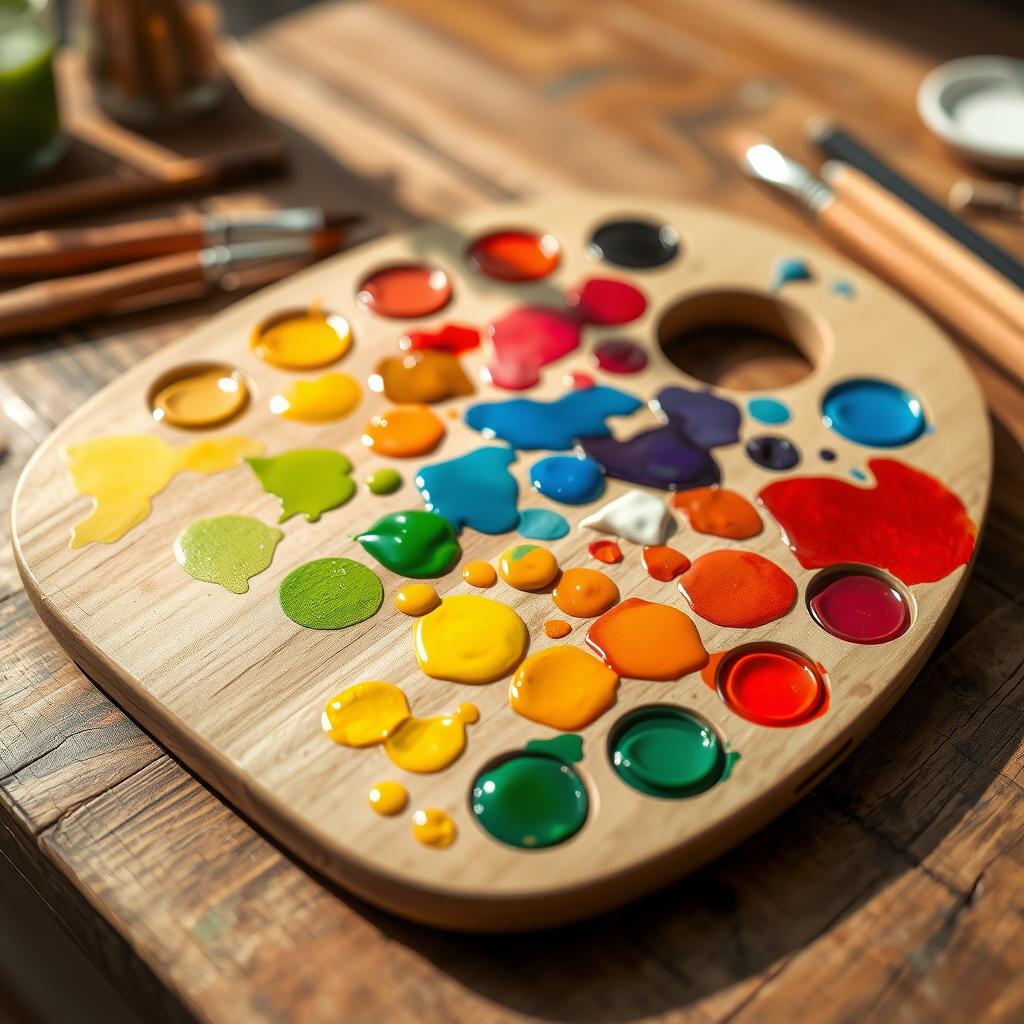
The surface you paint on affects how paint behaves. Canvas works well for oils and acrylics, while watercolor paper is designed to absorb moisture evenly. I learned this the hard way when acrylics cracked on a cheap canvas. Test your paint on a small sample of your surface first to avoid surprises.
3. Check Pigment Quality
High-quality pigments offer better color intensity and longevity. Look for paints labeled 'artist grade' over 'student grade' for richer hues. The Smithsonian’s Conservation Institute notes that artist-grade paints contain more pigment, ensuring your artwork resists fading over time.
4. Understand Finish and Texture
Paints come in finishes like matte, satin, or gloss. Matte finishes hide imperfections, while glossy ones reflect light, adding drama. Texture also varies—thick oils create bold strokes, while thin watercolors flow smoothly. Experiment with Advanced Brush Techniques for Artists to see how finishes enhance your style.
5. Test Before Committing
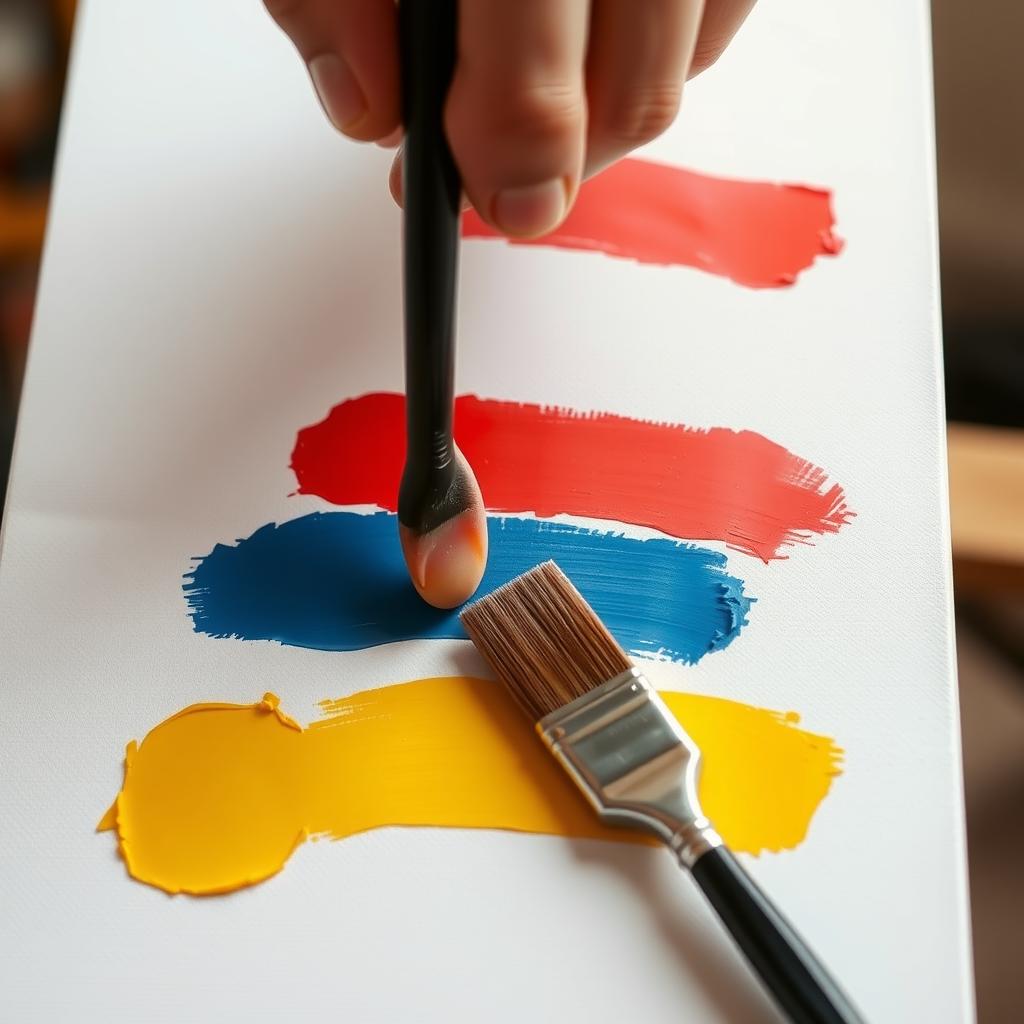
Never skip swatching. Apply a small amount of paint to a test surface to check color accuracy and drying time. I once bought a 'bright red' that dried dull because I didn’t test it. Swatching saves time and money, ensuring your vision matches the result.
6. Factor in Drying Time
Drying time matters, especially for layered techniques. Acrylics dry in minutes, perfect for quick projects. Oils can take days, allowing for blending but requiring patience. Plan your workflow around drying times to avoid smudging or delays.
7. Choose the Right Tools
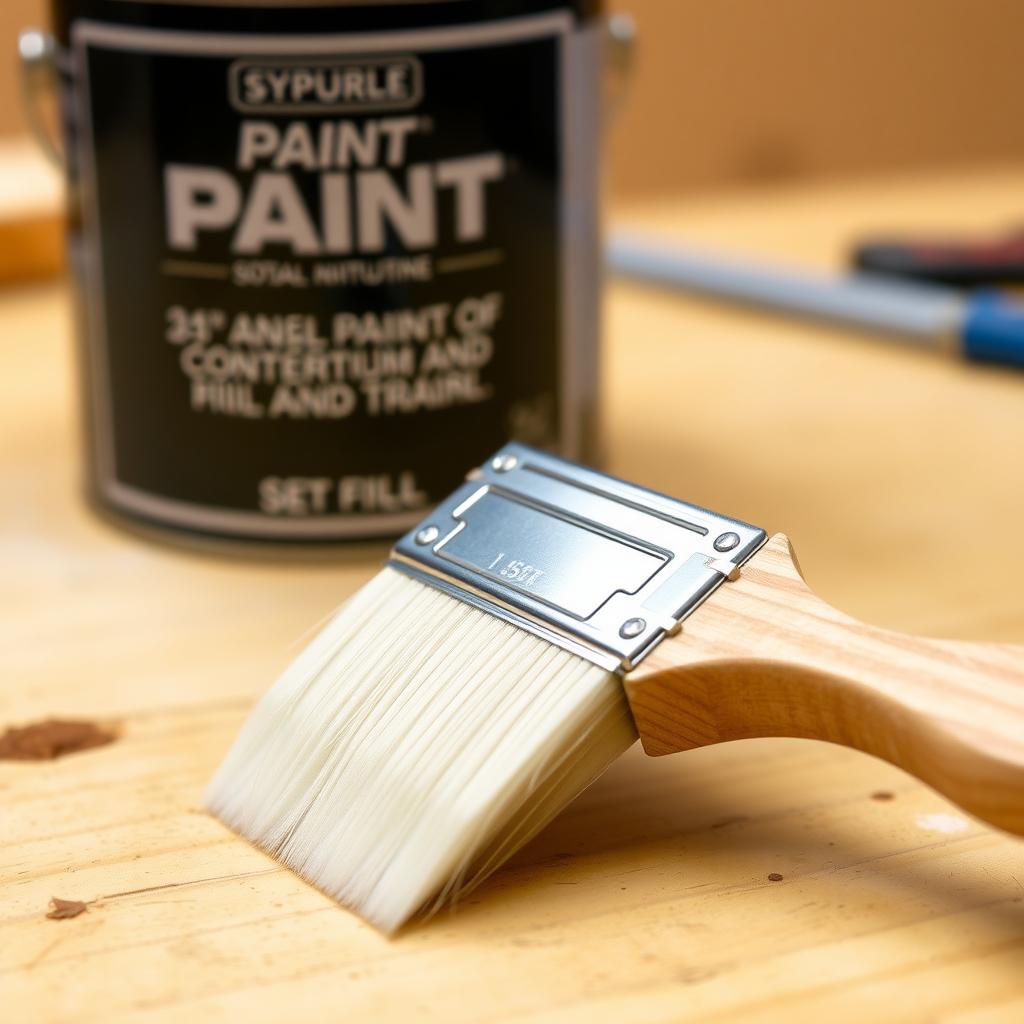
Your paint choice ties to your tools. Painting Tools Every Artist Needs include quality brushes, palette knives, and mixing palettes. For example, soft sable brushes work best with watercolors, while stiff bristles suit heavy acrylics. I keep a dedicated set for each paint type to avoid cross-contamination.
Here’s a quick guide to essential tools: | Paint Type | Recommended Tools | |------------|-------------------| | Acrylics | Synthetic brushes, palette knives | | Oils | Bristle brushes, linseed oil | | Watercolors| Sable brushes, absorbent paper |
8. Master Application Techniques
How you apply paint affects the outcome. Explore Master Your Brush: Top Painting Techniques to Try, like dry brushing for texture or glazing for depth. I love using stippling with acrylics to add gritty detail to landscapes. Practice these techniques to find what suits your style.
The Royal Academy of Arts suggests practicing techniques like wet-on-wet for oils to achieve smooth blends. Experiment on scrap surfaces to build confidence.
9. Budget Wisely
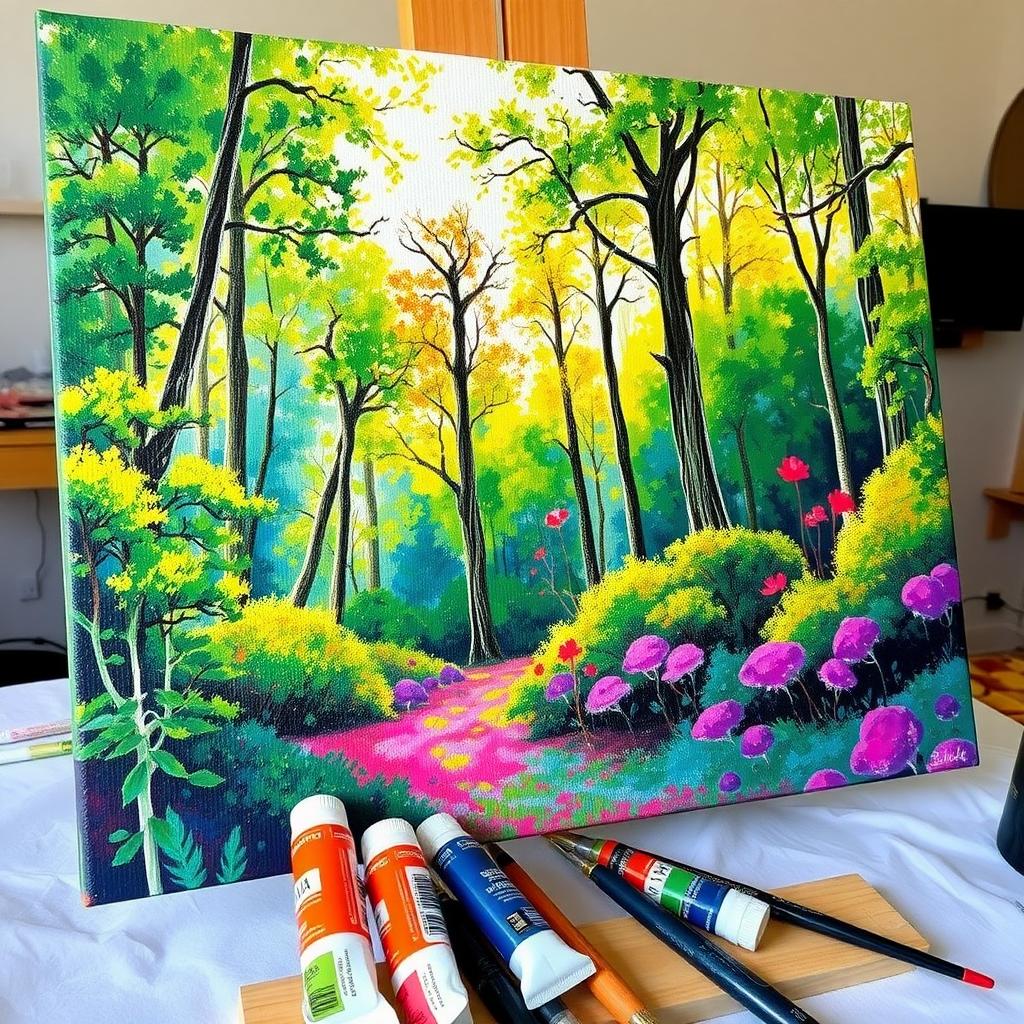
Quality paints cost more, but you don’t need to break the bank. Start with a small set of artist-grade primaries (red, blue, yellow) and mix your own colors. This approach saved me hundreds while I was learning. Avoid cheap paints that fade or crack over time.
10. Try DIY Hacks
DIY Painting Hacks for Perfect Results can elevate your work. For example, thin acrylics with water for a watercolor-like effect, or use masking tape for crisp edges. I’ve used old credit cards to scrape paint for abstract textures—a trick that’s both fun and effective.
Summary
Choosing the right paint involves understanding types, surfaces, and techniques while balancing quality and budget. By testing paints, mastering tools, and experimenting with Advanced Brush Techniques for Artists, you’ll create artwork that lasts. Keep practicing, and don’t be afraid to try new hacks to refine your craft.
Related 10 Tips for Choosing the Right Paint:
- Top 10 Must-Have Construction Tools for Every Workman
- Essential Electrical Tools Every Beginner Needs: A Comprehensive Guide
- The Ultimate Guide to Workman Tools for Everyday Use
- Tips for Organizing Small Workshops Efficiently
- Keeping Your Power Tools in Top Shape: A Comprehensive Guide
- Advanced Tool Maintenance Techniques for Longevity and Performance
- The Best Workman Tools for Professional Builders: A Comprehensive Guide
- Small Space Organization Hacks for Home Workshops
- Setting Up Your Home Office for Productivity: A Complete Guide
- 10 Essential Painting Tools Every Painter Should Have
- The Best Power Tools for Automotive Repair: A Comprehensive Guide
- Top Power Tools for Your Workshop: Must-Haves for Woodworking Enthusiasts