Overview
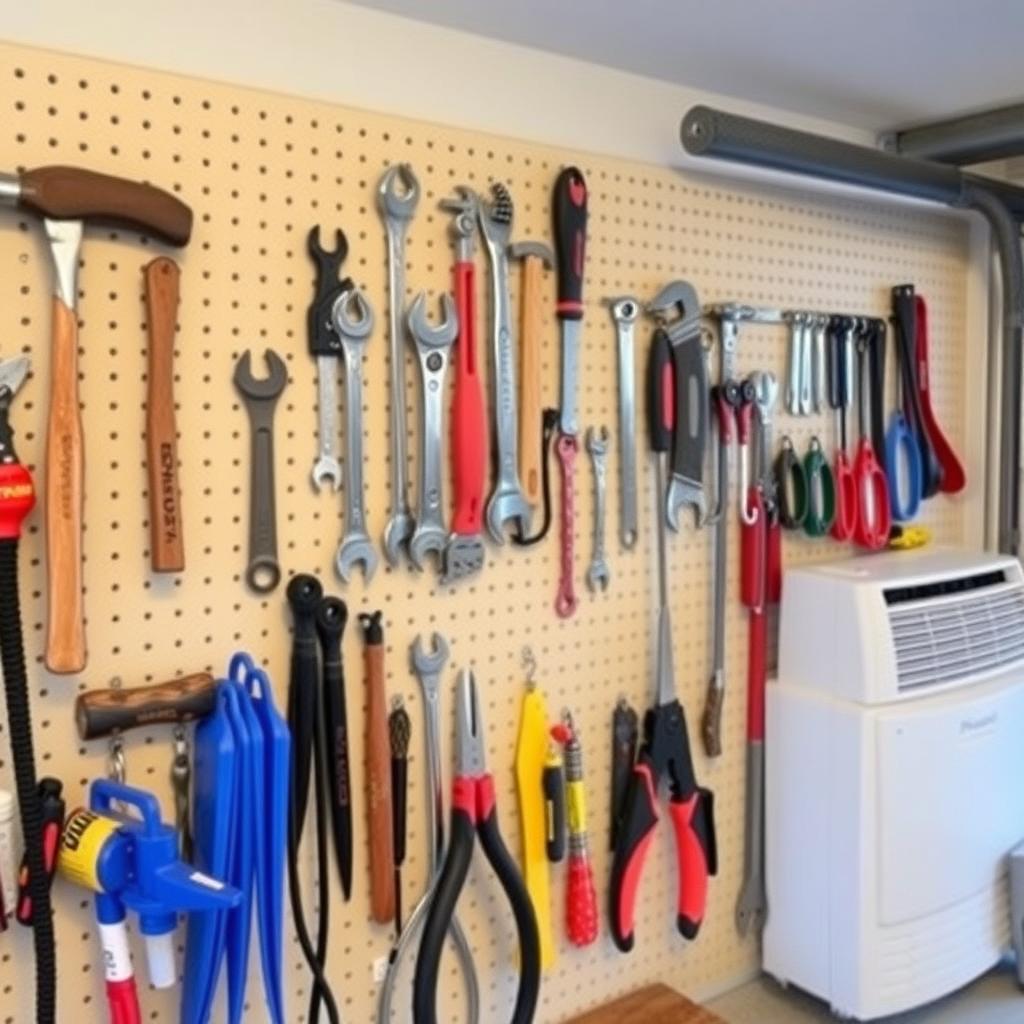
Building anything, from a simple shelf to a full house, starts with the right tools. The Top 10 Must-Have Construction Tools are essentials for any workman, whether you're a beginner or a seasoned pro. This guide dives into each tool’s purpose, practical uses, and maintenance tips for workman tools to ensure they last. Let’s explore what you need to get the job done right.
Why the Right Tools Matter
Construction tools are the backbone of any project. They save time, boost precision, and make tough tasks manageable. I’ve spent years on job sites, and I’ve learned that a reliable tool can mean the difference between a smooth build and a frustrating one. Below, I’ll share the Top 10 Must-Have Construction Tools that I always keep in my toolbox, along with tips to keep them in great condition.
1. Hammer
A hammer is the heart of any tool collection. I prefer a 16-ounce claw hammer for its balance—perfect for driving nails and prying them out. It’s versatile for framing, demolition, or small fixes. Choose one with a comfortable grip to reduce hand fatigue during long hours.
Maintenance Tip: Check the handle for cracks regularly. For wooden handles, sand and oil them to prevent splinters. Store in a dry place to avoid rust.
2. Tape Measure
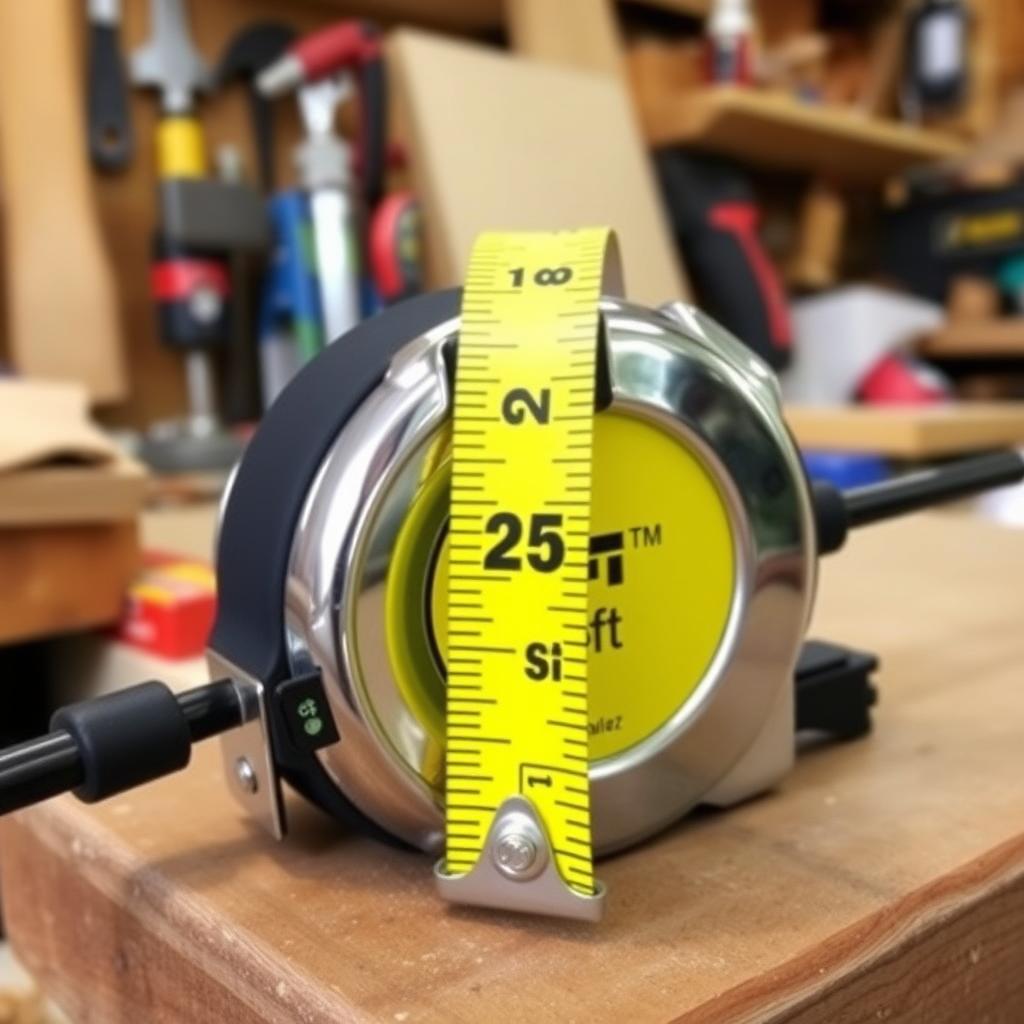
No project starts without measuring. A 25-foot tape measure is my go-to for most jobs. Look for one with a sturdy lock and a wide blade that stays rigid when extended. It’s critical for accurate cuts and layouts.
Maintenance Tip: Clean the blade after use to remove dust or debris. Avoid letting it snap back too hard—it can damage the spring inside.
3. Utility Knife
A utility knife is a must for cutting drywall, insulation, or even sharpening pencils on-site. I like retractable blades for safety and replaceable blades for convenience. It’s small but mighty for precision tasks.
Maintenance Tip: Replace dull blades immediately to avoid accidents. Wipe the handle and blade housing with a damp cloth to keep it clean.
4. Cordless Power Drill
A cordless power drill is a game-changer. I use an 18-volt model for drilling holes and driving screws. Look for one with variable speeds and a good battery life. It’s perfect for everything from assembling furniture to framing walls.
Maintenance Tip: Charge batteries fully before storing, and clean the chuck regularly to prevent dust buildup. Check for worn-out bits and replace them.
5. Circular Saw
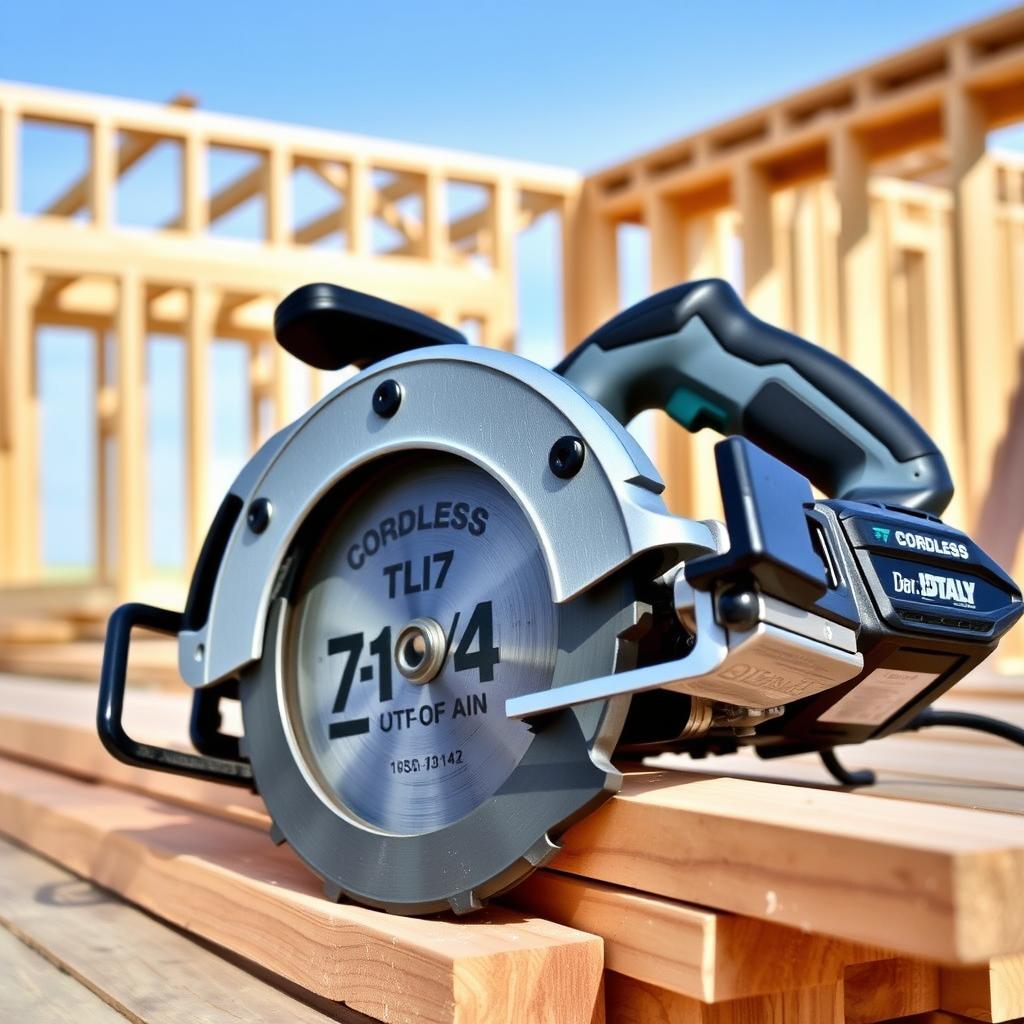
For cutting lumber or plywood, a circular saw is unbeatable. I recommend a 7-1/4-inch blade size for most tasks. It’s portable and powerful, making quick work of straight cuts.
Maintenance Tip: Keep the blade sharp by checking for dullness after heavy use. Clean the saw’s baseplate and store it in a protective case.
6. Level
A good level ensures your work is straight and true. I use a 4-foot level for framing and a smaller torpedo level for tight spaces. Laser levels are great for bigger projects but aren’t always necessary.
Maintenance Tip: Store levels flat to avoid warping. Clean the bubble vials with a soft cloth to keep them clear and accurate.
7. Screwdriver Set
A quality screwdriver set with flathead and Phillips heads is essential. I’ve found that magnetic tips save time when working with screws. They’re great for assembling cabinets or installing hardware.
Maintenance Tip: Inspect tips for wear and replace damaged ones. Wipe down after use to prevent rust, especially in humid environments.
8. Pliers
Pliers are versatile for gripping, bending, or cutting wire. I keep needle-nose pliers for precision and locking pliers for tougher jobs. They’re lifesavers for electrical work or removing stubborn nails.
Maintenance Tip: Oil the pivot point occasionally to keep pliers moving smoothly. Store them in a dry toolbox to prevent corrosion.
9. Stud Finder
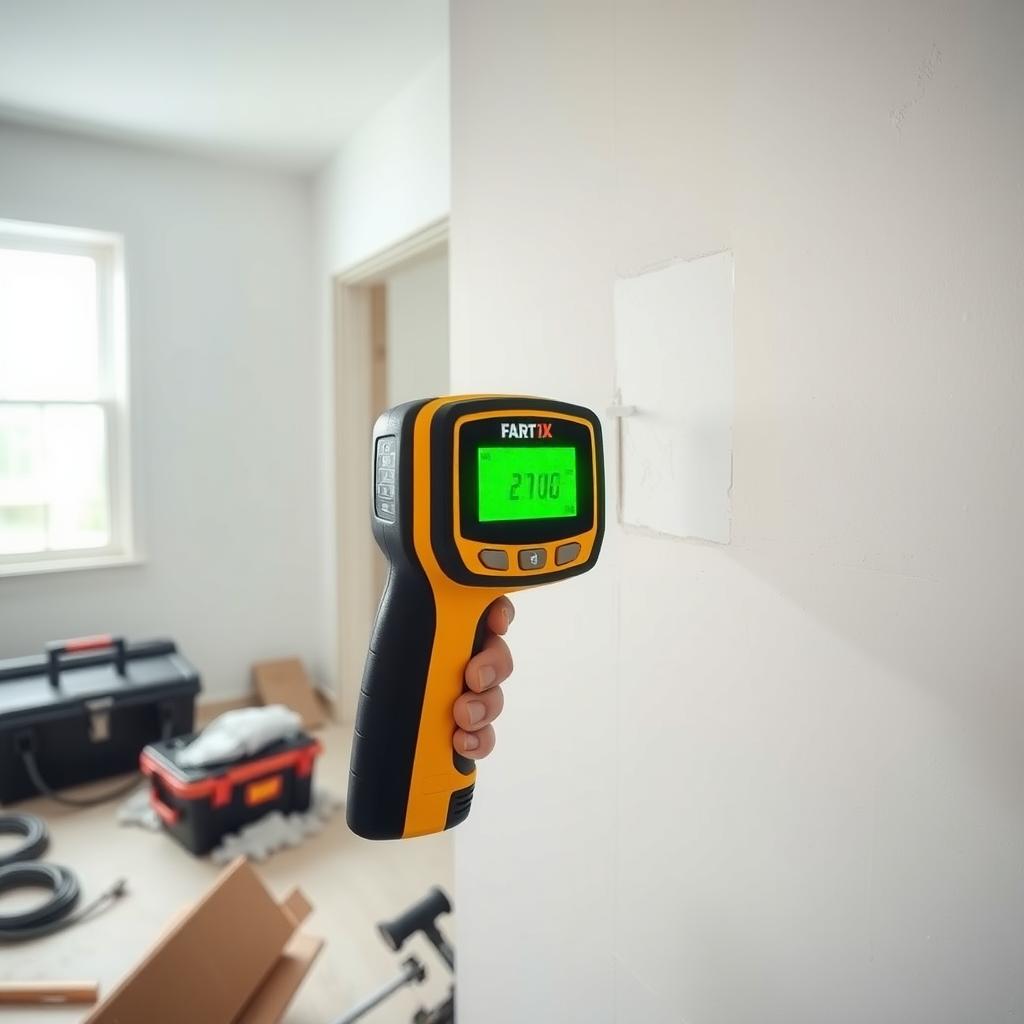
Finding studs behind walls is critical for secure installations. A digital stud finder with a clear display is my pick for accuracy. It’s a must for hanging shelves or mounting fixtures.
Maintenance Tip: Replace batteries regularly and store in a protective pouch. Wipe the sensor area to ensure accurate readings.
10. Safety Gear
Safety isn’t a tool, but it’s non-negotiable. A good pair of work gloves, safety glasses, and ear protection are my essentials. They protect you from cuts, debris, and loud power tools.
Maintenance Tip: Wash gloves regularly and inspect for tears. Store glasses in a hard case to prevent scratches. Replace earplugs often for hygiene.
Maintenance Tips for Workman Tools
Taking care of your workman tools extends their life and keeps them safe to use. Here’s a quick checklist:
| Tool | Maintenance Tip | Frequency |
|---|---|---|
| Hammer | Check handle, store dry | Monthly |
| Tape Measure | Clean blade, avoid snapping | After use |
| Power Drill | Clean chuck, charge battery | Weekly |
| Circular Saw | Sharpen blade, clean baseplate | Monthly |
| Level | Store flat, clean vials | Monthly |
Regular upkeep saves money and prevents accidents. I learned this the hard way when a dull saw blade caused a bad cut—don’t skip maintenance!
Choosing Quality Over Quantity
When buying construction tools, prioritize durability over cheap deals. I once bought a bargain drill that died mid-project—lesson learned. Stick to trusted brands like DeWalt, Milwaukee, or Bosch. Check reviews on sites like Popular Mechanics for reliable recommendations.
Final Thoughts
The Top 10 Must-Have Construction Tools are your foundation for any build. From hammers to stud finders, each tool plays a role in getting the job done right. Pair them with solid maintenance tips for workman tools, and you’ll work faster, safer, and smarter. Whether you’re a DIYer or a pro, keep these tools ready and build with confidence.
Related Top 10 Must-Have Construction Tools:
- Essential Electrical Tools Every Beginner Needs: A Comprehensive Guide
- The Ultimate Guide to Workman Tools for Everyday Use
- Tips for Organizing Small Workshops Efficiently
- Keeping Your Power Tools in Top Shape: A Comprehensive Guide
- Advanced Tool Maintenance Techniques for Longevity and Performance
- The Best Workman Tools for Professional Builders: A Comprehensive Guide
- Small Space Organization Hacks for Home Workshops
- Setting Up Your Home Office for Productivity: A Complete Guide
- 10 Essential Painting Tools Every Painter Should Have
- The Best Power Tools for Automotive Repair: A Comprehensive Guide
- Top Power Tools for Your Workshop: Must-Haves for Woodworking Enthusiasts
- Hand Tools Maintenance Tips: Keep Your DIY Arsenal in Top Shape