Overview
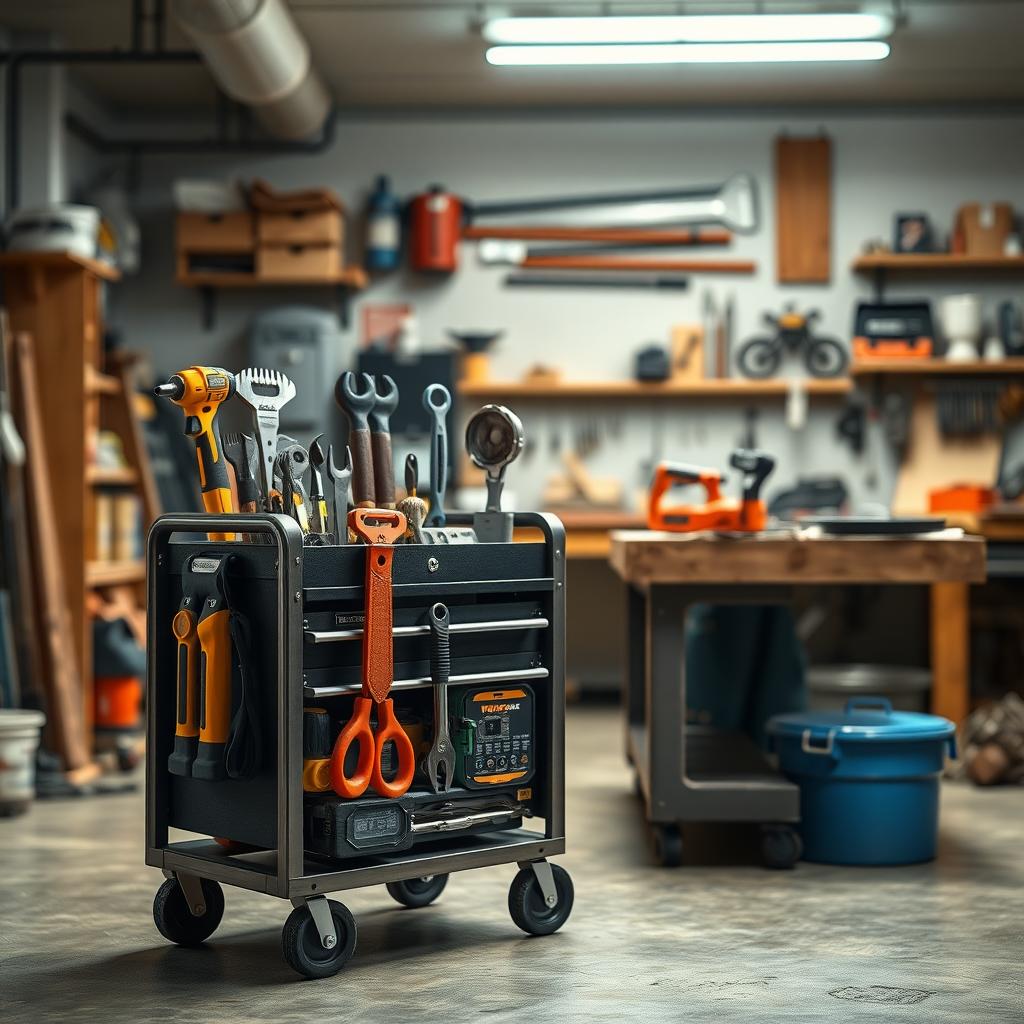
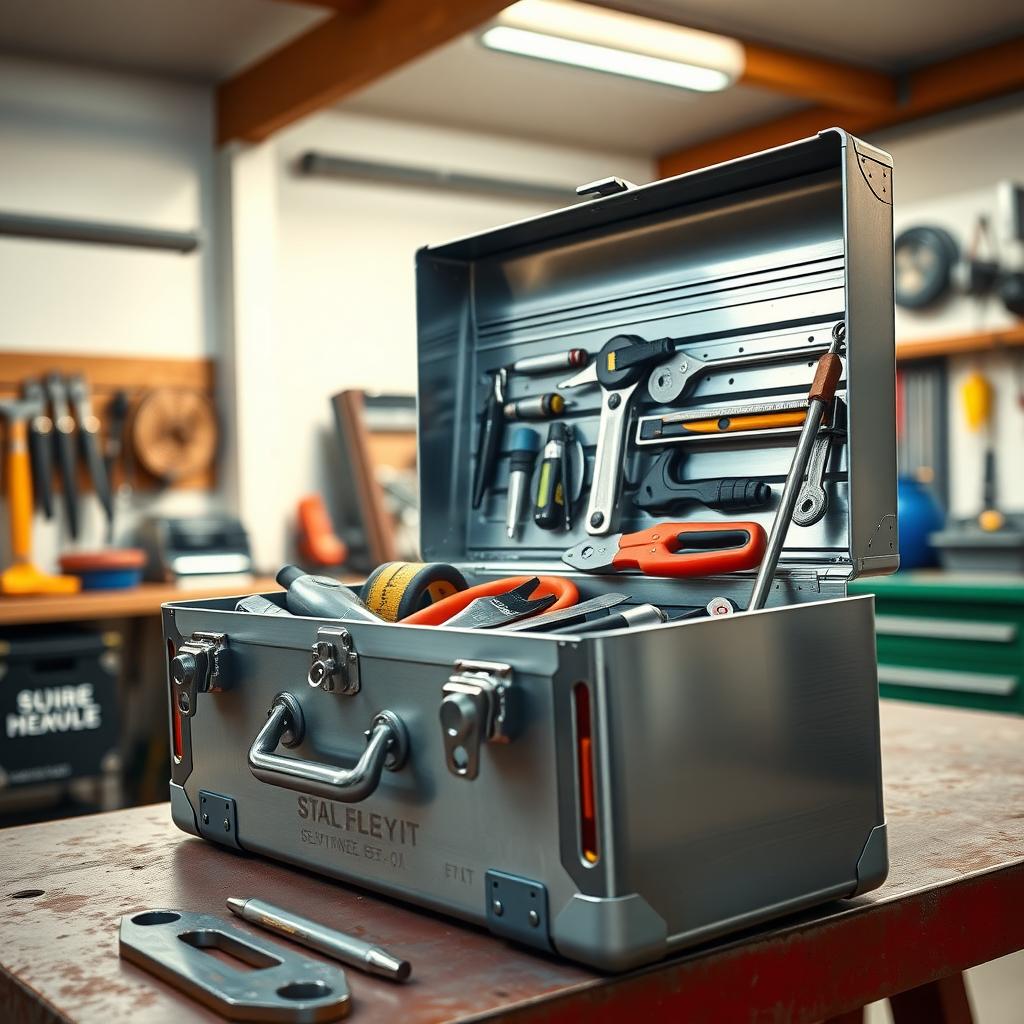
Wrenches are the backbone of any mechanic’s toolkit, but without proper care, even the best wrenches for mechanics can wear out fast. Maintaining your wrench set for longevity isn’t just about keeping them shiny—it’s about ensuring they perform reliably for years. This guide dives into practical, hands-on tips to keep your workman tools in peak condition.
Why Wrench Maintenance Matters
I’ve been working on cars and home projects for over a decade, and I’ve learned the hard way that neglecting tools leads to frustration. A rusty wrench slips, a dull one strips bolts, and a poorly stored set gets lost. Proper maintenance saves time, money, and headaches. It’s not just about the tools—it’s about respecting the work you do with them.
Wrenches face tough conditions: grease, oil, and moisture can degrade them. Regular care extends their life and keeps them ready for any job, whether you’re a professional mechanic or a weekend DIYer.
Cleaning Your Wrenches: Step-by-Step
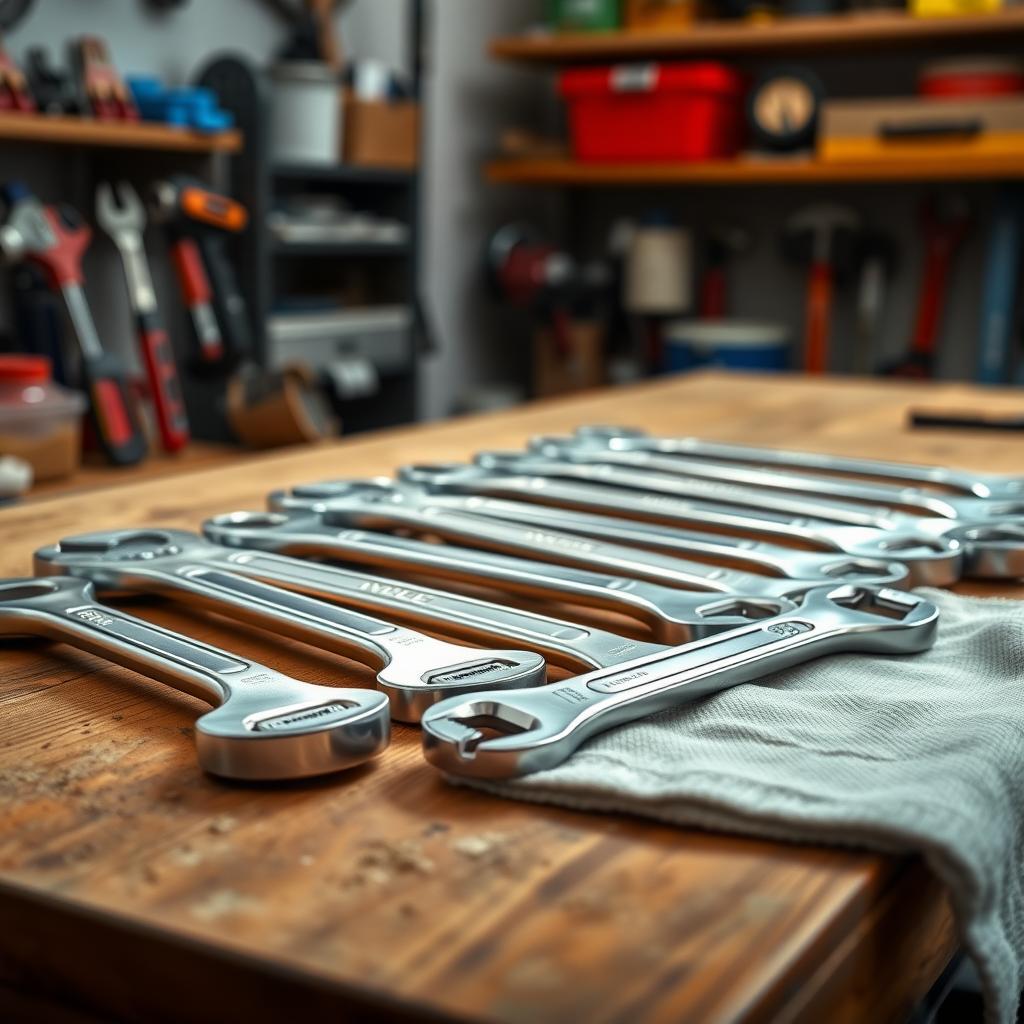
Cleaning is the first step to maintaining your wrench set for longevity. Dirt and grime build up fast, especially if you’re working on engines or outdoor projects. Here’s how I keep my wrenches spotless:
- Wipe After Use: After every job, I grab a clean rag and wipe off grease or oil. This prevents buildup and makes deep cleaning easier.
- Soak in Degreaser: For stubborn grime, soak your wrenches in a bucket of warm water mixed with a degreaser like Simple Green. Let them sit for 10-15 minutes.
- Scrub with a Brush: Use a stiff nylon brush to scrub away rust or caked-on dirt. Avoid wire brushes—they can scratch chrome finishes.
- Rinse and Dry: Rinse with clean water, then dry thoroughly with a microfiber cloth to prevent rust.
- Polish for Shine: For chrome wrenches, a quick polish with a metal cleaner like Flitz keeps them gleaming and protected.
I once neglected a favorite ratchet wrench, and rust crept in after a rainy outdoor job. A quick soak and scrub saved it, but it was a wake-up call to stay consistent.
Preventing Rust: Your Wrench’s Worst Enemy
Rust is a death sentence for wrenches if left unchecked. Moisture, especially in humid climates, is the culprit. Here are my go-to rust prevention tips:
- Store Dry: Never toss wet wrenches into a toolbox. Dry them completely after cleaning.
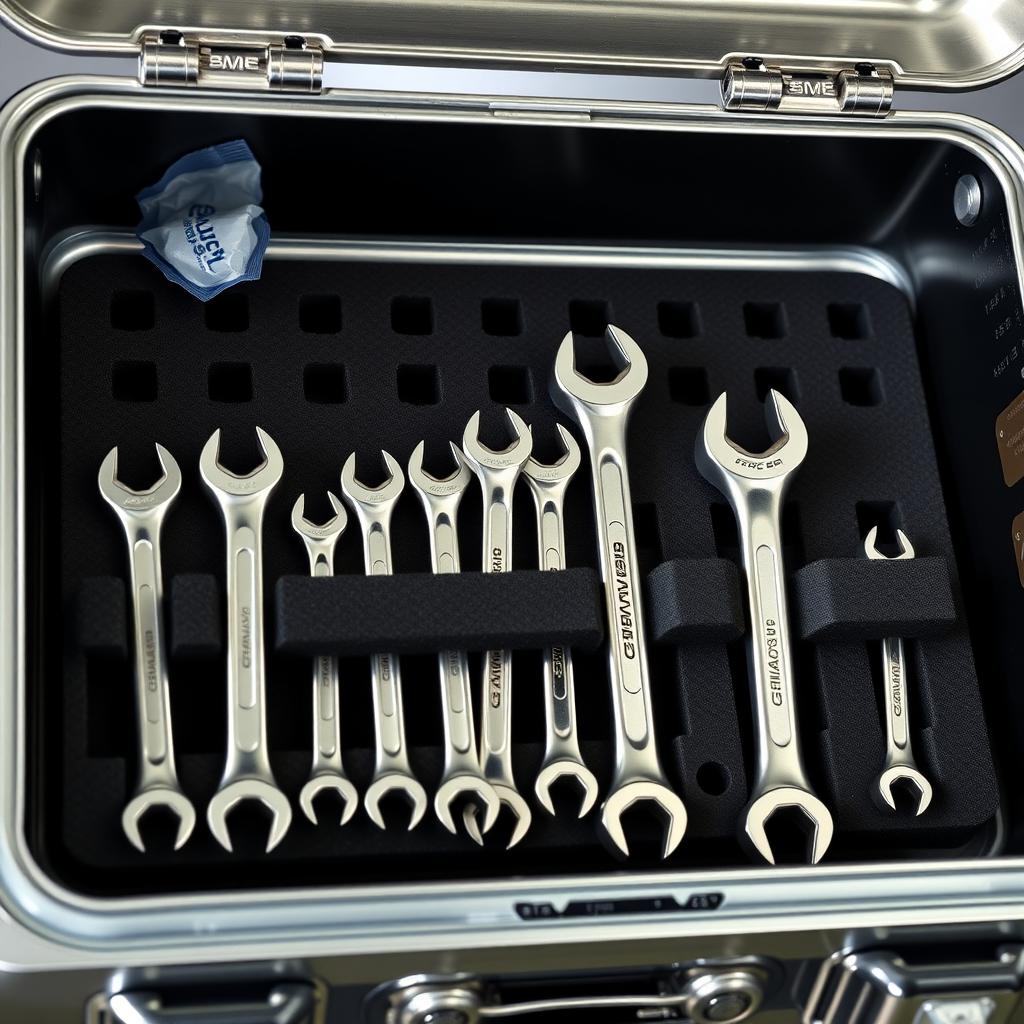
- Use Silica Gel: Toss a few silica gel packets into your toolbox to absorb moisture.
- Apply a Light Oil: After cleaning, I wipe my wrenches with a thin layer of WD-40 or machine oil. It creates a barrier against moisture without attracting dirt.
- Avoid Stacking: Storing wrenches loosely in a pile can trap moisture. Use organizers to keep them separated.
A study by Popular Mechanics noted that chrome-plated tools, common in the best wrenches for mechanics, resist rust better than uncoated steel but still need care in humid environments.
Proper Storage for Longevity
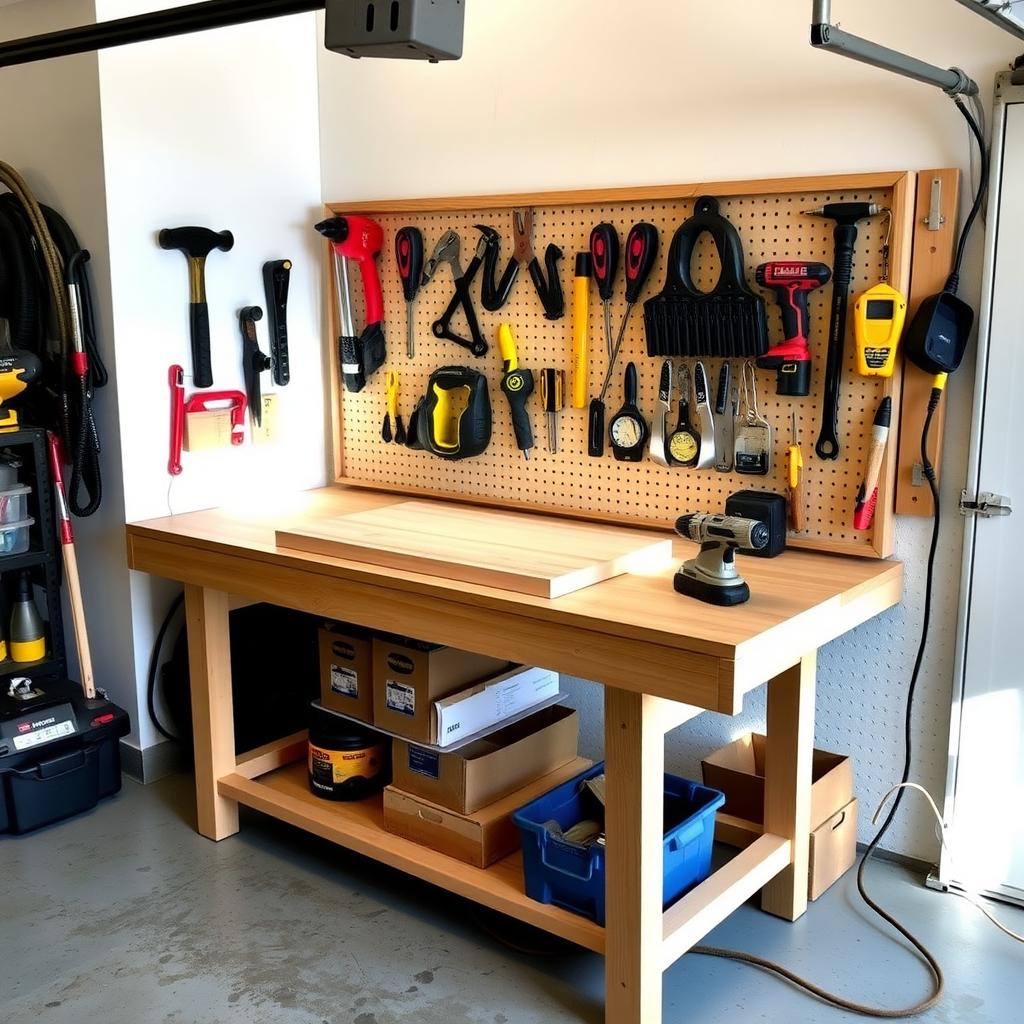
How you store your wrenches matters as much as how you clean them. Poor storage leads to scratches, lost tools, or rust. Here’s what works for me:
| Storage Method | Pros | Cons |
|---|---|---|
| Foam Organizers | Keeps wrenches secure, easy to spot missing tools | Can be expensive, takes up space |
| Tool Rolls | Portable, protects from scratches | Less quick access |
| Toolbox Drawers | Secure, good for large sets | Can trap moisture if not vented |
| Wall Racks | Easy access, saves space | Exposed to dust and humidity |
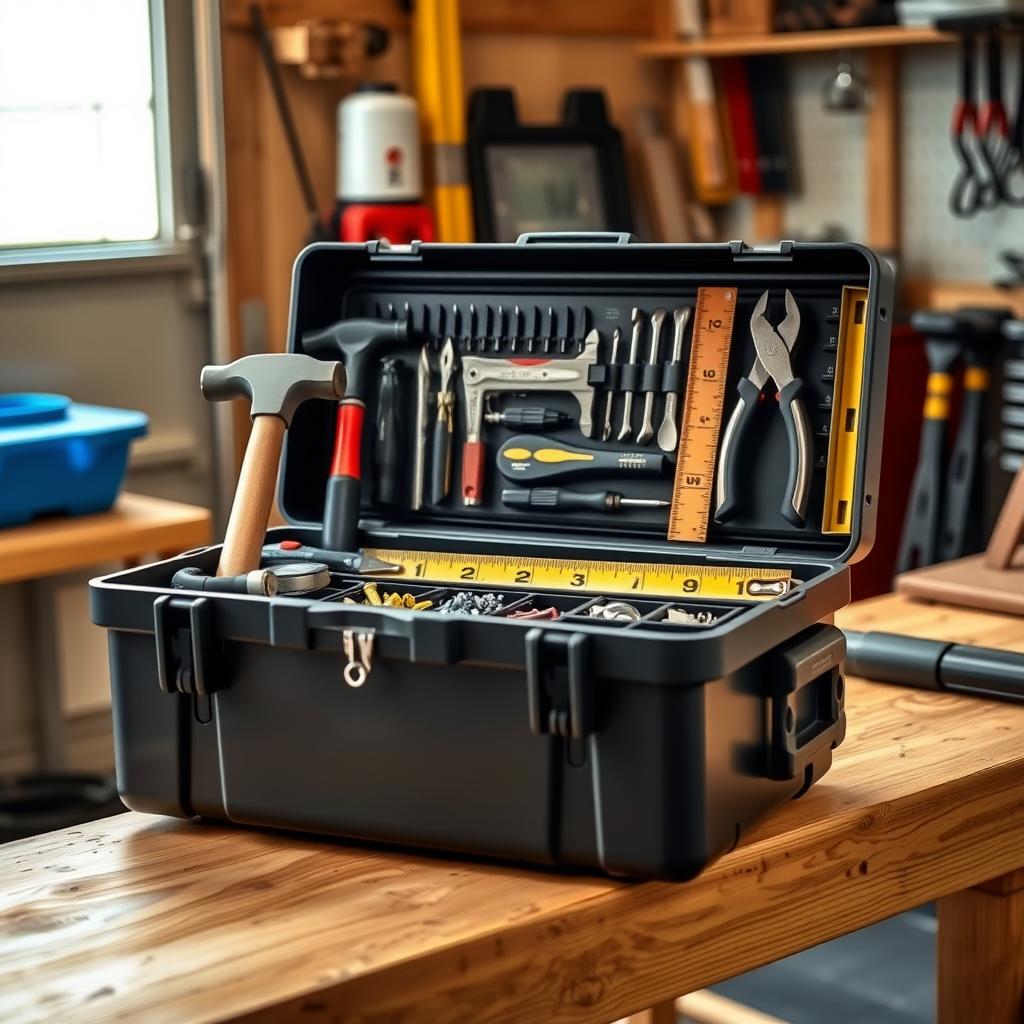
I use a foam organizer in my main toolbox because it keeps my wrenches from banging into each other. For my portable kit, a canvas tool roll works great. Whatever you choose, ensure your storage is dry and organized. Losing a 10mm wrench mid-job is a nightmare I’ve lived too many times.
Regular Inspection and Maintenance
Every few months, I take an hour to inspect my wrench set. It’s like a health checkup for your tools. Here’s what to look for:
- Wear and Tear: Check for rounded edges or worn jaws. A damaged wrench can slip and ruin bolts.
- Cracks or Bends: Inspect for structural damage, especially on ratchet wrenches. If you spot cracks, replace the tool immediately.
- Calibration for Torque Wrenches: If you use torque wrenches, have them calibrated yearly. A miscalibrated wrench can overtighten bolts, causing damage. Most auto shops offer calibration services for $20-50.
I once noticed a small crack in a cheap wrench during an inspection. Replacing it saved me from a potential injury when working on a stubborn bolt. Don’t skip this step.
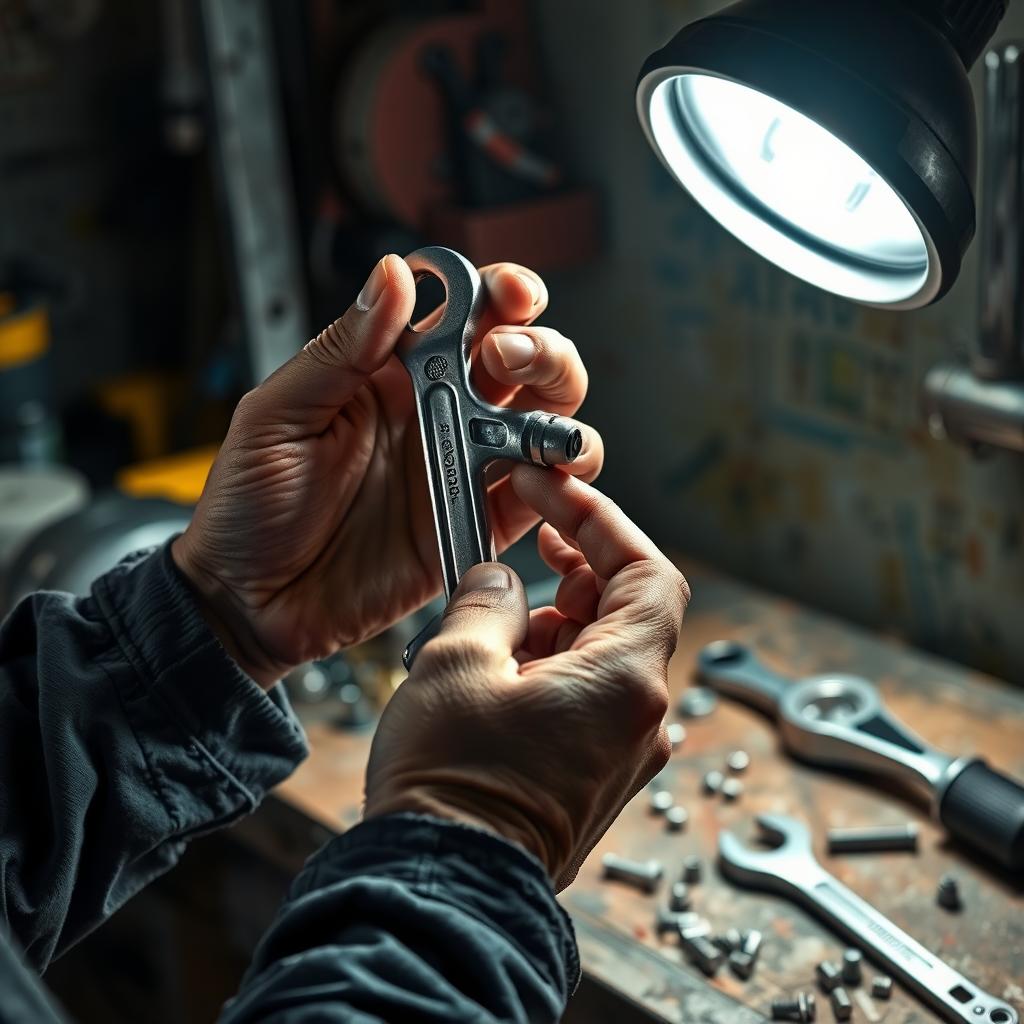
Choosing the Best Wrenches for Mechanics
Not all wrenches are created equal. Investing in high-quality workman tools makes maintenance easier and ensures longevity. Here’s what I look for when buying wrenches:
- Material: Chrome-vanadium steel is tough and rust-resistant. Most top brands like Snap-on or Craftsman use it.
- Finish: Polished chrome or satin finishes are easier to clean than matte or uncoated steel.
- Design: Combination wrenches with a slim profile are versatile for tight spaces. Ratchet wrenches save time on repetitive tasks.
I splurged on a Snap-on set years ago, and they’ve outlasted every cheap wrench I’ve owned. If you’re on a budget, brands like Tekton offer solid quality without breaking the bank. Check reviews on sites like ToolGuyd for reliable recommendations.
Common Mistakes to Avoid
Even seasoned mechanics make mistakes when maintaining wrenches. Here are pitfalls I’ve learned to avoid:
- Using Wrenches as Hammers: I’ve been guilty of this in a pinch, but it damages the jaws and weakens the tool.
- Ignoring Rust Spots: Small rust patches grow fast. Catch them early with a wire brush or rust remover.
- Overloading Torque Wrenches: Storing a torque wrench at its maximum setting can ruin its calibration. Always dial it back to zero.
These habits seem minor but can cut your wrench set’s lifespan in half.
Summary
Maintaining your wrench set for longevity is about consistent care: clean regularly, store properly, and inspect often. By treating your workman tools with respect, you’ll ensure they perform when you need them most. Whether you’re a pro or a hobbyist, these tips will keep your wrenches ready for any job.
Related Maintaining Your Wrench Set for Longevity:
- Power Tools for Beginners: Your Ultimate Guide to Getting Started
- DIY Home Repair Projects for Beginners: Your Ultimate Guide
- Essential Tools Every DIYer Should Own for a Well-Equipped Workshop
- Top 10 Ergonomic Tools Every Tradesperson Should Have
- How to Use a Hammer Safely: A Comprehensive Guide for Beginners and Pros
- 10 Tips for Choosing the Right Paint for Your Next Art Project
- Top 10 Must-Have Construction Tools for Every Workman
- Essential Electrical Tools Every Beginner Needs: A Comprehensive Guide
- The Ultimate Guide to Workman Tools for Everyday Use
- Tips for Organizing Small Workshops Efficiently
- Keeping Your Power Tools in Top Shape: A Comprehensive Guide
- Advanced Tool Maintenance Techniques for Longevity and Performance