Overview
Checking your car’s oil is a simple yet essential task that can save you from costly repairs. By mastering How to Check Your Car’s Oil Like a Pro, you’ll keep your engine running smoothly and extend its lifespan. This guide walks you through the process with clear steps, personal insights, and pro tips to make maintenance a breeze.
Why Checking Your Car’s Oil Matters
Your car’s engine is its heart, and oil is its lifeblood. Oil lubricates moving parts, reduces friction, and prevents overheating. Without regular checks, low or dirty oil can lead to engine wear or even failure. I learned this the hard way when I neglected my first car’s oil checks, resulting in a $1,200 repair bill. Regular oil checks are a small effort for big rewards.
According to the American Automobile Association (AAA), checking your oil every month can catch issues early. It’s a habit that takes less than five minutes but can add years to your engine’s life. Let’s dive into how to do it right.
Step-by-Step Guide to Checking Your Car’s Oil
Here’s how to check your car’s oil like a pro. Follow these steps, and you’ll feel confident in no time.
Step 1: Prepare Your Car
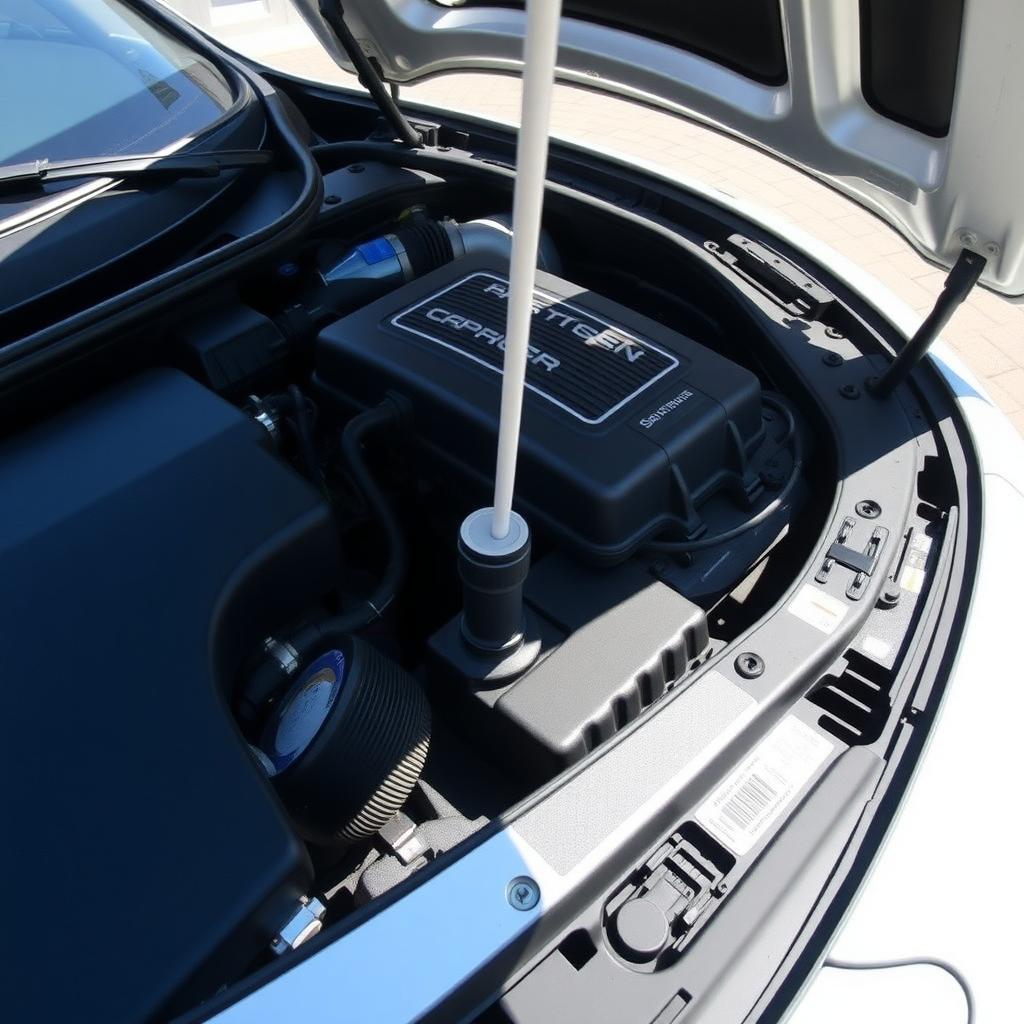
Park your car on a flat surface and turn off the engine. Let it sit for 5-10 minutes to allow the oil to settle. This ensures an accurate reading. Pop the hood and secure it.
Step 2: Locate the Dipstick
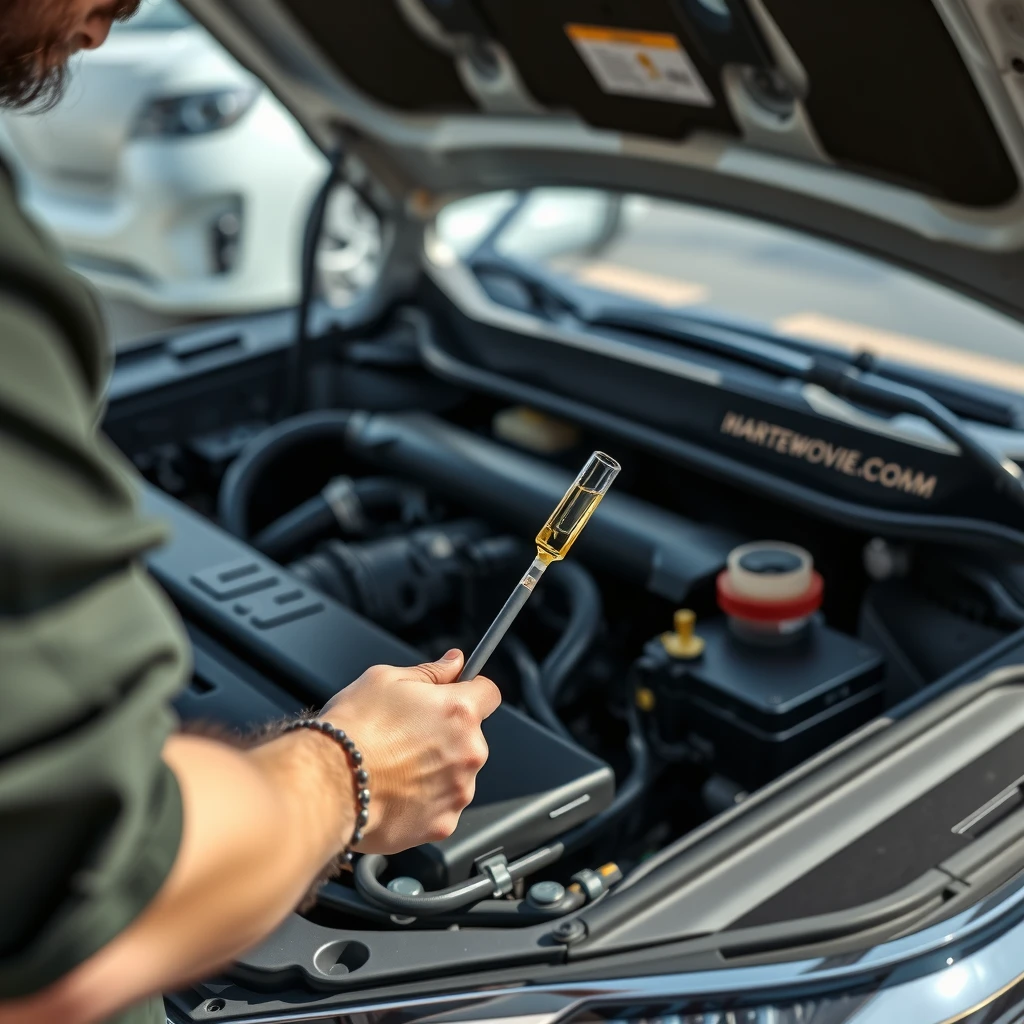
Find the dipstick, usually a brightly colored handle (often yellow or orange) near the engine. Your owner’s manual will show its exact location if you’re unsure.
Step 3: Check the Oil Level
Pull out the dipstick, wipe it clean with a rag, and reinsert it fully. Pull it out again and check the oil level. The oil should be between the ‘low’ and ‘full’ marks. If it’s low, add the recommended oil type (check your manual).
Step 4: Inspect Oil Condition
Look at the oil’s color and texture. Clean oil is amber and translucent. Dark, gritty oil means it’s time for a change. I once ignored murky oil, thinking it was fine, and ended up with sludge buildup that cost me a weekend of cleaning.
How to Maintain Your Car’s Engine for Longevity
Checking your oil is just one part of engine care. To keep your engine in top shape, follow these tips:
- Change Oil Regularly: Most cars need an oil change every 5,000-7,500 miles. Check your manual for specifics.
- Use the Right Oil: Always use the oil type recommended by your manufacturer. Synthetic oils often last longer and perform better.
- Monitor Other Fluids: Coolant, brake fluid, and transmission fluid are just as critical.
- Listen to Your Engine: Unusual noises or vibrations could signal oil-related issues.
I make it a habit to check my oil every time I fill up gas. It’s a quick routine that keeps me ahead of problems.
How Torque Wrenches Enhance Vehicle Maintenance
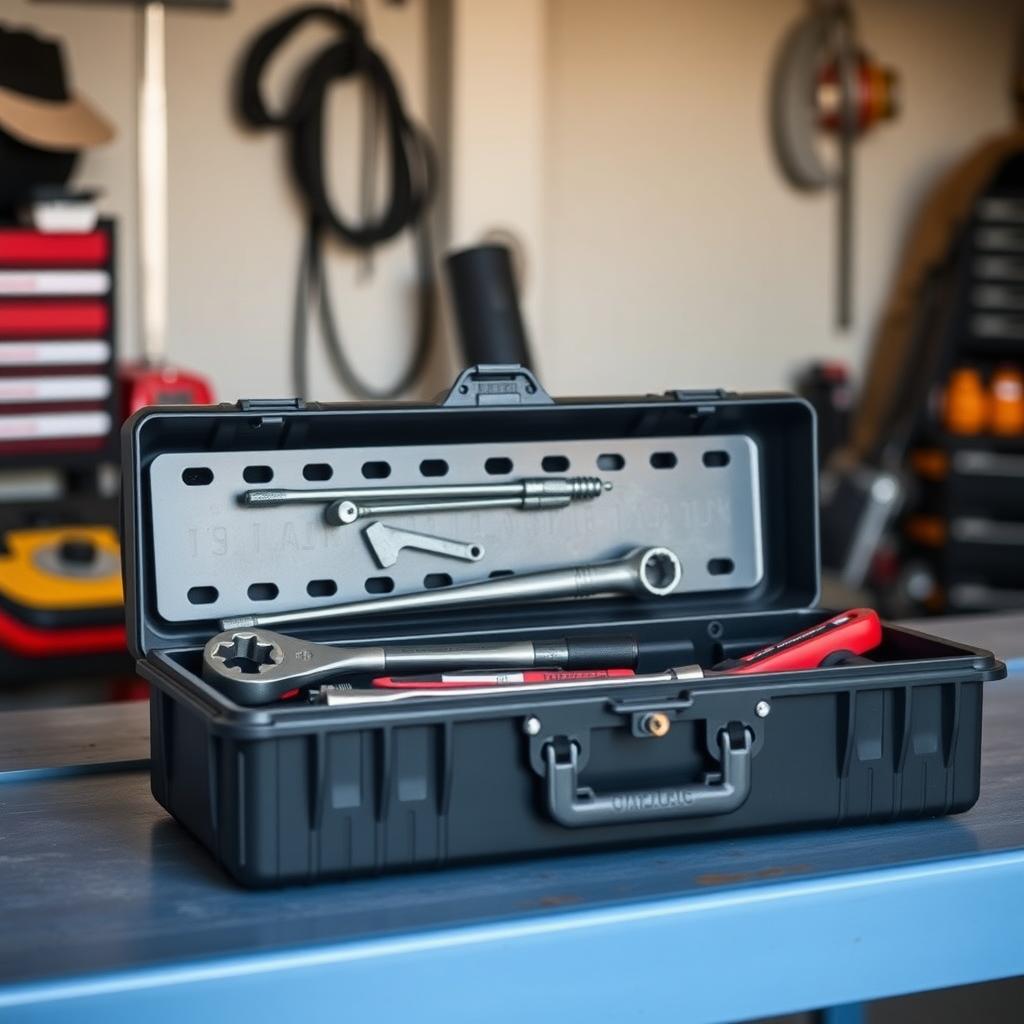
A torque wrench is a game-changer for car maintenance. It applies precise force to bolts, ensuring they’re neither too tight nor too loose. Over-tightening can strip threads, while under-tightening can cause leaks or part failure. When I first used a torque wrench to secure my oil drain plug, I was amazed at how much control it gave me.
For oil changes, a torque wrench ensures the drain plug and filter are properly secured. Check your car’s manual for the exact torque specs (usually in foot-pounds or Newton-meters). A quality torque wrench is one of the must-have wrenches for every toolbox.
Must-Have Wrenches for Every Toolbox
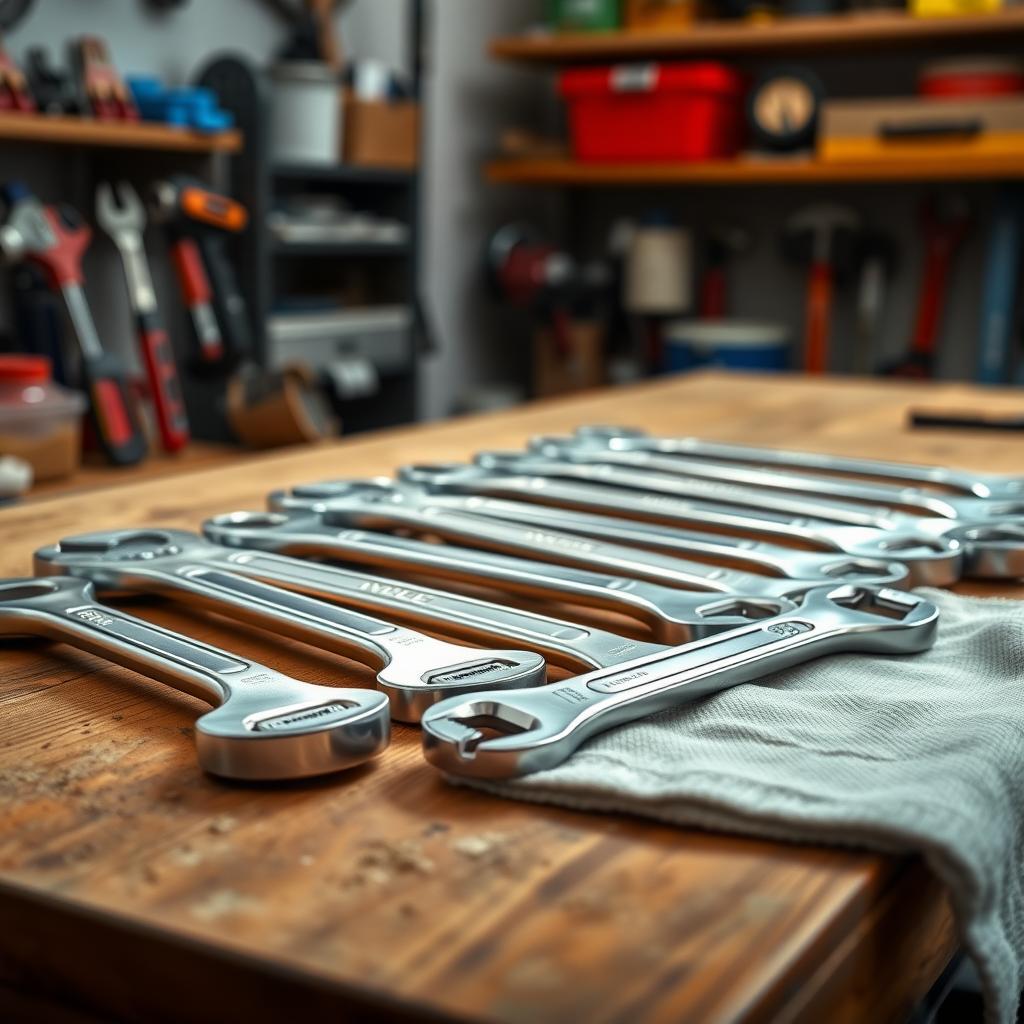
Beyond a torque wrench, here are other wrenches every car owner should own:
| Wrench Type | Purpose | Why It’s Essential |
|---|---|---|
| Torque Wrench | Applies precise force | Prevents over- or under-tightening bolts |
| Combination Wrench | General nut and bolt work | Versatile for various sizes |
| Adjustable Wrench | Flexible for different sizes | Great for quick fixes |
| Oil Filter Wrench | Removes oil filters | Makes oil changes easier |
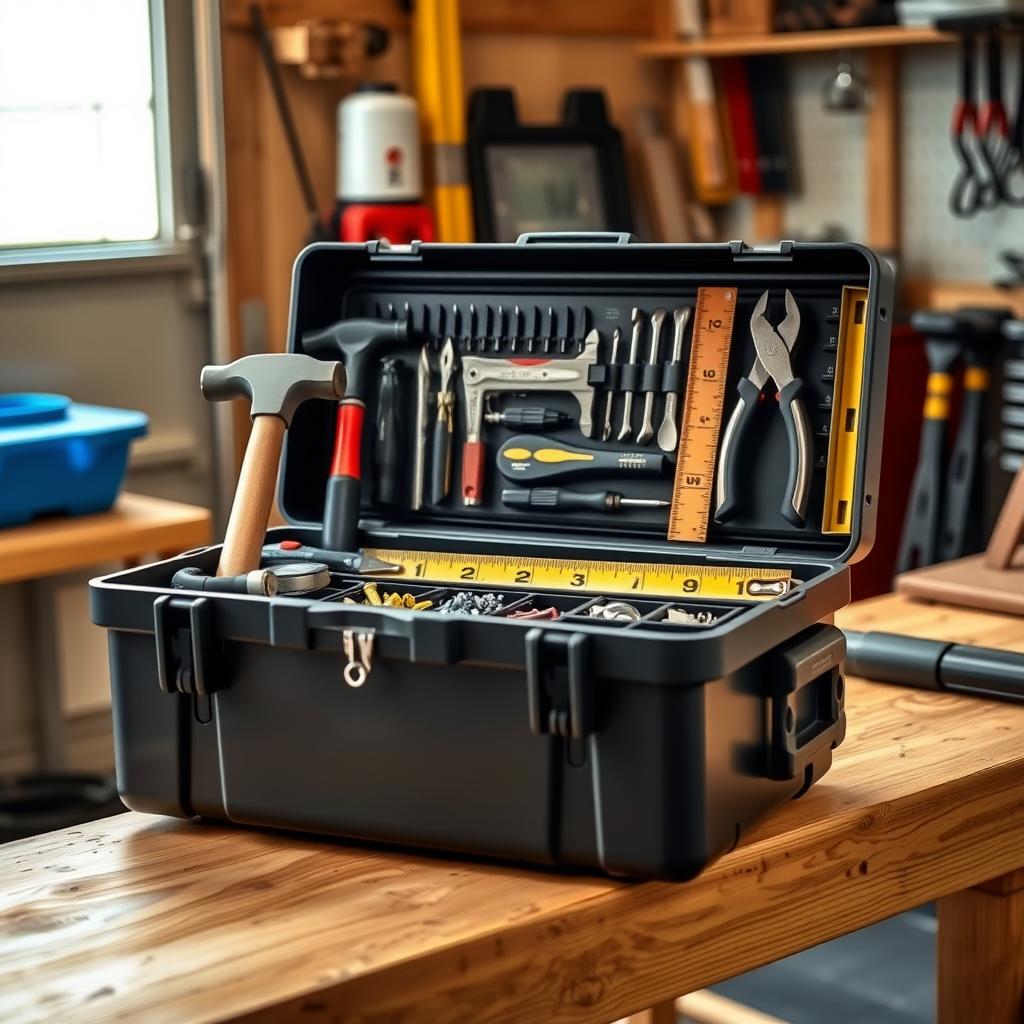
I keep these in my garage, and they’ve saved me countless trips to the mechanic. A good set of wrenches makes you feel like a pro, even if you’re just starting out.
Common Mistakes to Avoid
Even pros make mistakes. Here’s what to watch out for:
- Checking Oil When the Engine is Hot: Hot oil expands, giving false readings. Always let the engine cool.
- Overfilling Oil: Too much oil can harm your engine. Add small amounts and recheck.
- Ignoring Dirty Oil: Don’t delay oil changes if the oil looks bad.
- Using the Wrong Oil: Always match the oil to your car’s specifications.
I once overfilled my oil, thinking more was better. It led to a messy leak and a lesson learned.

Pro Tips for Confident Oil Checks
- Keep a Log: Track oil checks and changes in a notebook or app. It helps you stay consistent.
- Invest in Quality Tools: A good torque wrench and oil filter wrench make the job easier.
- Check in the Morning: Oil levels are most accurate after the car sits overnight.
- Learn Your Car: Every engine is different. Read your manual to understand its needs.
When I started logging my oil checks, I noticed patterns in my car’s oil consumption. It helped me catch a small leak early, saving me from bigger issues.
Summary
Checking your car’s oil like a pro is about consistency, the right tools, and attention to detail. By following these steps, using a torque wrench, and keeping a well-stocked toolbox, you’ll maintain your car’s engine for longevity. Make oil checks a habit, and your car will thank you with years of reliable performance.
Related How to Check Your Car’s Oil Like a Pro:
- How to Choose the Right Oil for Your Car
- Advanced Workman Skills: Tools for the Next Level
- Maintaining Your Wrench Set for Longevity: A Comprehensive Guide
- Power Tools for Beginners: Your Ultimate Guide to Getting Started
- DIY Home Repair Projects for Beginners: Your Ultimate Guide
- Essential Tools Every DIYer Should Own for a Well-Equipped Workshop
- Top 10 Ergonomic Tools Every Tradesperson Should Have
- How to Use a Hammer Safely: A Comprehensive Guide for Beginners and Pros
- 10 Tips for Choosing the Right Paint for Your Next Art Project
- Top 10 Must-Have Construction Tools for Every Workman
- Essential Electrical Tools Every Beginner Needs: A Comprehensive Guide
- The Ultimate Guide to Workman Tools for Everyday Use