Quick Overview
Choosing the right oil for your car is one of the simplest ways to protect your engine and extend its life. By checking your owner's manual, understanding viscosity grades, and picking the best type—conventional, synthetic blend, or full synthetic—you can avoid costly repairs and improve performance. This guide walks you through everything you need to know.
Engine oil acts as your car's lifeblood. It lubricates moving parts, reduces friction, cools the engine, and cleans away dirt. Picking the wrong oil can lead to sludge buildup, poor fuel economy, or even engine damage.
I remember my first car, an older sedan. I grabbed the cheapest oil off the shelf without thinking. Months later, the engine started making strange noises. Lesson learned: the right oil matters.
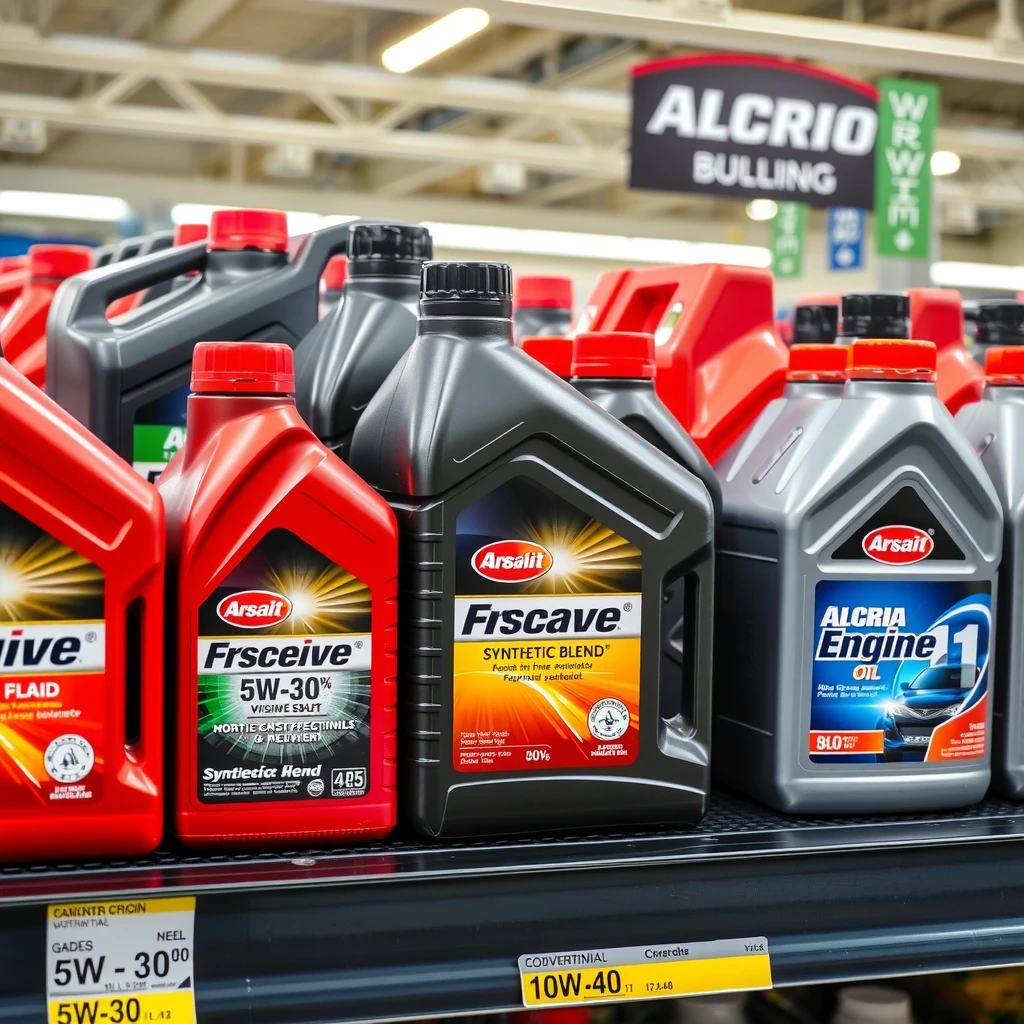
Step 1: Always Start with Your Owner's Manual
Your car's manufacturer knows best. The owner's manual lists the recommended viscosity grade (like 5W-30) and specifications (such as API SP or ILSAC GF-6).
As of 2026, newer cars often require low-viscosity oils like 0W-20 or 0W-16 for better fuel efficiency. Stick to these recommendations to maintain your warranty and optimal performance.
Understanding Viscosity: What Do Those Numbers Mean?
Viscosity measures how thick or thin the oil is. The label, like 5W-30, breaks down like this:
- The number before 'W' (winter) shows flow in cold temperatures. Lower numbers (like 0W) start easier in freezing weather.
- The number after indicates thickness at operating temperature. Higher numbers provide better protection in hot conditions.
| Viscosity Grade | Best For | Example Use |
|---|---|---|
| 0W-20 | Modern cars, cold climates, fuel efficiency | Many 2020+ vehicles |
| 5W-30 | All-around, most common | Older and mid-range cars |
| 10W-40 | Hot climates, high-mileage engines | Trucks or older models |
Choose based on your climate and driving habits.
Types of Engine Oil: Conventional, Blend, or Synthetic?
- Conventional Oil: Made from refined crude oil. Affordable and works well for older cars with simple engines. Change every 3,000-5,000 miles.
- Synthetic Blend: Mix of conventional and synthetic. Offers better protection than conventional at a moderate price.
- Full Synthetic: Engineered in a lab for uniform molecules. Provides superior protection, especially in extreme temperatures, turbo engines, or heavy towing. Lasts 7,500-15,000 miles.
Synthetic oils resist breakdown better, clean the engine more effectively, and improve fuel economy. Many experts, including those at Popular Mechanics, recommend synthetic for modern vehicles.
In my experience with a high-mileage SUV, switching to full synthetic reduced oil consumption and quieted the engine. For newer cars, manufacturers often require synthetic to meet emissions and efficiency standards.

How to Check Your Car’s Oil Like a Pro
Regular checks catch issues early. Here's how:
- Park on level ground and wait for the engine to cool.
- Pull out the dipstick, wipe it clean.
- Reinsert fully, then pull out again.
- Check the level—between the low and full marks.
- Note the color: Golden brown is good; black and gritty means change soon.
Do this monthly. Low or dirty oil can harm your engine fast.
How to Maintain Your Car's Engine for Longevity
Oil changes are key, but more helps:
- Follow the recommended interval (often 5,000-10,000 miles with synthetic).
- Use a quality filter.
- Avoid short trips that don't let the engine warm up fully.
- Drive gently—no sudden accelerations.
Consistent maintenance can add hundreds of thousands of miles to your engine's life.
Special Cases: High-Mileage and Performance Oils
For cars over 75,000 miles, high-mileage oils have additives to condition seals and reduce leaks.
If you drive aggressively or tow, opt for oils with extra protection against wear.

How Torque Wrenches Enhance Vehicle Maintenance
When changing oil or working on your car, precision matters. A torque wrench ensures bolts are tightened to exact specs—too loose causes leaks, too tight strips threads.
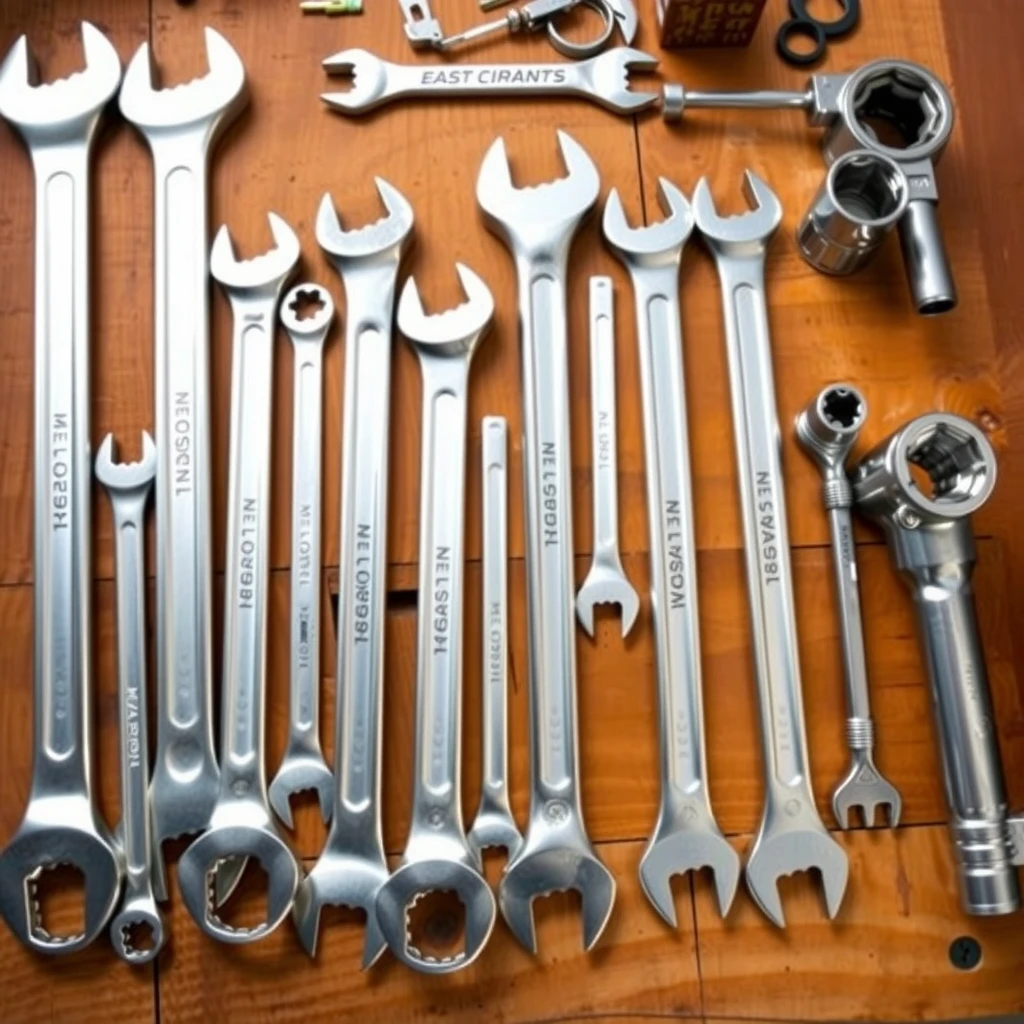
Torque wrenches are must-have wrenches for every toolbox. They prevent over-tightening the oil drain plug, which can damage the pan. I always use one during DIY oil changes; it's saved me from expensive mistakes.
Invest in a good click-type torque wrench. It's essential for safe, professional results at home.
Final Tips for Choosing Oil
- Prioritize manufacturer specs over sales pitches.
- Consider your driving: City stop-and-go? Go synthetic.
- Check certifications like the API donut on the bottle.
The right oil keeps your engine happy and your wallet fuller by avoiding repairs.
Summary
How to choose the right oil for your car boils down to your manual, viscosity needs, and oil type. Regular checks and changes ensure longevity. With these steps, you'll drive confidently knowing your engine is protected.
Related How to Choose the Right Oil for Your Car:
- Essential Car Maintenance Checklist for Beginners: Keep Your Ride Running Smoothly
- How to Perform a DIY Oil Change Safely: Step-by-Step Guide for Beginners
- Innovative Construction Tools for Efficiency: Boosting Productivity on the Job Site
- How to Sharpen Your Tools Like a Pro
- Best Tool Belts for Different Trades: The Ultimate Guide to Choosing the Right Tool Belt for You
- How to Use Electrical Tools Safely
- Maintenance Tips for Keeping Your Tools in Top Condition: A Practical Guide
- How to Pick the Perfect Wrench for Your Project
- Router Tricks for Stunning Wood Designs
- DIY Storage Solutions for Small Workspaces: Boost Efficiency in Tight Areas
- Hand Tools Maintenance Tips: Keep Your Workman Tools in Top Shape for Years
- Tool Storage Ideas for Small Workshops