Maintenance Tips for Keeping Your Tools in Top Condition
Tools are your reliable partners in any project, whether you're a weekend DIYer or a full-time pro. Proper care keeps them sharp, safe, and ready for action. This guide shares practical maintenance tips for keeping your tools in top condition so you avoid breakdowns, extend their lifespan, and work more efficiently.
Think of your toolbox as an investment—treat it right, and it pays off for years.
Why Tool Maintenance Matters
Skipping maintenance leads to rust, dull edges, loose handles, and safety risks. A worn-out hammer can slip, or a rusty wrench can strip bolts. Regular care prevents these issues and saves money on replacements.
I've learned this the hard way: once, I left my favorite claw hammer outside overnight. Rust formed quickly, and the head felt loose after a few uses. A simple cleaning routine could have prevented that headache.
Daily Cleaning Habits
Clean tools after every use—it's the simplest yet most effective step. Wipe off dirt, sawdust, grease, or concrete residue with a dry cloth. For stubborn grime, use mild soap and water, then dry immediately to prevent rust.
For metal parts, apply a light coat of oil (like WD-40 or mineral oil) to protect against moisture. This habit takes just minutes but adds years to tool life.
Pro tip: Keep a rag and small oil bottle in your toolbox. Quick wipes become automatic, and you'll notice tools perform better right away.
Rust Prevention Strategies
Rust is the #1 enemy of metal tools. Store them in a dry place, away from damp garages or basements. Use silica gel packs in toolboxes to absorb moisture.
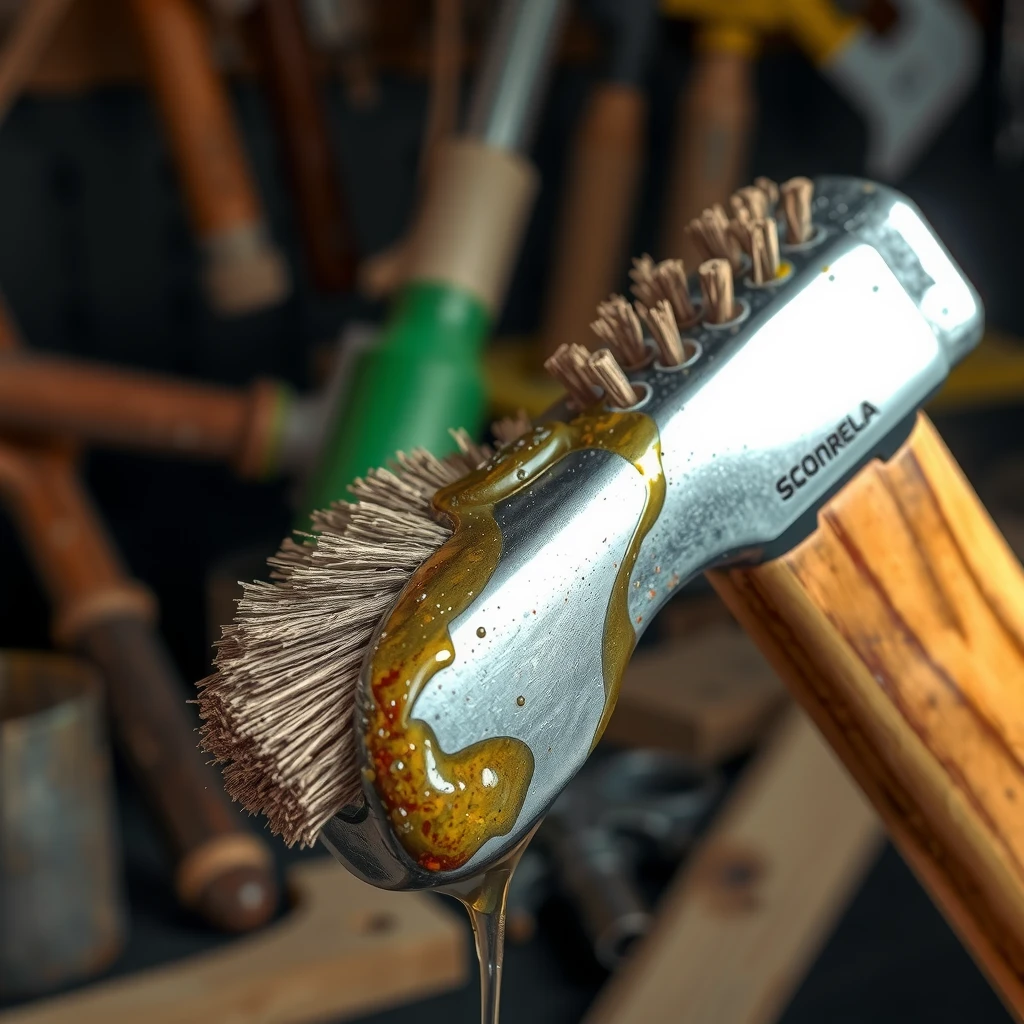
If rust appears, remove it with steel wool or a wire brush, then oil the surface. For heavy rust, soak in vinegar overnight before scrubbing.
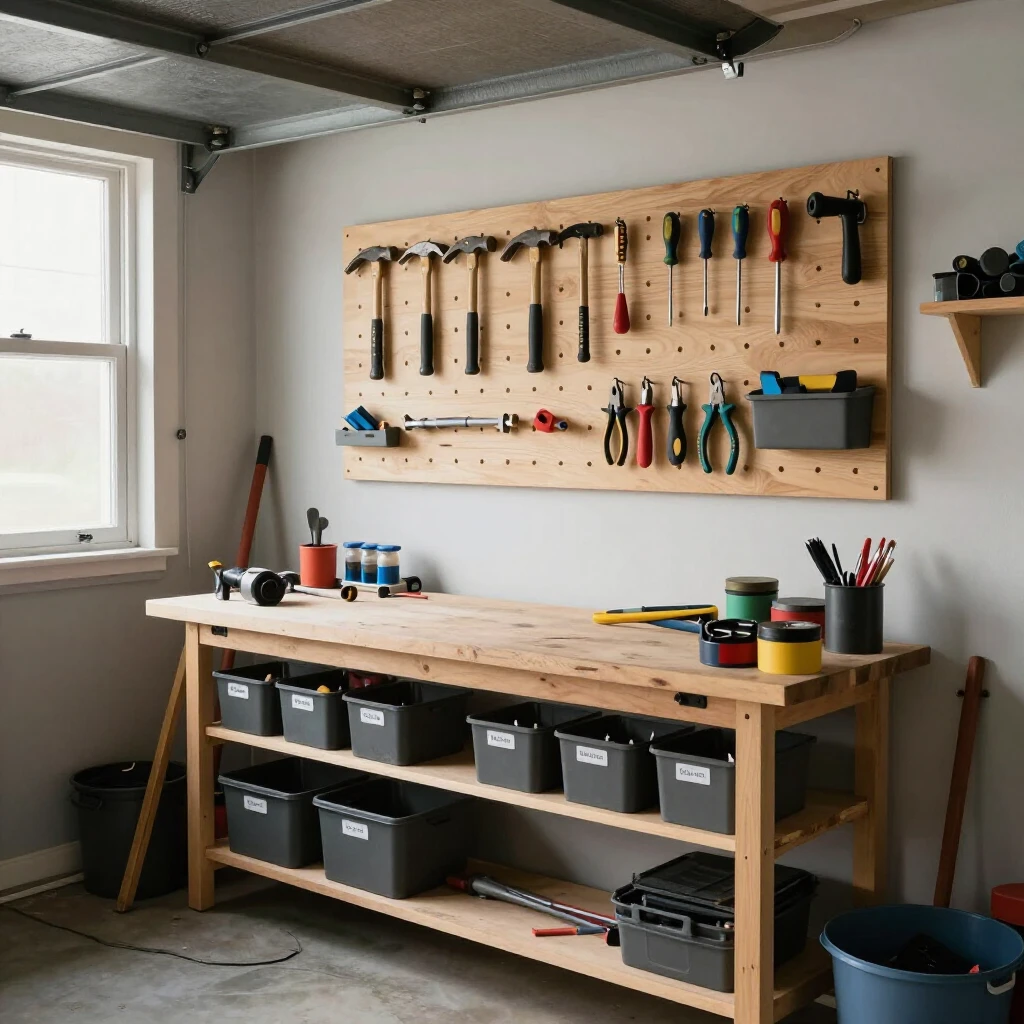
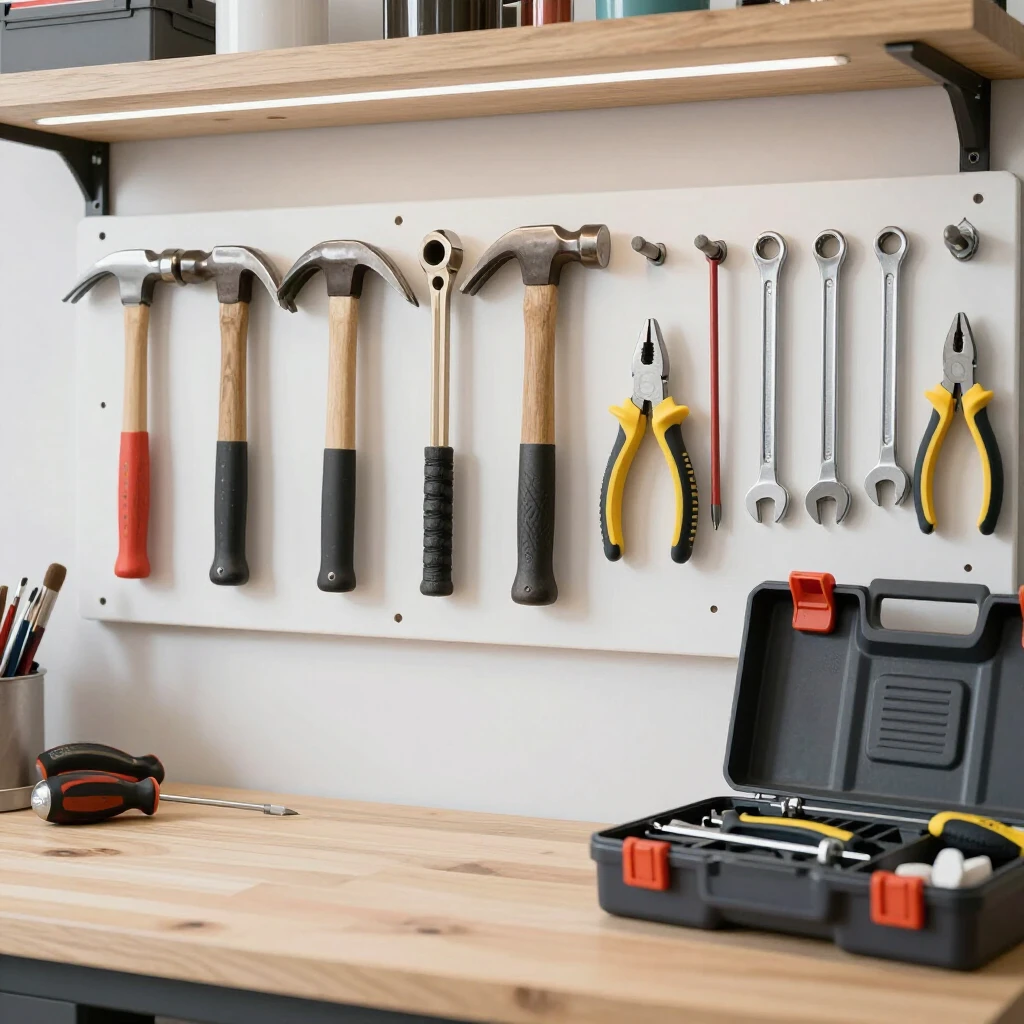
From experience, hanging tools on pegboards instead of piling them in boxes keeps air circulating and reduces rust buildup.
Caring for Specific Tools: Hammers
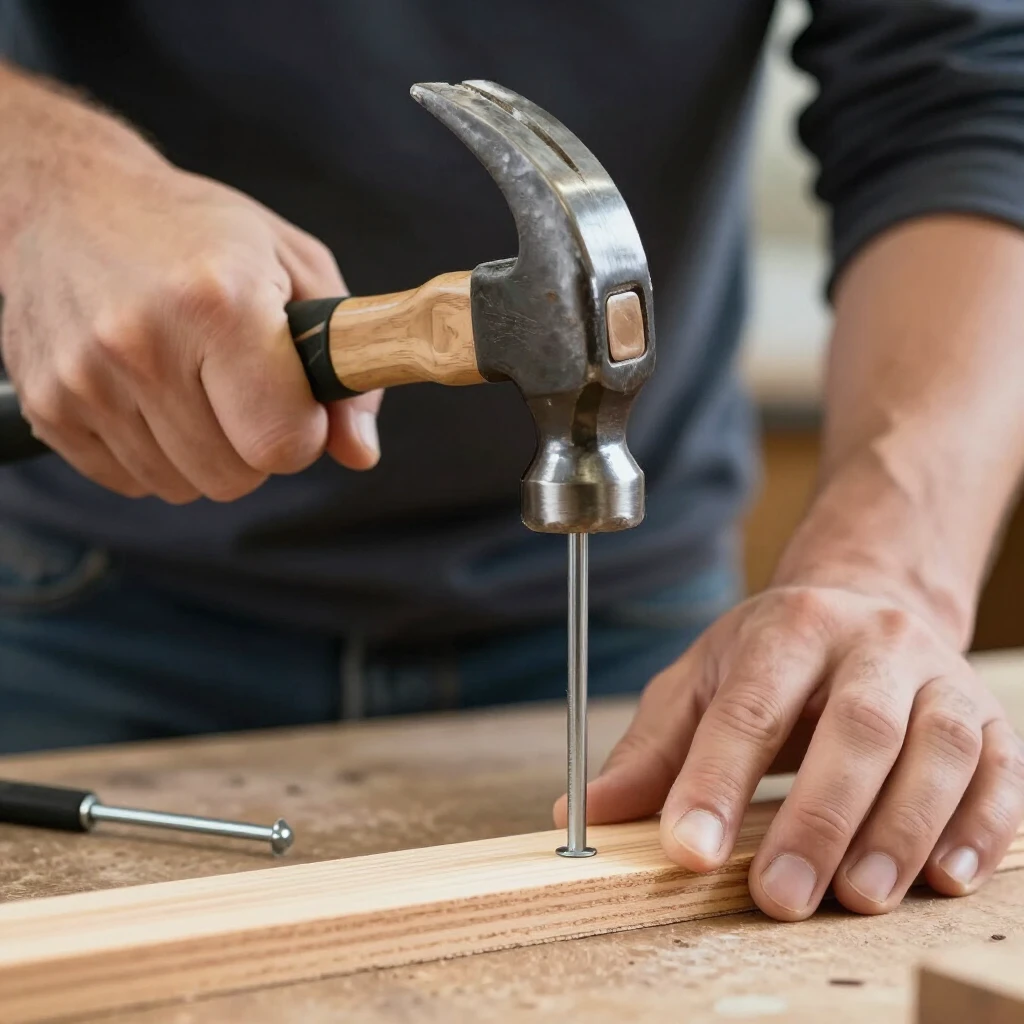
Hammers take a beating, so check them regularly. Inspect the head for chips or mushrooming (spreading metal from strikes). File down any burrs to prevent injury.
For wooden handles, avoid drying out by storing away from heat sources. If the handle loosens, wedge it tighter or replace it.
Fiberglass handles are tougher but still need cleaning. A clean hammer grips better and swings truer—I've felt the difference on long jobs.
Sharpening and Inspection
Sharp tools work easier and safer. Dull blades force harder pushes, increasing slip risks.
- Sharpen chisels and plane irons on a whetstone.
- File saw teeth if needed.
- Check screwdrivers for worn tips—replace if rounded.
Inspect all tools before use: look for cracks, loose parts, or bent metal. A quick visual check catches issues early.
Proper Storage Solutions
Good storage protects tools from damage and makes them easy to find.
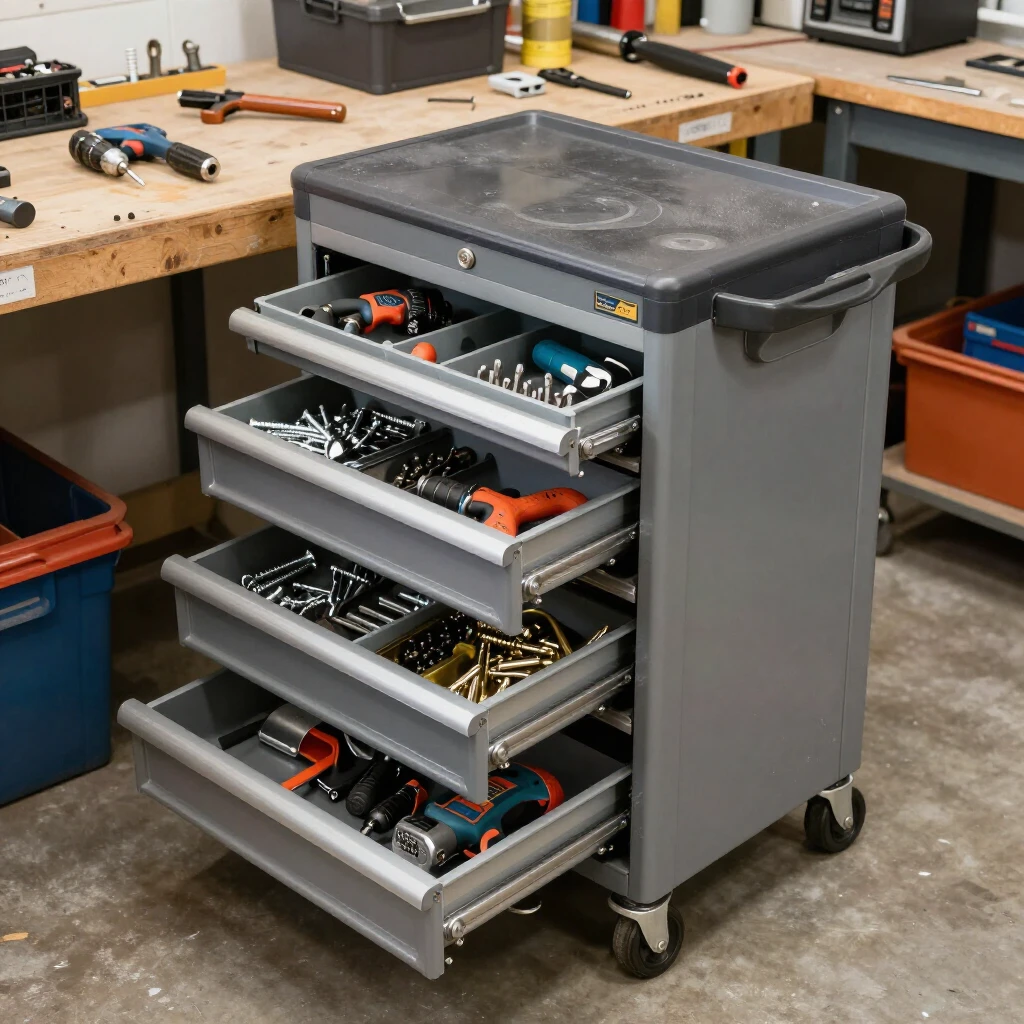
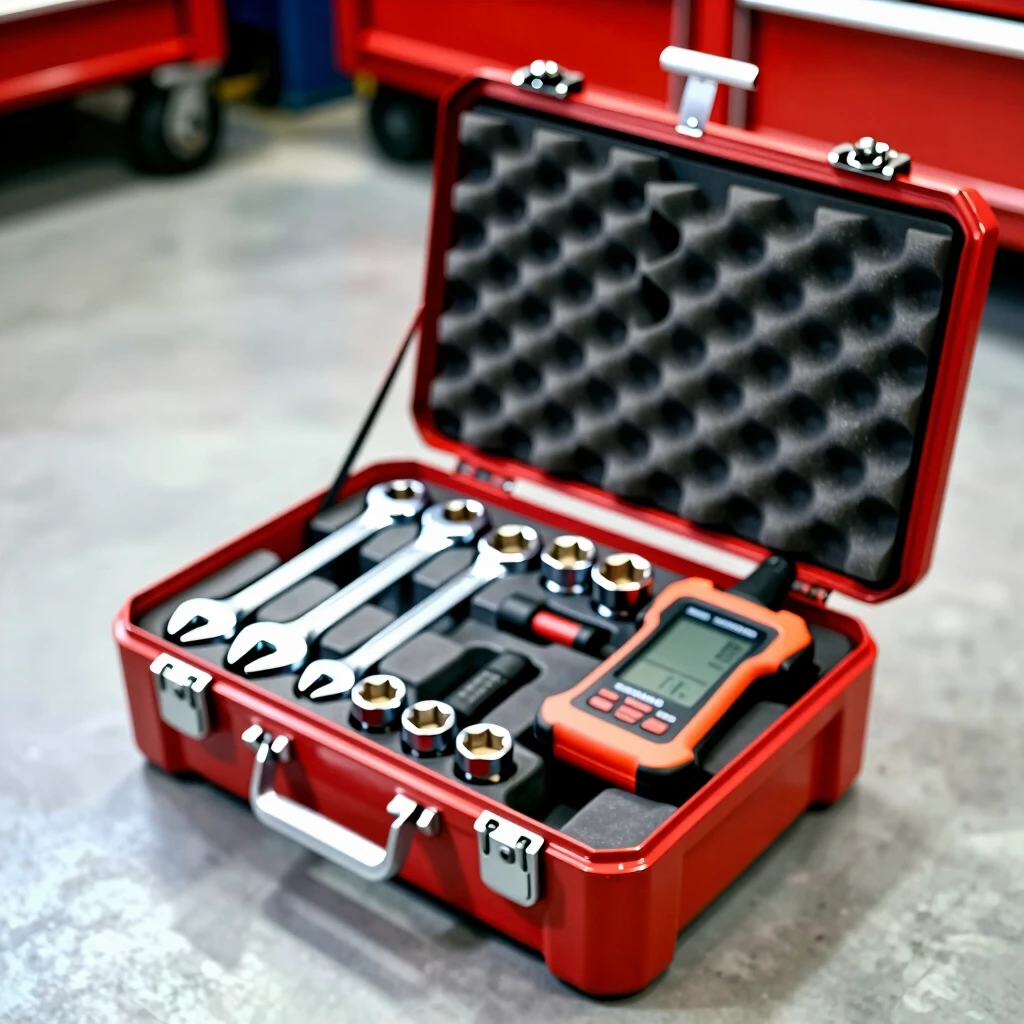
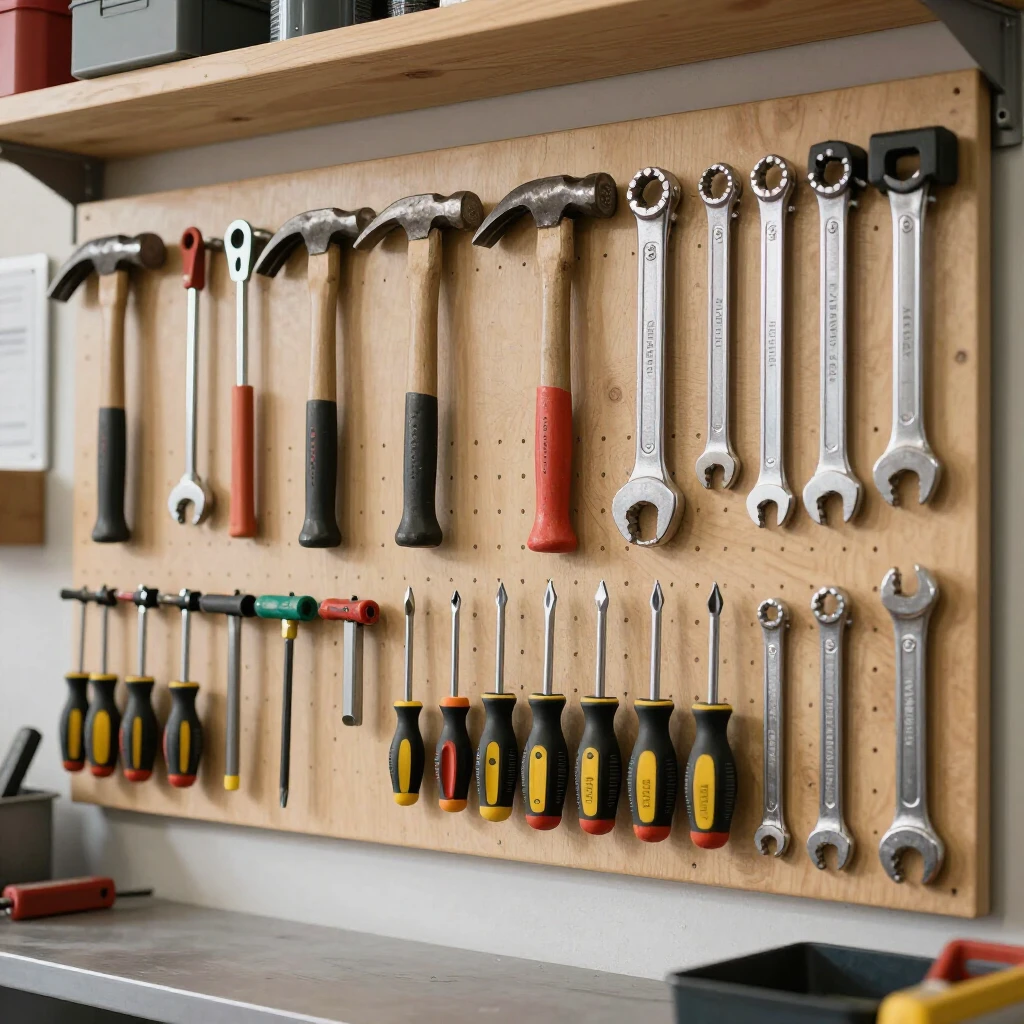
Use pegboards for hanging workman tools, foam inserts in cases for power tools, or drawer organizers. Keep everything dry and at stable temperatures.
Avoid leaving tools scattered—it's easy to trip or lose them. A tidy space also boosts motivation for the next project.
| Storage Option | Best For | Benefits |
|---|---|---|
| Pegboard | Hand tools like hammers, pliers | Easy access, air circulation |
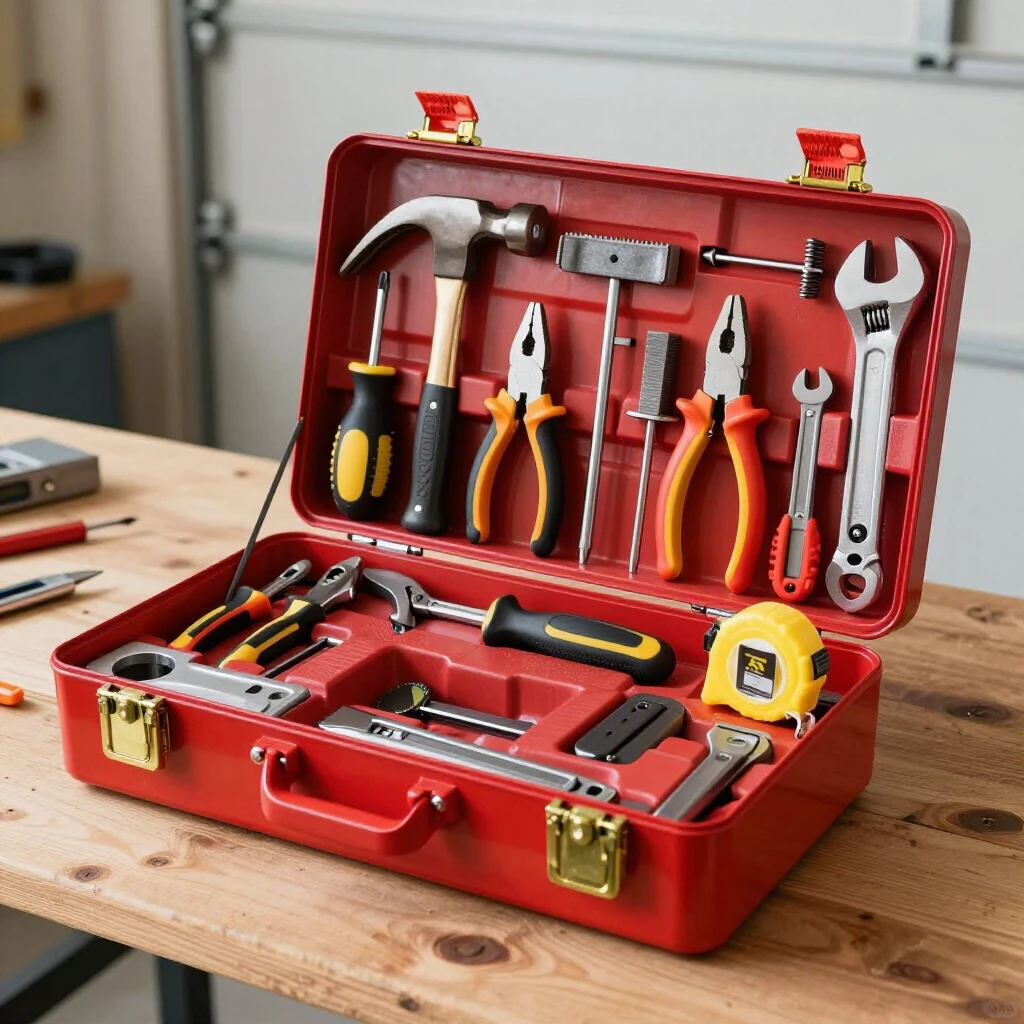
| Toolbox with trays | Small items | Portable, organized |
| Wall-mounted racks | Larger tools | Saves floor space |
| Silica gel in sealed boxes | Long-term storage | Moisture control |
Lubrication and Adjustment
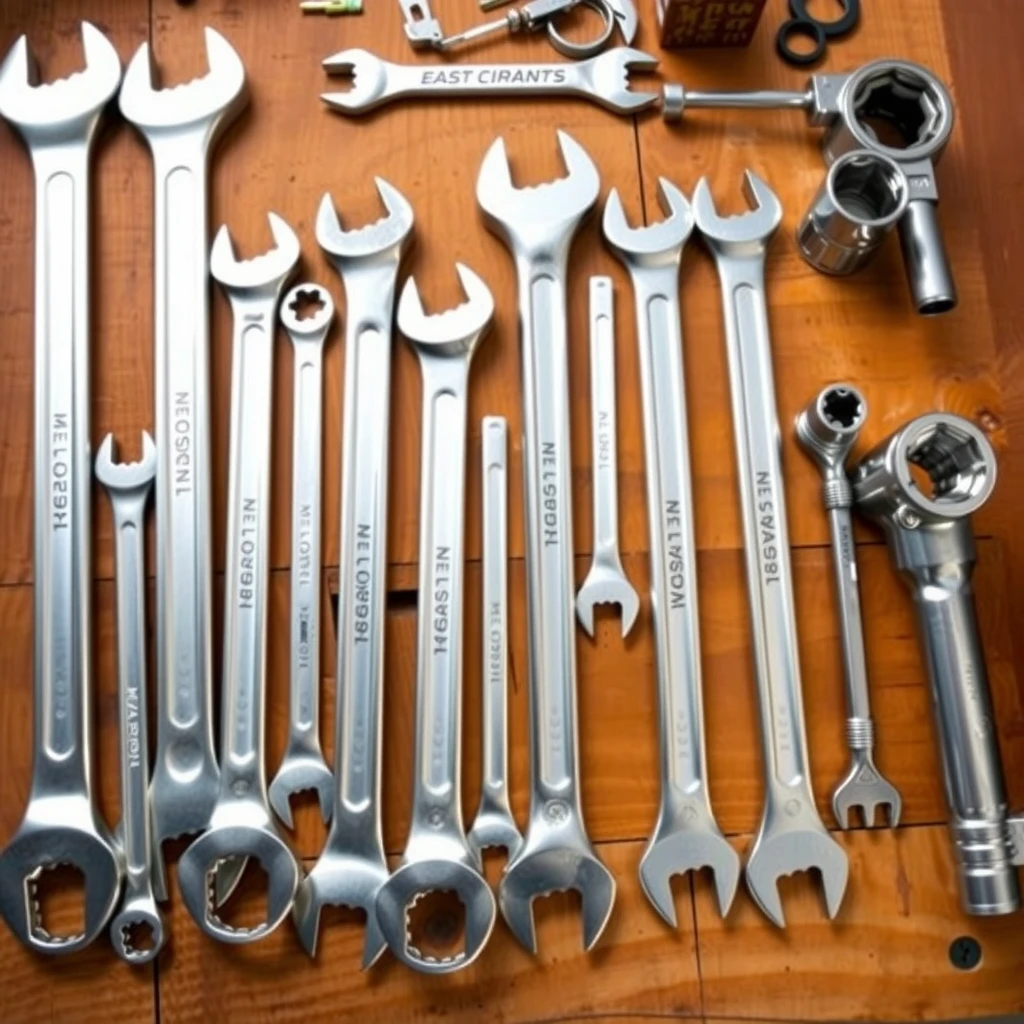
Moving parts need lubrication. Oil pliers joints, adjustable wrenches, and hinges lightly. Wipe excess to avoid attracting dust.
Tighten loose screws on tool handles or power tool housings. For hammers, ensure the head is secure—loose heads fly off during swings, which is dangerous.
Safety and Maintenance Link
Well-maintained tools are safer. The Occupational Safety and Health Administration (OSHA) emphasizes keeping tools in good condition to prevent hazards from misuse or poor upkeep.
Another solid resource is Virginia Tech's extension guide on hand tool care and safe use, which stresses cleaning, sharpening, and proper storage for longevity.
These authoritative sources confirm that regular inspections and dry storage reduce risks significantly.
Seasonal Deep Cleaning
Once or twice a year, do a deep clean. Disassemble what you can, scrub thoroughly, re-oil, and sharpen. Replace worn parts like screwdriver bits or hammer handles.
This routine refreshes everything and lets you spot hidden wear.
Final Thoughts
Maintenance tips for keeping your tools in top condition boil down to clean, inspect, lubricate, sharpen, and store smart. These steps save time, money, and frustration while keeping hammers, wrenches, and other workman tools reliable.
Start small—clean after your next project—and build the habit. Your tools will thank you with better performance and longer life.
Related maintenance tips for keeping your tools in top condition:
- How to Pick the Perfect Wrench for Your Project
- Router Tricks for Stunning Wood Designs
- DIY Storage Solutions for Small Workspaces: Boost Efficiency in Tight Areas
- Hand Tools Maintenance Tips: Keep Your Workman Tools in Top Shape for Years
- Tool Storage Ideas for Small Workshops
- Top Ergonomic Hand Tools for DIY Projects
- Advanced Techniques for Tool Organization
- Innovative Electrical Tools for 2023: Game-Changers for Electricians
- The Evolution of Automotive Tools
- Common Handyman Mistakes and How to Avoid Them
- Essential Workman Tools for Every Homeowner
- Essential Construction Tools for Masonry Work: A Complete Guide