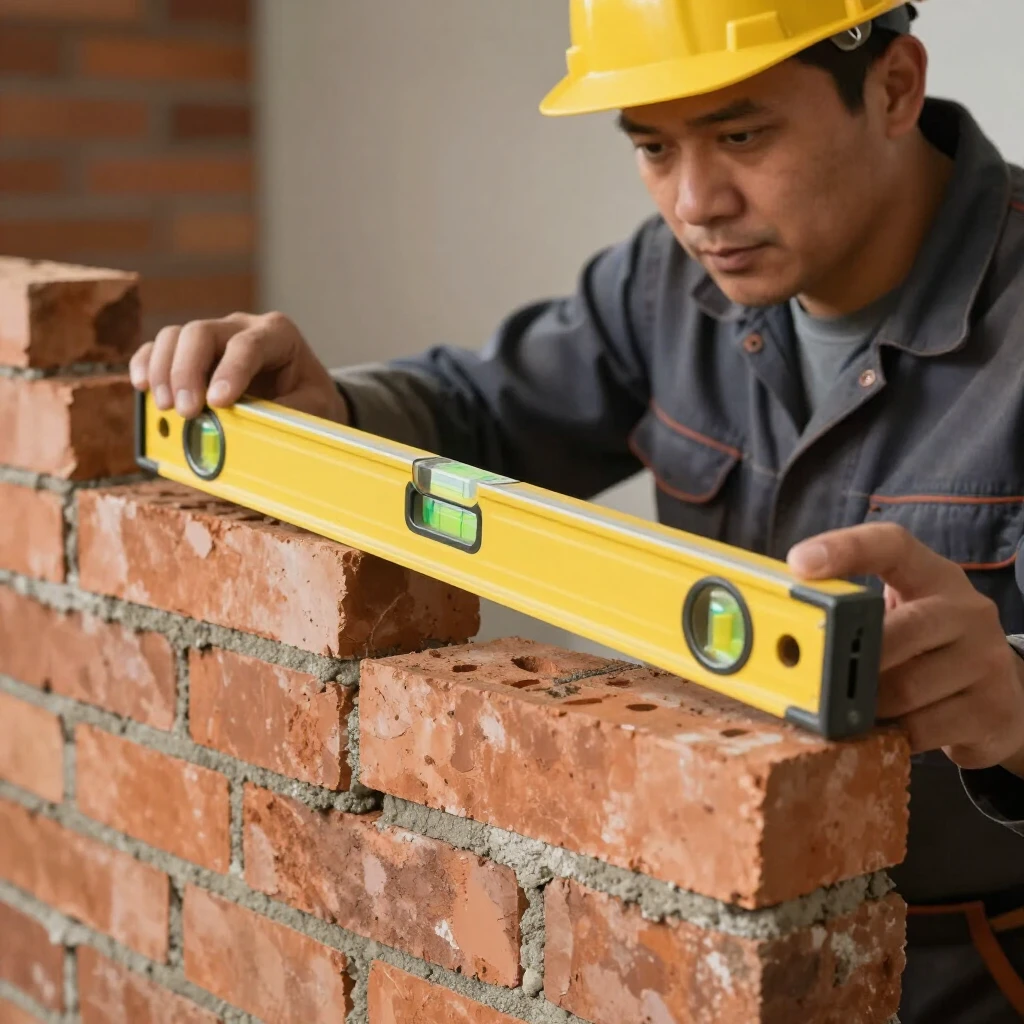
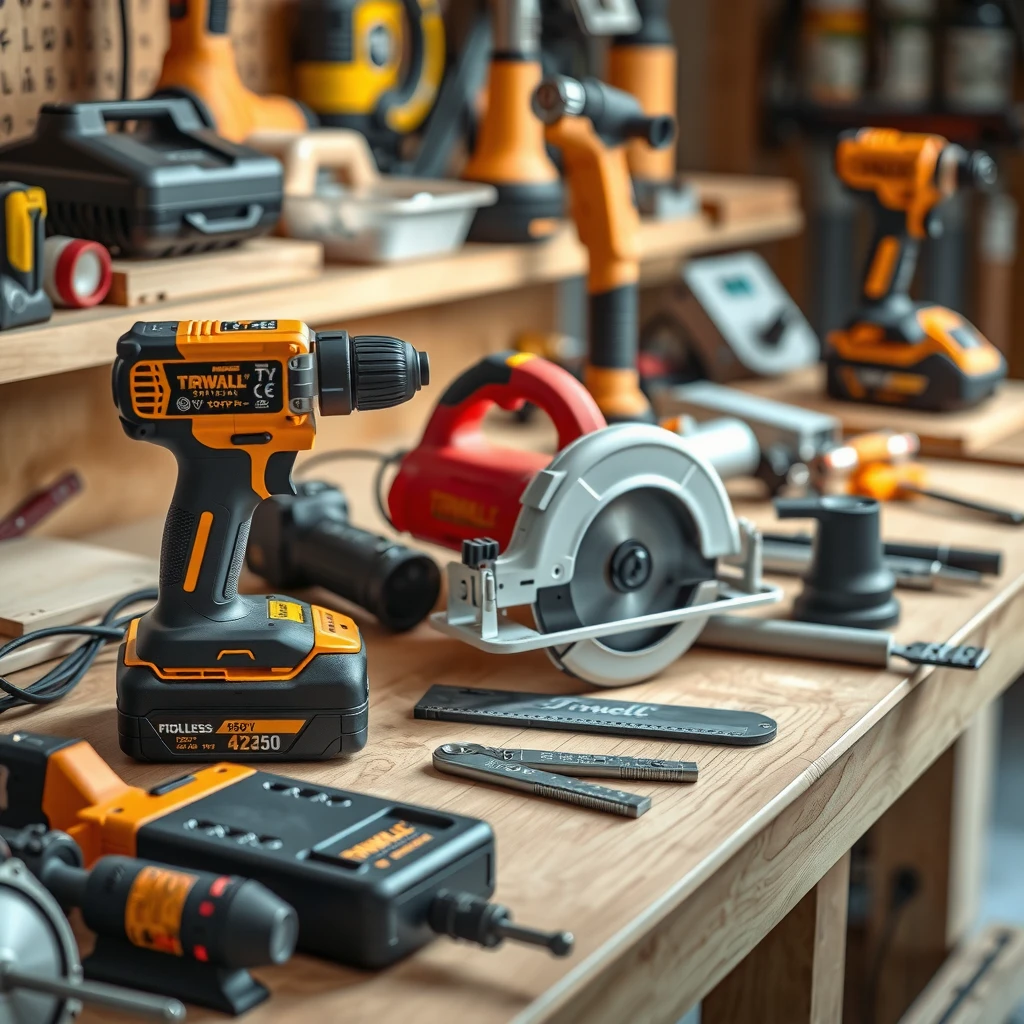
If you're diving into DIY projects, having the right tools makes all the difference. Top ergonomic hand tools for DIY projects not only get the job done but also protect your hands and body from unnecessary strain. In this guide, we'll explore the essentials that every home workshop needs.
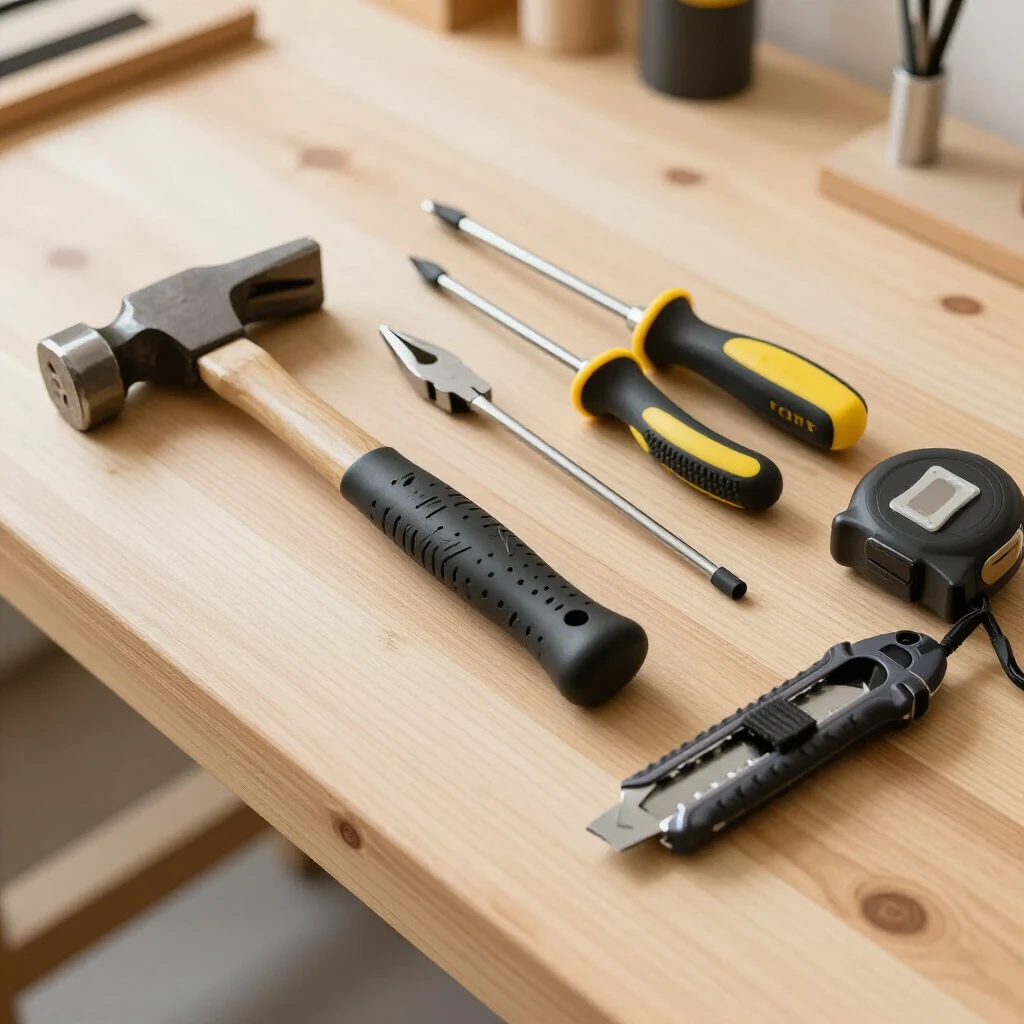
Why choose ergonomic hand tools? Simple – they help reduce strain on your hands, wrists, and arms. Many DIYers spend hours on projects, and regular hand tools can lead to fatigue or even injuries like carpal tunnel over time. Ergonomic designs feature cushioned grips, better weight balance, and shapes that fit your hand naturally.
I've been tackling home repairs and building furniture for years, and switching to ergonomic hand tools changed everything. My hands don't ache after a long session, and I can work longer without feeling worn out. These tools are game-changers for anyone who loves DIY but wants to stay comfortable.
Why Ergonomics Matter in Hand Tools
Repetitive motions in DIY work can cause real problems. Ergonomic hand tools for reduced strain are built to minimize that risk. They often have soft rubber handles that absorb shock, angled designs to keep your wrist straight, and lighter materials for easier handling.
Studies from sources like the CDC and occupational health experts show that well-designed tools lower the chance of muscle strain and repetitive injuries. For beginners, starting with these means building good habits from day one.
Essential Workman Tools for Beginners
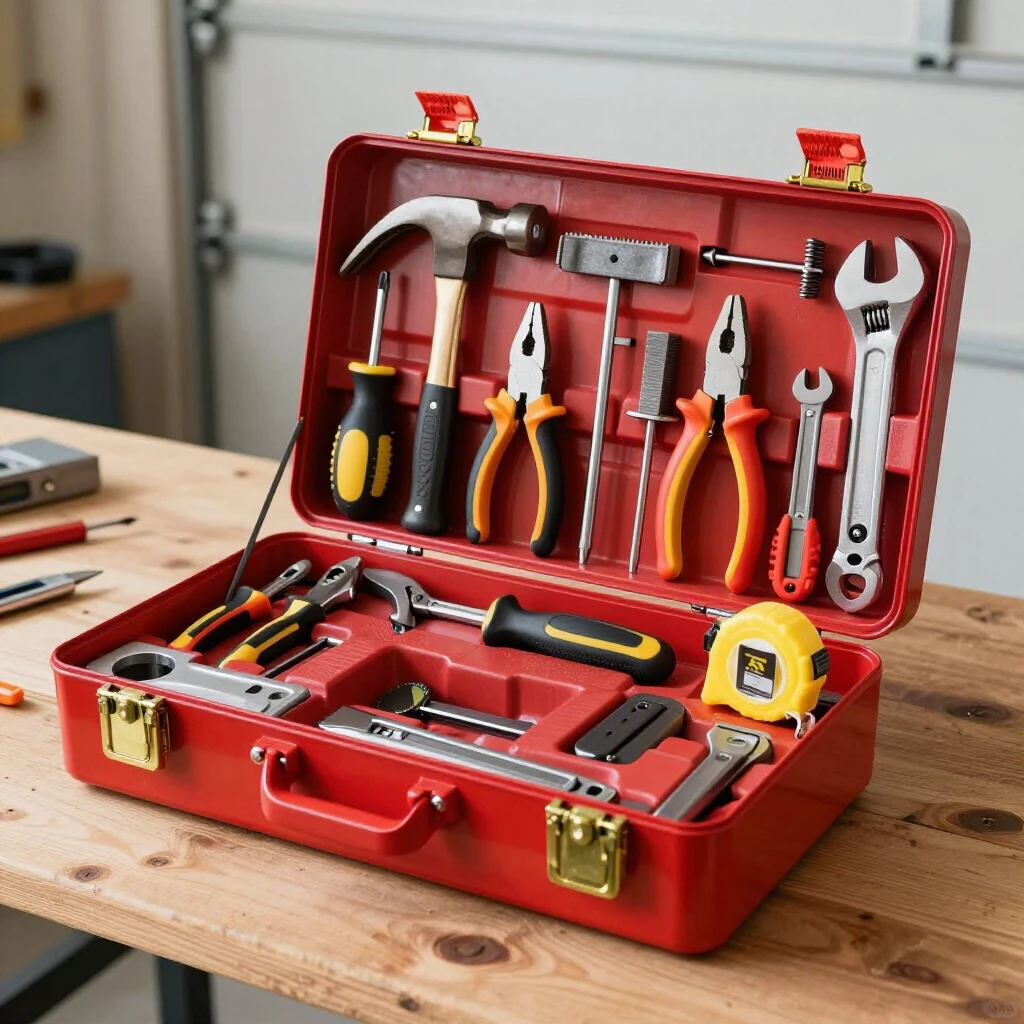
If you're just starting out, focus on these core hand tools. They're versatile and form the foundation of any toolkit.
1. Ergonomic Hammer
A good hammer is a must for driving nails or light demolition. Look for one with a fiberglass or composite handle and a rubber grip. These absorb vibration better than old wooden ones.
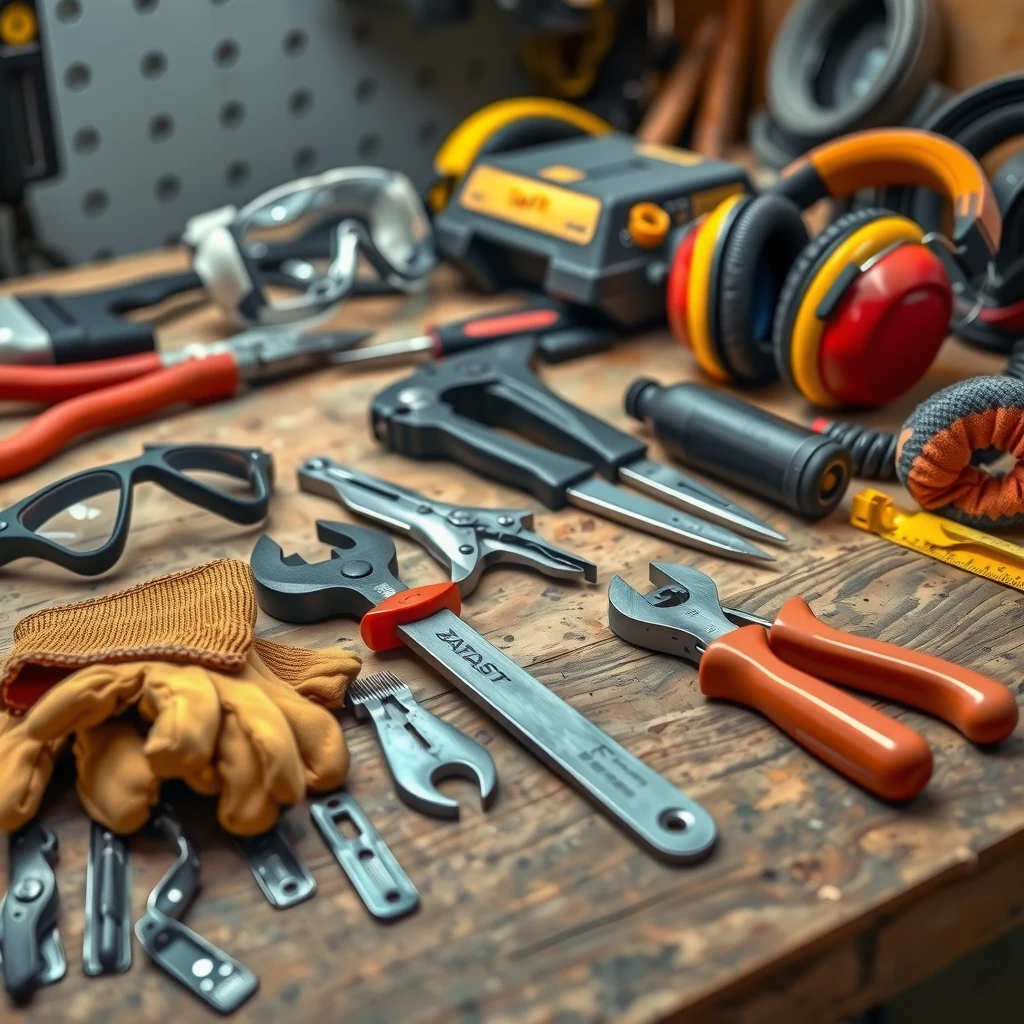
How to Use a Hammer Safely: - Always wear safety glasses to protect your eyes from flying debris. - Inspect the hammer head – no chips or loose parts. - Grip near the end of the handle for better control. - Keep your eye on the nail, not the hammer. - Start with light taps to set the nail, then firmer swings. - Never use the cheek (side) of the hammer to strike.
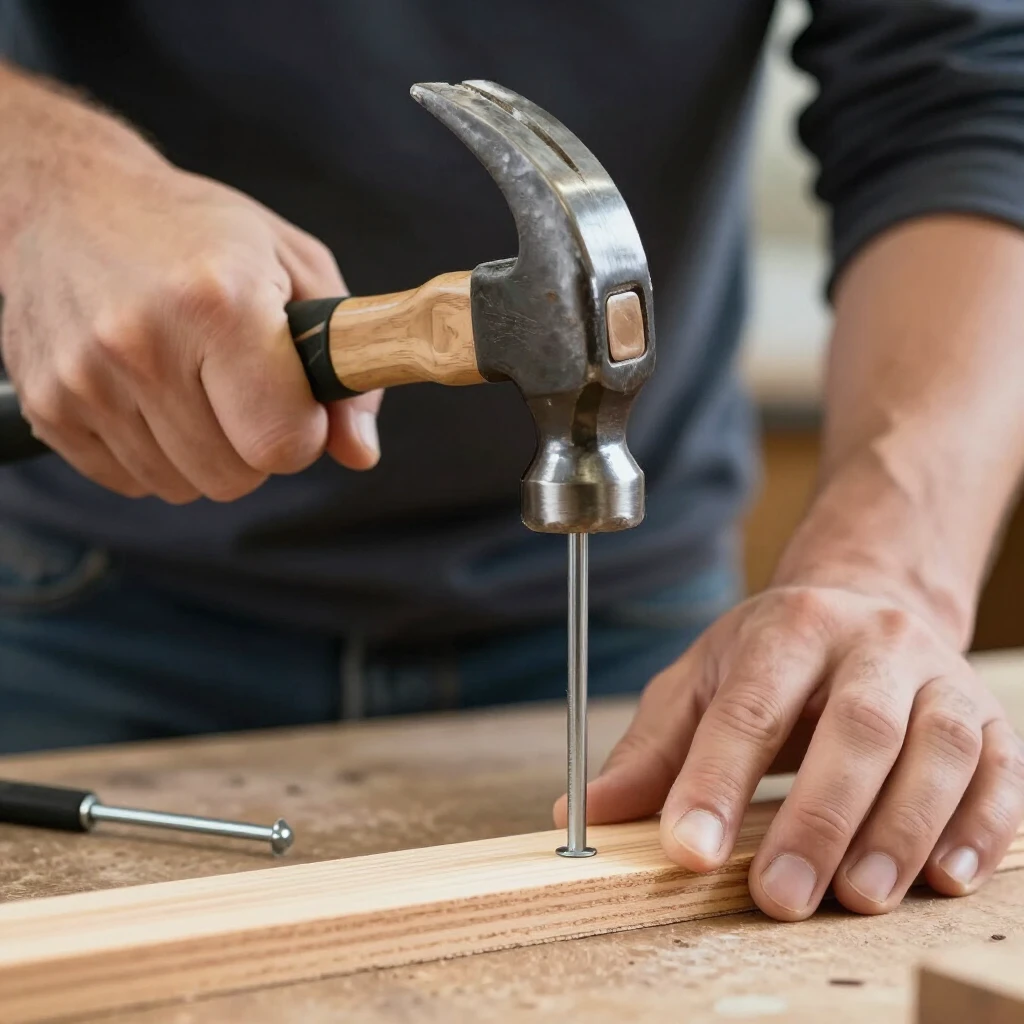
In my experience, a 16-ounce curved-claw hammer with anti-vibration features is perfect for most home projects. Brands like Stanley FatMax or Estwing offer great options that feel balanced and reduce hand fatigue.
2. Screwdriver Set
A multi-bit or ratcheting screwdriver with ergonomic handles saves time and effort. Cushioned grips prevent slipping, and magnetic tips hold screws securely.
Go for sets with various sizes – Phillips, flathead, and Torx. They make assembling furniture or fixing appliances much easier without stripping screws.
3. Pliers
Needle-nose, linesman, and slip-joint pliers are essentials. Ergonomic versions have padded handles and spring-loaded action for less grip force.
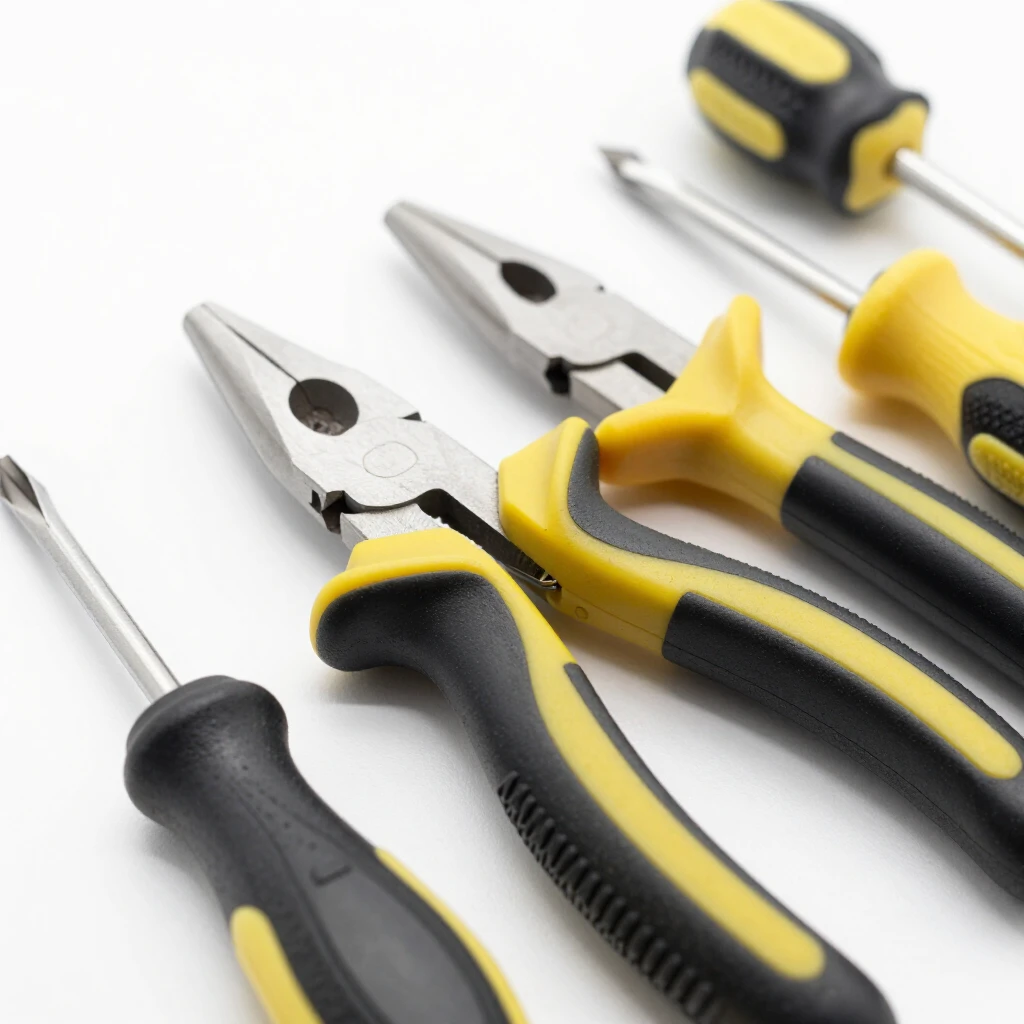
Use pliers for gripping wires, bending metal, or pulling nails. Knipex or Irwin Vise-Grip models are top-rated for comfort and durability.
4. Tape Measure
A self-locking tape with a rubber overmold is easy to read and won't slip from your hand. 25-foot lengths are ideal for most DIY tasks.
5. Utility Knife
Retractable knives with ergonomic handles allow safe, precise cuts. Look for ones with quick blade changes and non-slip grips.
| Tool | Key Ergonomic Feature | Best For | Recommended Weight/Size |
|---|---|---|---|
| Hammer | Vibration-absorbing grip | Nailing, light demo | 16 oz, curved claw |
| Screwdriver Set | Cushioned, contoured handle | Fastening screws | Multi-bit ratcheting |
| Pliers | Padded, spring-loaded | Gripping, cutting wire | 8-inch combination |
| Tape Measure | Rubber case, standout blade | Measuring | 25 ft, auto-lock |
| Utility Knife | Soft grip, auto-retract | Cutting materials | Ergonomic handle |
These essential workman tools for beginners cover 90% of common DIY jobs. Invest in quality – it'll last longer and feel better to use.
Tips for Choosing and Maintaining Your Tools
- Test the grip in store if possible – it should feel natural.
- Clean tools after use to prevent rust.
- Store in a dry toolbox.
- Replace any damaged tools immediately for safety.
I've learned the hard way that cheap tools lead to frustration and sore hands. Spending a bit more on ergonomic ones pays off quickly.
Whether building shelves, fixing plumbing, or crafting, top ergonomic hand tools for DIY projects keep you going stronger. They reduce strain, improve precision, and make the process enjoyable.
Start small, practice safe habits like how to use a hammer safely, and build your collection over time. Your hands will thank you!
Related Top Ergonomic Hand Tools for DIY Projects:
- Safety Tips for DIY Home Repairs: Stay Protected While Fixing Your Home
- Advanced Techniques for Tool Organization
- Innovative Electrical Tools for 2023: Game-Changers for Electricians
- The Evolution of Automotive Tools
- Common Handyman Mistakes and How to Avoid Them
- Essential Workman Tools for Every Homeowner
- Essential Construction Tools for Masonry Work: A Complete Guide
- Essential Safety Tips for Construction Workers
- Guide to Eco-Friendly Painting
- Home Depot: How to Choose the Right Power Tools
- Essential Workman Tools for Beginners: Your Starter Guide to DIY Success
- Understanding Workplace Safety Standards: A Complete Guide for Every Worker