Overview
The evolution of automotive tools mirrors the growth of cars themselves. From basic wrenches used on early vehicles to smart scanners that diagnose modern engines, these tools have made repairs safer, faster, and more accurate. This article dives into that history, sharing insights on how tool sets for automotive repairs have advanced.
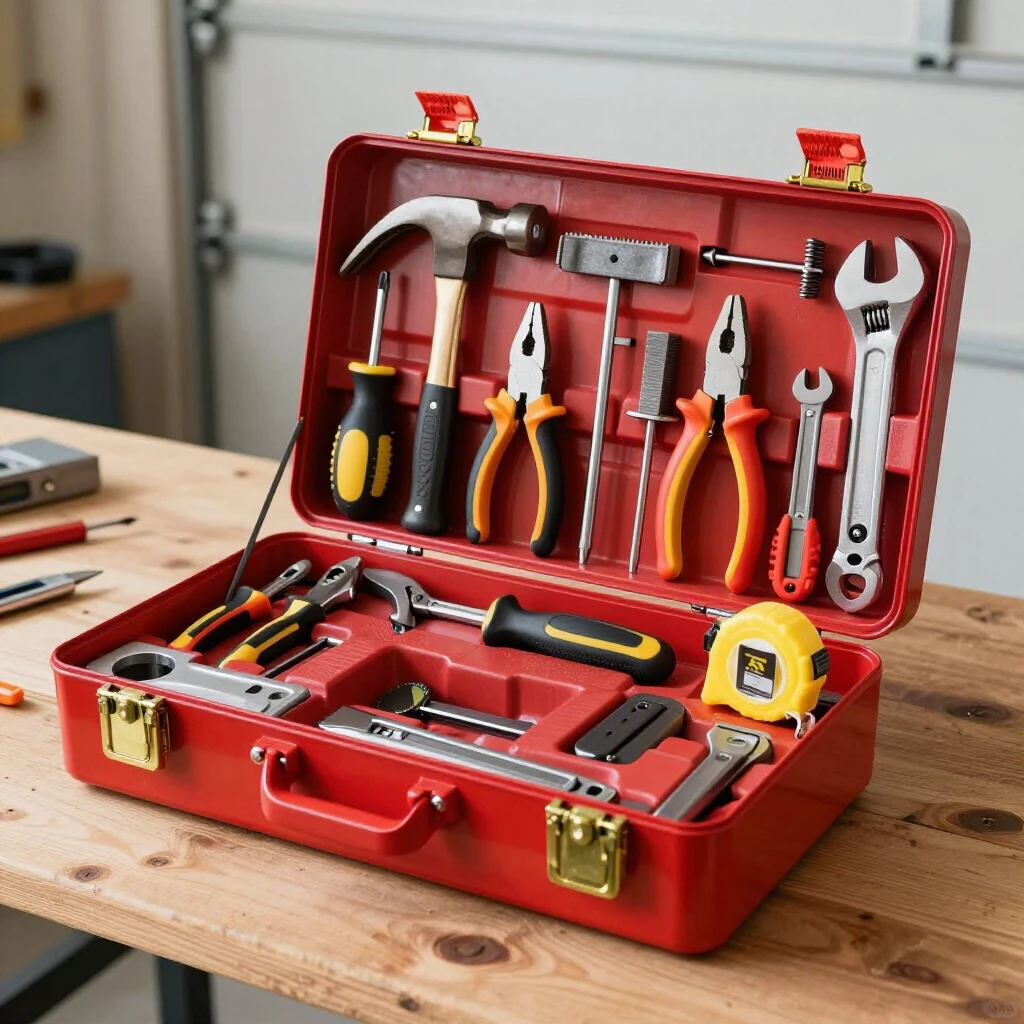
Cars first hit the roads in the late 1800s, and back then, fixing them was straightforward. Vehicles had simple engines and chassis, so mechanics relied on basic hand tools like screwdrivers, pliers, and hammers.
I remember hearing stories from older mechanics about those days. They carried small kits with just a few workman tools, enough to handle most roadside fixes. No fancy gadgets—just skill and elbow grease.
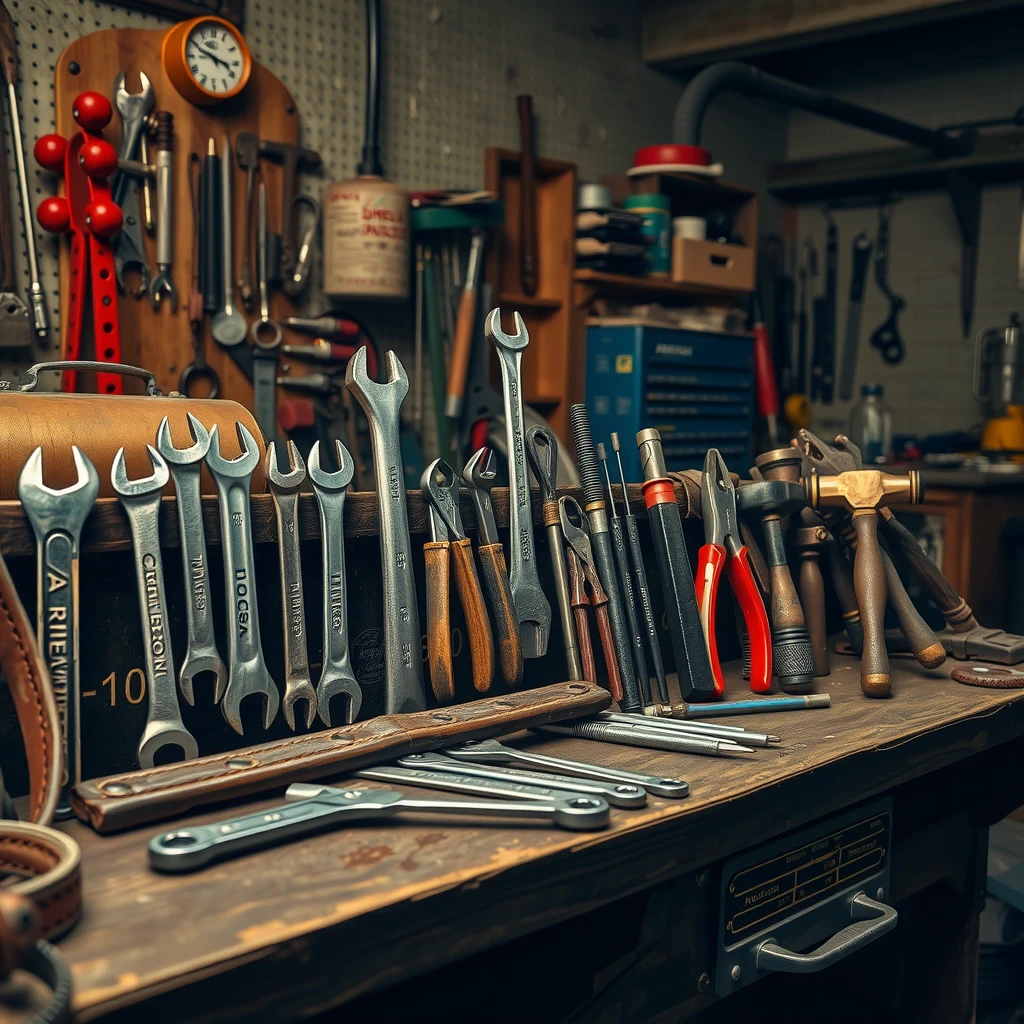
As cars became popular in the 1910s and 1920s, thanks to Henry Ford's assembly line, more people owned them. This boom created demand for better tool sets.
Standardization helped too. The Society of Automotive Engineers (SAE) played a big role by setting standards for parts and tools, making repairs more consistent across brands.
Learn more about SAE's contributions in this historical overview from SAE International's book on automotive technology evolution, which details how engineering standards shaped the industry.
By the mid-20th century, cars got more complex with features like automatic transmissions and power steering. Mechanics needed specialized tools.
Here's a quick list of key developments in that era:
- Pneumatic impact wrenches: Speeded up removing tight bolts.
- Timing lights: Helped set engine ignition precisely.
- Hydraulic jacks and lifts: Made working under cars safer and easier.
- Torque wrenches: Ensured bolts were tightened to exact specs, preventing damage.
These tool sets for automotive repairs became essential in professional garages. Brands like Snap-on and Craftsman started offering comprehensive kits that pros relied on.
In my experience tinkering with classic cars, using period-correct tools gives you appreciation for how far we've come. A simple ratchet from the 1950s feels solid, but modern ones are lighter and more precise.
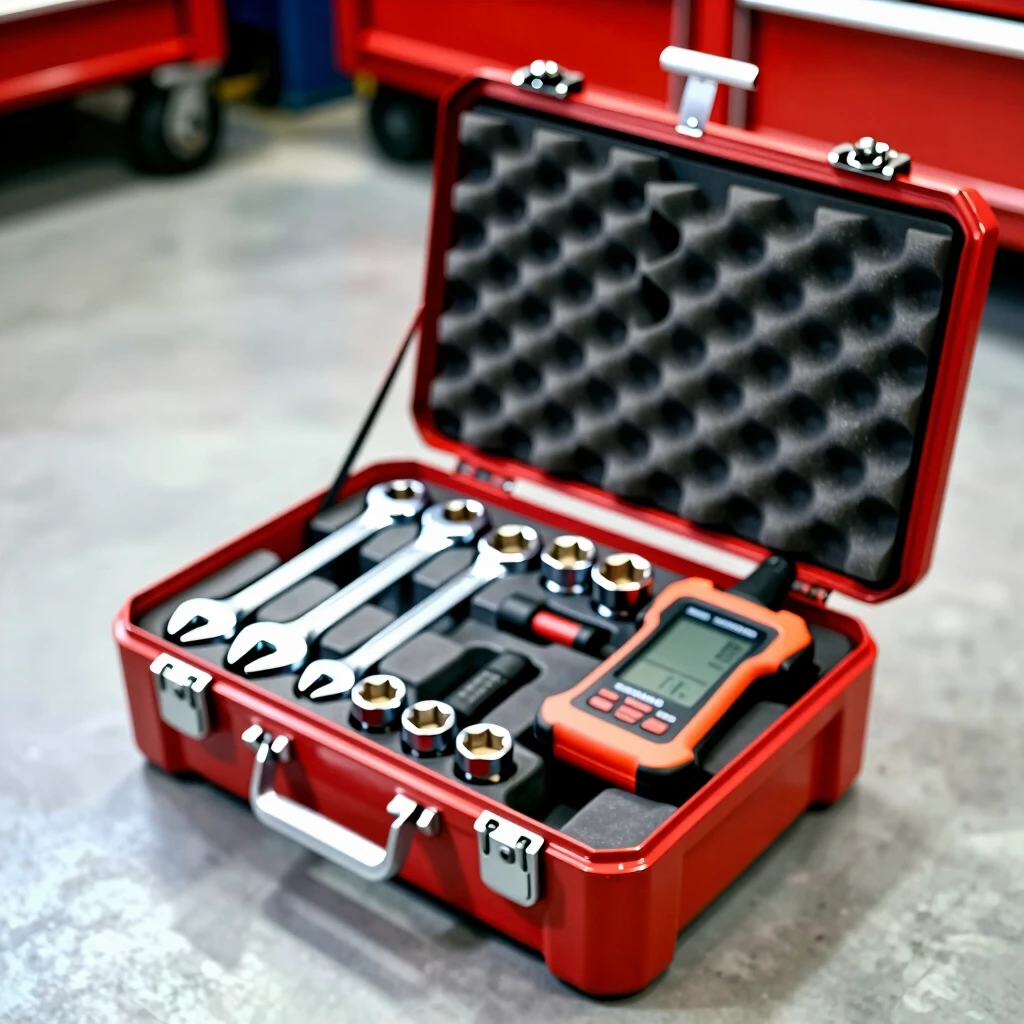
The real game-changer came in the 1980s with onboard computers in cars. Suddenly, you couldn't just listen to the engine—you needed to read error codes.
On-Board Diagnostics (OBD) systems led to the rise of scan tools. Early ones were basic, but today's OBD-II scanners connect to apps on your phone.
Electric and hybrid vehicles added new challenges. Tools now include insulated gear for high-voltage systems and software for battery management.
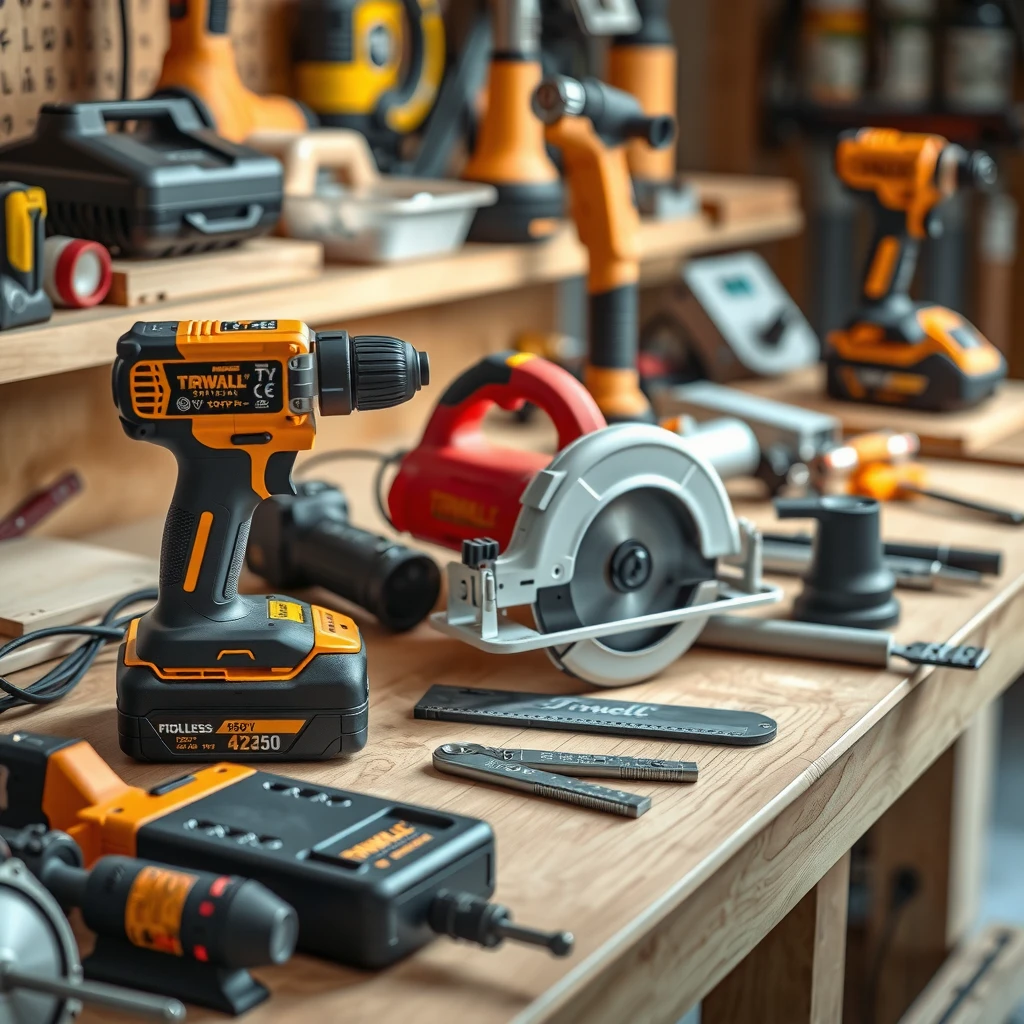
Power tools have evolved too. Cordless impacts and drills run on lithium batteries, giving freedom without cords. They've become staples in any good tool set.
According to industry insights, diagnostic tools have reduced repair times by up to 50% in many cases. For more on automotive technology's broader evolution, check this SAE handbook on automotive history.

Today, tool sets blend old and new. Pros use a mix of hand tools for feel and digital ones for precision.
If you're building your own kit:
- Start with basics: Good sockets, ratchets, and wrenches (both SAE and metric).
- Add torque wrenches for safety.
- Include a quality OBD scanner—even basic ones help DIYers.
- Don't forget safety gear like gloves and eye protection.
Investing in reliable workman tools pays off. Cheap ones break when you need them most.
For enthusiasts, comprehensive tool sets for automotive repairs make projects enjoyable and successful.
Looking ahead, augmented reality might overlay instructions on your view, or AI could predict failures before they happen.
The National Institute of Standards and Technology (NIST) discusses how precision tools support modern manufacturing, including automotive—see their resources on measurement standards in engineering.
Summary
The evolution of automotive tools shows human ingenuity at work. From simple beginnings to high-tech aids, they've made cars more reliable and repairs accessible. Whether you're a pro or weekend warrior, understanding this history helps you choose the right tools today.
Related The Evolution of Automotive Tools:
- Future Trends in Electric Vehicle Repair Tools: Smart, Safe & Essential for 2026
- Common Handyman Mistakes and How to Avoid Them
- Essential Workman Tools for Every Homeowner
- Essential Construction Tools for Masonry Work: A Complete Guide
- Essential Safety Tips for Construction Workers
- Guide to Eco-Friendly Painting
- Home Depot: How to Choose the Right Power Tools
- Essential Workman Tools for Beginners: Your Starter Guide to DIY Success
- Understanding Workplace Safety Standards: A Complete Guide for Every Worker
- Top 10 Power Tools Every DIY Enthusiast Should Own
- Top 10 Industrial Automation Trends in 2025 - StartUs Insights
- Ergonomic Power Drills for Reduced Fatigue: Your Guide to Comfortable and Efficient Drilling