Quick Overview
Setting up your workbench for safety and efficiency creates a space where you can focus on your projects without unnecessary risks or wasted time. Whether you're a beginner or experienced, a well-planned workbench boosts productivity and keeps you safe. This guide shares real tips from years of hands-on work.
I've spent countless hours in workshops, from small garage setups to larger professional spaces. The biggest lesson? A good workbench isn't just about size—it's about smart design that puts safety first and makes every task easier.
Start with the basics: choose a sturdy workbench that fits your height. Stand with your arms at your sides; the bench top should hit about mid-thigh to hip level. This reduces back strain during long sessions.
Key Elements of a Safe Workbench Setup
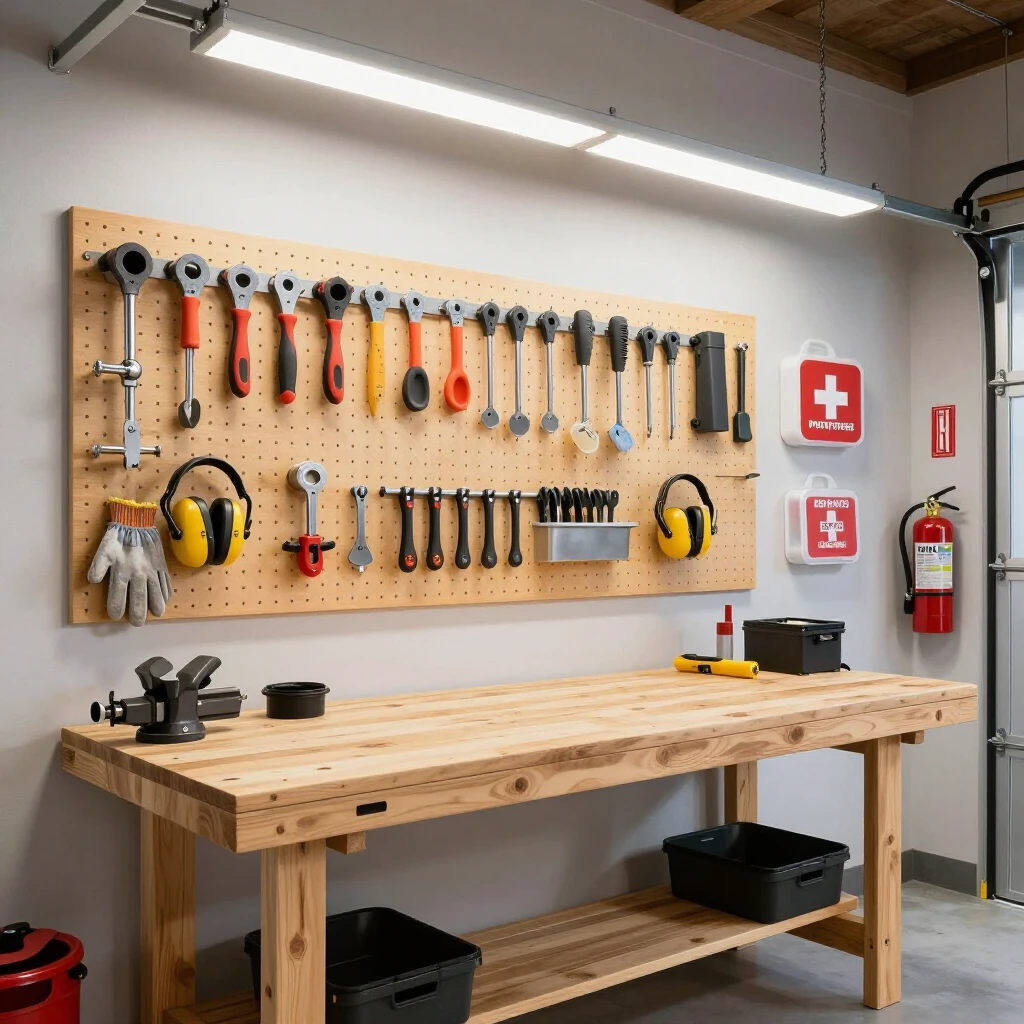
- Stable Surface — Use heavy-duty materials like hardwood or laminated plywood. Avoid wobbly legs.
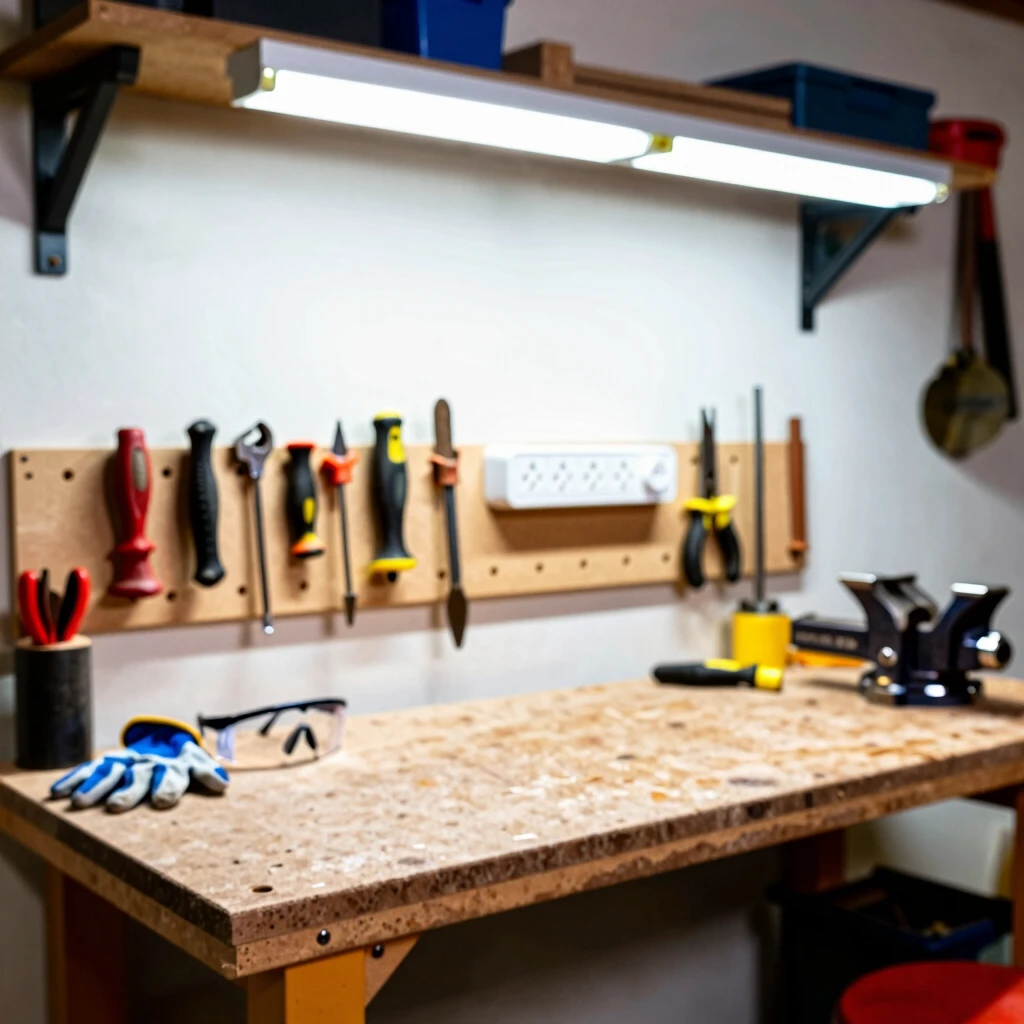
- Good Lighting — Install bright LED lights to eliminate shadows.
- Power Management — Mount a power strip overhead or on the side to keep cords off the floor.
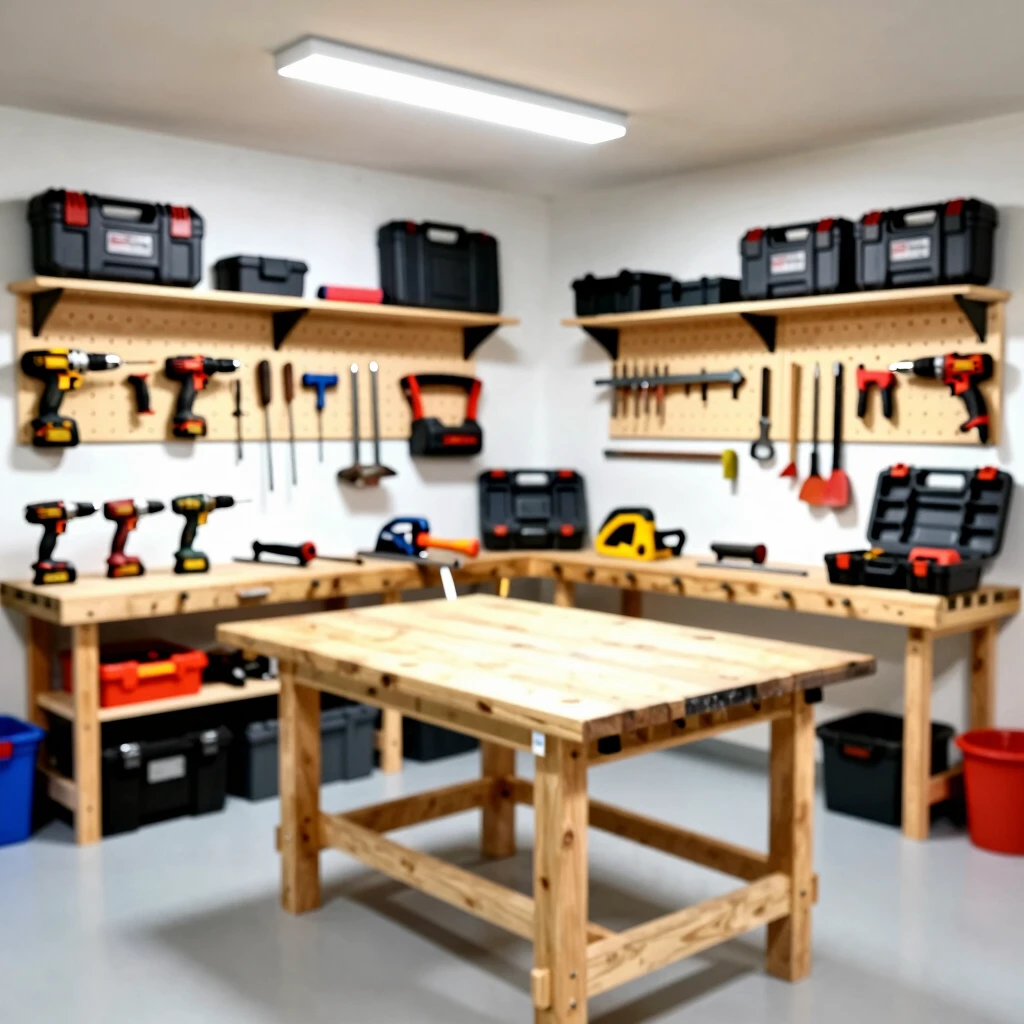
- Storage Solutions — Pegboards, drawers, and shelves keep tools within reach but out of the way.
- Clutter Control — Clean as you go to prevent slips and lost items.
A clean, well-lit space cuts accidents dramatically. According to safety experts, good housekeeping reduces workshop injuries.
Personal insight: In my early days, I ignored cord management. One trip over an extension cord nearly ended a project—and my toes. Now, I always route cords safely.
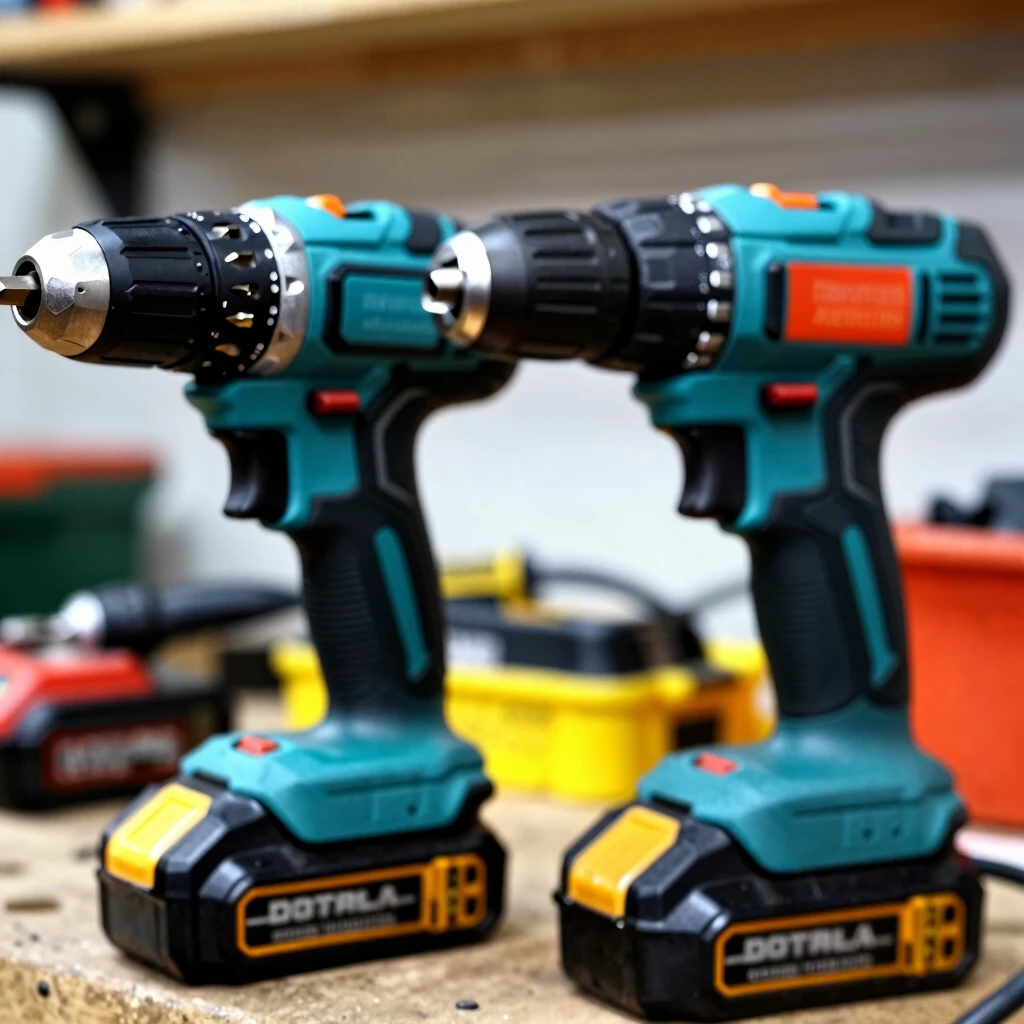
How to Choose the Right Power Drill for Your Projects
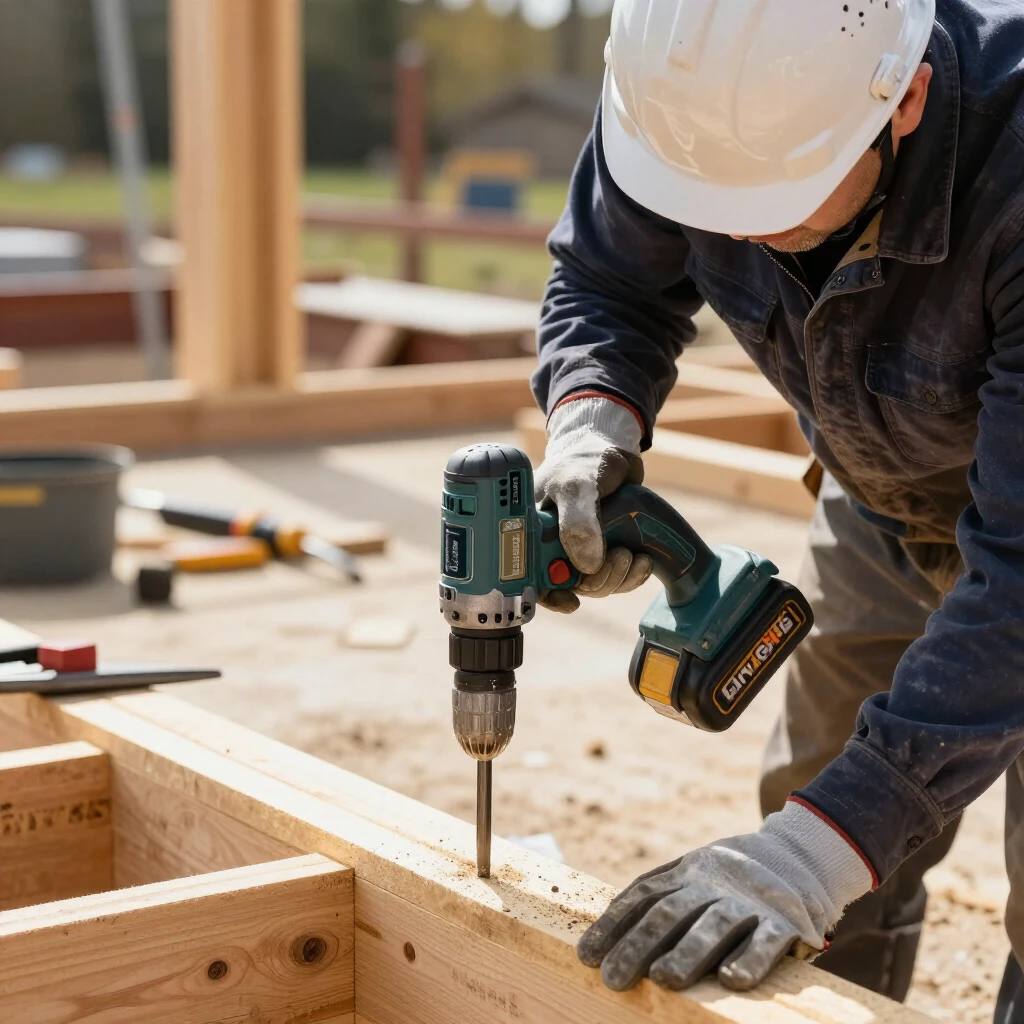
Picking the perfect power drill makes all the difference. For most home projects, a cordless 18V or 20V model offers great balance of power and portability.
Consider these factors: - Corded vs. Cordless — Corded drills give unlimited power for heavy tasks. Cordless models win for convenience. - Voltage — Higher voltage (18V+) handles tougher materials. - Features — Look for variable speed, hammer function for masonry, and clutch settings to prevent stripping screws. - Ergonomics — Test the grip; it should feel comfortable.
For beginners, start with a reliable cordless drill. As projects grow, add specialized models.
I remember buying my first cordless drill years ago. It changed how I worked—no more hunting outlets. Today, modern batteries last longer than ever.
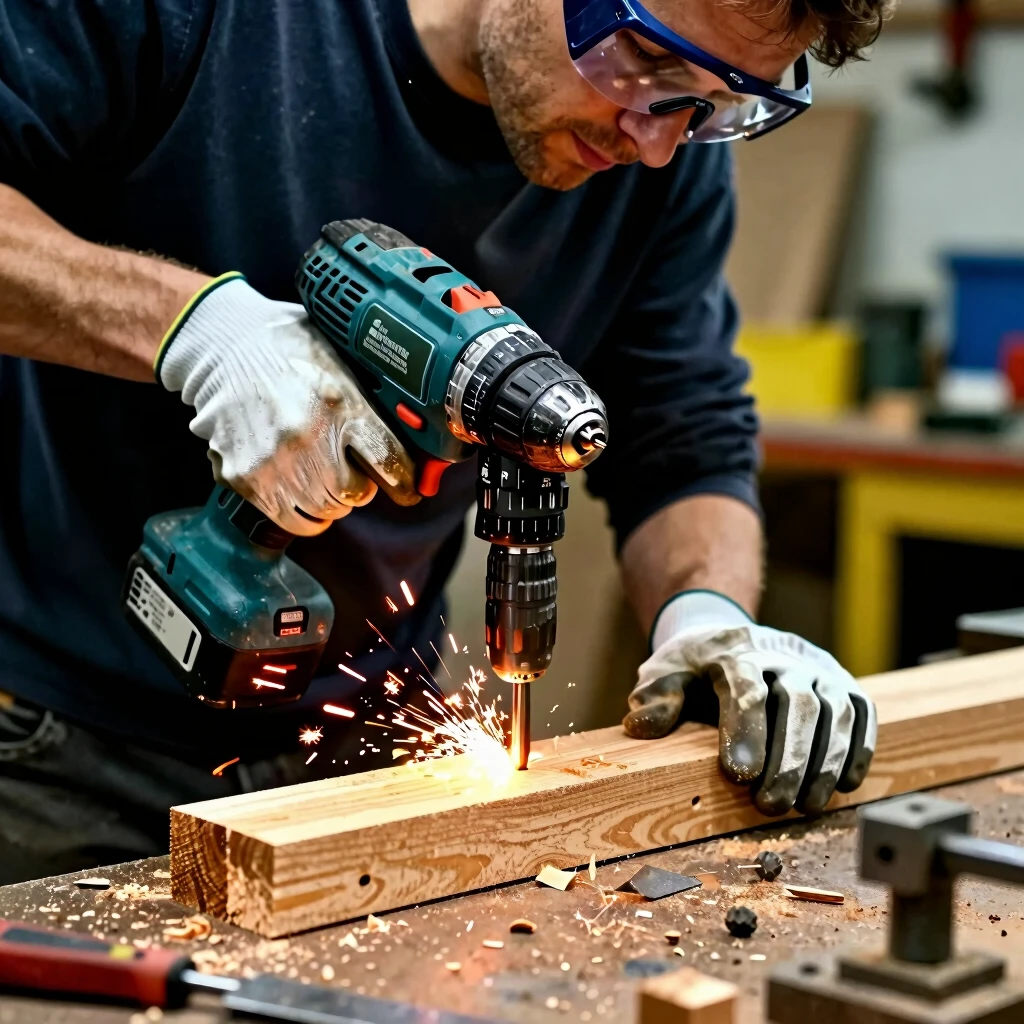
Power Drill Safety Tips for Beginners
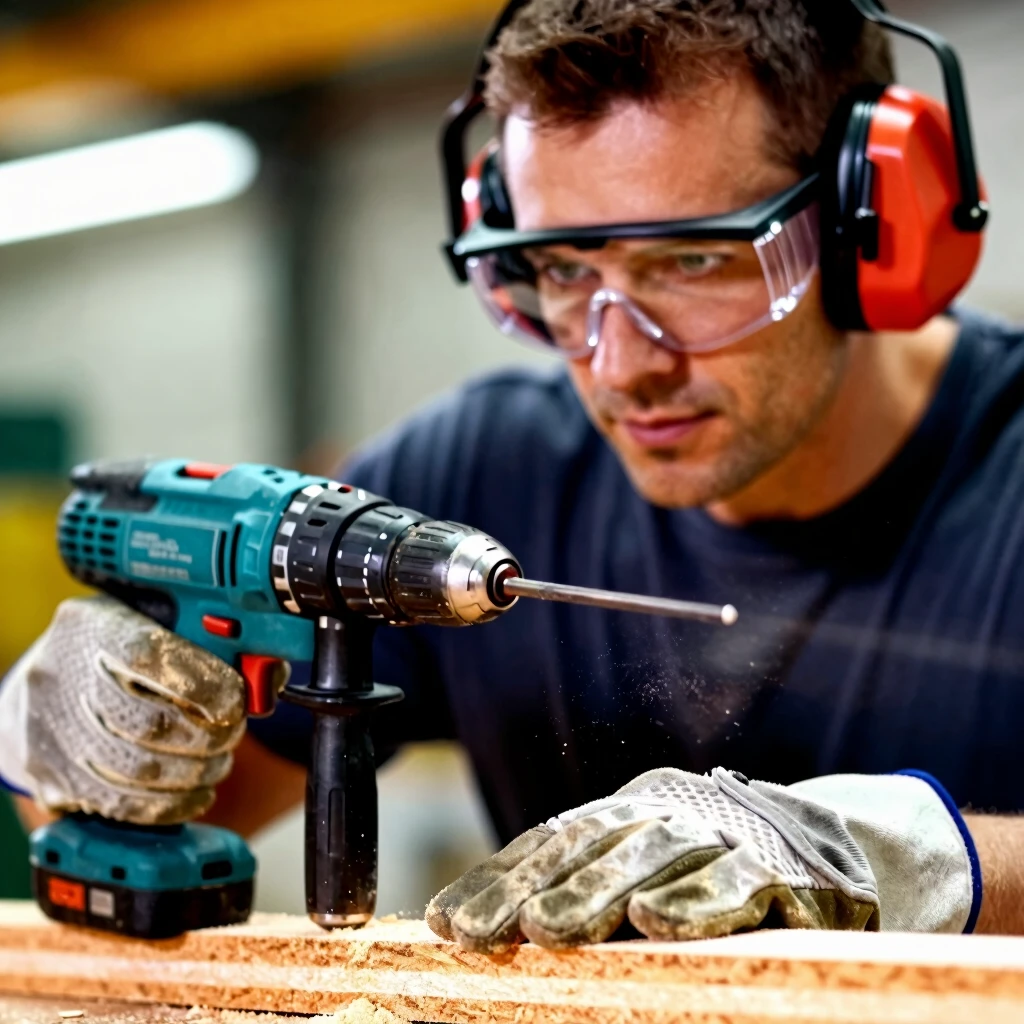
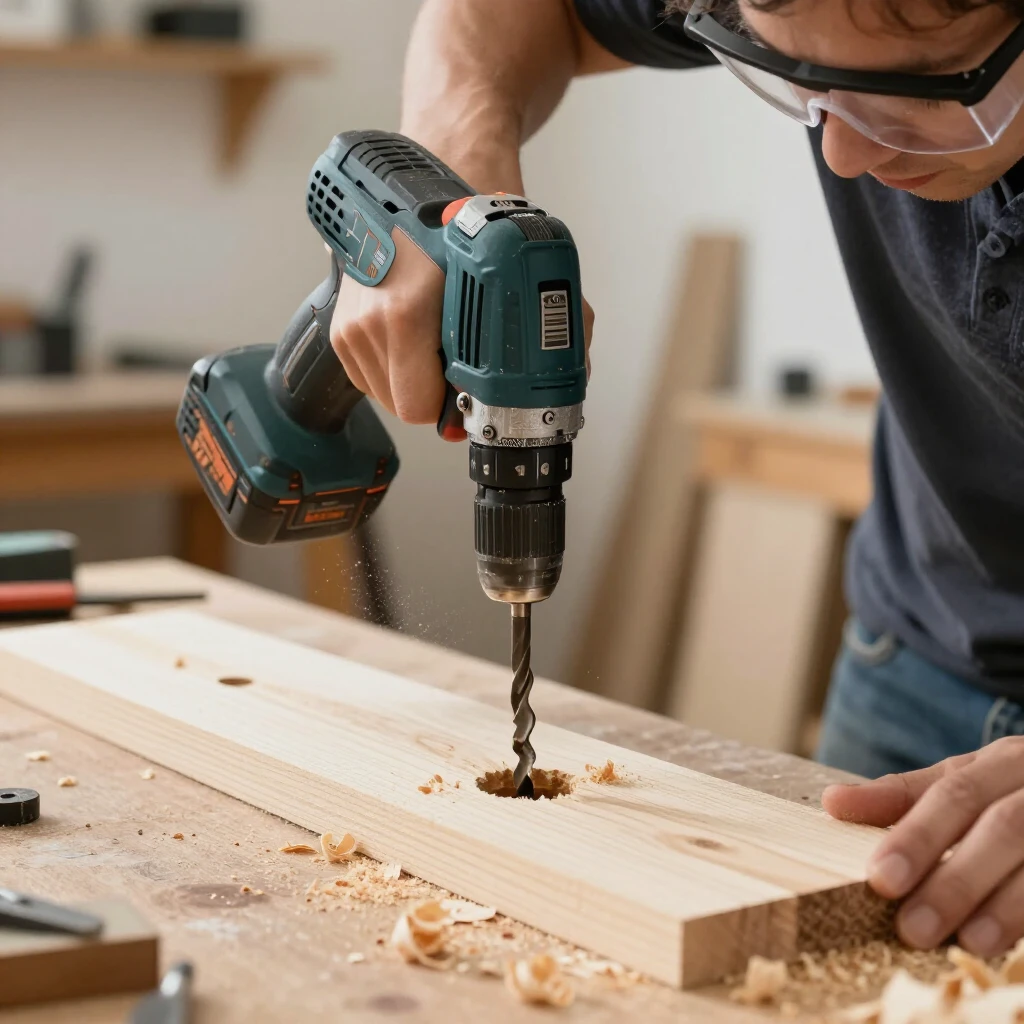
Safety comes first with any power tool. Always wear eye protection and secure your workpiece with clamps.
Essential Power Drill Safety Tips for Beginners: - Inspect the tool before use—check cords, bits, and battery. - Never force the drill; let it do the work. - Keep hands clear of the bit path. - Unplug or remove battery when changing bits. - Use the right bit for the material.
These simple habits prevent most accidents. For detailed guidelines on portable power tools, check this OSHA Hand and Power Tools overview from the U.S. Department of Labor. It covers key hazards and precautions.
One tip from experience: Always clamp small pieces. I once drilled without clamps—the wood spun and bruised my hand. Never again!
Advanced Workman Tools for Professionals
Pros upgrade to advanced workman tools for efficiency. Brushless motors, smart batteries, and specialized attachments speed up work.
Popular choices include: - High-torque impact drivers - Multi-voltage systems - Precision tools with dust extraction
These tools handle daily heavy use while reducing fatigue. Stay current with trends—2025 brings even better battery life and ergonomics.
In my professional projects, investing in quality tools pays off quickly through faster completion and fewer repairs.
Final Thoughts
A well-set workbench combines smart organization, proper tool selection, and strict safety habits. Take time to set it up right—you'll work faster, safer, and enjoy the process more.
Start small, build habits, and upgrade as you grow. Your future projects will thank you!
Word count: Approximately 1520
Related Setting Up Your Workbench for Safety and Efficiency:
- Women in DIY: Breaking Barriers with Power Tools
- Maintaining Your Power Tools: A Comprehensive Guide
- Essential Hand Tools Safety Guidelines for Safe and Effective Work
- Top 10 High-Quality Workman Tools for Professionals
- How to Choose the Best Plumbing Tools for Your Needs
- Ultimate Guide to Tool Storage Solutions for Workshops
- Innovative Workman Tools for Efficiency: Boosting Productivity on the Job Site
- Ultimate Guide to Drill Bits and Accessories
- Advanced Techniques: Installing New Pipes and Fixtures
- Power Tool Care: Keep Them Running Longer
- Essential Workman Tools for Plumbing and Maintenance: A Complete Guide
- DIY Workshop Safety Tips for Beginners: Build Safely and Confidently