Overview
Upgrading your home's plumbing with new pipes and fixtures can improve water flow, reduce leaks, and modernize your space. This guide covers advanced techniques for installing new pipes and fixtures, helping DIY enthusiasts achieve professional results safely and efficiently.
Plumbing projects go beyond simple fixes. When you dive into advanced techniques like installing new pipes and fixtures, you take control of your home's water system. I've tackled several of these upgrades myself, from replacing old galvanized pipes with modern PEX to installing sleek new faucets. The key is preparation, the right tools, and patience.
Before starting any major work, assess your current setup. Old pipes might corrode or restrict flow, leading to low pressure or bursts. New fixtures, like low-flow faucets or efficient toilets, save water and money. Always check local building codes—some areas require permits for pipe replacements.
Choosing the Right Materials
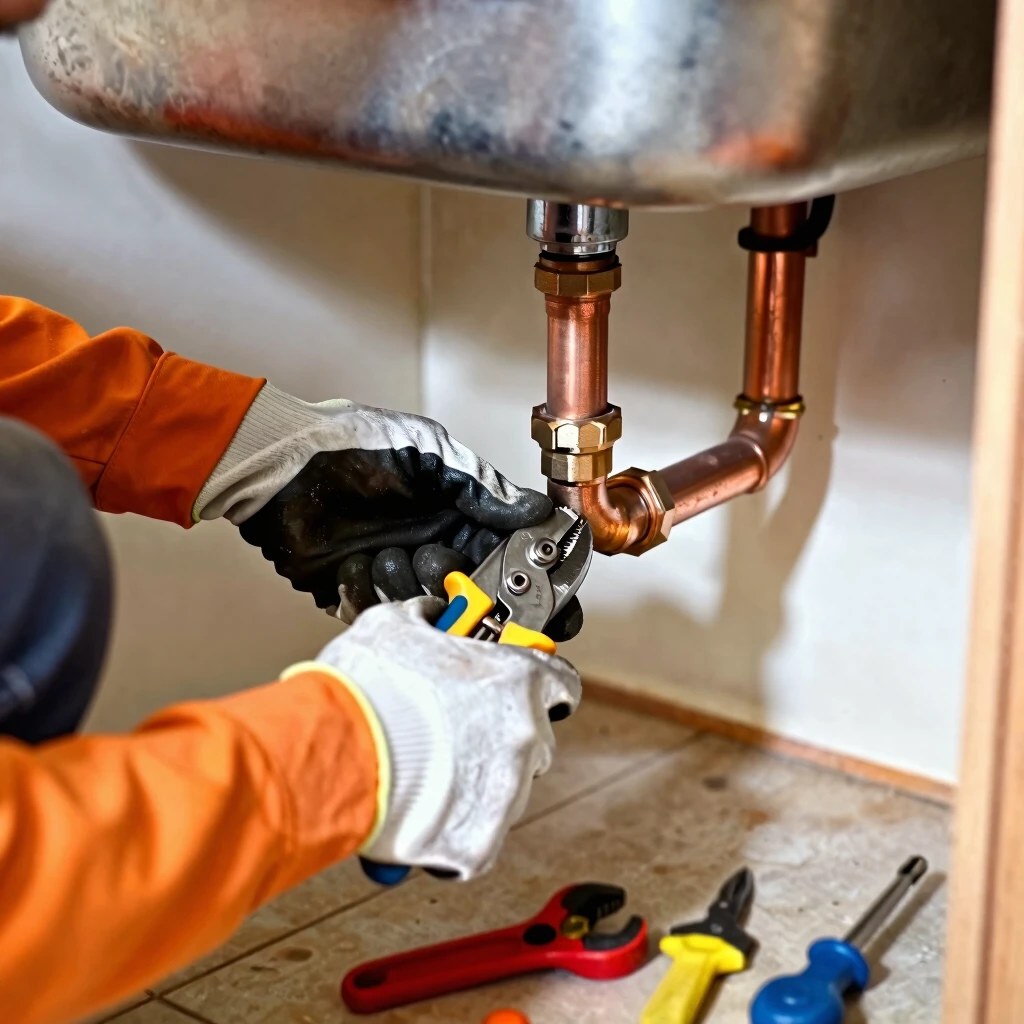
Modern plumbing offers great options. Copper pipes last decades and resist bacteria, but they're pricier and require soldering skills. PEX (cross-linked polyethylene) is flexible, easier to install, and freeze-resistant—perfect for DIYers. CPVC works well for hot water lines.
For fixtures, choose based on needs. Brass or stainless steel faucets endure daily use. Look for WaterSense-labeled products to cut water bills.
In my experience, switching to PEX saved hours compared to rigid copper. It snakes through walls without many joints, reducing leak risks. Always use manufacturer-approved fittings for secure connections.
How to Choose the Best Plumbing Tools for Your Needs
Success starts with proper tools. Choosing the right tools for your plumbing needs makes jobs smoother and safer. Don't buy everything at once—start with essentials and add as projects grow.
Top 10 Plumbing Tools Every DIYer Should Own
Here's my list of must-haves, built from years of trial and error:
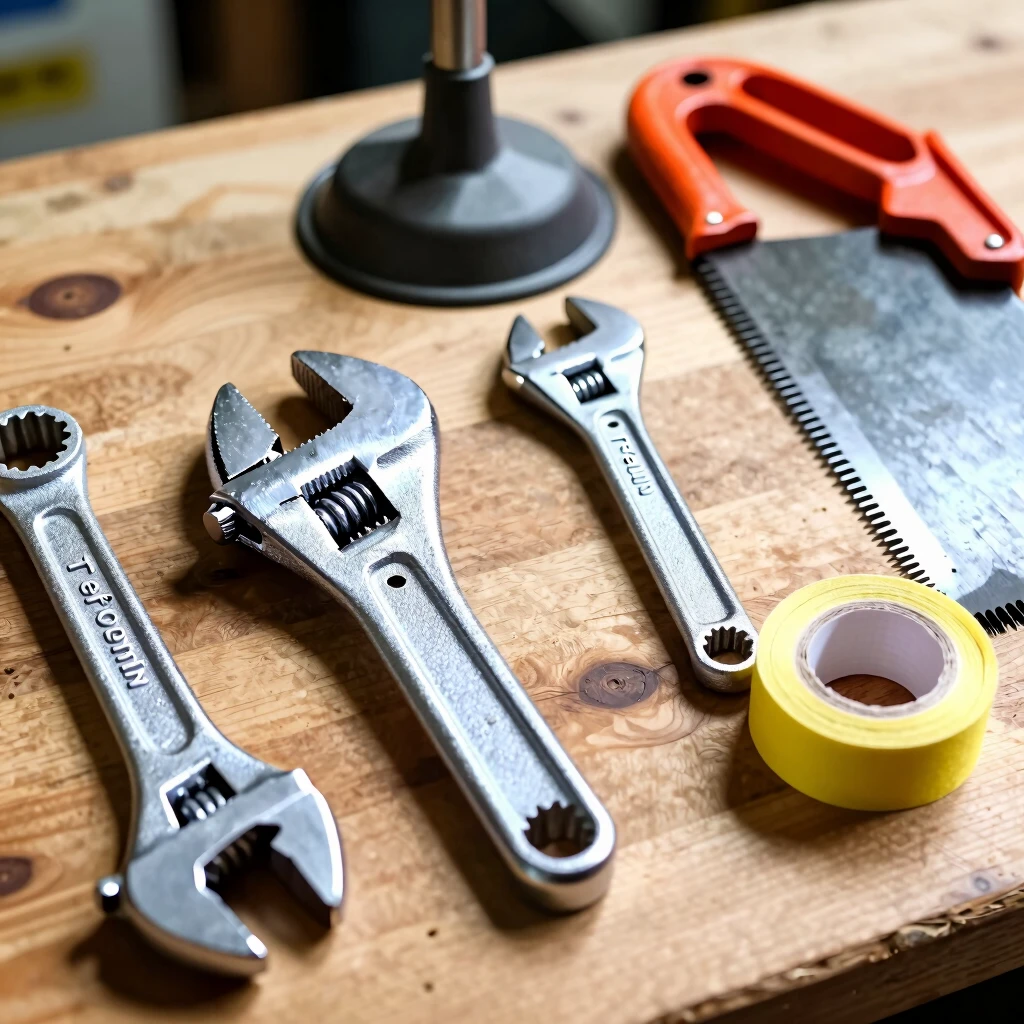
- Adjustable wrench – Grips various sizes without slipping.
- Pipe wrench – Provides leverage for stubborn fittings.
- Pipe cutter – Delivers clean, straight cuts on copper or PEX.
- Hacksaw – Handles tough cuts when cutters fall short.
- Plunger – Clears basic clogs quickly.
- Plumber's tape (Teflon tape) – Seals threaded connections leak-free.
- Basin wrench – Reaches tight spots under sinks.
- Tubing bender – Prevents kinks in soft pipes.
- Propane torch – Essential for soldering copper joints.
- PEX crimp tool – Secures PEX connections reliably.
Invest in quality brands like Ridgid or Milwaukee—they last longer and perform better. Cheap tools often strip fittings or fail mid-job, costing more in the end.
Preparing for Installation
Turn off the main water supply first. Drain remaining water by opening faucets. Clear the work area and protect floors with drop cloths.
Gather materials: pipes, fittings, shut-off valves, and flux/solder if needed. Measure twice—accurate cuts prevent waste and leaks.
For pipe runs, plan the route to minimize bends and joints. Use straps or clamps every 4-6 feet to secure pipes and reduce noise.
Advanced Pipe Installation Techniques
Working with PEX: Cut with a dedicated cutter for square ends. Use crimp rings or cinch clamps—I've found cinch tools easier for beginners. Push-fit connectors like SharkBite speed up repairs without special tools.
Copper Soldering: Clean pipes and fittings with emery cloth. Apply flux, assemble, and heat evenly with a torch. Feed solder until it flows fully around the joint. Let cool undisturbed.
A pro tip: Support pipes properly to avoid stress on joints. In cold climates, insulate pipes to prevent freezing.
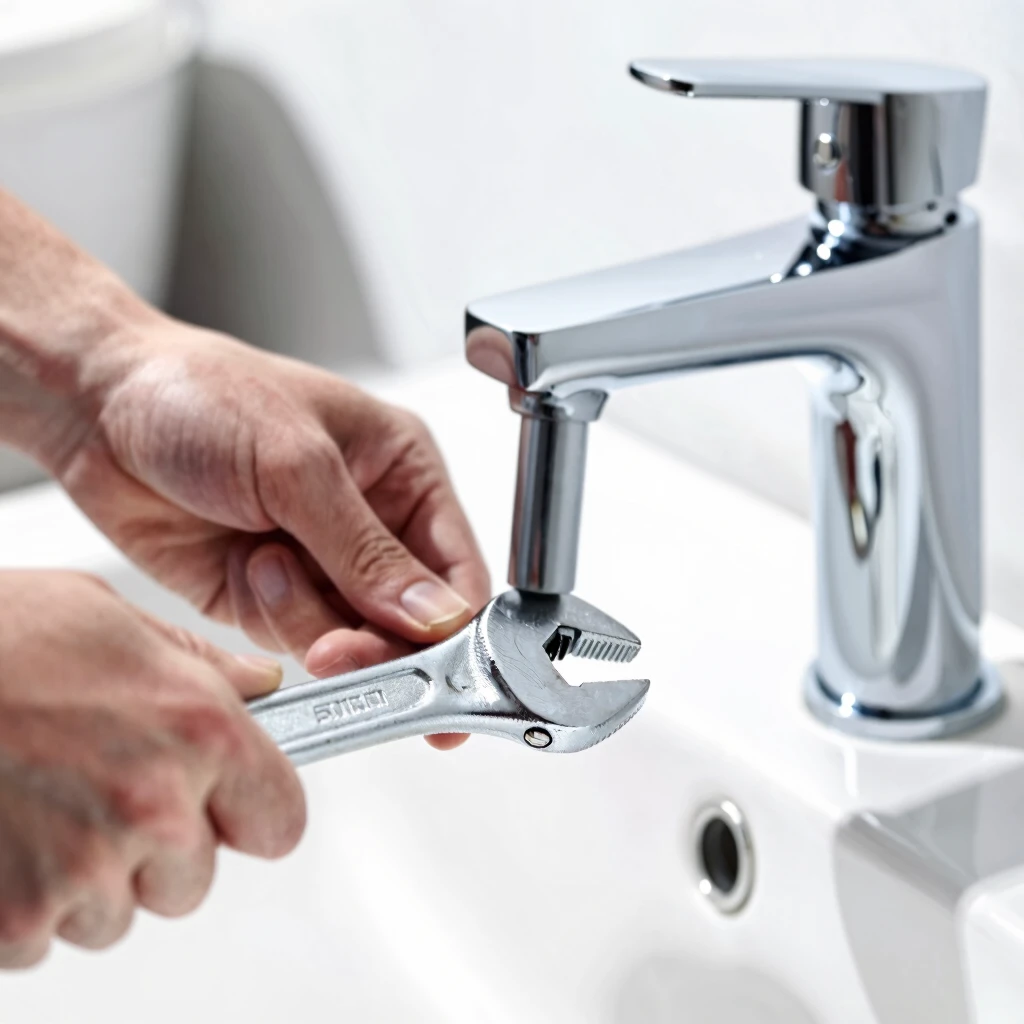
Installing New Fixtures
Faucets and showerheads seem simple, but details matter.
Remove old fixtures carefully to avoid damaging surfaces. Clean mounting areas thoroughly.
Apply plumber's putty or silicone under decorative plates. Hand-tighten nuts first, then use a wrench with tape to protect finishes.
For kitchen faucets with sprayers, route hoses carefully to avoid kinks.
Test for leaks gradually. Turn water on slowly and check all connections. Tighten as needed, but avoid over-tightening which can crack parts.
Common Mistakes to Avoid
Rushing preparation leads to issues. Always deburr cut pipe ends—sharp edges damage seals.
Don't mix pipe types without proper transitions. Galvanized to copper needs dielectric unions to prevent corrosion.
Overtightening plastic fittings strips threads easily.
If you're new to plumbing, practice on scraps first. One leaky joint can cause major water damage.
While this guide focuses on advanced work, remember basics. For a Beginner’s Guide to Fixing Common Plumbing Issues, start with simple tasks like unclogging drains before tackling installations.
Safety First
Wear safety glasses and gloves. When soldering, use a fire-resistant mat and have an extinguisher nearby.
Work in well-ventilated areas, especially with solvents or torches.
If unsure about gas lines or major repiping, call a licensed plumber. Some jobs require professional expertise.
Final Thoughts
Mastering advanced techniques for installing new pipes and fixtures boosts your home's value and your confidence. Start small, use quality tools, and learn from each project. With practice, you'll handle upgrades like a pro while saving thousands on labor costs.
Related Advanced Techniques: Installing New Pipes and Fixtures:
- How to Choose the Best Plumbing Tools for Your Needs
- Power Tool Care: Keep Them Running Longer
- Essential Workman Tools for Plumbing and Maintenance: A Complete Guide
- DIY Workshop Safety Tips for Beginners: Build Safely and Confidently
- The Importance of High-Visibility Workwear
- Top 10 Accessories for Your Power Drill That Will Transform Your DIY Projects
- Essential Workshop Equipment Maintenance Tips for Longevity and Safety
- How to Choose the Right Oil for Your Car: A Beginner’s Guide
- A Beginner’s Guide to Building Your Construction Tool Kit
- Troubleshooting Power Washer Problems: A Complete Guide
- Organizing Workman Tools in a Small Space: Smart Solutions for Tight Workshops
- Top Maintenance Tips for Extending Tool Lifespan