A Quick Overview
High-visibility workwear saves lives by making workers easy to spot in dangerous environments. From construction sites to roadways, this gear reduces accidents and meets safety rules. In this guide, we explore its key role and practical advice.

High-visibility workwear, often called hi-vis gear, plays a vital role in keeping workers safe. You see it everywhere—on road crews, in warehouses, and at construction zones. Bright colors like fluorescent yellow or orange catch the eye during the day, while reflective strips shine under headlights at night.
Why does this matter so much? Accidents happen fast when visibility is low. Drivers or machine operators might not see someone in time. Studies show that proper hi-vis clothing can cut down struck-by incidents significantly.
The importance of high-visibility workwear goes beyond just looking bright. It follows standards set by organizations like OSHA and ANSI. OSHA requires workers near traffic or moving equipment to wear hi-vis apparel. ANSI/ISEA 107 classifies gear into classes based on risk levels:
- Class 1: For low-risk areas, like parking lots.
- Class 2: For moderate risks, such as near traffic under 50 mph.
- Class 3: For high-risk spots, with more reflective material for speeds over 50 mph or bad weather.
Choosing the right class keeps everyone compliant and protected.
I remember working on a road project years ago. One foggy morning, a truck nearly missed spotting a coworker because his old vest had faded. That close call made me realize how crucial fresh, standards-compliant gear is. Always check labels for ANSI compliance—it's a small step that makes a big difference.

This ties into a comprehensive guide to workwear and safety gear. Beyond vests, think about full outfits: jackets, pants, and even gloves with reflective bits. Pair hi-vis with hard hats, boots, and tool belts for complete protection.
Tool belts are handy for keeping essentials close. Look for tool belts with customizable pockets—they let you organize hammers, tapes, and screws just how you need them. Durable tool belts save time and reduce trips back to the truck.
Top Tips for Cleaning and Storing Workwear
Dirty hi-vis gear loses its power. Grime dims colors and blocks reflection. Follow these steps to keep it effective:
- Read the label first: Every garment has specific instructions.
- Wash in cold water: Hot water fades colors and damages reflective tape.
- Use mild detergent: Skip bleach or fabric softeners—they harm materials.
- Turn inside out: Protects reflective strips during washing.
- Air dry preferred: Hang away from direct sun to avoid fading. Low-heat tumble dry if needed, but remove while damp.
- Spot clean stains quickly: Use a soft cloth and mild soap for grease or paint.
Store in a cool, dry place. Fold or hang neatly—never cram into tight spaces where creases form.
Replace gear when it fades or tears. Most hi-vis items last 25-50 washes before losing effectiveness. Regular checks ensure it still meets standards.
Adding tool belts with customizable pockets to your setup boosts efficiency. These belts distribute weight evenly and keep tools secure, reducing fatigue on long shifts.
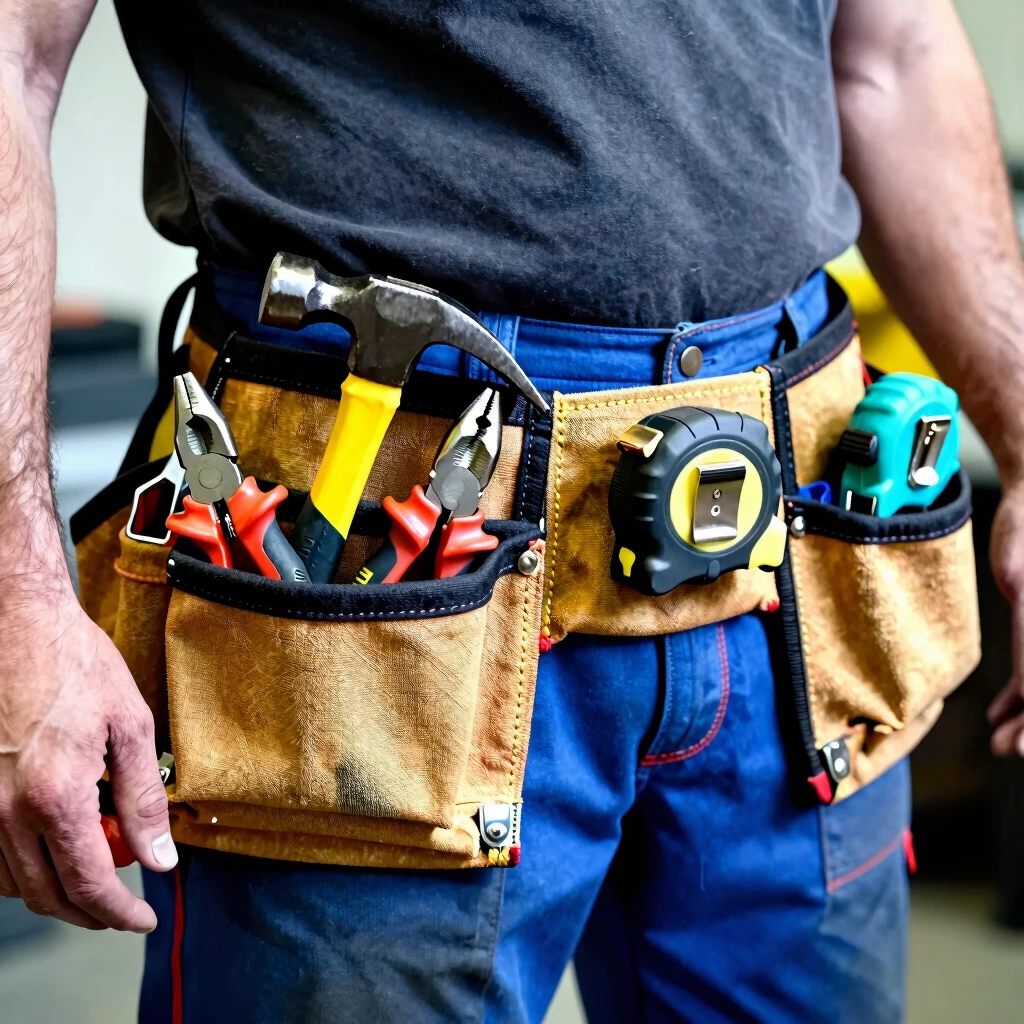
In my experience, investing in quality hi-vis and accessories pays off. A good tool belt not only holds gear but prevents drops that could cause hazards. Combine that with well-maintained hi-vis, and you create a safer, smoother workday.
Why It All Matters
The importance of high-visibility workwear boils down to one thing: coming home safe. It protects you from vehicles, machinery, and low-light risks. Employers must provide it, and workers should wear it properly—fastened and uncovered.
Follow OSHA guidelines and ANSI standards for peace of mind. Simple habits like proper cleaning extend gear life and maintain safety.
High-visibility workwear isn't just clothing—it's a lifeline. Stay visible, stay safe, and take care of your gear. With the right choices and maintenance, you reduce risks and work confidently.
Related The Importance of High-Visibility Workwear:
- Top 10 Accessories for Your Power Drill That Will Transform Your DIY Projects
- Essential Workshop Equipment Maintenance Tips for Longevity and Safety
- How to Choose the Right Oil for Your Car: A Beginner’s Guide
- A Beginner’s Guide to Building Your Construction Tool Kit
- Troubleshooting Power Washer Problems: A Complete Guide
- Organizing Workman Tools in a Small Space: Smart Solutions for Tight Workshops
- Top Maintenance Tips for Extending Tool Lifespan
- Top Paint Brands Review 2025 - /top-paint-brands-review
- Beginner’s Guide to Woodworking Projects: Start Building with Confidence
- Ultimate Guide to Hand Tools Storage Solutions
- How to Maintain Your Favorite Hand Tools
- Choosing the Right Tool for the Job: A Guide to Better Work and Less Strain