Quick Overview
Choosing the right tool for the job isn't just about getting things done—it's about doing them safely and comfortably. Using ergonomic hand tools for reduced strain can prevent pain, boost efficiency, and save your hands for years to come. In this guide, we explore how to pick the best hand tools and workman tools for any task.
Why Choosing the Right Tool for the Job Matters
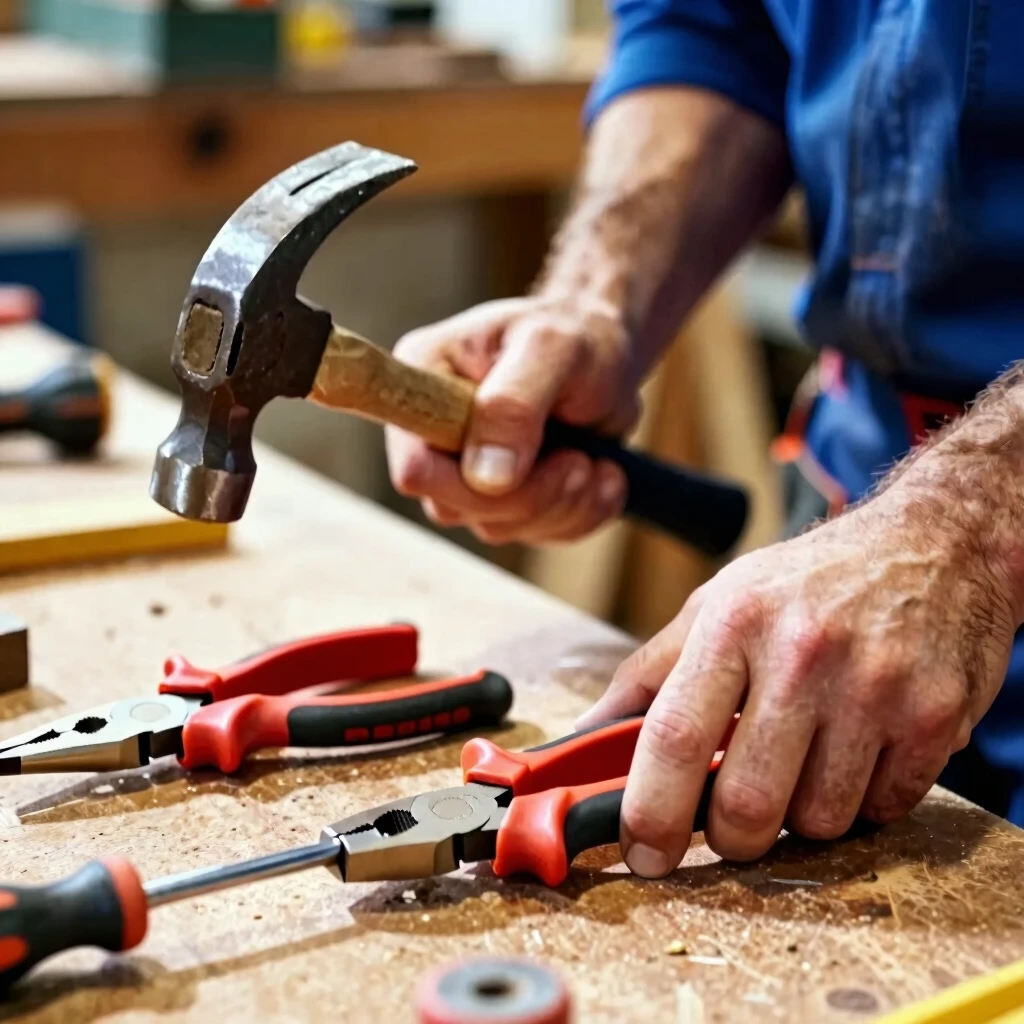
I've spent years working on home projects, helping friends with repairs, and even doing some light carpentry. One lesson stands out: the wrong tool makes everything harder. A cheap screwdriver slips, forcing your wrist into odd angles. Your hand tires quickly, and pain follows.
The right tool fits the task and your body. It lets you work naturally. This simple choice reduces mistakes and keeps you going longer without fatigue.
According to safety experts at NIOSH and Cal/OSHA, poor tool choice leads to injuries like carpal tunnel syndrome or tendonitis over time. The good news? You can avoid most of these problems by picking smart.
Understand Your Task First
Before buying or grabbing any hand tools, ask a few questions:
- What exact job am I doing? (Tight spaces? Heavy force? Precision?)
- How long will I use the tool?
- Do I need power or just steady control?
For example, driving a nail needs a hammer with good balance. Tightening screws in a cramped spot calls for a short, stubby screwdriver. Matching the tool to the task is the first step in choosing the right tool for the job.
The Power of Ergonomic Hand Tools for Reduced Strain
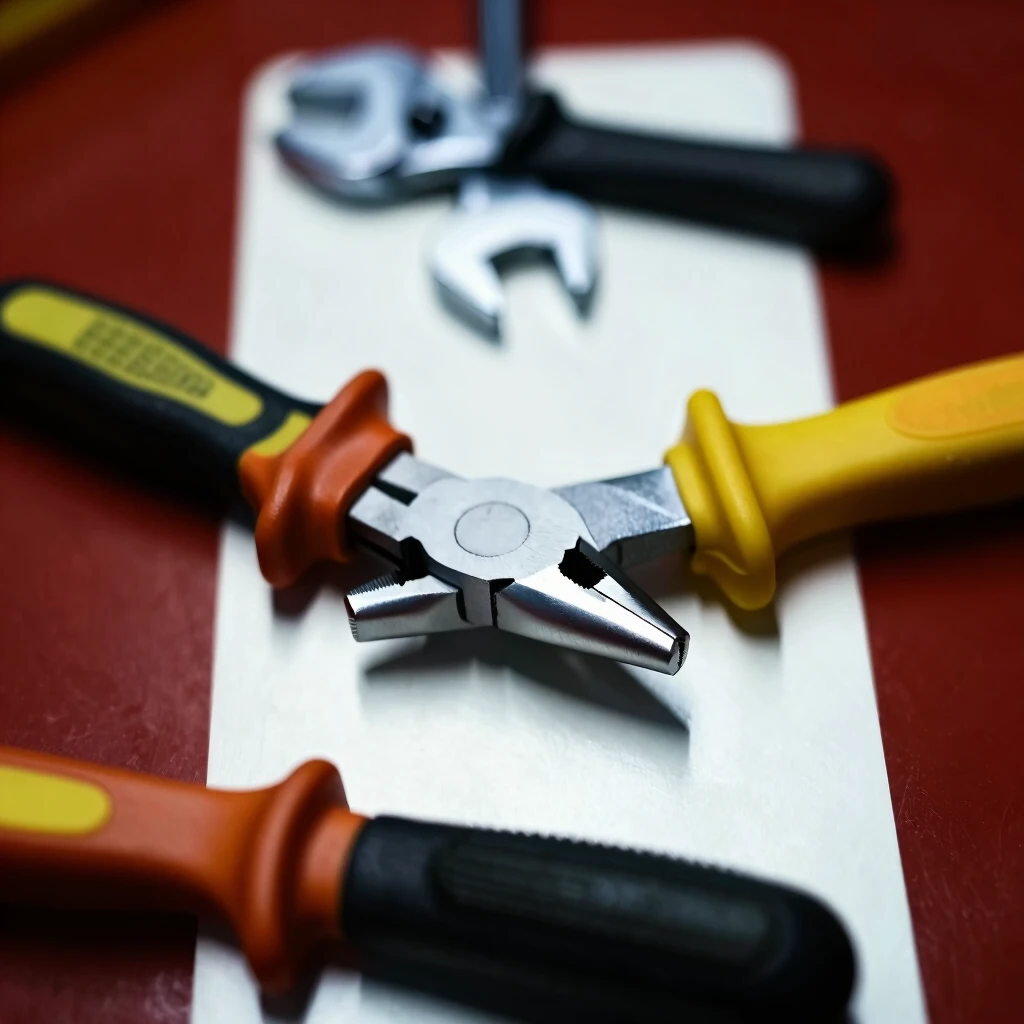
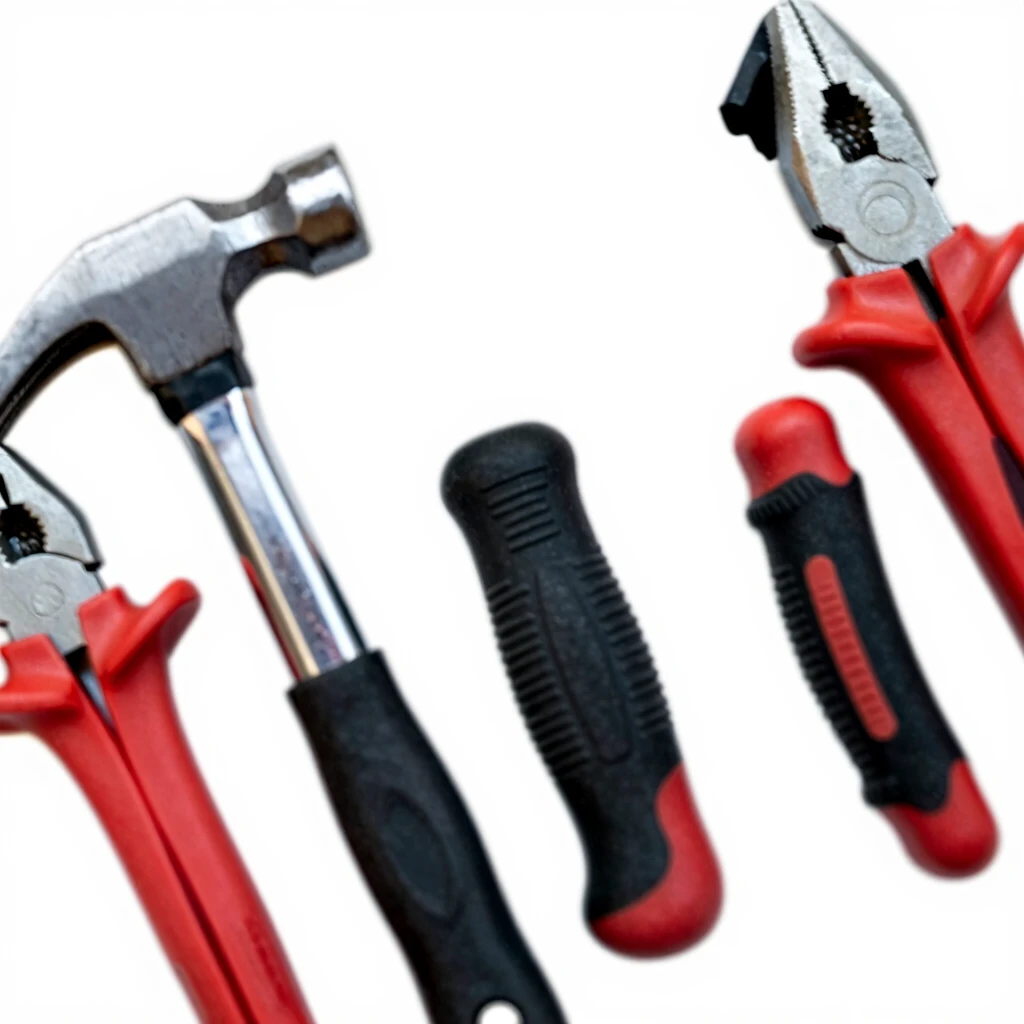
Ergonomic hand tools are built with your body in mind. They feature:
- Padded or soft grips to absorb shock and prevent slips
- Angled handles that keep your wrist straight
- Balanced weight so you don't fight the tool
- Non-slip surfaces for better control
These features cut down on strain during long sessions. I've used regular pliers for hours and felt hand cramps. Switching to ergonomic versions with spring-loaded handles made a huge difference—less force needed, less pain afterward.
Key Features to Look for in Workman Tools
When shopping for hand tools, check these points:
| Feature | Why It Helps | Best For |
|---|---|---|
| Soft, cushioned grip | Reduces vibration and pressure points | Long-term use |
| Straight or slightly angled handle | Keeps wrist neutral, avoids bending | Repetitive tasks |
| Proper grip span | 1-3 inches for double-handled tools | Cutting or gripping |
| Lightweight materials | Less arm fatigue | Overhead or extended work |
| Spring return | Opens automatically, less effort | Pliers and snips |
Avoid tools with fixed finger grooves—they rarely fit everyone perfectly. Go for smooth, padded handles instead.
Real-Life Examples from My Workshop
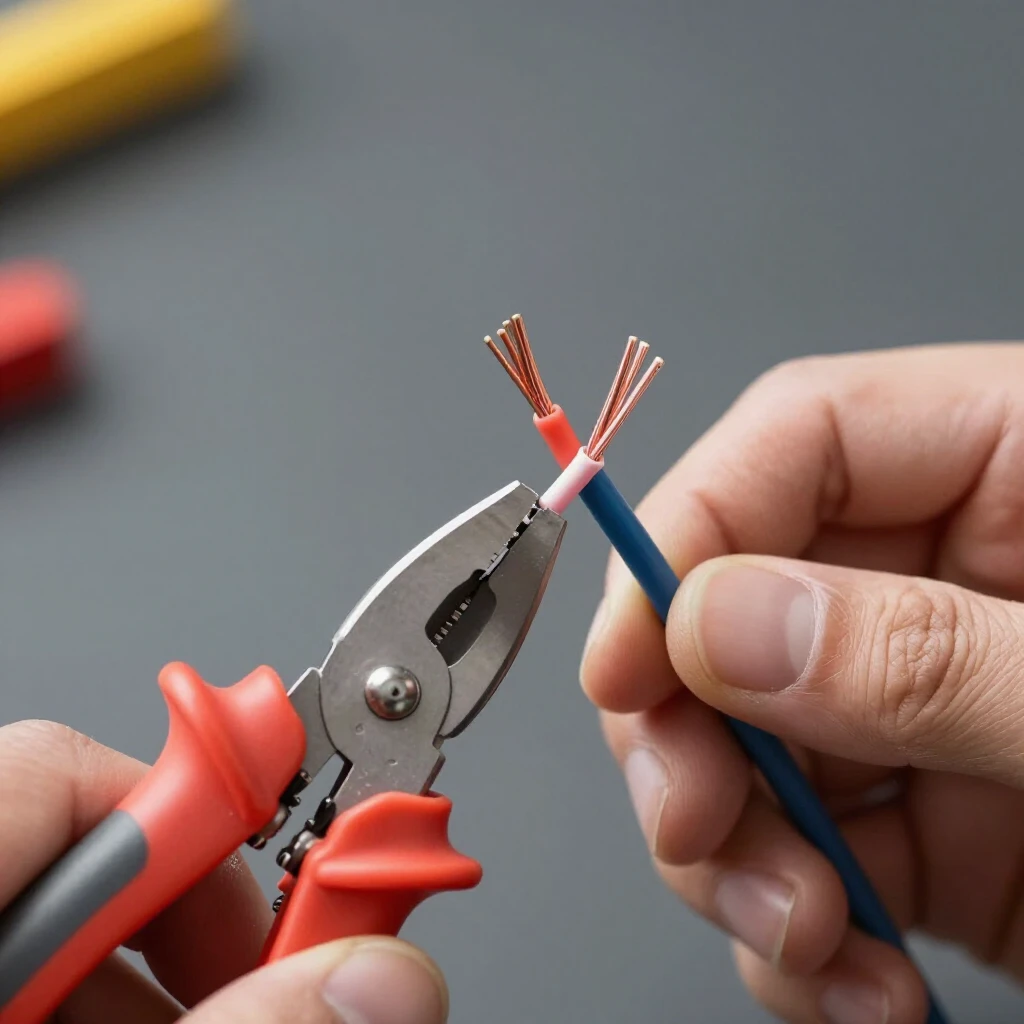
Once, I tried to cut thick wire with small, cheap pliers. My hands ached after 10 minutes. I switched to heavy-duty, ergonomic pliers with wide grips. The job finished faster, and my hands felt fine at the end of the day.
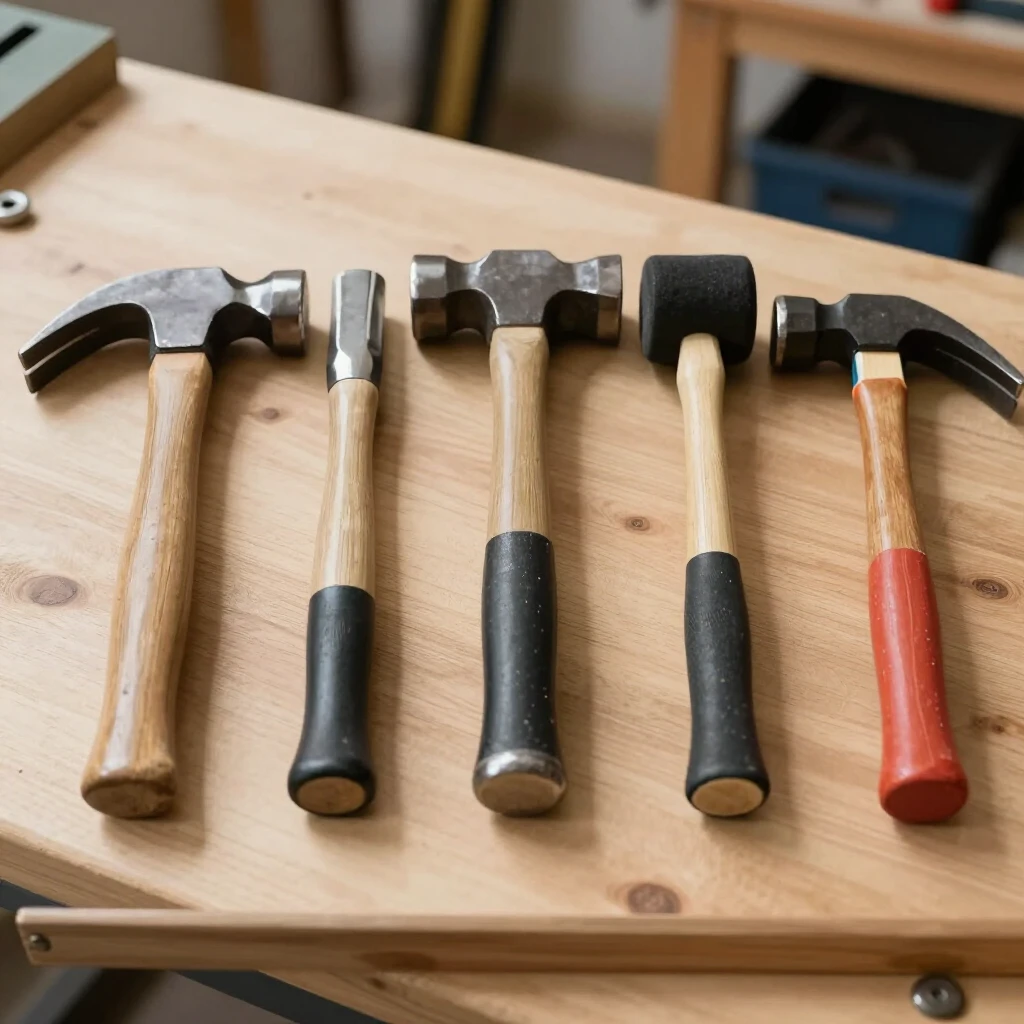
Another time, I used an old hammer for framing. The hard handle sent shocks up my arm. An ergonomic hammer with a rubber grip absorbed those shocks. Small change, big relief.
These experiences show why choosing the right tool for the job pays off. It protects your body while making work smoother.
Tips for Long-Term Hand Health
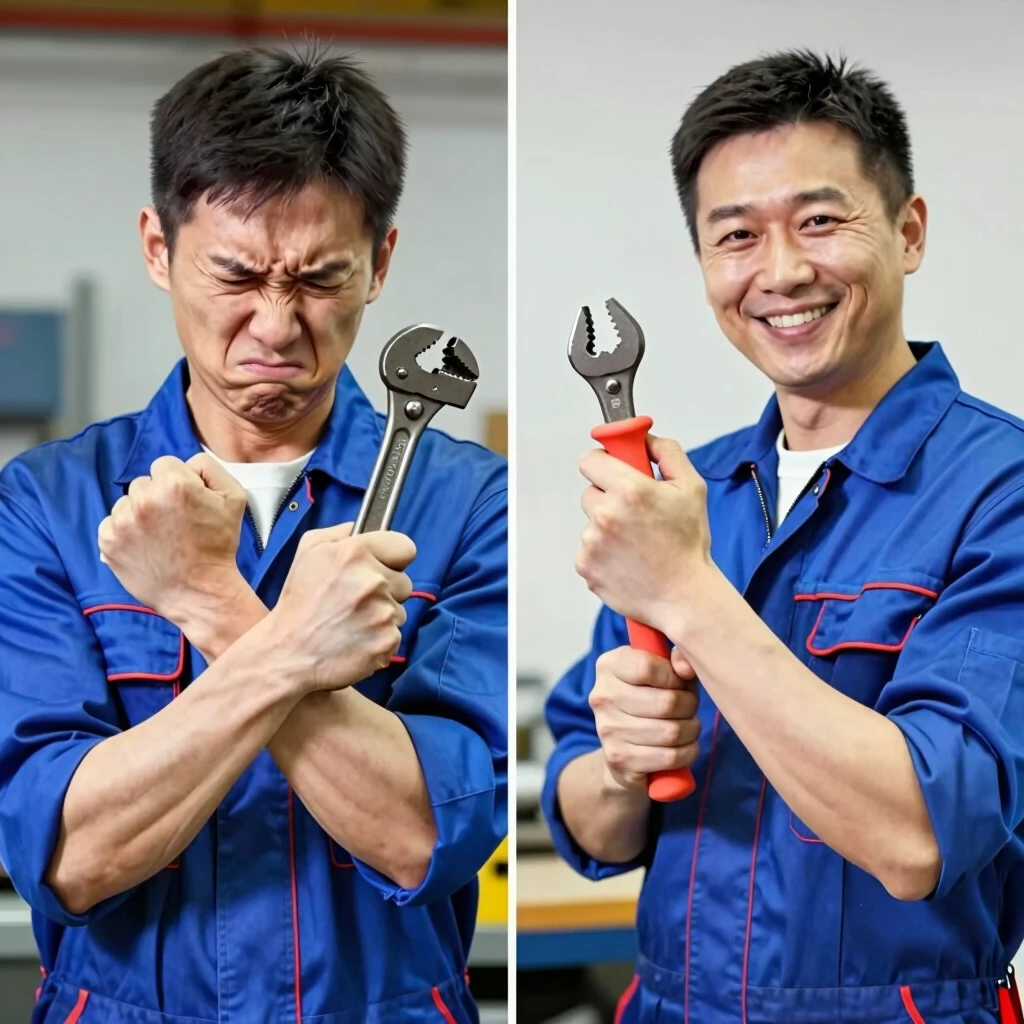
- Take short breaks during repetitive tasks
- Alternate tools when possible
- Keep tools clean and sharp—dull tools force more effort
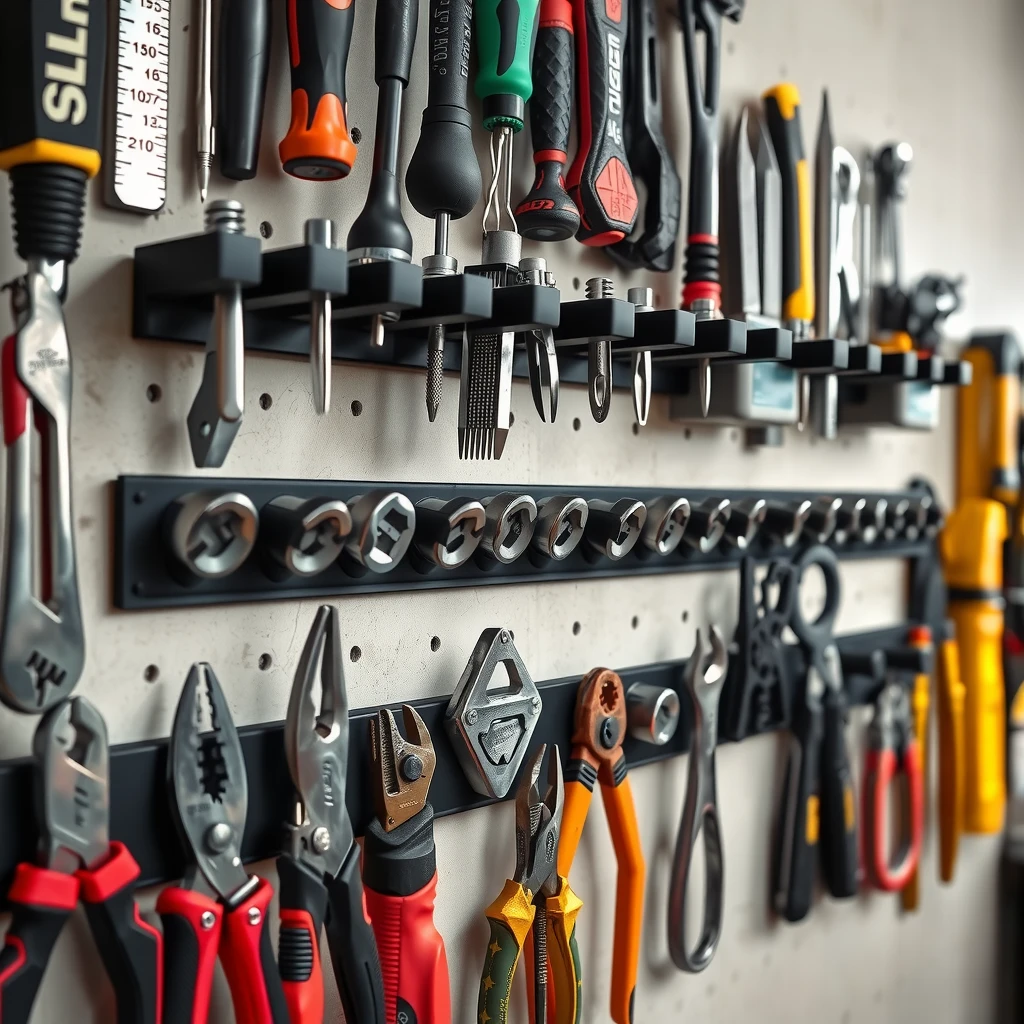
- Store them properly to avoid reaching awkwardly
Following these habits, along with good tool choices, keeps your hands healthy for years.
For more official guidance, check resources like the CDC's Easy Ergonomics guide or CCOHS hand tool tips.
Final Thoughts
Choosing the right tool for the job transforms how you work. Ergonomic hand tools for reduced strain aren't fancy extras—they're smart investments in your comfort and safety. Start small: upgrade one or two tools you use most. You'll feel the difference right away.
Pick tools that fit the task and your hand. Your body will thank you.
Related Choosing the Right Tool for the Job:
- How to Maintain Your Hand Tools for Longer Life: Expert Tips Every Workman Needs
- The Ergonomics Advantage: How Comfortable Tools Can Transform Your Workday
- Mastering Organizing Tools in a Small Workshop: Practical Tips for Efficiency and Safety
- Essential Electrical Tools for Wiring and Installations: A Beginner’s Guide
- Mastering the Basics: How to Use Hammers Effectively
- Essential Safety Gear for Working with Power Tools
- Essential Electrical Tools for Wiring and Installations: A Complete Guide
- Maintenance Tips for Long-Lasting Hand Tools: Keep Your Favorite Wrenches and Workman Tools Performing Like New
- How to Choose the Right Power Washer for Your Needs
- Maintaining Your Power Tools for Peak Performance
- Mastering Rotary Tools for Jewelry Making: Your Essential Guide
- How to Choose the Right Screwdriver for the Job