Quick Overview
Choosing the right power washer can transform your outdoor cleaning tasks from tedious chores into quick wins. This guide helps you pick the best one for your home while sharing practical tips on safety, usage, and upkeep. (38 words)
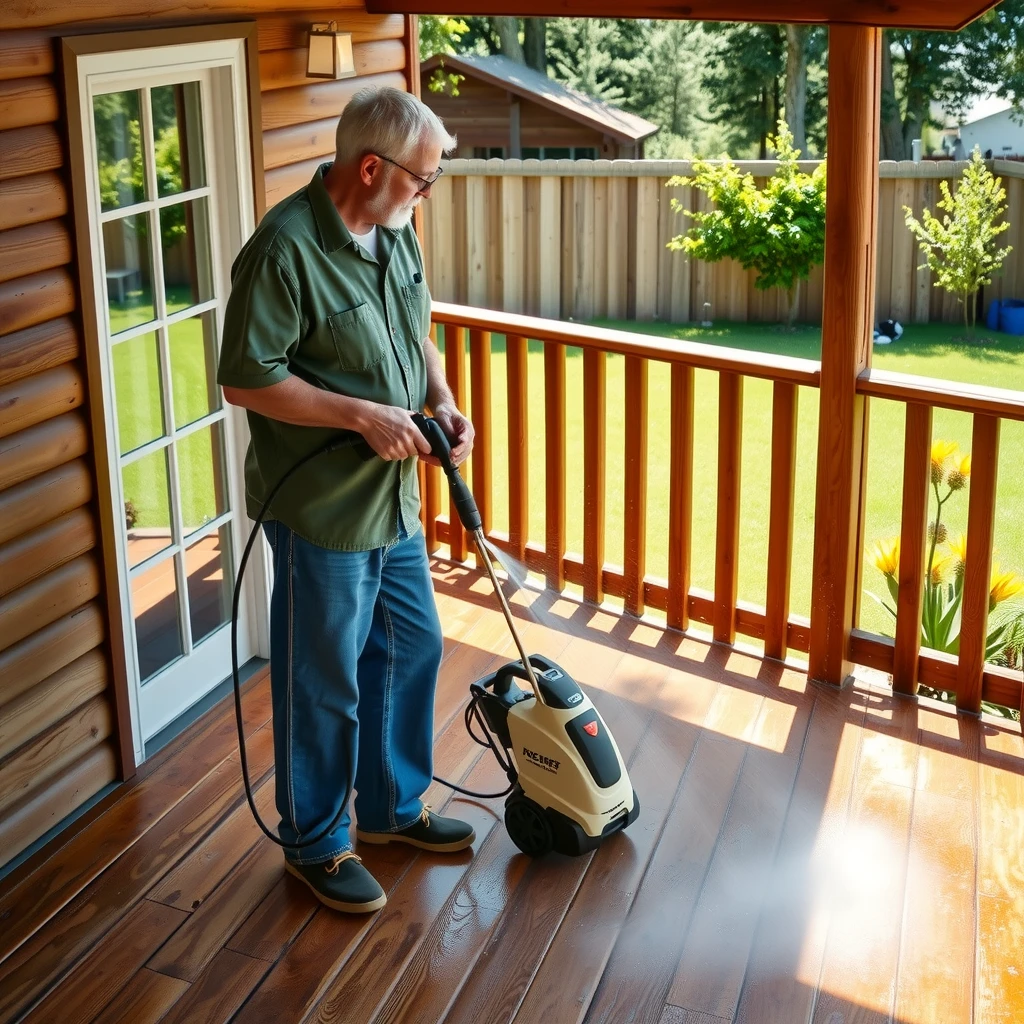
Power washers, also known as pressure washers, blast away dirt, grime, and mildew faster than any garden hose ever could. I've used them for years to refresh decks, driveways, and siding, and the results always amaze me.
But not all power washers are the same. Pick the wrong one, and you might end up with a machine that's too weak for tough jobs or too powerful for delicate surfaces.
Understand Your Cleaning Needs First
Start by thinking about what you plan to clean most often. Light tasks like washing patio furniture or cars need less power. Heavy jobs, such as removing years of buildup from concrete driveways, demand more.
In my experience, most homeowners do best with a medium-duty model. It handles everyday tasks without overwhelming you.
Key Specs to Look For: PSI and GPM
The two main numbers on power washers are PSI (pounds per square inch) for pressure and GPM (gallons per minute) for water flow.
Higher PSI blasts stubborn dirt, but too much can damage wood or paint. GPM determines how quickly you cover large areas.
According to experts at Consumer Reports' pressure washer buying guide, focus on the right balance of PSI and GPM for your tasks rather than just the highest numbers.
Here's a simple breakdown:
| Duty Level | PSI Range | GPM Range | Best For |
|---|---|---|---|
| Light Duty | 1,300–2,000 | 1.2–1.6 | Cars, furniture, small patios |
| Medium Duty | 2,000–3,000 | 1.6–2.5 | Decks, siding, driveways |
| Heavy Duty | 3,000+ | 2.5+ | Commercial use, tough concrete |
Electric vs. Gas Power Washers
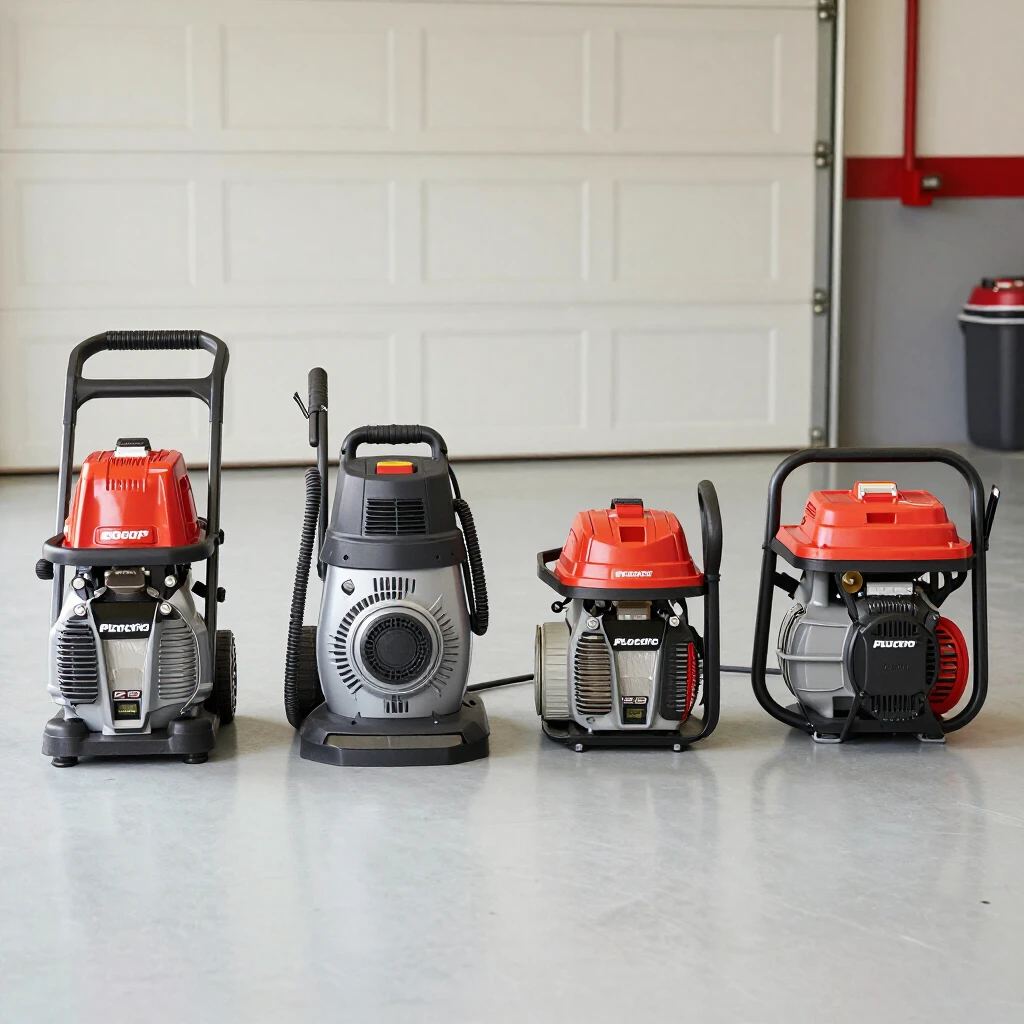
Electric models are quiet, easy to start, and need little maintenance. They work great for most home jobs and don't produce fumes.
Gas models deliver more power and let you work far from outlets, but they're louder, heavier, and require engine care.
Consumer Reports notes that gas machines often clean faster on tough surfaces, while electrics suit lighter, frequent use.
I started with an electric one and later added a gas model for bigger projects. If you're new to this, go electric first.
Safety Gear Essentials for Power Tool Projects
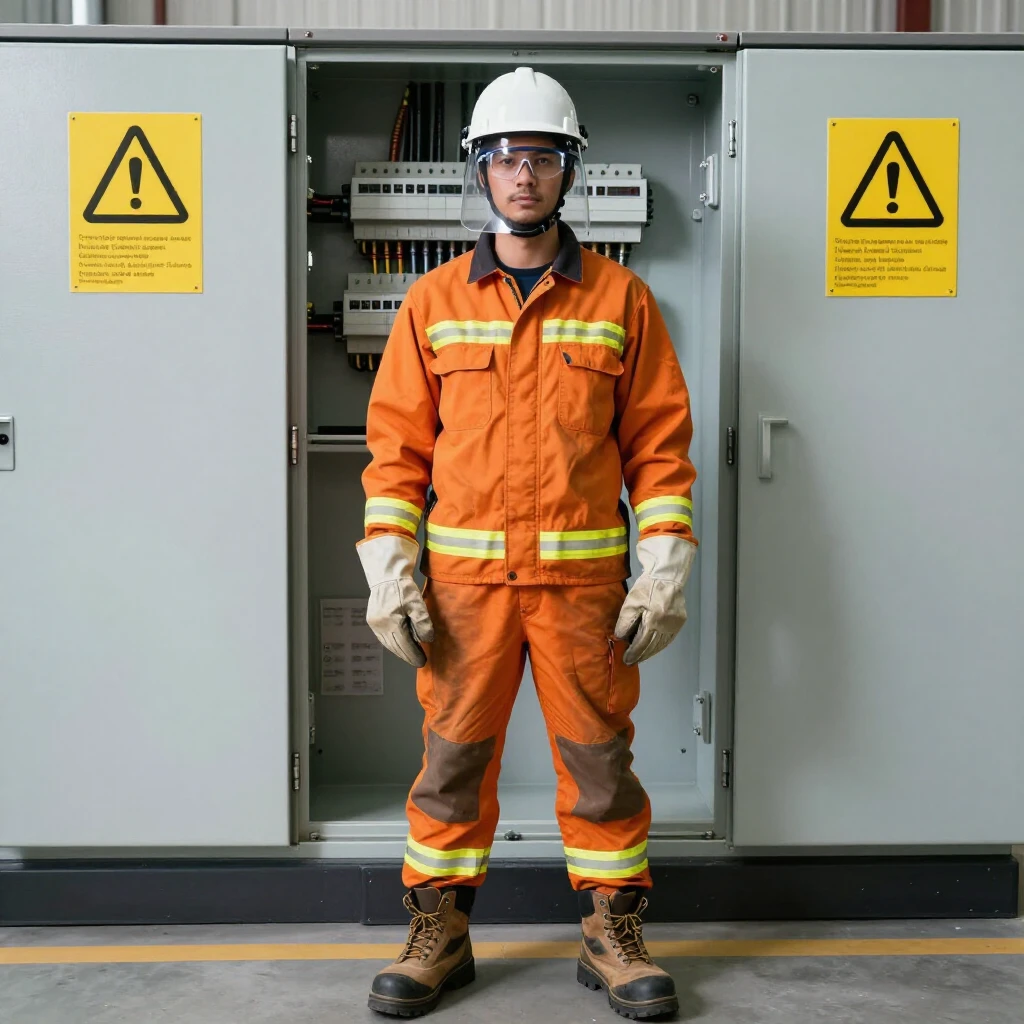
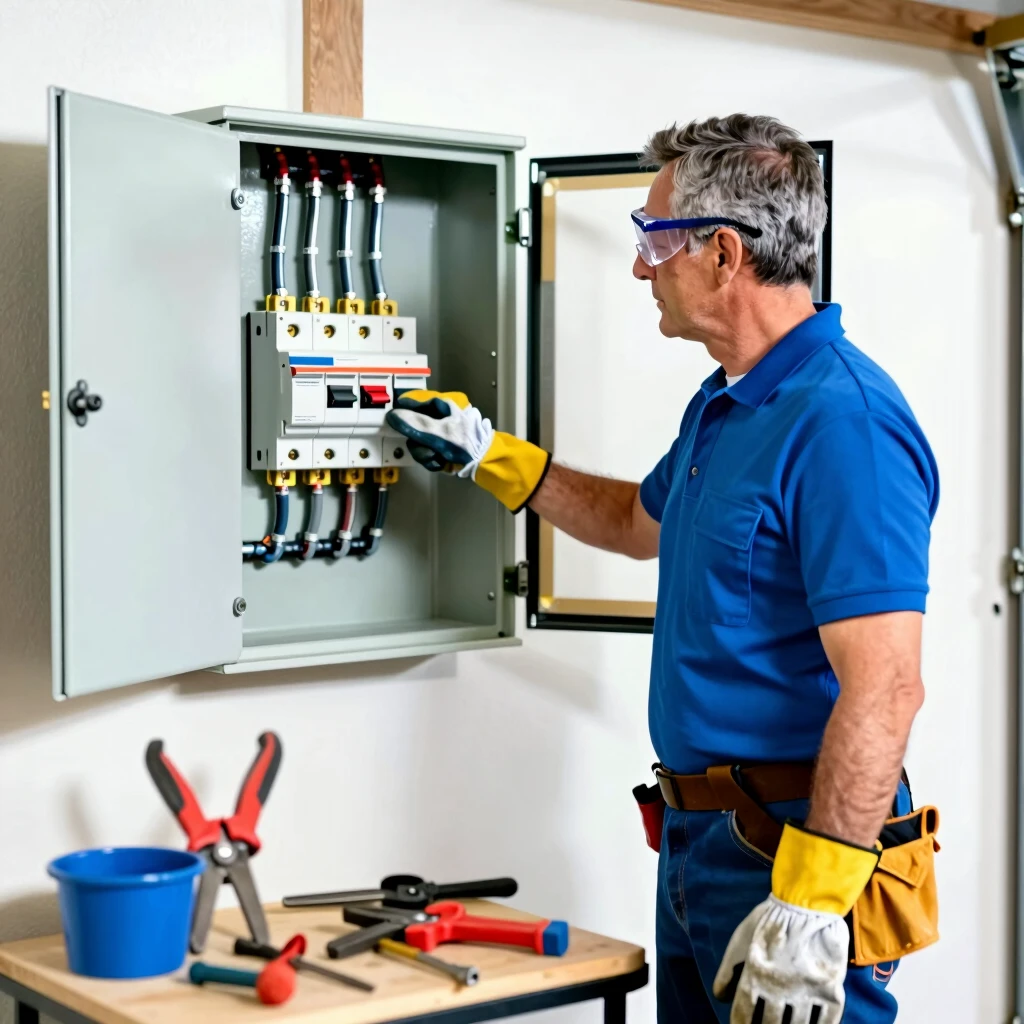
Power washers can cause serious injuries if you skip protection. The high-pressure stream can cut skin or inject bacteria deep into tissue.
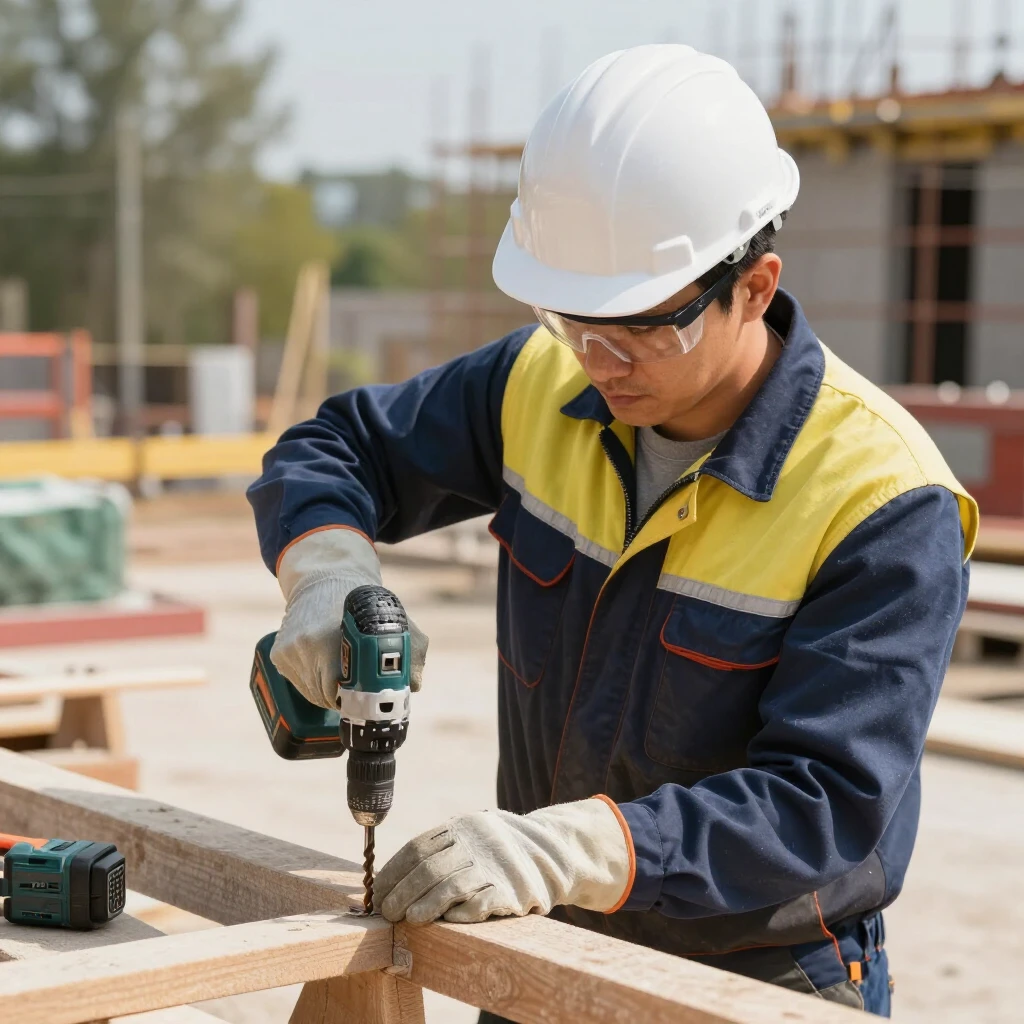
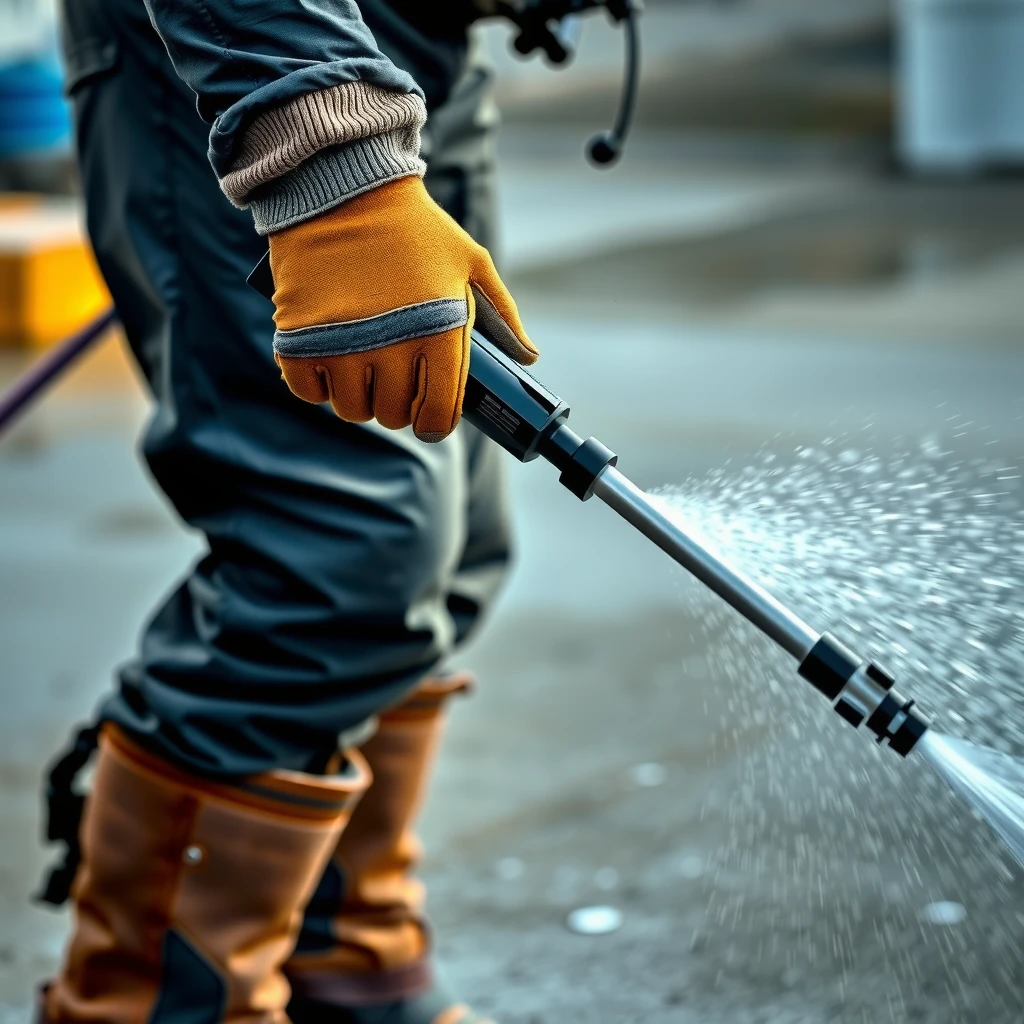
Always wear these safety gear essentials: - Closed-toe boots with good grip - Long pants - Safety goggles - Heavy-duty gloves - Hearing protection for gas models
Consumer Reports strongly advises discarding any zero-degree nozzle, as it creates a dangerously focused blast.
Effective Cleaning Tips with Power Washers
Get great results without damaging surfaces by following these steps:
- Start with the widest nozzle (40-degree) for general cleaning.
- Keep the wand 12–18 inches from the surface.
- Work in sections, overlapping strokes.
- Use detergent for tough grime—apply low pressure, let it sit, then rinse high.
- Test on a small hidden area first.
For wood decks, keep lower pressure to avoid gouging. I've learned the hard way that rushing with high pressure strips paint right off siding.
Consumer Reports recommends at least 1,500 PSI for concrete but caution on roofs and cars.
Power Washer Maintenance Tips
Keep your machine lasting years with simple care:
- After each use, run clean water through to flush detergent.
- Release pressure from the hose.
- Store in a dry place.
- Check pump oil regularly (even on electrics).
- Winterize by running antifreeze if you live in cold areas.
Consumer Reports suggests checking the manual for specific pump oil needs and spark plug condition on gas models.
Good maintenance saved me from buying a new pump once—it's worth the few extra minutes.
Final Thoughts
The right power washer matches your tasks, budget, and storage space. Most people thrive with a medium-duty electric model around 2,000–2,500 PSI. Prioritize safety, learn proper techniques, and maintain it well—you'll enjoy clean outdoor spaces for years.
Take time to choose wisely, and your investment will pay off every time you fire it up.
Related How to Choose the Right Power Washer for Your Needs:
- Top Gas Pressure Washers Reviewed: The Best Models for 2026
- Maintaining Your Power Tools for Peak Performance
- Mastering Rotary Tools for Jewelry Making: Your Essential Guide
- How to Choose the Right Screwdriver for the Job
- Safety Best Practices for Electricians: Essential Tips to Stay Safe on the Job
- Setting Up Your Ideal Workbench: Tips and Tricks
- Key Features to Look for in Cordless Power Tools
- Top 10 Workman Tools Every Contractor Needs
- Building Outdoor Decks: Step-by-Step with Pro Tips
- Safety Practices in Home Electrical Repairs: A Comprehensive Guide
- Organizing Your Workbench for Maximum Efficiency: Tips and Strategies
- Top Workman Tools for Automotive Repairs You Need