Overview
Working with electricity demands respect and caution. These safety best practices for electricians can prevent serious injuries and save lives. Whether you're a beginner or seasoned pro, following these guidelines keeps you and your team safe every day.
Why Electrical Safety Matters
Electricity doesn't give second chances. Thousands of electricians get injured each year from shocks, burns, and falls. Many of these accidents could have been prevented with basic safety habits.
I've been in the trade for over 15 years, and I've seen firsthand how quickly things can go wrong. One small mistake can lead to serious injury. That's why safety best practices for electricians aren't optional—they're essential.
Personal Protective Equipment (PPE): Your First Line of Defense
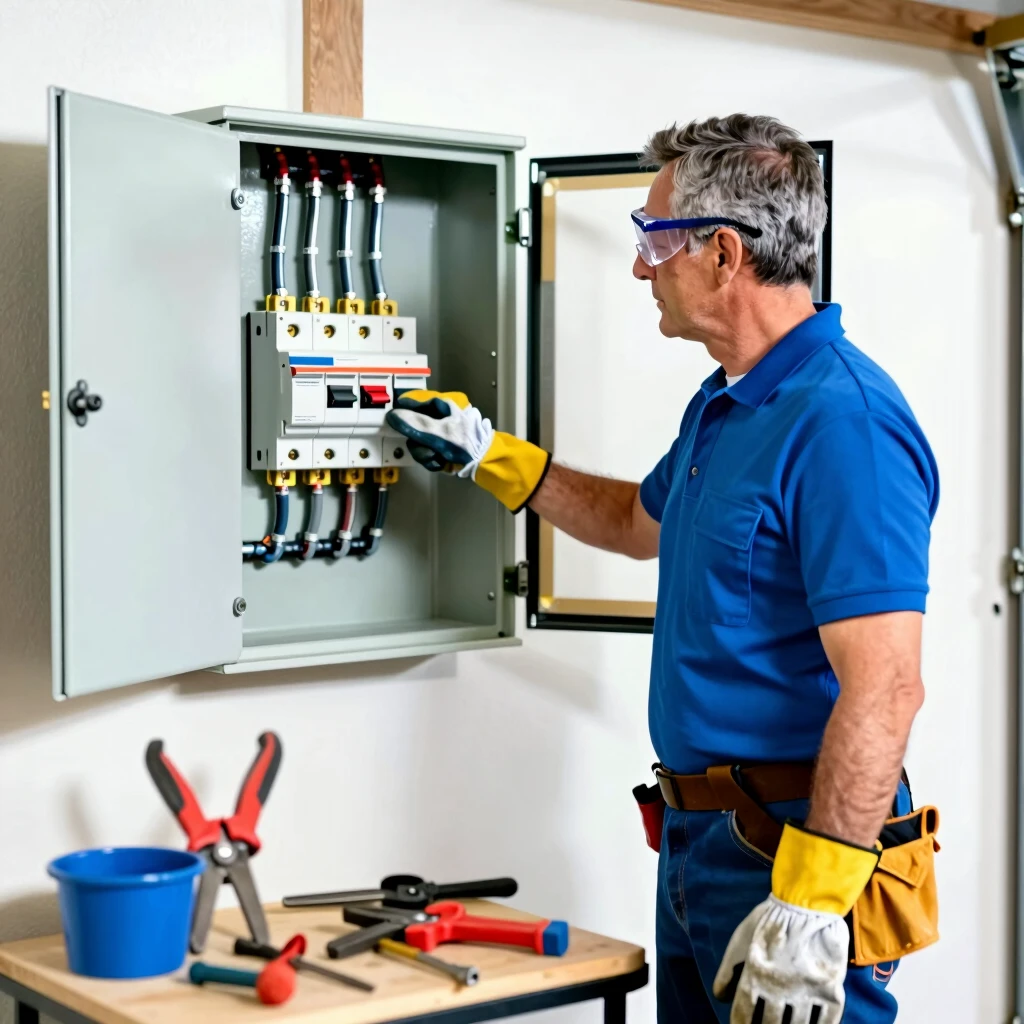
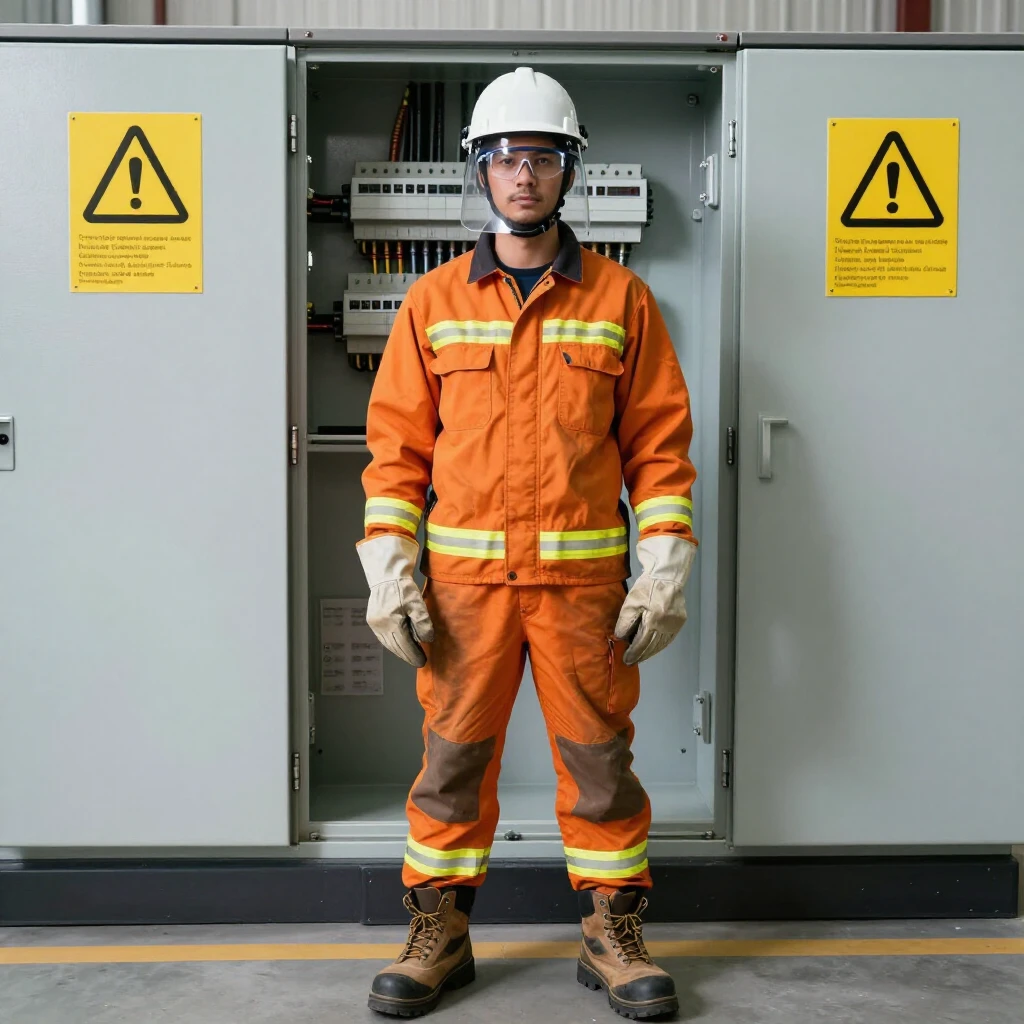
Never start work without proper PPE. Here's what you need:
- Insulated gloves rated for the voltage you're working with
- Safety glasses to protect your eyes from arcs and debris
- Flame-resistant clothing to reduce burn risks
- Hard hat for overhead protection
- Non-conductive boots with proper safety toes
Always inspect your PPE before use. Look for cuts, tears, or damage. Replace anything worn out immediately.
Lockout/Tagout Procedures: Never Skip This Step
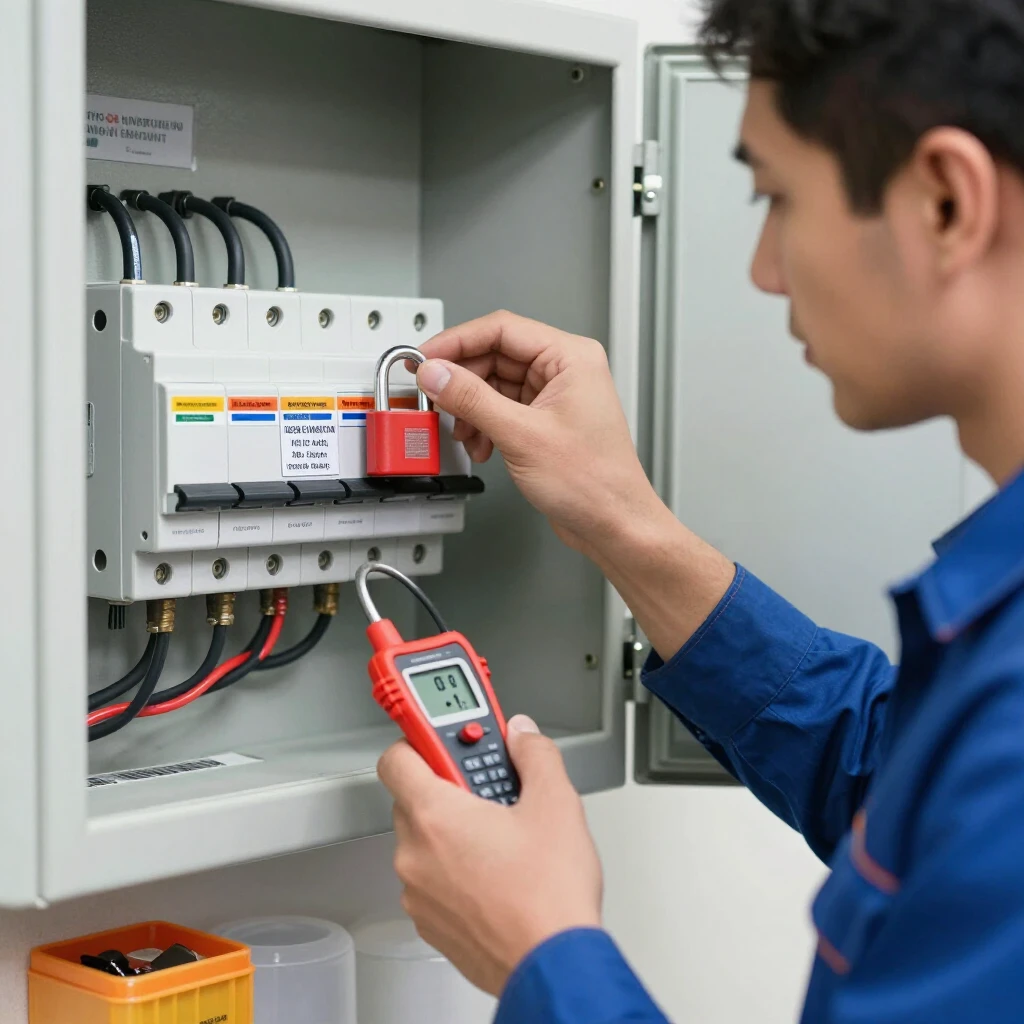
Lockout/tagout (LOTO) prevents unexpected startup of equipment. Follow these steps every time:
- Identify all energy sources
- Shut down the equipment
- Isolate energy sources
- Apply lockout devices and tags
- Verify the equipment is de-energized
- Complete your work
- Remove locks and restore power safely
I've seen too many close calls from skipped LOTO procedures. Take the extra few minutes—it's always worth it.
Safe Work Practices Around Live Circuits
Sometimes you must work on live equipment. When you do:
- Use insulated tools only
- Keep one hand in your pocket when possible
- Stand on insulated mats
- Remove jewelry and metal objects
- Have someone nearby who can help in an emergency
Better yet, de-energize whenever possible. Live work should be the exception, not the rule.
Common Electrical Hazards and How to Avoid Them
Arc Flash Risks
Arc flashes can reach temperatures four times hotter than the sun's surface. Protect yourself with proper arc-rated clothing and maintain safe working distances.
Grounding Issues
Always verify proper grounding. Poor grounding causes many shocks. Use ground fault circuit interrupters (GFCIs) in wet locations.
Overloaded Circuits
Never exceed circuit capacity. Watch for warning signs like warm outlets or flickering lights.
Tool Safety and Maintenance
Your tools are only safe when properly maintained. Follow these tips:
- Inspect tools before each use
- Use the right tool for the job
- Keep tools clean and dry
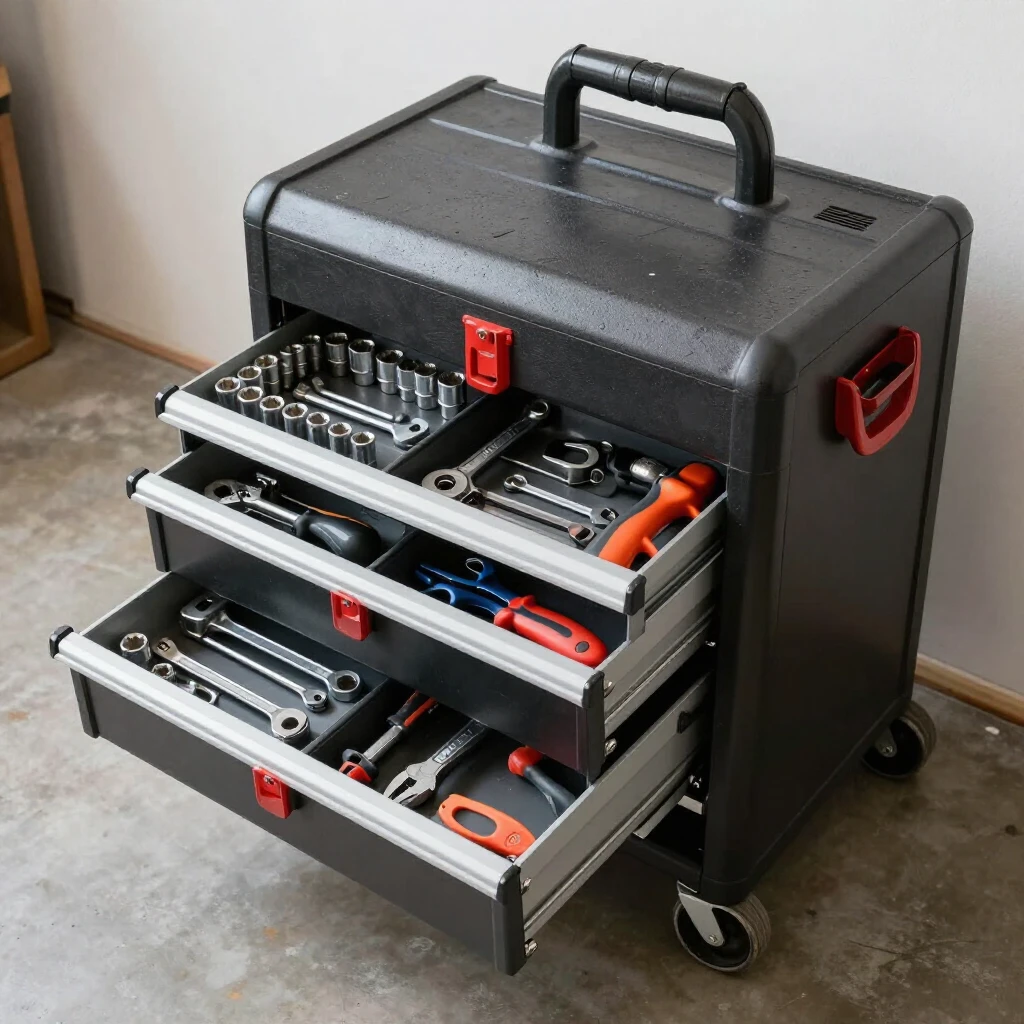
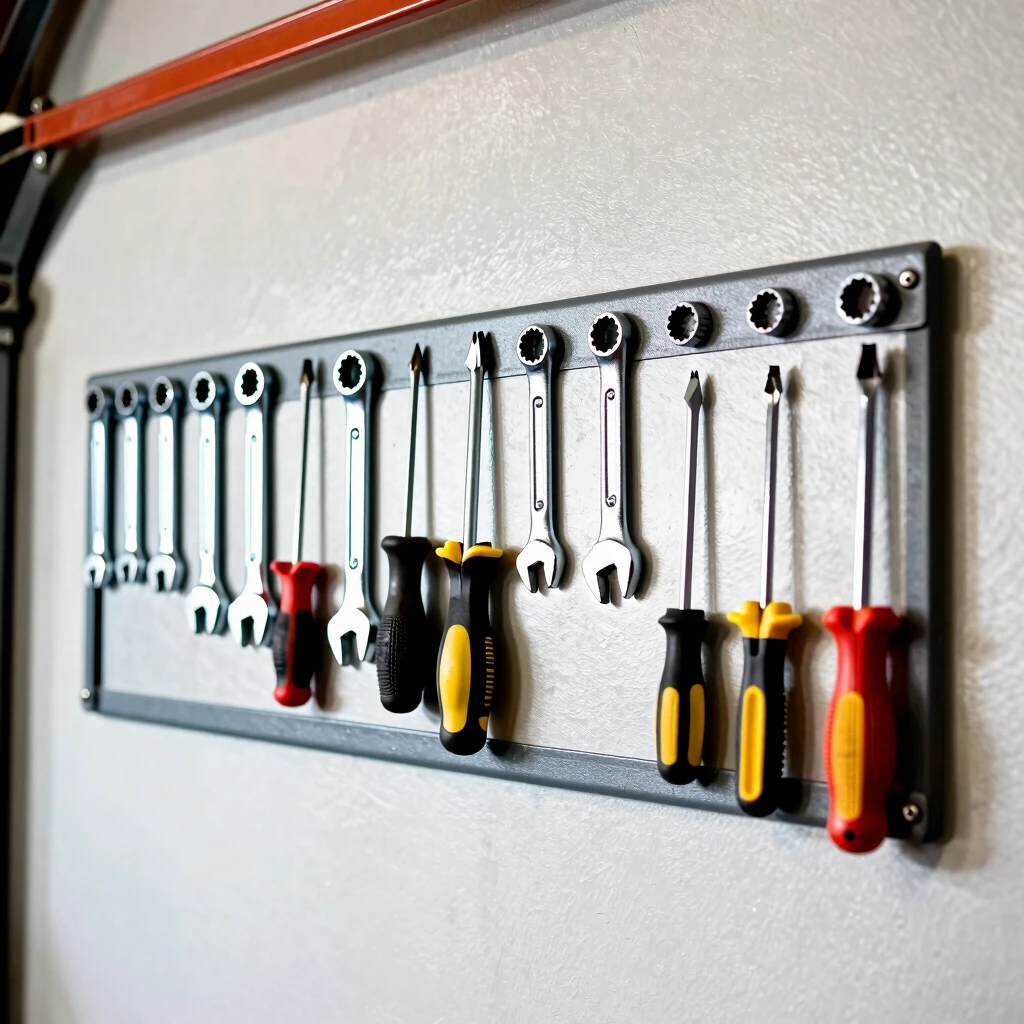
- Store tools properly
- Replace damaged tools immediately
For beginners, check out our Comprehensive Guide to Workman Tools for Beginners to learn which tools you really need and how to use them safely.
Advanced Troubleshooting Safety Tips
When performing advanced electrical troubleshooting, safety becomes even more critical. Pros use these techniques:
- Always test for voltage before touching wires
- Use non-contact voltage testers first
- Double-check your meter settings
- Work with a partner on complex jobs
- Document your findings as you go
Learn more in Advanced Electrical Troubleshooting: Tips from the Pros and Advanced Troubleshooting Techniques for Electricians.
Creating a Safety-First Culture
Safety starts with attitude. Make it part of every job:
- Conduct daily safety meetings
- Report near-misses so everyone learns
- Encourage questions—no one should feel afraid to speak up
- Lead by example—never cut corners
- Celebrate safe work practices
I've found that teams with strong safety cultures have fewer incidents and better morale.

Emergency Preparedness
Know what to do if something goes wrong:
- Learn CPR and first aid
- Keep emergency numbers posted
- Know the location of first aid kits and fire extinguishers
- Practice emergency procedures
- Never attempt to rescue someone from electrical contact without proper training
If someone is electrocuted, call emergency services first, then safely cut power if possible.
Final Thoughts
Safety best practices for electricians aren't complicated, but they require consistent attention. Make safety your top priority every single day. The few extra minutes you spend on safety procedures can prevent a lifetime of regret.
Stay safe out there—your family is counting on you to come home at the end of each shift.
Related Safety Best Practices for Electricians - /safety-best-practices-electricians:
- Setting Up Your Ideal Workbench: Tips and Tricks
- Key Features to Look for in Cordless Power Tools
- Top 10 Workman Tools Every Contractor Needs
- Building Outdoor Decks: Step-by-Step with Pro Tips
- Safety Practices in Home Electrical Repairs: A Comprehensive Guide
- Organizing Your Workbench for Maximum Efficiency: Tips and Strategies
- Top Workman Tools for Automotive Repairs You Need
- The Importance of Safety Training in Construction
- Garage Organization Hacks for Small Spaces
- Top-Quality Workman Tools for Contractors: Essential Picks for Reliable Performance
- Woodworking Chisel Guide - Woodworkers Guild of America
- Best Wrench Sets for Mechanics - Popular Mechanics