Overview
Safety training in construction isn't just a checkbox—it's a lifesaver. Every year, thousands of workers face risks on job sites, but proper training can prevent many accidents and create a safer work environment for everyone.
Construction sites are full of hazards. Heavy machinery, heights, electrical wires, and moving materials make it one of the most dangerous industries. That's why understanding The Importance of Safety Training in Construction is key to protecting workers and getting the job done right.
According to the U.S. Bureau of Labor Statistics, in 2023, the construction sector had the highest number of fatal work injuries among private industries, with 1,075 fatalities. Falls, slips, and trips accounted for about 38.5% of these deaths in construction.
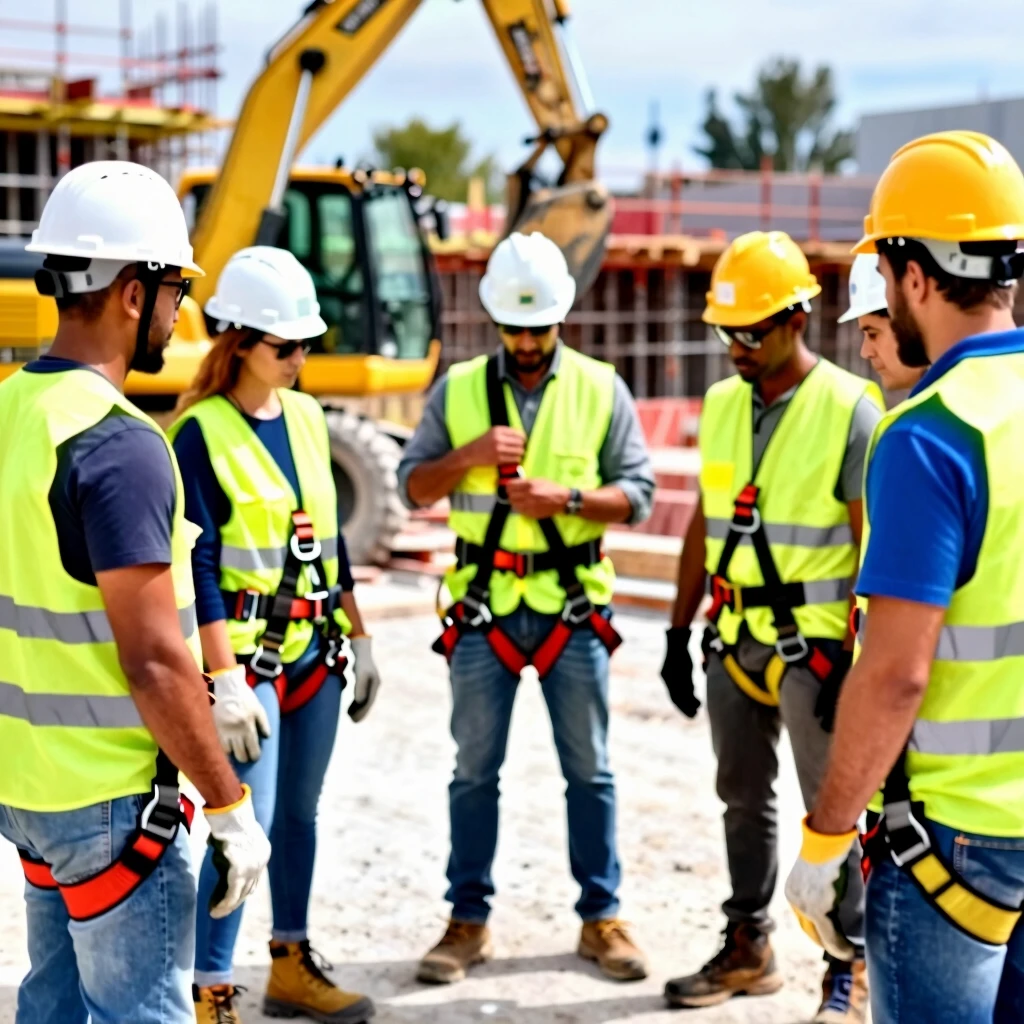
I've seen it firsthand on job sites. A simple oversight, like not tying off properly, can lead to tragedy. But when teams invest time in training, everyone goes home safe. Training teaches workers to spot risks before they become problems.
OSHA reports that fall protection is the most frequently cited violation in construction. Their data shows targeted efforts, like the National Emphasis Program on Falls, have helped reduce fatal falls in recent years.
Why Safety Training Matters
It saves lives. Proper training reduces accidents by teaching workers how to handle dangers correctly. It also cuts costs—fewer injuries mean less downtime and lower insurance rates.
From my experience overseeing projects, trained workers are more confident and productive. They make fewer mistakes and help each other stay safe. It's not just about rules; it's about building a culture where safety comes first.
The Center for Construction Research and Training (CPWR) emphasizes that effective training programs address known hazards and provide practical solutions for workers on the ground.
Smart Ways to Train for Construction Safety
Don't stick to boring lectures. Use hands-on methods that stick with workers.
Here are some Smart Ways to Train for Construction Safety: - Hands-on practice: Let workers try gear themselves, like putting on harnesses or using ladders. - Daily toolbox talks: Short meetings at the start of shifts to discuss specific risks. - Virtual reality simulations: Modern tools that let workers experience hazards safely. - Mentoring programs: Pair new workers with experienced ones for on-the-job guidance.
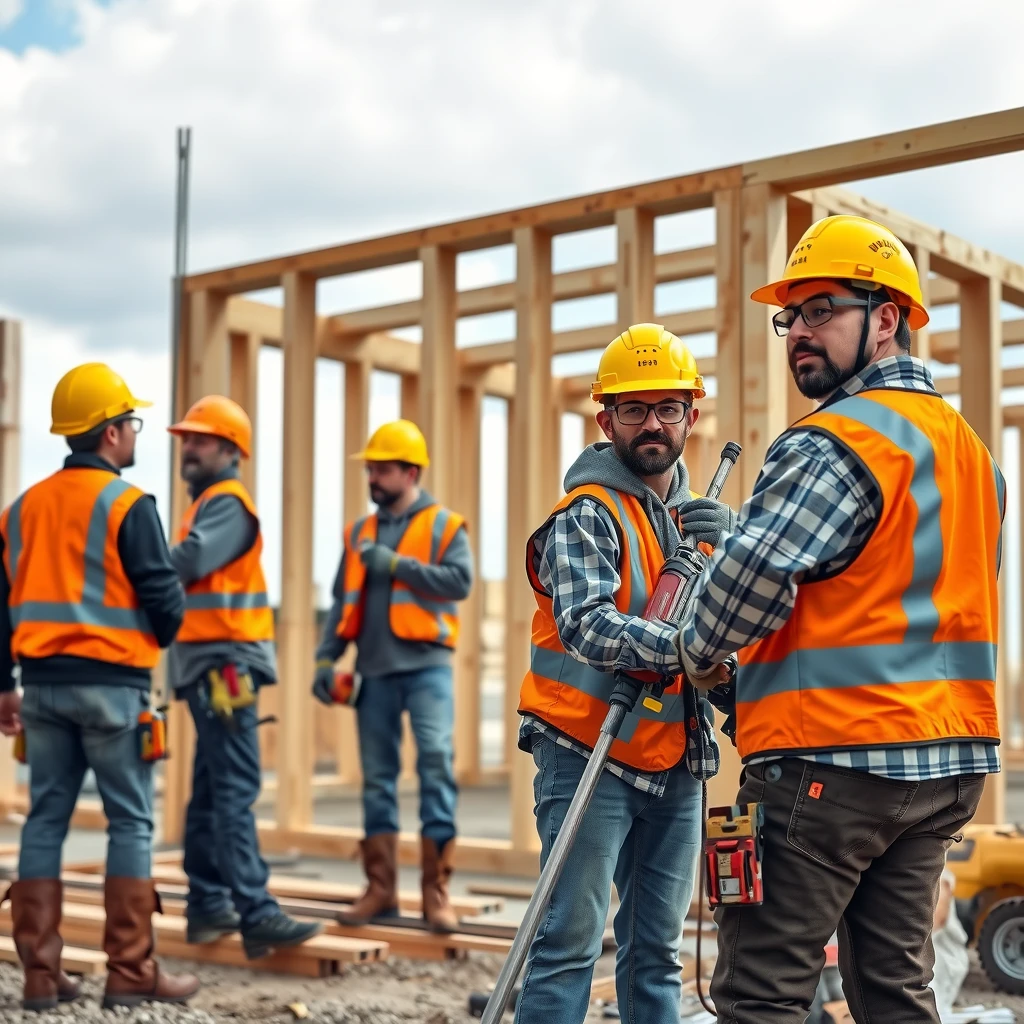
Mix it up to keep everyone engaged. Regular refreshers ensure skills stay sharp. OSHA's Outreach Training Program offers 10-hour and 30-hour courses tailored for construction.
Essential Safety Tips for Construction Workers
Stay safe every day with these basics.
Essential Safety Tips for Construction Workers include: 1. Always wear your PPE—hard hat, gloves, boots, and glasses. 2. Check your surroundings before starting work. 3. Use fall protection when working at heights over 6 feet. 4. Stay hydrated and take breaks in extreme weather. 5. Report hazards immediately—no matter how small.
For more detailed guidance, check out these worker safety tips.
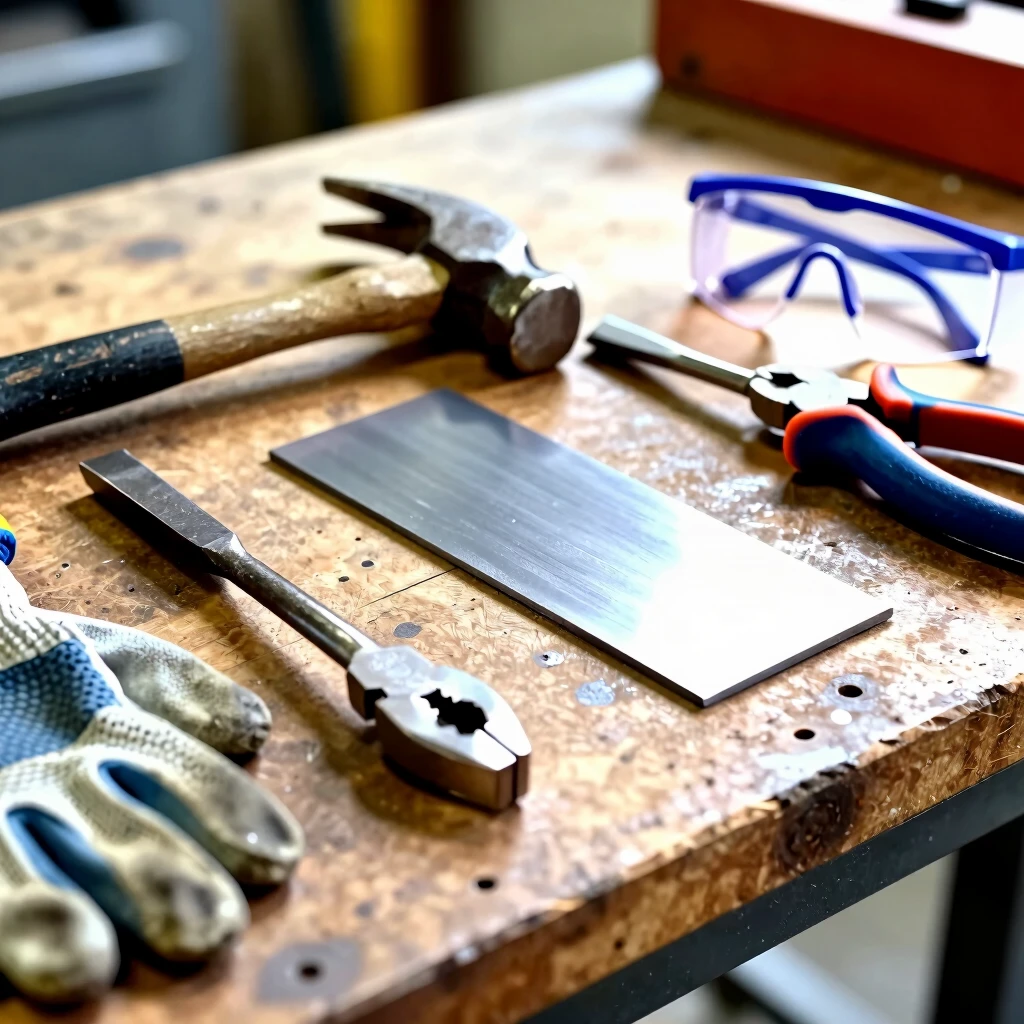
Tools are your lifeline, so treat them well. Regular maintenance tips for workman tools prevent accidents from faulty equipment.
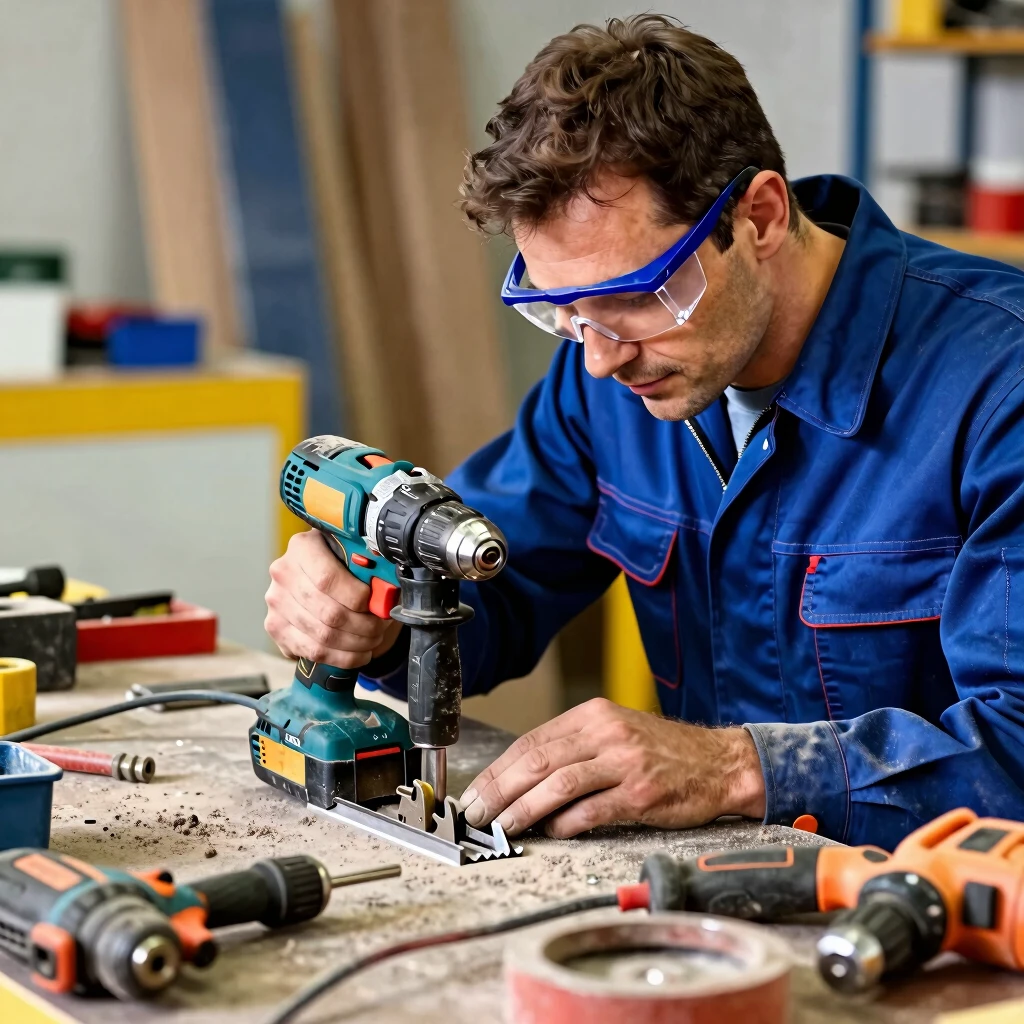
Simple habits like cleaning tools after use, inspecting cords for frays, and storing them properly extend their life and keep you safe. A broken tool can cause serious injury.
In the end, safety training builds trust on the team. Workers feel valued when companies prioritize their well-being. It leads to better morale and higher quality work.
Investing in training pays off in fewer accidents and stronger teams. Make it a priority on every site.
Key Takeaways
Safety training in construction protects lives, reduces risks, and improves efficiency. Commit to ongoing learning, use smart methods, follow essential tips, and maintain your tools. Everyone benefits from a safer job site.
Related The Importance of Safety Training in Construction:
- Garage Organization Hacks for Small Spaces
- Top-Quality Workman Tools for Contractors: Essential Picks for Reliable Performance
- Woodworking Chisel Guide - Woodworkers Guild of America
- Best Wrench Sets for Mechanics - Popular Mechanics
- Choosing the Right Construction Hammer: A Complete Guide for Builders
- Power Washer Accessories for Better Cleaning: Essential Upgrades to Transform Your Results
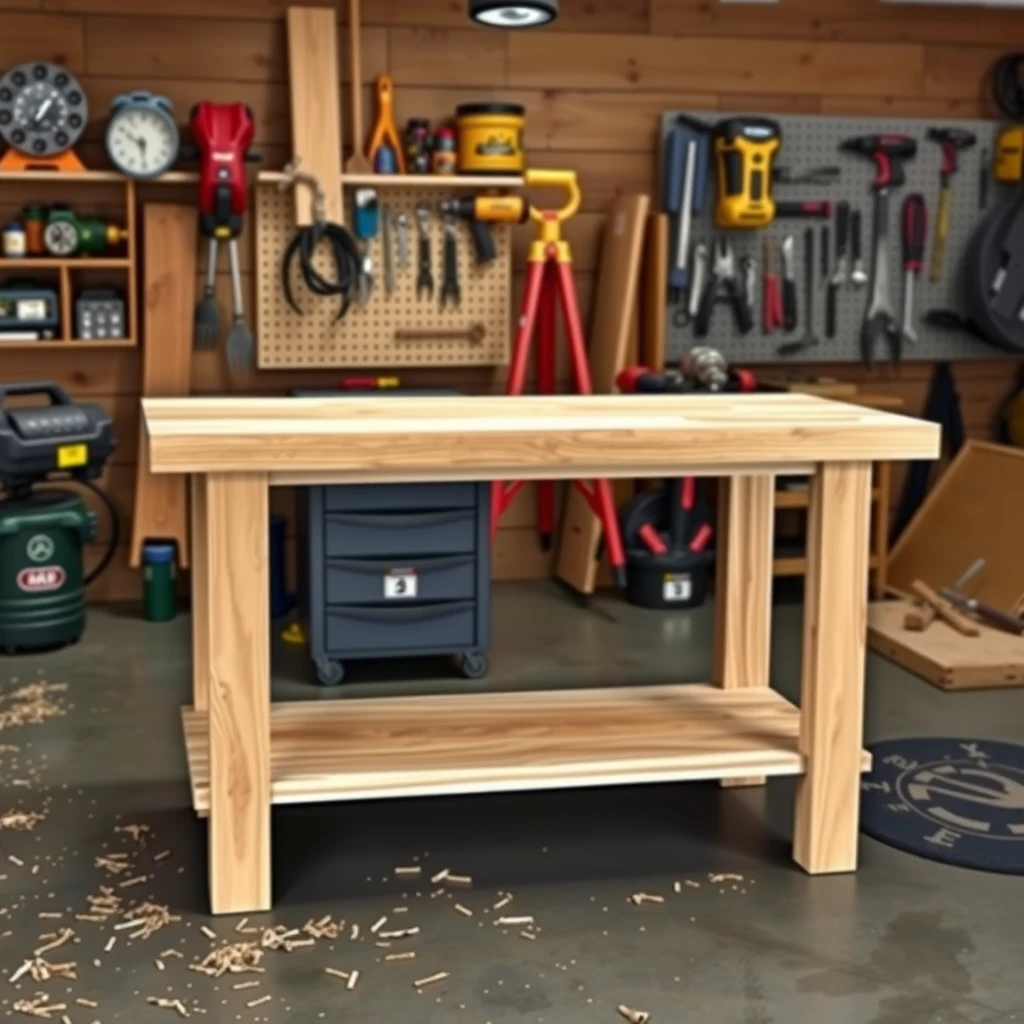
- DIY Workshop Projects: Build Your Own Workbench
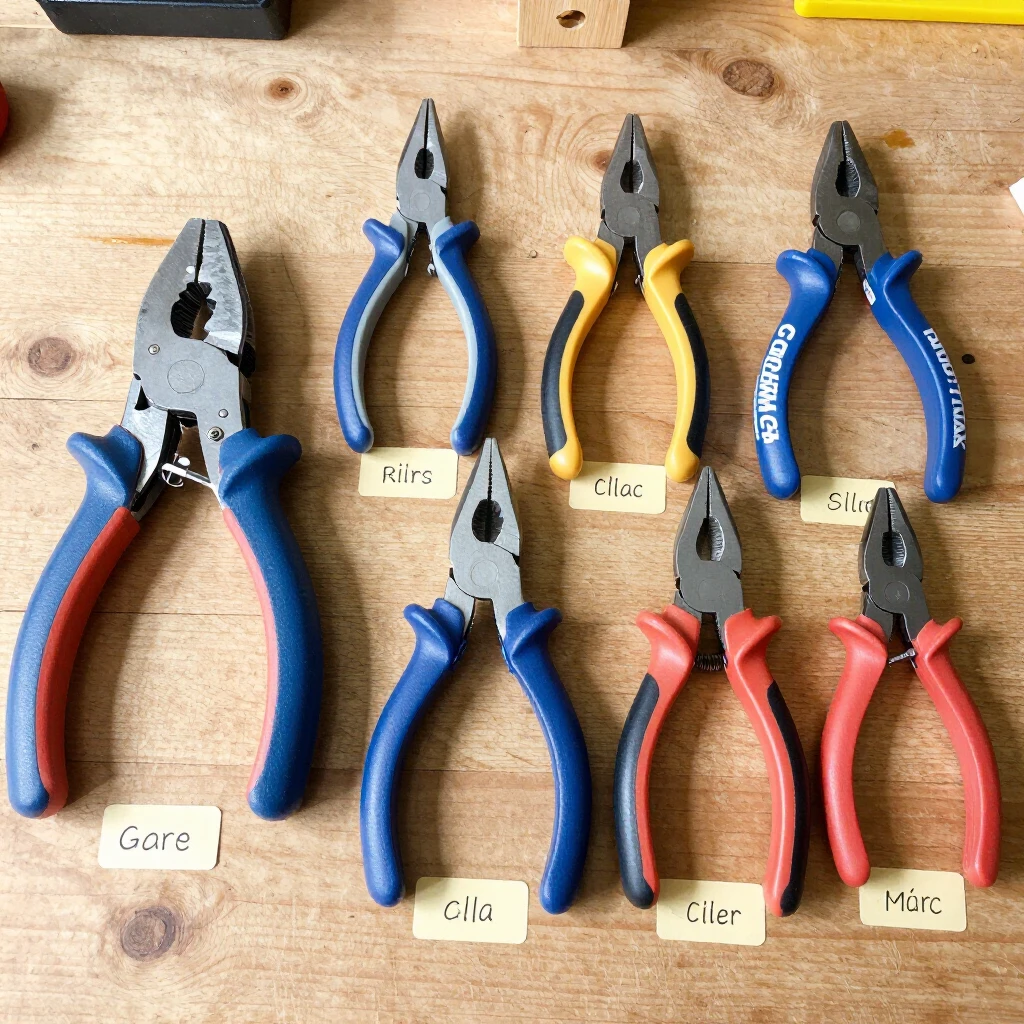
- Pliers 101: A Beginner’s Guide to This Versatile Tool
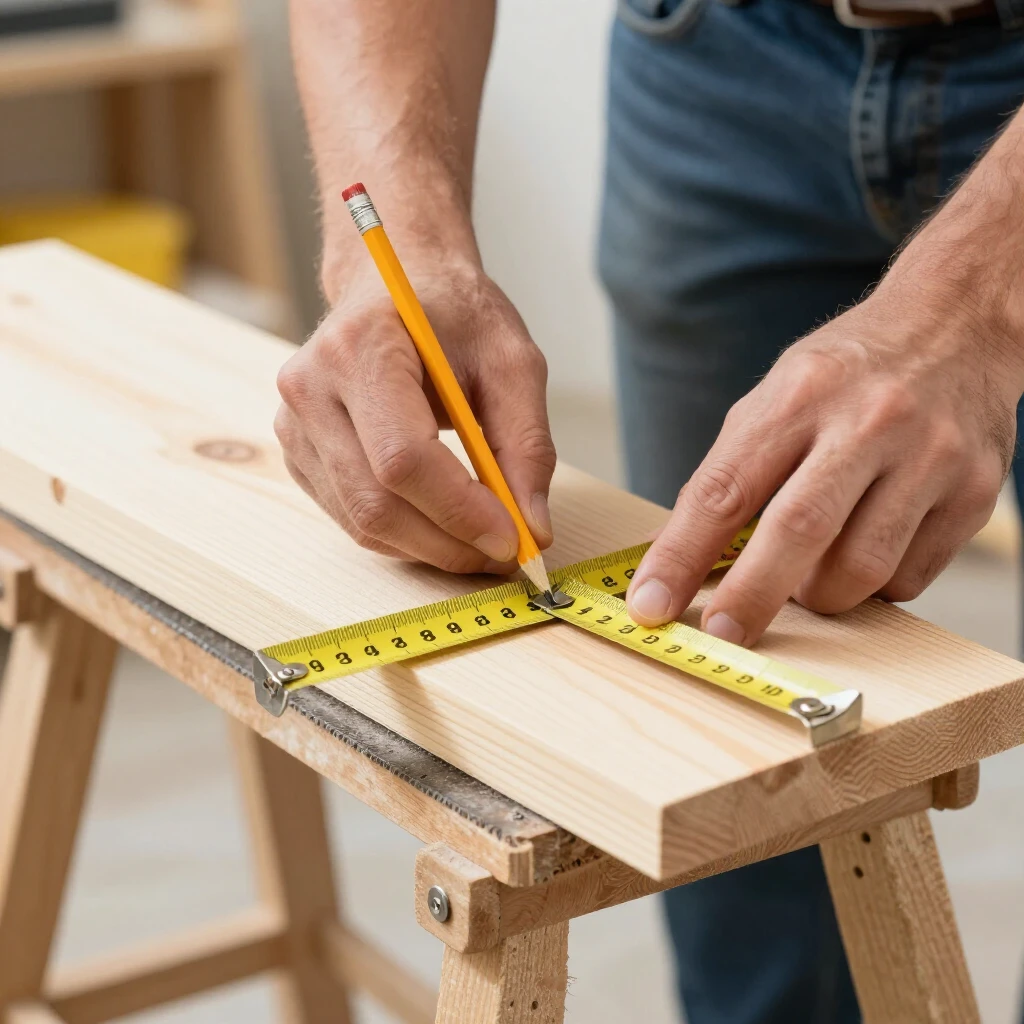
- Beginner's Guide to Measuring Tools
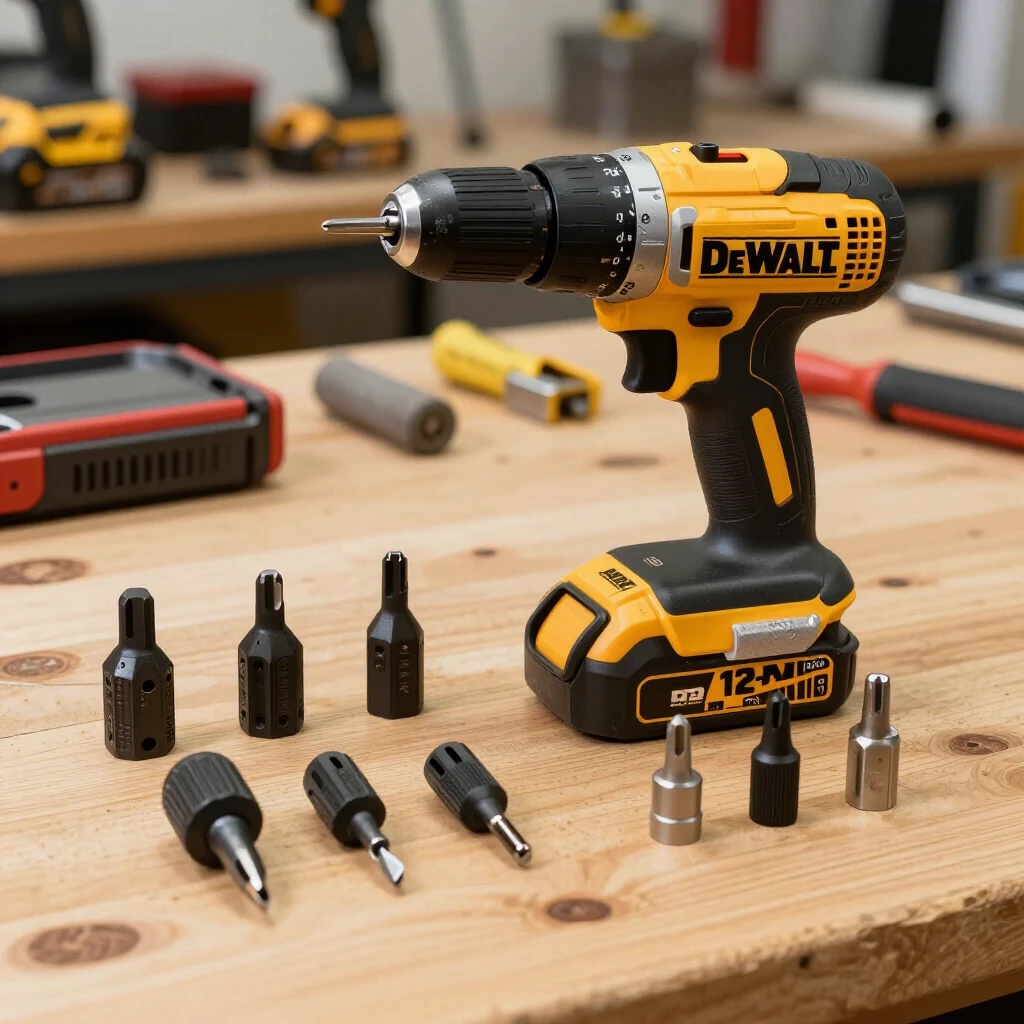
- The Ultimate Guide to Power Drills with Multiple Attachments
- Top 10 Smart Multimeters for Electricians in 2025
- Advanced Techniques: From Beginner to Pro in Metal Shaping