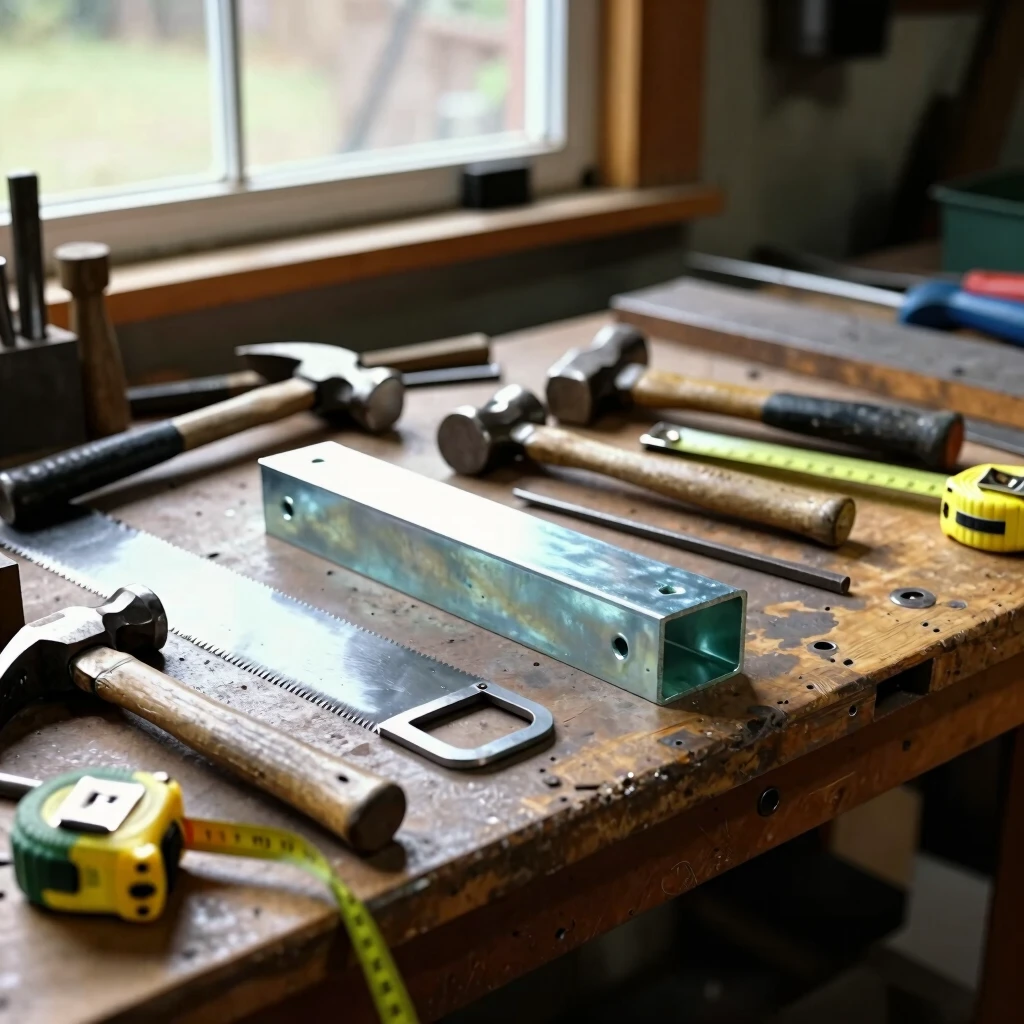
If you're new to hands-on projects or stepping into construction, getting familiar with measuring tools can make all the difference. This Beginner's Guide to Measuring Tools breaks down the basics, from simple rulers to advanced calipers, and shows how they pair with tool belts for construction workers to boost efficiency on the job.
Why Accurate Measurements Matter
Accurate measurements form the foundation of any successful project. A small error can lead to wasted materials, extra costs, or even safety issues. In construction, where precision counts, using the right measuring tools helps you avoid mistakes. Think about building a shelf: if it's off by just an inch, it won't fit right. From my own experiences tinkering in the garage, I've learned that taking time to measure twice saves hours of fixing later.
Measurements ensure everything aligns properly. They help in cutting materials to size, checking levels, and verifying dimensions. For beginners, starting with basic tools builds confidence. As you progress, you'll see how these tools integrate into daily workflows, especially when carried in tool belts.
Essential Measuring Tools for Beginners
Let's dive into the must-have tools. I'll keep it simple and share tips from real use.
Tape Measure
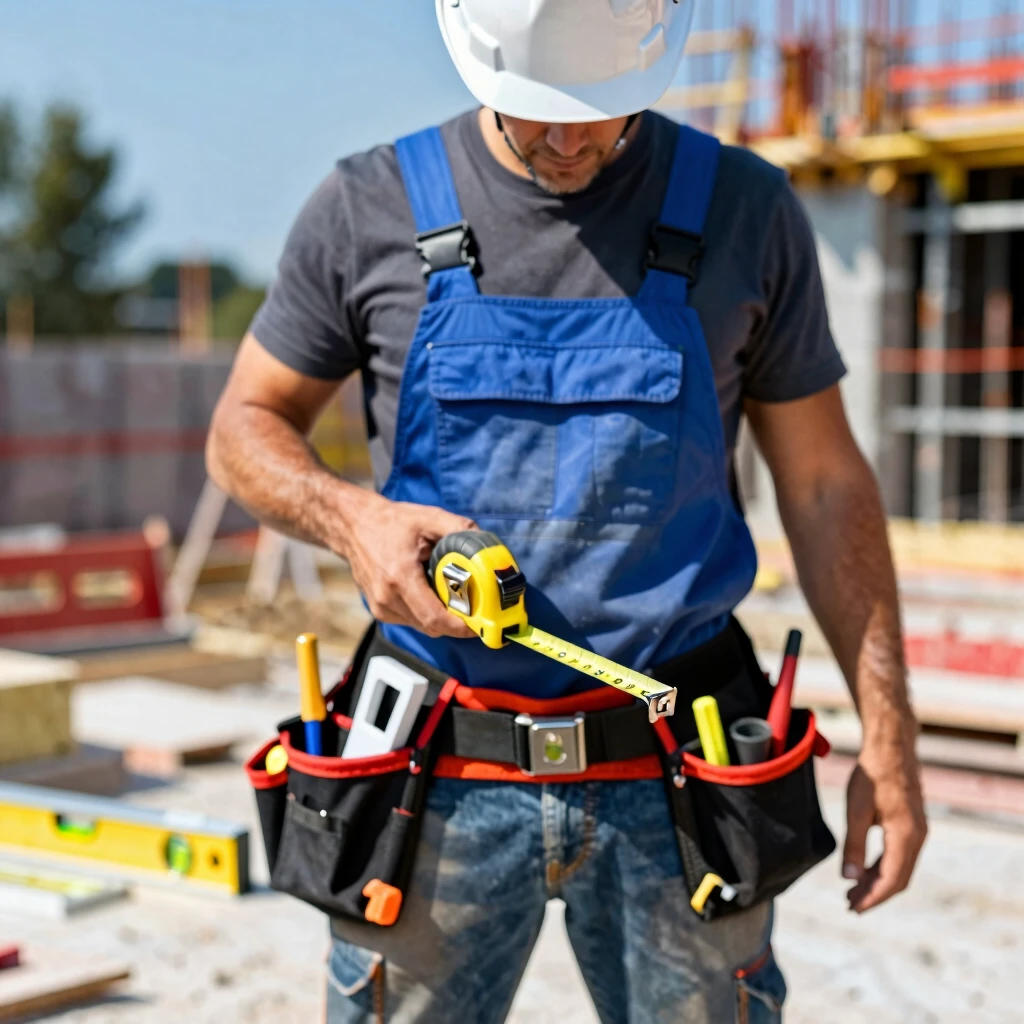
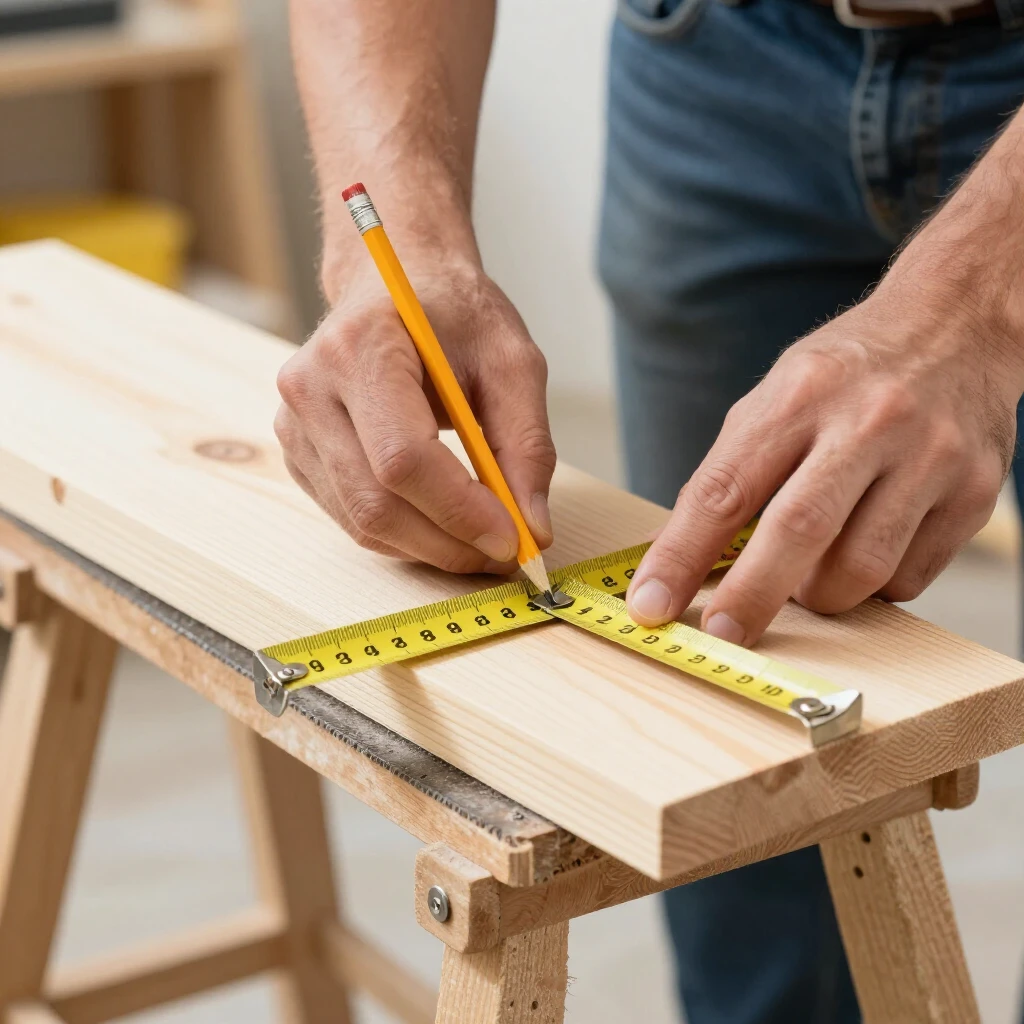
The tape measure is your go-to for longer distances. It extends out and locks in place, making it easy to measure rooms or boards. Look for one with clear markings in inches and fractions. In construction, workers often clip these onto tool belts for quick access. I've used mine to measure door frames, and the hook end grabs edges securely.
Choose a 25-foot tape for most jobs. Practice pulling it out smoothly to avoid snaps. Always measure from the same point to stay consistent.
Ruler or Straight Edge
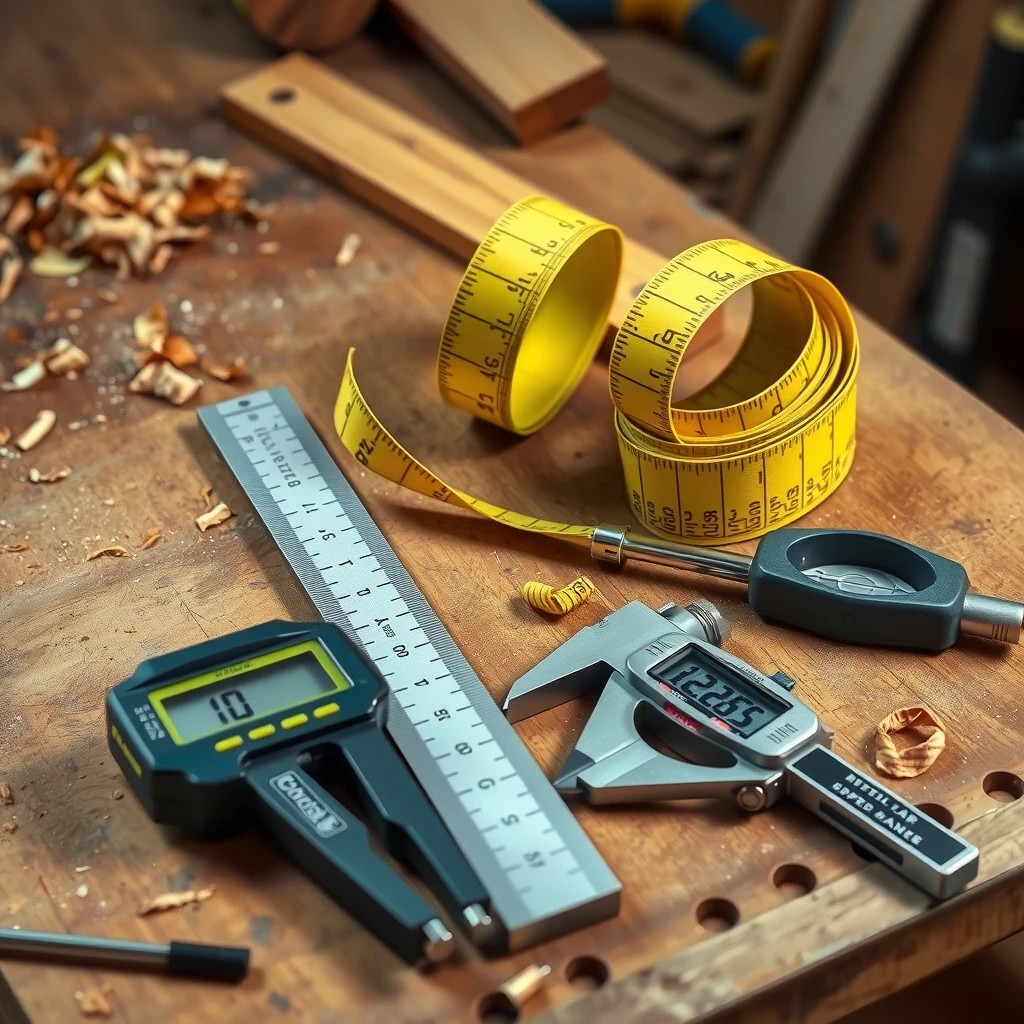
A basic ruler handles short measurements, like marking cuts on wood. Steel rulers resist bending and last longer. They're slim enough to slip into pockets or tool belts. From experience, a 12-inch ruler is handy for quick checks without pulling out bigger tools.
Level
Levels check if surfaces are straight or plumb. Bubble levels use a vial with liquid and an air bubble that centers when even. Laser levels project lines for larger areas. Construction workers rely on them for installing shelves or framing walls. I once hung pictures without one—big mistake; they ended up crooked!
Start with a 2-foot torpedo level for portability. It fits nicely in tool belts for construction workers.
Calipers
Calipers measure small dimensions precisely, like the thickness of a wire or bolt. Digital versions show readings on a screen, which is great for beginners. For more on how calipers work, check this guide on measuring instruments from the University of North Carolina. They've been a game-changer in my detailed projects.
Squares
Try squares ensure 90-degree angles. Speed squares help with roof pitches and quick marks. These are essential workman tools in carpentry. Keep one in your tool belt to verify corners on the fly.
How to Choose the Right Measuring Tools
Pick tools based on your needs. For home use, basic analog ones suffice. In construction, opt for durable, weather-resistant models. Consider ergonomics—grips that feel comfortable reduce fatigue.
Budget matters too. Start cheap, but invest in quality for frequent use. Read reviews and test in store if possible. Remember, good tools last years.
Factor in accuracy. Tools from reputable brands often meet standards set by organizations like the National Institute of Standards and Technology. Their handbook on testing measuring equipment explains how to verify precision.
Maintenance and Care for Your Tools
Keep tools clean and dry to prevent rust. Wipe them after use and store in a toolbox or tool belt. Calibrate regularly, especially digital ones. I've extended my tools' life by oiling moving parts lightly.
Check for wear: bent tapes or foggy bubbles mean it's time to replace. Proper care ensures reliability.
Integrating Measuring Tools with Tool Belts
Tool belts for construction workers organize essentials, keeping hands free. They hold tape measures, levels, and squares in pouches. Choose belts with adjustable straps and multiple compartments. A good tool belt distributes weight evenly to avoid strain.
In my view, a well-fitted tool belt boosts productivity. You grab what you need without searching. For safety, follow guidelines like those in OSHA's fall protection in construction, which covers body belts for elevated work.
Customize your belt: place frequently used measuring tools on the dominant side. This setup streamlines tasks on site.
Safety Tips When Using Measuring Tools
Always wear eye protection—debris can fly. Secure ladders before measuring heights. In construction, use tool belts to keep tools tethered, preventing drops.
Double-check measurements to catch errors early. Teach others on your team the basics for safer group work.
Personal Insights and Common Mistakes
From years of projects, I've seen beginners rush measurements, leading to do-overs. Take your time. Another tip: mark measurements clearly with pencils.
Incorporate workman tools into routines. A tool belt changed how I approach jobs, making everything accessible. Avoid overloading belts; it throws off balance.
Experiment with tools in low-stakes projects first. Build a simple box to practice squaring edges. You'll gain confidence quickly.
Wrapping It Up
This Beginner's Guide to Measuring Tools equips you with the knowledge to start strong. Master these basics, maintain your gear, and use tool belts wisely. With practice, you'll handle any project with precision. Remember, good measurements lead to great results.
Related Beginner's Guide to Measuring Tools:
- The Ultimate Guide to Power Drills with Multiple Attachments
- Top 10 Smart Multimeters for Electricians in 2025
- Advanced Techniques: From Beginner to Pro in Metal Shaping
- How to Analyze Complex Topics
- Ultimate Guide to Power Washer Troubleshooting and Repair
- Easy DIY Projects to Try with Your Power Tools
- The Best Attachments to Upgrade Your Power Drill
- How IoT is Revolutionizing Construction Sites
- Ergonomic Hand Tools for Reduced Strain: Your Guide to Smarter, Safer Workmanship
- How to Choose the Perfect Toolbox for Your Workshop
- Top 10 Essential Tools for Metalworking Beginners: Build Your Skills with Confidence
- Revolutionizing the Job Site: Augmented Reality in Construction and Electrical Work