A Quick Overview
Choosing the perfect toolbox for your workshop starts with understanding your space and tools. Whether you handle basic repairs or dive into specialized workman tools for metalwork, the right toolbox keeps everything organized and accessible. In this article, we'll cover essential steps to make your selection easy and effective. Let's get started.
Why Your Toolbox Matters More Than You Think
I've spent countless hours in my garage workshop, and let me tell you, a cluttered toolbox leads to frustration fast. Picture this: You're in the middle of a project, hunting for that one wrench, and time slips away. A good toolbox isn't just storage—it's your workshop's backbone.
It protects your workman tools from damage, speeds up your workflow, and even boosts safety. According to NIOSH guidelines on safe hand tool selection, proper tool storage reduces injury risks by keeping handles intact and grips secure. No more slipping screwdrivers or bent pliers.
Think about your daily grind. If you're a weekend warrior fixing bikes, you need something portable. But if metalwork is your passion, with hammers and chisels flying, durability becomes key. A solid toolbox pays for itself in saved time and sanity.
Step 1: Assess Your Workshop Needs
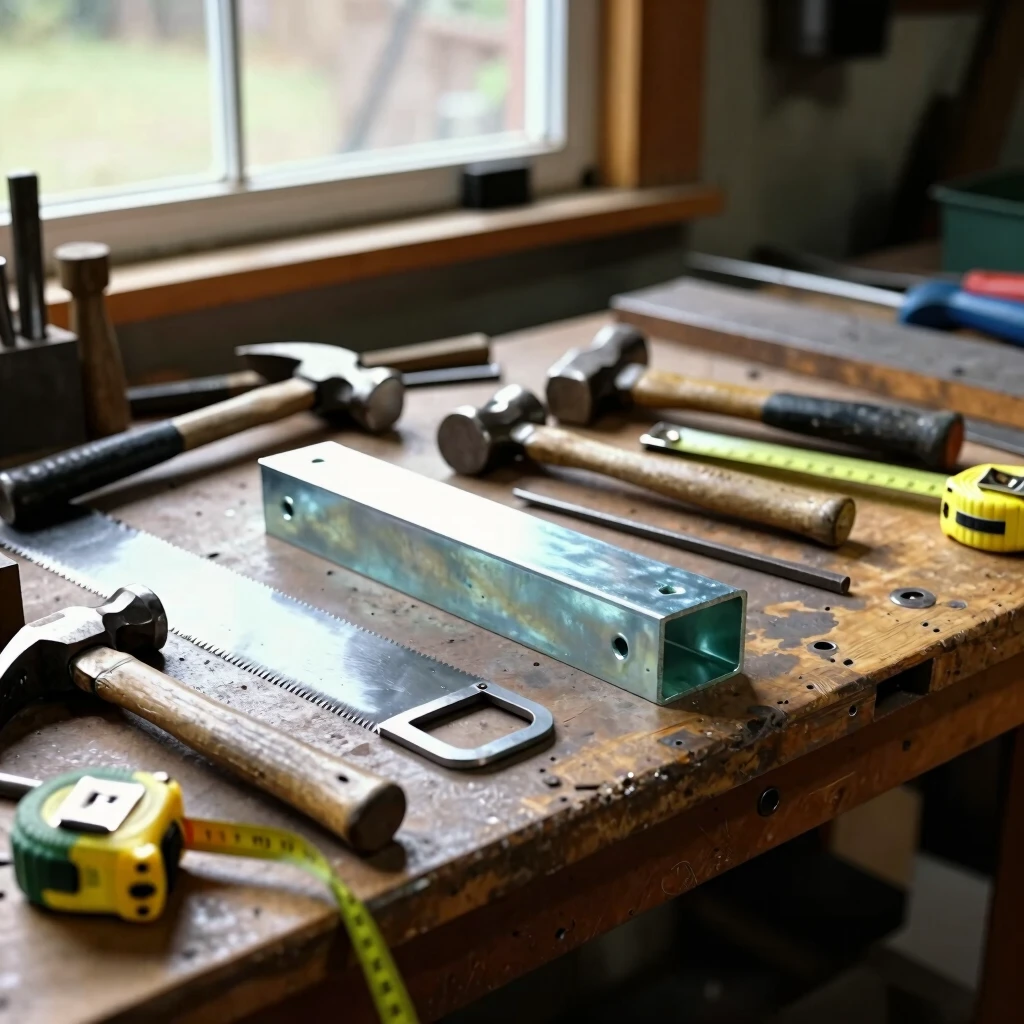
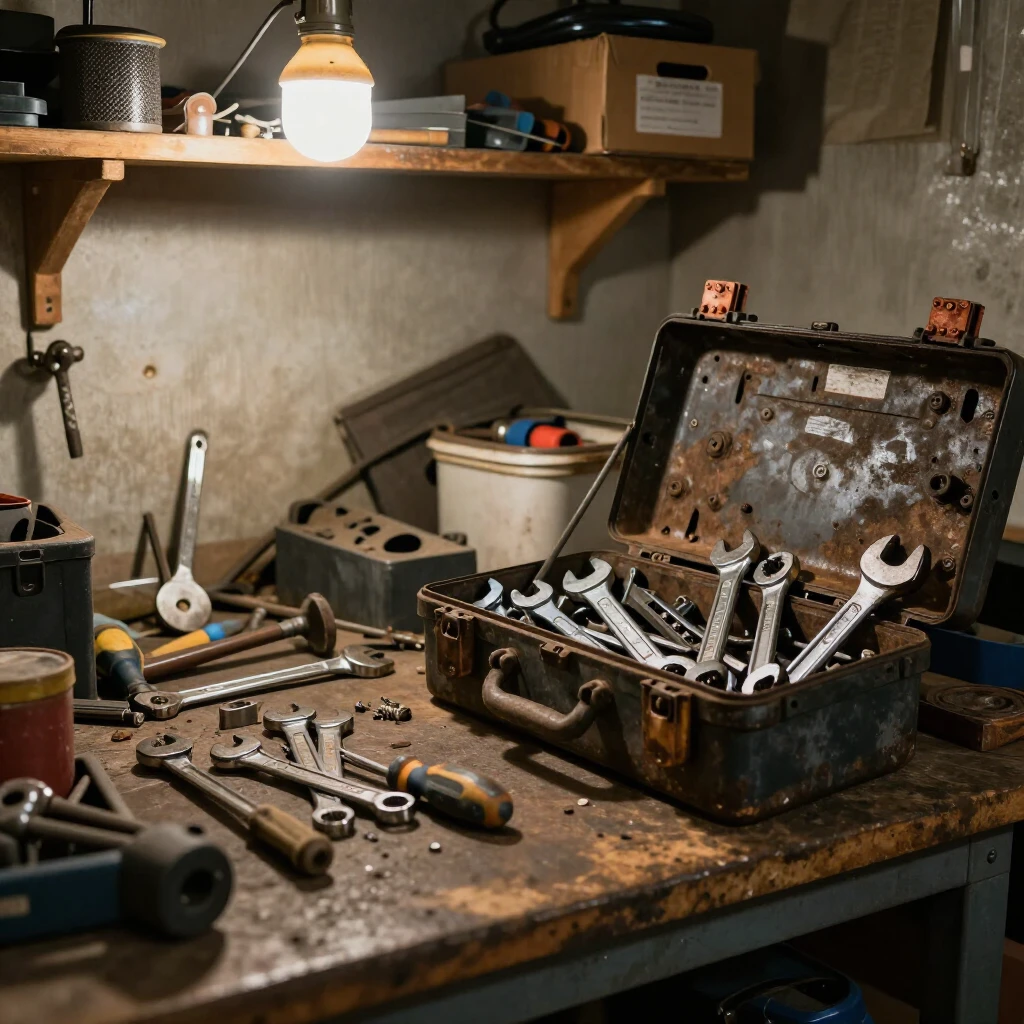
Before you buy, take stock. Walk into your workshop and list what you use most. Got a mix of everyday workman tools like hammers and tape measures? Or do you lean into specialized workman tools for metalwork, such as tongs or swages?
Start simple: Measure your space. Will it sit on a bench or roll around the floor? Count your tools—aim for a toolbox with 20-30% extra room for growth.
Personal tip: I once crammed all my metalworking bits into a tiny plastic box. Disaster. Sparks flew everywhere during a forging session because I couldn't grab the right punch quickly. Now, I prioritize based on project types:
- Daily fixes: Compact and lightweight.
- Heavy-duty tasks: Sturdy with deep drawers.
- Metalwork specifics: Compartments for sharp edges.
Consider your workflow too. Do you haul tools to job sites? Go for portability. Stationary setup? Focus on capacity.
| Factor | Questions to Ask | Why It Matters |
|---|---|---|
| Space | Benchtop or floor? | Ensures fit without crowding. |
| Tool Count | 50+ items? | Prevents overflow. |
| Usage | Mobile or fixed? | Affects wheels and size. |
| Specialty | Metalwork focus? | Needs reinforced sections. |
Step 2: Explore Toolbox Types
Toolboxes come in all shapes—let's break them down. Each suits different workshops, so match one to your vibe.
Portable Boxes: Great for on-the-go. Think soft-sided bags or hard plastic cases. I love these for quick trips; they're tough yet light.
Rolling Cabinets: Beast mode for bigger spaces. These wheeled wonders hold tons of workman tools. Drawers glide smooth, perfect for sorting screws from snips.
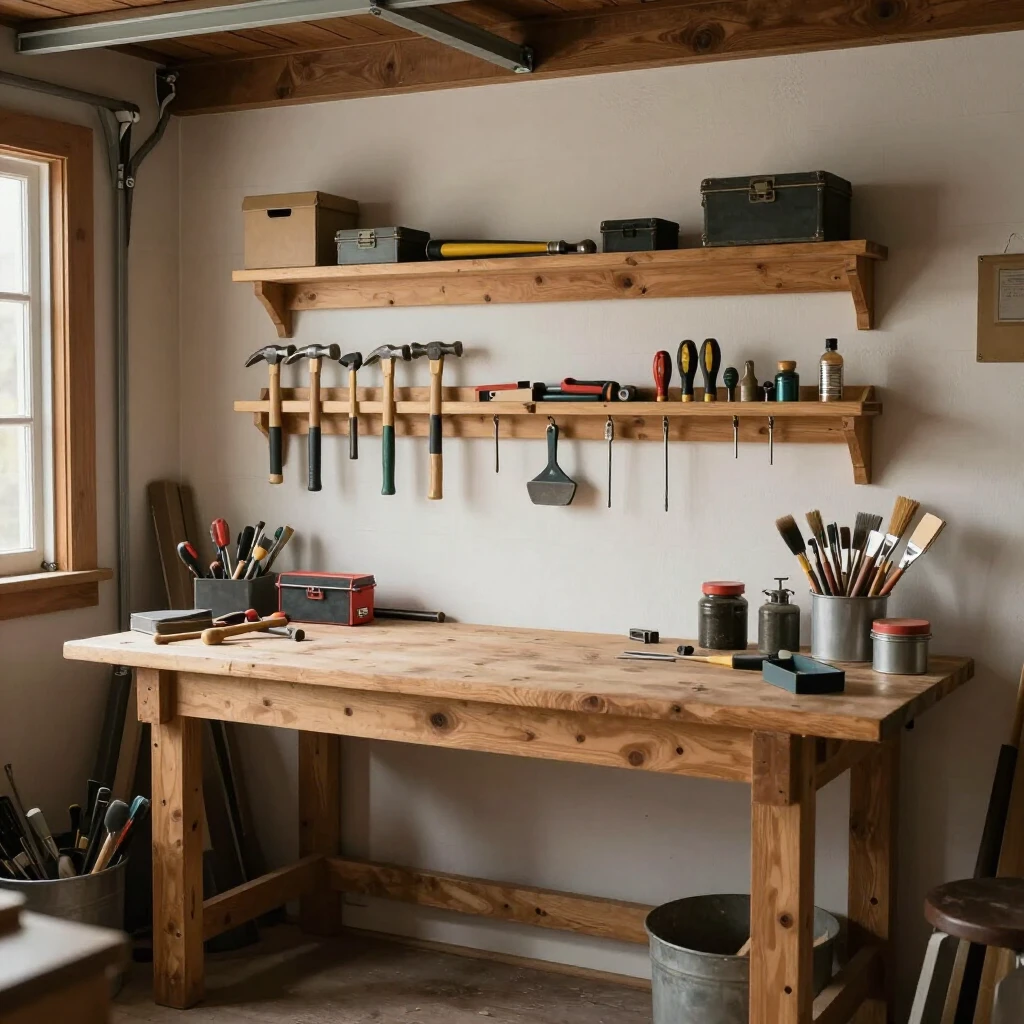
Wall-Mounted Units: Save floor space. Hang 'em up for easy grab-and-go. Ideal if your workshop is tight quarters.
Hybrid Options: Combine portability with storage. A chest on a cart? Yes, please. My favorite for mixed use.
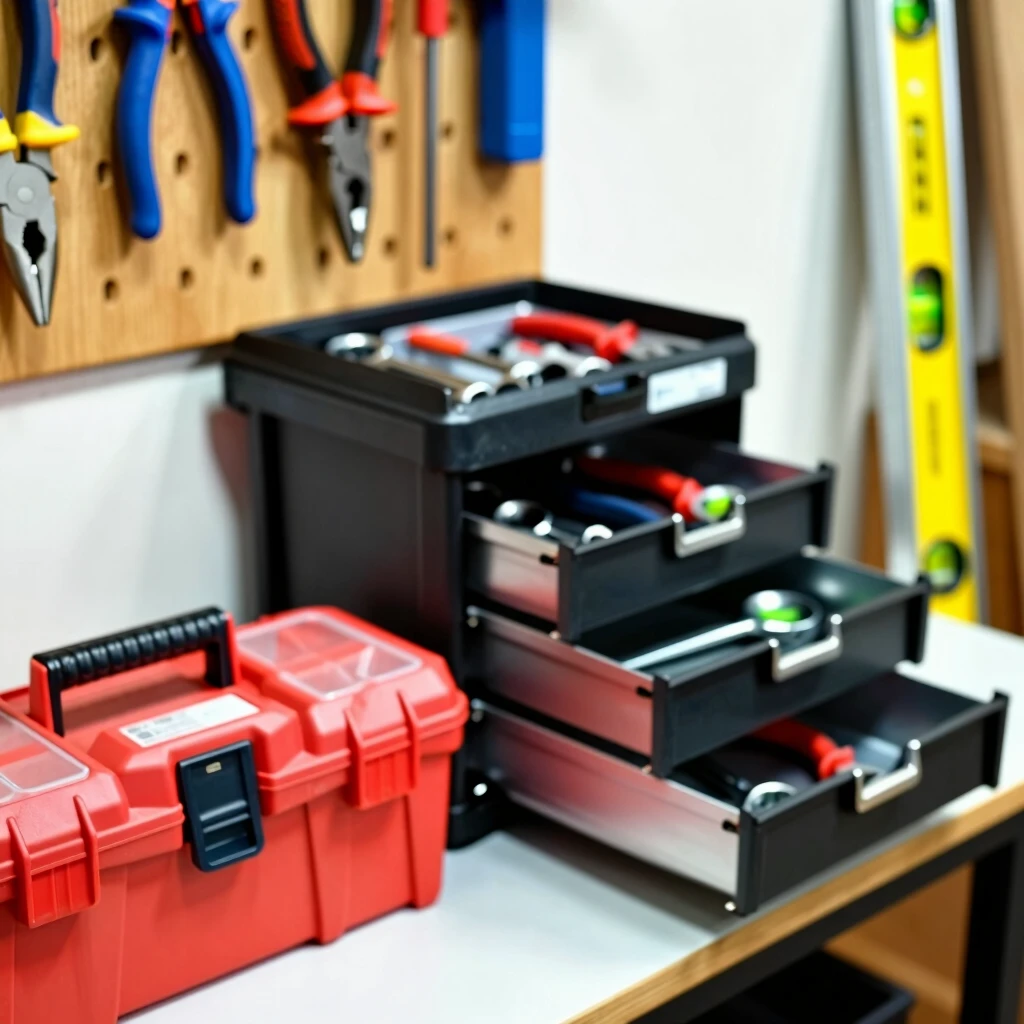
For specialized workman tools for metalwork, lean toward metal or heavy-duty plastic. They withstand the heat and bangs better than flimsy options.
Step 3: Pick the Right Material and Build
Material makes or breaks longevity. Steel? Unbeatable strength, but heavy. Aluminum? Lighter, rust-resistant—my go-to for humid shops.
Plastic works for light duty, cheap and colorful, but skips for serious pounding.
Look at construction: Welded seams over rivets for durability. Powder-coated finishes fend off scratches. And locks—essential for securing pricey tools.
From experience, I upgraded from a budget plastic to steel after a drop shattered my old one. Tools everywhere, lesson learned.
Safety first: Rounded edges prevent cuts. And per OSHA's overview of metal cutting tools, choose builds that handle vibration from grinders or lathes without wobbling.
Step 4: Focus on Organization Features
The best toolbox isn't just big—it's smart. Dividers, trays, and foam inserts keep chaos at bay.
I swear by magnetic strips for bits and adjustable bins for varying sizes. Label everything; it saves seconds that add up.
- Drawer slides: Ball-bearing for smooth pull.
- Compartments: Foam cutouts for custom fit.
- Handles: Ergonomic to avoid strains.
Organize by category: Power tools top, hand tools below. For metalwork, dedicate a drawer to sharps—safety razor-sharp.
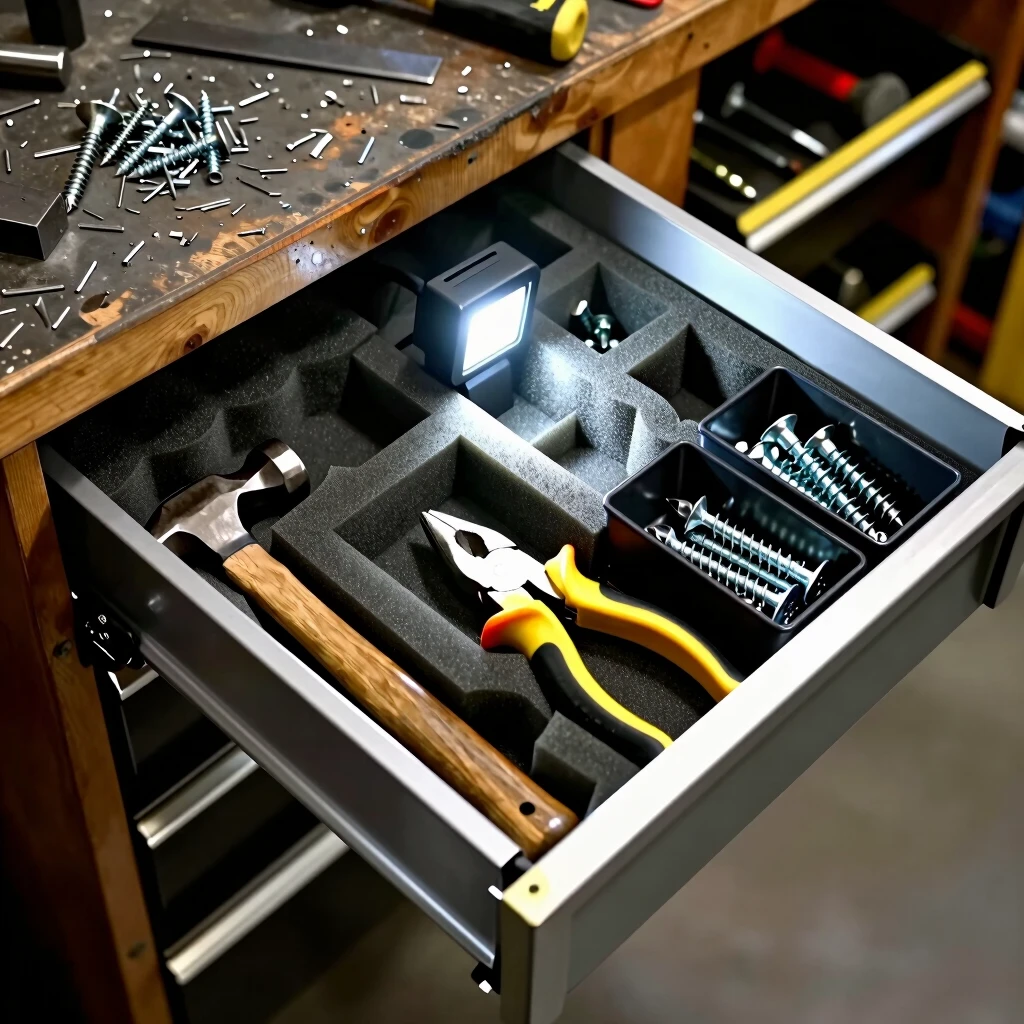
Pro hack: Use shadow boards. Trace tools on foam, cut out—visual inventory at a glance. Cuts search time in half.
Tailoring for Specialized Workman Tools for Metalwork
Metalwork amps up demands. Heat, sparks, heavy hits—your toolbox must match.
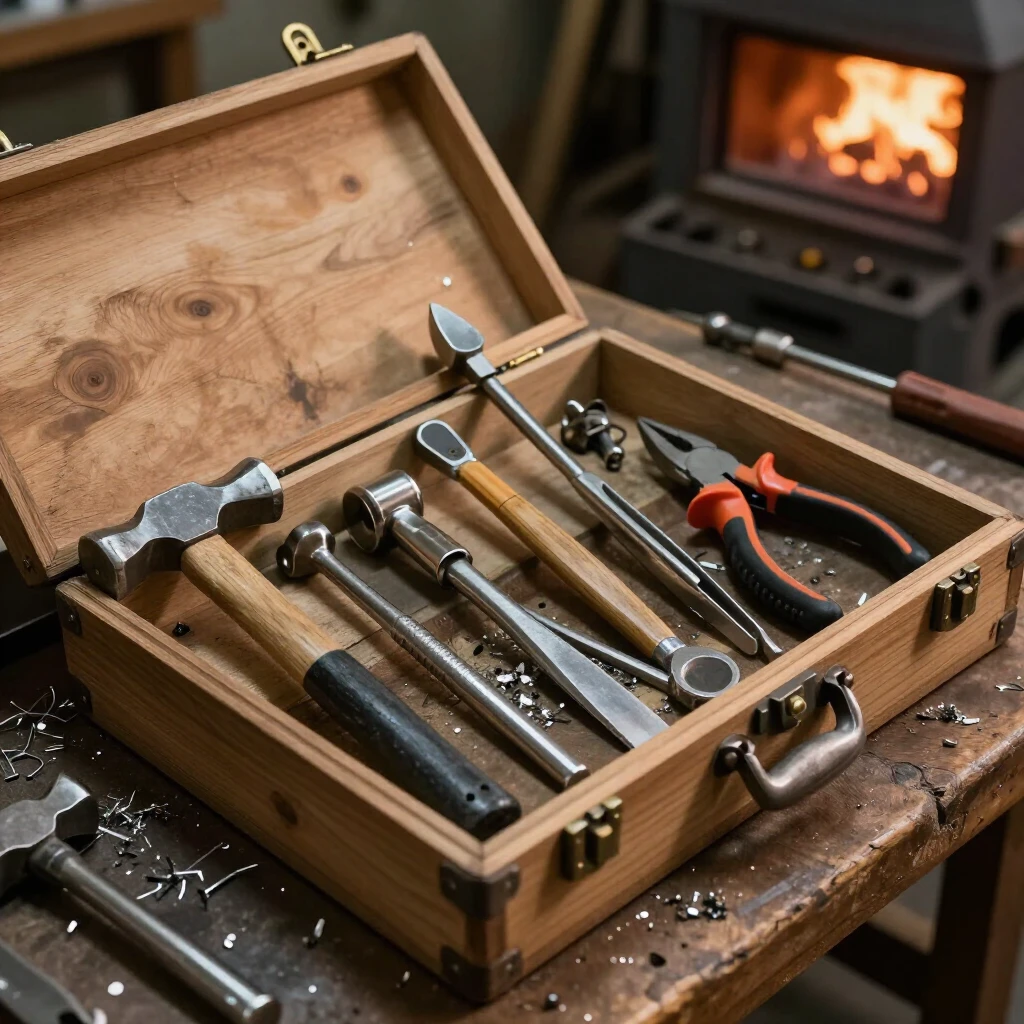
Essential add-ons: Fire-resistant liners, reinforced corners. Stock it with tongs, sledges, and punches, as outlined in Penn State's guide to blacksmithing essentials.
I've forged countless pieces, and nothing beats a toolbox with heat-proof padding. It shields files from warping near the forge. Pair with quenching trough access—workflow gold.
Budget tip: Start modular. Add drawers as your collection grows. No need to splurge day one.
Budgeting and Brand Picks
Set a range: $50 for basics, $500+ for pro-grade. Value over cheap—better to invest once.
Brands like Husky or Craftsman shine for reliability. Read reviews, but trust your gut on feel.
My first big buy? A $200 roller. Best workshop upgrade ever. Tools stay put, back stays happy.
Maintenance: Keep It Lasting
Your toolbox thrives with care. Wipe down after sweaty sessions, oil slides yearly. Store in dry spots to dodge rust.
Quick check: Tighten loose bits monthly. It'll serve you decades.
Wrapping It Up
How to choose the perfect toolbox for your workshop boils down to fit, function, and future-proofing. Assess needs, pick smart features, and organize ruthlessly. Your workman tools—and sanity—will thank you. Dive in, build that dream setup, and watch projects flow smoother.
Related How to Choose the Perfect Toolbox for Your Workshop:
- Top 10 Essential Tools for Metalworking Beginners: Build Your Skills with Confidence
- Revolutionizing the Job Site: Augmented Reality in Construction and Electrical Work
- Revolutionizing Workshops: Innovative Workman Tools in 2024
- How to Choose the Right Workbench: A Comprehensive Guide for Every Maker
- Advanced Woodworking Techniques: Mastering the Table Saw
- Essential Power Tools for Beginner Woodworkers
- Mastering Complex Projects: Essential Advanced Workman Tools for Every Builder
- Mastering Metalwork: The Ultimate Guide to Specialized Workman Tools
- Workman Safety Tips: Maintaining Comfort and Health
- Woodworking for Dummies by Jeff Strong: Your Ultimate Beginner-to-Pro Guide
- Essential Safety Gear for Power Tools: Protect Yourself and Work Smarter
- Essential Chisels in a Woodworker's Toolkit: Your Guide to Precision and Craftsmanship