Overview
Metalwork turns raw metal into stunning creations, but it starts with the right gear. This guide explores specialized workman tools for metalwork, from hammers to high-tech machines. You'll get practical tips, personal stories, and ways to keep your workman tools organized in sturdy toolboxes. Ready to forge ahead? Let's dive in.
Why Specialized Workman Tools Matter in Metalwork
I remember my first metal project—a simple bracket for a shelf. I grabbed whatever tools I had, but the results looked rough. That's when I learned: specialized workman tools for metalwork make all the difference. They cut time, reduce frustration, and deliver pro-level finishes.
These tools aren't just gadgets. They handle tough jobs like cutting, shaping, and joining metal. Whether you're a hobbyist or a pro, picking the right ones builds confidence. Over years in the shop, I've seen how quality tools spark creativity.
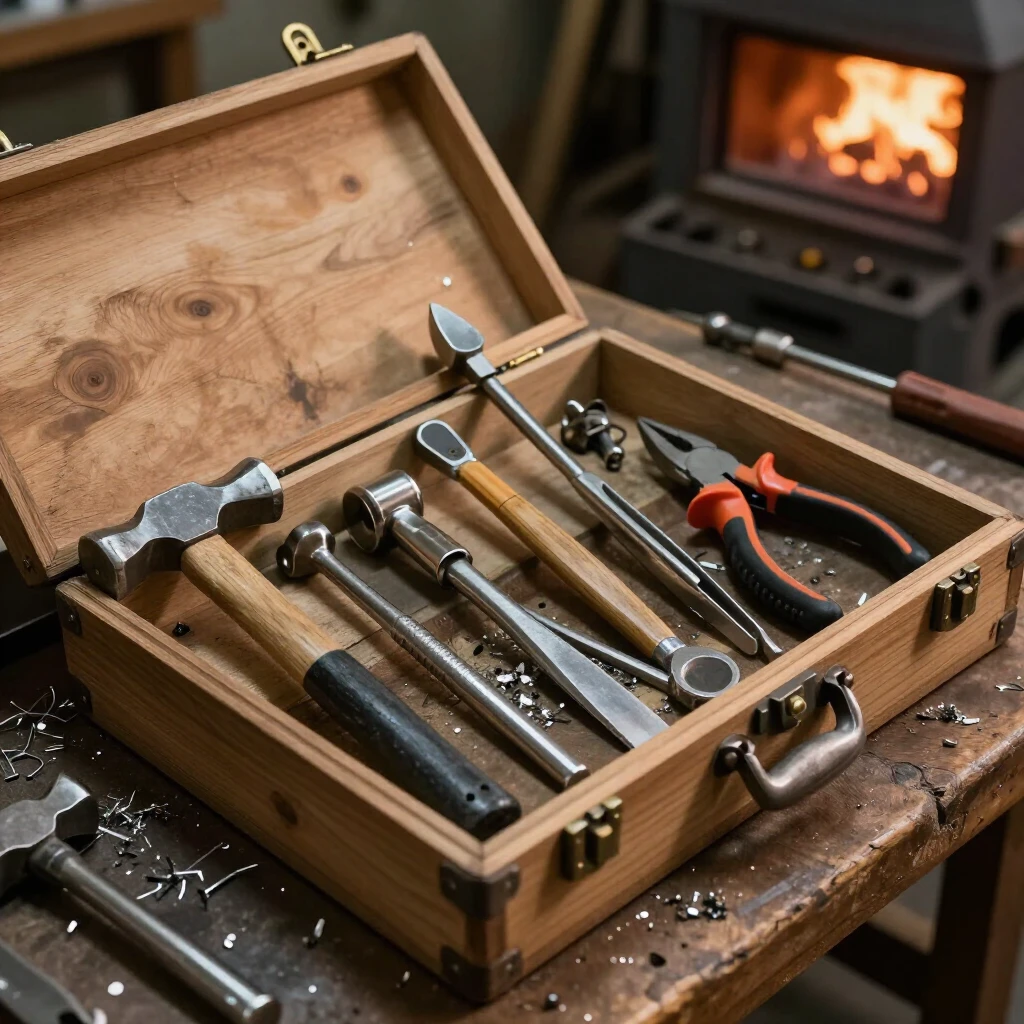
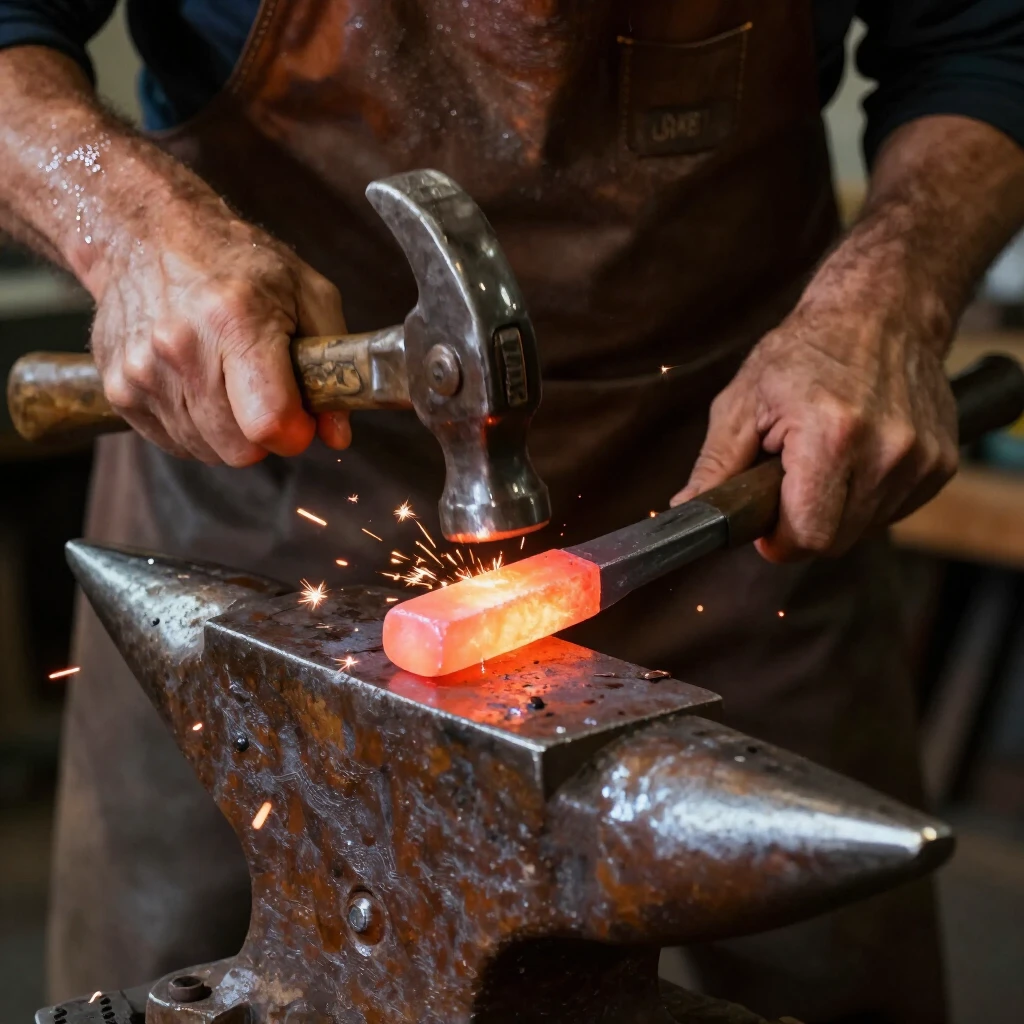
Start with basics. A good hammer isn't one-size-fits-all. Cross-peen hammers draw out metal, while ball-peen ones shape rivets. Tongs grip hot pieces safely—essential for any forge work.
For deeper insights into traditional techniques, explore blacksmithing tools and methods from Penn State University. Their breakdown of hammers, tongs, and anvils shows how these evolved over centuries.
Hand Tools: The Heart of Your Metalwork Kit
Hand tools form the backbone of metalwork. They let you feel the material, control every bend and cut. Let's break down must-haves.
Hammers and Mallets
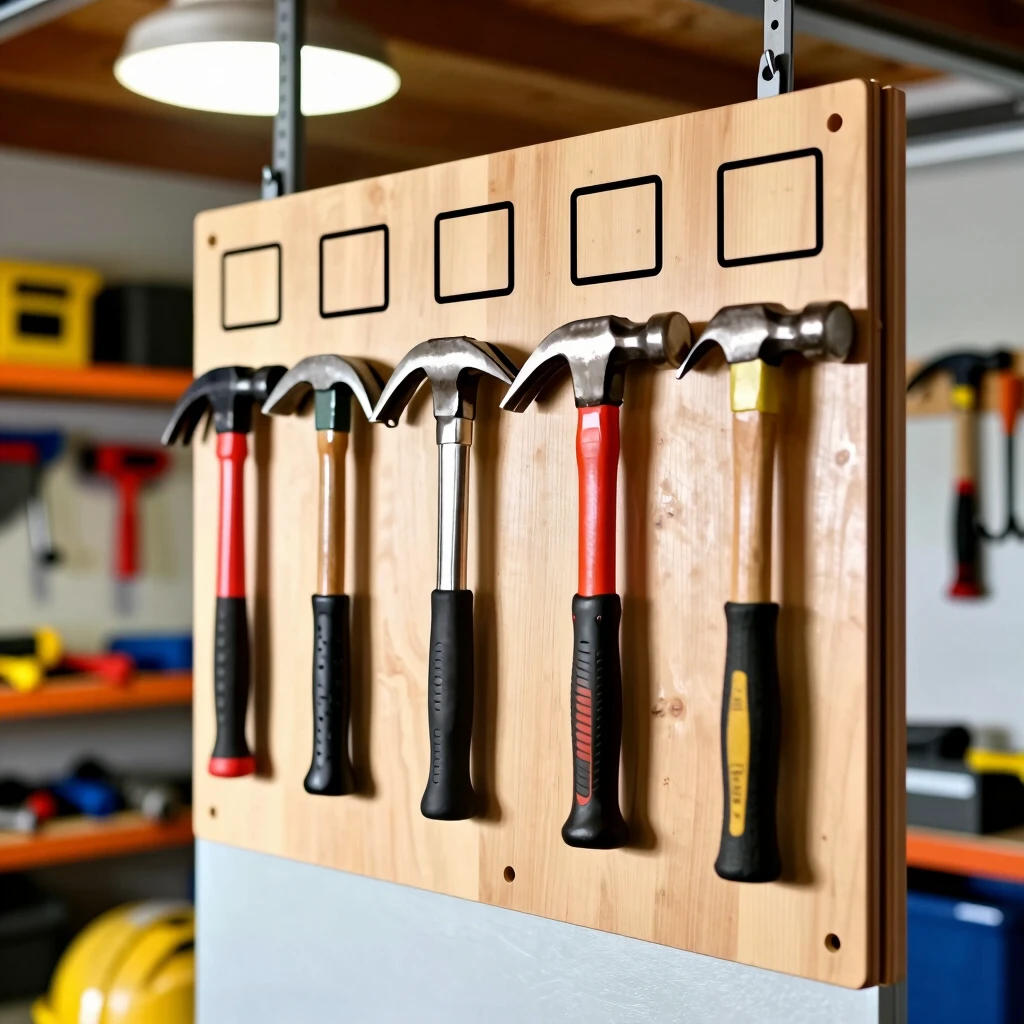
Hammers strike with precision. Use a 2-pound cross-peen for general forging. It's light enough for control but packs power. In my shop, this tool has shaped countless gates and fixtures.
Chisels and Punches
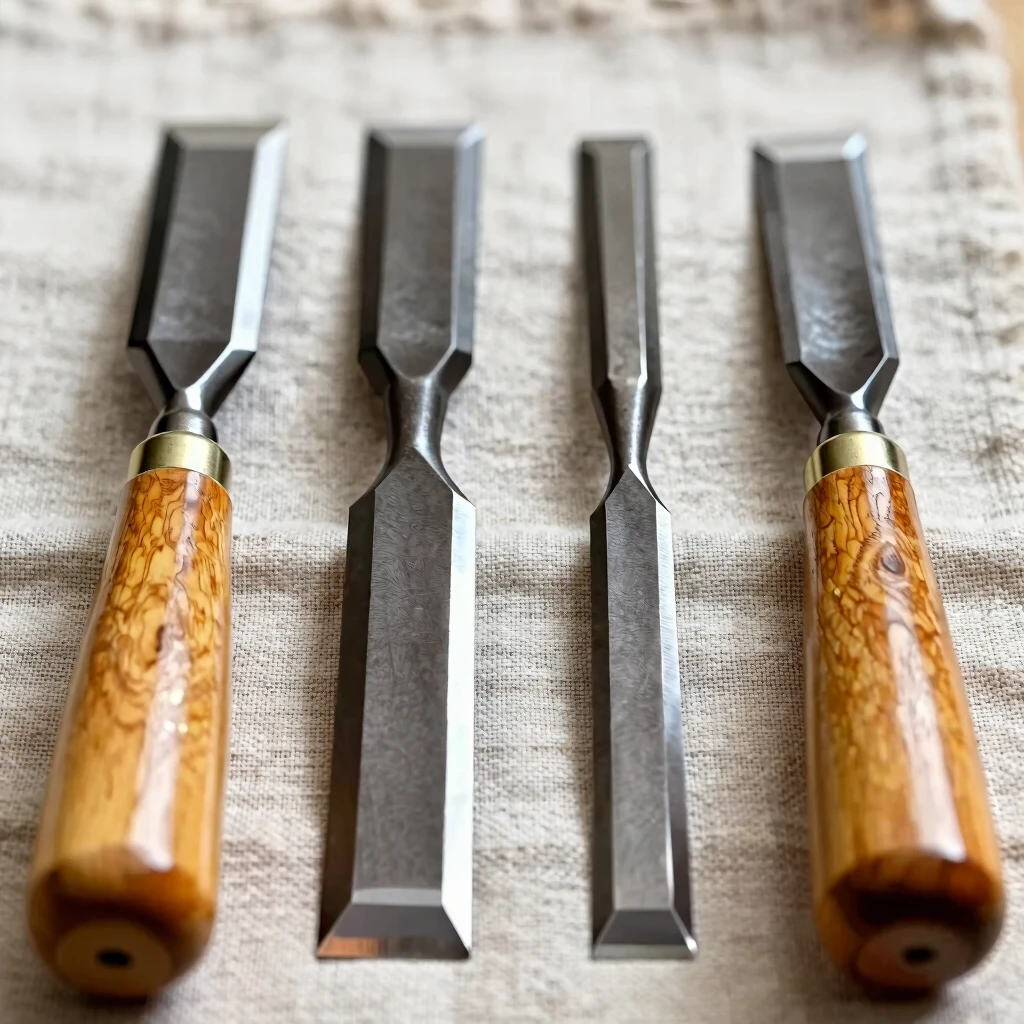
Chisels cut cold metal; hot chisels slice through heated bars. Punches make holes without drills—great for rivets. Always sharpen them; dull ones slip and cause accidents.
- Files: Smooth edges after cutting. Bastard files remove bulk; smooth files finish the job.
- Pliers and Vises: Grip and hold. Needle-nose pliers bend wire; locking pliers clamp pieces tight.
- Saws: Hacksaws cut straight lines. Use fine blades for thin sheets.
One tip from experience: Invest in ergonomic handles. Long sessions hurt less with cushioned grips. I've switched, and my wrists thank me.
For safety around these tools, check the OSHA guide to machine tools in metal cutting. It lists hazards and best practices that apply to hand tools too.
Power Tools: Boosting Efficiency in Metalwork
Power tools speed up big jobs. They handle heavy cutting and shaping that hands can't match. But choose wisely—overkill wastes money.
Drills and Saws
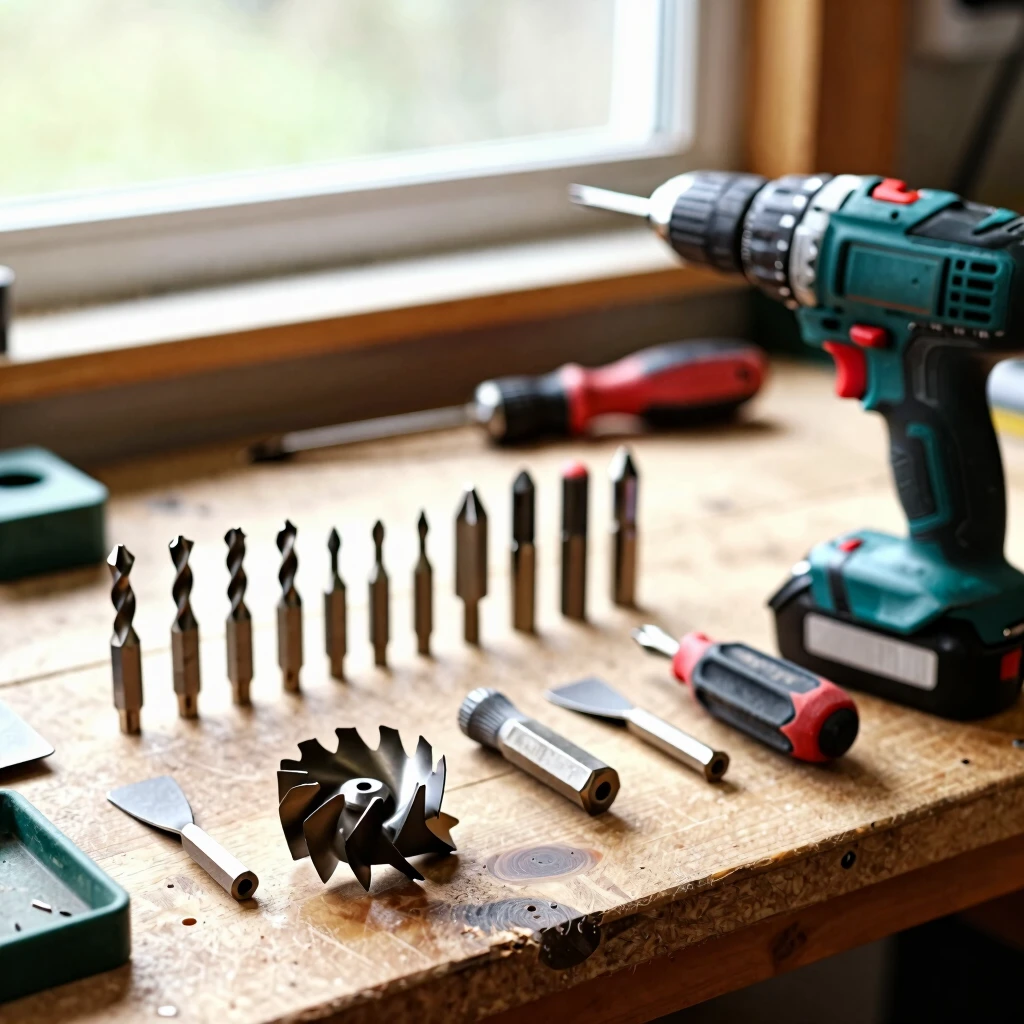
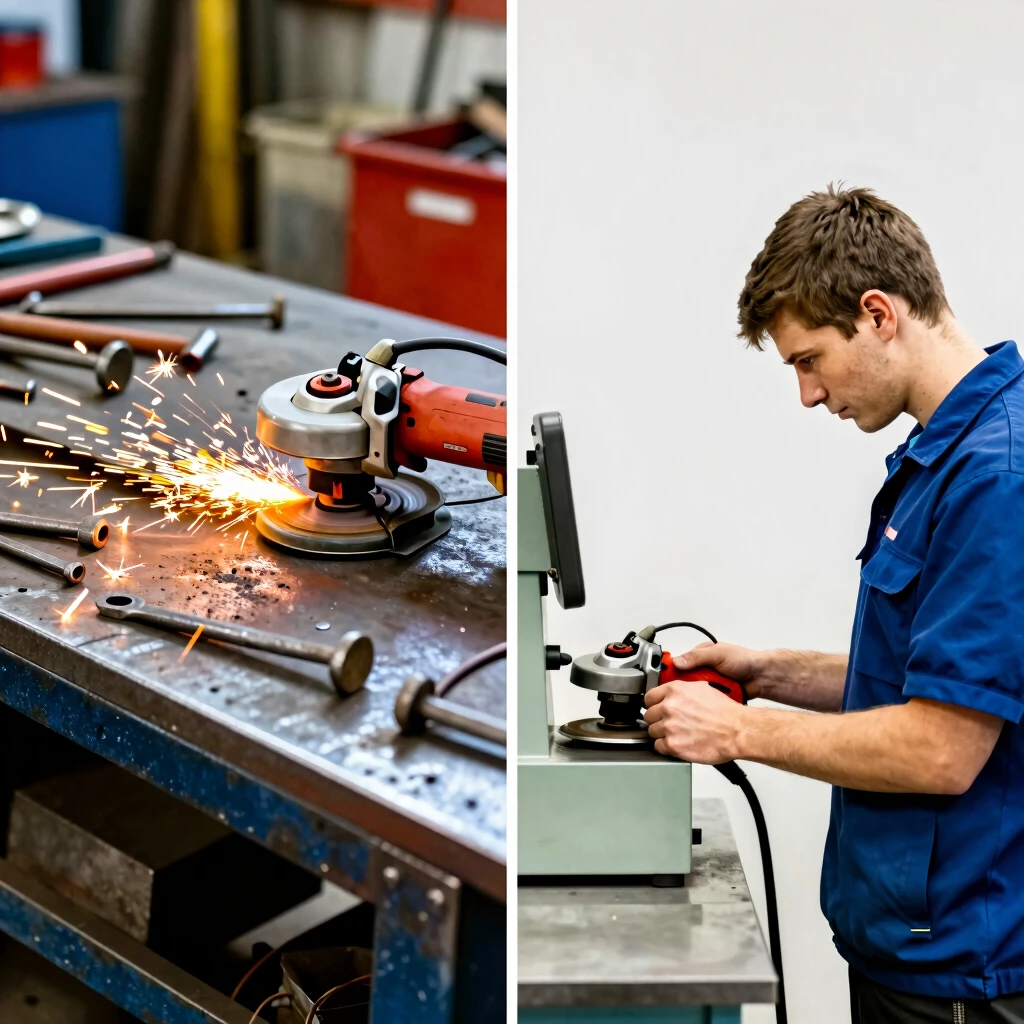
Cordless drills with metal bits bore holes fast. Angle grinders cut and grind in seconds. I once spent hours filing a slot; a grinder did it in minutes.
Band saws slice curves smoothly. Vertical ones for stock; horizontal for bars.
At Iowa State University's labs, they use tools like the Bridgeport Knee Mill for precise milling. It's a beast for slots and contours—similar models fit home shops.
Lathes and Mills
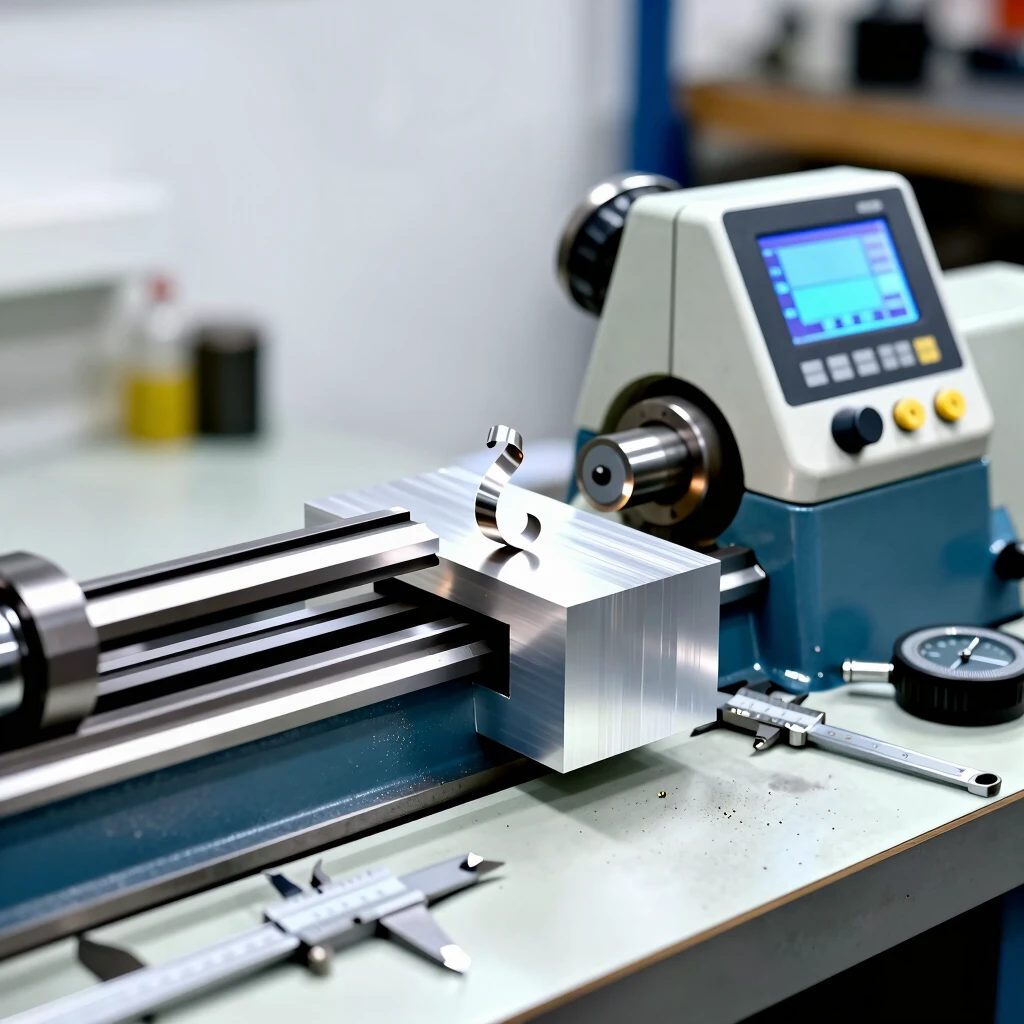
Lathes turn cylindrical parts. A benchtop model starts at 7x14 inches. Mills carve flat surfaces. Start small if space is tight.
| Tool Type | Best For | Beginner Pick | Pro Upgrade |
|---|---|---|---|
| Drill Press | Accurate holes | WEN 4208 | Grizzly G7947 |
| Band Saw | Curved cuts | WEN 3962 | Grizzly G0555 |
| Lathe | Round shapes | Grizzly G8688 | South Bend 10K |
This table shows options at different levels. I began with the WEN drill—reliable and affordable.
Personal story: My first lathe project was a custom knob. It wobbled at first, but tweaking speeds taught me control. Power tools reward patience.
Toolboxes: Organizing Your Workman Tools
Great tools gather dust without organization. Toolboxes keep your specialized workman tools for metalwork ready and safe.
Portable ones suit mobile work; rolling cabinets handle full kits. Look for drawers with dividers—small parts stay sorted.
I use a Husky 26-inch roller. It holds hammers in top trays, files in shallow drawers. Foam inserts prevent scratches.
Tips for setup: 1. Group by task: Cutting tools together, measuring nearby. 2. Label everything—saves hunting time. 3. Add liners to catch spills.
A cluttered box leads to mistakes. Clean weekly; it extends tool life.
For sheet metal starters, basic kits include snips and brakes. Expand as skills grow. Toolboxes evolve with you.
Safety and Maintenance: Long-Term Wins
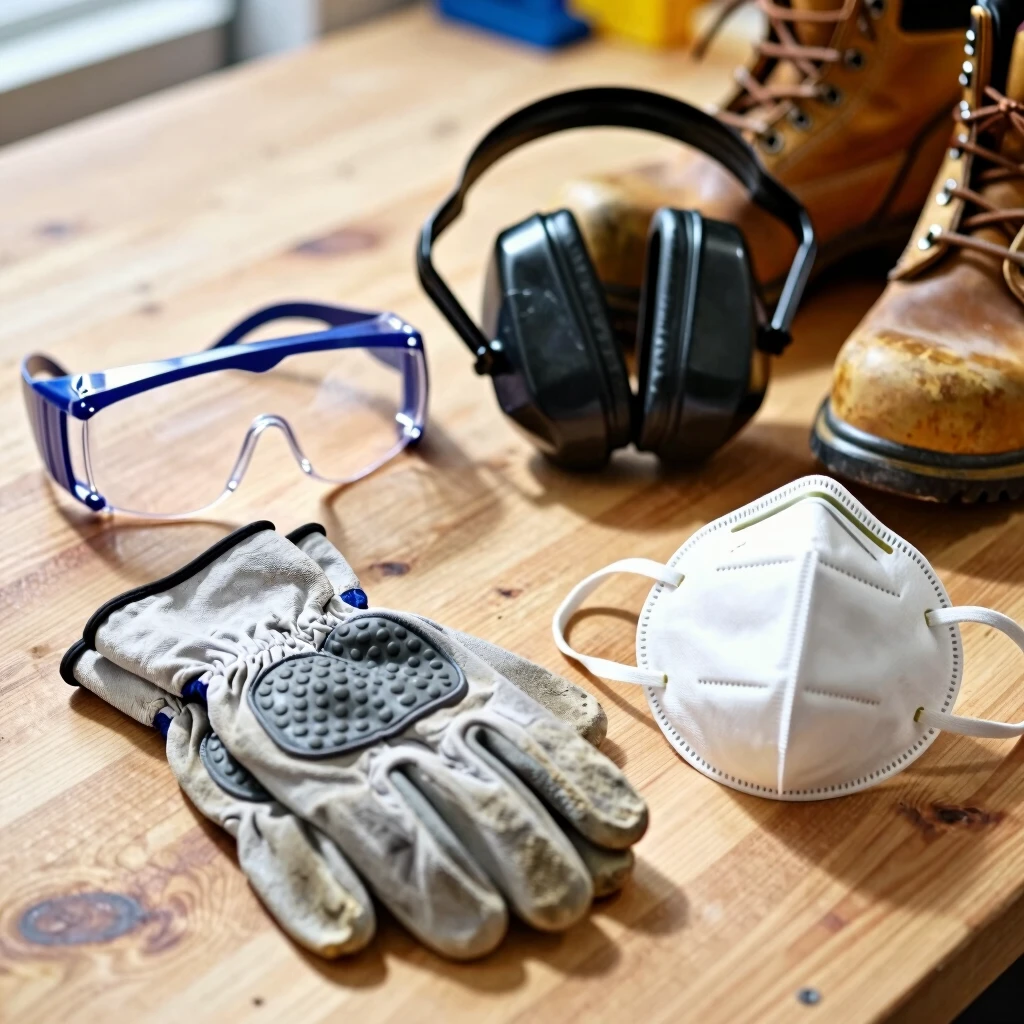
Safety first in metalwork. Wear gloves, goggles, and aprons. Secure workpieces to avoid slips.
Maintain tools: Oil moving parts, store dry. Sharpen blades regularly.
From my mishaps—a loose vise grip once sent a chisel flying—I've learned to double-check setups.
Wrapping It Up
Specialized workman tools for metalwork open doors to endless projects. From hand hammers to powered lathes, and smart toolboxes, build your kit thoughtfully. Start small, learn hands-on, and watch your skills shine. Your next masterpiece awaits—grab those tools and get forging.
Related specialized workman tools for metalwork:
- Workman Safety Tips: Maintaining Comfort and Health
- Woodworking for Dummies by Jeff Strong: Your Ultimate Beginner-to-Pro Guide
- Essential Safety Gear for Power Tools: Protect Yourself and Work Smarter
- Essential Chisels in a Woodworker's Toolkit: Your Guide to Precision and Craftsmanship
- Understanding Power Drill Attachments and Their Uses
- How to Organize Your Workshop Like a Pro
- Maintenance Tips for Workman Tools: Keep Your Gear Sharp and Safe
- Essential Electrical Tools for Troubleshooting and Repair: A Hands-On Guide
- Essential Safety Tips for Metalworking Beginners: Protect Yourself and Craft with Confidence
- Understanding Your Car’s Cooling System: Tips and Tricks
- How to Maintain Your Hammers for Longevity
- Essential Workman Tools for Electrical Work: A Hands-On Guide to Getting the Job Done Right